Can You Put Trash Bags Between Soil Layers for Gardening?
Gardening often sparks creative solutions, especially for those striving to control weeds, retain moisture, or recycle household materials. One recurring idea is the use of trash bags between soil layers—an approach that promises convenience and weed suppression. But is this a safe, sustainable, and effective gardening practice? While some gardeners tout the benefits of plastic as a barrier, growing environmental awareness has raised important questions about the long-term effects on soil health, plant growth, and the ecosystem.
This article delivers a comprehensive, data-driven analysis of using trash bags between soil layers for gardening. It addresses the science behind plastic barriers, explores environmental and horticultural implications, and presents safer, more effective alternatives. Drawing on research, expert opinions, and real-world examples, this guide will help you make informed choices for a thriving, eco-friendly garden.
Key Takeaways
- Trash bags as soil barriers pose risks to soil health, plant roots, and the environment.
- Scientific evidence shows plastics can disrupt drainage, harbor toxins, and stifle beneficial organisms.
- Sustainable alternatives like landscape fabric or biodegradable mulch offer similar benefits with fewer drawbacks.
- Real-world cases reveal that quick fixes often lead to long-term soil and plant issues.
- Understanding material impacts empowers gardeners to make eco-conscious decisions.

Credit: ipm.ucanr.edu
Understanding Trash Bags As Soil Barriers
What Are Trash Bags Made Of?
Most household trash bags are made from polyethylene (PE), a type of plastic derived from petroleum. There are two common types:
- Low-density polyethylene (LDPE): Flexible, stretchy, found in most kitchen and lawn bags.
- High-density polyethylene (HDPE): Thinner, more rigid, used in some lighter trash bags.
These plastics are not biodegradable. Some bags contain additives for color, scent, or strength, which may leach into the environment.
It’s also important to note that many trash bags are engineered for durability and resistance to tearing, making them particularly persistent in the environment. Hefty bags, for example, often contain special resins or blends to increase their strength. Scented trash bags introduce additional chemicals, such as fragrances or odor-neutralizers, which are not typically tested for safety in soil contact or food production environments.
Many colored trash bags (such as black bags) may contain carbon black or other pigments, which can further complicate the leaching of unknown substances into the soil.
Why Do Gardeners Use Trash Bags Between Soil Layers?
The idea is simple: placing a plastic barrier between layers of soil, compost, or mulch can:
- Suppress weeds by blocking light
- Retain soil moisture
- Prevent mixing of soil types (e.g., keeping compost separated from native soil)
- Repurpose household waste
This method is especially tempting for raised beds, container gardens, or new garden plots.
Additionally, trash bags are inexpensive and widely available, making them an attractive solution for gardeners working on a budget or those seeking to repurpose materials that would otherwise end up in the landfill. In climates with hot, dry summers, some gardeners hope that the plastic barrier will keep water from evaporating too quickly, while in other regions, the motivation is primarily about weed control.
Short-term Perceived Benefits
Some gardeners report initial improvements such as:
- Reduced weed growth for several months
- Easier management of garden beds
- Visual tidiness, with clear separation between soil layers
However, these benefits are often short-lived and come with hidden costs.
For example, the immediate decrease in weed pressure can be dramatic, especially in beds previously overrun with aggressive weeds like Bermuda grass or bindweed. The clean lines created by a plastic barrier can make raised beds appear more orderly and easier to maintain in the short term.
Additionally, those growing in containers or on patios may find that a trash bag liner prevents soil from escaping through drainage holes, at least initially.
Despite these apparent advantages, feedback from gardening forums and cooperative extension services often shows disappointment after the first season, as problems with waterlogging, plant health, and soil quality become apparent. The short-term visual and maintenance benefits can quickly be overshadowed by the long-term damage caused to the living ecosystem within the soil.
The Science Of Soil Layers And Root Health
Healthy soil is a living system, teeming with microbes, earthworms, and plant roots. Plastic barriers like trash bags disrupt:
- Water drainage: Excess water pools above the barrier.
- Gas exchange: Roots need oxygen, which is blocked by impermeable plastic.
- Nutrient cycling: Microbes and worms can’t move freely.
Research from the US Department of Agriculture highlights that soil plastic barriers can reduce root mass by up to 30%, impacting plant vigor and yield.
Roots rely on a continuous supply of oxygen to support cellular respiration, which is essential for nutrient uptake and growth. When a non-porous plastic barrier is placed between soil layers, oxygen cannot diffuse easily, and carbon dioxide produced by root and microbial respiration becomes trapped.
This can create anaerobic (oxygen-poor) zones, which are known to support the growth of harmful soil pathogens and reduce beneficial microbial populations.
Soil scientists emphasize the interconnectedness of soil layers—earthworms and other decomposers travel vertically, mixing organic matter and enhancing soil fertility. Blocking this movement with plastic stifles decomposition and reduces the formation of rich topsoil. Over time, this leads to compacted, lifeless soil, decreased water infiltration, and weaker plants.

Credit: lovelygreens.com
Environmental And Health Impacts Of Using Trash Bags
Plastic Decomposition And Toxin Release
Plastics like polyethylene are incredibly durable. In garden conditions:
- Trash bags can persist for dozens of years without breaking down.
- Exposure to sunlight, heat, and water can cause fragmentation, releasing microplastics.
- Additives (such as dyes or stabilizers) may leach chemicals into the soil.
A 2020 study in *Environmental Science & Technology* found that microplastics from garden plastics accumulate in soil, potentially entering food crops and local water supplies (EPA).
The decomposition of plastic is not the same as biodegradation—while plastics may fragment into smaller pieces under UV light or mechanical stress, these fragments remain in the environment as persistent pollutants. Leaching of chemicals from plastics is a complex process influenced by soil pH, temperature, and microbial activity.
Some of these chemicals, such as phthalates, are known endocrine disruptors in humans and animals.
In gardens, especially those growing food crops, this risk is amplified, as microplastics and associated chemicals can be absorbed by plant roots and accumulate in edible tissues. Long-term exposure to these substances has been linked to health issues in both humans and wildlife, including hormonal imbalances and reproductive toxicity.
Impact On Soil Microbiology
Trash bags create an anaerobic environment beneath the barrier. This can:
- Kill beneficial soil organisms, such as mycorrhizal fungi and earthworms
- Promote harmful anaerobic bacteria, leading to unpleasant odors and poor root health
- Disrupt nutrient cycling and organic matter breakdown
Soil health depends on the dynamic activity of countless microorganisms—bacteria, fungi, protozoa, and nematodes—all interacting in a delicate balance. Mycorrhizal fungi, for instance, form symbiotic relationships with plant roots, enhancing nutrient and water uptake. Earthworms aerate the soil and help incorporate organic matter.
When a plastic barrier blocks oxygen and water flow, these organisms either die or migrate away, leading to a collapse in soil fertility.
Anaerobic conditions favor the growth of bacteria such as Clostridium, which can produce phytotoxins and volatile compounds responsible for foul smells. The absence of beneficial decomposers slows the breakdown of organic matter, meaning nutrients become locked in forms unavailable to plants.
Over time, this results in reduced plant vigor and increased susceptibility to disease.
Risks To Plant Health
The effects on plants include:
- Root rot due to trapped water and poor drainage
- Reduced root growth—plants cannot penetrate the plastic
- Heat buildup above the barrier, which can stress or kill roots
Roots are the lifeline of any plant, and their ability to access air, water, and nutrients is crucial for healthy growth. When water cannot drain properly through the soil, roots are submerged in stagnant moisture, creating ideal conditions for pathogens like Pythium and Phytophthora, which cause root rot.
In hot climates, the black plastic of trash bags can absorb and radiate heat, further increasing soil temperatures and damaging sensitive root tissues.
Young seedlings and shallow-rooted plants are especially vulnerable. Restricted root zones lead to stunted growth, yellowing leaves (chlorosis), and, in severe cases, plant death. Over time, even hardy perennials may decline if their root systems are unable to access the resources they need.
Wildlife And Ecosystem Effects
Plastic in the garden doesn’t stay put. Pieces can:
- Be transported by water to local streams or lakes
- Harm earthworms, insects, birds, or small mammals if ingested
- Contribute to plastic pollution, now recognized as a major global threat by organizations like the UN Environment Programme
Wildlife is at risk both from direct contact (ingesting or becoming entangled in plastic fragments) and from the indirect effects of ecosystem disruption. Earthworms may ingest small plastic particles, which can block their digestive tracts and reduce their survival. Birds and small mammals may collect plastic pieces for nesting, exposing chicks and offspring to toxins.
Once in waterways, plastics contribute to the global crisis of ocean and freshwater pollution, harming fish, amphibians, and aquatic invertebrates.
Human Health Concerns
If you grow edible plants, there’s concern that:
- Phthalates and bisphenol A (BPA)—common plasticizers—may leach into soil and be taken up by vegetables
- Microplastics could enter the food chain
While research is ongoing, organic gardening standards prohibit non-biodegradable plastics for these reasons (CCOF).
For families with young children or those with specific health concerns, the potential for chemical exposure is especially troubling. The cumulative effects of ingesting microplastics and plastic-derived chemicals through garden produce are not yet fully understood, but preliminary studies suggest these substances can accumulate in the human body over time, possibly contributing to chronic health problems.
Real-world Examples And Case Studies
Community Garden Case: New York City
In a Brooklyn community garden, volunteers used black trash bags under raised beds to suppress weeds. In the first year, weed growth was reduced by 80%. However, by year two:
- Water pooled above the bags, causing root rot in tomatoes and peppers.
- Earthworm counts dropped by 60% (based on regular soil sampling).
- The bags began to break apart, leaving fragments mixed into the soil.
The group ultimately removed the plastic and switched to cardboard mulch, with improved results.
Further, the soil quality was noticeably different in beds with and without plastic. Beds with trash bags developed a sour odor and required additional labor to remove the embedded plastic fragments. After switching to cardboard, the garden saw a rebound in earthworm activity and a marked improvement in plant health and yield, demonstrating the resilience of soil ecosystems when given the opportunity to recover.
Home Orchard Example: San Diego, Ca
A home gardener layered trash bags beneath fruit trees to keep Bermuda grass from invading. After two seasons:
- The trees showed yellowing leaves and poor growth.
- Soil tests revealed anaerobic conditions and low microbial activity.
Switching to wood chip mulch restored soil health within a year.
The use of wood chips allowed for slow decomposition, which increased organic matter and microbial life. The gardener also noted improved water retention without waterlogging, as wood chips facilitate moisture regulation while allowing for proper drainage and aeration—key elements for fruit tree success.
School Garden Experiment: Austin, Tx
A group of students compared plots with trash bags and biodegradable mulch between soil layers. After six months:
- The biodegradable mulch allowed for better water movement and more earthworms.
- The trash bag plot had compacted soil and waterlogged areas.
- Vegetable yields were 25% lower in the plot with trash bags.
These examples highlight how short-term convenience can lead to long-term setbacks.
Additionally, the students observed that the soil under the biodegradable mulch was looser and easier to work, indicating improved structure and health. The experiment was repeated with different crops, each time confirming that natural, biodegradable materials consistently outperformed plastic barriers in both productivity and soil vitality.

Credit: www.glad.com
Alternatives To Trash Bags For Soil Layering
Landscape Fabric: The Professional Standard
Landscape fabric is designed specifically for gardening. Made from woven polypropylene or polyester, it offers:
- Water and air permeability
- Durable weed suppression for 5–10 years
- Resistance to decomposition
However, it is still a synthetic product and must be removed for organic certification.
When used correctly, landscape fabric can be an effective weed barrier in ornamental beds, pathways, or under permanent plantings. It is important to choose high-quality, UV-stabilized fabric and to cover it with a layer of organic mulch to prevent degradation from sunlight.
While landscape fabric is more environmentally responsible than trash bags, it still poses challenges for long-term soil health, as it can impede earthworm activity and eventually break down into small plastic fibers.
Biodegradable Mulch: Sustainable Choices
Options include:
- Cardboard: Free, easy to source, decomposes in 6–12 months.
- Newspaper: Use plain black-and-white sheets, 5–10 layers thick.
- Compostable mulch film: Made from plant starches, breaks down within a season.
These materials suppress weeds, improve soil, and feed beneficial microbes as they break down.
Cardboard and newspaper are particularly popular for sheet mulching, as they are readily available and can be layered to the desired thickness. They suppress weeds while allowing water and air to penetrate. As these materials break down, they add organic carbon to the soil, supporting the growth of beneficial fungi and bacteria.
Compostable mulch films, made from cornstarch or other renewable resources, offer the convenience of plastic with the added benefit of full biodegradability, making them suitable for both food and ornamental gardens.
Wood Chip Mulch
- Excellent for moisture retention
- Supports soil biology
- Lasts 1–3 years, gradually decomposing to improve soil
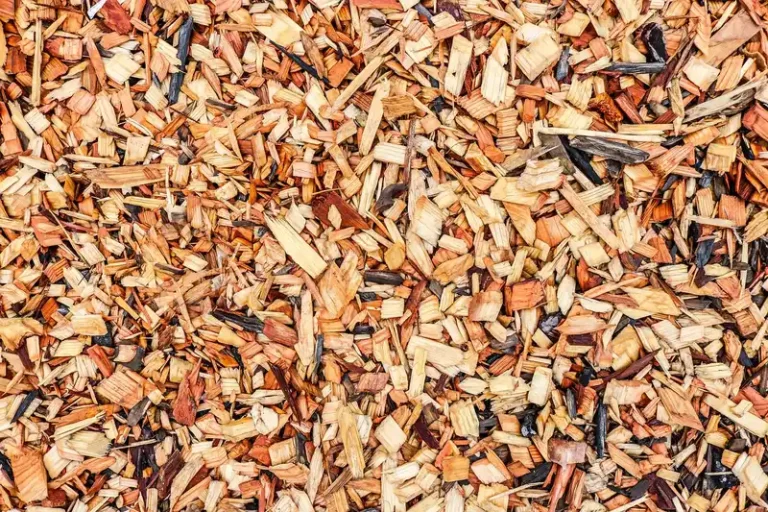
Wood chips are ideal for pathways, perennial beds, and orchards. They create a slow-release mulch layer that fosters fungal growth, improves soil structure, and attracts decomposers like earthworms. Over time, wood chips break down into humus, greatly enhancing the fertility and resilience of garden soil.
Sourcing wood chips from tree trimmers or municipal programs can make this a cost-effective and sustainable option.
Living Mulch
Planting cover crops or dense groundcovers creates a living barrier against weeds and erosion.
Living mulches such as clover, vetch, or creeping thyme can suppress weeds, attract pollinators, and provide habitat for beneficial insects. Cover crops are often used in rotation with main crops to prevent soil erosion, fix atmospheric nitrogen, and add organic matter when mowed or tilled into the soil.
These methods work in harmony with nature, building healthy soil and supporting biodiversity.
Comparison Table: Common Soil Barriers
| Material | Weed Suppression | Soil Health Impact | Biodegradable? | Drainage | Cost |
|---|---|---|---|---|---|
| Trash Bags | High (short-term) | Negative | No | Poor | Low |
| Landscape Fabric | High | Neutral | No | Good | Moderate |
| Cardboard | Medium | Positive | Yes | Good | Low |
| Wood Chips | Medium | Very Positive | Yes | Excellent | Low/Moderate |
| Compostable Film | Medium | Positive | Yes | Good | High |
Best Practices For Each Alternative
- Cardboard/Newspaper: Overlap sheets by 6–12 inches, wet thoroughly, and cover with mulch or compost.
- Landscape Fabric: Cut X-shaped holes for plants, secure with pins, and top with mulch to extend life.
- Wood Chips: Apply a 2–4 inch layer, keeping mulch away from plant stems.
These methods balance weed control with soil health and environmental responsibility.
For example, when using cardboard, it’s best to remove any tape, labels, or glossy finishes, as these may contain plastics or adhesives that are not biodegradable. For newspaper, avoid colored inks, as they may contain heavy metals. With landscape fabric, periodic inspection is necessary to prevent it from becoming clogged with silt or organic debris, which can reduce its effectiveness over time.
How Plastics Affect Soil, Water, And Plant Roots
Water Movement And Retention
Trash bags are water-impermeable. This means:
- Rain and irrigation water may pool above the barrier, causing waterlogging.
- Dry soil below the bag receives little or no moisture.
- In raised beds, this can lead to root rot and suffocated roots.
A 2018 study by the Soil Science Society of America found that impermeable barriers reduced water infiltration by 70%, increasing the risk of root diseases.
Even in climates with regular rainfall, the inability of water to move freely through the soil can cause uneven moisture distribution, with saturated zones above the barrier and drought-like conditions below. This not only harms plant roots but also increases the risk of fungal outbreaks and other moisture-related diseases.
In heavy clay soils, the effect can be even more pronounced, as drainage is already limited.
Root Penetration And Plant Growth
Most plant roots cannot penetrate plastic barriers. This restricts:
- Access to nutrients and water in lower soil layers
- Root expansion, especially for deep-rooting vegetables like carrots, tomatoes, and trees
- Stability for tall or heavy plants
Shallow, restricted root systems are more vulnerable to drought and wind.
Plants with limited root systems are less resilient in the face of environmental stress. For example, tomatoes or peppers grown in raised beds with a plastic barrier may wilt more quickly during hot spells, despite adequate watering. Fruit trees, which naturally send roots deep in search of water and nutrients, may become stunted or develop weak anchoring, making them susceptible to wind damage and drought.
Soil Aeration
Healthy soil “breathes”—oxygen enters, and carbon dioxide exits. Plastic barriers:
- Block gas exchange
- Create anaerobic zones, favoring harmful microbes over beneficial ones
- Lead to foul-smelling, compacted soil
Anaerobic soils not only smell bad but also foster the growth of pathogens that can damage plant roots and reduce overall productivity. The loss of soil porosity and the build-up of gases such as methane and hydrogen sulfide are common in garden beds with non-permeable barriers.
Microplastics And Soil Contamination
As trash bags fragment, they release microplastics—tiny particles that:
- Persist for decades
- Can be taken up by plant roots (as shown in a 2026 study from Wageningen University)
- Potentially harm soil organisms and enter food crops
These particles are not just inert—they can attract and concentrate other environmental pollutants, such as heavy metals and pesticides, increasing their toxicity. The long-term fate of microplastics in garden soils is not fully understood, but their presence in the food web is a growing concern for food safety and ecosystem health.
Table: Impact Of Trash Bags On Soil Parameters
| Soil Parameter | No Barrier | Trash Bag Layer | Biodegradable Mulch |
|---|---|---|---|
| Water Drainage | Excellent | Poor | Good |
| Soil Aeration | Excellent | Poor | Good |
| Root Growth | Unrestricted | Restricted | Unrestricted |
| Microbial Activity | High | Low | High |
| Plastic Pollution | None | High | None |
Expert Opinions And Scientific Consensus
Horticultural Experts
The Royal Horticultural Society explicitly advises against using plastic trash bags as soil barriers, citing:
- Poor drainage and aeration
- Detrimental effects on plant roots and soil organisms
- Long-term pollution risks (RHS)
Many extension agents and master gardeners echo these warnings, recommending organic mulches and emphasizing the role of soil biology in sustainable gardening. Horticultural textbooks rarely, if ever, mention the use of trash bags as an acceptable practice, underscoring the lack of scientific support for this method.
Environmental Scientists
A joint report from the European Environment Agency and FAO concludes that:
- Use of non-biodegradable plastics in gardens and agriculture accelerates microplastic pollution
- Even “eco-friendly” plastics can persist if not properly managed (EEA)
Environmental scientists point out that while agricultural plastics have improved efficiency in some commercial settings, their use is tightly regulated and managed to minimize pollution. In home gardens, there is rarely a system in place for proper collection and disposal, leading to widespread microplastic contamination.
Organic Certification Bodies
Organizations such as CCOF and OMRI prohibit the use of non-biodegradable plastic barriers in certified organic production.
These organizations set the gold standard for sustainable practices, and their guidelines are designed to protect both consumer health and the environment. Their prohibitions reflect a growing consensus that plastics have no place in food production systems intended to be both healthy and environmentally responsible.
Academic Research
A 2026 meta-analysis published in *Frontiers in Environmental Science* found that:
- Soil plastic barriers decrease earthworm populations by up to 50%
- They reduce yield in edible crops by 10–20% compared to biodegradable alternatives
The findings suggest that the negative effects of plastic on soil biology and crop productivity are both significant and measurable, providing further evidence against the use of trash bags or similar plastic barriers in garden settings.
Quotes From Leading Gardeners
- “Plastic trash bags may save you time in the spring, but you’ll pay for it with poor soil and plant problems in the long run. “—Margaret Roach, garden writer
- “Mulching with natural materials is always better for soil, plants, and the planet. “—Joe Lamp’l, host of *Growing a Greener World*
Sustainable Gardening Practices: Building Healthy Soil Without Plastic
Sheet Mulching
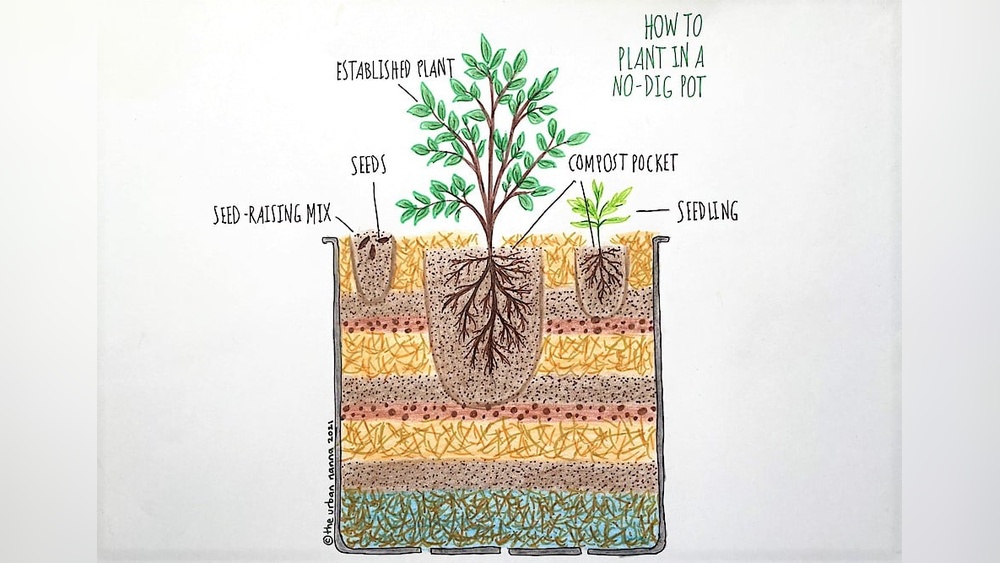
Sheet mulching (also called “lasagna gardening”) uses layers of cardboard, compost, and organic mulch to:
- Suppress weeds naturally
- Enrich soil as layers decompose
- Foster a thriving soil ecosystem
Steps:
- Mow or flatten existing vegetation.
- Lay overlapping sheets of cardboard or newspaper.
- Add 2–4 inches of compost.
- Top with 2–4 inches of wood chips or straw.
Sheet mulching can be scaled to fit any garden, from small raised beds to large plots. Over time, this method builds deep, rich soil without the need for tilling or synthetic barriers. By mimicking natural processes, sheet mulching encourages the proliferation of beneficial organisms and supports the long-term health and productivity of your garden.
Composting
Incorporate compost between soil layers to:
- Boost microbial activity
- Provide slow-release nutrients
- Improve soil texture and water retention
Compost not only feeds plants but also improves soil structure, making it more resilient to both drought and heavy rain. The addition of compost supports a diverse community of microbes, which in turn helps suppress disease and break down organic matter into plant-available nutrients.
Layering compost in conjunction with sheet mulching or as a top-dressing can dramatically improve garden outcomes.
Crop Rotation And Cover Crops
Rotating crops and planting cover crops (like clover, vetch, or rye) helps:
- Prevent weeds
- Add organic matter
- Fix nitrogen naturally
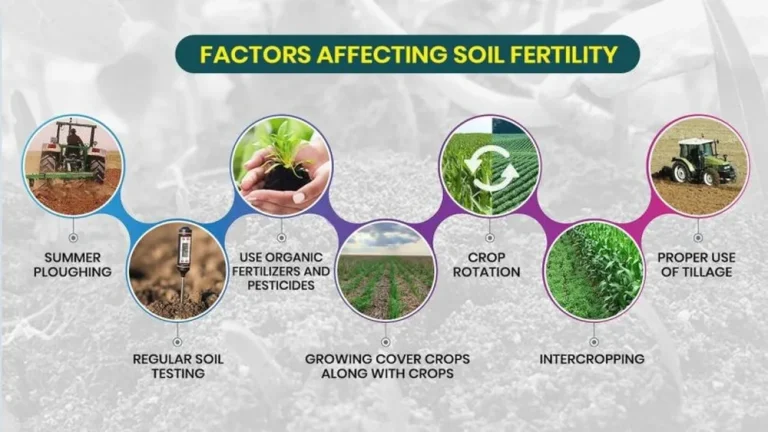
Crop rotation disrupts pest and disease cycles, while cover crops protect soil from erosion, suppress weeds, and add nutrients when incorporated into the soil. These techniques are foundational to sustainable gardening and have been used for centuries to maintain healthy, productive soils without synthetic inputs.
Avoiding Single-use Plastics
- Reuse materials like cardboard and paper
- Choose products labeled as biodegradable or certified compostable
- Participate in local recycling and composting programs
Reducing reliance on single-use plastics in the garden is an important step toward sustainability. Seek out alternatives whenever possible, and consider the full life cycle of any material you use. Responsible disposal and recycling help keep plastics out of landfills and natural ecosystems.
Table: Environmental Impact Comparison
| Practice | Weed Control | Soil Health | Pollution Risk | Labor |
|---|---|---|---|---|
| Trash Bag Layering | Short-term high | Negative | High | Low (initially) |
| Sheet Mulching | Medium-high | Very positive | None | Moderate |
| Compost Mulch | Medium | Very positive | None | Moderate |
| Cover Crops | Medium | Very positive | None | High |
Frequently Asked Questions
Is It Safe To Use Trash Bags As A Weed Barrier Under Soil Or Mulch?
No, it is not considered safe. Trash bags are impermeable and non-biodegradable. They can trap water, reduce soil aeration, and harm plant roots and beneficial organisms. Over time, they may fragment, releasing microplastics and potentially harmful chemicals into your soil and food crops. Alternatives like cardboard or landscape fabric are much safer and more sustainable.
Do Trash Bags Decompose In Garden Soil?
Trash bags made from polyethylene do not decompose in garden soil. They can persist for decades, fragmenting into microplastics that remain in the environment indefinitely. Even “degradable” trash bags often just break into smaller pieces without truly biodegrading (Wikipedia).
What Is The Best Alternative To Trash Bags For Layering In The Garden?
The best alternatives are biodegradable materials like cardboard, newspaper, or wood chip mulch. These suppress weeds, improve soil health, and break down safely. For longer-lasting weed control, landscape fabric is effective, but should be topped with mulch and removed before planting edible crops (Gardener’s Supply Company).
Will Using Trash Bags Harm My Vegetable Garden Or Fruit Trees?
Yes, using trash bags can harm vegetables and fruit trees by causing poor drainage, root suffocation, and decreased soil biology. Studies show reduced yields and increased root diseases when plastics are used as barriers (ScienceDirect). For food crops, always use natural or biodegradable mulches.
Can I Recycle Garden Trash Bags After Use?
Most used trash bags contaminated with soil, mulch, or organic matter cannot be recycled in municipal systems. They often end up in landfills or as litter. Clean, dry bags may be accepted at some grocery store collection points, but this does not solve the problem of microplastic pollution in your garden (Plastic Film Recycling).
Gardening is about nurturing life—soil, plants, and the broader ecosystem. While it may be tempting to use trash bags between soil layers for quick weed control, the science and real-world experiences show that this practice is fraught with drawbacks. From harming soil health and plant roots to contributing to microplastic pollution, the risks outweigh any short-term convenience. Fortunately, sustainable alternatives like cardboard, wood chips, and biodegradable mulch offer safe, effective ways to build healthy, productive garden beds. By choosing eco-friendly materials, you ensure a thriving garden today and a cleaner planet for tomorrow.