Which Biome Has the Highest Soil Nutrient Levels? Answered
Soil is far more than the ground beneath our feet—it is the foundation of ecosystems, agriculture, and the entire web of life. The fertility and nutrient content of soil directly influence plant growth, biodiversity, and even climate regulation. But not all soils are created equal. Across the globe, different biomes—large ecological zones defined by climate, plants, and animals—host soils with wildly varying nutrient levels. This raises a fascinating question for environmental scientists, farmers, and curious minds alike: Which biome has the highest soil nutrient levels?
Understanding the answer isn’t just an academic exercise. It has real-world implications for food production, conservation, and combating climate change. High-nutrient soils can sustain rich plant life, support dense animal populations, and serve as crucial carbon sinks. By exploring the world’s biomes and their soils, we can identify where nature’s greatest fertility is found, why it occurs there, and what lessons it holds for sustainable management of our planet’s resources.
Key Takeaways
- Temperate grasslands possess the highest soil nutrient levels among all major biomes, primarily due to optimal climate, deep-rooted grasses, and rich organic matter.
- Tropical rainforests, despite dense vegetation, typically have nutrient-poor soils because rapid recycling and heavy rainfall leach nutrients away.
- Factors like climate, vegetation type, decomposition rates, and land management greatly influence soil fertility in each biome.
- Agricultural productivity and ecosystem health are closely tied to soil nutrient content, impacting food security and biodiversity.
- Conservation of high-nutrient soils is vital for sustainable farming and environmental resilience.

Credit: growcycle.com
Understanding Soil Nutrient Levels: Fundamentals And Influencing Factors
The concept of soil nutrient levels refers to the concentration of essential elements—such as nitrogen, phosphorus, potassium, calcium, and magnesium—within the soil. These nutrients are vital for plant growth and, by extension, for the entire terrestrial food web. The natural abundance of these nutrients in soil varies tremendously between biomes due to a complex interplay of environmental and biological factors.
The Core Nutrients: What Makes Soil Fertile?
Soil fertility is largely determined by the presence of:
- Macronutrients: Nitrogen (N), phosphorus (P), potassium (K)
- Secondary nutrients: Calcium (Ca), magnesium (Mg), sulfur (S)
- Micronutrients: Iron (Fe), manganese (Mn), zinc (Zn), copper (Cu), boron (B), molybdenum (Mo), chlorine (Cl)
Plants require these nutrients in varying quantities. The most fertile soils have sufficient amounts of all, available in forms that plants can absorb.
For example, nitrogen is essential for photosynthesis and protein synthesis in plants. Phosphorus is crucial for energy transfer and root development, while potassium regulates water uptake and enzyme activation. Deficiencies in any of these can lead to stunted growth, reduced yields, and poor resilience against disease or environmental stress.
Micronutrients, although needed in smaller quantities, are equally vital. Iron supports chlorophyll formation, and zinc is necessary for hormone regulation. Soils with balanced micronutrient levels often display greater plant diversity and ecosystem stability.
Factors Affecting Soil Nutrient Levels
Several key factors determine the nutrient richness of soil in a biome:
- Parent material: The rock and minerals from which soil develops dictate its initial nutrient inventory. For example, volcanic soils often start rich in minerals, while sandy soils may be inherently poor.
- Climate: Temperature and rainfall patterns dictate organic matter decomposition and nutrient cycling. Warm, moist climates accelerate breakdown of organic matter, but can also lead to faster leaching of nutrients.
- Vegetation: Plant types contribute organic residues, root turnover, and influence microbial activity. Dense root systems, like those found in grasslands, promote deep soil mixing and nutrient accumulation.
- Topography: Slope and drainage affect nutrient retention or loss. Flat areas retain more nutrients, while steep slopes are prone to erosion and runoff.
- Time: Soil formation and nutrient accumulation are ongoing, gradual processes. Young soils may be less fertile, while older soils can accumulate or lose nutrients depending on other conditions.
- Human activity: Agriculture, deforestation, and pollution can deplete or enrich soil nutrients. For instance, fertilizer application can boost nutrients temporarily, but improper practices may degrade soil health over time.
Why Biome Matters
Each biome is shaped by unique climatic and ecological conditions, creating distinct soil profiles. For example, the Arctic tundra is locked in permafrost, limiting decomposition, while tropical soils are subject to intense weathering and leaching.
In addition, the dominant plant species and animals in each biome further shape nutrient dynamics. Grasslands, with their perennial grasses, create thick, rich topsoil, while forests, with their woody trees and leaf litter, result in layered but often more acidic soils.

Credit: www.frontiersin.org
Comparing Major Biomes: Soil Nutrient Profiles
To determine which biome has the highest soil nutrient levels, it’s essential to compare the most significant global biomes. Below is an analysis of their characteristic soil properties and nutrient content.
| Biome | Typical Soil Type | Organic Matter (%) | Total Nitrogen (mg/kg) | Key Features |
|---|---|---|---|---|
| Temperate Grassland | Mollisol | 5-10 | 2000-4000 | Deep, dark, highly fertile |
| Tropical Rainforest | Oxisol | 1-3 | 500-1500 | Highly weathered, low fertility |
| Temperate Deciduous Forest | Alfisol | 2-5 | 1500-3000 | Moderate fertility, well-structured |
| Boreal Forest (Taiga) | Spodosol | 1-4 | 800-2000 | Acidic, low-moderate fertility |
| Desert | Aridisol | <1 | 200-800 | Very low organic matter |
| Tundra | Gelisol | 2-10 | 100-600 | Permafrost, slow decomposition |
| Tropical Savanna | Ultisol | 1-3 | 400-1200 | Weathered, low fertility |
Temperate Grasslands: The World’s Fertility Champions
Temperate grasslands, found in regions like the North American prairies, the Eurasian steppes, and the Argentine pampas, are renowned for their Mollisol soils. These soils are deep, rich in organic matter, and have some of the highest concentrations of essential nutrients on Earth. This extraordinary fertility stems from centuries of dense grass growth and decomposition, a moderate climate, and minimal leaching.
For instance, the Great Plains in the United States have historically been referred to as “the breadbasket of the world” precisely because their Mollisols support such prolific crop yields. The dark color of these soils is a visible indicator of their organic richness, and their structure allows water and nutrients to penetrate deeply, supporting robust root systems.
Tropical Rainforests: Surprising Soil Poverty
Despite their lush vegetation, tropical rainforests are built on Oxisols—soils that are highly weathered, acidic, and low in nutrients. Rapid plant growth and decomposition mean nutrients are quickly recycled into living biomass, leaving the actual soil surprisingly impoverished. Heavy rainfall further leaches nutrients away, making these soils among the least fertile for agriculture without significant amendments.
An example is the Amazon Basin, where the majority of nutrients exist in the thick canopy and layer of leaf litter. Once this vegetation is removed, the soil is unable to sustain crops for more than a few years without artificial fertilization.
Temperate Deciduous Forests: Moderately Fertile Soils
Soils in temperate deciduous forests (Alfisols) are moderately fertile, well-structured, and support a diverse array of plant species. The regular leaf fall and decomposition provide a steady supply of organic matter, but these soils are generally less nutrient-rich than those of grasslands.
These forests often have a pronounced humus layer, which supports a rich understory of shrubs and herbs, but the overall nutrient levels are tempered by greater precipitation and leaching compared to grasslands.
Boreal Forests (taiga): Acidic And Low In Nutrients
The Spodosols of the taiga are characterized by their acidity and relatively low nutrient levels. Slow decomposition of conifer needles and cold climates limit organic matter accumulation and nutrient cycling, resulting in poorer soils compared to temperate biomes.
In addition, these soils often contain a subsurface layer called a “podzol horizon,” which can impede root growth and water movement, further limiting plant productivity.
Deserts And Tundra: Low Fertility Extremes
Deserts (Aridisols) and tundra (Gelisols) have among the lowest soil nutrient contents. Desert soils lack organic matter due to limited vegetation, while tundra soils are hindered by permafrost and slow decomposition.
In deserts, the lack of water and frequent wind erosion make it difficult for nutrients to accumulate. In tundra regions, organic matter can build up due to slow decomposition, but nutrients remain largely unavailable to plants because of the cold and frozen ground.
Why Temperate Grasslands Have The Highest Soil Nutrient Levels
The answer to our central question is clear: temperate grasslands possess the highest soil nutrient levels among all major biomes. But what makes these regions so uniquely fertile? The explanation lies in their ecology, climate, and history.
Climate And Vegetation: Perfect Conditions For Soil Building
Temperate grasslands experience moderate rainfall (400–900 mm/year), warm summers, and cold winters. These conditions support the growth of deep-rooted perennial grasses whose root systems penetrate and aerate the soil, promoting the accumulation of organic matter. Unlike forests, where much of the biomass is aboveground and removed via logging or disturbance, the grasses’ belowground biomass remains to enrich the soil.
Grasses shed their roots annually, a process that contributes to soil formation and increases organic matter. The absence of dense tree cover allows sunlight to reach the soil surface, fostering microbial activity and decomposition.
Organic Matter: The Secret To Mollisol Fertility
Over centuries, grassland plants die and decompose, adding humus—a stable form of organic matter—to the soil. Humus acts like a nutrient sponge, storing nitrogen, phosphorus, and other nutrients for gradual release to plants. This results in soils with:
- High cation exchange capacity (nutrient-holding ability)
- Excellent structure and aeration
- Deep, dark topsoil layers (often >1 meter deep)
The presence of humus also improves the soil’s water-holding capacity, making grassland soils more resilient during dry periods. This characteristic is key for sustaining large herds of grazing animals and supporting intensive agriculture.
Limited Leaching: Retaining Nutrients
Unlike tropical regions with intense rainfall, temperate grasslands experience less precipitation, reducing nutrient leaching. The result is a concentration of nutrients in the root zone, where plants can easily access them.
This retention of nutrients, combined with the high organic matter, creates a stable environment for soil microorganisms, which further enhance nutrient cycling and soil health.
Historical Role Of Fire And Grazing
Natural fires and grazing by large herbivores (e. g. , bison, antelope) have played a role in nutrient cycling. Fire returns nutrients to the soil surface, while grazing stimulates plant regrowth and organic matter deposition.
Periodic fires clear away dead plant material, return minerals to the soil, and prevent woody plant encroachment, maintaining the grassland biome. Grazers, meanwhile, contribute manure that enriches the soil.
Case Study: The North American Prairie
The North American tallgrass prairie is a textbook example of grassland fertility. Before European settlement, its Mollisol soils supported some of the most productive wild ecosystems on the continent. Today, these soils are the foundation of the US Corn Belt, producing over one-third of the world’s corn and soybeans. According to the USDA Natural Resources Conservation Service, Mollisols represent just 7% of global ice-free land but account for a significant share of agricultural output due to their unparalleled fertility.
The legacy of the prairie ecosystem is evident today in the productivity of these soils, which are managed carefully to maintain their health and prevent erosion.

Credit: ohhappyplants.shop
Soil Nutrient Levels In Other Biomes: Challenges And Characteristics
While temperate grasslands top the list, other biomes present unique soil challenges and adaptations. Understanding these differences helps illuminate the diversity of terrestrial ecosystems and the strategies required for sustainable land use.
Tropical Rainforests: Rapid Cycling, Poor Soils
The dense vegetation of tropical rainforests masks the fact that most nutrients are stored in living plants, not the soil. Oxisols and Ultisols are highly weathered, with low mineral content and little humus. Heavy rainfall accelerates nutrient leaching, and high temperatures promote rapid decomposition and nutrient uptake by plants. As a result:
- Slash-and-burn agriculture quickly depletes soil fertility.
- Conversion to cropland often leads to rapid soil degradation.
- Sustainable farming requires agroforestry or significant fertilizer inputs.
As noted by the journal Nature, the paradox of poor soils supporting such vibrant ecosystems is resolved by the astonishingly fast nutrient cycling between plants, litter, and microbes.
Many tropical farming systems have adapted by incorporating trees and perennial crops that mimic the natural forest, helping retain nutrients and prevent erosion.
Boreal Forests And Tundra: Cold, Acidic, And Nutrient-limited
The taiga and tundra experience short growing seasons and low temperatures, slowing decomposition. Boreal forest soils (Spodosols) are acidic due to conifer litter, with nutrients often locked in organic layers. Tundra soils (Gelisols) are further constrained by permafrost, which impedes water drainage and root growth.
These conditions create:
- Thin, nutrient-poor soils
- Accumulation of undecomposed organic material
- Vulnerability to climate change (e.g., permafrost thaw releasing nutrients and greenhouse gases)
In the tundra, climate change is causing permafrost to thaw, potentially releasing stored nutrients and carbon, but also posing risks of ecosystem destabilization.
Deserts: Scarcity Of Organic Matter
Desert soils (Aridisols) are dry, sandy, and low in organic content. Sparse vegetation means minimal litter input, and infrequent but intense rains can cause brief nutrient pulses followed by rapid leaching or evaporation.
Some desert-adapted plants, such as succulents, have evolved to efficiently utilize limited nutrients, but overall productivity remains low compared to other biomes.
Temperate Forests: Balanced But Less Fertile Than Grasslands
Alfisols in temperate forests offer moderate fertility, benefiting from leaf litter and seasonal nutrient cycling. However, their nutrient concentrations and organic matter are typically less than those of grasslands due to more leaching and less humus accumulation.
Forests often have a multi-layered soil profile, with nutrients concentrated near the surface. Sustainable forestry practices are crucial for maintaining soil health in these regions.
Human Impact On Soil Nutrient Levels Across Biomes
Human activities have profoundly altered soil nutrient dynamics in virtually every biome. Agriculture, deforestation, urbanization, and pollution can either deplete or artificially enrich soils, sometimes with unintended consequences.
Agriculture And Soil Depletion
Intensive farming, especially in temperate grasslands, has led to soil erosion, loss of organic matter, and declining fertility. For example, the American Dust Bowl of the 1930s was caused by the over-plowing of prairie Mollisols, resulting in massive topsoil loss.
Modern agriculture often relies on synthetic fertilizers to replace lost nutrients, but this can lead to:
- Water pollution from nutrient runoff
- Soil acidification
- Loss of soil biodiversity
Long-term sustainability requires practices like conservation tillage , cover cropping, and organic amendments to rebuild soil health.
Deforestation And Tropical Soils
Clearing tropical rainforests for crops or pasture exposes poor soils, which rapidly lose what little fertility they possess. According to the Food and Agriculture Organization (FAO), much of the world’s deforested tropical land becomes unproductive within a few years without heavy fertilizer use.
Agroforestry and permaculture techniques can help restore fertility, but require careful planning and local adaptation.
Urbanization And Soil Sealing
Urban sprawl leads to soil sealing—the covering of soil with impermeable materials—effectively removing soil from the nutrient cycle. This reduces food production capacity and disrupts local ecosystems.
Urban gardens, green roofs, and restoration of brownfields are emerging strategies to return sealed soils to productivity.
Restoration And Conservation
Efforts to restore soil fertility include:
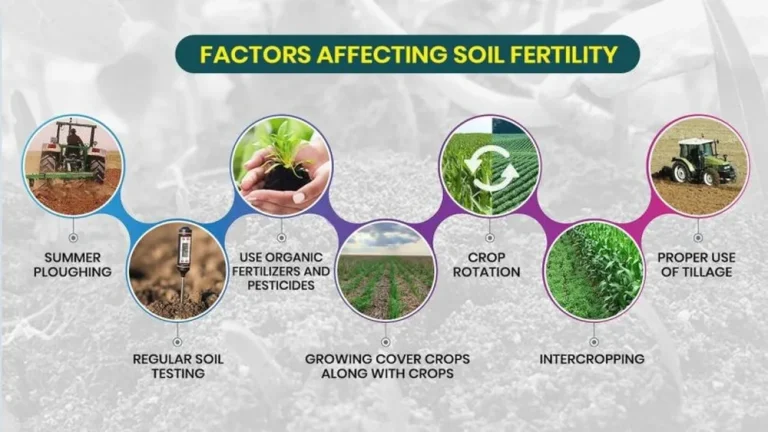
- Planting cover crops and deep-rooted perennials
- Adding organic amendments (compost, manure)
- Practicing crop rotation and reduced tillage
In grassland regions, prairie restoration projects have shown promise in rebuilding soil structure and nutrient levels.
Soil conservation programs, such as those promoted by the USDA and FAO, are crucial for reversing degradation and ensuring long-term productivity.
Real-world Examples: Biome Soil Nutrient Dynamics In Action
Examining specific locations offers insight into the diversity and complexity of soil nutrient dynamics across biomes.
Example 1: The Ukrainian Steppe
The Ukrainian steppe is home to some of the world’s richest black soils (chernozems, a type of Mollisol). Historically, these soils supported vast grasslands and are now among the most productive agricultural lands globally. According to the Wikipedia article on Chernozem, these soils can contain up to 15% organic matter and reach depths of over 1.5 meters, making them exceptionally fertile.
This region continues to be a major exporter of wheat and other grains, with soil management practices evolving to protect against erosion and maintain fertility.
Example 2: Amazon Basin Rainforest
Despite the Amazon’s towering trees and biodiversity, its soils are notoriously infertile. Nutrient cycling occurs almost entirely within the living biomass. Slash-and-burn agriculture in this region results in rapid yield decline after only a few seasons, as described by the Encyclopaedia Britannica entry on Oxisols.
Local farmers often use “terra preta”—dark earth enriched with biochar and organic material—to improve soil fertility, demonstrating innovative adaptation to challenging soil conditions.
Example 3: The Pampas Of Argentina
The Pampas, South America’s prime grassland, feature deep, nutrient-rich Mollisols similar to those of North America and Eurasia. These soils are the backbone of Argentina’s beef and grain industries, highlighting the direct link between soil fertility and economic output.
Sustainable grazing and crop rotation practices are increasingly used to maintain soil health and prevent over-exploitation.
Data-driven Comparison: Soil Nutrient Levels By Biome
To further illustrate the contrast in soil nutrient levels, consider the following data table summarizing average nutrient concentrations and organic matter content in major biomes:
| Biome | Soil Organic Matter (%) | Total Nitrogen (mg/kg) | Available Phosphorus (mg/kg) | Potassium (mg/kg) |
|---|---|---|---|---|
| Temperate Grassland (Mollisol) | 6.5 | 3400 | 35 | 250 |
| Tropical Rainforest (Oxisol) | 2.0 | 900 | 8 | 70 |
| Temperate Forest (Alfisol) | 3.5 | 2200 | 22 | 160 |
| Boreal Forest (Spodosol) | 2.5 | 1200 | 10 | 90 |
| Desert (Aridisol) | 0.7 | 400 | 5 | 55 |
The data confirms that temperate grassland soils are unrivaled in their content of organic matter and key nutrients, explaining their global importance for food production.
Implications For Agriculture, Conservation, And Climate
The distribution of soil nutrients across biomes has far-reaching consequences for human society and the environment.
Agricultural Productivity
- Grassland Mollisols underpin global grain belts, supporting billions of people.
- Tropical soils often require careful management and fertilization to remain productive.
Regions with high-nutrient soils often experience economic prosperity through agriculture, while those with nutrient-poor soils must innovate to achieve food security.
Biodiversity And Ecosystem Health
- High-nutrient soils promote plant and animal diversity in grasslands and forests.
- Soil degradation leads to loss of ecosystem services, such as water filtration and carbon storage.
The resilience of ecosystems is closely linked to soil health. For example, rich soils support complex food webs, while depleted soils can lead to declines in both flora and fauna.
Climate Change Mitigation
Healthy, nutrient-rich soils store vast amounts of carbon, helping to mitigate climate change. According to the Intergovernmental Panel on Climate Change (IPCC), sustainable management of grasslands and other fertile soils is vital for achieving global carbon targets.
Grasslands are particularly efficient at sequestering carbon due to their deep root systems and high humus content, making their conservation a climate priority.
Conservation Priorities
Protecting high-nutrient soils from erosion, degradation, and conversion is critical. Restoration of degraded grasslands and forests can rebuild soil fertility and restore ecosystem services.
Policymakers, farmers, and conservationists increasingly recognize the importance of soil stewardship in national and global strategies.
Frequently Asked Questions
What Is The Most Fertile Soil Type In The World?
Mollisols are widely regarded as the most fertile soil type globally. They are characteristic of temperate grasslands and are rich in organic matter, nitrogen, phosphorus, and other essential nutrients, making them ideal for agriculture.
Why Are Tropical Rainforest Soils Nutrient-poor Despite Lush Vegetation?
Tropical rainforest soils, primarily Oxisols and Ultisols, are highly weathered and acidic. While the forest itself is nutrient-rich, most nutrients are held in the living plants and litter, not in the soil. Heavy rainfall leaches nutrients away, and rapid decomposition means nutrients are quickly recycled rather than stored in the soil.
Can Soil Fertility Be Restored In Degraded Biomes?
Yes, soil fertility can often be restored through regenerative agriculture, planting cover crops, adding organic amendments, practicing crop rotation, and minimizing soil disturbance. Restoration projects in grasslands and forests have shown that soil structure and nutrient levels can recover over time with proper management.
How Does Soil Nutrient Content Affect Biodiversity?
Higher soil nutrient content supports greater plant productivity, which in turn sustains more diverse animal populations. However, excessive nutrients from fertilizers can lead to biodiversity loss by favoring a few fast-growing species over others. Balanced nutrient levels are key for maintaining ecosystem diversity.
Which Human Activities Most Threaten High-nutrient Soils?
Major threats include intensive agriculture (leading to erosion and nutrient depletion ), deforestation, urbanization, and overgrazing. Unsustainable practices can rapidly degrade even the most fertile soils, emphasizing the need for conservation and sustainable land management.
Soil is the unsung hero of our planet’s biomes, dictating the abundance of life aboveground. The temperate grasslands—thanks to their climate, vegetation, and history—stand out as the world’s most nutrient-rich soils. Their preservation and wise management are critical not only for food production but for the health of global ecosystems.
As we confront challenges like soil degradation and climate change, understanding the natural distribution of soil nutrients gives us a roadmap for sustainability and resilience.