Which Soil Has the Highest Water Retention Capacity?
Soil ’s ability to retain water is one of the most crucial factors determining the health and productivity of terrestrial ecosystems. Whether you’re a farmer, a gardener, a hydrologist, or an environmental scientist, understanding which soil type holds the most water—and why—can dramatically affect your management decisions and outcomes.
Water retention capacity not only influences crop yields and plant health but also shapes water conservation strategies and land restoration efforts.
Modern agriculture, urban landscaping, and ecological restoration all wrestle with challenges related to water availability and soil moisture. In regions prone to drought or unpredictable rainfall, the choice of soil or amendments can make the difference between thriving plants and failed crops.
Likewise, knowing which soil naturally holds the most water can inform irrigation practices, erosion control, and sustainable land use planning.
Key Takeaways
- Clay soil has the highest water retention capacity due to its small particle size and high surface area.
- Soil texture, structure, organic matter, and compaction all significantly influence water retention.
- Amending sandy or loamy soils with organic material can improve their ability to retain water.
- Water retention impacts everything from plant growth and crop yields to erosion control and drought resilience.
- Real-world examples demonstrate clay’s superior retention in agriculture and ecological restoration.
- Understanding soil water retention helps optimize irrigation, conserve water, and support sustainable land management.
Understanding Soil Water Retention
Soil water retention is the soil’s ability to absorb, store, and supply water to plants. This property is governed by several physical and chemical factors, but the most important is soil texture—the relative proportions of sand, silt, and clay particles.
The Science Behind Water Retention
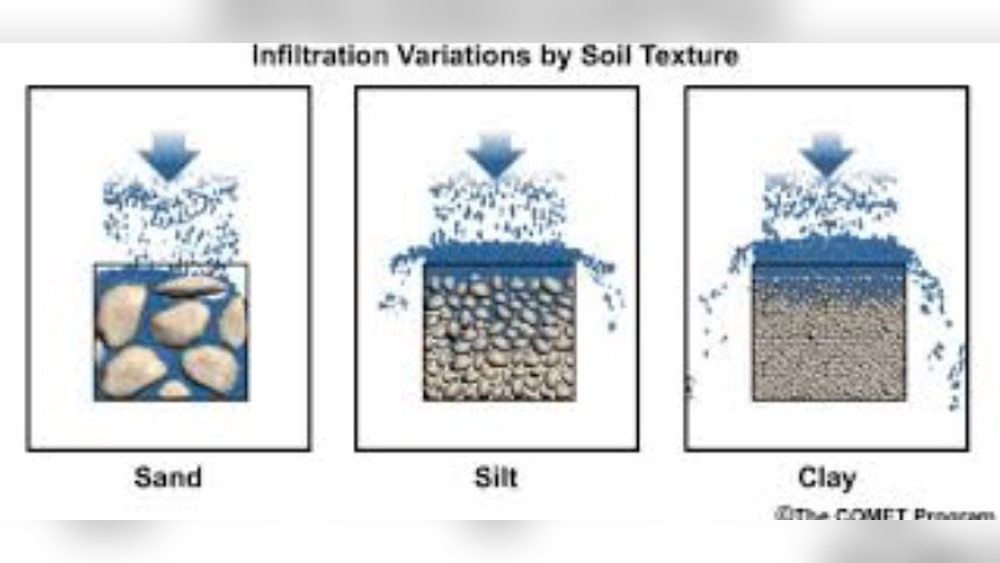
Soil is a complex system of solids, liquids, and gases. The solid fraction consists of minerals and organic matter. Water is held in the spaces between soil particles, known as pore spaces. The size and distribution of these pores determine how much water the soil can hold and how easily plants can access it.
- Micropores (found in clay) retain water tightly and are responsible for high water retention.
- Macropores (common in sandy soils) drain quickly and hold less water.
Soil’s water retention is measured by its field capacity (the amount of water soil holds after excess has drained away) and wilting point (the point where plants can no longer extract water).
The relationship between soil particles and water is also influenced by the soil’s mineralogy and chemical interactions. For example, clay minerals with higher cation exchange capacity (CEC) can attract and hold more water molecules, contributing to their superior retention. The presence of soil colloids, such as humus, further enhances this ability by providing additional sites for water adsorption.
Factors Influencing Water Retention
- Soil Texture: Fine-textured soils (clay) hold more water than coarse-textured soils (sand).
- Structure: Well-aggregated soil has better water-holding capacity.
- Organic Matter: Increases soil’s ability to retain moisture.
- Compaction: Reduces pore space and hinders water movement.
- Mineral Composition: Some minerals, like montmorillonite clays, are particularly water-absorbent.
Other factors, such as soil depth and layering, also play a role. Deep soils with multiple horizons can store more water overall, while compacted or impermeable layers restrict water movement and retention. Root distribution within the soil profile affects how plants access moisture, and the presence of soil fauna (earthworms, insects) contributes to pore formation and water dynamics.
Measuring Water Retention
Soil scientists use laboratory tests to determine field capacity, wilting point, and available water capacity. These metrics are expressed as percentages of water by weight or volume.
Field capacity is typically measured after saturating the soil and allowing it to drain for 24-48 hours. The wilting point is determined by measuring the soil moisture content at which plants can no longer extract water, often using specialized pressure plates or sensors.
Understanding these measurements allows for precise irrigation scheduling and crop selection, especially in commercial agriculture.
Credit: myland.ag
The Main Soil Types And Their Water Retention Capacity
Soils are classified based on their proportions of sand, silt, and clay. Each type exhibits unique properties affecting water retention.
Sandy Soils
- Particle Size: Largest (0.05 to 2 mm)
- Pore Space: Large macropores
- Water Retention: Very low (3–10% by volume)
- Drainage: Excellent, but dries quickly
Sandy soils are common in deserts and coastal areas. Their low water retention makes them challenging for agriculture without amendments or irrigation.
Sandy soils are prized for their rapid drainage and ease of cultivation, particularly for crops that require well-aerated conditions, such as carrots and potatoes. However, their inability to retain water means frequent irrigation is necessary, and nutrients can be leached away quickly.
In landscaping, sandy soils are often amended with organic matter to enhance both water and nutrient holding capacity.
Silt Soils
- Particle Size: Intermediate (0.002 to 0.05 mm)
- Pore Space: Medium-sized pores
- Water Retention: Moderate (10–20%)
- Drainage: Good, but holds more water than sand
Silt soils feel smooth and floury when wet. They are fertile and easier to work with than clay, but still lose moisture relatively quickly.
Silt soils support a wide variety of crops due to their moderate fertility and water retention. They are prevalent in floodplains and river valleys, where periodic flooding deposits nutrient-rich silt. While silt soils retain more water than sand, they can be prone to erosion and compaction, reducing their effectiveness over time if not managed properly.
Clay Soils
- Particle Size: Smallest (<0.002 mm)
- Pore Space: Abundant micropores
- Water Retention: Very high (25–40%)
- Drainage: Poor; can become waterlogged
Clay soils are sticky when wet and hard when dry. They are the most water-retentive soil type, making them valuable in drought-prone regions, but challenging due to poor drainage.
Clay soils are often used in construction for ponds and reservoirs because their impermeability prevents water loss. In agriculture, their high water retention makes them ideal for rice and other water-intensive crops. However, they require careful management to avoid waterlogging and compaction, which can restrict root growth and reduce plant health.
Loamy Soils
- Composition: Balanced mix of sand, silt, clay
- Water Retention: Good (15–25%)
- Drainage: Ideal for most plants
Loam is often considered the best all-purpose soil for agriculture and gardening because it balances water retention with good drainage and fertility.
Loamy soils offer the best of both worlds: they are easy to cultivate, support a wide range of plant species, and require less frequent irrigation than sandy soils. Their structure also allows for good aeration, minimizing the risk of root diseases. Loam is often sought after in commercial agriculture and landscaping for its versatility.
Peaty And Organic Soils
- Composition: High in decomposed organic matter
- Water Retention: Extremely high (up to 80%)
- Drainage: Poor
While technically not a mineral soil, peat and other organic-rich soils can hold vast amounts of water—though they are less common and often found in wetland environments.
Peaty soils are particularly important in the context of wetland restoration and carbon sequestration. Their ability to retain water is unmatched, but they are often too acidic and poorly drained for conventional agriculture. They support specialized ecosystems, such as bogs and fens, which are critical for biodiversity and water regulation.
Data Table: Soil Types And Water Retention
| Soil Type | Texture | Water Retention (%) | Drainage | Common Uses |
|---|---|---|---|---|
| Sandy | Coarse | 3–10 | Excellent | Root crops, turf, some vegetables |
| Silty | Medium | 10–20 | Good | Grains, river valleys, gardens |
| Clay | Fine | 25–40 | Poor | Rice paddies, ponds, floodplains |
| Loam | Balanced | 15–25 | Ideal | Agriculture, horticulture |
| Peaty/Organic | Very fine | Up to 80 | Poor | Bogs, wetlands |

Credit: deeco.co.nz
Why Clay Soil Retains The Most Water
Micropores And Surface Area
The primary reason clay soil excels at water retention lies in its minute particle size . Clay particles are less than 0.002 mm in diameter, giving them an enormous surface area relative to their mass. This surface area attracts and holds water molecules through adhesion and cohesion.
- Micropores trap water, making it available to plants over longer periods.
- Water moves slowly through clay, reducing evaporation and drainage.
The large number of micropores in clay also provides a reservoir of water for plant roots during periods of drought. This is particularly important for crops with shallow root systems, as clay soils help maintain moisture near the surface. Additionally, clay minerals such as montmorillonite and illite can swell and shrink, allowing them to store and release water as environmental conditions change.
Capillarity And Water Films
Water in clay soils forms thin films around each particle, held in place by capillary forces. These forces can be so strong that some water is unavailable to plants, but overall, the total water held is much greater than in sand or silt.
Capillarity is a physical phenomenon where water is drawn upwards or sideways through small pores against gravity. In clay soils, this effect is maximized due to the abundance of fine pores, resulting in a high degree of moisture retention. However, the tightly held water can sometimes be inaccessible to plants, especially during prolonged dry spells, requiring careful management to ensure optimal plant growth.
Real-world Example: Rice Cultivation
Rice is one of the world’s most important staple crops and is traditionally grown in flooded paddies. These paddies are typically constructed in clay-rich soils because:
- The high water retention prevents water loss.
- Clay forms a natural barrier, minimizing seepage and maintaining consistent moisture levels.
This example highlights clay’s unique role in supporting water-intensive crops, especially in areas with unreliable rainfall.
Beyond rice, clay soils are also used for constructing reservoirs, canals, and artificial wetlands. Their impermeability ensures that water remains in place, supporting aquatic plants and wildlife. In parts of Asia and Africa, clay-rich soils are critical for maintaining water supplies during the dry season, helping communities manage scarce resources.
Potential Downsides
While high water retention is an advantage during dry periods, clay soils can become waterlogged in heavy rains, leading to:
- Root rot and reduced plant oxygenation
- Delayed planting/harvesting due to muddy conditions
- Structural problems if not managed properly
Excess moisture can also promote fungal diseases and reduce soil biodiversity. To mitigate these risks, farmers often use raised beds, install drainage systems, or select crops with tolerance to wet conditions. The slow permeability of clay makes it challenging to improve drainage, but practices such as deep tillage or subsurface drainage tiles can provide relief.
Case Study: Drought-resilient Landscaping
In arid regions like California, landscapers often amend soils with clay-rich materials to boost water retention. This practice has helped reduce irrigation needs by up to 40%, according to the University of California Cooperative Extension (UCANR).
This approach is increasingly popular in xeriscaping, where water conservation is paramount. By mixing clay with sand or loam, landscapers create soils that hold moisture longer, supporting native plants and reducing water usage. Similar strategies are used in sports fields, golf courses, and municipal parks to maintain healthy turf under water restrictions.

Credit: www.youtube.com
Improving Water Retention In Other Soils
Not every environment is blessed with naturally water-retentive soils. However, several strategies can help improve water retention in sandy or loamy soils.
Adding Organic Matter
Incorporating compost, manure, or peat increases the soil’s ability to hold water:
- Organic matter acts like a sponge, storing water in its structure.
- It improves soil aggregation, creating more micropores.
According to USDA NRCS, increasing soil organic matter by 1% can increase water-holding capacity by up to 25,000 gallons per acre.
Adding organic matter also enhances nutrient retention, supports beneficial microbes, and improves soil structure. This is particularly beneficial in sandy soils, where organic amendments can transform barren ground into productive land. In urban gardens, compost is often used to revive compacted soils and support lush vegetation.
Mulching
A layer of organic mulch (straw, leaves, wood chips) helps:
- Reduce evaporation from the soil surface
- Moderate soil temperature
- Promote earthworm and microbe activity that builds soil structure
Mulching is a simple yet effective way to conserve moisture, especially in gardens and orchards. It also suppresses weeds, protects plant roots from extreme temperatures, and gradually adds organic matter as it decomposes. In large-scale agriculture, cover crops serve a similar function, providing a living mulch that enhances water retention and soil health .
Soil Amendments
- Hydrogels and water-absorbing polymers can dramatically increase retention, especially in container gardening.
- Adding bentonite clay to sandy soils improves their water-holding capacity.
Hydrogels are synthetic materials that absorb and release water slowly, making them ideal for potted plants, turf, and greenhouse crops. Bentonite clay is often used in horticulture and environmental engineering to seal ponds, reduce seepage, and improve soil moisture for high-value crops.
These amendments are particularly useful in areas with poor soil quality or limited water supplies.
Conservation Tillage
Reducing tillage preserves soil structure and organic matter, improving water infiltration and retention.
Conservation tillage techniques, such as no-till or strip-till, help maintain soil health by minimizing disturbance. These methods protect soil aggregates, reduce erosion, and support the growth of deep-rooted plants that enhance water storage. Studies show that conservation tillage can increase available water in the soil, boost yields, and improve resilience to drought.
Case Study: Urban Green Infrastructure
Cities like Seattle have adopted “green stormwater infrastructure” that relies on soils amended with compost and clay. These engineered soils capture and slowly release rainwater, reducing runoff and improving drought resilience (City of Seattle).
Green infrastructure projects include rain gardens, bioswales, and permeable pavements, all designed to maximize water retention and filtration. This not only supports healthy urban vegetation but also mitigates flooding, reduces pollution, and enhances groundwater recharge. Similar strategies are being implemented in cities worldwide to address the challenges of climate change and urbanization.
Comparing Water Retention: Data And Case Studies
Quantifying soil water retention helps land managers make informed decisions. Below is a comparison of typical water retention values for various soil types, followed by two real-world applications.
Table: Field Capacity And Wilting Point
| Soil Type | Field Capacity (% by volume) | Wilting Point (% by volume) | Available Water (%) |
|---|---|---|---|
| Sandy | 10 | 3 | 7 |
| Silty | 20 | 8 | 12 |
| Clay | 40 | 25 | 15 |
| Loam | 25 | 10 | 15 |
Agricultural Application: Corn Production
In the US Midwest, corn is grown on a wide range of soils. Research by Iowa State University found that loamy-clay soils produced higher yields during drought years due to their superior water retention (Iowa State University Extension).
This study also found that fields with higher organic matter and improved structure outperformed those with conventional management, even in sandy regions. Farmers are increasingly adopting practices such as cover cropping and reduced tillage to enhance water retention, leading to more stable yields and reduced risk of crop failure.
Ecological Restoration: Wetland Creation
Restoring wetlands requires soils that can remain saturated. Conservationists favor clay or peaty soils to ensure consistent moisture, critical for supporting amphibians and water-loving plants. Projects in the Great Lakes region have used imported clay to create sustainable wetland habitats (US EPA).
These efforts have resulted in improved water quality, increased biodiversity, and enhanced ecosystem services. Wetland soils are also vital for controlling flooding and storing carbon, making them a cornerstone of environmental restoration. The use of water-retentive soils ensures long-term sustainability and resilience of restored habitats.
The Role Of Soil Structure, Compaction, And Organic Matter
While texture dictates the baseline water retention, soil structure and management practices can greatly enhance or diminish this property.
Soil Structure
Well-aggregated soil forms stable clumps (aggregates) that create a network of micro- and macropores. Good structure helps soils:
- Hold water in micropores
- Drain excess water through macropores
- Resist erosion and compaction
Farmers and gardeners often improve structure through crop rotation, cover cropping, and reduced tillage.
The presence of soil aggregates improves both water retention and aeration, facilitating healthy root growth and supporting diverse soil life. Aggregated soils are less prone to crusting and runoff, making them ideal for sustainable farming and gardening. Practices such as adding gypsum or lime can further enhance soil structure, particularly in clay-rich soils.
Soil Compaction
Compacted soils have fewer large pores, reducing infiltration and trapping water at the surface. This can lead to:
- Increased runoff and erosion
- Waterlogging
- Reduced root growth
Preventing heavy equipment traffic and maintaining ground cover can reduce compaction.
Compaction is a common problem in urban areas, construction sites, and intensively farmed fields. It restricts root penetration, decreases oxygen availability, and impedes water movement. Remediation strategies include deep tillage, aeration, and the use of soil conditioners to restore porosity and water retention.
Organic Matter’s Unique Role
Organic matter increases water retention across all soil types by:
- Acting as a sponge for water and nutrients
- Encouraging biological activity that improves soil structure
- Enhancing aggregate stability
In a famous long-term trial at the Rothamsted Research Station in the UK, plots with high organic matter held up to 20% more water than those with none (Rothamsted Research).
The benefits of organic matter extend beyond water retention. It also improves nutrient cycling, supports beneficial fungi and bacteria, and buffers against pH changes. Adding organic matter is one of the most effective ways to build resilient soils capable of withstanding extreme weather events.
Implications For Agriculture, Landscaping, And Water Management
Understanding soil water retention has broad impacts:
Agriculture
- Crop Selection: Deep-rooted crops perform better in soils with high water retention.
- Irrigation Efficiency: Soils with high retention need less frequent watering, saving labor and reducing costs.
- Drought Mitigation: Clay and amended soils are more resilient during dry spells.
Farmers must match their crop choices to the soil’s water retention capacity. For example, corn and soybeans thrive in loamy soils, while rice and taro require clay-rich soils. Efficient irrigation practices, such as drip or subsurface irrigation, further optimize water use in water-retentive soils.
Landscaping
- Plant Choice: Native and drought-tolerant species are ideal for sandy soils, while water-loving plants thrive in clay or organic-rich soils.
- Soil Amendments: Adding organic matter or clay can transform lawns and gardens, improving health and reducing maintenance.
Landscapers often use soil amendments to create microclimates and maximize water efficiency. Rain gardens, for instance, are designed with engineered soils that balance water retention and drainage, supporting a diverse palette of ornamental and native plants.
Water Conservation
- Reduced Runoff: Water-retentive soils help recharge groundwater and reduce stormwater pollution.
- Urban Planning: Cities are increasingly using engineered soils to support green roofs, rain gardens, and permeable pavements.
Water conservation is essential in both rural and urban settings. Practices that increase soil water retention help cities manage stormwater, reduce flooding, and maintain healthy landscapes with minimal irrigation.
Erosion And Flood Control
- Clay soils can prevent rapid water movement, reducing downstream flooding.
- Proper management of soil structure prevents erosion and preserves topsoil.
Soils with high water retention act as buffers during heavy rainfall, slowing down water flow and preventing soil loss. In flood-prone areas, clay and organic-rich soils are used to stabilize embankments and reduce the impact of extreme weather.
Best Practices For Maximizing Soil Water Retention
Anyone can take steps to enhance soil water retention, whether in a backyard garden or on a large farm.
Test And Know Your Soil
- Perform a soil texture test to determine your soil’s characteristics.
- Use a soil moisture sensor to monitor changes and inform irrigation.
Soil testing provides valuable insights into water retention, nutrient availability, and potential limitations. Regular monitoring allows for timely interventions and optimized water management, reducing waste and improving plant health.
Build Organic Matter
- Apply compost, manure, or biochar regularly.
- Grow cover crops and leave crop residues on the field.
Organic matter is the foundation of soil health. Practices such as mulching, green manure, and crop rotation increase organic content, enhance water retention, and support sustainable agriculture.
Minimize Disturbance
- Reduce tillage to maintain soil structure.
- Avoid working soil when wet to prevent compaction.
Minimizing disturbance preserves soil aggregates, improves infiltration, and reduces erosion. This is especially important in clay soils, where excessive tillage can destroy structure and reduce water retention.
Protect The Soil Surface
- Use mulch to keep moisture in and temperature stable.
- Plant ground covers to reduce evaporation and runoff.
Surface protection is critical for maintaining soil moisture, preventing crusting, and supporting beneficial soil organisms. Mulching and ground covers also suppress weeds and improve overall ecosystem health.
Amend Sandy Soils
- Add clay or organic material to boost retention.
- Consider water-absorbing gels for high-value crops or potted plants.
Sandy soils respond well to amendments, transforming them into productive, water-efficient environments. Hydrogels are particularly useful in container gardening, while clay additions can improve field-scale water retention.
Manage Clay Soils
- Install drainage if waterlogging is a problem.
- Raise beds or use deep-rooted plants to improve oxygenation.
Managing clay soils requires balancing water retention with drainage. Raised beds, subsurface drains, and strategic crop selection help prevent waterlogging and support healthy plant growth.
Soil Water Retention And Climate Change Adaptation
As climate change brings more extreme weather—droughts and floods—soil water retention is becoming increasingly important.
Drought Resilience
High water-retentive soils buffer crops and landscapes against dry periods. This reduces reliance on irrigation and helps maintain yields even during drought.
Adapting to climate change involves building soils that can withstand prolonged dry spells and sudden downpours. Practices such as increasing organic matter, reducing compaction, and selecting appropriate crops are essential for resilience.
Flood Mitigation
Healthy soils with good structure absorb and hold more rainwater, reducing the risk of flash floods and runoff pollution in urban and rural areas.
Flood mitigation strategies include restoring wetlands, building rain gardens, and using water-retentive soils in landscaping. These approaches help cities and farms manage water more effectively and reduce environmental impacts.
Carbon Sequestration And Soil Health
Practices that improve water retention—like increasing organic matter—also store more carbon in the soil, supporting climate mitigation goals.
Enhanced soil health contributes to carbon sequestration, biodiversity, and ecosystem stability. Regenerative agriculture is gaining attention for its ability to build resilient, water-efficient soils while addressing climate change.
Example: Regenerative Agriculture
Regenerative farms focus on building soil organic matter and structure, leading to soils that can absorb heavy rains and store water for dry spells. This approach is gaining traction globally as a response to climate volatility (Nature).
Regenerative practices include cover cropping, rotational grazing, reduced tillage, and compost application. These methods create soils that are not only water-retentive but also fertile, resilient, and capable of supporting diverse ecosystems.
Frequently Asked Questions
What Soil Has The Highest Water Retention Capacity?
Clay soil has the highest water retention capacity among mineral soils due to its extremely small particle size and high surface area. Peaty and organic soils can hold even more water, but they are less common and usually found in wetlands. For most agricultural and landscaping purposes, clay is the soil type best known for water retention.
Why Does Clay Soil Hold More Water Than Sandy Soil?
Clay particles are much smaller than sand particles, creating a vast number of micropores that trap water. The high surface area of clay particles also attracts and holds water molecules, allowing clay soils to retain far more moisture than sandy soils, which have large pores that drain quickly.
How Can I Improve Water Retention In Sandy Soils?
You can improve sandy soil’s water retention by:
- Adding organic matter like compost or manure
- Incorporating clay or bentonite amendments
- Using mulch to reduce evaporation
- Minimizing soil disturbance to preserve structure
These methods increase the number of micropores and organic “sponges” in the soil, enabling it to hold more water.
Is High Water Retention Always Desirable?
Not always. While high water retention is beneficial in drought-prone areas, it can be problematic in wet regions where it may lead to waterlogging, root diseases, and poor soil aeration. The ideal water retention depends on your climate, crop choice, and management goals.
How Do I Test My Soil’s Water Retention Capacity?
You can estimate water retention by:
- Performing a percolation test: Dig a hole, fill it with water, and time how long it takes to drain.
- Using a soil moisture sensor
- Sending a sample to a lab for field capacity and wilting point analysis
These methods help you tailor your irrigation and amendment strategies for maximum efficiency.
Soil water retention is a foundational property that shapes ecosystems, agriculture, and water management worldwide. While clay soil stands out for its remarkable capacity to hold water, every soil type can be improved through thoughtful management. By understanding and leveraging water retention, we can grow more resilient crops, design sustainable landscapes, and safeguard our natural resources for the future.