How Often to Water Weed Seedlings in Soil Indoors (Guide)
When cultivating cannabis indoors, the earliest stage—seedling growth—sets the foundation for healthy, potent plants. Yet, even experienced growers can be uncertain about one deceptively simple question: how often to water weed seedlings in soil indoors. Too much water and you risk stunting growth or causing root rot; too little and your delicate seedlings may wilt before they can thrive. Mastering the nuances of watering at this stage can mean the difference between a disappointing crop and a bountiful harvest.
This comprehensive guide unpacks everything you need to know about watering cannabis seedlings in soil indoors. We’ll explore how environmental factors, soil type, container choice, and even genetics influence your schedule. Using real-world examples, scientific research, and best practices, you’ll learn not just how often, but exactly how to water for optimal seedling health and explosive growth.
Key Takeaways
- Watering frequency for indoor cannabis seedlings is typically every 2–4 days, but varies based on soil, pot size, and environment.
- Overwatering is a common mistake; always check soil moisture before watering.
- Use the right soil mix and container size to support healthy root development and proper drainage.
- Environmental factors like humidity, temperature, and airflow dramatically affect how quickly soil dries.
- Consistent observation and a simple “finger test” can prevent most watering errors.
- Quality water (pH 6.0–6.5) and proper technique are as critical as frequency.
Credit: lifetips.alibaba.com
Understanding Cannabis Seedling Water Needs
Getting watering right begins with understanding the unique needs of cannabis seedlings. Their requirements differ significantly from mature plants, making careful adjustments essential.
Why Seedlings Are Sensitive
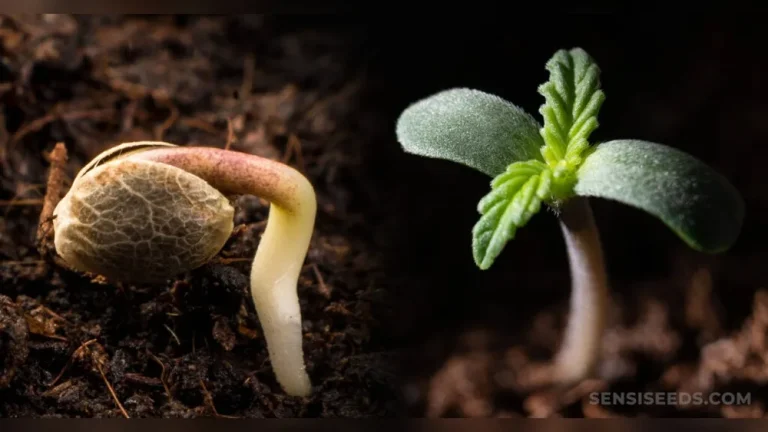
Cannabis seedlings are in a rapid phase of development, forming their initial root structure. Their roots are small, fragile, and shallow, meaning they access water from only the top layers of soil. Overwatering at this stage can suffocate roots and promote fungal diseases like damping off. Underwatering, meanwhile, causes stress that slows growth and can be fatal.
The Role Of Soil Moisture
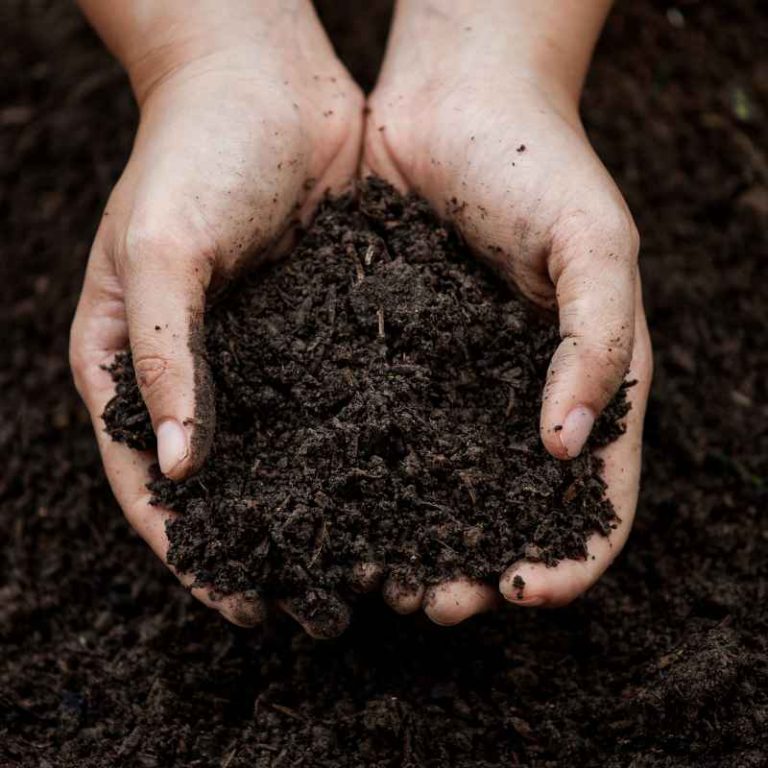
The goal is to keep the soil evenly moist but never soggy. Unlike established plants, seedlings cannot tolerate wide fluctuations between wet and dry conditions. Soil should feel like a wrung-out sponge: damp but not dripping.
Water Uptake And Transpiration
Seedlings absorb water primarily through their roots and lose it via transpiration through their leaves. Factors like light intensity, temperature, and humidity all affect how much water is needed. High-intensity lighting and low humidity increase water loss, while cool, humid environments slow it down.
Early Root Development
Healthy root development is crucial. If roots encounter overly wet conditions, they lack oxygen and may rot. If the soil is too dry, roots cannot expand. Striking the right balance encourages vigorous growth and primes the plant for future success.
:max_bytes(150000):strip_icc()/basic-indoor-orchid-care-1902822-e399ddafa79146f48d18c1fc3f3d5db5.png)
Credit: www.thespruce.com
Factors That Impact Watering Frequency
No single schedule fits all indoor cannabis grows. Several variables combine to determine how often you should water your seedlings.
Soil Composition And Drainage
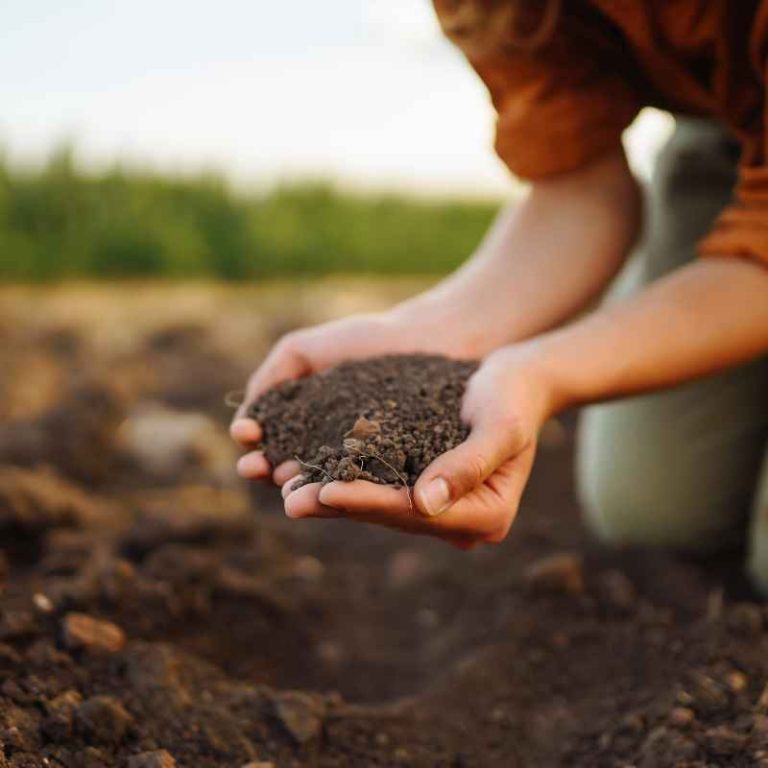
The type of soil you use is perhaps the most critical factor. Cannabis seedlings thrive in light, airy soil with excellent drainage. Commercial “seed starting” mixes or custom blends of peat, perlite, and vermiculite are ideal. Heavier soils retain too much water and can lead to overwatering problems.
| Soil Type | Drainage | Typical Watering Interval | Seedling Suitability |
|---|---|---|---|
| Seed Starting Mix | Excellent | 2–3 days | High |
| Peat & Perlite Blend | Good | 2–4 days | High |
| Garden Topsoil | Poor | 4–6 days | Low |
| Coco Coir Mix | Excellent | 1–2 days | Medium |
Pot Size And Material
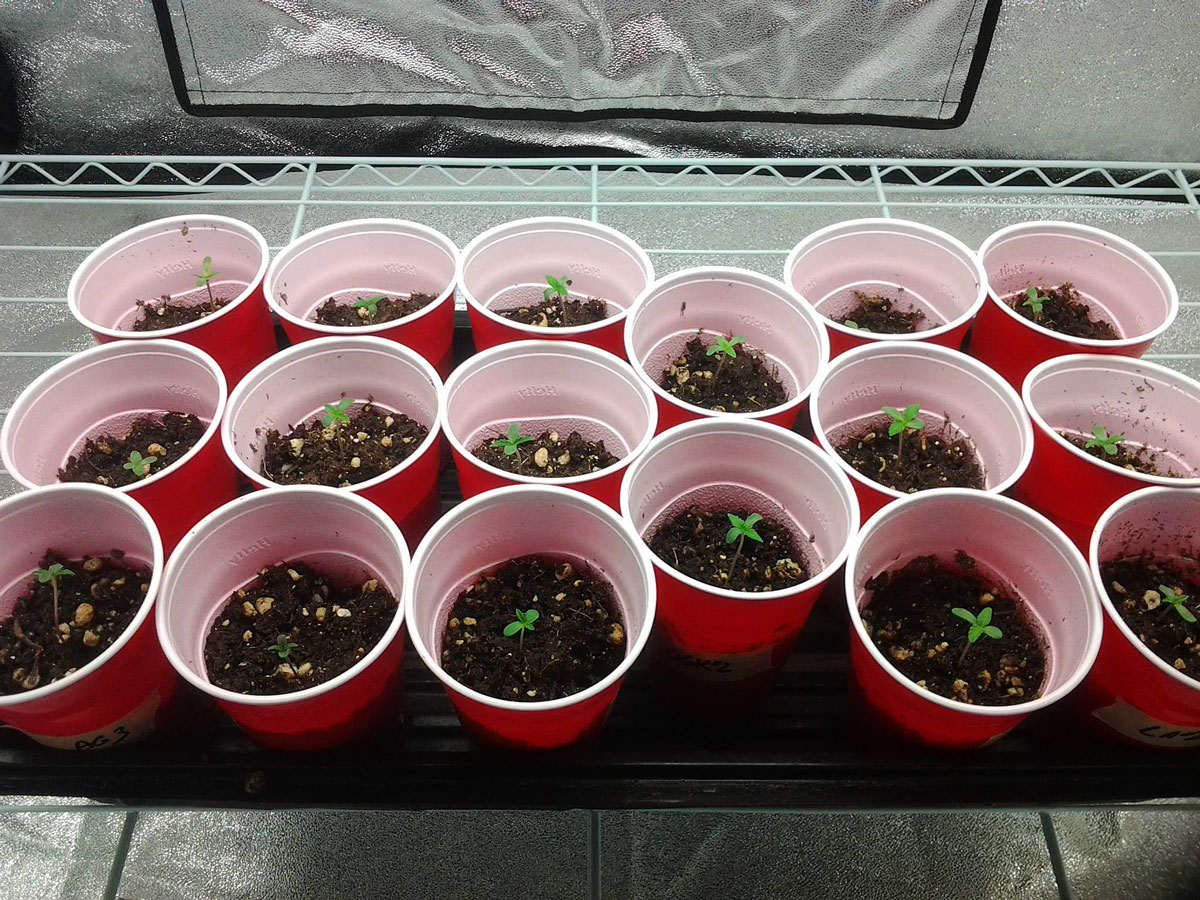
Seedlings are usually started in small containers (solo cups, starter trays, or 4-inch pots). Smaller pots dry out faster, requiring more frequent watering. The material also matters: fabric pots breathe better and dry quicker than plastic pots, while ceramic and clay pots wick moisture away from the soil.
- Small pots (2–4 inches): Water every 1–3 days.
- Medium pots (1–3 gallons): Water every 3–5 days.
- Fabric pots: May require daily checks due to rapid drying.
Environmental Conditions
Humidity, temperature, and airflow are major influences on soil moisture.
- High humidity (60–70%): Slows evaporation; less frequent watering needed.
- Low humidity (30–50%): Increases evaporation; soil dries faster.
- Warm temperatures (75–82°F): Accelerate evaporation.
- Strong airflow/fans: Increase soil drying rate.
Indoor environments with grow lights and ventilation tend to dry soil faster than passive setups.
Cannabis Strain Genetics
Some cannabis strains, especially Sativa-dominant varieties, may have slightly different water requirements due to leaf size and transpiration rates. However, at the seedling stage, these differences are minimal compared to environmental and soil factors.
Water Quality
Use clean, pH-balanced water (pH 6.0–6.5). Chlorinated tap water can harm young roots. If necessary, let tap water sit out for 24 hours or use filtered water. Poor water quality causes nutrient lockout and stunted growth.
For further reading on water quality, see EPA Drinking Water Basics.
How Often To Water Weed Seedlings In Soil Indoors
Now that we’ve covered the factors, let’s get to the core question: how often should you water your cannabis seedlings when growing in soil indoors?
General Guidelines
- Typical frequency: Every 2–4 days
- Adjust based on: Soil type, pot size, environment, and observation
Always let the top 0.5–1 inch of soil dry out before rewatering. This prevents overwatering and encourages roots to search deeper for moisture.
The “finger Test” Method
The simplest and most effective way to gauge watering needs is the “finger test”:
- Insert your finger 1 inch into the soil.
- If it feels dry, water.
- If it still feels moist, wait another day.
This tactile test prevents most common mistakes and is more reliable than watering on a rigid schedule.
Real-world Examples
Example 1: Small Starter Cells in a Propagation Tray
- Soil: Seed starting mix, 72°F, 70% humidity
- Watering: Every 2 days
- Method: Light misting to keep surface evenly moist
Example 2: Solo Cups in a Grow Tent
- Soil: Peat & perlite blend, 78°F, 50% humidity, under LED lights
- Watering: Every 2–3 days
- Method: Water until a few drops drain from the bottom, then wait until the top inch dries
Example 3: 1-Gallon Fabric Pots on a Heat Mat
- Soil: Organic super soil, 80°F, 40% humidity, strong airflow
- Watering: Every 1–2 days (pots dry quickly)
- Method: Water gently around the base, ensuring even moisture
Spotting Signs Of Overwatering And Underwatering
- Overwatered seedlings: Drooping leaves, yellowing, stunted growth, mushy stems, algae on soil surface
- Underwatered seedlings: Wilting, dry crispy leaves, slow growth, soil pulling away from pot edges
If you see these signs, adjust your watering schedule accordingly.
Watering Log Example
Keeping a simple log helps identify patterns and optimize your approach.
| Date | Soil Moisture | Watered? | Seedling Appearance | Notes |
|---|---|---|---|---|
| April 10 | Dry, 1″ below surface | Yes | Upright, healthy | Good response |
| April 12 | Moist | No | Leaves perky | Soil drying slower |
| April 14 | Dry | Yes | Slight droop before watering | Improved after watering |
Credit: www.growweedeasy.com
Best Practices For Watering Cannabis Seedlings
Perfecting your technique is as important as knowing when to water. These best practices ensure you’re supporting healthy seedlings.
Use Proper Watering Tools
- Spray bottles: Ideal for gentle, even moisture on young seedlings
- Small watering cans: Allow controlled pouring without disturbing roots
- Measuring cups: Help standardize amounts for consistency
Water Gently And Evenly
Pour water slowly around the base of the seedling. Avoid flooding the soil or splashing the stem, which can expose seedlings to fungal pathogens.
Water Volume
For solo cups or small pots, 1–2 ounces of water is usually sufficient per seedling. You want to moisten the root zone, not saturate the entire pot.
Drainage Is Essential
Ensure all containers have drainage holes. Standing water suffocates roots and invites disease.
Avoid Fertilizers Early
Do not add fertilizer to water for the first 2 weeks unless using a sterile, inert mix. Seedlings are sensitive; even mild nutrient solutions can burn them.
For more on cannabis seedling care, check Royal Queen Seeds: Seedling Problems.
Monitor Environment Closely
Install a hygrometer and thermometer near seedlings. Sudden changes in humidity or temperature may require you to adjust your watering routine.
“lift The Pot” Technique
Once seedlings are established (after 7–10 days), gently lift the container. If it feels light, it’s time to water; if heavy, wait another day.
Common Watering Mistakes And How To Avoid Them
Many beginner growers make the same mistakes. Understanding these pitfalls will help you avoid setbacks and keep your seedlings healthy.
Overwatering
Cause: Watering on a fixed schedule, using heavy soil, or poor drainage
Solution: Always check soil moisture, use light mixes, ensure pots drain freely
Underwatering
Cause: Forgetting to check soil, excessive airflow, too-small pots
Solution: Check daily, use humidity domes, size up pots as needed
Watering At The Wrong Time
Cause: Watering late at night or during dark periods
Solution: Water at the start of the light cycle; this reduces risk of disease and allows seedlings to absorb water during active photosynthesis
Using Cold Or Hot Water
Cause: Watering with water far from room temperature
Solution: Use water at 65–75°F to prevent root shock
Neglecting Water Quality
Cause: Tap water with high chlorine/chloramine or poor pH
Solution: Dechlorinate water, adjust pH, use a quality filter if needed
For more details on preventing overwatering, see Grow Weed Easy: Overwatering.
Environmental Adjustments To Optimize Watering
Fine-tuning your grow space can make watering easier and more predictable.
Control Humidity
- Seedlings: 60–70% relative humidity is ideal
- Use humidifiers or humidity domes to maintain levels
- Lower humidity gradually as seedlings grow
Regulate Temperature
- Day: 75–80°F
- Night: 65–70°F
- Avoid placing seedling trays directly on cold surfaces
Manage Airflow
- Gentle airflow prevents mold, strengthens stems
- Avoid strong fans directly on seedlings (can dry soil too quickly)
- Oscillating fans can help balance moisture levels
Light Placement
- Keep lights 18–24 inches above seedlings (for LEDs)
- Too close: Soil dries out too fast
- Too far: Seedlings stretch and grow weak
For more on indoor environment control, check Maximum Yield: Grow Room Environment.
Case Studies: Indoor Grower Experiences
Learning from real-world growers can provide valuable insight into watering success and failure.
Case Study 1: Avoiding Root Rot In A Small Tent
An indoor grower in Colorado started 12 seedlings in a 2×4 grow tent with organic soil. At first, he watered every day, noticing rapid yellowing and slow growth. After reading up on overwatering, he switched to watering every 3 days, checking moisture first.
Within a week, seedlings perked up, and root development improved dramatically.
Case Study 2: Managing Dry Air In Winter
A home grower in Ontario struggled with low humidity (30%) during winter. Seedlings wilted unless watered daily. By adding a small humidifier, humidity stabilized at 60%, and watering frequency dropped to every 3 days. Seedlings recovered and grew strong.
Case Study 3: Transitioning To Larger Pots
A California grower transplanted seedlings from solo cups to 1-gallon fabric pots. He noticed the pots dried much faster, requiring watering every 1–2 days. He adjusted by increasing water volume slightly and checking weight. Seedlings responded well, developing thick roots.
Case Study 4: Using Coco Coir
A hydroponic enthusiast tried starting seedlings in a 70% coco coir, 30% perlite mix. With excellent drainage, seedlings required light watering every day, but growth was vigorous, and root rot was never an issue.
For a community of grower experiences, visit Reddit: r/microgrowery.
Transitioning Seedlings To Vegetative Growth
As seedlings mature, their water needs change. Recognizing the signs and adapting your approach is essential for seamless growth.
When To Increase Watering
- 3rd–4th set of true leaves: Roots have expanded, can handle more water
- Pot dries out more quickly: Time to increase volume or frequency
Potting Up
Transplant seedlings to larger containers once roots fill the starter pot. Water thoroughly after transplanting to help roots settle.
Introducing Nutrients
Begin a dilute nutrient solution after 2–3 weeks, once seedlings have several sets of true leaves. Continue to monitor soil moisture closely, as nutrient-rich soil can retain more water.
Adjust Environment Gradually
Lower humidity to 50–60% and increase airflow as plants grow. This helps prevent mold and encourages strong root systems.
For more on transplanting and vegetative stage care, see Grow Weed Easy: Transplanting Seedlings.
Advanced Tips For Dialing In Watering
Optimizing your watering routine doesn’t end at the basics. Advanced growers employ several tactics to maximize seedling health.
Weight-based Watering
Use a small digital scale to weigh pots before and after watering. When the pot returns to its dry weight, it’s time to water again. This method is precise and repeatable.
Moisture Meters
Electronic soil moisture meters can help, but always cross-check with the finger test, as meters can be inaccurate in fluffy seedling mixes.
Top Vs. Bottom Watering
Some growers use bottom watering by placing pots in a tray and letting soil wick up moisture. This reduces the risk of damping off, but avoid leaving pots in standing water for more than 30 minutes.
Using Beneficial Microbes
Adding mycorrhizal fungi or beneficial bacteria can help seedlings withstand minor watering errors by improving root health and nutrient uptake.
Water Storage And Treatment
Store water in open containers for 24 hours to dissipate chlorine. For hard water, consider a small reverse osmosis system. Always check and adjust pH before watering.
Comparison Table: Watering Schedules By Setup
Below is a side-by-side look at common indoor seedling setups and their typical watering schedules:
| Setup | Soil Mix | Pot Size | Environment | Average Watering Interval |
|---|---|---|---|---|
| Starter Tray | Seed Starting Mix | Cell (2″) | 70°F, 70% RH | 2 days |
| Solo Cup | Peat & Perlite | 16 oz | 75°F, 50% RH | 2–3 days |
| Fabric Pot | Organic Soil | 1 gal | 80°F, 40% RH | 1–2 days |
| Coco Mix Pot | Coco Coir & Perlite | 1 gal | 75°F, 55% RH | 1 day |
Frequently Asked Questions
How Do I Know If I’m Overwatering My Weed Seedlings?
Look for drooping leaves, yellowing, a “wet” or mushy stem, and slow growth. Overwatered seedlings often show algae or mold on the soil surface. If the soil never dries out, roots can suffocate, leading to stunted plants. Always check soil moisture before watering and ensure your pots have drainage holes.
What Kind Of Water Should I Use For Cannabis Seedlings?
Use clean, pH-balanced water (pH 6.0–6.5). If using tap water, let it sit for 24 hours to dissipate chlorine, or use a filter. Avoid softened water or water with high mineral content, as this can cause nutrient lockout. Rainwater or distilled water is also suitable if properly pH-adjusted.
How Much Water Do I Give Each Seedling?
For small pots or solo cups, 1–2 ounces per watering is usually enough. The goal is to moisten the root zone without creating soggy conditions. Water until you see a few drops drain from the bottom, then stop. For larger pots, increase the volume but maintain the same principle.
Should I Mist Or Pour Water For Seedlings?
Misting is great for the first week to keep the surface evenly moist without disturbing delicate roots. After seedlings have established, switch to gentle pouring with a small can or cup, watering around the base of the stem. Avoid direct spraying on leaves to reduce the risk of fungal issues.
How Do Environmental Factors Affect Watering Frequency?
Humidity, temperature, and airflow are key. High humidity slows soil drying, while low humidity and strong airflow cause soil to dry more quickly. Warmer temperatures increase evaporation and may require more frequent watering. Adjust your schedule according to changes in your grow room environment.
References
- EPA Drinking Water Basics
- Royal Queen Seeds: Seedling Problems
- Maximum Yield: Grow Room Environment
- Grow Weed Easy: Overwatering
- Grow Weed Easy: Transplanting Seedlings
- Reddit: r/microgrowery
With a thoughtful approach, you can confidently nurture your cannabis seedlings through the most vulnerable stage. By understanding your soil, environment, and the unique needs of young plants, you’ll master the