Why Would You Not Find Soils on Mars Or Venus? Explained
Mars and Venus—two of Earth’s closest planetary neighbors—have long captured scientific curiosity, not least because of their potential to reveal how life and landscapes evolve on other worlds. Yet, when we look at their surfaces, a striking absence appears: the kind of soil found on Earth is missing. This absence isn’t just a simple quirk of planetary history; it reflects profound differences in geology, climate, and even the fundamental requirements for life as we know it. Understanding why you would not find soils on Mars or Venus offers key insights into planetary science, astrobiology, and the unique story of our own planet.
On Earth, soils are rich, complex ecosystems—teeming with life, shaped by water and time, and essential for supporting plants and, by extension, animals. But on Mars and Venus, despite vast surface areas and intriguing geological features, genuine soil as we define it simply doesn’t exist. Instead, we find regolith, dust, and rock, but none of the living, dynamic mixtures that characterize Earth’s soils. What makes terrestrial soil so special, and why have Mars and Venus developed so differently? This article explores these questions in depth, using the latest data and research to explain exactly why you would not find soils on these neighboring worlds.
Key Takeaways
- Soil on Earth is a living, biologically active system, unlike the inert regolith found on Mars or Venus.
- Essential factors like liquid water, atmosphere, and life are absent or insufficient on Mars and Venus, preventing true soil formation.
- Mars and Venus have extreme surface conditions—radiation, temperature, acidity—that inhibit processes vital for soil development.
- Understanding these differences deepens our appreciation for Earth’s unique habitability and guides future planetary exploration.
- The study of extraterrestrial surfaces helps refine our search for life and habitable environments beyond Earth.
Credit: www.livescience.com
What Is Soil? The Earth-centric Definition
The Components Of Soil
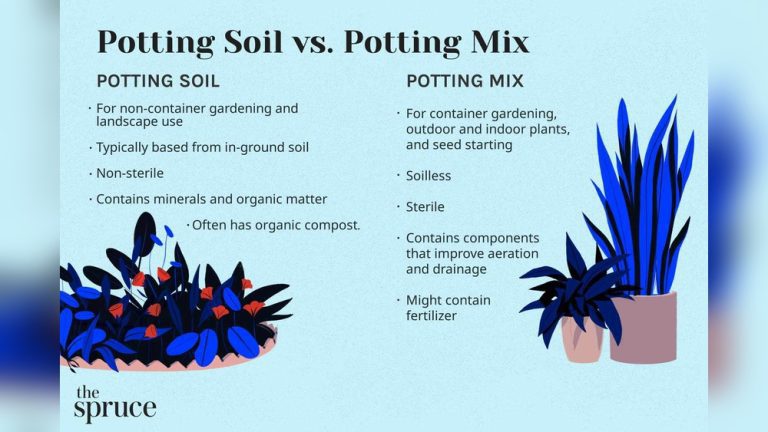
Earth’s soil is far more than just “dirt.” It is a complex mixture of:
- Mineral particles (sand, silt, clay)
- Organic matter (decayed plants and animals)
- Water
- Air
- Living organisms (bacteria, fungi, insects, worms)
These components interact to create a dynamic ecosystem. The US Department of Agriculture defines soil as “a natural body comprised of solids, liquids, gases, and living organisms that together support life on Earth.”
Soil Formation Processes
Soil forms through a process called pedogenesis, which involves:
- Weathering of rocks: Physical, chemical, and biological breakdown of parent material.
- Addition of organic matter: Plants and animals die, adding nutrients.
- Leaching and movement of materials: Water moves minerals and nutrients through the soil.
- Biological activity: Microorganisms and larger fauna mix and aerate the soil.
This process can take hundreds to thousands of years and requires conditions that support liquid water and biological activity.
Soil Vs. Regolith: Key Distinctions
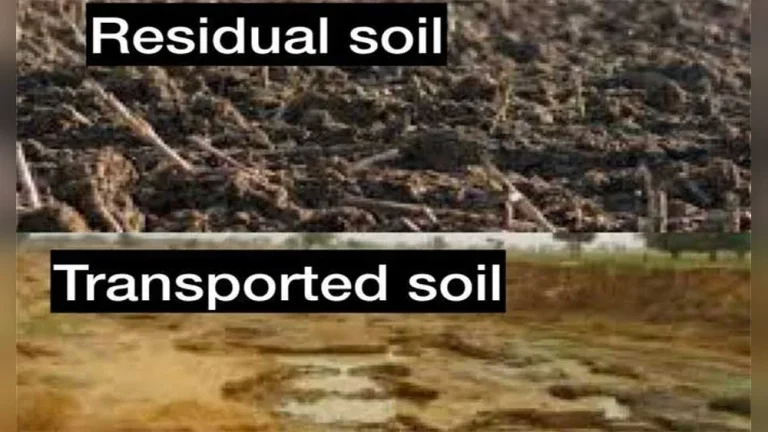
It’s important to distinguish soil from regolith. While “regolith” refers to any loose surface material (broken rock, dust, etc.) on a planet, soil has a precise meaning: it is regolith that has been altered by biological, chemical, and physical processes to the point where it supports life. Thus, all soil is regolith, but not all regolith is soil .
Example: Earth’s Soil Diversity
Earth boasts over 20,000 recognized soil types, each with unique characteristics based on climate, parent material, and biological factors. These soils support forests, grasslands, agriculture, and ecosystems crucial for life.
The Surface Of Mars: Regolith, Not Soil
Mars’ Surface Composition
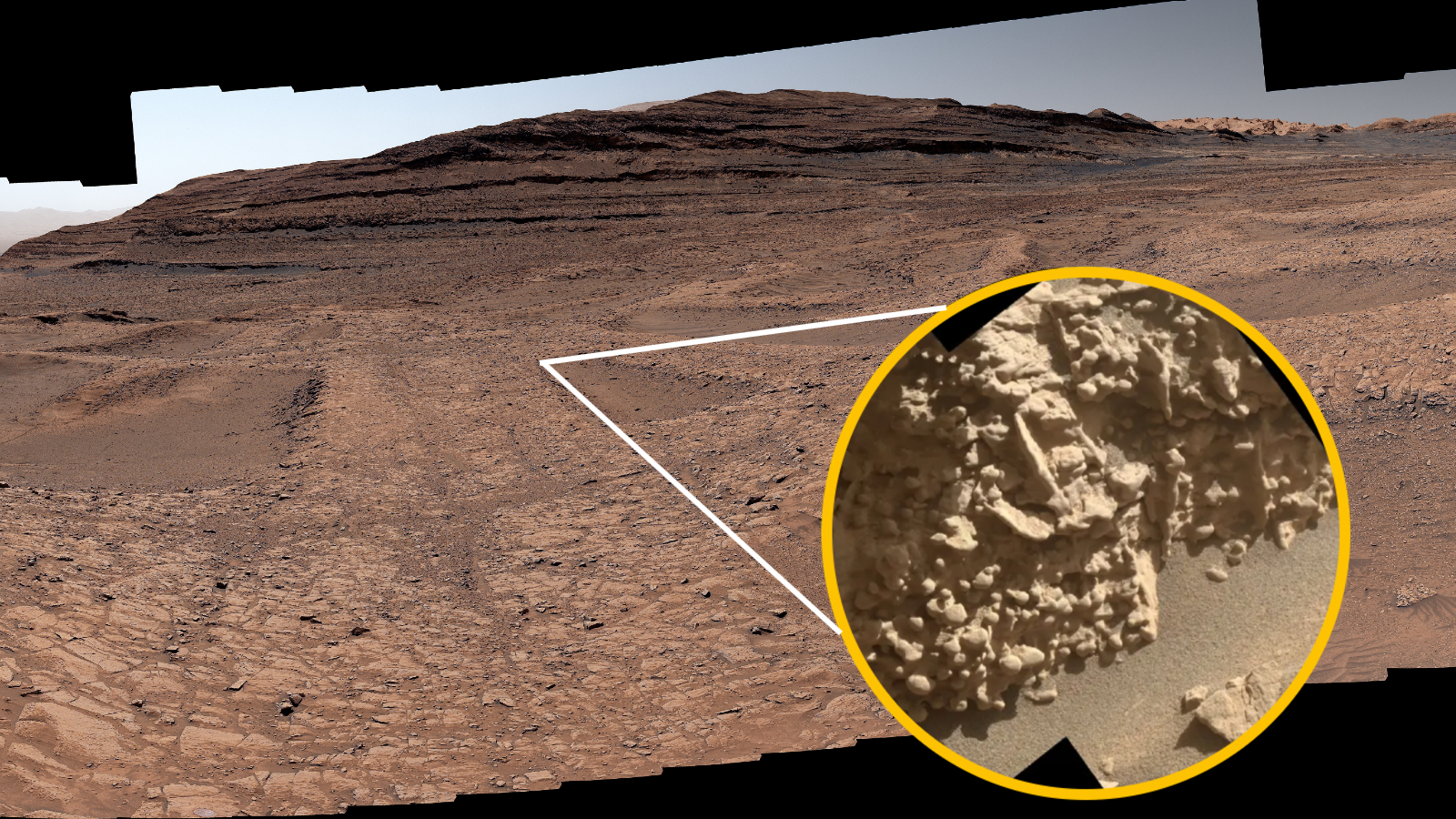
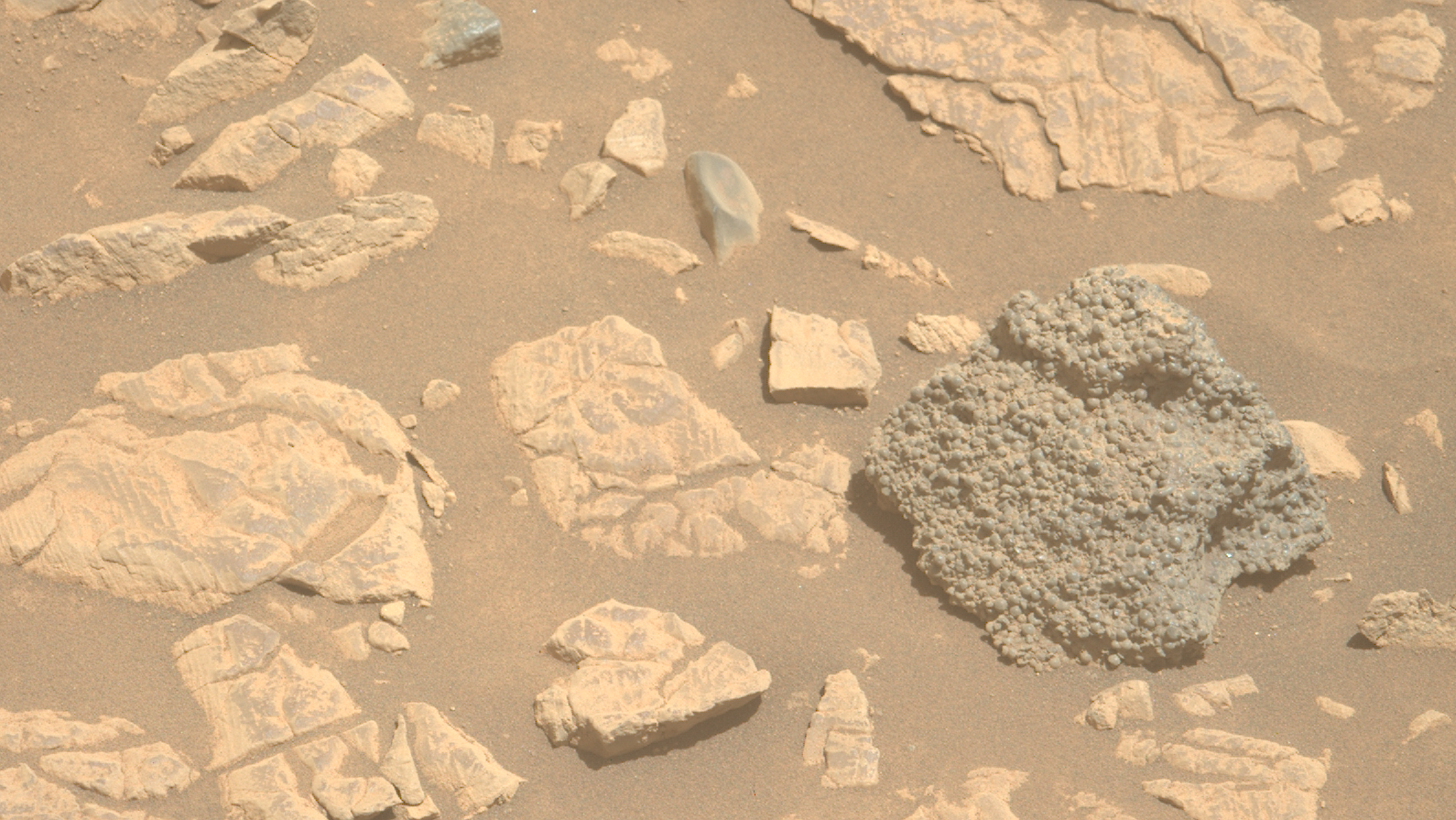
Mars, often called the “Red Planet,” is covered by a thick layer of regolith—a mixture of dust, sand, and broken rock. This regolith is the result of billions of years of meteorite impacts, volcanic activity, and wind erosion. However, it lacks the organic content, biological activity, and structure of true soil.
Absence Of Key Ingredients
Lack Of Liquid Water
- Mars is extremely dry, with average surface humidity near zero.
- While polar ice caps and underground water ice exist, liquid water is virtually absent at the surface due to low atmospheric pressure.
- Water is essential for the chemical reactions and microbial life that form and maintain soil.
No Life Detected
- Despite decades of searching, no living organisms have been found on Mars.
- Without microbes and plants, there is no organic matter to enrich the regolith or drive soil formation.
Extreme Environmental Conditions
- Surface temperatures range from -195°F to 70°F (-125°C to 20°C).
- High levels of cosmic and solar radiation due to a thin atmosphere.
- Frequent dust storms erode and redistribute material, preventing stability.
Martian Regolith: Chemical And Physical Properties
| Property | Mars Regolith | Earth Soil |
|---|---|---|
| Organic Content | Virtually none | 1-10% (varies) |
| Water Content | Trace (bound in minerals/ice) | 10-50% |
| Biological Activity | None detected | High (microbes, roots, fauna) |
| pH Range | Acidic to neutral (3-8) | Wide (4-8.5), buffered by organics |
| Structure | Loose, unstructured dust | Aggregated, stable horizons |
Case Study: Viking Landers And Mars Science Laboratory
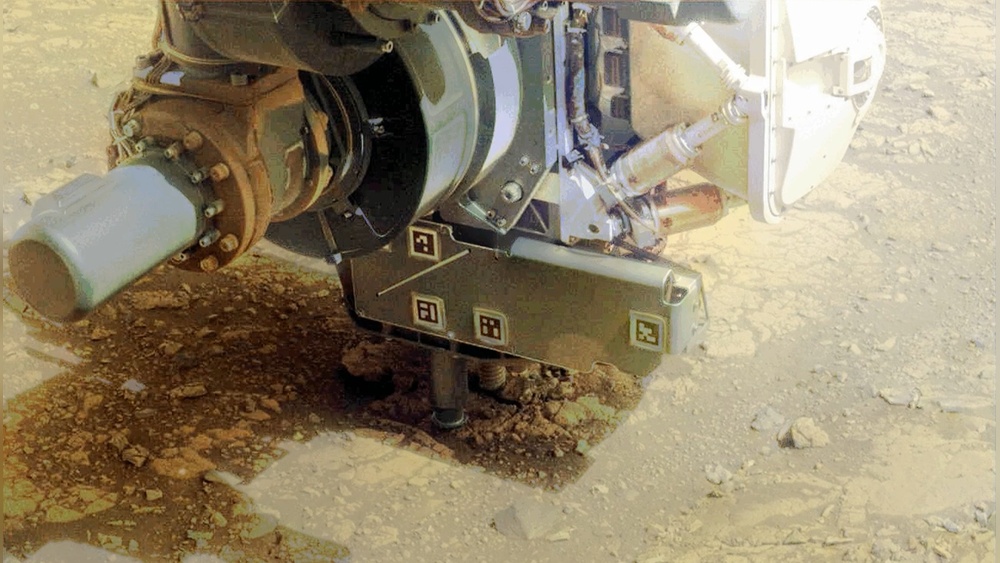
NASA’s Viking landers (1976) and the Curiosity rover (since 2012) have conducted direct soil analysis on Mars. Despite sophisticated chemical tests, neither mission found evidence of organic molecules or biological activity indicative of soil. Instead, they documented perchlorates (toxic salts), iron oxides (rust), and silicate dust—confirming the absence of true soil.
Implications For Terraforming And Agriculture
While Martian regolith can be used as a base for plant growth in controlled environments (e. g. , with added water, nutrients, and microbes), it cannot support life unaided. Any talk of “Martian soil” for agriculture is technically a misnomer—what’s being described is an engineered substrate, not naturally occurring soil.
Credit: www.space.com
The Surface Of Venus: Hostile And Inhospitable
Venusian Surface Conditions
Venus is sometimes called Earth’s “sister planet” due to its similar size and mass, but its surface conditions are radically different:
- Average temperature: 867°F (464°C)
- Atmospheric pressure: 92 times Earth’s
- Clouds of sulfuric acid
- No water at the surface—bone dry
Geological Surface Features
Venus’ surface is dominated by volcanic plains, lava flows, and impact craters. The regolith present is mostly the result of volcanic activity and meteorite impacts, with little or no evidence of chemical weathering or soil horizons.
Why Soil Cannot Form On Venus
No Liquid Water
- Water is a key driver of chemical weathering and biological processes.
- On Venus, water either never condensed at the surface or was rapidly lost to space due to a runaway greenhouse effect.
Extreme Heat And Acidity
- Temperatures high enough to melt lead destroy organic molecules and prevent any form of life as we know it.
- Acidic atmosphere prevents the stability of most minerals and organic matter.
Absence Of Life
- No evidence of microbial life or plants has ever been detected.
- Without life, there is no organic matter or biological cycling of nutrients.
Chemical Weathering Vs. Physical Weathering
On Venus, the lack of water means chemical weathering is minimal. Physical processes—volcanism, impact gardening—dominate, resulting in a surface that is geologically active but biologically sterile.
Table: Surface Comparison – Mars, Venus, And Earth
| Feature | Earth | Mars | Venus |
|---|---|---|---|
| Average Surface Temp | 59°F (15°C) | -80°F (-62°C) | 867°F (464°C) |
| Atmospheric Pressure | 1 atm | 0.006 atm | 92 atm |
| Liquid Water Presence | Abundant | Absent (except ice) | None |
| Life Detected | Yes | No | No |
| Soil Formation | Active, diverse | None | None |
Example: Venera Landers’ Discoveries
The Soviet Venera missions (1970s-1980s) landed several probes on Venus, transmitting images and chemical analyses. These revealed a rocky, desolate landscape with no sign of soil layers, organic content, or life—only bare rock and dust, shaped by volcanic forces and intense heat.

Credit: www.zmescience.com
The Crucial Role Of Water In Soil Formation
How Water Drives Soil Creation
On Earth, liquid water is indispensable for:
- Chemical weathering: Water dissolves minerals, creating new soil materials.
- Transport of nutrients: Water moves organic and mineral particles through soil horizons.
- Supporting life: Plants and microbes need water for survival and soil-building processes.
Water On Mars And Venus: A Comparative Analysis
Mars
- Water exists primarily as ice or is chemically bound in minerals.
- Occasional evidence of briny flows, but these are transient and extremely rare.
- Surface is too cold and pressure too low for sustained liquid water.
Venus
- Surface temperatures and pressures prevent any form of liquid water.
- Any water vapor is quickly broken down by solar radiation in the upper atmosphere.
Real-world Example: Soil Formation In Dry Environments
Even in Earth’s driest deserts, such as the Atacama Desert in Chile, trace amounts of water are sufficient to support microbial life and minimal soil formation. On Mars and Venus, conditions are even more extreme—effectively sterilizing their regolith.
Table: Water Availability And Soil Formation
| Location | Water Availability | Soil Formation? |
|---|---|---|
| Amazon Rainforest | High | Extensive |
| Atacama Desert | Very Low | Minimal but present |
| Mars Surface | Almost none | None |
| Venus Surface | None | None |
Water’s Role In Biological Activity
Without water, microbial life cannot survive. The absence of such life means there is no breakdown of organic matter, no nutrient cycling, and no development of soil structure—key features that distinguish soil from simple regolith.
The Absence Of Life: Impacts On Soil Genesis
Life’s Role In Soil Formation
Microorganisms, plants, and animals drive many soil processes:
- Decompose organic matter into humus
- Mix and aerate the soil (e.g., worms, insects)
- Stabilize soil with roots and fungal networks
- Cycle nutrients essential for plant growth
Mars: Sterile Regolith
- No evidence of life has been found by landers or orbiters (NASA Mars Exploration Program).
- Without microbes or plants, Martian regolith remains static and chemically unaltered by biological processes.
Venus: Extreme Sterility
- Surface conditions are so harsh that even the most resilient Earth microbes would be instantly destroyed.
- No known life can survive the temperatures, pressures, and acidity present.
Earth: The Biotic Engine
Earth’s soils are teeming with life: a single teaspoon contains billions of microorganisms. These organisms transform raw mineral material into fertile soil, a process absent on Mars and Venus.
Example: The Role Of Cyanobacteria In Soil Genesis
On early Earth, cyanobacteria were among the first organisms to colonize bare rock, producing organic matter and contributing to primitive soil formation. No such pioneering organisms have been detected on Mars or Venus, halting the process at the regolith stage.
Atmospheric Factors And Soil Development
Atmospheric Pressure And Composition
Atmospheric conditions influence surface temperatures, chemical reactions, and the stability of liquid water—all crucial for soil formation.
Earth
- Stable, oxygen-rich atmosphere
- Moderate temperatures and pressures
- Protective ozone layer shields surface from harmful radiation
Mars
- Thin, carbon dioxide-rich atmosphere
- Surface pressure less than 1% of Earth’s—water boils away instantly
- No ozone layer, high UV and cosmic radiation
Venus
- Dense, carbon dioxide-rich atmosphere
- Runaway greenhouse effect leads to extreme heat
- Clouds of sulfuric acid
Impact Of Atmospheric Conditions
- Mars: The thin atmosphere fails to protect the surface, resulting in sterilizing radiation and loss of any surface water.
- Venus: The crushing pressure and high temperatures prevent any water from remaining, while the acidic environment destroys organic molecules.
Example: Impact Of Atmospheric Loss On Mars
Mars is thought to have lost much of its early atmosphere due to solar wind stripping, as it lacks a strong magnetic field. This loss prevented the long-term retention of surface water, undermining the conditions necessary for soil formation (Nature).
Geological Activity And Surface Renewal
The Role Of Plate Tectonics
On Earth, plate tectonics recycles rocks, forms mountains, and creates new landforms. This continuous renewal exposes fresh material for weathering and soil formation.
Mars: Geologically Inactive
- No active plate tectonics
- Some volcanic activity in the distant past (e.g., Olympus Mons), but largely dormant
- Surface features are ancient and largely unchanged
Venus: Volcanic, But No Tectonics
- Surface is shaped by extensive volcanism
- No evidence of active plate tectonics
- Surface is periodically “resurfaced” by lava flows, erasing old features
Impact On Soil Formation
- Earth’s dynamic geology creates new opportunities for soil formation.
- Mars and Venus lack the combination of tectonic activity, liquid water, and biological colonization needed for ongoing soil development.
Example: Soil Formation After Volcanic Eruptions On Earth
In places like Hawaii, volcanic eruptions cover the land with sterile lava. Yet, within decades, colonizing plants and microbes begin the process of turning this rock into fertile soil—a process impossible on Mars or Venus due to the absence of life and water.
Scientific And Astrobiological Implications
Searching For Past Soil Or Life
While Mars and Venus lack soil today, scientists are keenly interested in whether ancient soils or signs of past life might be preserved in the subsurface. On Mars, certain clay minerals suggest that water once altered the rocks, but no evidence of true soil has been found (Scientific American).
Implications For The Search For Life
Understanding why soil cannot form on Mars or Venus helps guide missions searching for life. The absence of soil means that any life—past or present—would be limited to highly specialized niches, such as subsurface environments or ancient lakebeds.
Human Exploration And In-situ Resource Utilization
For future Mars missions, the lack of natural soil means astronauts will need to engineer substrates for agriculture—mixing regolith with water, nutrients, and microbes to mimic soil. This presents both challenges and opportunities for in-situ resource utilization.
Example: Martian Agriculture Experiments
Experiments using Mars regolith simulants on Earth have shown that, with the right amendments, plants can be grown in these substrates (NASA). However, this is fundamentally different from growing crops in natural soil.
Broader Astrobiological Lessons
The differences between Earth, Mars, and Venus highlight the fragility of habitable environments and the intricate interplay of geology, climate, and biology needed to create and sustain soil—a true marker of a living planet.
Frequently Asked Questions
What Is The Main Difference Between Soil And Regolith?
Soil is a biologically active, structured mixture of minerals, organic matter, water, air, and living organisms that supports life. Regolith is any loose material covering solid rock, including dust, sand, and broken rock, but it lacks the biological and chemical complexity of soil.
Could Soil Ever Form On Mars Or Venus In The Future?
For true soil to form, conditions would need to change drastically—introducing sustained liquid water, a stable atmosphere, and seeding with life forms capable of colonizing the surface. While conceivable in science fiction, this is far beyond current or near-future technology.
Why Do Some People Refer To “martian Soil” In News Reports?
The term “Martian soil” is commonly used for simplicity, but it is technically incorrect. The correct term is regolith. True soil, as defined by Earth standards, does not exist on Mars due to the absence of organic matter and biological activity.
Has Any Evidence Of Ancient Soils Been Found On Mars Or Venus?
Certain clay and sulfate minerals on Mars suggest past water activity, but no direct evidence of ancient soils—defined by biological alteration—has been found. Venus’s harsh surface conditions make it unlikely that any ancient soils could have survived.
How Does The Absence Of Soil Affect Plans For Human Colonization Of Mars?
Without natural soil, astronauts will need to create artificial growing media using Martian regolith, supplemented with water, nutrients, and beneficial microbes. This adds complexity to life support and food production systems for any future Mars habitats.
References
- Wikipedia: Soil
- NASA: Plants Grow in Martian Soil Simulant
- NASA Mars Exploration Program
- Scientific American: Why Mars Soil is Red
- Nature: Loss of Mars Atmosphere
- USGS: Venus Geology
Earth’s vibrant, living soils are the product of billions of years of unique planetary conditions—an interplay of water, atmosphere, geology, and life. Mars and Venus, for all their intrigue, lack the right ingredients and circumstances to nurture soils as we know them.
Their barren regolith stands as a stark reminder of how rare and precious Earth’s living landscapes truly are, and how the search for life and habitability elsewhere will depend on recognizing—and understanding—these profound planetary differences.