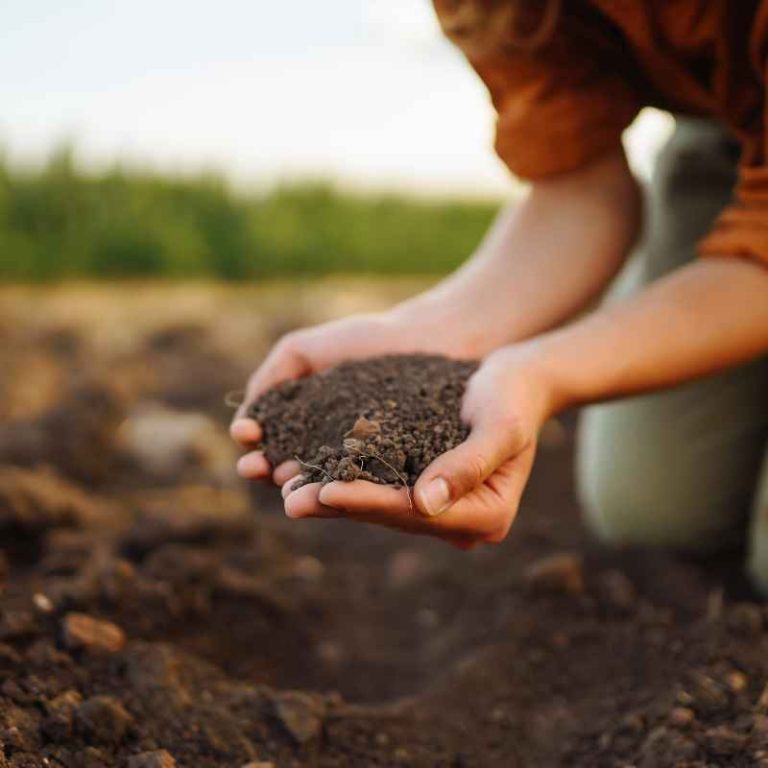
How to Repair Soil Erosion Around a Foundation the Right Way
Soil erosion around a home’s foundation is a hidden threat, silently undermining the stability and value of your property. Many homeowners first notice the problem as uneven settling, cracks in walls, or pooling water after a heavy rain. Left unchecked, this issue not only compromises the integrity of your house but also leads to expensive repairs and loss of curb appeal.
The good news is that with the right approach, you can restore your landscape and protect your investment—if you act promptly and follow proven strategies.
This comprehensive guide demystifies the process of repairing soil erosion around a foundation. We’ll explore the causes, warning signs, and the best methods for permanent repair. From practical DIY solutions to professional interventions, you’ll find actionable steps backed by expert knowledge, data, and real-world examples.
Whether you’re a homeowner, property manager, or contractor, this article will equip you with everything you need to tackle soil erosion the right way and safeguard your home for years to come.
Key Takeaways
- Soil erosion around foundations is a leading cause of structural damage and can be prevented with proper landscaping, drainage, and maintenance.
- Identifying the root causes and warning signs early is crucial for effective and long-lasting repair.
- Permanent repair methods include grading, installing drainage systems, using retaining walls, and planting erosion-control vegetation.
- DIY solutions can address minor erosion, but severe cases often require professional intervention.
- Routine maintenance and monitoring prevent future issues and protect your home’s value.
- Real-world case studies illustrate successful erosion repair strategies and their outcomes.

Credit: basementrepairguide.com
Understanding Soil Erosion Around Foundations
Soil erosion is a natural process where wind, water, and other forces gradually remove soil from the ground. When this occurs near a home’s foundation, it can have serious structural consequences.
What Causes Soil Erosion Near Foundations?
Several factors contribute to soil erosion around foundations:
- Improper grading: If the ground slopes toward the house, water collects near the foundation instead of draining away. Over time, this creates persistent moisture zones that weaken soil structure and allow water to infiltrate deeply, exacerbating erosion. Even small grading errors can result in significant water accumulation.
- Poor drainage: Clogged gutters, short downspouts, or lack of French drains can funnel water directly to the foundation. When water can’t escape, it saturates the soil, breaking down its cohesion and causing it to wash away with each rain event. Homeowners often overlook drainage as a primary culprit, yet it’s responsible for the majority of erosion cases.
- Heavy rainfall or flooding: Intense storms accelerate soil movement, especially in areas with loose or sandy soils. Flash floods and seasonal storms can erode several inches of soil in a single event, leaving foundations exposed and vulnerable.
- Landscaping mistakes: Removing ground cover or planting too close to the house can destabilize the soil. For example, removing mature shrubs without replacing them with suitable ground cover exposes soil to direct rainfall, increasing the risk of erosion.
- Construction activities: Excavation, paving, or heavy equipment can compact or disturb the soil. Temporary construction zones often lack proper soil stabilization, leading to post-construction erosion if not addressed.
Each cause is amplified by local climate and soil composition, making it essential to customize solutions for your property.
Why Is Foundation Erosion So Dangerous?
When soil erodes from around the foundation, it leaves gaps and uneven support for the structure. This can cause:
- Foundation settling or shifting, which often manifests as uneven floors, stuck doors, or windows that won’t close properly.
- Wall cracks and misaligned doors/windows, a sign that the foundation is moving or losing support.
- Flooded basements or crawl spaces, as water finds the path of least resistance.
- Mold and mildew growth, which results from persistent moisture and can impact air quality and health.
- Decreased property value, as visible damage and repair needs deter buyers and lower appraisal values.
According to the American Society of Civil Engineers, foundation problems cost homeowners over $4 billion annually in the U.S. alone (ASCE). The financial impact is compounded by long-term consequences, such as increased insurance premiums and reduced resale value.
Warning Signs To Watch For
Early detection can save thousands in repairs. Look for these red flags:
- Visible soil loss or gullies near the foundation, indicating active erosion.
- Exposed foundation walls or footings, which should always be covered by soil for stability and insulation.
- Water pooling after rainstorms, a clear sign that drainage is failing.
- Cracks in foundation, brick, or drywall, especially those that grow over time.
- Tilting or uneven patios, walkways, or steps, suggesting underlying soil movement.
Additional signs include vegetation dying near the foundation (due to waterlogged soil or root exposure) and persistent dampness along basement walls. If you notice any of these, act quickly to prevent further damage.
Soil Types And Their Erosion Risks
Different soils have different vulnerabilities to erosion. Here’s a quick comparison:
| Soil Type | Erosion Risk | Drainage | Repair Difficulty |
|---|---|---|---|
| Clay | Medium (shrinks/swells with moisture) | Poor | High |
| Sand | High (easily washed away) | Excellent | Medium |
| Loam | Low | Good | Low |
| Silt | High (compacts, then erodes easily) | Medium | High |
Understanding your soil type helps you choose the best repair strategy. For example, sandy soils require more aggressive stabilization and vegetation, while clay soils benefit from improved drainage and organic amendments. Site-specific soil testing is recommended before undertaking major repairs.
Assessing The Damage: Inspection And Diagnosis
Before you can fix erosion, you need to know its extent and underlying causes.
Conducting A Thorough Inspection
Walk around your home and look for:
- Soil depressions or bare patches near the foundation, which may indicate active runoff or poor soil structure.
- Standing water after rainfall, especially in areas adjacent to the foundation. Persistent wetness increases erosion and undermines support.
- Foundation cracks (vertical, horizontal, or stair-step), which often point to soil movement beneath the structure.
- Displacement of landscaping elements (rocks, mulch, edging) from their original positions, a sign of water flow and soil instability.
Use a level or laser tool to check if the ground slopes away (ideal: 2% slope, or 1/4 inch per foot, for at least 6 feet from the foundation). For larger properties, consider drone surveys or digital mapping to identify problem spots. Document your findings with photos and notes for future comparison.
When To Call A Professional
If you observe any of the following, a structural engineer or foundation specialist should be consulted:
- Large or growing cracks in the foundation, which can signal structural compromise.
- Noticeable wall bowing or separation, often caused by uneven support or hydrostatic pressure.
- Persistent water intrusion in basement/crawl space, indicating chronic drainage failure.
- Significant soil loss or voids under the foundation, which may threaten overall stability.
A professional can perform a soil analysis, assess foundation stability, and recommend permanent solutions. They may use advanced diagnostic techniques such as ground-penetrating radar or geotechnical sampling to evaluate subsurface conditions.
Common Diagnostic Tools
- Soil moisture meters: Measure water content at various depths, helping pinpoint saturation zones.
- Compaction testers: Identify areas where soil is too loose or too dense, both of which can exacerbate erosion.
- Infrared cameras: Detect hidden moisture or leaks, especially useful for basements and crawl spaces.
- Laser levels: Ensure proper grading and slope.
These tools allow for accurate diagnosis and tailored repair plans, reducing guesswork and maximizing effectiveness.
Example: Suburban Home Inspection
A homeowner in Dallas noticed cracks in their brick veneer and uneven floors. Inspection revealed severe erosion on one side caused by a downspout dumping water directly at the foundation. Early diagnosis prevented a $20,000 foundation repair bill. The fix involved redirecting the downspout, regrading soil, and planting ground cover, all of which were completed for under $1,000.

Credit: basementrepairguide.com
Repairing Soil Erosion: Proven Methods
Once you know the problem, it’s time to choose the best repair method. Here are the most effective ways to restore and protect your foundation.
Grading And Sloping
Proper grading is the first line of defense against erosion.
- Re-grade soil so it slopes away from the foundation (minimum 5% slope for at least 10 feet). This ensures water moves away quickly, reducing the risk of pooling and infiltration.
- Use topsoil to fill in eroded areas. Select high-quality, screened soil for best results.
- Compact soil layers to reduce future settling. Compact in thin lifts to avoid over-compaction, which can reduce drainage.
When regrading, consider installing a gentle berm or swale to further direct runoff. Avoid sudden transitions, as these can create new erosion hotspots.
Installing Drainage Solutions
Redirecting water away is critical. Options include:
- French drains: Gravel-filled trenches with perforated pipes that collect and channel water away. Ideal for properties with chronic wet spots or clay soils. Ensure proper installation depth (typically 18–24 inches) and outlet location.
- Downspout extensions: Move roof runoff at least 6–10 feet from the house. Flexible or rigid extensions can be hidden beneath landscaping for aesthetics.
- Dry wells: Underground reservoirs that temporarily hold water and release it slowly. Great for areas where surface drainage is not feasible.
- Surface drains: Collect water from low spots and direct it away. These can be integrated into patios or walkways for seamless water management.
| Drainage Solution | Best For | Installation Cost (Average) | Maintenance Level |
|---|---|---|---|
| French Drain | Chronic wet spots | $2,000 – $6,000 | Medium |
| Downspout Extension | Gutter overflow | $10 – $50 | Low |
| Dry Well | Poorly draining soils | $500 – $2,500 | Low |
| Surface Drain | Patio/yard runoff | $1,000 – $3,000 | Medium |
Regular maintenance is essential: clean out French drains annually, check downspout extensions after storms, and inspect dry wells for sediment buildup.
Building Retaining Walls
For steep slopes or severe erosion, retaining walls are highly effective.
- Materials: Concrete blocks, natural stone, timber, or poured concrete. Each offers unique benefits for durability, aesthetics, and cost.
- Walls should include drainage pipes (weeping tiles) to prevent hydrostatic pressure. Backfill with gravel and use filter fabric to promote drainage.
- Proper engineering is essential for walls over 4 feet high. Consult local codes, as permits may be required.
Retaining walls not only stop erosion but also enhance landscape aesthetics. Incorporate terraces or planters for added visual appeal.
Planting Ground Cover And Vegetation
Plants help stabilize soil and absorb excess water.
- Choose deep-rooted ground covers (e.g., creeping juniper, liriope, pachysandra). These species offer robust root systems that anchor soil.
- Native grasses and shrubs work well for slopes. Their adaptability to local climates reduces maintenance needs.
- Mulch around plants to protect soil from rain impact and suppress weeds.
According to the USDA Natural Resources Conservation Service, strategic planting can reduce erosion by up to 80% (USDA NRCS). For maximum effectiveness, establish vegetation in layers—ground cover, shrubs, and trees.
Using Erosion Control Fabrics And Mulches
For immediate protection:
- Erosion control blankets made of jute, coconut fiber, or synthetic mesh hold soil in place while plants establish. These are particularly useful on slopes or in high-traffic areas.
- Apply mulch (wood chips, straw) to bare spots to reduce runoff and improve soil health. Mulch also helps retain moisture for new plantings.
Install blankets with stakes or staples and overlap edges to prevent gaps. Replace or repair blankets as vegetation matures.
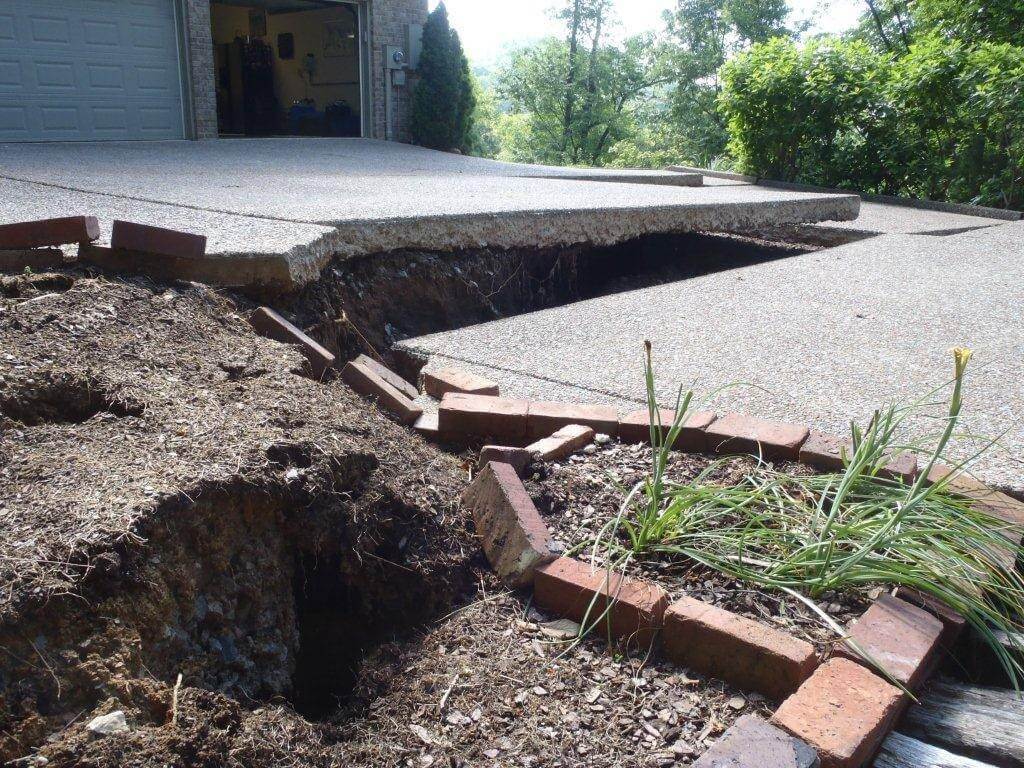
Case Study: Hillside Home In Seattle
A Seattle homeowner’s foundation was threatened by hillside runoff. By regrading the slope, installing a French drain, and planting native ferns, they stopped erosion and improved their yard’s appearance—saving an estimated $15,000 in potential damage. The project also enhanced biodiversity and reduced maintenance.
Credit: www.olshanfoundation.com
Diy Vs. Professional Repair: Making The Right Choice
Not all erosion problems require the same level of intervention. Here’s how to decide whether to tackle the problem yourself or hire a pro.
When Diy Works
DIY solutions are effective for:
- Minor soil loss (less than 6 inches deep), typically on small patches.
- Small areas (under 100 sq. Ft.), such as garden beds or walkways.
- Simple grading or planting tasks, which don’t require specialized equipment.
- Redirecting downspouts or adding mulch, quick fixes that can prevent escalation.
Basic DIY steps:
- Remove debris and loosen compacted soil with a garden fork or tiller.
- Add topsoil and slope it away from the foundation, using a rake and level.
- Plant ground cover or lay erosion-control fabric, ensuring full coverage.
- Extend downspouts as needed, using store-bought extensions or flexible piping.
DIY projects require regular monitoring; check for regrowth of erosion or signs of water pooling.
When To Hire A Professional
Professional help is necessary for:
- Significant or recurring erosion, especially if previous DIY fixes have failed.
- Large or deep voids, which may threaten structural integrity.
- Foundation cracks or water intrusion, requiring specialized assessment.
- Construction of retaining walls or complex drainage systems, which may involve heavy machinery and permits.
A licensed contractor or engineer can ensure proper design and compliance with local codes. Professionals also offer warranties and long-term support.
Cost Comparison: Diy Vs. Professional
| Repair Method | DIY Cost | Professional Cost | Pros | Cons |
|---|---|---|---|---|
| Grading & Planting | $200 – $800 | $1,500 – $3,000 | Low cost, immediate | Labor-intensive, less durable |
| French Drain | $500 – $1,500 | $2,000 – $6,000 | Effective, long-term | Complex installation |
| Retaining Wall | $1,000 – $3,000 | $4,000 – $15,000 | Permanent solution | Requires permits/expertise |
Consider hidden costs: DIY often requires tool rental, learning curve, and ongoing maintenance. Professional repairs offer durability and compliance, often saving money in the long run.
Example: Diy Success Story
A couple in Atlanta fixed minor erosion by regrading soil, planting drought-resistant grass, and rerouting their downspouts. Their efforts cost under $500 and prevented further foundation settling. They also documented their process, making future maintenance easier.
Best Practices For Long-term Prevention
Repairing erosion is only half the battle—preventing recurrence is key to protecting your foundation.
Regular Maintenance
- Clean gutters and downspouts every season, removing leaves and debris.
- Inspect grading and fill low spots annually, especially after heavy storms.
- Check for new cracks or water pooling after storms, and address issues promptly.
Keep a maintenance log to track repairs and monitor effectiveness over time.
Smart Landscaping
- Avoid planting large trees or shrubs too close to the foundation, as roots can destabilize soil and increase water demand.
- Use permeable pavers for patios and walkways, allowing water to infiltrate and reducing runoff.
- Maintain at least a 6-inch gap between soil/mulch and siding, preventing moisture wicking and pest entry.
Select plants with complementary root systems to maximize stabilization and minimize maintenance.
Water Management Strategies
- Install rain barrels to capture roof runoff, reducing water volume near the foundation.
- Use drip irrigation instead of sprinklers to prevent overwatering and runoff.
- Ensure sump pumps and drains discharge water far from the foundation, ideally onto a slope or into a dry well.
Upgrade plumbing and drainage as needed to keep pace with property changes.
Monitoring Tools
- Install soil moisture sensors to track problem areas and anticipate erosion risks.
- Use home weather stations to monitor rainfall and soil moisture trends, enabling proactive responses.
Digital alerts and automated irrigation controls can further optimize water management.
Example: Community-wide Prevention
A homeowners’ association in Florida implemented annual soil inspections and improved drainage across common areas. Over five years, foundation repair claims dropped by 60%. The initiative included educational workshops and regular maintenance by a landscaping contractor.
Real-world Examples And Case Studies
Learning from real-world scenarios provides actionable insights and demonstrates the effectiveness of proper soil erosion repair.
Case Study 1: Urban Duplex, Chicago
Problem: Repeated basement flooding and visible soil loss after heavy rains.
Solution: Professional installation of a French drain system and grading of soil away from the duplex.
Outcome: No flooding for three years; property value increased by 8%. (EPA Soil Health Kit)
Case Study 2: Rural Ranch, Texas
Problem: Large cracks in slab foundation and sunken porch.
Solution: Retaining wall built with natural stone, downspout extensions, and switch to native buffalo grass.
Outcome: Cracks stabilized, porch lifted, and maintenance costs reduced by 30% over two years.
Case Study 3: Coastal Home, North Carolina
Problem: Wind and water erosion from hurricanes exposed foundation footings.
Solution: Erosion control blankets, deep-rooted salt-tolerant grasses, and periodic sand replenishment.
Outcome: Foundation protected despite two major storms; no further erosion reported.
Statistical Impact
According to the National Association of Home Builders, homes with proactive erosion control measures spend 50% less on foundation repairs over 10 years (NAHB). These savings are achieved through regular maintenance, smart landscaping, and early intervention.
Choosing The Right Materials And Products
Selecting the best materials for your specific situation enhances both effectiveness and durability.
Topsoil And Fill
- Use screened, nutrient-rich topsoil for backfilling and grading. This ensures healthy plant growth and improves soil structure.
- Avoid construction debris or clay-heavy fill, which can cause drainage issues and impede root development.
Consider mixing compost or organic matter to improve soil fertility and moisture retention.
Erosion Control Blankets
- Biodegradable options (jute, coconut fiber) are eco-friendly and ideal for temporary stabilization.
- Synthetic mats are suitable for high-traffic or commercial sites, offering durability and longer lifespan.
Evaluate blanket thickness and mesh size based on slope and rainfall intensity.
Retaining Wall Materials
- Concrete blocks: Durable, cost-effective, versatile. Easy to stack and maintain.
- Natural stone: Aesthetically pleasing, long-lasting. Requires skilled installation.
- Timber: Cheaper, but less durable (may rot over time). Consider treated lumber for longer life.
Choose materials that match your landscape and comply with local codes.
Drainage Pipes And Components
- Perforated PVC or corrugated pipes are standard for French drains. Select diameter based on expected water volume.
- Ensure all pipes are properly sloped (minimum 1% grade) and wrapped in filter fabric to prevent clogging.
Include clean-out ports for easy maintenance and inspection.
Recommended Products And Resources
For more guidance, see:
- Home Depot: Soil & Erosion Control
- Landscaping Network: Erosion Control
Consult local nurseries and hardware stores for region-specific recommendations.
Environmental Impact And Regulatory Considerations
Repairing erosion isn’t just about protecting your home—it also affects your community and environment.
Environmental Benefits
- Reduced sediment runoff into streams and lakes, helping maintain aquatic habitats.
- Improved water quality and stormwater management, decreasing pollution and flooding risks.
- Increased habitat for pollinators and wildlife, as native vegetation supports biodiversity.
Sustainable erosion control fosters healthy ecosystems and reduces the need for chemical interventions.
Local Codes And Permits
- Some cities require permits for retaining walls over a certain height, typically 4 feet or more.
- Major grading or drainage changes may need approval from your local building department. Check zoning regulations and stormwater ordinances.
- Always contact 811 before digging to avoid underground utilities and prevent service disruption.
Failure to comply can result in fines or forced removal of unauthorized structures.
Financial Incentives
Some municipalities offer rebates or grants for installing rain gardens, permeable paving, or other erosion-control features (EPA Green Infrastructure). Research local programs and incentives before starting your project.
Example: Green Infrastructure Project
A city in Oregon offered rebates for homeowners who converted lawns to native plant buffers, reducing neighborhood flooding and improving river health. The project resulted in measurable water quality improvements and engaged residents in sustainable landscaping.
Frequently Asked Questions
What Is The Most Common Cause Of Soil Erosion Around Foundations?
The most common cause is improper grading, where the ground slopes toward the house, combined with poor drainage systems that fail to direct water away from the foundation. This allows water to pool and infiltrate, breaking down soil cohesion and initiating erosion.
How Much Does It Cost To Repair Soil Erosion Around A Foundation?
Costs vary widely depending on severity and solutions:
- Minor grading and planting: $200 – $1,000
- French drains: $2,000 – $6,000
- Retaining walls: $4,000 – $15,000
Severe cases involving structural repairs can exceed $20,000. Always get multiple estimates and ask about warranties.
Can I Fix Soil Erosion Around My Foundation Myself?
Yes, if erosion is minor (small, shallow areas), you can:
- Re-grade soil
- Add topsoil and mulch
- Plant ground cover
- Extend downspouts
For major soil loss or visible foundation damage, hire a professional. DIY fixes are best for small, manageable areas.
How Can I Prevent Future Erosion Problems?
- Maintain proper grading and drainage.
- Clean gutters and extend downspouts.
- Plant erosion-control vegetation.
- Inspect foundation and yard annually.
Proactive maintenance is the best way to avoid costly repairs. Schedule seasonal inspections and keep records of changes.
Are There Eco-friendly Options For Repairing Erosion?
Absolutely. Use native plants, biodegradable erosion blankets, and permeable paving. These solutions improve soil health, enhance wildlife habitat, and minimize chemical runoff (US Forest Service Native Plants). Incorporate rain gardens and green infrastructure for additional environmental benefits.
Repairing soil erosion around your foundation is an investment in the safety, beauty, and value of your home. By understanding the causes, acting quickly, and choosing the right repair methods, you can prevent costly damage and enjoy peace of mind.
Stay vigilant with regular maintenance and consider the long-term benefits of sustainable landscaping and drainage solutions—your home’s foundation will thank you for years to come.