Where to Get Good Gardening Soil on the Kenai Peninsula
Gardening on the Kenai Peninsula is a unique adventure, shaped by Alaska’s rugged beauty and challenging climate. From the salty breezes off Cook Inlet to the rich, glacial soils of the interior, gardeners here face both extraordinary opportunities and tough obstacles.
One of the most critical decisions for successful growing is sourcing high-quality soil tailored to local conditions. Whether you’re cultivating vegetables, flowers, or establishing native landscapes, the right soil is the bedrock of a thriving garden.
But where can you find good gardening soil on the Kenai Peninsula? The answer requires more than a simple list of suppliers. Understanding your options—from local topsoil producers and bulk compost yards to do-it-yourself amendments and regional cooperatives—will help you make the best choice for your land, climate, and gardening goals.
This comprehensive guide will reveal the most reliable sources, compare soil quality and costs, and provide expert tips for building healthy, productive soil in this remarkable part of Alaska.
Key Takeaways
- Local topsoil producers and compost facilities are the primary sources for gardening soil on the Kenai Peninsula.
- Soil quality, cost, and delivery options vary—comparison is essential for the best value.
- Amending native soil with compost, sand, or peat is often necessary for optimal plant growth.
- Cooperative extensions and conservation districts offer free or low-cost soil testing and recommendations.
- DIY soil improvement can yield excellent results using locally available materials.
- Understanding your specific garden needs—raised beds, lawns, or native plantings—guides the best soil sourcing strategy.
Understanding Kenai Peninsula Soil Challenges
The Kenai Peninsula’s soils are as diverse as its landscapes. From coastal silts to forest loams and glacial gravels, gardeners must first understand the unique challenges these present.
Climate And Soil Types
The peninsula’s cool temperatures, short growing season, and frequent rainfall create soils that are often acidic and low in organic matter. Common soil types include:
- Gleyed soils (poor drainage): These are often waterlogged, especially during spring thaw and after heavy rains. Such soils can be challenging for root crops and require drainage improvement.
- Podzols (acidic, with organic-rich surface layers): Found under coniferous forests, these soils can support certain native plants but often require liming for vegetables and most ornamentals.
- Gravels and sands near rivers and glacial areas: These are well-drained but lack nutrient-holding capacity, necessitating frequent amendment for productive gardening.
The microclimates within the Kenai Peninsula, from the coastal influences of Homer to the inland areas around Soldotna, can further affect soil temperature and moisture availability. Gardeners in coastal areas may experience milder winters but increased soil salinity , while those inland face colder temperatures and faster drainage.
Common Soil Problems
Typical issues that gardeners face include:
- Low fertility: Native soils often lack essential nutrients, especially nitrogen and phosphorus, due to slow decomposition rates in the cool climate. Organic matter breaks down slowly, limiting the natural replenishment of nutrients.
- Poor drainage: High water tables and frequent precipitation can cause root rot. Areas with gleyed soils may benefit from raised beds or subsurface drainage.
- Acidity: PH values below 6 are common, impacting plant health. Acidic soils restrict the uptake of nutrients, particularly calcium and magnesium, and can affect the availability of phosphorus.
- Compaction and stoniness: Especially in cleared forest or glacial areas. Compacted soils restrict root growth and reduce oxygen availability, which is critical for healthy plants.
Importance Of Soil Testing
Before amending or replacing soil, a soil test is crucial. The University of Alaska Fairbanks Cooperative Extension Service offers testing and interpretation, helping gardeners target amendments for maximum productivity (UAF Soil Testing). Soil testing not only reveals nutrient deficiencies and pH imbalances but can also detect potential contaminants, such as heavy metals, which may be present in areas with historical industrial activity or near roads. Knowing your soil’s baseline enables precise, cost-effective amendments and avoids wasteful or harmful overcorrection.

Credit: visitsoldotna.com
Top Local Sources For Gardening Soil
Sourcing soil locally reduces cost, supports the community, and ensures compatibility with regional conditions. The Kenai Peninsula boasts several reputable suppliers for topsoil, compost, and specialty mixes.
Bulk Soil And Compost Suppliers
1. Soldotna Topsoil & Gravel
A long-time favorite among Peninsula gardeners, Soldotna Topsoil & Gravel offers:
- Screened topsoil (free of large debris): Ideal for direct planting, lawns, and raised beds. Their screening process ensures a uniform texture that is easy to work with.
- Compost blends: Their compost is often made from local organic material, which is more compatible with native soils and reduces potential for weed contamination.
- Sand and gravel: Useful for drainage improvement, especially in areas where water pooling is an issue.
Located just outside Soldotna, they provide both pickup and delivery options throughout the central Peninsula. Many customers note their flexibility in order sizes and willingness to help load material, which is valuable for small-scale gardeners as well as larger projects.
2. Kenai Peninsula Borough Solid Waste Compost Facility
This municipal facility transforms organic waste into high-quality compost. The finished product is screened, tested, and available in bulk at competitive prices. Gardeners benefit from compost that is regularly monitored for pathogens and weed seeds, ensuring safety and quality. Many gardeners mix this compost with native soil for raised beds or amend existing gardens.
The compost facility also offers educational tours and provides guidance on how to use their product effectively. It’s a sustainable source, as it recycles local organic waste and returns nutrients to the community, reducing landfill impact.
3. Peninsula Peat Inc.
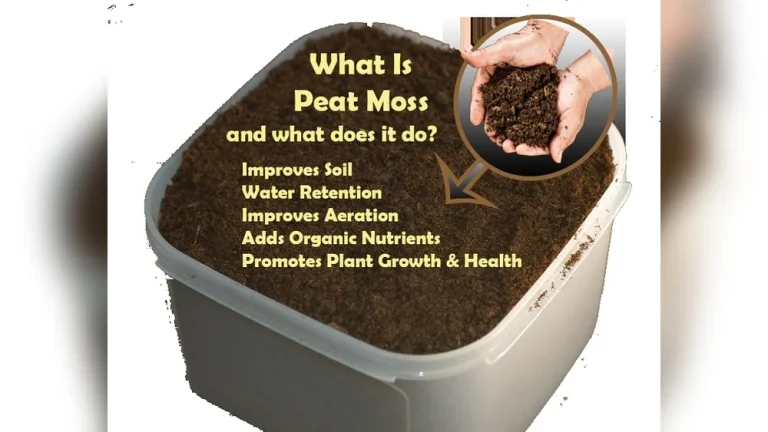
For gardeners needing to boost organic matter or lower pH, peat moss is invaluable. Peninsula Peat Inc. harvests and processes local peat, available by the bag or cubic yard. Peat is particularly useful for blueberries and other acid-loving plants, and its moisture retention properties make it a strategic amendment in sandy soils or raised beds.
Peninsula Peat Inc. also provides bulk pricing and consultation for larger landscape projects, making it a go-to for both home gardeners and commercial growers.
4. Homer Soil & Water Conservation District
The Homer Soil & Water Conservation District connects gardeners with local sources of compost, mulch, and native soil. They also offer workshops on building healthy soil and sometimes organize bulk-buying programs for discounted amendments (Homer SWCD). Their educational resources are invaluable for new gardeners and those looking to transition to organic or regenerative practices.
The district also assists with soil erosion prevention and water management, which is essential for hillside gardens and coastal properties prone to runoff.
Local Nurseries And Garden Centers
Some nurseries blend their own garden soil mixes, ideal for raised beds or container gardening. Notable options include:
- Alaska Garden & Pet Supply (Kenai): Their custom blends are formulated for Alaskan conditions, with added slow-release fertilizers and soil conditioners.
- Cad-Re Feed & Garden (Nikiski): Offers advice on animal manure composting and garden soil mixes tailored to vegetable and flower growing.
- Homer Garden Center (Homer): Stocks specialty mixes for container gardening and ornamentals, as well as organic amendments and natural pest control products.
These retailers often provide advice on choosing the right soil for your plants and can help with bagged amendments and fertilizers. They are a valuable resource for troubleshooting common garden issues and sometimes run seasonal sales or loyalty programs.
Comparison Table: Topsoil & Compost Suppliers
| Supplier | Product Types | Pickup/Delivery | Approx. Cost (per yd³) | Notes |
|---|---|---|---|---|
| Soldotna Topsoil & Gravel | Screened topsoil, sand, compost | Both | $40–$60 | Central Peninsula delivery |
| Kenai Borough Compost Facility | Screened compost | Pickup | $25–$35 | Bulk, tested for pathogens |
| Peninsula Peat Inc. | Peat moss | Both | $50–$80 | Acidic, high organic matter |
| Local Nurseries | Bagged mixes, amendments | Pickup | $8–$15 (2 cu ft bag) | Convenient, higher cost |

Credit: www.uaf.edu
How To Evaluate And Choose The Right Soil
Not all soil is created equal. Selecting the best soil for your Kenai Peninsula garden depends on your plants, site conditions, and gardening style.
Soil Composition And Texture
The ideal garden soil is a loam—a balanced mix of sand, silt, and clay, with ample organic matter. On the Kenai, you may need to adjust native soils by:
- Adding compost: Boosts nutrients and microbial activity, improving soil structure and water retention. Locally sourced compost is often preferred as it matches the native microbial populations.
- Mixing sand: Improves drainage, especially in clay-heavy areas. Sand is also used to loosen compacted soils and create a more workable medium.
- Incorporating peat: Enhances moisture retention and acidity, which is ideal for crops like potatoes, berries, and certain native plants.
Assess soil texture by feeling a moist sample—loam feels gritty yet smooth and holds shape when squeezed but breaks easily. If your soil is sticky and forms hard clods, it’s clay-rich and needs sand or compost. If it falls apart and feels gritty, it’s sandy and needs peat or compost.
Matching Soil To Plant Needs
- Vegetable gardens: Require rich, loose soil with balanced nutrients and good drainage. Root crops like carrots and beets need stone-free, deep soil, while leafy greens can tolerate shallower beds.
- Lawns: Prefer sandy loam for drainage, with a moderate amount of organic matter. Overseeding and aeration help maintain health over time.
- Native perennials: Often thrive in less amended, well-drained local soils. Over-amending can actually hinder their growth, so minimal intervention is best.
Consider companion planting and crop rotation, as certain plants (legumes, for example) help enrich soil naturally.
Cost Vs. Quality
Bulk soil is usually more economical but may require further amendment. Bagged mixes are convenient but costlier per cubic foot. When evaluating soil, look for signs of contamination, such as weed seeds, debris, or unpleasant odors. Quality suppliers will provide test results or allow you to inspect material before purchase.
Delivery And Logistics
Consider:
- Minimum order requirements for delivery, which can vary from 1 to 5 cubic yards.
- Accessibility for trucks and equipment; ensure your driveway or yard is clear and wide enough.
- Potential for contamination during transport—ask about weed seeds and pathogens. Some suppliers offer “clean” delivery guarantees.
For remote or rural properties, coordinate with neighbors for shared delivery to reduce costs.
Case Study: Raised Bed Vegetable Garden In Soldotna
A Soldotna resident sourced 5 cubic yards of screened topsoil from a local supplier, blended with 1 yard of Kenai Borough compost and 2 bales of Peninsula peat. After soil testing and amending for pH and nutrients, their beds produced abundant carrots and brassicas despite a cool, wet season.
They credited their success to the careful preparation of soil, including double digging to break up compaction, incorporating amendments, and mulching to conserve moisture and suppress weeds. The resident also noted improved yields and fewer disease problems compared to previous years when using bagged mixes alone.

Credit: www.juneauindependent.com
Improving Native Soil: Diy Strategies
Many gardeners on the Kenai Peninsula choose to improve their existing soil rather than replacing it entirely. This approach is cost-effective and sustainable.
Composting At Home
Building your own compost pile using kitchen scraps, grass clippings, and leaves can produce rich organic matter. The cool climate slows decomposition, but insulating piles with straw or using insulated bins helps.
Successful home composting relies on balancing “green” (nitrogen-rich) and “brown” (carbon-rich) materials. Turn the pile regularly and monitor moisture—compost should be damp but not soggy. If you have access to animal manure (horse, rabbit, or poultry), it can accelerate decomposition and enrich the final product.
For those concerned about bears or wildlife, enclosed tumblers or wire mesh bins are recommended. Finished compost is dark, crumbly, and earthy-smelling, and can be used as a top dressing or soil amendment.
Green Manures And Cover Crops
Cover crops such as clover or vetch fix nitrogen and build soil structure. Tilling them under in spring increases fertility and suppresses weeds.
Other options include winter rye, which grows quickly and provides ground cover during the off-season. Buckwheat is a rapid summer crop that improves soil tilth and attracts pollinators.
Plant cover crops in late summer or early fall, mow or cut them in spring, and till the residue into the soil. This method enhances organic matter, reduces erosion, and fosters beneficial soil microbes.
Peat, Sand, And Mineral Amendments
- Peat moss: Locally abundant, lowers pH and holds moisture. Peat is particularly useful for beds intended for acid-loving crops and can be blended with compost for optimal results.
- Sand: Improves drainage in heavy soils and can be layered beneath raised beds to prevent waterlogging.
- Lime: Raises pH if soils are too acidic. Apply according to soil test recommendations, as over-liming can lock up nutrients.
- Rock phosphate or bone meal: Boosts phosphorus levels for root crops. These amendments break down slowly and are best applied in fall or early spring.
Mulching
Applying wood chips, straw, or seaweed as mulch conserves moisture, suppresses weeds, and adds slow-release nutrients. Seaweed is traditional for coastal gardens, but rinse before use to reduce salt content.
Mulching also protects soil from erosion during heavy rains and provides insulation against cold. Wood chips are excellent for perennial beds and pathways, while straw is ideal for vegetable gardens . Seaweed can be layered directly or composted before application.
Example: Diy Soil Improvement In Homer
A gardener in Homer transformed poor, compacted soil by double-digging, adding layers of composted horse manure and local peat, and sowing fall rye as a winter cover crop. Within two seasons, their garden bed supported tomatoes, peas, and native wildflowers.
They observed increased earthworm activity, improved soil structure, and reduced irrigation needs. The use of cover crops also minimized weed growth and provided additional organic matter for future seasons.
Soil Testing, Amendments, And Fertility Management
Optimal soil health is an ongoing process. Regular testing and targeted amendments keep your garden productive year after year.
How To Test Your Soil
- Collect samples from several points in your garden, ideally from the root zone (6-8 inches deep). Combine samples for an average representation.
- Send to the UAF Cooperative Extension or use a DIY kit. Extension labs provide more detailed analysis, including micronutrient levels and organic matter content.
- Analyze for pH, nitrogen, phosphorus, potassium, and organic matter. The test results often include recommendations for specific amendments and application rates.
Re-testing every 2-3 years allows you to track improvement and adjust your management practices.
Common Amendments
| Amendment | Purpose | Application Rate | Source |
|---|---|---|---|
| Compost | Increase nutrients & organic matter | 2–4” layer, tilled in | Municipal/DIY |
| Peat moss | Acidity, moisture retention | 1–2” layer, mixed | Local suppliers |
| Lime | Raise pH | As per soil test | Nurseries |
| Sand | Improve drainage | 10–20% by volume | Gravel yards |
| Bone meal | Phosphorus boost | 1–2 lbs/100 sq ft | Garden centers |
Fertility Management
- Rotate crops to prevent nutrient depletion and break pest cycles. Legume rotations are especially beneficial for nitrogen-fixing.
- Use slow-release, organic fertilizers such as fish emulsion, kelp meal, or pelletized manure for steady nutrient supply.
- Monitor for micronutrient deficiencies (e.g., boron for root crops). Symptoms include leaf discoloration, stunted growth, and poor fruit set.
Integrated pest and fertility management, including soil health monitoring, is essential for long-term productivity and resilience to weather extremes.
Real-world Example: Seldovia School Garden
The Seldovia school garden partnered with the Homer Soil & Water Conservation District to test and amend their soil. Using a blend of local compost, sand, and peat, they increased yields and reduced disease pressure, serving fresh produce in the cafeteria.
Through regular soil testing and classroom education, students learned to recognize signs of nutrient deficiencies, proper amendment techniques, and the importance of sustainable soil stewardship.
Sustainable Sourcing And Environmental Considerations
Responsibly sourcing and using gardening soil is key to protecting the Kenai Peninsula’s natural resources.
Locally Sourced Vs. Imported Soil
Choosing local soil minimizes transportation emissions and supports the regional economy. Imported soils may introduce invasive weeds or pathogens and can disrupt the balance of native soil organisms.
When importing soil, request documentation or certification of cleanliness and origin. Local suppliers are typically more transparent and able to respond to customer concerns.
Peat Harvesting And Ecosystem Impact
While peat is an effective amendment, overharvesting can damage wetlands. Whenever possible, use peat sustainably or choose alternatives like compost.
Wetlands are critical for wildlife habitat, water filtration, and carbon storage. Responsible harvesting practices include rotating extraction sites, restoring disturbed areas, and limiting volumes.
Gardeners can reduce reliance on peat by increasing compost production, using leaf mold, or incorporating coconut coir as an alternative.
Conservation Districts And Cooperative Programs
Districts such as the Homer and Kenai Soil & Water Conservation Districts offer:
- Soil health workshops and educational events
- Community composting programs that divert organic waste from landfills
- Bulk purchasing co-ops that lower costs for amendments and mulch
These initiatives help gardeners reduce costs, improve practices, and minimize environmental impact (USDA NRCS Alaska).
Best Practices For Soil Stewardship
- Test and amend rather than replace soil, preserving native structure and organisms.
- Mulch to prevent erosion and retain moisture, especially on slopes and exposed sites.
- Avoid chemical fertilizers and pesticides near water bodies, protecting fish and aquatic ecosystems.
Long-term soil stewardship includes maintaining organic matter, minimizing disturbance, and encouraging biodiversity with polyculture plantings.
Case Study: Kachemak Bay Organic Farm
A certified organic farm near Homer practices “closed-loop” soil management—returning all plant residues to compost piles, using minimal external amendments, and prioritizing soil testing. Their approach has built healthy, resilient soil that withstands variable weather and produces high-value crops for local markets.
The farm also utilizes cover cropping, rotational grazing, and native hedgerows to enhance soil health and foster beneficial insects. Their experience demonstrates the power of regenerative practices on the Kenai Peninsula.
Specialized Soil Needs: Raised Beds, Lawns, And Native Gardens
Different gardening projects require specific soil solutions. Here’s how to match soil to your purpose on the Kenai Peninsula.
Raised Bed Mixes
Raised beds are popular for maximizing drainage and warming soil in cool climates. The best mixes typically combine:
- 50% screened topsoil: Provides bulk and structure, allowing roots to penetrate deeply.
- 30% compost: Supplies nutrients and beneficial microbes.
- 20% peat or sand: Balances moisture retention and drainage.
Many local suppliers offer pre-blended raised bed soil, or you can mix your own for cost savings. Raised beds can be placed over poor native soils, rocks, or even on concrete, making them versatile for challenging sites.
Lawn Soil
Lawns require well-drained, fertile soil. Before seeding or laying sod:
- Remove rocks and debris to prevent uneven growth and mower damage.
- Add 2–4” of screened topsoil for healthy root development.
- Incorporate sand for heavy soils; aerate compacted areas annually for optimal growth.
Overseeding with perennial grasses adapted to Alaska’s climate ensures longevity and disease resistance.
Native Plant And Wildflower Gardens
For native gardens, avoid over-amending. Many local species thrive in lean, well-drained soils. Use minimal compost and prioritize weed-free topsoil.
Native wildflowers attract pollinators, require less maintenance, and resist local pests. Planting native shrubs and trees (such as Sitka alder or willow) stabilizes slopes and prevents erosion.
Example: Native Wildflower Meadow In Kenai
A Kenai resident established a wildflower meadow by lightly tilling native soil, adding a small amount of compost, and sowing a local seed mix. The result was a vibrant, low-maintenance landscape that supports pollinators and resists weeds.
The meadow flourished with minimal irrigation and no synthetic fertilizers, demonstrating the effectiveness of matching soil management to plant selection.
Comparing Costs And Value: Bulk Vs. Bagged Soil
Gardeners on the Kenai Peninsula often choose between bulk and bagged soil. Each has advantages depending on project size, budget, and convenience.
Bulk Soil
- Pros: Lower cost per cubic yard, ideal for large projects. Bulk orders are typically delivered straight to the site, reducing labor and packaging waste.
- Cons: May require truck delivery, storage space, and manual shoveling. Weather delays and minimum order requirements can be a consideration.
Bagged Soil
- Pros: Convenient, easy to transport, often pre-amended. Suitable for small gardens, containers, and hard-to-access sites.
- Cons: Higher cost per unit, more plastic waste. Limited selection of blends and amendments compared to bulk suppliers.
Cost Comparison Table
| Project Size | Bulk Soil (per yd³) | Bagged Soil (per 2 cu ft) | Total Cost (Approx.) |
|---|---|---|---|
| Small raised bed (1 yd³) | $40–$60 | $8–$15 (x13 bags) | $104–$195 (bagged) |
| Large garden (5 yd³) | $200–$300 | $520–$975 (bags) | Bulk saves $300–$600 |
When To Choose Each Option
- Bulk: New beds, lawns, or large landscaping projects. Coordinate with neighbors or community gardens for group buys.
- Bagged: Small containers, patio gardens, or when physical handling is a concern. Ideal for apartment dwellers or those with mobility issues.
External Resource: Soil Buying Guide
For further reading on choosing soil types and quantities, see the Gardening Know How Soil Buying Guide.
Government, Cooperative, And Nonprofit Support
Support is available for Kenai Peninsula gardeners looking to source or improve soil.
Cooperative Extension Service
The University of Alaska Fairbanks Cooperative Extension provides:
- Free soil testing (with nominal lab fee)
- Gardening classes and publications
- Expert advice by phone or online (UAF Cooperative Extension)
Extension agents are familiar with local conditions and offer tailored advice for soil improvement, pest management, and plant selection.
Soil & Water Conservation Districts
Both Kenai and Homer districts offer:
- Technical assistance for soil health, including erosion control and water management.
- Community composting and mulch programs, reducing waste and providing low-cost amendments.
- Soil health grants for schools and nonprofits, supporting educational gardens and food security projects.
Districts can connect gardeners with resources, coordinate bulk buys, and assist with grant applications.
Nonprofit And Community Gardens
Many community gardens (e. g. , in Soldotna, Homer, and Seward) pool resources to buy soil in bulk, reducing costs and ensuring quality. They also share best practices for soil improvement and sustainable gardening.
Community gardens often host educational events, work days, and “soil swap” programs, fostering collaboration and knowledge sharing.
Example: Soldotna Community Garden
The Soldotna Community Garden hosts annual “Soil Day” events, where gardeners collaborate to test, amend, and distribute soil for new beds. This cooperative approach builds both healthy gardens and community connections.
Members benefit from shared expertise, bulk discounts, and collective problem-solving, making gardening more accessible and successful for all.
Frequently Asked Questions
What Is The Best Type Of Soil For Vegetable Gardening On The Kenai Peninsula?
The ideal soil for vegetables is a loamy mix enriched with compost and, if necessary, peat moss to adjust acidity. Testing your native soil and adding amendments to balance nutrients and pH is key to maximizing yields. Raised beds with a blend of topsoil, compost, and peat offer excellent results, particularly for root crops and greens.
Where Can I Get My Soil Tested Locally?
Soil testing is available through the University of Alaska Fairbanks Cooperative Extension Service and some local conservation districts. You can find more information and instructions on sample submission at their website: UAF Soil Testing. Some garden centers also offer basic pH testing kits for home use.
Is It Safe To Use Seaweed Or Fish Waste As A Soil Amendment?
Yes, when used properly. Seaweed is a traditional fertilizer in coastal Alaska—rinse well to remove salt. Fish waste adds nitrogen but should be composted first to avoid attracting wildlife or spreading disease (Fish Waste Composting). Fish meal is also available commercially for safe, odor-free use.
How Do I Know If I Need To Add Lime To My Soil?
A soil test will reveal your garden’s pH. If your soil is below pH 6 and you’re growing crops that prefer neutral soil (like brassicas), adding lime can help. Follow test recommendations for safe application rates. Over-liming is not recommended, as it can reduce micronutrient availability.
Can I Build Good Soil Over Gravel Or Poor Native Soils?
Yes. Raised beds with a quality topsoil/compost mix are ideal for rocky or infertile sites. Over time, adding organic matter and practicing crop rotation will build fertility even on challenging soils. Use landscape fabric beneath beds to prevent weed incursion from below.
Gardening on the Kenai Peninsula is both a challenge and a joy. By sourcing high-quality local soil, testing and amending as needed, and using sustainable practices, you can cultivate healthy, productive gardens in one of Alaska’s most stunning landscapes. Take advantage of community resources, learn from local experts, and remember that building great soil is an ongoing journey—one that rewards every gardener with resilience, abundance, and beauty.