Is Potting Soil Homogeneous Or Heterogeneous? Clear Answer Here
Potting soil is a staple in gardening, horticulture, and agriculture. Whether you’re tending a windowsill herb garden or managing a commercial greenhouse, the question of whether potting soil is homogeneous or heterogeneous goes beyond academic curiosity—it directly impacts plant health, soil management, and even the economics of growing. Most gardeners and professionals use potting mixes without ever considering their scientific classification, yet understanding this distinction can help optimize plant growth, troubleshoot soil issues, and inform better purchasing decisions.
The nature of potting soil—its composition, behavior, and variability—has implications for everything from nutrient delivery to moisture retention and pest prevention. Is potting soil a uniform substance, consistent in every scoop? Or is it a variable mixture, with components that differ from bag to bag, or even within a single handful?
This article dives deep into the science, practical examples, and industry standards to provide a clear, actionable answer, backed by data, real-world cases, and expert analysis.
Key Takeaways
- Potting soil is a heterogeneous mixture, not homogeneous; its components are physically distinct and unevenly distributed.
- The heterogeneous nature affects nutrient delivery, moisture retention, and plant health.
- Understanding soil composition helps optimize gardening outcomes and troubleshoot common issues.
- Manufacturers strive for consistency, but variability exists due to sourcing, manufacturing, and ingredient diversity.
- Real-world examples and data show how heterogeneity impacts results in different gardening contexts.
- Choosing the right potting soil requires knowledge of its heterogeneous nature and how to manage it.

Credit: besjournals.onlinelibrary.wiley.com
Understanding Homogeneous Vs. Heterogeneous Mixtures
To clarify whether potting soil is homogeneous or heterogeneous, it’s essential to define these terms in both scientific and practical contexts.
Scientific Definitions
A homogeneous mixture is one where the composition is uniform throughout. Every sample taken from a homogeneous mixture will have the same proportion of components, and individual ingredients are not visually distinguishable. Examples include salt dissolved in water or air.
A heterogeneous mixture, on the other hand, is non-uniform. Different samples may vary in composition, and the individual components are often visible or separable. Examples include salads, sand, and concrete.
While these definitions are straightforward in a laboratory setting, in the realm of horticulture and soil science, the line between homogeneous and heterogeneous can become more nuanced due to the complexity and variability of natural materials. It’s important to recognize that some mixtures may appear uniform on a superficial level but reveal their heterogeneity when examined closely or when used in practice.
Application To Potting Soil
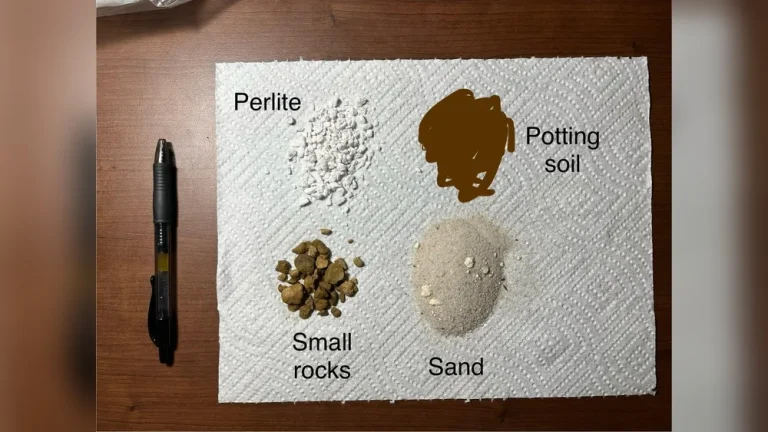
Potting soil typically consists of multiple components:
- Peat moss
- Coco coir
- Compost
- Perlite
- Vermiculite
- Sand
- Bark chips
- Nutrients (fertilizers)
Each of these components retains its physical characteristics within the mixture. The distribution is not perfectly uniform—some scoops may have more perlite, others more compost or bark. Unlike a solution, potting soil does not become a single phase or substance.
For example, when you open a new bag of potting soil, you might notice white specks (perlite) clustered together, while fibrous brown material (peat moss) is more abundant elsewhere. This observable, physical separation of components is a hallmark of heterogeneity.
Visual And Physical Evidence
When examining potting soil:
- You can see and feel different textures (white perlite, dark peat, brown bark).
- Water and nutrients move unevenly through the mix, impacting plant growth.
- Sifting or separating components is possible, further confirming heterogeneity.
Additionally, the smell, weight, and tactile feedback from different handfuls of the same bag of soil can vary, especially if the soil has settled during transport. Sometimes, heavier materials like sand will migrate towards the bottom of the bag, while lighter materials like vermiculite stay near the top, making the non-uniformity even more pronounced.

Credit: besjournals.onlinelibrary.wiley.com
Composition Of Potting Soil: Ingredients And Their Roles
Understanding the makeup of potting soil reveals why it is heterogeneous and how each ingredient contributes to its overall function.
Primary Ingredients
Peat Moss
Peat moss is used for its water retention capabilities. It is fibrous, brown, and forms the base of many potting mixes. However, its distribution is variable—some batches may contain more or less.
Peat moss also decomposes slowly, providing a stable structure for root systems. Its acid pH is beneficial for acid-loving plants but may require balancing for others. Due to harvesting practices and environmental concerns, some manufacturers blend peat with alternatives like coco coir, introducing further variability.
Perlite And Vermiculite
Perlite (white, volcanic glass) and vermiculite (golden, flaky mineral) are added to enhance aeration and drainage. They are visually distinct and unevenly scattered throughout mixes.
Perlite, being lightweight, can sometimes rise to the surface during shipping or after watering, while vermiculite’s ability to retain water and nutrients means that its placement within the soil impacts how evenly moisture is distributed. The ratio of perlite to vermiculite can vary not just between brands, but between bags, depending on manufacturing processes.
Compost And Organic Matter
Compost brings nutrients and beneficial microbes. Its composition can vary widely, affecting the distribution of organic matter and nutrients.
Since compost is made from decomposed organic matter, the source material (kitchen scraps, yard waste, manure) and degree of decomposition impact the nutrient profile and texture. Some compost may contain larger chunks of material, while others are more finely decomposed, affecting its distribution and the overall heterogeneity of the mix.
Bark And Wood Chips
These provide structure and help with drainage. Bark chips are easily spotted and are not evenly distributed.
Some mixes contain larger chunks for orchids or specialty plants, while others use fine bark for general potting. The size and type of bark affect drainage, aeration, and even the rate of decomposition, all contributing to the non-uniformity of the mix.
Sand And Grit
Used for improving drainage, sand is heavier and tends to settle differently in the mix.
Depending on the grade (fine or coarse), sand can cluster in certain areas of the bag. In mixes intended for succulents or cacti, higher sand content can lead to visible layering.
Fertilizers
Added as granules or slow-release pellets, fertilizers may not be evenly mixed, causing nutrient hotspots.
Some manufacturers add colored, slow-release pellets that are easy to spot, while others may incorporate powdered fertilizers that are harder to detect but still distributed unevenly. This impacts both nutrient availability and the risk of fertilizer burn.
Minor Additives
- Limestone to balance pH
- Mycorrhizae for root health
- Wetting agents for moisture consistency
These additives are generally added in small quantities, and their distribution can be highly variable. For example, mycorrhizal inoculants are often sprinkled rather than evenly blended, meaning not every plant will benefit equally.
Variability Across Brands
Different brands and batches use varying ratios and types of ingredients. This inherent variability contributes to the heterogeneous nature of potting soil.
Some brands focus on organic ingredients, while others use synthetic additives or recycled materials. Even within a single brand, seasonal changes in raw material availability can cause significant differences in mix composition, texture, and performance.
| Component | Function | Visual Presence | Distribution in Mix |
|---|---|---|---|
| Peat Moss | Water retention | Brown, fibrous | Moderate to high, uneven |
| Perlite | Aeration, drainage | White, granular | Visible, variable |
| Compost | Nutrients | Dark, crumbly | Patchy, inconsistent |
| Bark Chips | Structure | Brown, chunky | Sporadic |
| Fertilizer | Nutrient supply | Granular, colored | Spotty |

Credit: www.frontiersin.org
The Science Behind Soil Heterogeneity
Soil science provides clear evidence that potting soil is a heterogeneous mixture. Let’s examine the physical, chemical, and biological aspects that reinforce this classification.
Physical Structure
Particle size and shape vary greatly among components. Perlite, bark, and peat moss all have distinct sizes and textures. This diversity leads to uneven distribution of air pockets, moisture, and nutrients.
In practice, larger particles create larger pores, allowing better aeration and drainage, while finer particles hold more water. The random mix of these particles in potting soil means water and air do not move evenly, which can be observed in the way some areas dry out quickly while others remain damp.
Chemical Composition
The chemical makeup of potting soil is not uniform. For example, fertilizer granules may cluster in certain areas, causing localized nutrient concentrations. Organic matter breaks down at different rates, altering chemistry over time.
Over months, as organic material decomposes, nutrient concentrations can change in different parts of the pot or bag. This dynamic process further emphasizes the non-uniformity of the soil, as decomposition and chemical reactions do not occur evenly throughout the mixture.
Biological Diversity
Potting soil contains a range of microorganisms, including bacteria, fungi, and mycorrhizae. These are not evenly distributed, impacting soil health and plant growth.
Some areas may have a higher concentration of beneficial microbes, while other pockets may be less biologically active. This affects processes like nutrient cycling, disease suppression, and root colonization, leading to variable plant responses even within the same container.
Laboratory Analysis
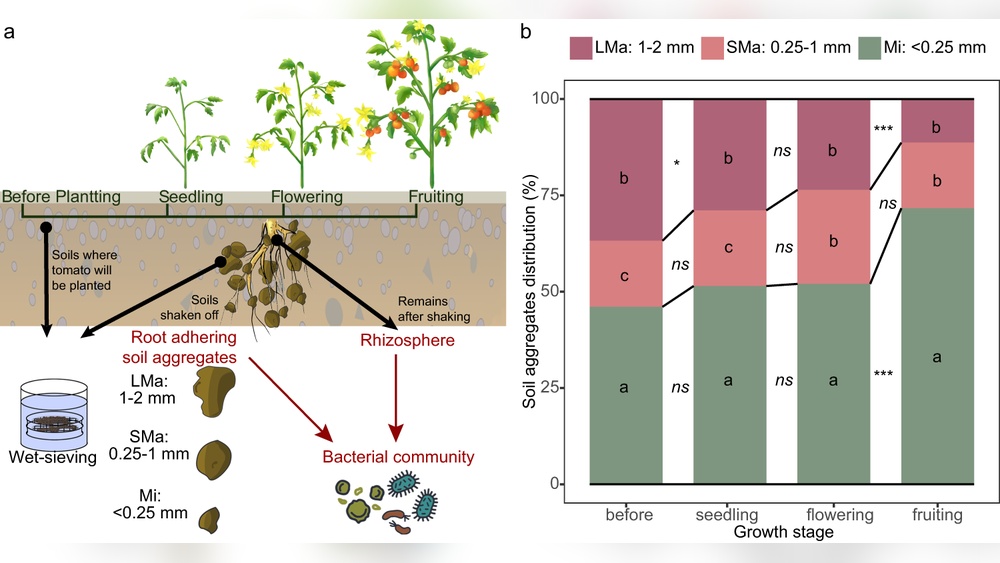
Studies using soil sieving and microscopy reveal that potting soil contains layers and clusters of different materials. Water infiltration tests show variable flow rates depending on ingredient distribution.
In controlled experiments, scientists have documented differences in bulk density, water-holding capacity, and nutrient availability within a single bag of potting soil. These findings are supported by imaging techniques such as scanning electron microscopy, which show the distinct boundaries between particles and the microenvironments they create.
Soil Science Society of America provides in-depth research confirming the heterogeneous nature of commercial soil mixes.
Real-world Examples: Potting Soil In Practice
Practical observations and case studies demonstrate how potting soil’s heterogeneous nature impacts gardening and agriculture.
Example 1: Home Gardener’s Experience
A gardener purchases a bag of potting soil for her indoor plants. Upon opening, she notices:
- Larger bark chips clustered at one end.
- Concentrated perlite in pockets.
- Uneven moisture levels throughout the bag.
Her plants in pots with more perlite show better drainage, while those with more bark chips retain less water.
In her experience, seedlings planted in areas with more composted organic matter grew faster and developed richer foliage, while those in bark-heavy regions struggled to establish roots. This illustrates how even within a single bag, results can differ dramatically based on the distribution of components.
Example 2: Commercial Greenhouse
A commercial greenhouse mixes its own potting soil. Staff observe:
- Variability in plant growth even with the same mix.
- Some pots have nutrient hotspots, causing fertilizer burn.
- Drainage differs between pots, leading to inconsistent watering needs.
To address these issues, the greenhouse implements additional mixing steps and quality checks. Despite these efforts, complete uniformity remains elusive, and the staff must monitor individual pots and adjust watering or fertilization as needed. This scenario highlights the logistical and economic challenges posed by soil heterogeneity at scale.
Example 3: Research Study
A study published by the National Institutes of Health analyzed potting soil batches from multiple manufacturers. The results showed:
- Significant differences in pH, nutrient levels, and microbial populations between bags.
- Within a single bag, spatial heterogeneity was detected using soil sampling.
The researchers concluded that even standardized commercial products could not guarantee uniform conditions for plants, underscoring the need for ongoing monitoring and soil management practices.
Example 4: Diy Potting Mix
A hobbyist creates a potting mix from peat moss, perlite, and compost. After blending, the mixture is still visibly heterogeneous, with layers and clusters of ingredients.
Despite careful mixing, the hobbyist finds that seedlings in the same tray grow at different rates, likely due to uneven nutrient and moisture distribution. This example reinforces that manual mixing, while helpful, cannot achieve true homogeneity due to the physical properties of the ingredients.
Example 5: Urban Agriculture Project
An urban farm uses bulk potting soil for raised beds. Soil tests reveal uneven nutrient distribution, requiring targeted fertilizer application.
The farm addresses this by conducting regular soil tests and spot-amending areas with identified deficiencies. This targeted approach allows for better crop yields and healthier plants, demonstrating how understanding and managing heterogeneity can lead to improved outcomes in urban agriculture.
How Heterogeneity Impacts Plant Growth And Soil Management
The non-uniform nature of potting soil has both advantages and challenges for plant health and soil management.
Effects On Nutrient Availability
Nutrients are distributed unevenly. This can lead to:
- Nutrient hotspots causing fertilizer burn.
- Deficient zones where plants struggle to access nutrients.
For instance, if a slow-release fertilizer pellet is located near the root zone of one plant but not another, the first plant may receive an excess of nutrients, while the second may become nutrient-deficient. This can result in uneven growth, leaf discoloration, or even plant death in extreme cases.
Water Retention And Drainage
Heterogeneous mixes result in:
- Variable moisture retention—some areas dry out faster.
- Inconsistent drainage—plants may suffer from root rot or drought stress.
If a container has a pocket of sand or perlite-rich soil, water may drain too quickly, leaving roots dry. In contrast, an area rich in peat moss or compost may stay soggy, potentially causing root rot. This variability makes it challenging to establish a consistent watering routine.
Microbial Activity
Microorganisms cluster in organic-rich zones. This impacts:
- Disease resistance—plants in microbe-rich areas fare better.
- Decomposition rates—organic matter breaks down unevenly.
Beneficial microbes, such as nitrogen-fixing bacteria or mycorrhizal fungi, may be more concentrated in parts of the soil with higher organic content. As a result, plants growing in those areas may have better access to nutrients and enhanced resistance to disease.
Troubleshooting Common Issues
Gardeners often encounter:
- Patchy plant growth due to uneven soil.
- Difficulty diagnosing nutrient deficiencies.
- Watering challenges in multi-pot systems.
These issues are compounded in large gardens or greenhouses, where monitoring and adjusting each pot or bed individually is not always feasible. Recognizing soil heterogeneity helps gardeners develop targeted solutions, such as spot-feeding, adjusting irrigation, or remixing soil.
Managing Heterogeneity
To mitigate issues:
- Mix soil thoroughly before use.
- Rotate pots to balance environmental exposure.
- Supplement nutrients as needed based on soil testing.
Advanced gardeners may also use soil amendments or mulches to even out moisture and nutrient distribution. In container gardening, periodically repotting plants and refreshing soil can help prevent imbalances caused by ingredient decomposition and nutrient depletion .
National Gardening Association offers tips for managing soil variability.
Potting Soil Manufacturing: Striving For Consistency
Manufacturers attempt to produce consistent potting soil, but heterogeneity remains due to ingredient diversity and processing limits.
Sourcing And Quality Control
Ingredients are sourced from various locations, with natural variability in peat, compost, and minerals. Quality control processes include:
- Screening for particle size
- Moisture content checks
- Nutrient analysis
Despite these steps, environmental factors—such as seasonal changes in compost inputs or peat harvesting locations—can lead to batch-to-batch differences. Some manufacturers conduct lab tests to ensure compliance with nutrient and pH specifications, but complete uniformity is not possible due to the organic, variable nature of the components.
Mixing Techniques
Industrial mixers blend ingredients, but perfect uniformity is hard to achieve. Granular and fibrous materials behave differently, leading to segregation.
For example, perlite (being light) can “float” above heavier materials during mixing, while wet or sticky compost may clump together, creating pockets of nutrients or moisture. Some facilities use tumblers, ribbon blenders, or conveyor systems to improve uniformity, but limitations persist.
Packaging And Storage
Soil settles during packaging and transport, causing further unevenness. Moisture can shift, and heavier components may migrate to the bottom.
Bags stored upright for long periods may show layering, with denser materials at the base and lighter particles at the top. This can be exacerbated by vibration during shipping or handling, making it important for users to remix soil before use.
Brand Comparisons
| Brand | Mixing Method | Consistency Level | Common Issues |
|---|---|---|---|
| Miracle-Gro | Industrial blending | Moderate | Ingredient pockets |
| FoxFarm | Small batch mixing | High | Nutrient variability |
| Espoma | Automated mixing | Moderate | Moisture inconsistency |
| DIY Mix | Manual mixing | Low | Layering of components |
Industry Standards
Manufacturers follow guidelines for ingredient ratios and quality, but natural variation persists. For more on standards, visit the USDA Agricultural Marketing Service.
Industry standards may specify minimum or maximum levels for certain nutrients, particle size, and organic content, but these are broad targets rather than strict requirements for uniformity. Some premium brands advertise “batch testing” or “hand blending” to reassure customers, but even these practices cannot eliminate heterogeneity.
Comparing Potting Soil With Other Soil Types
Understanding how potting soil differs from garden soil, topsoil, and compost sheds light on its unique heterogeneity.
Potting Soil Vs. Garden Soil
Potting soil is engineered for container use, with added aeration and drainage materials. Garden soil is naturally formed and typically more uniform at a small scale.
Garden soil, while variable across large areas, tends to be more consistent when sampled from a small area due to natural mixing processes like earthworm activity, root growth, and weathering. Potting soil, on the other hand, is mechanically mixed and intentionally contains diverse materials.
Potting Soil Vs. Topsoil
Topsoil is the uppermost layer of soil from the ground, often more homogeneous in texture but variable in nutrients. Potting soil is a blend of multiple ingredients, making it more heterogeneous.
Topsoil’s composition depends on local geology and vegetation, and while it can be patchy on a landscape scale, it is generally less intentionally mixed than potting soil. Potting mixes, by design, incorporate a variety of components to achieve specific physical and chemical properties.
Potting Soil Vs. Compost
Compost is decomposed organic matter, often more uniform in texture. Potting soil includes compost but adds other materials, increasing heterogeneity.
High-quality compost, especially when screened for particle size, can be relatively consistent within a batch. Once mixed with perlite, peat, sand, and other ingredients, the resulting potting mix becomes much more diverse in structure and composition.
| Soil Type | Homogeneity | Main Components | Use Case |
|---|---|---|---|
| Potting Soil | Heterogeneous | Peat, perlite, compost, bark | Containers, pots |
| Garden Soil | Semi-homogeneous | Minerals, organic matter | Outdoor beds |
| Topsoil | Semi-homogeneous | Sand, silt, clay | Landscaping |
| Compost | Homogeneous | Decomposed organics | Soil amendment |
Implications For Gardening
Potting soil’s heterogeneity makes it ideal for containers where drainage and aeration are crucial. Garden soil and topsoil are better for outdoor beds, where uniformity is less critical.
For specialized plants, such as orchids or carnivorous species, custom blends with specific ratios of bark, sand, or sphagnum moss are used, further highlighting the importance of understanding and managing heterogeneity.
Royal Horticultural Society provides further guidance on soil selection.
Practical Tips For Gardeners: Managing Heterogeneous Potting Soil
Gardeners can take several steps to manage the variability of potting soil for optimal plant health.
Thorough Mixing
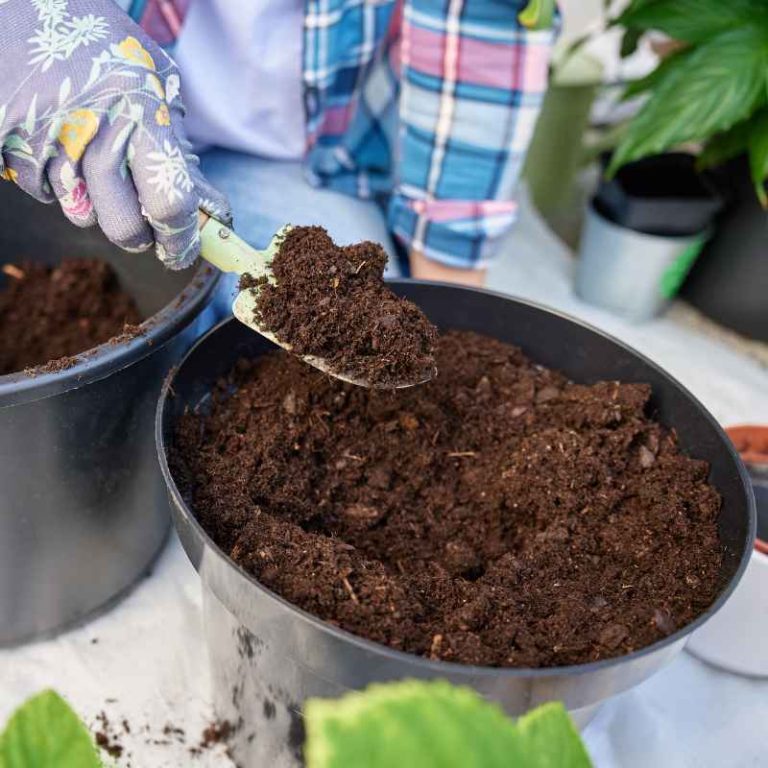
Before use, mix potting soil well to distribute ingredients more evenly. This reduces nutrient and moisture hotspots.
Emptying the bag into a large container and hand-mixing or using a shovel can help break up clumps and redistribute heavier or lighter ingredients. This is especially important after storage or transport, when settling is most likely.
Soil Testing
Regularly test soil for pH, nutrients, and moisture. Adjust fertilizer and watering as needed to compensate for uneven distribution.
Simple soil test kits are widely available and can help identify areas of excess or deficiency. For container plants, testing the runoff water can provide insights into pH and nutrient availability.
Choosing The Right Mix
Select potting soil based on plant requirements. For moisture-loving plants, choose mixes with more peat moss; for succulents, opt for sandy, well-drained mixes.
Research the needs of your specific plants and read labels carefully. For seedlings, a fine, light mix is preferable, while mature houseplants may benefit from coarser, chunkier blends.
Layering And Amendments
Layering soil in pots can help control drainage. Amend mixes with extra perlite or compost for specific needs.
For example, placing a layer of gravel or coarse sand at the bottom of a pot can improve drainage for sensitive plants. Adding worm castings or slow-release fertilizer can help compensate for nutrient variability.
Storage Best Practices
Store potting soil in a dry, cool place to prevent moisture shifts and ingredient settling.
Seal partially used bags tightly to prevent the entry of pests and to maintain moisture content. If soil becomes compacted or develops mold, discard affected portions and remix before use.
Troubleshooting Common Problems
- If plants show inconsistent growth, remix soil or add amendments.
- If drainage is poor, increase perlite or sand content.
- For nutrient deficiencies, use targeted fertilizers.
Keep records of plant performance and soil management interventions to identify patterns and improve outcomes over time.
University of Minnesota Extension offers soil troubleshooting guides.
Frequently Asked Questions
Is Potting Soil Always Heterogeneous?
Yes, potting soil is always heterogeneous because it contains physically distinct components that are not uniformly distributed. Even with thorough mixing, natural variation exists due to differences in ingredient size, shape, and composition.
Can Potting Soil Become Homogeneous If Mixed Thoroughly?
No, even with thorough mixing, potting soil remains heterogeneous. The individual ingredients—such as perlite, bark, and compost—retain their characteristics and do not blend into a single, uniform substance.
Does The Heterogeneity Of Potting Soil Affect Plant Growth?
Absolutely. The heterogeneity impacts nutrient delivery, moisture retention, and microbial activity. This can lead to uneven plant growth, nutrient hotspots, and variable watering needs.
How Can Gardeners Manage The Heterogeneity Of Potting Soil?
Gardeners can manage potting soil heterogeneity by mixing the soil thoroughly before use, testing soil regularly, choosing mixes suited to their plants, and amending soil based on plant needs and observed deficiencies.
Are Some Brands Of Potting Soil More Homogeneous Than Others?
Some brands strive for greater consistency, but all potting soils are fundamentally heterogeneous. Industrial mixing reduces variability, but ingredient diversity and processing limitations ensure that heterogeneity persists.
Potting soil’s classification as a heterogeneous mixture is clear, supported by scientific definitions, real-world observations, and industry standards. Understanding its variability is essential for optimizing plant health, troubleshooting issues, and making informed gardening decisions. While manufacturers aim for consistency, the diversity of ingredients means that potting soil will always be non-uniform.
By embracing its heterogeneous nature and managing it effectively, gardeners and growers can achieve thriving, resilient plants.
For further reading and up-to-date soil science research, consult authoritative sources such as the [Soil Science Society of America](https://www.soils.org), [National Gardening Association](https://www.garden.org), and [Royal Horticultural Society](https://www.rhs.org.uk).