How Can a Gardener Lower Or Raise Soil Ph? Proven Methods
Soil pH is a fundamental yet often misunderstood aspect of gardening that can make or break plant health and productivity. Whether you’re cultivating vegetables, ornamentals, or turfgrass, understanding how to lower or raise soil pH is essential for optimizing nutrient uptake, disease resistance, and overall vigor. The right pH can unlock a thriving garden, while the wrong pH can stunt growth and yield.
Many gardeners face challenges when their soil is either too acidic or too alkaline for their chosen plants. The good news: proven techniques exist for adjusting soil pH, backed by both scientific research and decades of practical experience. In this comprehensive guide, you’ll discover expert-backed strategies, product comparisons, real-world case studies, and actionable steps for mastering soil pH management. Whether you’re a beginner or a seasoned horticulturist, you’ll learn how to confidently test, monitor, and amend your soil for lasting results.
Key Takeaways
- Soil pH directly affects nutrient availability and plant health.
- Testing soil pH is essential before making any amendments.
- Proven methods include using elemental sulfur to lower pH, and lime to raise pH.
- Organic amendments like compost and peat moss can influence pH naturally.
- Some methods work faster than others; choose based on your gardening goals.
- Regular monitoring ensures pH adjustments are effective and sustainable.
Credit: lifetips.alibaba.com
Understanding Soil Ph: The Foundation Of Healthy Gardening
Soil pH measures the acidity or alkalinity of the soil, with a scale ranging from 0 (extremely acidic) to 14 (extremely alkaline). Most plants thrive in the neutral to slightly acidic range (pH 6.0–7.0), but some species have specialized requirements. For example, blueberries demand acidic soil (pH 4.5–5.5), while asparagus prefers more alkaline conditions (pH 7.0–8.0).
Soil pH is more than just a number—it’s a critical environmental factor that influences nearly every aspect of soil chemistry and biology. Understanding the underlying science helps gardeners make better decisions about which plants to grow and how to optimize soil amendments.
Why Soil Ph Matters
- Nutrient Availability: At the wrong pH, essential nutrients like phosphorus, iron, and magnesium become inaccessible to plants. For example, iron becomes less available in alkaline soils, leading to chlorosis (yellowing between leaf veins), while phosphorus can become locked up in highly acidic soils.
- Microbial Activity: Soil microbes responsible for decomposition and nutrient cycling operate best within certain pH ranges. For instance, the bacteria that break down organic matter and those that convert nitrogen into plant-usable forms are less active in highly acidic soils, reducing fertility.
- Plant Health: PH imbalances can cause symptoms such as yellowing leaves, stunted growth, and reduced yields. Chronic pH mismanagement can make plants more susceptible to disease, weaken root systems, and limit overall productivity.
How To Test Soil Ph
Before making adjustments, it’s crucial to accurately test your soil pH. Common methods include:
- DIY pH Test Kits: Affordable and easy to use, but less precise. These kits usually involve a color change reaction that you compare to a chart. While they give a good ballpark figure, they may not be sensitive enough for fine-tuning pH.
- Digital pH Meters: Offer quick readings with moderate accuracy. These battery-operated devices are reusable and provide a digital display, making them a popular choice for home gardeners looking for convenience and repeat testing.
- Laboratory Analysis: The gold standard for precision; available via extension offices and commercial labs. These tests not only measure pH but also provide recommendations for amendments based on your soil’s unique characteristics, including texture and organic matter content.
Tip: Always collect multiple soil samples from different areas of your garden for a representative result. Mix samples from each location in a clean bucket to form a composite sample, then test according to the kit or lab’s instructions.
Typical Ph Preferences For Popular Plants
| Plant Type | Ideal pH Range |
|---|---|
| Blueberries | 4.5–5.5 |
| Tomatoes | 6.0–6.8 |
| Roses | 6.0–6.5 |
| Asparagus | 7.0–8.0 |
| Lawns (Fescue) | 6.0–7.0 |
These ranges are not arbitrary. Plants have evolved to thrive in specific environments, and their ability to take up nutrients is closely tied to soil pH. For instance, hydrangeas can even change flower color based on soil pH (acidic soils produce blue flowers, alkaline soils yield pink).
Proven Methods To Lower Soil Ph
Lowering soil pH (making soil more acidic) is often required for acid-loving plants or when soil is naturally alkaline. The following methods are science-backed and widely used by professional gardeners.
Elemental Sulfur: The Gold Standard
Elemental sulfur is the most commonly recommended amendment for lowering soil pH. When applied, soil bacteria convert sulfur into sulfuric acid, gradually acidifying the soil.
- Effectiveness: Highly reliable; can lower pH by up to 1 point per 100 pounds/acre. The process relies on soil warmth and moisture, so results are faster in spring and summer.
- Application Rate: Typical rates range from 10–20 pounds per 1,000 square feet, depending on soil texture. Sandy soils require less, while heavy clay soils need more.
- Timeframe: Takes several months to fully react; best applied in advance of planting.
Example: A gardener in Arizona used elemental sulfur to lower their lawn soil from pH 8.2 to 6.8 over one growing season, greatly improving turf health.
Elemental sulfur is especially valued for its precision and long-lasting effect. However, because it must be converted by microbes, it won’t work in cold or waterlogged soils. For best results, apply in the fall so soil bacteria can begin the conversion process before spring planting.
Aluminum Sulfate
Aluminum sulfate acts faster than elemental sulfur, as it immediately reacts with soil moisture to decrease pH.
- Speed: Visible pH reduction within weeks, making it ideal for gardeners who need quick changes.
- Risks: Over-application can lead to aluminum toxicity, harming sensitive plants. This is particularly a concern for vegetables and some perennials, which can develop root damage and reduced growth.
Tip: Always follow manufacturer instructions and avoid excessive use. Aluminum sulfate is best used in ornamental beds or for short-term corrections, not for repeated, large-scale applications.
Organic Amendments
Organic materials like peat moss and pine needles can gradually lower soil pH. These are ideal for small gardens and raised beds.
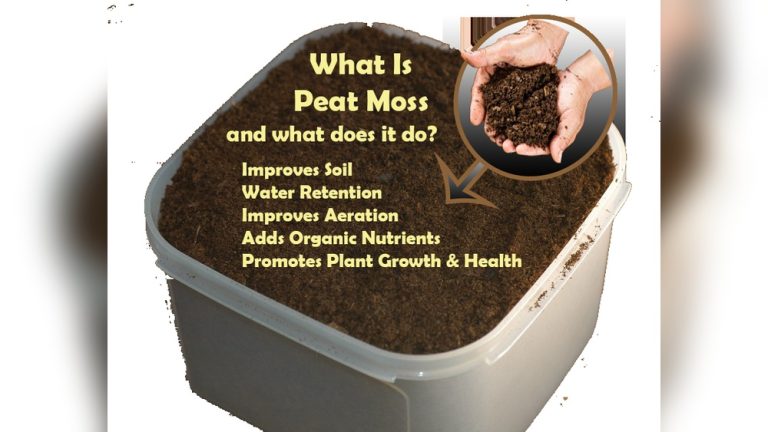
- Peat Moss: Especially effective in sandy soils; mix thoroughly into the root zone. Peat moss is naturally acidic and helps maintain lower pH over time, but it’s also a non-renewable resource, so use responsibly.
- Pine Needles: Use as mulch; they decompose slowly, providing sustained acidification. While pine needles won’t drastically alter pH, they’re excellent for ongoing maintenance, especially under acid-loving shrubs.
Other organic materials, such as oak leaf mulch or shredded bark, can also contribute to gradual acidification, but their effects are subtle and cumulative.
Acidifying Fertilizers
Ammonium-based fertilizers, such as ammonium sulfate or urea, release acids as they break down.
- Best Use: For ongoing maintenance, not for drastic pH changes. These fertilizers are a good choice for annual beds or vegetable patches that need a slight nudge towards acidity.
- Caution: Can lead to nitrogen buildup; monitor soil health. Overuse can result in nutrient imbalances and potential groundwater contamination.
Real-world Case Study: Blueberry Patch Success
A home gardener in Oregon wanted to grow blueberries in native soil with a pH of 7. 5. They applied 15 pounds of elemental sulfur per 1,000 square feet and mulched with pine needles. Within one year, the soil pH dropped to 5.
2, resulting in vigorous blueberry bushes and abundant fruit.
This case underscores the importance of combining approaches—using both fast-acting and slow-release amendments for sustained results. Additionally, consistent mulching helped buffer pH fluctuations and suppressed weeds.
Comparison Table: Methods To Lower Soil Ph
| Method | Speed | Effectiveness | Risks | Best for |
|---|---|---|---|---|
| Elemental Sulfur | Slow (months) | High | None if used correctly | Lawns, gardens, farms |
| Aluminum Sulfate | Fast (weeks) | Medium | Aluminum toxicity | Ornamentals, container plants |
| Peat Moss | Moderate | Low–Medium | Expensive, unsustainable | Small beds, pots |
| Acidifying Fertilizers | Moderate | Medium | Nitrogen buildup | Vegetable beds |
By understanding each method’s strengths and limitations, gardeners can tailor solutions to their specific site and crop needs.

Credit: homegrown-garden.com
Proven Methods To Raise Soil Ph
Raising soil pH (making soil less acidic) is necessary for crops that prefer neutral or alkaline conditions, or when acid soils limit productivity.
Agricultural Lime
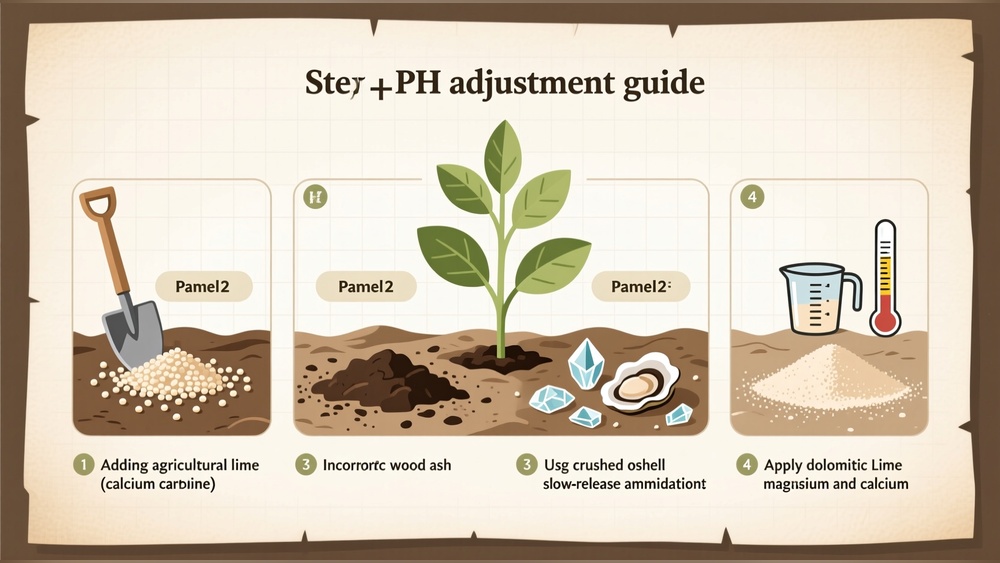
Agricultural lime (calcium carbonate) is the most widely used amendment for increasing soil pH. It neutralizes acidity and adds calcium, a vital nutrient.
- Effectiveness: Can raise pH by 0.5–1.0 points with proper application. The effect depends on the initial soil pH, texture, and lime fineness.
- Application Rate: 40–100 pounds per 1,000 square feet, depending on starting pH and soil type. Heavier clay soils require higher rates to achieve the same change.
- Types: Pulverized lime is fast-acting; pelletized lime is easier to apply. Pelletized lime is often favored for home lawns and gardens due to dust reduction and ease of spreading.
Example: A vegetable farm in North Carolina used agricultural lime to raise acidic soil from pH 5.5 to 6.7, improving tomato yields by 25%.
Lime not only adjusts pH but can also correct calcium deficiencies. However, it’s essential to avoid over-application, as excessively alkaline soils can develop micronutrient deficiencies, especially of iron and manganese.
Dolomitic Lime
Dolomitic lime contains both calcium and magnesium. It’s ideal for soils lacking magnesium, such as sandy or weathered soils.
- Benefits: Increases pH and magnesium levels simultaneously. Magnesium is essential for chlorophyll production and photosynthesis.
- Usage: Apply according to soil test results. Overuse can raise magnesium to excessive levels, interfering with calcium uptake.
Dolomitic lime is a great choice for crops that are heavy magnesium feeders or for correcting magnesium-deficient soils, such as tomatoes, peppers, and beans.
Wood Ash
Wood ash is a natural, fast-acting way to raise soil pH. It contains potassium, calcium, and trace minerals.
- Effectiveness: One pound can raise pH in 10 square feet by up to 0.2 points. It’s best applied lightly and incorporated into the soil.
- Caution: Avoid over-application; can raise pH too quickly. High sodium content or concentrated application can harm soil structure and plant roots.
Always avoid using ash from treated wood, painted lumber, or charcoal briquettes, as these can introduce harmful chemicals.
Organic Amendments
Compost and manure can slowly increase soil pH, especially if made from plant materials with low acidity.
- Best Use: Maintenance of slightly acidic soils. High-quality compost adds organic matter, improves soil structure, and supports beneficial microbes.
- Limitations: Not suitable for drastic pH changes. Effects are gradual, requiring repeated applications over several years for significant pH increases.
Some organic mulches, like crushed eggshells or oyster shell flour, can also provide a mild liming effect while adding calcium.
Real-world Case Study: Tomato Yield Boost
A grower in Pennsylvania had trouble with stunted tomato plants due to acidic soil (pH 5. 3). By applying 60 pounds of dolomitic lime per 1,000 square feet, the soil pH rose to 6. 6 in one season, resulting in robust growth and a record harvest.
This case highlights the value of soil testing and tailored amendment strategies. The addition of magnesium alongside calcium ensured a balanced nutrient profile for demanding crops like tomatoes.
Comparison Table: Methods To Raise Soil Ph
| Method | Speed | Effectiveness | Risks | Best for |
|---|---|---|---|---|
| Agricultural Lime | Moderate (weeks–months) | High | None if used correctly | Lawns, gardens, farms |
| Dolomitic Lime | Moderate | High | Excess magnesium | Sandy, magnesium-poor soils |
| Wood Ash | Fast (days–weeks) | Medium | Over-alkalinity | Small beds, orchards |
| Compost/Manure | Slow (months) | Low–Medium | Variable results | Maintenance, organic gardens |
Selecting the right amendment depends on your soil’s starting point, your crop’s needs, and how quickly you need to adjust pH.
Credit: frameitall.com
Step-by-step Guide To Amending Soil Ph
Adjusting soil pH is a process that requires planning, patience, and careful monitoring. Follow these expert-recommended steps to ensure success.
1. Test And Analyze Soil
- Use a laboratory soil test or high-quality digital meter for accurate readings.
- Sample soil from multiple locations and depths.
- Analyze texture and organic matter content, as these influence amendment rates.
A comprehensive soil test will also reveal nutrient levels, helping you avoid over- or under-fertilization during pH correction.
2. Choose The Right Amendment
- For lowering pH: Elemental sulfur, aluminum sulfate, peat moss, acidifying fertilizers
- For raising pH: Agricultural lime, dolomitic lime, wood ash, compost
Select amendments based on your soil test results, plant preferences, and desired speed of change.
3. Calculate Application Rates
- Consult soil test results and amendment labels.
- Refer to university extension guidelines (see Penn State Extension).
Amendment rates are not universal. For example, clay soils require more lime or sulfur than sandy soils. Over-application can harm soil health, so always err on the side of caution.
4. Apply Amendments Properly
- Broadcast evenly: Spread amendments across the target area.
- Incorporate into soil: Use a rototiller or garden fork for best results.
- For container plants, mix amendments into the potting medium before planting.
Proper incorporation ensures even distribution and maximizes contact with soil particles, enhancing effectiveness.
5. Water And Monitor
- Water the area to activate amendments. Moisture is essential for chemical reactions and microbial activity.
- Retest soil pH after 4–12 weeks (or per amendment instructions). For slow-reacting amendments like sulfur or lime, wait a full season before reapplying.
6. Repeat If Necessary
- Some soils require multiple applications.
- Avoid over-correction; gradual changes are safer.
- Track all amendments and test results in a garden journal to avoid accidental overuse.
Organic Vs Synthetic Amendments: Which Is Best?
Choosing between organic and synthetic amendments depends on your gardening philosophy, soil characteristics, and desired speed of results.
Organic Amendments
- Examples: Peat moss, pine needles, compost, manure
- Pros: Improve soil structure, add nutrients, environmentally friendly. Organic matter supports beneficial microbes and enhances long-term fertility.
- Cons: Slower pH adjustment, often more expensive. Some materials, like peat, are not sustainable, while others, like compost, may require large amounts for noticeable pH shifts.
Organic approaches are favored in regenerative, permaculture, and certified organic systems, where soil health and sustainability take precedence over rapid results.
Synthetic Amendments
- Examples: Elemental sulfur, aluminum sulfate, lime
- Pros: Fast, reliable, precise. Ideal for correcting severe imbalances or preparing new garden beds.
- Cons: Risk of toxicity if misapplied, may not improve soil health. Synthetic options can bypass microbial processes, sometimes reducing long-term resilience.
Case Study: An organic gardener in Vermont preferred peat moss and compost for a new raspberry bed. Although pH adjustment took an extra season, the soil improved in structure and fertility, resulting in healthier plants.
Ultimately, the best approach often blends both organic and synthetic amendments, using each where they’re most effective and least harmful.
How Soil Texture And Climate Affect Ph Adjustment
Soil pH adjustment isn’t one-size-fits-all. Soil texture and local climate play major roles in how quickly and effectively amendments work.
Soil Texture
- Sandy soils: Change pH faster, require less amendment. The low buffering capacity means pH shifts more readily, but changes can also reverse quickly.
- Clay soils: Change pH slowly, need more amendment. High clay content buffers pH changes and requires repeated or higher-rate applications.
Loams, which contain a balanced mix of sand, silt, and clay, fall in between and are generally the easiest to manage.
Climate Impact
- Rainfall: Acid rain can lower pH over time. High rainfall areas often see gradual acidification, especially when coupled with leaching of basic cations like calcium and magnesium.
- Temperature: Warm climates speed up microbial breakdown of amendments, making both acidification and liming more effective. Cold climates slow reactions, requiring longer timelines for adjustment.
Example: In humid regions like the Pacific Northwest, regular rainfall gradually acidifies soil, requiring more frequent lime applications.
Table: Amendment Rates By Soil Texture
| Amendment | Sandy Soil (lb/1000 sq ft) | Loam (lb/1000 sq ft) | Clay Soil (lb/1000 sq ft) |
|---|---|---|---|
| Elemental Sulfur | 10 | 15 | 20 |
| Agricultural Lime | 40 | 60 | 100 |
Understanding your soil’s physical properties is as important as knowing its pH. Adjust amendment rates accordingly for effective, lasting results.
Monitoring And Maintaining Optimal Soil Ph
Once you’ve adjusted soil pH, ongoing monitoring is essential for sustained plant health and productivity.
Regular Testing
- Test soil pH at least once per growing season. For intensively managed beds, consider testing in both spring and fall.
- Use digital meters or send samples to labs for accuracy. Maintain records to track trends and anticipate future needs.
Maintenance Strategies
- Mulch with pine needles or wood chips for acid-loving plants. This helps buffer pH and maintain the desired range.
- Top-dress with compost for gradual pH increase and improved organic matter.
- Use acidifying or alkaline fertilizers as needed, especially for annual crops.
For permanent plantings like orchards or lawns, establishing a routine (e. g. , annual lime or sulfur applications) can prevent major swings in pH.
Signs Of Ph Problems
- Acidic soil: Yellow leaves, poor growth, fungal issues, stunted roots, and poor fruit set.
- Alkaline soil: Iron chlorosis (yellowing between veins), stunted plants, nutrient deficiencies (especially of iron, manganese, and phosphorus).
Tip: Keep a soil health journal to track amendments, test results, and plant performance. This proactive approach makes troubleshooting easier and supports long-term garden success.
Real-world Examples: Success Stories And Pitfalls
Learning from others’ experiences can help you avoid mistakes and fine-tune your approach.
Example 1: Lawn Renovation
A homeowner in Texas struggled with patchy grass due to alkaline soil (pH 8. 0). They applied elemental sulfur at recommended rates and retested after three months, achieving pH 6. 9. The lawn improved dramatically, with fewer weeds and greener grass.
This example demonstrates how even long-neglected lawns can be rejuvenated with thoughtful pH management, leading to better resilience against weeds and improved turf density.
Example 2: Over-application Mishap
A gardener in Florida over-applied wood ash to a vegetable bed, raising the pH from 6. 2 to 8. 1. Tomatoes suffered from iron deficiency and poor yields. After retesting and amending with elemental sulfur, the bed returned to optimal conditions.
This cautionary tale highlights the importance of moderation and the value of regular testing to avoid unintended consequences.
Example 3: Organic Orchard Establishment
An orchardist in Michigan created an apple orchard on acidic clay soil (pH 5. 3). By applying 80 pounds of pelletized lime per 1,000 square feet and annual compost mulch, soil pH reached 6. 8 over two years, resulting in vigorous trees and high-quality fruit.
This story illustrates how patience, persistence, and organic amendments can work together to transform challenging soils for long-term success.
Scientific Research And Further Reading
For those seeking evidence-based practices, numerous research studies and university guidelines are available:
- ScienceDirect: Soil pH Management
- USDA ARS Soil Resources
- Wikipedia: Soil pH
- National Gardening Association
- Royal Horticultural Society
- Penn State Extension
These authoritative sources provide in-depth details on amendment rates, plant preferences, and troubleshooting strategies.
Frequently Asked Questions
How Often Should I Test My Soil Ph?
For most gardens, test soil pH at least once per growing season. If you’re making major amendments or suspect problems, test every 3–4 months. Accurate testing ensures timely intervention and prevents nutrient deficiencies.
Can I Use Vinegar To Lower Soil Ph?
While vinegar (acetic acid) can lower pH in containers or small beds, it’s not recommended for large areas. Vinegar’s effect is temporary and can harm beneficial microbes. For sustained acidification, use elemental sulfur or organic amendments.
Is There A Risk Of Over-correcting Soil Ph?
Yes, over-correcting can cause plant stress and nutrient imbalances. Always apply amendments based on soil test results and retest after each application. Gradual changes are safer than drastic shifts.
Do All Plants Require The Same Soil Ph?
No, plant pH preferences vary widely. Acid-loving plants (e.g., blueberries, azaleas) thrive at pH 4.5–5.5, while vegetables and ornamentals prefer neutral to slightly acidic conditions. Always check plant-specific requirements before amending.
What Is The Fastest Way To Change Soil Ph?
For rapid pH adjustment:
- Lower pH: Aluminum sulfate or acidifying fertilizers
- Raise pH: Wood ash or hydrated lime
However, fast changes can stress plants. For most gardens, slower amendments like elemental sulfur or agricultural lime are safer and longer-lasting.
Adjusting soil pH unlocks the full potential of your garden, transforming challenging soils into fertile ground for healthy, productive plants. By testing, choosing the right amendments, and monitoring results, you can create the ideal environment for any crop. Embrace these proven methods and enjoy the rewards of optimal soil health season after season.