What Soil to Use in Vegetable Container Gardening: Best Mix
Choosing what soil to use in vegetable container gardening makes the difference between a thriving harvest and disappointing results. This guide breaks down the best soil mixes, commercial options, and DIY recipes to help you grow healthy vegetables in pots, buckets, or raised containers.
Simply put, the best soil for vegetable container gardening is a lightweight, well-draining mix that retains moisture without becoming waterlogged. A blend of peat moss or coco coir, perlite or vermiculite, and compost delivers the ideal balance of aeration, nutrition, and water retention for potted vegetables.
Key Takeaways
- What soil to use in vegetable container gardening matters more than the container itself — a proper mix prevents root rot and ensures nutrient availability.
- Never use garden soil or topsoil in containers; they compact quickly and suffocate roots.
- The best container soil combines organic materials for moisture, inorganic materials for drainage, and compost for slow-release nutrition.
- Commercial potting mixes labeled for vegetables or raised beds are reliable, but DIY blends let you customize texture and fertility.
- Reusing soil requires rejuvenation with fresh compost and amendments to maintain productivity.
potting soil with white perlite in a large plastic tub, bright natural light, no text, no words, no letters, no signs, no watermarks |alt: Mixing potting soil with perlite for vegetable container gardening |title: Homemade container soil mix with perlite–>
What Is the Best Soil for Vegetable Container Gardening?
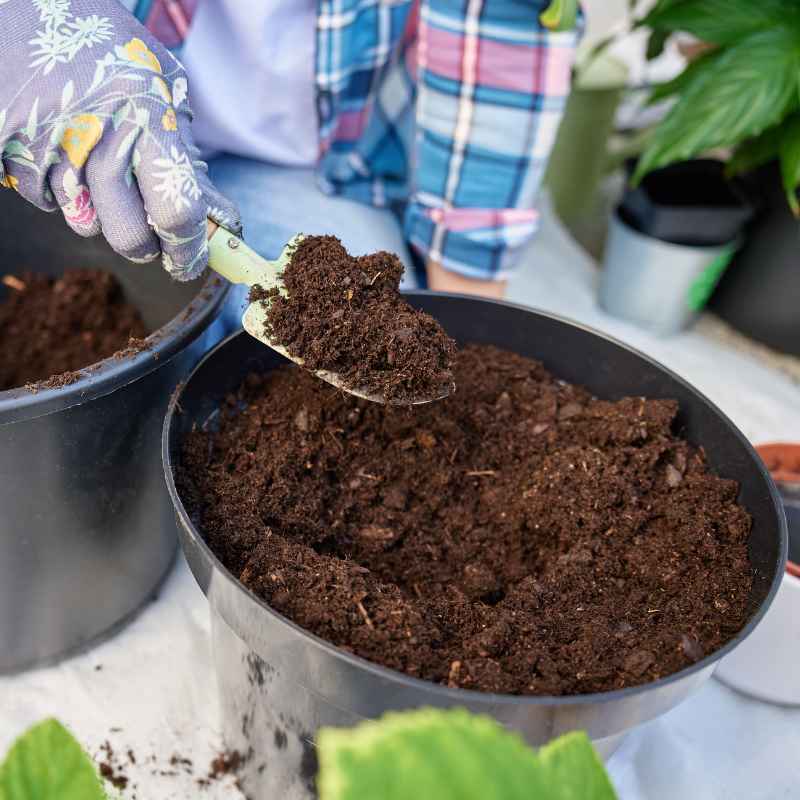
The ideal soil for container vegetables is not soil at all — it’s a soilless potting mix. Regular garden soil is too dense for pots. It compacts under gravity, traps water around roots, and lacks the air pockets vegetables need.
A high-quality container mix should be lightweight, fluffy, and able to hold moisture while draining excess quickly. Vegetables like tomatoes, peppers, lettuce, and herbs all thrive in a blend that is roughly 1/3 organic water-retaining material, 1/3 inorganic drainage material, and 1/3 nutrient-rich organic matter.
- Peat moss or coco coir — holds water and gives structure
- Perlite or vermiculite — creates air spaces and prevents compaction
- Compost or aged manure — provides slow-release nutrients
- Optional: worm castings — boosts microbial life and trace minerals
- Optional: sand or grit — adds weight for top-heavy plants
- pH range — aim for 6.0 to 6.8, slightly acidic to neutral
Tip: Pre-moisten peat moss or coco coir before mixing — dry peat repels water, causing dry pockets in the container.

Key Components of a Great Container Vegetable Soil
Understanding each component helps you adjust the mix for specific vegetables. For example, root crops like carrots need a finer texture, while tomatoes prefer a looser, more aerated blend.
Water-Retaining Base Materials
- Peat moss — acidic, holds 10–20 times its weight in water, breaks down slowly
- Coco coir — renewable, pH neutral, rehydrates easily, more eco-friendly than peat
- Leaf mold — rich in beneficial fungi, improves moisture retention
Drainage & Aeration Agents
- Perlite — volcanic glass, white granules, excellent for drainage
- Vermiculite — absorbs water and nutrients, releases them slowly
- Pumice — heavier than perlite, stable, ideal for long-term containers
- Coarse sand or grit — adds weight and sharp drainage for succulents or shallow-rooted veggies
Nutrient Sources
- Finished compost — balanced NPK, full of microbes
- Worm castings — gentle, rich in micronutrients, improves soil structure
- Aged chicken or cow manure — high nitrogen, use sparingly
- Slow-release organic fertilizer (e.g., 4-3-4 blend) — feeds plants over several months
| Component | Role | Best For |
|---|---|---|
| Peat moss | Moisture retention, acidity | Acid-loving veggies like tomatoes, peppers |
| Coco coir | Moisture retention, neutral pH | Most vegetables, sustainable alternative |
| Perlite | Drainage, aeration | All containers, prevents compaction |
| Compost | Nutrients, microbial life | Heavy feeders like squash, cucumbers |
Matching these components to your specific vegetables ensures strong root development and fewer problems like blossom-end rot or yellow leaves.
Why Garden Soil Fails in Containers
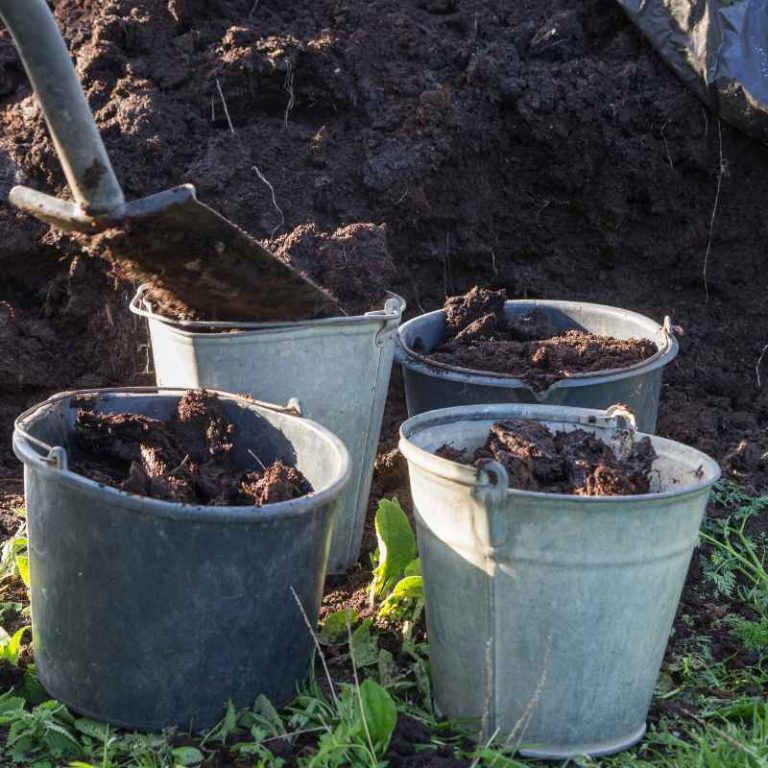
Using soil straight from your garden bed is the most common mistake in container gardening. Garden soil has a high clay and silt content that compacts into a brick-like mass inside pots. This prevents oxygen from reaching roots and creates anaerobic conditions that promote root rot.
According to a 2021 study by the University of Florida Extension, containers filled with garden soil showed a 40% reduction in root volume compared to those with a soilless mix. The same study reported that vegetables in garden soil produced 55% fewer fruits over a season.
- Compaction — soil settles and hardens, stopping root expansion
- Poor drainage — water sits at the bottom, drowning roots
- Weed seeds and pathogens — common in garden soil, trouble in confined spaces
- Weight — wet garden soil is extremely heavy; moves containers awkwardly
- pH imbalance — garden soil may be too alkaline or acidic for container veggies
Warning: Never use garden soil or topsoil in containers unless you mix it with at least 50% perlite and compost — even then, it’s not ideal for most vegetables.
How to Mix Your Own Container Vegetable Soil
Making your own mix gives you full control over texture, fertility, and cost. The basic recipe works for most vegetables, and you can tweak it for specific plants.
Standard All-Purpose Recipe
- Base (40%) — 2 parts peat moss or coco coir
- Aeration (30%) — 1.5 parts perlite or vermiculite
- Nutrients (30%) — 1.5 parts compost or aged manure
- Extras — 1/2 cup worm castings and 1/4 cup organic granular fertilizer per 10 gallons of mix
Step-by-Step Instructions
- Moisten the peat moss or coco coir until it feels like a wrung-out sponge.
- In a large tub or wheelbarrow, combine the moist base with perlite and mix thoroughly.
- Add compost and any extras, turning the pile until evenly distributed.
- Test a handful — squeeze it gently; it should hold together but crumble when poked.
- Fill your containers, leaving 1–2 inches of headspace for watering.
For tomatoes and peppers, increase the compost to 40% and add a tablespoon of bone meal for phosphorus. For leafy greens and herbs, reduce compost to 20% and increase perlite to prevent waterlogging.
Important: Always wear a dust mask when mixing dry perlite and peat moss — the fine particles can irritate lungs.
Best Commercial Potting Mixes for Vegetable Containers
If mixing your own feels like too much work, several high-quality commercial blends work perfectly. Look for products labeled “organic potting soil for vegetables” or “container mix.” Avoid cheap brands that contain synthetic wetting agents or fillers like styrofoam.
| Brand | Key Features | Best For |
|---|---|---|
| FoxFarm Ocean Forest | Aged forest products, crab meal, worm castings, pH 6.3–6.8 | Heavy feeders (tomatoes, peppers, eggplants) |
| Miracle-Gro Performance Organics | Coconut coir, compost, slow-release plant food | All-purpose vegetable gardening |
| Black Gold All Purpose Potting Mix | Canadian sphagnum peat, perlite, pumice, earthworm castings | Containers and raised beds |
| Espoma Organic Potting Mix | Mycorrhizae, alfalfa meal, kelp meal, feather meal | Health-conscious gardeners, organic systems |
Whichever brand you choose, check the bag for peat or coco coir as the first ingredient, and ensure it’s labeled “for containers” — not “garden soil.”
potting soil for container vegetables–>
Common Mistakes and How to Avoid Them
Even with the right soil, small errors can sabotage your harvest. Here are the most frequent pitfalls and fixes.
- Using soil that doesn’t drain — always test drainage before planting. Water should flow freely from the pot’s bottom within 30 seconds.
- Skipping fertilizer — container vegetables need feeding every 2–4 weeks because nutrients leach out rapidly.
- Reusing soil without refreshing — old soil lacks organic matter and may harbor diseases. Recharge it by removing old roots, adding 30% fresh compost, and mixing in a slow-release fertilizer.
- Waterlogging by mistake — even a good mix can stay soggy if the pot has no drainage holes or if you water too often.
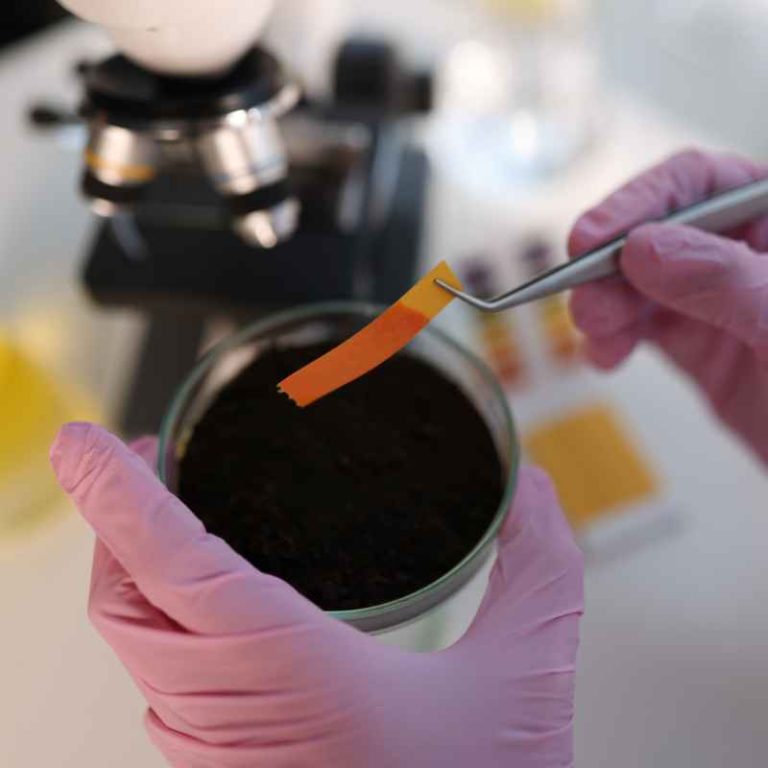
- Choosing the wrong pH — most vegetables prefer 6.0–6.8. Test your mix with a simple kit and adjust with lime (to raise pH) or sulfur (to lower it).
Tip: Place a layer of shredded leaves or bark chips at the bottom of your pot to improve drainage and add organic matter over time.
How to Maintain Soil Health Throughout the Season
Container soil is an active ecosystem. With regular care, your mix can support vegetables for two or three seasons before needing a complete replacement.
- Top-dress with compost — add 1/2 inch of fresh compost every 3–4 weeks during the growing season.
- Apply liquid fertilizer — fish emulsion or seaweed extract provides quick nutrients between top-dressings.
- Flush excess salts — every 6 weeks, water with plain water until it runs out the bottom for 2–3 minutes to wash away salt buildup.
- Aerate gently — use a chopstick to poke holes in the soil every couple of weeks to improve airflow.
- Check for compaction — if the soil feels hard, mix in a handful of perlite or vermiculite.
According to the Royal Horticultural Society, container vegetables that receive monthly liquid feeding produce 30% more fruit than those that rely solely on initial soil nutrients.
potting soil in a terracotta pot with a tomato plant, soft lighting, no text, no words, no letters, no signs, no watermarks |alt: Adding fertilizer to container vegetable soil |title: Maintaining soil health in pots–>

Frequently Asked Questions
Can I use cactus soil for vegetable container gardening?
Cactus soil is too sandy and drains too quickly for most vegetables. It lacks the moisture retention and organic matter vegetables need, leading to stunted growth and frequent watering.
How often should I replace container soil for vegetables?
Replace the entire mix every 2–3 years, or whenever you see signs of compaction, disease, or poor growth. Between full replacements, remove old roots and add fresh compost each season.
Is it okay to mix different brands of potting soil together?
Yes, mixing brands can balance out different qualities. For instance, blending a moisture-retentive mix with a faster-draining one gives you a customized texture. Just ensure both are designed for containers.
Do I need to add sand to vegetable container soil?
Sand is rarely necessary for vegetable containers. It adds weight without improving aeration. If you want more drainage, use perlite or pumice instead — they create air pockets without compacting.
What pH level is best for vegetables in pots?
A pH of 6.0–6.8 works for most vegetables. Acid-loving plants like blueberries are an exception, but standard veggies like tomatoes, peppers, and lettuce thrive in this range. Test your mix at planting time and adjust if needed.
Final Thoughts
Choosing the right soil for your vegetable containers sets the foundation for a productive garden. A lightweight, well-draining mix rich in organic matter gives your plants the best chance to flourish. Whether you buy a quality commercial blend or mix your own, avoid garden soil at all costs.
With proper soil, consistent feeding, and smart watering, you’ll enjoy fresh, homegrown vegetables from your patio or balcony all season long.