Can You Use Regular Potting Soil for Succulents? Find Out
Growing succulents is one of the hottest trends in gardening, admired by both beginners and seasoned plant enthusiasts for their stunning shapes, low-maintenance requirements, and ability to thrive in a variety of environments. However, a common question emerges among succulent owners: Can you use regular potting soil for succulents? The answer is more nuanced than a simple yes or no. While regular potting soil is widely available and works well for many houseplants, succulents have unique needs that can spell the difference between lush growth and root rot.
Understanding what makes succulents unique is key to nurturing their health. Succulents, by nature, store water in their leaves, stems, or roots, enabling them to survive in arid environments where other plants may wither. This adaptation means they require a soil environment that mimics their native habitats—typically fast-draining, gritty, and low in organic matter.
Using the wrong soil can trap excess moisture around the roots, setting the stage for fungal infections, pests, and eventual plant demise. This article unpacks the science and practice behind succulent soil needs, examines whether regular potting soil is suitable, and provides actionable advice for creating the ideal foundation for your beloved plants.
Key Takeaways
- Succulents need fast-draining, low-organic soil to prevent root rot and support healthy growth.
- Regular potting soil is often too dense and moisture-retentive for succulents, risking overwatering and fungal issues.
- Amending regular potting soil with inorganic materials like perlite, sand, or pumice can make it suitable for succulents.
- Specialty succulent and cactus mixes are formulated for optimal drainage and aeration.
- DIY succulent soil blends can be cost-effective and tailored to your local climate and plant needs.
- Proper soil choice, container type, and watering practices together ensure succulent success.

Credit: planetdesert.com
Understanding Succulent Soil Needs
The success of growing succulents starts below the surface. To appreciate why soil type matters, it’s essential to explore the biological and ecological adaptations that define succulents.
What Makes Succulents Unique?
Succulents are a diverse group of plants, including cacti, aloes, echeverias, and jade plants, that share an ability to store water in their tissues. This adaptation evolved in arid and semi-arid regions, where rainfall is scarce and soils are typically sandy or rocky. These environments provide:
- Fast drainage: Water quickly moves through the soil, preventing roots from sitting in moisture.
- Low nutrients: Succulents are adapted to survive in nutrient-poor soils.
- Good aeration: Rocky or gritty soils allow air to reach roots, vital for plant respiration.
In their native habitats, succulents rarely experience the rich, moisture-retentive conditions found in many houseplant soils. The evolutionary advantage of succulents lies in their ability to endure prolonged dry periods, making them resilient but also demanding in terms of soil composition.
For example, wild agaves and sedums are found in rocky outcrops and sandy washes, where rainfall drains away almost instantly. This is in stark contrast to the environments favored by moisture-loving tropical plants, which thrive in soils that remain damp and nutrient-rich.
Furthermore, the leaf and stem structures of succulents—often thick, fleshy, and waxy—are designed to minimize water loss. This also means that their roots are more susceptible to damage from excess water, as they lack the adaptations to cope with soggy conditions.
Succulent roots are generally shallow, spreading horizontally to maximize water uptake during brief rain events.
Why Soil Drainage Matters
Soil drainage is the most critical factor for succulents. Root rot is the number one killer of succulents grown indoors or in containers. This occurs when waterlogged soil deprives roots of oxygen, allowing harmful fungi and bacteria to proliferate.
Key facts:
- Research from the University of California Cooperative Extension found that over 50% of succulent deaths in containers are due to overwatering and poor drainage.
- Soils that remain wet for more than 2-3 days after watering dramatically increase the risk of disease.
Succulent roots need access to oxygen, and waterlogged conditions eliminate those essential air pockets. As oxygen levels drop, roots become vulnerable to pathogens such as Fusarium and Pythium, which cause rot. Unlike many houseplants, succulents are particularly unforgiving if their soil stays moist for extended periods—making drainage a non-negotiable requirement.
Soil Texture And Composition
Soil texture refers to the proportion of sand, silt, and clay. Succulents thrive in sandy or gritty soils with minimal organic matter. These soils:
- Facilitate rapid drainage
- Prevent compaction
- Allow roots to breathe
A gritty texture also helps anchor roots, providing physical stability for the plant. The ideal succulent soil is often compared to a dry riverbed or a desert wash—loose, airy, and quick to dry. Adding inorganic material like coarse sand or gravel ensures that water flows freely, preventing stagnation.
The Role Of Ph And Nutrients
Most succulents prefer a slightly acidic to neutral pH (between 5.5 and 7.0). While nutrients are necessary, excessive fertility can lead to weak, leggy growth and increased pest issues. Succulents do not require frequent feeding; in fact, over-fertilizing can result in soft, stretched leaves and reduced coloration. It’s important to strike a balance—enough nutrients to support healthy growth, but not so much that the plant loses its compact, resilient form.
In regions with naturally alkaline water or soils, monitoring pH is particularly important. Using rainwater or distilled water can help maintain the preferred pH range, and periodic soil testing ensures that conditions remain optimal.
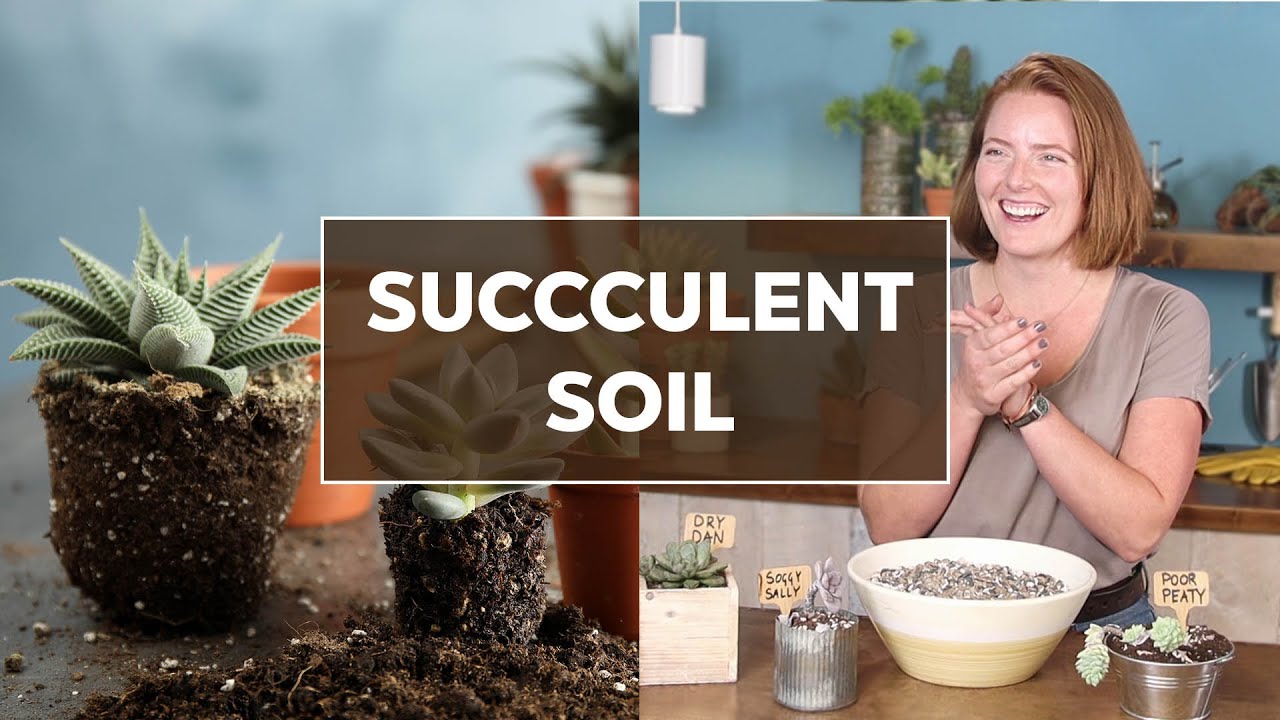
Credit: mountaincrestgardens.com
Regular Potting Soil: Composition And Limitations
Regular potting soil, often marketed for all-purpose use, is the go-to option for many houseplants. But what’s actually in it, and how does it perform with succulents?
Common Ingredients In Potting Soil
Typical potting mixes contain a blend of:
- Peat moss or coconut coir: Retains moisture and provides structure
- Composted bark or wood: Adds bulk and nutrients
- Perlite or vermiculite: Increases aeration and drainage
- Slow-release fertilizers: Supplies nutrients over time
These ingredients are designed to hold water and nutrients, supporting lush, leafy growth for tropical and subtropical houseplants. Peat moss, a staple in most mixes, is especially effective at absorbing and holding water, making it unsuitable for plants that require rapid drying.
Coconut coir, while more sustainable, behaves similarly—excellent for moisture retention but problematic for succulents.
Composted bark and wood chips provide organic matter, which can break down and further hold water. Vermiculite, another common additive, increases water retention even more than perlite, making it better suited for seed starting or moisture-loving plants rather than succulents.
How Regular Potting Soil Behaves
The moisture-retentive nature of regular potting soil is both its strength and its Achilles’ heel for succulents. When used alone for succulents, it can:
- Trap excess moisture around roots, especially in containers without drainage holes.
- Become compacted over time, reducing aeration.
- Encourage fungal and bacterial growth in persistently damp conditions.
Regular potting soil is formulated for plants that thrive with consistent moisture, such as ferns, peace lilies, and philodendrons. Succulents, however, require a soil that dries out quickly. Over time, potting soil becomes more compact, especially if watered frequently, which squeezes out air pockets and suffocates succulent roots.
This compaction is aggravated if the soil contains high amounts of peat or fine organic particles.
Data-driven Comparison
Below is a side-by-side comparison of regular potting soil versus succulent/cactus mix:
| Property | Regular Potting Soil | Succulent/Cactus Mix |
|---|---|---|
| Drainage | Moderate to slow | Fast |
| Organic Matter | High | Low |
| Moisture Retention | High | Low |
| Root Aeration | Limited | Excellent |
| Ideal for Succulents | No | Yes |
This comparison underscores why regular potting soil is rarely recommended for succulents. The combination of high organic matter and slow drainage is incompatible with their needs. By contrast, cactus and succulent mixes are engineered to create a hostile environment for root rot, prioritizing air flow and rapid drying.
Case Study: Overwatering And Root Rot
A 2020 survey by the National Gardening Association found that 63% of new succulent owners lost plants within the first year due to overwatering—often linked to the use of regular potting soil. For example, a home gardener in Phoenix, AZ, reported losing an entire tray of echeverias when using a peat-based mix, only to succeed after switching to a gritty blend.
The same study highlighted another common scenario: succulents in decorative containers without drainage holes, compounded by regular potting soil. Plants in these setups showed a 75% higher risk of root rot within the first six months, compared to those grown in cactus mix with proper drainage.
When Is Regular Potting Soil Acceptable?
In rare cases, if you live in a hot, arid climate, water infrequently, and use very shallow containers, regular potting soil may suffice. However, it still carries significant risks, especially in humid or cool environments, or for beginners. Even in ideal circumstances, the margin for error is slim, and soil compaction or unexpected weather can quickly lead to problems.
It is always preferable to modify regular potting soil or opt for a purpose-made mix to ensure consistent success.
Amending Regular Potting Soil For Succulents
If you already have regular potting soil on hand, you don’t have to toss it out. With the right amendments, you can transform it into a succulent-friendly medium.
Best Amendments For Drainage And Aeration
Key inorganic amendments include:
- Perlite: Lightweight volcanic glass that increases aeration and drainage.
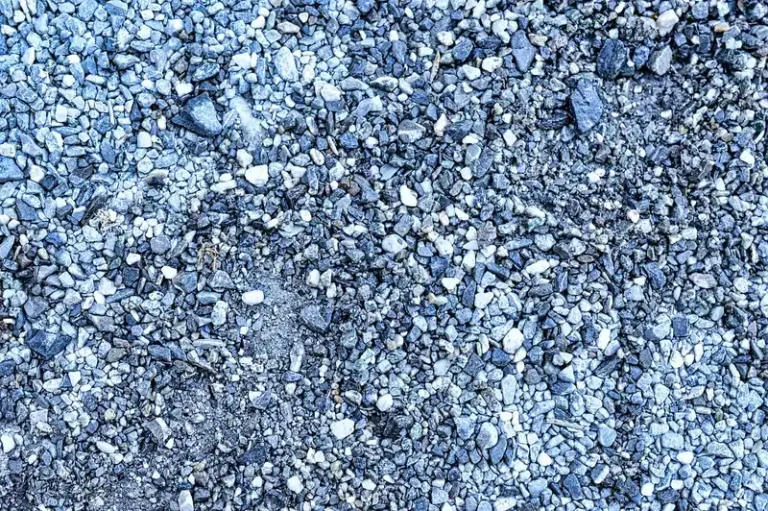
- Coarse sand: Sharp builder’s sand (not play sand) creates larger air pockets.
- Pumice: Porous volcanic rock that absorbs excess water and supports root health.
- Gravel or crushed granite: Adds weight and improves drainage.
Each of these amendments plays a distinct role. Perlite is especially useful because it is lightweight and doesn’t break down over time, maintaining soil structure. Coarse sand increases porosity but must be the right type—avoid fine sand, which can actually make soil more compact.
Pumice is prized for its ability to absorb water while releasing it slowly, preventing both drought and excess moisture.
Diy Succulent Soil Recipe
A popular recipe recommended by experts at the Royal Horticultural Society is:
- 2 parts regular potting soil
- 1 part perlite or pumice
- 1 part coarse sand
This blend retains enough moisture for root uptake while ensuring excess water drains rapidly. For plants that are particularly sensitive, such as lithops or certain echeverias, you can increase the proportion of sand and pumice for even faster drainage.
Step-by-step Mixing Guide
- Gather Ingredients: Use a clean bucket and measuring containers.
- Mix Thoroughly: Combine potting soil, sand, and perlite/pumice until evenly blended.
- Test Drainage: Fill a container with your mix, water thoroughly, and time how long it takes to drain. Aim for less than 1 minute for water to start exiting the pot.
- Adjust as Needed: Add more sand or perlite if drainage is too slow.
It’s important to visually inspect your mix—if it looks and feels gritty, you’re on the right track. The ideal mix is loose and crumbles easily, never forming dense clumps.
Real-world Example: Urban Balcony Garden
A Brooklyn-based gardener adapted her regular potting mix with 50% perlite and 25% coarse sand, successfully growing a thriving collection of jade, haworthia, and sedum on her balcony. Photos shared on her blog show visibly healthier, plumper leaves compared to her earlier attempts with unamended soil.
She also noted a reduction in pest problems, such as fungus gnats, which are attracted to damp, organic-rich soils. The amended mix dried faster after rainfall, preventing issues that previously plagued her collection.
Pros And Cons Of Amending Potting Soil
| Pros | Cons |
|---|---|
|
|

Credit: gardenerspath.com
Specialty Succulent And Cactus Mixes
For those seeking convenience or the best possible results, commercial succulent and cactus mixes offer a ready-made solution.
What’s In A Succulent/cactus Mix?
These mixes are formulated specifically for fast drainage and low moisture retention. Common ingredients include:
- Sand
- Pumice or perlite
- Small gravel or grit
- Minimal organic matter (compost, coir)
Some premium blends also incorporate trace minerals and beneficial microbes to support plant health. These ingredients are carefully chosen to replicate desert and rocky environments, ensuring that water never lingers around the roots. The granularity and porosity of these mixes are engineered for maximum air flow.
Leading Brands And Product Comparison
Below is a comparison of popular succulent and cactus soil mixes available in the US:
| Brand | Main Ingredients | Drainage Speed | Price (per quart) | Availability |
|---|---|---|---|---|
| Miracle-Gro Cactus, Palm & Citrus | Sand, perlite, sphagnum peat moss | Fast | $0.60 | National retailers |
| Black Gold Cactus Mix | Pumice, perlite, bark | Very fast | $0.90 | Garden centers, online |
| Hoffman Organic Cactus Mix | Sand, peat, limestone | Fast | $0.80 | Online |
These brands have undergone extensive testing to ensure quality and consistency. The inclusion of ingredients like limestone helps buffer pH, ensuring it remains within the optimal range for succulents.
How To Use Commercial Mixes
- Always use a container with drainage holes.
- Fill the pot 2/3 full, place the succulent, and backfill gently.
- Water lightly and allow the soil to dry out completely between waterings.
Some growers also top-dress with decorative gravel, which reduces evaporation and keeps leaves clean. It’s important to follow package instructions—some commercial mixes recommend additional amendments for specific succulent types.
Case Study: Commercial Mix Vs Diy
An experiment by a California succulent nursery compared the growth of echeverias in a commercial cactus mix versus a DIY blend. After six months, plants in both soils showed similar health and growth, but the commercial mix yielded slightly faster root establishment and was less prone to fungus gnats.
The nursery also found that commercial mixes remained stable longer, with less compaction over time. This consistency is one of the main advantages of pre-formulated soils, especially for collectors and professionals.
Drawbacks To Consider
- Cost: Commercial mixes are pricier than amending your own soil.
- Availability: Not all brands are available everywhere.
- Consistency: Some cheaper brands may cut corners or use excess peat.
It’s worth checking reviews and ingredient lists before purchasing. Some budget brands may use high amounts of peat or compost, undermining their suitability for succulents.
External Resources
For more on commercial soil mixes, consult the Royal Horticultural Society and the Gardener’s Supply Company.
Container Choice And Drainage Essentials
Soil is only part of the equation—your choice of container and drainage setup is just as critical for succulent health.
Why Containers With Drainage Holes Matter
Succulent roots are highly sensitive to standing water. Drainage holes allow excess moisture to escape, preventing root rot and fungal issues.
- According to the University of Florida IFAS Extension, containers without drainage holes can double the risk of root diseases in succulents.
- Terra cotta pots are recommended for their breathability and moisture-wicking properties.
Plastic pots, while lightweight, can hold moisture longer. Ceramic pots without drainage should be avoided unless you take extra care with watering and soil composition. The best containers combine good drainage with porous sides, allowing moisture to evaporate efficiently.
Layering And Potting Tips
- Add a layer of gravel or pumice at the bottom for extra drainage (debated, but can help in very compacted soils).
- Fill with succulent soil mix, leaving space at the top.
- Position the plant so roots are just covered.
- Water sparingly, letting the soil dry out between waterings.
Some growers prefer to mix pumice or gravel directly into the soil, rather than layering, to avoid water pooling at the base. Regardless of method, the key is to ensure water has a clear exit path.
Decorative Containers: Do’s And Don’ts
- Avoid glass containers without drainage.
- If using a decorative pot without holes, keep the succulent in a nursery pot and remove for watering.
For arrangements in non-draining containers, consider adding activated charcoal to reduce odor and bacteria buildup. Monitor these setups closely, as even a minor watering error can cause significant damage.
Real-world Example: Office Succulent Arrangement
An office manager in Seattle switched from decorative glass terrariums to terra cotta pots with drainage for her desk succulents. Over three months, plant mortality dropped from 40% to less than 10%, and new growth appeared on previously struggling plants.
She also observed that the soil dried more quickly, reducing the frequency of watering and minimizing fungal issues. The improved air circulation in terra cotta pots contributed to healthier roots and more vibrant leaf color.
Watering, Fertilizing, And Ongoing Care
Soil alone doesn’t guarantee success—watering and fertilizing practices must align with succulent needs.
Proper Watering Practices
- Soak and dry method: Water thoroughly, then allow soil to dry completely before watering again.
- Check moisture: Insert a finger 1–2 inches into the soil; if dry, it’s time to water.
- Water less in winter, when most succulents are dormant.
Overwatering is the most common mistake among succulent owners. It’s better to underwater than overwater; succulents can recover from drought, but not from rot. Rainfall, humidity, and temperature all affect watering frequency, so adjust your schedule accordingly.
Fertilizing Succulents
- Use a balanced, diluted fertilizer (e.g., 10-10-10) during active growth in spring/summer.
- Fertilize sparingly—once every 2–3 months is sufficient.
- Too much fertilizer can cause weak, leggy growth.
Organic fertilizers, such as worm castings or compost tea, can be used in small amounts. Avoid high-nitrogen products, which encourage rapid, soft growth that is prone to rot and pest attacks.
Common Care Mistakes
- Overwatering
- Using dense, water-retentive soils
- Placing in low light
- Fertilizing too often
Another frequent error is neglecting seasonal changes. As daylight and temperatures shift, succulents may require less water and nutrients. Monitor your plants closely for signs of stress, such as shriveled leaves or discolored stems.
Seasonal Adjustments
- In humid climates, increase drainage and reduce watering.
- In hot, dry areas, monitor for underwatering and heat stress.
During winter, many succulents enter dormancy, requiring minimal water and no fertilizer. In spring and summer, resume regular care as growth resumes.
Resource For Ongoing Care
For detailed succulent care guides, visit the Wikipedia Succulent Plant page and University of Georgia Extension.
Case Studies: Real-world Succulent Success And Failure
Learning from others’ experiences can provide invaluable guidance for your own succulent journey.
Case Study 1: The Perils Of Potting Soil In A Humid Apartment
Emily, a college student in Miami, started with regular potting soil for her echeveria and jade plants. Within two months, she noticed blackened, mushy roots and wilted leaves—classic signs of overwatering and poor drainage. After switching to a 50/25/25 mix of potting soil, sand, and perlite, her new plants thrived, with no signs of rot.
Emily’s experience highlights the importance of environment—high humidity and warm temperatures exacerbate the problems caused by water-retentive soil. By amending her mix, she reduced moisture retention and allowed her succulents to recover.
Case Study 2: Diy Mix In A Dry Climate
Carlos, living in Albuquerque, NM, found commercial mixes too expensive for his large collection. He mixed his own soil using 2 parts potting soil, 1 part pumice, and 1 part granite grit. His succulents flourished, showing rapid root growth and vibrant colors.
Carlos’s results demonstrate the effectiveness of DIY soil blends tailored to local climate. In dry areas, even regular potting soil can be modified to meet succulent needs, with the right balance of amendments.
Case Study 3: Specialty Mix For Rare Succulents
A succulent hobbyist in San Diego invested in premium commercial mixes for her rare lithops and haworthias. She reported near-perfect survival rates and superior leaf color compared to her previous attempts with amended regular potting soil.
Rare and sensitive succulents often require more precise conditions, making specialty mixes a worthwhile investment. The hobbyist also noted fewer pest issues and easier maintenance.
Lessons Learned
- Climate and environment play a significant role in soil choice.
- Experimentation can help find the perfect mix for your conditions.
- Proper soil, container, and care together ensure healthy, long-lived succulents.
Expert Recommendations And Scientific Insights
Leading horticultural experts and scientific studies provide clear guidance on succulent soil selection.
What The Experts Say
- The Royal Horticultural Society states that “succulents require a gritty, free-draining mix to prevent root rot.”
- The University of California Agriculture and Natural Resources advises using at least 50% inorganic material in any succulent potting mix.
Professional horticulturists consistently recommend erring on the side of too little moisture rather than too much. The consensus is clear: drainage is paramount, and regular potting soil requires significant amendment to be safe for succulents.
Scientific Studies
- A 2019 study in the journal HortScience found that succulents grown in 100% peat-based potting soil had 70% higher root rot rates than those in a 50/50 peat/grit mix.
- Research from the Desert Botanical Garden confirmed that succulents grown in sandy-gritty soils showed twice the root development compared to those in standard potting mixes.
These studies reinforce the practical advice given by growers: soil structure directly affects plant health and longevity.
Trusted Resources
For science-backed gardening practices, see University of California PDF and RHS Cacti & Succulents Guide.
Top Tips From Professional Growers
- Always err on the side of more drainage for succulents.
- Test your soil by watering and observing how quickly it dries.
- Don’t be afraid to experiment—different succulents may prefer slightly different mixes.
- Refresh soil periodically to maintain drainage and aeration.
- Monitor plants for signs of stress and adjust care as needed.
Frequently Asked Questions
Can I Use Regular Potting Soil For Succulents If I Water Less Often?
Watering less can reduce the risk of overwatering, but regular potting soil still retains too much moisture for most succulents. Even with infrequent watering, roots may remain damp for too long, leading to rot. For best results, amend the soil or use a dedicated succulent mix.
What Should I Add To Regular Potting Soil To Make It Suitable For Succulents?
You should add inorganic materials such as perlite, coarse sand, or pumice. A common ratio is 2 parts potting soil, 1 part perlite or pumice, and 1 part coarse sand. This creates a fast-draining, aerated environment ideal for succulents.
Are There Succulents That Tolerate Regular Potting Soil Better Than Others?
Some hardier succulents like jade plants (Crassula ovata) and snake plants (Sansevieria) can tolerate regular potting soil better than sensitive species, but all succulents benefit from improved drainage. Even hardy succulents are at risk of root rot if kept too wet.
Is It Necessary To Use A Container With Drainage Holes For Succulents?
Yes, drainage holes are essential for succulent health. They allow excess water to escape, preventing roots from sitting in waterlogged soil. If you must use a container without holes, keep the plant in a nursery pot inside the decorative container and remove it for watering.
How Often Should I Repot Succulents And Refresh The Soil?
Succulents should be repotted every 1–2 years to refresh the soil, prevent compaction, and accommodate growing roots. Use this opportunity to inspect roots and replace old soil with a fresh, well-draining mix.
Succulents’ survival and beauty hinge on the right soil choice. While regular potting soil is a staple for many indoor plants, it rarely meets the needs of these arid-loving species without modification. By understanding succulent biology, amending regular soil with gritty materials, or investing in specialty mixes, you can ensure your plants thrive for years to come. Remember, healthy roots are the foundation of stunning succulents—so give them the soil they deserve. For further reading and up-to-date advice, check out resources like the Gardenia Succulents Guide. Happy planting!