
Soil contamination is an invisible crisis lurking beneath our feet, impacting ecosystems, human health, and the global food supply. Most people are aware of air and water pollution, but soil contamination often receives far less attention—despite its profound implications for our environment and daily lives.
From urban centers to rural farmlands, the impact of polluted soil can be both immediate and generational, making this an urgent issue for communities and policymakers worldwide.
Whether it results from industrial spills, excessive pesticide use, or improper waste disposal, soil contamination can irreversibly alter the health of plants, animals, and humans. As society grapples with the challenge of sustainable development, understanding how contaminated soil affects the environment around us is essential for devising effective solutions.
This article explores the causes, consequences, and remedies for soil contamination, providing a comprehensive overview grounded in scientific research and real-world examples.
Key Takeaways
- Soil contamination disrupts ecosystems, harms biodiversity, and poses serious risks to human health.
- Major sources include industrial activity, agricultural chemicals, improper waste disposal, and urban runoff.
- Heavy metals, pesticides, and hydrocarbons are common soil contaminants, each with unique environmental and health effects.
- Cleaning up contaminated soil is complex and costly, but necessary for sustainable land use and food security.
- Policies, community action, and technological innovation are essential for prevention and remediation.
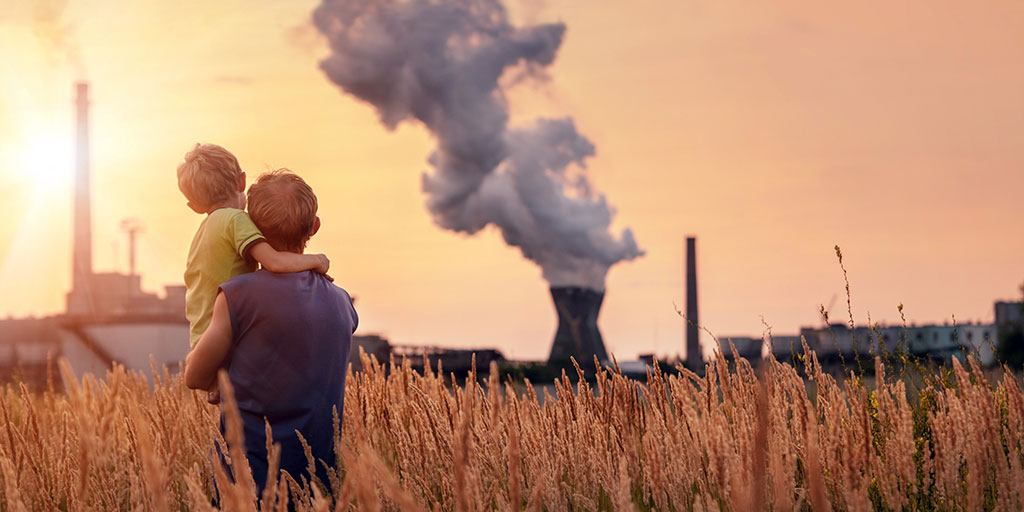
Credit: www.niehs.nih.gov
What Is Soil Contamination?
Soil contamination refers to the presence of hazardous substances in the soil at levels that pose risks to the environment, plants, animals, or humans. These contaminants can be natural or, more often, the result of human activities.
Definition And Scope
Contaminated soil contains toxic chemicals or substances not naturally present in high concentrations. These may include:
- Heavy metals (lead, arsenic, cadmium, mercury)
- Persistent organic pollutants (pesticides, PCBs, dioxins)
- Petroleum hydrocarbons (oil, gasoline, diesel)
- Radioactive materials
- Microplastics
The scope of contamination ranges from localized hotspots—such as former industrial sites—to widespread agricultural regions affected by decades of chemical use. For example, areas surrounding old mining operations often have elevated concentrations of heavy metals, while urban environments may experience contamination from lead-based paints and vehicle emissions.
In some cases, contamination is so widespread that it alters regional soil quality and impacts nearby ecosystems.
How Contaminants Enter Soil
Contaminants can infiltrate soil through various pathways:
- Atmospheric deposition: Airborne pollutants settle onto soil surfaces. This occurs as dust or particulates from smokestacks, vehicles, or wildfires fall from the atmosphere and become embedded in the soil.
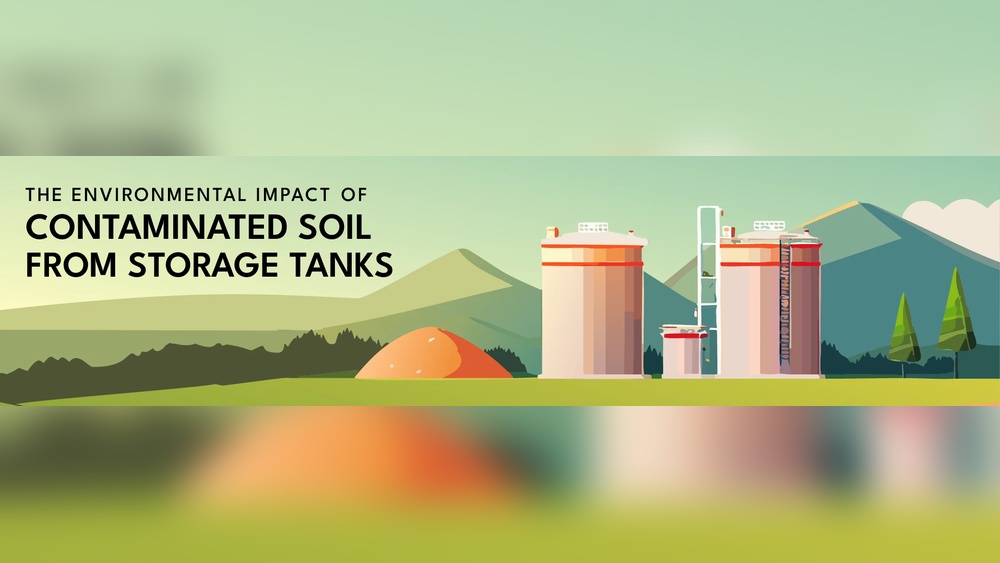
- Direct discharge: Industrial spills, leaking storage tanks, or wastewater discharge. Such events can introduce large volumes of hazardous chemicals in a short period, causing acute toxicity and immediate risks to nearby life.
- Agricultural activities: Application of fertilizers, pesticides, and manure. Many chemicals used in agriculture persist in the environment, building up over time and affecting soil structure and fertility.
- Waste disposal: Landfills, illegal dumping, or improper handling of hazardous waste. Household waste, e-waste, and industrial byproducts often contain toxic substances that leach into soil.
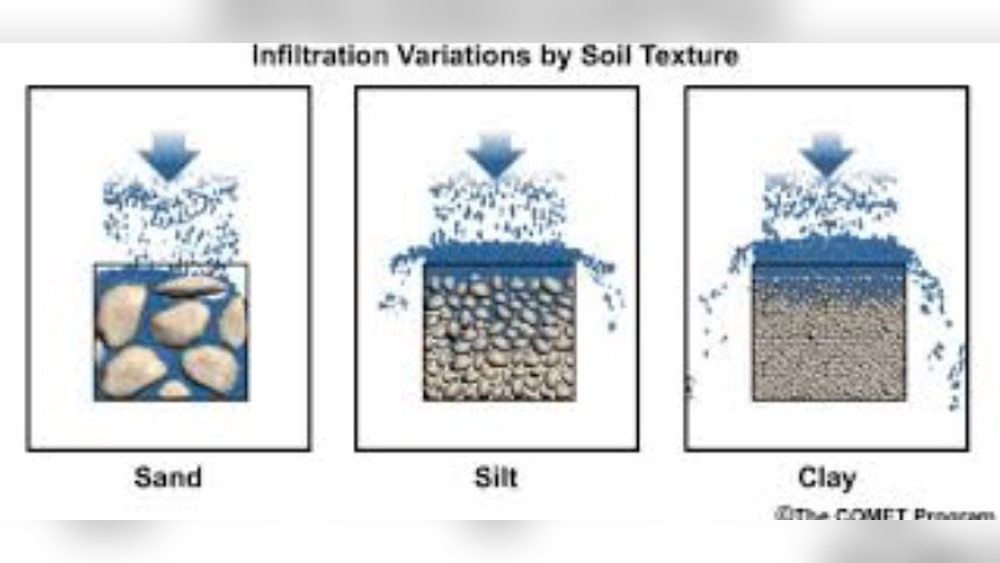
Contaminants may also enter soil through indirect routes. For instance, chemicals can be carried by rainwater runoff from roads or industrial sites, or through irrigation practices that use contaminated water. The persistence and mobility of contaminants depend on their chemical properties and the characteristics of the soil itself, such as its pH, organic matter content, and texture.
Common Contaminants And Their Sources
The following table summarizes typical soil contaminants and their primary sources:
| Contaminant | Main Source(s) | Key Environmental Impact |
|---|---|---|
| Lead (Pb) | Industry, leaded gasoline, paint, mining | Neurotoxicity, plant growth inhibition |
| Arsenic (As) | Pesticides, mining, smelting | Carcinogenicity, groundwater pollution |
| PCBs | Electrical equipment, waste incineration | Bioaccumulation, ecosystem toxicity |
| Pesticides | Agriculture | Biodiversity loss, food safety risks |
| Petroleum Hydrocarbons | Oil spills, transportation | Soil fertility decline, water contamination |
Geographic Hotspots
Soil contamination is a global issue, but certain regions are more affected due to historical and current industrial activities. For instance, China has acknowledged that nearly 16% of its soil is contaminated, impacting vast agricultural areas (Reuters). In the United States, the Superfund program manages thousands of sites with hazardous soil pollution (EPA).
In Europe, many countries are still dealing with legacy pollution from decades of manufacturing, mining, and chemical production. Countries like Poland and Romania have several sites where heavy metal contamination threatens agriculture and water supplies. In India, rapid urbanization and industrialization have led to increasing soil pollution, particularly in metropolitan regions and around industrial corridors.

Credit: www.youtube.com
Sources Of Soil Contamination
Understanding the origins of soil contamination is crucial for prevention and targeted remediation. The sources can be broadly categorized into industrial, agricultural, urban, and accidental.
Industrial Activity
Industrial processes have historically contributed the largest share of soil pollution. Key contributors include:
- Mining and smelting operations release heavy metals and acid mine drainage. These activities often leave behind tailings and waste rock piles, which contain toxic metals such as lead, arsenic, and mercury. Rainwater can leach these metals into surrounding soils, sometimes for decades after operations have ceased.
- Manufacturing plants produce waste containing solvents, heavy metals, and synthetic chemicals. For example, textile factories may discharge dyes and finishing agents, while electronics manufacturing produces toxic byproducts such as brominated flame retardants.
- Petrochemical refineries are major sources of hydrocarbons and persistent organic pollutants. Spills and leaks from storage tanks can saturate soil with oil, gasoline, or industrial lubricants, disrupting soil structure and killing beneficial microbes.
Industrial contamination is often concentrated in “brownfield” sites—abandoned or underused industrial properties where redevelopment is complicated by the presence of hazardous substances.
Example: Love Canal, New York
The Love Canal disaster serves as a stark reminder of industrial soil contamination. In the 1970s, residents experienced health problems due to chemical waste buried beneath their neighborhood, leading to a national outcry and the creation of the Superfund program (Wikipedia). The disaster illustrated how improper waste handling can have lasting consequences, including birth defects, cancer clusters, and community displacement.
Agricultural Practices
Modern agriculture relies heavily on chemical inputs that can accumulate in soils over time:
- Pesticides and herbicides: Many are persistent, affecting non-target organisms and entering the food chain. Chemicals such as DDT and atrazine remain in soil for years, disrupting insect and bird populations and harming aquatic life when runoff occurs.
- Fertilizers: Excessive use leads to nitrate and phosphate accumulation, which can leach into groundwater. Over time, this can cause soil acidification and reduce fertility, forcing farmers to use even more chemicals to maintain productivity.
- Livestock waste: Concentrated animal feeding operations contribute antibiotics, hormones, and pathogens. Manure applied as fertilizer can introduce zoonotic diseases and drug-resistant bacteria to soil, with potential to spread through water and crops.
Example: Atrazine In The Midwest
The herbicide atrazine is widely used in US corn production. Persistent residues have been detected in soils and water bodies, causing concern for wildlife and human health (EPA Atrazine Fact Sheet). Atrazine is known to disrupt endocrine function in amphibians and may have similar effects in humans, prompting calls for stricter regulation.
Urbanization And Waste Disposal
Urban growth brings new sources of soil pollution:
- Landfills may leak hazardous leachate, contaminating adjacent soils. Leachate often contains metals, organic compounds, and microplastics, which can migrate into nearby water bodies.
- Sewage sludge (biosolids) used as fertilizer can introduce heavy metals and pathogens. While biosolids recycling is promoted for its nutrient content, improper treatment or application can result in contamination.
- Construction activities expose and redistribute contaminated soils. Excavation can unearth old industrial waste, while demolition debris may contain asbestos or other hazardous materials.
Urban soils also face contamination from household chemicals, automotive fluids, and stormwater runoff, which carry pollutants from roads, rooftops, and parking lots.
Accidental Releases And Spills
Accidents can cause acute soil contamination:
- Oil spills, such as the Deepwater Horizon disaster, contaminate coastal soils and wetlands. Such incidents can devastate local flora and fauna, requiring years or decades for recovery.
- Chemical transport accidents can introduce highly toxic substances into the environment. Train derailments and truck spills may release pesticides, solvents, or radioactive materials, necessitating emergency cleanup.
In addition, natural disasters like floods and hurricanes can mobilize buried contaminants, spreading pollution across larger areas.
Comparison Of Major Sources
| Source Type | Example Contaminants | Global Impact (%) |
|---|---|---|
| Industrial | Heavy metals, solvents, PCBs | ~40% |
| Agricultural | Pesticides, fertilizers, pathogens | ~30% |
| Urban | Microplastics, hydrocarbons, metals | ~20% |
| Accidental | Oil, chemicals, radioactive materials | ~10% |
(data Sourced From sciencedirect)
Environmental Impacts Of Soil Contamination
The consequences of contaminated soil extend well beyond the ground itself, affecting air, water, plants, animals, and entire ecosystems.
Effects On Plant Life
Soil contaminants can:
- Inhibit seed germination and plant growth. Toxic metals such as cadmium and lead block essential enzymes, reducing nutrient uptake and slowing root development.
- Cause phytotoxicity, leading to leaf chlorosis, root damage, and reduced yields. Visible symptoms include stunted growth, yellowing leaves, and poor fruiting.
- Accumulate in edible plant parts, posing food safety risks. For example, leafy greens grown in contaminated soils may have elevated levels of heavy metals, which can be dangerous when consumed.
Contaminated soils can also change the structure and function of plant communities, favoring species that tolerate pollution and reducing overall biodiversity.
Case Study: Cadmium In Rice
In parts of China, rice grown in cadmium-contaminated soil has led to widespread dietary exposure, increasing cancer risk among local populations (Nature). The contamination resulted from mining and industrial activity, as well as the use of phosphate fertilizers. Local authorities have had to restrict rice production and implement soil remediation measures, highlighting the challenge of managing food safety in contaminated regions.
Impact On Soil Microorganisms
Healthy soil depends on a diverse community of microorganisms—bacteria, fungi, and archaea. Contaminants can:
- Reduce microbial diversity and activity. Toxic chemicals disrupt the delicate balance of soil life, killing beneficial bacteria and fungi that support plant growth.
- Disrupt nutrient cycling, affecting plant health. Microbes are responsible for decomposing organic matter and recycling nutrients such as nitrogen and phosphorus; contamination can halt these processes, leading to soil infertility.
- Enable the proliferation of pathogenic organisms due to loss of competition. When beneficial microbes are suppressed, soil can become dominated by disease-causing bacteria and fungi, increasing risks to crops and animals.
For example, the application of copper-based pesticides can reduce populations of nitrogen-fixing bacteria, leading to lower yields and greater dependence on synthetic fertilizers.
Water And Air Pollution
Soil is not an isolated medium; contaminants often migrate:
- Leaching: Pollutants seep into groundwater, affecting drinking water quality. Nitrates, pesticides, and heavy metals are common leachates, with potential to contaminate wells and aquifers.
- Runoff: Surface water carries contaminants to rivers and lakes, impacting aquatic life. Eutrophication—a process driven by excess nutrients—can cause algal blooms and fish kills.
- Volatilization: Some chemicals evaporate, contributing to air pollution. For example, volatile organic compounds (VOCs) from contaminated soils can increase local air toxicity and smog formation.
The interconnectedness of soil, water, and air means that contamination rarely stays confined; it becomes a regional or even global issue.
Biodiversity Loss
Soil contamination can devastate local wildlife by:
- Destroying habitat quality for invertebrates, birds, and mammals. Polluted soils may lose their ability to support earthworms, insects, and ground-nesting species.
- Causing bioaccumulation and biomagnification of toxins up the food chain. Predators such as birds of prey may suffer reproductive failure or death from consuming contaminated prey.
- Reducing the resilience of ecosystems to other environmental stresses. Contaminated habitats are less able to recover from drought, fire, or disease outbreaks.
Example: Pcbs In The Great Lakes
Polychlorinated biphenyls (PCBs) in sediments have led to fish consumption advisories, affecting both wildlife and human communities reliant on fishing (EPA Great Lakes). PCBs persist for decades, accumulating in fatty tissues of fish and mammals, and causing neurological, reproductive, and immune system effects.

Credit: earth.org
Human Health Risks
The health risks posed by contaminated soil are both direct and indirect. Humans can be exposed through ingestion, inhalation, or dermal contact.
Exposure Pathways
- Direct contact: Children playing in contaminated soil are especially vulnerable. Soil can stick to skin, be inhaled as dust, or accidentally ingested, especially in areas with high levels of lead or arsenic.
- Food chain: Crops and livestock raised on polluted land accumulate toxic substances. For example, vegetables grown in contaminated gardens or eggs from chickens foraging in polluted soil may contain elevated levels of heavy metals.
- Drinking water: Leached contaminants can taint groundwater and wells. Rural communities dependent on well water are at particular risk, as many wells are not routinely tested for chemical contaminants.
In urban environments, dust from contaminated soils can be inhaled, while in rural areas, runoff from fields may contaminate water sources.
Common Health Effects
- Neurological damage: Lead and mercury can impair cognitive development in children. Chronic exposure may cause learning disabilities, behavioral problems, and reduced IQ.
- Cancer: Long-term exposure to arsenic, benzene, and dioxins is carcinogenic. Soil pollution has been linked to increased rates of leukemia, bladder cancer, and lung cancer in populations living near contaminated sites.
- Respiratory issues: Dust from contaminated soils can worsen asthma and lung conditions. This is particularly problematic in arid regions or during construction activities.
- Endocrine disruption: Some pesticides and industrial chemicals interfere with hormones. These effects can manifest as reproductive disorders, thyroid dysfunction, or developmental abnormalities.
Even low-level exposures can have significant effects over time, especially when combined with other environmental stressors.
Vulnerable Populations
- Children: More sensitive to toxins due to developing bodies. Childhood exposure can result in lifelong health consequences.
- Pregnant women: Exposures can cause birth defects or miscarriage. For example, lead exposure during pregnancy is associated with premature birth and developmental delays.
- Elderly and immunocompromised: Less able to detoxify and recover from exposure. These populations may experience heightened risks of cancer, organ damage, or infections.
Low-income communities and those living near industrial or agricultural operations are disproportionately affected, raising issues of environmental justice.
Case Study: Flint, Michigan
The Flint water crisis highlighted how lead from old pipes and contaminated soils can infiltrate water supplies, resulting in a public health emergency and lifelong impacts on children (CDC). The crisis demonstrated how soil contamination, combined with infrastructure failures, can amplify health risks and erode public trust.
Impact On Agriculture And Food Security
Soil contamination threatens the integrity of food systems, with implications for food safety, crop yields, and global nutrition.
Crop Productivity
- Reduced yields: Toxic soils limit plant growth and decrease agricultural output. Persistent contaminants can make land unusable for conventional farming, forcing farmers to abandon or remediate affected fields.
- Soil fertility loss: Key nutrients are locked up or destroyed by chemical reactions. For example, heavy metals may bind to essential elements, making them unavailable to plants.
Continuous exposure to contaminants can also alter soil structure, reducing water retention and increasing erosion.
Food Safety Concerns
- Bioaccumulation: Crops absorb contaminants, which can then pass to consumers. This is a particular concern for root vegetables and leafy greens, which are more likely to accumulate heavy metals.
- Exceedance of safety limits: Regulatory agencies set maximum residue levels for heavy metals and pesticides, but contaminated soils can lead to violations. In some cases, entire batches of produce must be destroyed, leading to economic losses and food shortages.
Food safety concerns have led to stricter monitoring of agricultural soils in many countries, including regular testing for lead, arsenic, and pesticide residues.
Real-world Example: European Union Food Recalls
In 2018, the European Food Safety Authority reported recalls of vegetables with excessive cadmium and lead levels, traced back to contaminated soils in Eastern Europe (EFSA). Such incidents highlight the importance of maintaining soil health for food safety and export reliability.
Economic Losses
- Farmer income declines: Polluted land is less productive and may be quarantined. Farmers may face increased costs for remediation or lose access to markets.
- Market bans: Export restrictions on food from contaminated regions. Countries may lose trade opportunities if their agricultural products fail to meet international safety standards.
- Land devaluation: Contaminated properties lose real estate value. This affects not only farmers, but also homeowners and developers seeking to repurpose land.
In severe cases, entire communities may need to relocate, leading to social and economic disruption.
Food Security Implications
- Reduced arable land: As contamination spreads, less land is available for safe cultivation. This is particularly problematic in densely populated regions or countries with limited agricultural space.
- Increased reliance on imports: Countries may need to import more food to meet safety standards. This increases vulnerability to global supply chain disruptions.
- Nutritional deficits: Polluted soils can limit the availability of nutritious crops. For example, contamination may force farmers to switch from nutrient-rich vegetables to less sensitive grains, impacting community health.
Soil contamination is a hidden threat to food security, requiring coordinated action from governments, farmers, and consumers.
Soil Remediation And Management Strategies
Addressing soil contamination requires a combination of prevention, remediation, and policy. The complexity and cost of cleanup efforts depend on the type and extent of contamination.
Physical Remediation Methods
- Excavation and removal: Physically removing contaminated soil; effective but expensive. This method is often used for hotspots with high concentrations of pollutants but may not be feasible for widespread contamination.
- Soil washing: Flushing soils with solutions to remove contaminants. The process separates contaminants from soil particles, allowing for reuse of cleaned soil in some cases.
- Capping: Covering contaminated areas with clean soil or materials to prevent exposure. Capping is a short-term solution, used to reduce immediate health risks while longer-term remediation is planned.
Physical methods can disrupt local ecosystems and are sometimes criticized for transferring pollution rather than truly eliminating it.
Chemical Remediation
- Soil amendments: Adding lime, phosphates, or biochar to immobilize heavy metals. These amendments change soil chemistry, preventing contaminants from entering the food chain.
- Oxidation/reduction: Treating soils with chemicals to degrade organic pollutants. For example, hydrogen peroxide may be used to break down hydrocarbons, while reducing agents neutralize toxic metals.
Chemical remediation is often combined with physical or biological methods to increase effectiveness.
Biological Remediation (bioremediation)
- Phytoremediation: Using plants (such as sunflowers for heavy metals) to absorb contaminants. Some plants are hyperaccumulators, capable of concentrating metals in their tissues for subsequent removal.
- Microbial remediation: Encouraging bacteria or fungi to break down toxic substances. Engineered microbes can target specific pollutants, transforming them into harmless compounds.
Bioremediation is cost-effective and environmentally friendly, but may require years to achieve desired results.
Innovative Technologies
- Nanotechnology: Engineered nanoparticles can target and neutralize specific contaminants. These particles may be used to bind heavy metals or catalyze breakdown of organic pollutants.
- Electrokinetic remediation: Using electric fields to mobilize and extract heavy metals. This technology is particularly suited for clay soils where traditional methods are less effective.
Emerging methods such as gene-edited plants and advanced sensors are expanding the toolkit available for soil remediation.
Case Study: Chernobyl Phytoremediation
Following the Chernobyl nuclear disaster, sunflowers were planted to extract radioactive isotopes from contaminated soils—a cost-effective and environmentally friendly approach (IAEA). Similar strategies are now being used for heavy metals and organic pollutants in agricultural and urban settings.
Cost And Feasibility Comparison
| Remediation Method | Typical Cost ($/ton) | Effectiveness | Best Used For |
|---|---|---|---|
| Excavation & Removal | 100-500 | High | Localized hotspots |
| Soil Washing | 50-200 | Moderate | Heavy metals |
| Phytoremediation | 10-50 | Low-Moderate | Wide, low-level contamination |
| Soil Amendments | 20-80 | Variable | Agricultural soils |
Policy And Community Actions
- Enforcing regulations: Stronger limits on industrial emissions and agricultural chemicals. Governments must invest in monitoring, enforcement, and penalties for violations.
- Site monitoring: Regular soil testing in vulnerable areas. Early detection allows for prompt action, minimizing long-term impacts.
- Public awareness: Community education on safe gardening and soil management. Informing citizens about risks and best practices ensures safer urban and rural environments.
Community-led cleanups, citizen science projects, and partnerships with universities are increasingly used to address local contamination issues.
Prevention: Reducing Future Soil Contamination
Preventing soil contamination is more cost-effective than remediation. Proactive measures involve government, industry, agriculture, and citizens.
Sustainable Agricultural Practices
- Integrated pest management (IPM): Reduces reliance on chemical pesticides. IPM combines biological controls, crop rotation, and selective chemical use to minimize environmental impact.
- Organic farming: Avoids synthetic chemicals, prioritizing soil health. Certified organic farms must follow strict guidelines, reducing risk of persistent contamination.
- Crop rotation and cover cropping: Enhance soil resilience and reduce pest pressures. Rotating crops prevents buildup of pathogens and improves nutrient cycling.
Farmers adopting sustainable practices report lower input costs, healthier soils, and improved yields over time.
Industrial And Urban Reforms
- Cleaner production technologies: Minimize waste generation and emissions. Industries are increasingly adopting closed-loop systems, recycling waste and reducing chemical leaks.
- Hazardous waste management: Safe storage, treatment, and disposal of chemicals. Proper labeling, containment, and tracking prevent accidental releases.
- Green infrastructure: Permeable surfaces and vegetation buffers reduce runoff. Urban planners use rain gardens, bioswales, and green roofs to filter pollutants before they reach soil.
Cities adopting green infrastructure see improved water quality, reduced flooding, and healthier urban soils.
Policy Innovations
- Polluter pays principle: Holds industries financially responsible for cleanup. This incentivizes responsible behavior and funds remediation efforts.
- Brownfield redevelopment: Incentivizes cleanup and safe reuse of contaminated sites. Governments offer tax credits, grants, and technical support for restoration projects.
- International cooperation: Cross-border efforts to tackle pollutants that travel globally. For example, treaties addressing persistent organic pollutants help protect soil and water across borders.
Role Of Individuals And Communities
- Soil testing: Homeowners can test gardens for contaminants, especially in urban areas. Kits are available for lead, arsenic, and pesticides.
- Advocacy: Supporting local and national policies for soil protection. Community groups can influence zoning, industrial siting, and remediation priorities.
- Safe gardening practices: Using raised beds, adding clean compost, and mulching. These practices reduce risk and improve soil health for homegrown food.
Engaged citizens are critical for maintaining soil health and holding decision-makers accountable.
The Future Of Soil Health: Innovation And Global Collaboration
As the world population grows and climate change intensifies, the importance of healthy soils cannot be overstated. Future solutions will require technological innovation, international cooperation, and a renewed focus on soil as a vital resource.
Advances In Monitoring And Detection
- Remote sensing: Satellite and drone technology for large-scale soil monitoring. These tools can map contamination and track changes over time, allowing for precision interventions.
- Biosensors: Real-time detection of specific contaminants in the field. Portable devices can identify heavy metals, pesticides, and pathogens, speeding up response efforts.
Coupled with AI and big data analytics, these technologies enable smarter, faster management of soil health.
Climate Change And Soil Contamination
- Extreme weather events: Flooding and droughts can mobilize contaminants, spreading pollution. Climate change increases the frequency and severity of such events, complicating remediation and prevention.
- Carbon sequestration: Healthy soils store carbon; contamination undermines this critical function. Damaged soils release stored carbon, exacerbating global warming.
Protecting soil from contamination is vital for climate resilience and sustainable agriculture.
International Initiatives
Global organizations such as the Food and Agriculture Organization (FAO) and the United Nations Environment Programme (UNEP) are spearheading efforts to address soil health and contamination on a planetary scale (FAO). Initiatives include the Global Soil Partnership and the International Year of Soils, which promote research, policy, and community action.
The Role Of Research And Education
Ongoing research is essential for:
- Developing new remediation methods. Universities and research institutes are exploring advanced bioremediation, gene editing, and nano-based cleanup technologies.
- Understanding the long-term effects of contaminants. Epidemiological studies track health outcomes and inform regulatory limits.
- Educating the next generation of scientists, farmers, and citizens. Knowledge sharing is critical for sustainable soil management and environmental stewardship.
Collaborative efforts across sectors are driving innovation and expanding access to best practices.
Frequently Asked Questions
What Are The Most Common Soil Contaminants?
The most prevalent soil contaminants include heavy metals (such as lead, arsenic, and cadmium), pesticides, petroleum hydrocarbons, PCBs, and microplastics. Their prevalence varies by region and the dominant local industries. For example, mining regions often have high levels of lead and mercury, while agricultural areas may have pesticide residues.
How Does Soil Contamination Affect Drinking Water?
Soil contamination can lead to leaching of chemicals into groundwater or surface water bodies, which may then be used as sources of drinking water. This can result in exposure to toxic substances and serious health risks if not properly treated. Common contaminants found in drinking water include nitrates, arsenic, and pesticides.
Can Contaminated Soil Be Restored?
Yes, soil remediation is possible using physical, chemical, or biological methods. The choice of technique depends on the type and extent of contamination, with options ranging from excavation and washing to phytoremediation and microbial treatments. Restoration often requires ongoing monitoring to ensure effectiveness.
How Can I Test My Garden Soil For Contamination?
Soil testing kits are available for home use, or you can send samples to a professional laboratory. Testing for heavy metals and pesticide residues is especially important in urban areas or near old industrial sites. Local extension offices and environmental agencies often provide guidance and support.
What Are The Long-term Risks Of Ignoring Soil Contamination?
Ignoring soil contamination can lead to declining ecosystem health, loss of biodiversity, reduced agricultural productivity, and chronic health issues in humans. Over time, the costs of remediation and healthcare far outweigh those of prevention. Additionally, contaminated land may become unusable, impacting community development and economic growth.
Soil contamination is not just an environmental issue—it’s a matter of public health, food security, and economic stability. By understanding how soil pollution affects the environment around us and acting collectively to prevent and remediate it, we can safeguard our planet for future generations.
As awareness grows and technology advances, there is hope for restoring the health of our soils and the ecosystems they support.