Which of the Following Is a Cause of Soil Erosion? Explained
Soil erosion is a silent but relentless force reshaping our landscapes, depleting fertile ground, and undermining the very foundation of agriculture and ecosystems. While it may appear as a natural process, its accelerated pace—driven by both human activities and environmental factors—now threatens food security, water quality, and biodiversity across the globe.
Understanding what causes soil erosion is critical for sustainable land management, environmental protection, and the future prosperity of communities everywhere.
If you’ve ever wondered, “Which of the following is a cause of soil erosion? ” You are not alone. The answer is multifaceted, as soil erosion stems from a complex interplay of natural forces and anthropogenic actions. This article unpacks the primary causes of soil erosion, with detailed explanations, data-driven insights, real-world examples, and actionable solutions.
Whether you’re a student, farmer, policymaker, or concerned citizen, the knowledge here will empower you to recognize, prevent, and mitigate soil erosion’s devastating effects.
Key Takeaways
- Soil erosion is mainly caused by water, wind, tillage, and human activities such as deforestation and overgrazing.
- Accelerated erosion rates are linked to unsustainable land use, climate change, and poor conservation practices.
- Real-world examples highlight the economic, environmental, and social impacts of soil erosion globally.
- Effective prevention and mitigation require adopting conservation practices and sustainable land management.
- Understanding the interplay between natural and human-induced causes is vital for crafting long-term solutions.
Credit: wikifarmer.com
Understanding Soil Erosion: Processes And Types
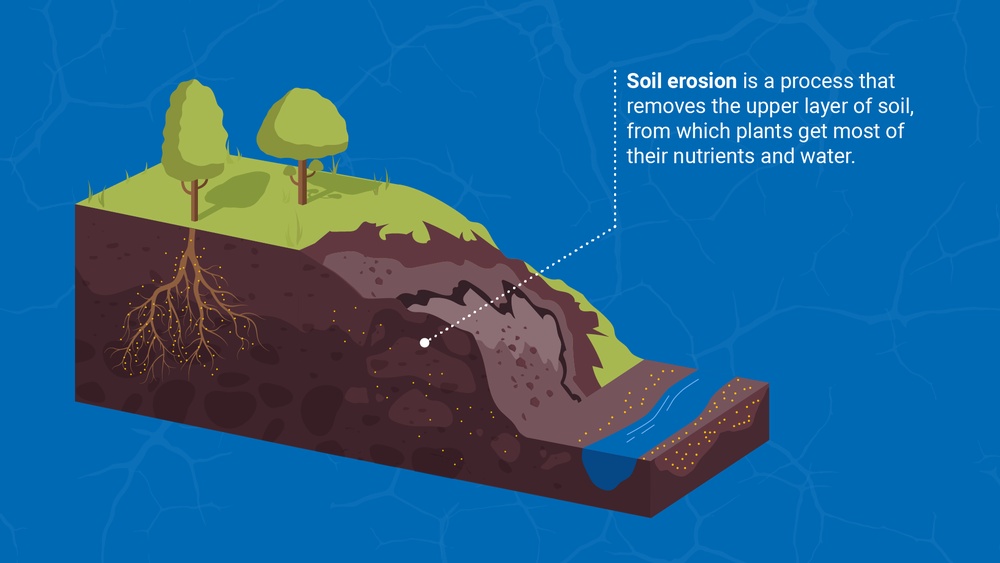
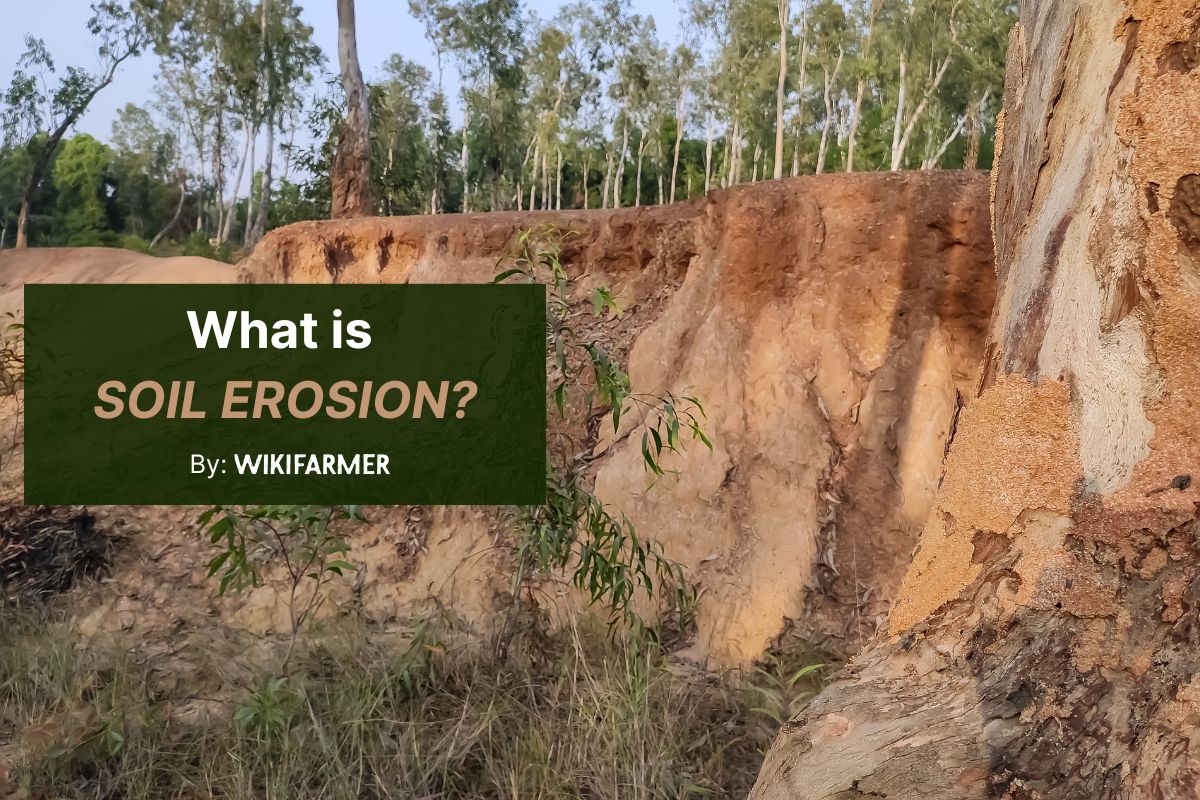
Soil erosion is the displacement of the upper layer of soil, primarily caused by the dynamic forces of water, wind, ice, or human intervention. The process can occur slowly over centuries or rapidly, causing severe land degradation in just a few years.
The Mechanics Of Soil Erosion
The process typically unfolds in three stages:
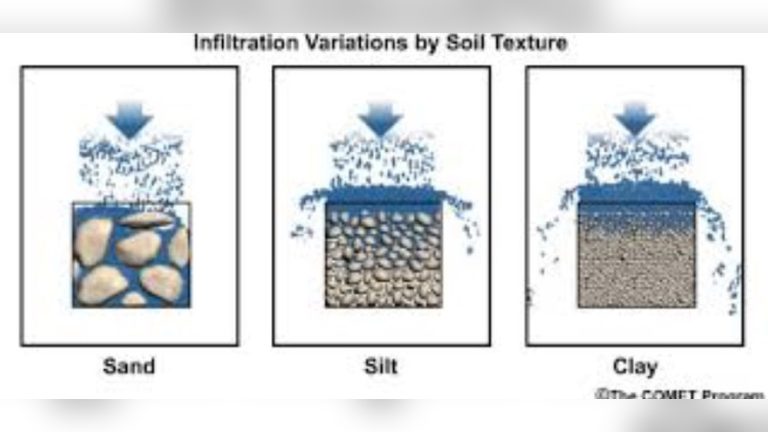
- Detachment: Soil particles are loosened from the ground surface by forces such as raindrop impact, wind gusts, or mechanical disturbance. The intensity and frequency of detachment depend on soil composition, moisture content, and surface conditions. For example, sandy soils are more prone to detachment than clay soils due to their larger particle size and lower cohesion.
- Transport: Detached particles are moved by agents such as water or wind. Water can transport soil as surface runoff, sheet flow, or in turbulent streams, while wind lifts and carries particles over vast distances. The transportation phase is often influenced by landscape features, such as hills, valleys, and human-made structures, which can either accelerate or slow the movement of soil.
- Deposition: Particles settle in new locations, often causing sedimentation in valleys, water bodies, or flat plains. Deposition can lead to the formation of fertile floodplains or, conversely, create sedimentation problems in reservoirs, lakes, and irrigation canals.
The severity of soil erosion depends on several factors, including soil type, topography, vegetation cover, and climate. For example, soils with high organic matter and a well-developed structure are more resistant to erosion, while areas with steep slopes and minimal vegetation are highly vulnerable.
Types Of Soil Erosion
Soil erosion manifests in several forms:
- Sheet erosion: Thin, uniform removal of soil across a large area. Often difficult to detect, sheet erosion can gradually strip away the most nutrient-rich layer, reducing soil fertility and crop productivity. It is common in agricultural fields with insufficient ground cover.
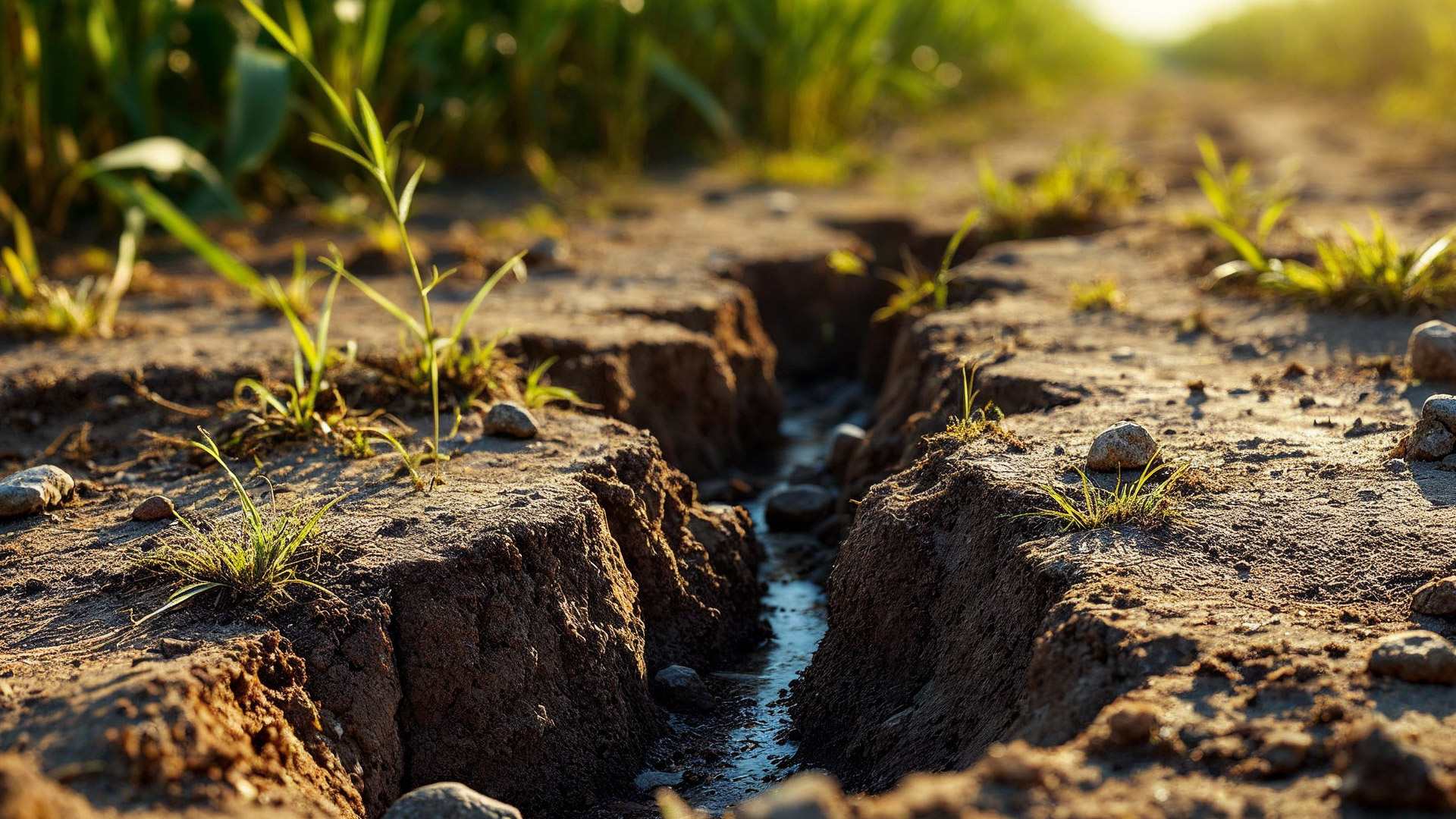
- Rill erosion: Small channels form as runoff concentrates, carving shallow paths. Rills are often less than 30 cm deep but can merge to form larger gullies. Rill erosion is easily observed after heavy rainfall and is a precursor to more severe erosion forms.
- Gully erosion: Deep, wide channels develop, which can render land unusable. Gullies can expand rapidly, especially in areas with loose soils and poor land management. They disrupt infrastructure and fragment agricultural land, making cultivation and movement difficult.
- Wind erosion: Fine soil particles are lifted and transported by strong winds. This is particularly problematic in arid and semi-arid regions, where vegetation is sparse. Wind erosion can create dust storms that degrade air quality and deposit sediment far from the source.
- Tillage erosion: Soil displacement due to repeated plowing and mechanical disturbance. This form of erosion is often overlooked but can significantly impact hilly landscapes. Tillage erosion contributes to the downslope movement of soil and can reduce the effectiveness of conservation efforts.
Understanding these types is essential to identifying the specific causes and implementing appropriate mitigation strategies. For instance, sheet erosion may require increased ground cover, while gully erosion often necessitates engineering interventions such as check dams and terracing.
Global Perspective
According to the Food and Agriculture Organization (FAO), approximately 24 billion tons of fertile soil are lost each year due to erosion, impacting crop yields and water quality worldwide. Regions with intensive agriculture, deforestation, or arid climates are particularly vulnerable. Erosion is not limited to developing nations; even highly industrialized countries face challenges, especially where intensive farming and urban expansion are prevalent.
The consequences of soil erosion are felt globally, from the loss of productivity in African farmlands to sedimentation in Asian river systems and dust storms in North America. The interconnectedness of global food systems means that soil erosion in one region can affect food availability and prices elsewhere.
Why Does Soil Erosion Matter?
Soil erosion results in:
- Loss of fertile topsoil: The uppermost layer of soil contains the highest concentration of nutrients, organic matter, and microorganisms necessary for healthy plant growth. Its removal drastically reduces soil productivity.
- Reduced agricultural productivity: Crops struggle to grow in depleted soils, leading to lower yields and increased reliance on fertilizers and other inputs.
- Sedimentation of rivers and reservoirs: Sediment clogs waterways, reducing their capacity and causing flooding. It also affects aquatic habitats and water quality, threatening fish populations and clean drinking water supplies.
- Increased risk of floods and landslides: Eroded land loses its ability to absorb water, increasing runoff and the frequency of floods and landslides, which endanger human settlements and infrastructure.
- Threats to biodiversity and natural habitats: Erosion can destroy habitats for plants and animals, reduce species diversity, and disrupt ecosystem services such as pollination and water purification.
The economic cost of soil degradation is estimated to exceed $40 billion annually worldwide, according to the FAO. This figure includes lost agricultural productivity, increased water treatment costs, and damage to infrastructure.
Credit: nativeseedgroup.com
Main Causes Of Soil Erosion
Soil erosion has both natural and human-induced causes. Understanding these is key to answering “Which of the following is a cause of soil erosion? ” With precision.
Water Erosion
Water erosion is the most common and destructive form, accounting for about 56% of global soil erosion. It occurs when rainfall or surface runoff dislodges soil particles.
Factors Influencing Water Erosion
- Rainfall intensity and duration: Heavy storms cause rapid runoff and detachment. Short, intense rain events are particularly erosive, as they produce high volumes of water in a short period, overwhelming the soil’s absorption capacity.
- Slope gradient and length: Steeper and longer slopes increase erosion risk. Water accelerates as it moves downslope, gaining energy to dislodge and carry soil. Long slopes provide more space for runoff to gather and build momentum.
- Soil structure: Loosely packed soils are more vulnerable. Soils with high sand content, low organic matter, or poor aggregation are easily eroded. Soil compaction from machinery or livestock also reduces infiltration, increasing surface runoff.
Other contributing factors include land management practices, such as the removal of vegetation or improper irrigation, which can exacerbate water erosion.
Real-world Example
In the Loess Plateau of China, centuries of intense water erosion have formed vast gullies and degraded millions of hectares. Restoration projects have shown that reforestation and terracing can reduce erosion rates by up to 70% (Nature Sustainability). The Loess Plateau demonstrates the power of community-led interventions and highlights the need for tailored solutions based on local conditions.
Wind Erosion
Wind erosion mainly affects arid and semi-arid regions with sparse vegetation. Strong winds can transport vast quantities of fine soil particles over long distances.
Influencing Factors
- Vegetative cover: Bare soils are more exposed to wind. Even a thin layer of grass or shrubs can significantly reduce wind speed at the surface and protect soil from erosion.
- Soil moisture: Dry soils are easily picked up by wind. Moisture acts as a binding agent, increasing soil cohesion and resistance to wind forces.
- Wind velocity: Higher speeds increase soil loss. Prolonged periods of strong wind, especially during dry seasons, can strip away large amounts of topsoil.
Additional factors include land use changes such as clearing for agriculture or construction, which remove natural windbreaks and expose soil to erosion.
Data Spotlight
During the 1930s Dust Bowl in the United States, wind erosion stripped away topsoil from over 100 million acres, causing mass migration and agricultural collapse (Encyclopedia Britannica). The Dust Bowl was exacerbated by drought and poor farming practices, including the use of deep plowing that left soil exposed.
Human Activities: Deforestation, Overgrazing, And Agriculture
Humans are now the dominant force accelerating soil erosion beyond natural rates.
Deforestation
Removing forests eliminates the protective canopy and root systems that stabilize soil, leading to increased runoff and erosion. Forests provide multiple layers of protection; leaves intercept rainfall, roots bind soil, and organic matter improves soil structure.
- Example: In the Amazon Basin, deforestation for agriculture has resulted in severe soil erosion, loss of nutrients, and sedimentation of rivers (WWF). The loss of rainforest cover has not only accelerated erosion but also contributed to changes in regional climate and water cycles.
Overgrazing
Excessive grazing by livestock removes ground cover and compacts soil, making it more susceptible to both wind and water erosion. Overgrazing reduces plant diversity, weakens root systems, and exposes soil to the elements.
- Case Study: In Sub-Saharan Africa, overgrazing has contributed to desertification and the loss of productive pasturelands. Livestock pressure is often intensified by population growth and limited access to alternative grazing areas.
Unsustainable Agricultural Practices
- Tillage: Frequent plowing disturbs soil structure, exposes it to erosion. Tillage also breaks up soil aggregates and reduces organic matter, making soil more prone to both water and wind erosion.
- Monoculture planting: Leaves soil bare for long periods. Large-scale monocultures often lack crop rotation and ground cover, creating windows when soil is exposed and vulnerable.
- Irrigation mismanagement: Causes salinization and further erosion. Over-irrigation can lead to runoff and waterlogging, while under-irrigation leaves soil dry and susceptible to wind erosion.
Additional unsustainable practices include the use of heavy machinery, failure to maintain buffer zones, and neglecting soil conservation measures.
Comparison Table: Natural Vs Human-induced Erosion
| Cause | Description | Example Region | Relative Impact |
|---|---|---|---|
| Water (Rainfall) | Surface runoff detaches and transports soil | Loess Plateau, China | Very High |
| Wind | Strong winds blow away topsoil in dry regions | Great Plains, USA | High |
| Deforestation | Loss of trees increases vulnerability to erosion | Amazon Basin, Brazil | Very High |
| Overgrazing | Livestock removes protective vegetation | Sahel, Africa | High |
| Tillage | Plowing disrupts soil stability | Midwest, USA | Moderate |
Climate Change
Changes in climate patterns intensify soil erosion in several ways:
- Increased rainfall intensity: Heavier storms produce more runoff, overwhelming the soil’s capacity to absorb water and increasing erosion rates.
- Droughts: Reduce vegetative cover, exposing soil to wind erosion. Extended dry periods limit plant growth and root development, leaving soil bare and vulnerable.
- Temperature rise: Alters plant growth and soil moisture dynamics. Warmer temperatures can accelerate evaporation, reduce soil moisture, and affect the timing and distribution of vegetation cover.
According to a study published in Catena Journal, climate change could increase global soil erosion by 30–60% by 2070 if current trends continue. This projection underscores the importance of adaptive land management and climate resilience strategies.
Urbanization And Construction
Urban development strips away vegetation, compacts soil, and alters natural drainage patterns, increasing both runoff and erosion. Construction activities often leave large areas of soil exposed, subjecting them to rapid erosion during storms.
- Example: In rapidly expanding cities like Lagos, Nigeria, poorly managed construction sites are major sources of sediment pollution in nearby rivers. Urban sprawl also disrupts natural water flow, leading to increased flooding and soil loss.
Urbanization’s impact is compounded by increased impervious surfaces such as roads and buildings, which prevent water infiltration and concentrate runoff.
Mining And Industrial Activities
Open-pit mining, road construction, and other industrial operations remove topsoil and disturb the land, leaving it highly susceptible to erosion. Mining often involves large-scale excavation, creating loose, unstable soils that are rapidly eroded by wind and rain.
- Case Study: In the Appalachian region of the USA, mountaintop removal mining has led to severe erosion and downstream sedimentation, affecting water quality and aquatic life. Industrial expansion without proper soil management can permanently alter landscapes and create long-term erosion problems.
Credit: www.azolifesciences.com
Impacts Of Soil Erosion: Environmental, Economic, And Social Dimensions
Soil erosion’s consequences ripple far beyond the immediate loss of land. Its impacts are environmental, economic, and social, threatening the sustainability of communities and ecosystems.
Environmental Impacts
- Loss of Soil Fertility: Topsoil contains the majority of nutrients and organic matter needed for plant growth. Its loss reduces land productivity and biodiversity. Depleted soils require more fertilizer and water to maintain yields, increasing costs and environmental impacts.
- Sedimentation of Water Bodies: Eroded soil often ends up in rivers, lakes, and reservoirs, decreasing water quality and storage capacity. Sediment can carry pesticides, fertilizers, and other pollutants, harming aquatic life and human health.
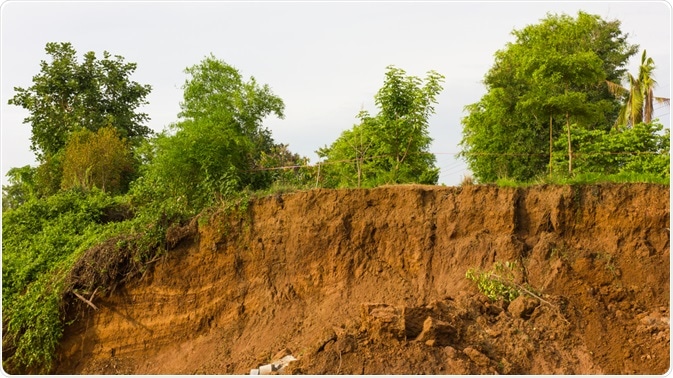
- Increased Flooding and Landslides: As soil structure degrades, water infiltration decreases, and runoff increases, raising the risk of floods and landslides. Erosion can destabilize slopes, leading to catastrophic land movement and property damage.
Erosion also disrupts ecosystem functions such as nutrient cycling, water purification, and habitat provision, affecting the resilience of natural systems.
Economic Impacts
- Reduced Crop Yields: According to the United Nations Environment Programme (UNEP), soil erosion causes annual losses equivalent to 0.3% of global cereal production (UNEP). This loss is equivalent to millions of tons of food, impacting global markets and food security.
- Rising Costs: Farmers spend more on fertilizers and soil amendments to compensate for lost nutrients. Additional costs include erosion control measures, irrigation, and infrastructure repairs.
- Infrastructure Damage: Sediment buildup in reservoirs and rivers increases maintenance costs and reduces hydroelectric capacity. Flooding caused by erosion can damage roads, bridges, and buildings, requiring expensive repairs.
Erosion can also reduce land values, affect investment decisions, and create long-term economic burdens for communities.
Social Impacts
- Food Insecurity: Reduced agricultural productivity can lead to higher food prices and scarcity. Vulnerable populations are most affected, with limited access to alternative food sources.
- Migration and Displacement: Severe erosion has forced populations to relocate, as seen during the Dust Bowl era. Loss of arable land can create “environmental refugees,” increasing pressure on urban areas and social services.
- Loss of Cultural Heritage: Degraded landscapes can threaten sites of cultural or historical significance. Traditional farming practices and community identities may be lost as erosion forces changes in land use.
Erosion’s social impacts often intersect with broader issues such as poverty, inequality, and conflict, making integrated solutions essential.
Real-world Example: The Dust Bowl
The 1930s Dust Bowl in the US is a stark reminder of how a combination of drought, wind, and poor land management can devastate entire regions. Over 2. 5 million people were displaced as farms became unproductive, and towns were abandoned.
The Dust Bowl led to significant changes in land management policies and public awareness about soil conservation.
Data Table: Key Soil Erosion Statistics
| Metric | Global Value | Source |
|---|---|---|
| Annual Soil Loss | 24 billion tons | FAO |
| Share of Erosion by Water | 56% | FAO |
| Share of Erosion by Wind | 28% | FAO |
| Economic Cost | $40+ billion/year | FAO |
| Impact on Crop Yields | 0.3% global loss/year | UNEP |
Preventing And Mitigating Soil Erosion
Preventing soil erosion requires a combination of traditional knowledge, modern science, and strong policy frameworks. Strategies focus on enhancing soil cover, improving land use practices, and restoring degraded landscapes.
Vegetative Cover And Reforestation
Planting trees, shrubs, and grasses provides a natural barrier against erosion. Roots anchor soil, while foliage reduces the impact of raindrops and wind.
- Agroforestry: Integrates trees with crops and livestock, boosting resilience. Agroforestry also diversifies income sources and improves microclimate conditions, promoting sustainable livelihoods.
- Cover crops: Planted between main crops to protect soil during off-seasons. Cover crops enhance soil structure, suppress weeds, and reduce erosion risk during vulnerable periods.
Additional vegetative strategies include grassed waterways, buffer strips, and riparian plantings, which protect sensitive areas and filter runoff.
Conservation Agriculture
Conservation tillage and no-till farming minimize soil disturbance, preserving structure and organic matter.
- Crop rotation: Varying crops improves soil health and reduces erosion risk. Rotating deep-rooted and shallow-rooted crops enhances soil stability and nutrient cycling.
- Mulching: Applying organic or synthetic materials helps retain moisture and prevent runoff. Mulch also promotes beneficial soil organisms and reduces temperature extremes.
Conservation agriculture emphasizes integrated pest management, efficient water use, and soil monitoring to optimize productivity and minimize erosion.
Engineering Solutions
- Terracing: Converts steep slopes into flat steps, slowing water flow. Terracing can dramatically reduce runoff velocity and soil loss, especially in mountainous regions.
- Contour plowing: Follows the land’s contour lines, reducing runoff velocity. Contour plowing increases water infiltration and creates natural barriers to soil movement.
- Check dams and silt fences: Trap sediment before it leaves the field. These structures can be temporary or permanent and are often used in combination with vegetative measures.
Other engineering approaches include constructing retention ponds, grading slopes, and installing drainage systems to manage water and stabilize soil.
Policy And Community Engagement
- Land management policies: Governments can incentivize sustainable practices and penalize destructive ones. Policies may include subsidies for conservation measures, zoning restrictions, and mandatory erosion control standards.
- Community-led initiatives: Local participation ensures practices are culturally appropriate and sustained. Community engagement fosters ownership, knowledge sharing, and adaptation to changing conditions.
Successful soil conservation often involves partnerships between government agencies, NGOs, academic institutions, and local stakeholders.
Case Study: Ethiopia’s Terracing Revolution
In Ethiopia’s Tigray region, community-driven terracing and reforestation have reclaimed degraded hillsides, reducing soil loss and boosting agricultural yields by up to 60% (Scientific American). The Ethiopian experience demonstrates the importance of grassroots action and long-term commitment to restoration.
Table: Common Erosion Control Methods And Their Effectiveness
| Control Method | Description | Effectiveness | Applicability |
|---|---|---|---|
| Reforestation | Planting trees on degraded land | High | Hillslopes, riverbanks |
| Terracing | Creating stepped fields on slopes | Very High | Mountainous regions |
| No-till farming | Reducing soil disturbance in agriculture | Moderate-High | Croplands |
| Cover Crops | Non-harvested crops to shield soil | High | Farms, gardens |
| Check Dams | Small barriers in channels | Moderate | Watersheds, gullies |
Urban And Industrial Approaches
- Erosion control blankets: Used on construction sites to stabilize exposed soils. These blankets are made from natural fibers or synthetic materials and are designed to protect soil until vegetation is established.
- Stormwater management: Proper drainage reduces surface runoff and sediment transport. Urban planners increasingly use permeable pavements, rain gardens, and retention basins to mitigate runoff and erosion.
Industrial operations can adopt best management practices, including regular monitoring, site rehabilitation, and the use of erosion-resistant materials.
Education And Awareness
Public education campaigns can teach communities about the dangers of soil erosion and the importance of sustainable practices. Schools, agricultural extension services, and media play key roles. Long-term success requires changing attitudes, building capacity, and creating incentives for conservation.
Soil Erosion Around The World: Regional Case Studies
Soil erosion is a global phenomenon, but its causes and impacts vary by region due to climate, land use, and socio-economic factors.
The Loess Plateau, China
Once called the “most eroded place on Earth,” the Loess Plateau suffered from millennia of unsustainable farming and deforestation. Innovative restoration, including reforestation and terracing, has turned parts of the plateau green again, improving food security and reducing dust storms (Wikipedia). The transformation is a testament to the effectiveness of large-scale, coordinated erosion control efforts.
The Sahel, Africa
The Sahel region faces chronic overgrazing, drought, and population pressure. Soil erosion has contributed to desertification, reducing arable land and threatening livelihoods. Community reforestation and water harvesting efforts are helping to reverse some damage. Projects such as the “Great Green Wall” aim to restore vegetation, slow erosion, and improve resilience to climate change.
United States Midwest
Intensive agriculture, especially monoculture corn and soybean farming, has led to substantial soil loss. The adoption of conservation tillage and cover crops is gradually restoring soil health and reducing erosion rates. Government programs such as the Conservation Reserve Program (CRP) support farmers in implementing sustainable practices.
Amazon Rainforest, Brazil
Large-scale clearing for cattle ranching and soybean production has stripped vast areas of protective forest cover. The resulting soil erosion has led to river siltation and loss of biodiversity. Local and international efforts focus on promoting sustainable land use, enforcing regulations, and protecting remaining forest areas.
European Union
The EU estimates that 12 million hectares—about 7% of total agricultural land—are affected by moderate to severe soil erosion. Policy frameworks like the Common Agricultural Policy (CAP) now incentivize farmers to adopt soil conservation practices (European Commission). The European Soil Strategy emphasizes research, monitoring, and integrated management.
The Role Of Technology And Innovation In Combating Soil Erosion
Modern science and technology offer new tools and techniques to monitor, prevent, and remediate soil erosion.
Remote Sensing And Gis
Satellite imagery and geographic information systems (GIS) enable real-time monitoring of erosion hotspots, land use changes, and the effectiveness of mitigation efforts. These technologies provide detailed maps, track changes over time, and support decision-making at local and regional scales.
- Example: The Global Soil Erosion Modelling (GloSEM) project uses satellite data to map erosion risk worldwide. GloSEM helps prioritize interventions and measure progress toward sustainability goals.
Precision Agriculture
Drones, sensors, and automated equipment help farmers optimize planting, irrigation, and soil management, reducing erosion potential.
- Soil moisture sensors: Guide irrigation schedules to prevent overwatering and runoff. Timely irrigation ensures soil remains cohesive and less vulnerable to erosion.
- Variable-rate technology: Applies fertilizers and amendments only where needed, reducing runoff and improving soil health.
Precision agriculture also integrates weather forecasting, crop modeling, and data analytics to refine management practices and improve resilience.
Innovative Materials
- Biodegradable erosion control mats: Stabilize soil on slopes and construction sites. Mats provide temporary protection until vegetation establishes, reducing the risk of erosion during critical periods.
- Polymer soil binders: Temporarily hold loose soil particles in place during revegetation. These materials are increasingly used in restoration projects and urban landscaping.
Other innovations include water-retaining gels, advanced mulches, and soil conditioners that enhance stability and promote plant growth.
Data Table: Traditional Vs Technological Erosion Control Approaches
| Approach | Traditional Methods | Technological Methods |
|---|---|---|
| Monitoring | Visual inspection, field surveys | Satellite, drone imagery, GIS |
| Implementation | Manual terracing, planting | Automated seeding, precision irrigation |
| Materials | Mulch, straw, rocks | Erosion control mats, polymers |
| Assessment | Yield measurement, sediment traps | Sensor data, remote analytics |
Policy And Research
Continued investment in research, innovation, and international cooperation is crucial for advancing soil conservation. Programs like the Global Soil Partnership support knowledge exchange and policy development (FAO Global Soil Partnership). Collaborative research improves understanding of erosion dynamics, develops new solutions, and ensures policies are grounded in science.
Frequently Asked Questions
What Is The Most Common Cause Of Soil Erosion?
The most common cause of soil erosion is water erosion, particularly from rainfall and surface runoff. Intense storms and improper land management accelerate the detachment and transport of soil particles. Water erosion is often exacerbated by removal of vegetation and poor soil structure.
How Does Deforestation Contribute To Soil Erosion?
Deforestation removes trees and vegetation that protect the soil. Without roots to anchor it or a canopy to reduce rainfall impact, soil becomes highly susceptible to erosion by water and wind. Deforestation also alters microclimates, reduces organic matter input, and can trigger feedback loops of degradation.
Can Soil Erosion Be Reversed?
In many cases, soil erosion can be reversed or reduced through reforestation, terracing, cover crops, and sustainable farming techniques. However, severe gully erosion and desertification may require long-term restoration efforts. Reversal depends on the extent of degradation, available resources, and community commitment.
What Are The Signs Of Soil Erosion On Farmland?
Common signs include rills and gullies, exposed roots, loss of topsoil, sediment buildup at the bottom of slopes, and declining crop yields. Early detection is key to effective intervention. Other indicators may include changes in soil color, reduced soil moisture, and increased weed growth.
Why Is Soil Erosion A Threat To Food Security?
Soil erosion reduces soil fertility and agricultural productivity, leading to lower crop yields and higher food prices. In extreme cases, it can render land unusable and force people to abandon farming. Erosion also increases vulnerability to climate shocks and diminishes the resilience of food systems.
Soil erosion is both an ancient and modern challenge, shaped by natural forces and intensified by human activity. By understanding its causes—from rainfall and wind to deforestation and unsustainable agriculture—we can better protect the precious layer of earth that sustains life.
Armed with knowledge, technology, and a commitment to stewardship, communities and policymakers can work together to slow, stop, and even reverse soil erosion, ensuring fertile ground for generations to come.