Is Soil a Nonrenewable Resource Like Fish
Soil is often taken for granted—a silent partner in global food security, climate regulation, and the intricate web of life on land. But as concerns about environmental sustainability grow, so too does the urgency to understand the true nature of our natural resources.
Is soil, like fish, a nonrenewable resource? The answer is more complex than it first appears. Both soil and fish are subject to renewal processes, but the rate at which humans deplete them far outpaces their natural recovery, raising profound questions about their long-term sustainability.
The very ground beneath our feet is under unprecedented pressure. Urbanization, intensive agriculture, deforestation, and climate change are all accelerating soil degradation worldwide. Meanwhile, global fish stocks are in a similarly precarious state, with overfishing threatening to push many species past the point of recovery.
By examining the similarities and differences between soil and fish as resources, we can better understand the stakes—and the actions required—to preserve them for future generations.
Key Takeaways
- Soil and fish are both technically renewable, but human exploitation can make them functionally nonrenewable.
- The timescale for natural soil regeneration is extremely slow compared to human consumption.
- Global soil degradation and overfishing both threaten food security and ecosystem health.
- Policy, technology, and sustainable practices are critical to reversing resource depletion trends.
- Understanding soil’s role in the environment is as crucial as protecting marine resources.
Defining Renewable And Nonrenewable Resources
What Makes A Resource Renewable?
A renewable resource is one that can naturally replenish itself over a human timescale, meaning its rate of regeneration matches or exceeds the rate of consumption. Classic examples include solar energy, wind, and timber (when forests are managed sustainably). For biological resources, renewability depends on whether natural processes or human stewardship allow stocks to recover after use.
In practice, a renewable resource’s sustainability depends not only on natural cycles but also on responsible management. For instance, forests can be harvested for timber and regrown, but only if logging rates do not exceed regrowth rates and replanting is practiced.
Similarly, fish populations can be fished sustainably if harvests are regulated to allow breeding populations to maintain and replenish their numbers.
The Criteria For Nonrenewability
In contrast, a nonrenewable resource is one that forms at a pace far slower than its consumption or cannot be replaced at all within practical timeframes. Fossil fuels like coal and oil, and minerals such as copper or gold, are considered nonrenewable because their formation takes millions of years.
Nonrenewable resources are finite. Once depleted, they are essentially gone for the foreseeable future. This is why societies are increasingly looking for alternatives to fossil fuels and emphasizing recycling and resource efficiency for nonrenewable minerals.
The Gray Area: Renewable In Theory Vs. Practice
Some resources, such as soil and fish, occupy a gray area. While both are naturally regenerated, their renewal rates can be drastically outpaced by human exploitation. When this occurs, they functionally become nonrenewable resources—effectively lost for generations.
This gray area highlights the crucial distinction between theoretical renewability and practical sustainability. A resource may be classified as renewable, but if management fails, it can be lost for the duration of several human lifetimes—making the distinction more than just academic.
How Soil And Fish Fit Into These Definitions
- Soil: Forms through weathering of rocks and accumulation of organic material. This process is extremely slow—forming just 1–2 centimeters can take 100–1,000 years.
- Fish: Reproduce naturally, but population recovery depends on breeding cycles, habitat health, and fishing pressure.
Understanding these definitions is essential for informed resource management and environmental policy. Policy interventions, such as quotas and protected areas, play a critical role in maintaining the balance between use and replenishment.
Credit: learnaboutag.org
Soil Formation And Depletion: A Closer Look
The Science Of Soil Formation
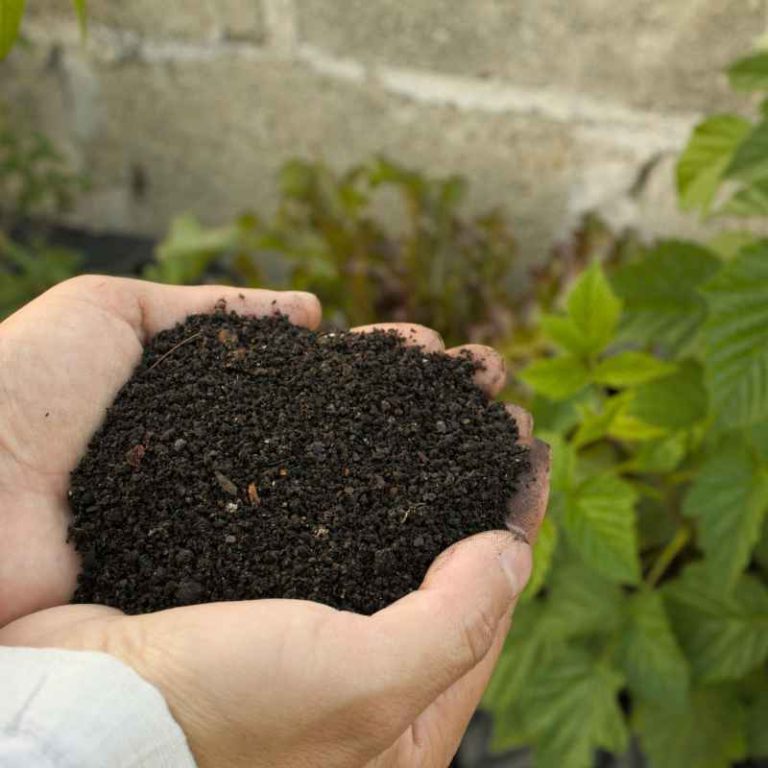
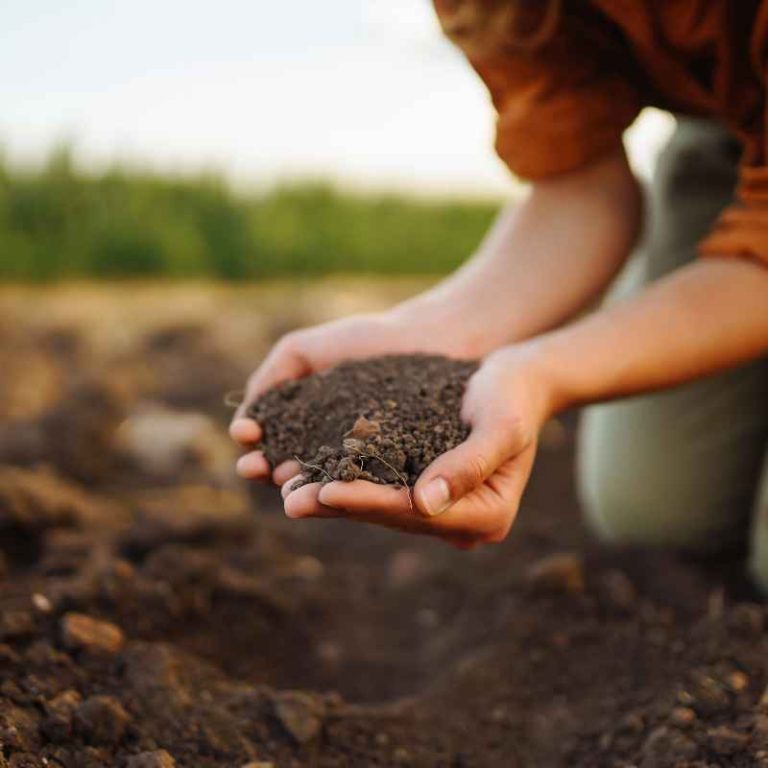
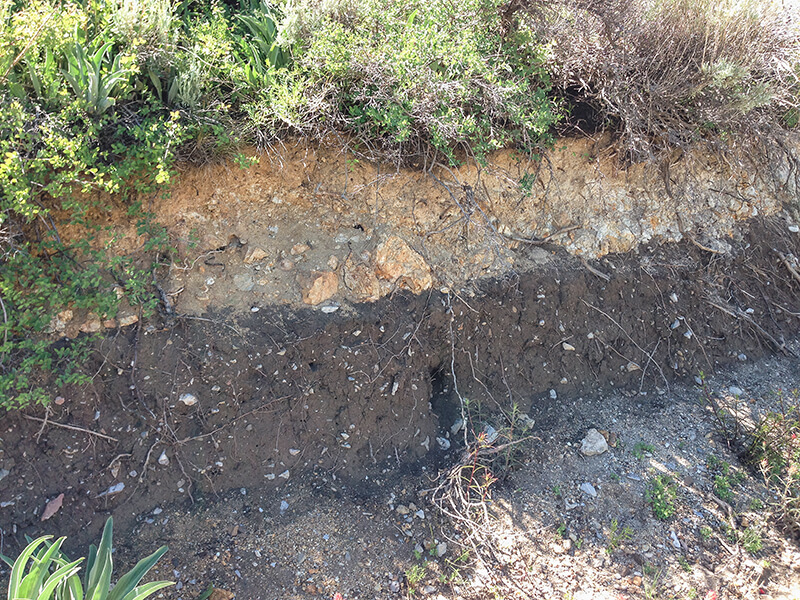
Soil is formed through the weathering of rocks and the gradual accumulation of organic matter from decaying plants and animals. The process is influenced by:
- Climate: Temperature and precipitation affect weathering rates. For example, warmer, wetter climates tend to produce soil more quickly than cold, arid regions, but also experience higher rates of organic matter decomposition.
- Parent Material: The mineral composition of underlying rock determines soil texture, mineral content, and fertility. Basaltic rocks, for instance, often lead to fertile soils, while quartz-rich rocks may be less productive.
- Topography: Slope and drainage impact soil depth and development. Steeper slopes are more prone to erosion, limiting soil depth, while flat areas allow for deeper soils to accumulate.
- Biological Activity: Roots, microbes, and earthworms break down material and mix soil layers. The presence of a diverse soil biota is critical for nutrient cycling and soil structure.
- Time: Soil formation is a slow process, often taking centuries to develop a few centimeters of fertile topsoil. The interplay of all these factors makes soil a non-uniform resource, with different regions experiencing varying rates of soil development and degradation.
Natural Rates Of Soil Formation Vs. Erosion
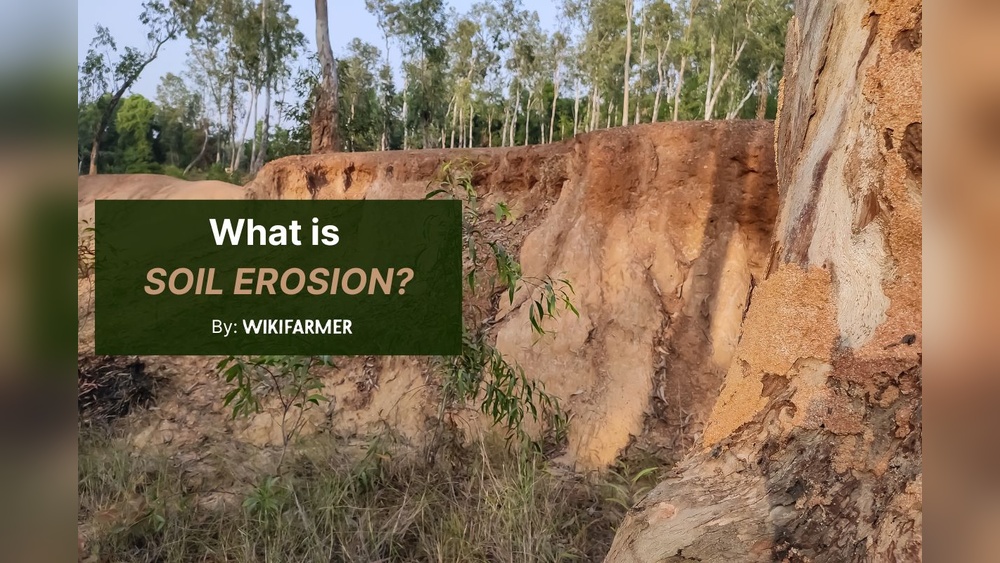
A critical issue is the disparity between soil formation rates and erosion rates. Globally, soil erosion often outpaces soil creation by 10–40 times, according to the Food and Agriculture Organization (FAO). Human activities—especially intensive agriculture—accelerate erosion dramatically.
This imbalance has led to the loss of an estimated 24 billion tons of fertile soil each year worldwide. The implications are severe: as soil erodes, nutrients and organic matter are lost, reducing agricultural productivity and increasing dependency on chemical fertilizers, which can further degrade soil health.
| Region | Average Soil Formation Rate (mm/year) | Average Soil Erosion Rate (mm/year) |
|---|---|---|
| North America | 0.01–0.02 | 0.5–2.0 |
| Europe | 0.01–0.03 | 1.0–3.0 |
| Asia | 0.01–0.03 | 1.5–5.0 |
Human Impacts On Soil Degradation
Major contributors to soil degradation include:
- Deforestation: Removes protective vegetation, increasing erosion. When tree cover is cleared for agriculture or development, rain and wind can strip topsoil rapidly.
- Overgrazing: Livestock strip plant cover, exposing soil. In arid and semi-arid regions, overgrazing is a leading cause of desertification.
- Monoculture Farming: Reduces soil biodiversity and structure. Repeated planting of the same crop can deplete specific nutrients, increase susceptibility to pests, and reduce organic matter.
- Urbanization: Seals soil under concrete, halting its ecological function. Urban sprawl not only reduces the land available for farming but also disrupts natural water filtration and local climates.
- Pollution: Contaminants reduce soil fertility and ecosystem health. Heavy metals, pesticides, and industrial waste can render soil toxic, impacting food safety and biodiversity.
Worldwide, about 33% of land is moderately to highly degraded according to the United Nations, affecting over 3. 2 billion people—nearly half the world’s population.
Case Study: The Dust Bowl, Usa
In the 1930s, unsustainable farming practices in the US Great Plains led to massive soil erosion, creating the Dust Bowl. Over 100 million acres of once-fertile farmland were devastated, and thousands of families were forced to migrate. Recovery required decades of conservation efforts and remains a cautionary tale of soil nonrenewability.
The Dust Bowl catalyzed the development of soil conservation programs in the U. S. , including the establishment of the Soil Conservation Service (now the Natural Resources Conservation Service). These efforts promoted contour plowing, windbreaks, and crop rotation, all practices now recognized as essential for preserving soil health.

Credit: education.nationalgeographic.org
The State Of Global Fisheries: Parallels With Soil
Fish As A Biological Resource
Fish stocks can, in theory, replenish themselves through natural reproduction. The key variables are:
- Reproductive Rate: How quickly fish populations can grow. Some species, like sardines, can rebound within a few years, while others, like orange roughy, may take decades to mature and reproduce.
- Harvest Pressure: The rate at which humans remove fish from the ecosystem. Unsustainable harvests can quickly drive populations below recovery thresholds.
- Ecosystem Health: Water quality, habitat, and food availability. Pollution, habitat destruction (such as coral reef loss), and climate change all impact fish survival and breeding success.
Overfishing And Its Consequences
According to the United Nations Food and Agriculture Organization (FAO), over 34% of the world’s fish stocks are overfished (FAO State of Fisheries). This means that fish are being caught faster than they can reproduce, pushing stocks toward collapse.
- Depleted Populations: Some fish, such as Atlantic cod, have seen populations crash by over 90%. The loss of such keystone species can reverberate throughout marine ecosystems, altering predator-prey dynamics and ecosystem structure.
- Ecosystem Impact: Overfishing can destabilize marine food webs, affecting other species. By removing large predators, for example, smaller fish and invertebrate populations can boom, sometimes leading to outbreaks of pest species.
Regeneration Vs. Exploitation
Like soil, fish stocks can only be considered renewable when harvest rates do not exceed regeneration rates. Overexploitation, habitat destruction, and pollution can make recovery impossible within a human lifetime.
Notably, illegal, unreported, and unregulated (IUU) fishing remains a significant barrier to sustainable fisheries management, undermining conservation efforts and threatening the livelihoods of law-abiding fishers.
Case Study: The Collapse Of The Newfoundland Cod Fishery
In the early 1990s, the Newfoundland cod fishery—once one of the world’s richest—collapsed due to decades of overfishing. Despite a moratorium, cod stocks have yet to fully recover more than 30 years later, illustrating how overexploited biological resources can become functionally nonrenewable.
The collapse devastated local economies and disrupted centuries-old cultural traditions. It also underscored the importance of science-based quotas and the dangers of political and economic pressure overriding ecological limits.

Credit: www.youtube.com
Comparing Soil And Fish As Resources
Similarities: Why Both Are At Risk
- Human Dependence: Both are foundational for food security. Nearly all terrestrial food systems depend on healthy soil, while billions rely on fish for essential nutrients.
- Slow Regeneration: Natural replenishment is often outpaced by exploitation. Once lost, soil and fish populations can take decades or centuries to recover, if at all.
- Ecosystem Services: Soil regulates water, supports plant growth, and stores carbon; fish maintain aquatic ecosystem balance. The loss of either resource has ripple effects throughout food webs and ecosystems.
- Susceptibility to Degradation: Unsustainable practices can rapidly degrade both. Without intervention, degradation can reach tipping points beyond which recovery is highly uncertain.
Key Differences
| Aspect | Soil | Fish |
|---|---|---|
| Regeneration Timescale | Centuries to millennia | Years to decades |
| Mobility | Stationary | Highly mobile |
| Main Degradation Process | Erosion, contamination | Overfishing, habitat loss |
| Potential for Restoration | Very slow, costly | Possible with recovery periods |
| Direct Human Control | High (land management) | Moderate (regulations, protected areas) |
The Issue Of “functional Nonrenewability”
Even though both soil and fish can technically regenerate, intense human exploitation can make them functionally nonrenewable. When loss or depletion occurs faster than recovery, these resources are effectively lost for generations or even permanently.
The shift from renewable to nonrenewable status is not just an academic distinction. It can mark the difference between sustainable livelihoods and economic collapse, between resilient ecosystems and ecological crises.
Example: Agricultural Expansion Vs. Fishery Collapse
- Agricultural Expansion: Clearing forests for agriculture often strips soil of its nutrients and structure. In tropical regions, this can render land infertile within a few years. In Brazil’s Amazon, for example, soil fertility declines rapidly after deforestation due to the loss of nutrient cycling.
- Fishery Collapse: When fishing exceeds sustainable limits, stocks can collapse, sometimes irreversibly if breeding populations are wiped out. The loss of spawning grounds and bycatch of juvenile fish can further undermine recovery.
The Environmental And Societal Impacts Of Soil And Fish Depletion
Soil Degradation Consequences
- Food Security: Loss of fertile soil reduces agricultural yields and increases vulnerability to famine. In Sub-Saharan Africa, land degradation is a direct contributor to chronic hunger and malnutrition.
- Water Quality: Eroded soil can carry pesticides and fertilizers into waterways, causing algal blooms and pollution. This runoff can contaminate drinking water supplies and create dead zones in rivers, lakes, and coastal areas.
- Carbon Cycle Disruption: Healthy soils store carbon; degradation releases CO₂, contributing to climate change. Globally, soil degradation contributes to an estimated 4.4 billion tons of carbon emissions annually.
- Biodiversity Loss: Soil hosts a quarter of the planet’s biodiversity, including vital microbes and insects. Declining soil health threatens the organisms that drive nutrient cycling, pest control, and plant growth.
Overfishing Consequences
- Reduced Protein Supply: Over 3 billion people rely on fish as their primary protein source (WWF). In regions like Southeast Asia and West Africa, fish are irreplaceable in local diets.
- Economic Instability: Fishing communities face collapse when stocks dwindle. The loss of income and employment can have cascading effects on education, health, and social stability.
- Ecosystem Imbalance: Removing key species can cause cascading effects throughout marine environments. For example, the decline of predatory fish can lead to population booms in smaller fish and invertebrates, altering ecosystem dynamics.
Case Study: Madagascar’s Soil Crisis
Madagascar’s unique biodiversity is under threat due to widespread deforestation and soil erosion. The island loses an estimated 400 tons of soil per hectare each year, leading to declining crop yields and increased poverty (Nature).
This crisis highlights the interconnectedness of ecological, economic, and social systems. As soil fertility declines, farmers clear more land, perpetuating a cycle of degradation and poverty.
Case Study: Lake Victoria’s Fisheries
Lake Victoria, Africa’s largest lake, once supported a thriving fishery. Overfishing, pollution, and invasive species have caused dramatic declines in native fish populations, threatening food security for millions (National Geographic).
Efforts to restore the lake’s fisheries now include fishing bans, gear restrictions, and restocking programs, but success is hampered by poverty, weak enforcement, and ongoing environmental pressures.
Strategies For Sustainable Management
Soil Conservation Practices
- No-Till Agriculture: Reduces erosion and improves soil structure. By leaving crop residues on the field, no-till farming maintains organic matter and reduces water runoff.
- Cover Cropping: Keeps soil protected year-round, enhancing fertility. Cover crops such as clover or rye add nutrients and organic matter, suppress weeds, and prevent erosion.
- Agroforestry: Integrates trees into farming systems, stabilizing soil. Tree roots anchor soil and provide shade, windbreaks, and habitat for beneficial organisms.
- Contour Plowing: Follows land contours to minimize runoff. This method slows water flow, reducing soil loss and water pollution.
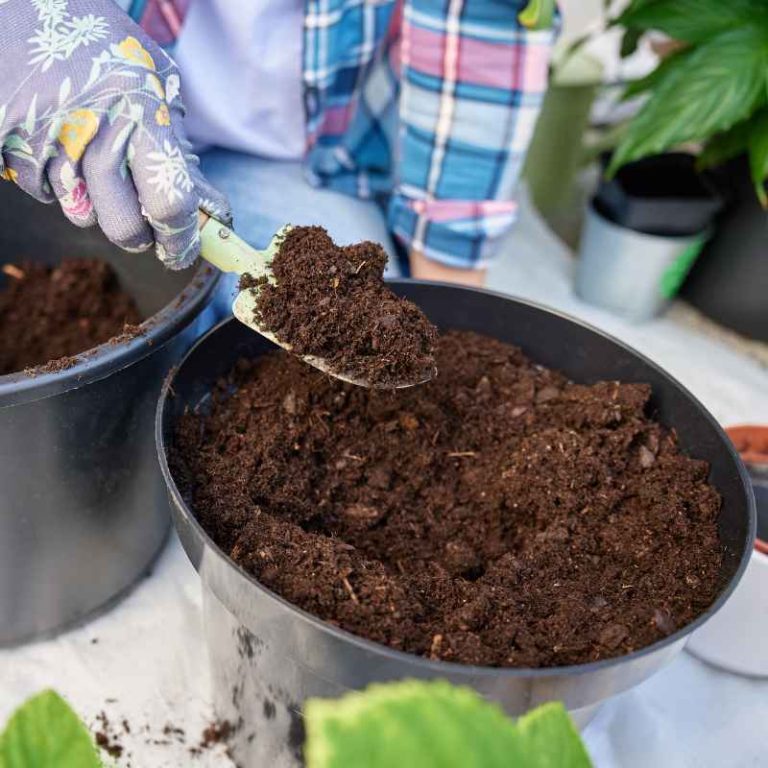
- Organic Amendments: Adds compost and manure to boost organic matter. Increased organic matter improves soil structure, fertility, and water-holding capacity.
Restoring Degraded Soils
Restoration can involve:
- Reforestation: Planting trees to anchor soil. Trees improve soil structure, restore nutrient cycling, and provide habitat for wildlife.
- Soil Amendments: Adding biochar or lime to improve structure and fertility. Biochar, a form of charcoal, enhances soil’s ability to retain nutrients and water.
- Wetland Restoration: Restores natural water filtration and sediment capture. Wetlands act as natural buffers, filtering runoff and trapping sediments before they reach rivers and lakes.
Sustainable Fisheries Management
- Catch Limits: Set based on scientific population assessments. Quotas prevent overfishing and allow populations to replenish.
- Protected Areas: Designate no-fishing zones to allow recovery. Marine protected areas (MPAs) have been shown to increase fish biomass and biodiversity.
- Gear Restrictions: Prevent bycatch and habitat destruction. Selective fishing gear reduces the capture of non-target species and minimizes damage to sensitive habitats.
- Community-Based Management: Involve local stakeholders in decision-making. Local management can improve compliance and ensure that regulations are tailored to ecological and social realities.
Technological Innovations
- Precision Agriculture: Uses data to optimize input use, reducing waste and erosion. GPS-guided tractors, drones, and soil sensors help farmers apply the right amount of fertilizer and water at the right time.
- Aquaculture: Farmed fish can reduce pressure on wild stocks, though it has its own sustainability challenges. Responsible aquaculture practices, such as integrated multi-trophic systems, can mitigate environmental impacts.
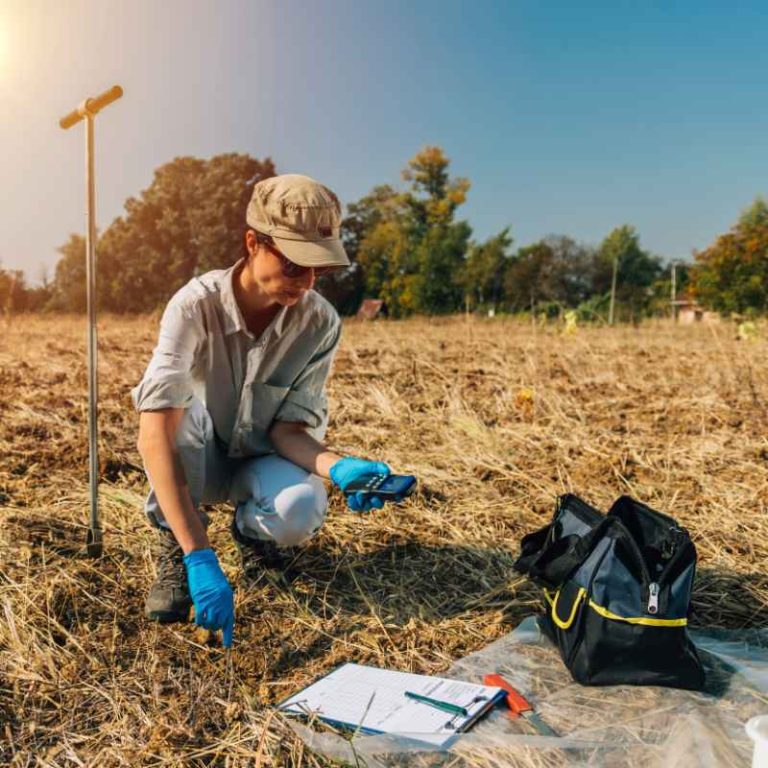
- Soil Sensors and Drones: Monitor soil health and erosion in real time. These tools enable early detection of degradation and targeted interventions.
Policy And International Cooperation
- Legislation: Enforce soil and fisheries protection laws. Strict enforcement is essential to deter illegal activities and promote sustainable use.
- Global Initiatives: The UN Convention to Combat Desertification and the Code of Conduct for Responsible Fisheries are key frameworks (UNCCD).
- Education: Raise awareness among farmers, fishers, and consumers. Knowledge-sharing networks and extension services can drive adoption of best practices.
International collaboration is critical, as soil and fisheries degradation often cross national borders—via dust storms, river flows, or migratory fish stocks.
The Role Of Soil In The Broader Environmental Context
Soil As A Foundation For Terrestrial Life
Soil supports:
- Plant Growth: Essential for crops, forests, and grasslands. Without fertile soil, terrestrial food webs would collapse.
- Water Regulation: Filters water and prevents flooding. Healthy soil absorbs rainfall, recharges groundwater, and reduces the risk of droughts and floods.
- Nutrient Cycling: Breaks down organic matter, releasing nutrients. Soil organisms decompose plant and animal residues, making nutrients available for new growth.
- Habitat: Home to insects, fungi, bacteria, and other organisms. Soil biodiversity is vital for ecosystem resilience and productivity.
Soil And Climate Change
Healthy soils absorb and store carbon, helping mitigate climate change. Degraded soils, on the other hand, release stored carbon, exacerbating warming.
Restoring soil health through regenerative agriculture and reforestation can play a significant role in climate change mitigation—potentially offsetting up to 5 billion tons of CO₂ emissions per year globally.
Soil’s Interconnectedness With Other Resources
- Water: Soil quality affects water retention and filtration. Healthy soil reduces runoff and improves drought resilience.
- Biodiversity: Soil health underpins terrestrial ecosystems. The loss of soil organisms can reduce ecosystem functions, from pest control to pollination.
- Air: Dust from eroded soils can degrade air quality and transport pollutants. Dust storms from degraded lands can carry pathogens, reduce visibility, and impact human health.
Global Soil Health Assessment
The Global Soil Partnership estimates that 33% of the world’s soils are degraded (FAO GSP). Restoring soil health is critical for achieving the UN Sustainable Development Goals.
The urgency of this challenge is reflected in the growing movement for “soil security,” which aims to safeguard soil resources for current and future generations.
Comparing Recovery And Restoration Efforts
Soil Restoration: Timeframes And Techniques
- Natural Recovery: Can take centuries without intervention. Abandoned farmlands may slowly regain fertility through natural succession, but the process is slow and uncertain.
- Assisted Restoration: Techniques like adding organic matter, replanting vegetation, and controlling erosion can accelerate recovery but are labor-intensive and costly.
- Limits: Severely degraded soils may never fully recover their original fertility. Soil structure, biodiversity, and ecosystem functions can be lost permanently if thresholds are crossed.
Fish Stock Recovery: Possibilities And Challenges
- Natural Regeneration: Some fish populations can rebound quickly if given a reprieve from harvesting. Small, fast-growing species are especially resilient.
- Management Successes: The US Atlantic scallop fishery rebounded due to strict catch limits and closed areas. Effective enforcement and adaptive management were key to this success.
- Barriers: Habitat loss, pollution, and illegal fishing can prevent full recovery. Migratory species, in particular, require international cooperation for effective management.
| Resource | Typical Recovery Period (with Management) | Major Obstacles |
|---|---|---|
| Soil | Decades to centuries | Continued erosion, high cost, lost biodiversity |
| Fish | 5–20 years | Illegal fishing, habitat loss, slow reproduction |
Example: China’s Loess Plateau Rehabilitation
Once plagued by severe soil erosion, the Loess Plateau has seen dramatic recovery through reforestation and terracing. Vegetation cover increased from 17% to over 50%, and agricultural productivity doubled. This success demonstrates that large-scale soil restoration is possible with concerted effort (World Bank).
The project not only improved soil health but also lifted millions out of poverty, underscoring the social benefits of ecological restoration.
Example: The North Sea Cod Recovery
Following a period of overfishing, strict quotas and marine protected areas in the North Sea have enabled partial recovery of cod stocks. However, full recovery remains elusive, highlighting the need for ongoing management.
Adaptive management, continuous monitoring, and international collaboration among bordering nations are essential for long-term recovery and resilience.
Frequently Asked Questions
What Does It Mean To Call Soil A Nonrenewable Resource?
Calling soil a nonrenewable resource means that its natural formation occurs at such a slow rate that human use and degradation outpace its renewal. If soil is eroded or depleted faster than it is replenished, it becomes functionally nonrenewable within human lifespans.
Can Degraded Soil Ever Be Restored To Its Original State?
Restoration is possible but often difficult and costly. While some soil functions can be recovered through conservation and amendments, severely degraded soils may never regain their original fertility or biodiversity. Restoration projects can take decades or even centuries.
Are There Any Countries Successfully Reversing Soil Degradation?
Yes, several countries have made significant progress. For example, China’s Loess Plateau restoration and Ethiopia’s large-scale reforestation have led to improved soil health, increased vegetation cover, and higher crop yields. These successes show that with the right policies and investments, soil degradation can be reversed.
How Does Overfishing Make Fish A Nonrenewable Resource?
Overfishing depletes fish populations faster than they can reproduce. When breeding populations fall below a certain threshold, recovery can take decades or may never occur, effectively making those stocks nonrenewable within human timescales.
What Can Individuals Do To Help Conserve Soil And Fish Resources?
Individuals can help by:
- Supporting sustainable agriculture and fisheries.
- Reducing food waste.
- Choosing products with eco-friendly certifications.
- Advocating for strong environmental policies.
- Participating in local conservation projects.
Everyday choices—such as eating lower on the food chain, composting organic waste, or volunteering for river cleanups—can make a tangible difference. By making informed choices, individuals contribute to the preservation of these vital resources.
Soil, like fish, sits on a knife’s edge between renewability and permanent loss. While both are technically renewable, the speed and scale of human exploitation threaten to render them nonrenewable within a single generation. Protecting these resources requires not only scientific innovation and sound policy but also a fundamental shift in how we value the natural systems that sustain life on Earth.
The future of food security, biodiversity, and climate stability depends on our collective ability to steward soil and fish as the precious, finite resources they truly are.