Why Is Soil Considered a Nonrenewable Resource? Real Reasons
Soil is the silent foundation of human civilization, quietly supporting agriculture, ecosystems, and even the structures we build. Yet, despite its ubiquity, soil is facing a crisis that threatens global food security and environmental health. The misconception that soil is an endlessly renewable resource has led to practices that degrade and deplete it faster than nature can replenish.
This reality has sparked international concern and prompted scientists, policymakers, and farmers to re-evaluate how we treat this vital material.
Understanding why soil is considered a nonrenewable resource is crucial for sustainable development and environmental stewardship. Unlike water or air, soil regeneration occurs at an incredibly slow pace—often taking hundreds to thousands of years for just a few centimeters to form. The acceleration of soil loss due to human activity far outstrips its natural formation, making soil a finite resource in practical terms. In this article, we delve into the real reasons behind soil’s nonrenewable status, examine the consequences of soil depletion, and explore actionable strategies for conservation.
Key Takeaways
- Soil formation is extremely slow, with natural regeneration rates unable to keep up with current rates of degradation and loss.
- Human activities such as deforestation, agriculture, and urbanization are the primary drivers of soil depletion.
- Soil’s nonrenewable status has profound implications for food security, biodiversity, and climate resilience.
- Effective soil conservation requires policy intervention, sustainable practices, and community engagement.
- Real-world examples and data highlight the urgent need to treat soil as a precious, finite resource.

Credit: www.homedepot.com
What Makes Soil Nonrenewable?
The Slow Process Of Soil Formation
Soil is formed through the gradual breakdown of rocks and the accumulation of organic matter , a process known as pedogenesis. This is an incredibly slow geological process, often requiring hundreds to thousands of years to create a few centimeters of fertile soil. Factors influencing soil formation include:
- Climate: Temperature and precipitation affect the rate of weathering and organic matter decomposition. For example, warmer climates with frequent rainfall may enhance weathering but also accelerate organic matter decomposition, sometimes resulting in less fertile soils.
- Parent material: The type of rock or sediment from which soil originates determines its mineral content and influences how quickly it can break down. Granite, for instance, breaks down more slowly than softer rocks like limestone, affecting soil formation rates.
- Biological activity: Roots, microorganisms, and animals contribute to soil structure and nutrient cycling. Earthworms, for example, play a critical role in aerating the soil and mixing organic matter, but their populations can be diminished by intensive agricultural practices and chemical use.
According to the United States Department of Agriculture (USDA), the average rate of topsoil formation is about 0.5 to 1 mm per year, while erosion rates can remove 10–40 times that amount annually (USDA Soil Erosion). This stark contrast highlights how easily human activity can disrupt the delicate balance of soil creation and loss.
Irreversible Losses Due To Human Activity
Human-driven soil degradation is rapid and often irreversible. Activities such as intensive agriculture, deforestation, and construction strip away fertile layers much faster than they can be replaced.
- Agricultural tillage exposes soil to wind and water erosion, breaking up protective root systems and reducing the soil’s ability to retain water and nutrients.
- Urbanization seals soil beneath concrete and asphalt, preventing natural regeneration and cutting off access for roots and organisms that contribute to soil health.
- Mining and industrial activities physically remove soil or contaminate it beyond recovery. In some cases, toxic heavy metals and chemicals render soil unfit for agriculture or natural vegetation for decades or centuries.
The effects of these activities are often cumulative and can compound other environmental problems, such as water pollution and loss of biodiversity. Once soil is lost or severely degraded, restoration is a monumental challenge and typically requires decades of careful management and intervention.
Soil Regeneration Vs. Consumption
The imbalance between soil consumption and regeneration is stark. The following table illustrates the difference between soil formation and loss rates across various regions:
| Region | Soil Formation Rate (mm/year) | Soil Loss Rate (mm/year) | Net Soil Change |
|---|---|---|---|
| Midwestern US | 0.5 | 10 | -9.5 |
| European Farmland | 0.7 | 7 | -6.3 |
| Asian Highlands | 1 | 20 | -19 |
These numbers underscore why soil is considered nonrenewable: the loss rate is orders of magnitude higher than the formation rate. In regions with high population density and intensive agriculture, the gap between soil loss and soil formation can be even wider, threatening long-term land productivity and ecosystem stability.
The Role Of Soil Depth And Quality
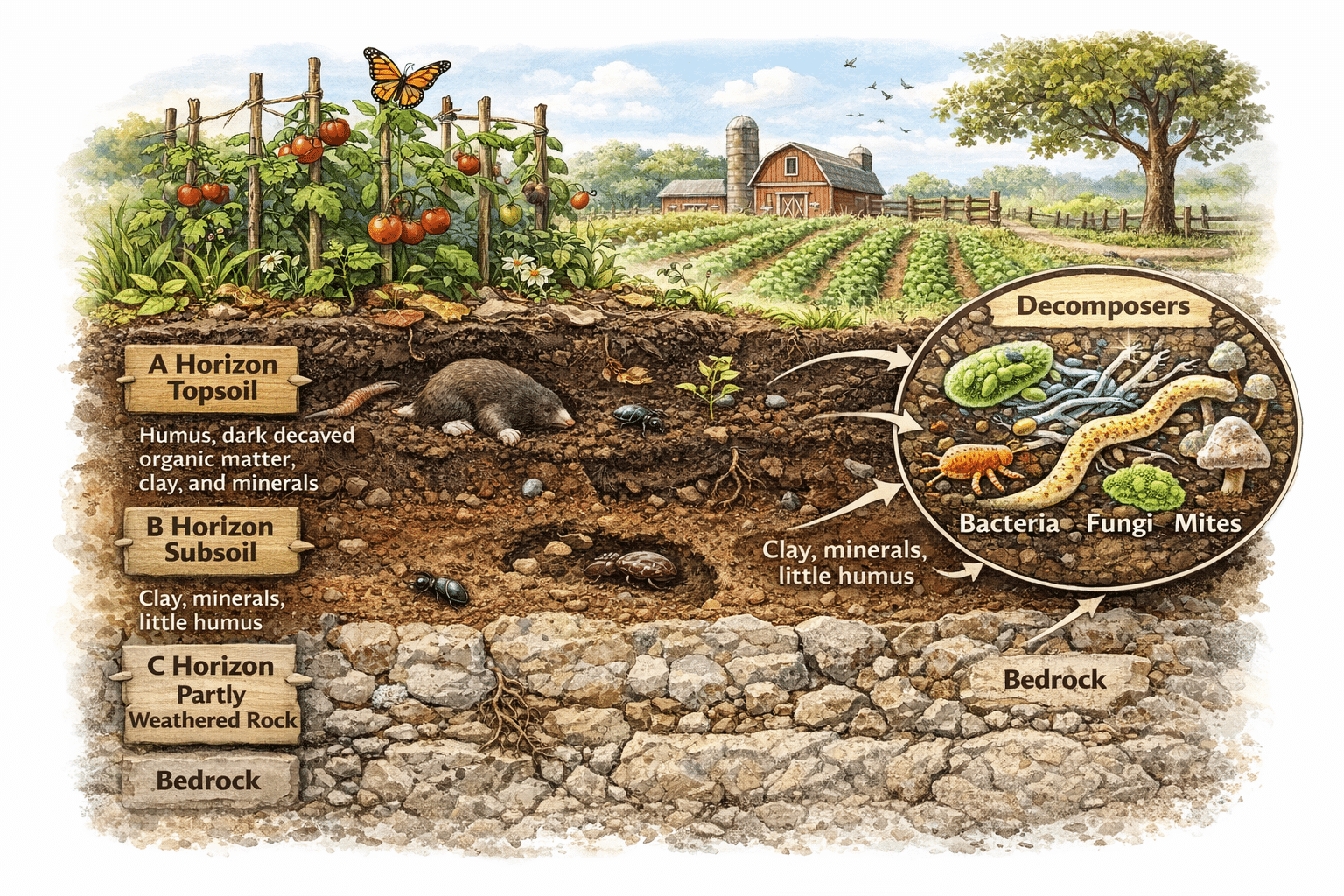
Not all soil is equally productive. The uppermost layer, or topsoil, contains the highest concentration of organic matter and nutrients. Once depleted, subsoil layers are less fertile and harder to restore. Deep-rooted crops and trees rely on the richness of topsoil, and its loss can result in poor plant growth, reduced yields, and increased vulnerability to pests and diseases. Restoration efforts—such as adding compost or planting cover crops—can help, but these methods rarely return soil to its original state within a human lifetime.
The quality of soil also depends on its structure, water-holding capacity, and biodiversity. Healthy soil is teeming with life, from bacteria and fungi to insects and earthworms. When topsoil is lost, these organisms decline, further reducing soil’s ability to regenerate and support plant life.
Soil As A Finite Resource
From a practical standpoint, soil behaves as a finite resource because:
- Its formation is slow, often requiring centuries or millennia.
- Human activities accelerate loss, with erosion and degradation rates far outpacing natural regeneration.
- Restoration is challenging and time-intensive, typically demanding significant investment and ongoing management.
- Quality diminishes with depth and overuse, as subsoil lacks organic matter and nutrients.
This finite nature is why soil conservation is increasingly viewed as a critical priority for global sustainability.
The Science Of Soil Formation
Pedogenesis: The Birth Of Soil
Pedogenesis is a complex interplay of physical, chemical, and biological processes. It involves:
- Weathering of parent rock: Physical disintegration and chemical decomposition create mineral particles, a process influenced by factors such as freeze-thaw cycles, rainfall, and chemical reactions with acids produced by plant roots.
- Organic matter accumulation: Dead plant and animal material enriches soil with nutrients. In forests, leaf litter and decaying wood provide a steady supply of organic matter, while in grasslands, root systems contribute to soil formation.
- Soil horizon development: Layers form, each with distinct properties. The O horizon is rich in organic material, the A horizon contains a mix of minerals and organic matter, and deeper horizons are less fertile.
Time Scales Of Soil Development
The timeline for soil formation varies based on environmental conditions:
- Temperate regions: 500–1,000 years for 2.5 cm of topsoil. This rate can be slowed by cold winters and low biological activity.
- Tropical regions: Faster due to higher temperatures and rainfall, but soils may be less fertile because nutrients are quickly leached away. In the Amazon, rapid weathering creates deep soils, but intense rainfall and heat mean nutrients are quickly depleted.
- Arid regions: Extremely slow, sometimes tens of thousands of years. Desert soils are often thin and lack organic matter, making them vulnerable to wind erosion.
In addition, anthropogenic factors can further alter these timelines. For instance, areas subjected to repeated agricultural cycles or deforestation may see soil formation rates drop even further.
Factors Influencing Soil Formation
- Climate: Drives weathering and organic activity. Seasonal variations affect both the breakdown of rocks and the accumulation of organic matter.
- Organisms: Roots and soil fauna aerate and mix soil. Microbial communities are essential for nutrient cycling and soil structure.
- Relief (topography): Influences drainage and erosion. Steep slopes are more prone to erosion, while low-lying areas may accumulate richer soils.
- Parent material: Determines mineral composition. Volcanic soils, for example, can be highly fertile due to mineral-rich parent material.
Comparison: Renewable Vs. Nonrenewable Resources
To further clarify why soil is nonrenewable, consider the following table comparing resource renewal rates:
| Resource | Renewal Time (Typical) | Human Consumption Rate | Renewable? |
|---|---|---|---|
| Water | Days to Months | High | Yes |
| Air | Minutes to Days | Very High | Yes |
| Forest | Decades | Moderate | Mostly |
| Soil | Centuries to Millennia | Very High | No |
This comparison highlights that, unlike water and air, soil’s renewal is so slow that it cannot keep pace with human demands. Even forests, which take decades to regrow, are replenished much faster than soil.
Real Example: The Dust Bowl
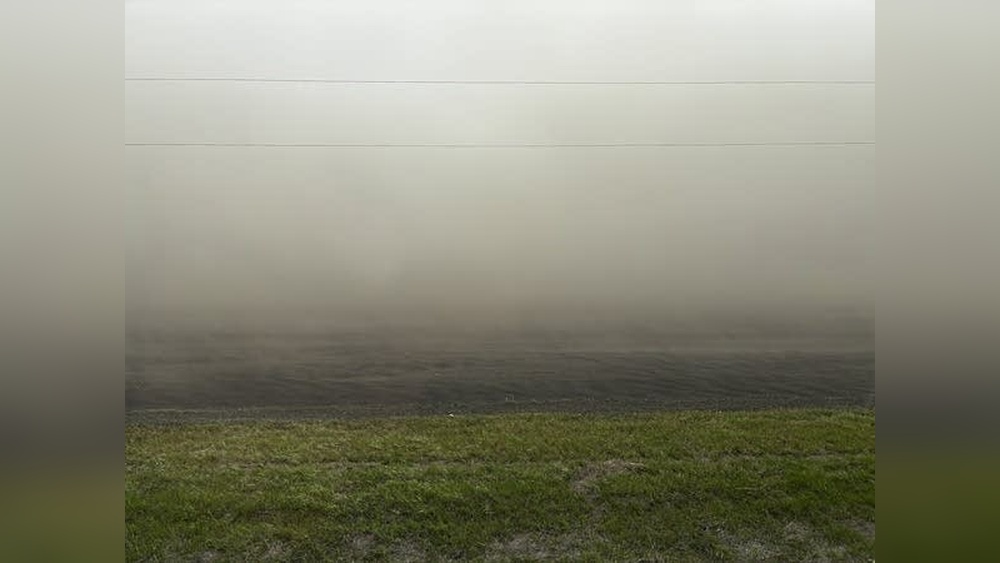
The Dust Bowl of the 1930s in the US illustrates how rapid soil loss can devastate landscapes and communities (Wikipedia: Dust Bowl). Poor farming practices combined with drought led to severe wind erosion, stripping away millions of tons of topsoil. Recovery took decades and required massive intervention.
Farmers had to adopt new conservation practices, such as contour plowing, cover cropping, and shelterbelts—rows of trees planted to reduce wind speeds. Despite these efforts, much of the original soil fertility was never fully restored, and the region remains vulnerable to erosion today.

Credit: kansasreflector.com
Human Impacts Accelerating Soil Depletion
Intensive Agriculture And Tillage
Modern agriculture relies heavily on mechanized tillage, which disturbs soil structure and increases vulnerability to erosion. Crop monocultures deplete nutrients, while excessive use of fertilizers and pesticides disrupts soil biology.
- Erosion rates: Farmland can lose up to 25 tons of soil per acre annually, particularly in areas with sloped terrain or frequent rainfall.
- Nutrient depletion: Continuous cropping reduces organic matter and essential minerals, leading to a need for synthetic fertilizers that can further disrupt soil ecology.
- Compaction: Heavy machinery compacts soil, reducing pore space and limiting water infiltration, which increases runoff and exacerbates erosion.
The practice of leaving fields bare between harvests also contributes to erosion, as wind and rain can easily carry away unprotected soil. In contrast, traditional farming methods—such as rotating crops and maintaining ground cover—help maintain soil health but are less common in industrialized agriculture.
Deforestation And Land Conversion
Clearing forests for agriculture or development exposes soil to the elements. Tree roots stabilize soil, and their removal leads to increased runoff and erosion.
- Global deforestation rate: Approximately 10 million hectares lost annually (FAO State of the World’s Forests).
- Soil loss: Tropical regions are particularly vulnerable, as heavy rains quickly wash away unprotected soil.
- Habitat loss: Deforestation also destroys habitats for soil organisms, reducing biodiversity and soil resilience.
Land conversion often involves removing vegetation, leveling terrain, and constructing roads or buildings, which permanently alter soil structure and hydrology. Such changes are typically irreversible without significant restoration efforts.
Urbanization And Infrastructure
Construction projects strip away topsoil and seal surfaces with impervious materials, preventing water infiltration and natural regeneration.
- Urban sprawl: The US lost more than 5 million acres of farmland to urban development between 2001 and 2016 (American Farmland Trust).
- Soil sealing: Paved surfaces lead to increased runoff and reduced groundwater recharge, which can cause flooding and water scarcity in urban areas.
- Loss of ecosystem services: Sealed soil no longer provides habitat, filters pollutants, or stores carbon.
Once land is paved or built upon, the original soil is often lost forever, replaced by imported materials or artificial substrates.
Mining And Industrial Activities
Mining extracts not only minerals but also removes entire soil profiles, leaving behind degraded land. Industrial pollution contaminates soil, rendering it unusable for agriculture or ecosystem functions.
- Heavy metals: Mining and industrial processes often leave soils contaminated with lead, mercury, cadmium, and other toxins.
- Acidification: Industrial emissions can acidify soils, disrupting plant growth and soil organism activity.
- Reclamation challenges: Returning mined or polluted land to productive use often requires extensive remediation, including adding clean soil, planting resilient species, and ongoing monitoring.
Real Example: Gold Mining In The Amazon
In the Amazon Basin, gold mining has stripped thousands of hectares of soil, replacing it with toxic tailings and polluted waterways (Nature: Gold Mining Impacts). Restoration is costly and slow, underscoring soil’s nonrenewable nature.
The impacts extend beyond soil loss, affecting river systems, aquatic life, and communities downstream. Mercury used in gold extraction contaminates both soil and water, creating long-term health risks.
Credit: ngsmagnified.com
Environmental And Societal Consequences
Food Security Risks
Loss of fertile soil directly threatens food production. Without adequate topsoil, crop yields decline, leading to food shortages and higher prices.
- Global soil erosion: Estimated to reduce annual crop production by 23–42 million tons (ScienceDirect: Soil Erosion Effects).
- Nutrient loss: Depleted soils require more fertilizers, increasing costs and environmental risks.
- Reduced resilience: Poor soils are less able to withstand droughts, floods, or pest outbreaks, making food systems more vulnerable to climate change.
In addition, degraded soil can lead to reduced nutritional quality of crops, affecting human health. Micronutrient deficiencies in crops grown on poor soils can contribute to widespread malnutrition.
Biodiversity Loss
Soil is home to billions of microorganisms, insects, and plant roots. Its degradation destroys habitats and reduces biodiversity.
- Soil biodiversity: Over 25% of the planet’s biodiversity resides in the soil (FAO Soil Biodiversity).
- Ecosystem collapse: Loss of soil organisms disrupts nutrient cycles and plant growth.
- Pollinator decline: Healthy soils support flowering plants that sustain pollinators, such as bees and butterflies.
The loss of soil biodiversity also impairs soil’s ability to filter water, sequester carbon, and support ecosystem services.
Climate Change Feedbacks
Soil acts as a carbon sink, storing more carbon than the atmosphere and vegetation combined. Eroded or degraded soil releases stored carbon, accelerating climate change.
- Carbon loss: Globally, soil degradation releases up to 78 billion tons of carbon annually.
- Mitigation potential: Restoring soil can sequester carbon, but only if managed carefully.
- Feedback loops: As soils degrade and release carbon, warming temperatures can further accelerate soil erosion and organic matter loss.
Soil management is thus a critical element in climate change mitigation, with practices such as reforestation, cover cropping, and reduced tillage helping to restore carbon stocks.
Economic Costs
Soil depletion carries substantial economic burdens:
- Reduced agricultural productivity: Lower yields translate to higher food prices and economic hardship for farmers.
- Restoration expenses: Rehabilitating degraded land is costly and time-consuming, often requiring specialized equipment and ongoing investment.
- Infrastructure damage: Increased flooding and landslides result from poor soil management.
- Health impacts: Dust and sediment from eroded soil can contribute to respiratory illnesses and contaminate water supplies.
In developing countries, these costs can exacerbate poverty and drive migration, as communities abandon degraded land in search of better opportunities.
Real Example: Sahel Desertification
In the Sahel region of Africa, overgrazing and unsustainable farming have driven widespread soil loss and desertification, leading to food insecurity and mass migration (UNCCD: Sahel Case Study). Efforts to restore soil include planting drought-resistant crops and reforestation, but progress is slow.
The “Great Green Wall” initiative aims to restore millions of hectares of degraded land, but challenges such as political instability, funding shortages, and climate variability make large-scale restoration difficult.
Soil Conservation Strategies
Sustainable Agriculture Practices
Farmers and land managers can adopt practices that preserve soil health and reduce erosion:
- No-till farming: Minimizes disturbance and protects soil structure. By leaving crop residues on the field, soil is shielded from erosion and water loss.
- Cover cropping: Prevents erosion and improves nutrient cycling. Plants like clover, rye, or vetch grow during fallow periods, protecting soil and adding organic matter.
- Crop rotation: Maintains soil fertility and reduces pest buildup. Rotating legumes, grains, and vegetables helps break pest cycles and replenish nutrients.
- Agroforestry: Incorporates trees into farming systems, enhancing biodiversity and stabilizing soil.
These practices also improve water retention, reduce reliance on chemical inputs, and increase resilience to extreme weather.
Reforestation And Vegetative Barriers
Planting trees and shrubs stabilizes soil, enhances water retention, and rebuilds organic matter.
- Riparian buffers: Vegetation along waterways reduces runoff and sedimentation, protecting both soil and water quality.
- Windbreaks: Rows of trees protect fields from wind erosion, creating microclimates that support crop growth.
- Grass strips: Planting native grasses along field margins reduces runoff and provides habitat for beneficial insects.
Reforestation also restores habitat for soil organisms and increases carbon sequestration.
Soil Restoration And Remediation
Restoring degraded soils involves:
- Adding organic amendments: Compost and manure rebuild nutrient levels, improve soil structure, and support microbial communities.
- Bioengineering: Using plants and microorganisms to detoxify contaminated soils. Certain plants, known as hyperaccumulators, can absorb heavy metals and pollutants.
- Terracing and contour farming: Reduces runoff and maintains soil on slopes, particularly in mountainous regions.
- Mulching: Applying organic or synthetic materials to the soil surface helps retain moisture, suppress weeds, and prevent erosion.
Restoration strategies must be tailored to local conditions and supported by ongoing monitoring and adaptive management.
Policy And Community Action
Government policies and community initiatives are vital for large-scale soil conservation:
- Incentives for sustainable farming: Subsidies and technical support encourage best practices, making conservation economically viable for farmers.
- Land use planning: Protects vulnerable soils from development and ensures that urban expansion does not encroach on productive farmland.
- Education and outreach: Raises awareness about soil’s importance, empowering communities to adopt sustainable practices.
- Regulatory frameworks: Enforcing soil protection laws and monitoring compliance can prevent illegal land clearing and mining.
Community-led projects, such as cooperative farming, watershed management, and urban gardening, foster local stewardship and resilience.
Comparison Table: Conservation Practice Effectiveness
| Conservation Practice | Soil Loss Reduction (%) | Cost (USD/acre) | Adoption Rate (%) |
|---|---|---|---|
| No-till farming | 60 | 10 | 35 |
| Cover cropping | 45 | 20 | 22 |
| Contour farming | 50 | 15 | 18 |
| Riparian buffers | 70 | 30 | 12 |
The adoption rates highlight barriers to widespread implementation, including cost, knowledge gaps, and resistance to change. However, these practices are proven to dramatically reduce soil loss and restore ecosystem function.
Real Example: China’s Loess Plateau Rehabilitation
The Loess Plateau in China was once heavily eroded and barren. A massive government-led restoration project implemented terracing, reforestation, and sustainable farming, transforming the region into a productive landscape. Over 2.5 million hectares of land were restored, improving food security and livelihoods (Wikipedia: Loess Plateau).
By integrating local communities and providing education and economic incentives, the project achieved remarkable success. Crop yields tripled, water retention improved, and biodiversity returned. The Loess Plateau is now cited as a global model for landscape-scale soil restoration.
The Future Of Soil Management
Innovations In Soil Conservation
Emerging technologies and approaches offer hope for reversing soil degradation:
- Precision agriculture: Uses sensors and data analytics to optimize inputs and reduce waste. GPS-guided equipment applies fertilizers and water only where needed, reducing runoff and improving efficiency.
- Biochar application: Biochar, a stable form of carbon produced from organic matter, improves soil fertility, increases water retention, and locks carbon in the soil for centuries.
- Synthetic biology: Engineered microbes enhance nutrient cycling, break down pollutants, and support plant growth.
- Remote sensing: Satellite imagery and drones monitor soil health, identify erosion hotspots, and guide restoration efforts.
Innovation also includes new financial models, such as carbon credits for soil restoration, and collaborative platforms for sharing best practices.
Global Policy Initiatives
International agreements and frameworks are advancing soil protection:
- UN Sustainable Development Goals (SDGs): Target land degradation neutrality, aiming to halt and reverse soil loss globally.
- Global Soil Partnership: Coordinates research and policy (FAO Global Soil Partnership).
- World Soil Day: Celebrated annually to raise awareness of soil’s importance and promote conservation.
These initiatives encourage countries to invest in soil health, share data, and harmonize standards for sustainable land management.
Community-led Solutions
Grassroots movements are reclaiming degraded lands:
- Farmer-led conservation: Local innovations adapted to specific environments, such as planting indigenous crops, building check dams, or organizing rotational grazing.
- Urban gardening: Restores soil in cities, enhances food security, and reconnects communities to the land.
- Participatory mapping: Communities use technology to map soil degradation and plan restoration activities collaboratively.
Community action fosters stewardship, resilience, and social equity, ensuring that soil conservation benefits both people and the planet.
Challenges And Opportunities
Despite progress, challenges remain:
- Scaling up solutions: Requires funding and political will, particularly in developing countries facing immediate economic pressures.
- Balancing development and conservation: Urbanization pressures persist, making land use planning essential.
- Climate change: Intensifies risks and complicates restoration, as extreme weather events accelerate erosion and disrupt conservation efforts.
- Knowledge transfer: Bridging the gap between scientific research and practical implementation remains a challenge.
However, opportunities exist to integrate soil conservation into broader sustainability agendas, attract investment, and build global partnerships.
Frequently Asked Questions
Why Can’t Soil Be Easily Restored Once It’s Lost?
Soil restoration is difficult because topsoil formation is a slow natural process, requiring centuries to accumulate organic matter and minerals. Human intervention can speed up recovery, but restored soil often lacks the biodiversity and fertility of original soils. Additionally, restoration efforts may be limited by climate, land use, and available resources.
How Does Soil Loss Affect Agriculture?
Soil loss reduces crop yields, increases the need for chemical fertilizers, and leads to poor water retention. This undermines food security and increases farming costs. Farmers may also face increased pest and disease pressure, as degraded soils are less resilient.
Are There Countries Facing Severe Soil Depletion?
Yes. Nations like China, India, and parts of Africa face widespread soil degradation due to overgrazing, deforestation, and unsustainable agriculture. These regions struggle with food production and environmental challenges. In some cases, entire communities are forced to migrate due to loss of arable land.
What Role Do Microorganisms Play In Soil Renewal?
Microorganisms decompose organic matter, recycle nutrients, and support soil structure. Their absence in degraded soils hampers regeneration and reduces fertility. Healthy microbial communities also suppress plant diseases and improve water retention.
Can Technology Solve The Soil Crisis?
Technology can help by improving conservation practices and monitoring soil health. However, it cannot speed up the natural process of soil formation, so sustainable management and prevention remain essential. Long-term solutions require a combination of scientific innovation, policy intervention, and community engagement.
Soil is the foundation of life, supporting food production, biodiversity, and climate stability. Its slow formation and rapid depletion make it a truly nonrenewable resource. Recognizing soil’s value and adopting sustainable management practices is essential for securing a healthy planet for future generations.
By treating soil as a finite and precious resource, humanity can ensure the continued prosperity of both natural ecosystems and society.