What Is the Best Soil for Starting Seeds Indoors Today?
Use a fine, sterile seed-starting mix for most indoor seeds. Keep it light, evenly moist, and low in nutrients. Choose a coarser version for larger seeds and a finer one for very small seeds like petunia or celery. The wrong mix invites damping-off, weak germination, and seedlings that stall early.
This guide is part of our Soil science basics series.
The best indoor seed soil is not garden soil and usually not standard potting soil. It is a lightweight mix made for germination, with fine, even particles, enough water-holding capacity to keep seed coats from drying out, and enough air space for young roots to breathe.
What is the best soil for starting seeds indoors?
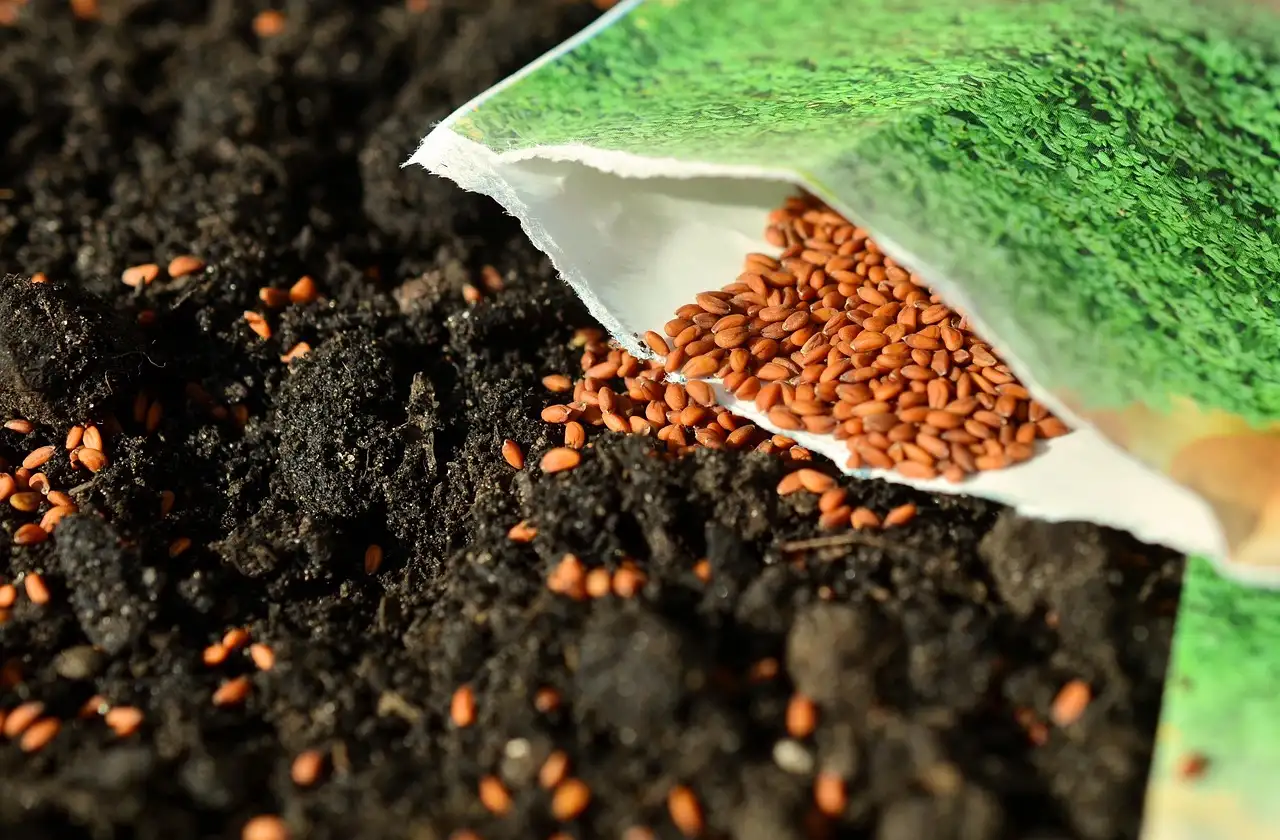
For many beginners, a peat- or coir-based seed-starting mix is a sensible place to start. I reach for that before anything denser because tray failures usually start with crusting on top, soggy pockets below, and roots that stop moving once the mix packs down.
What makes a mix good for germination
A seed-starting mix should level easily in a cell tray, wick water evenly, and stay free of chunks that leave dry pockets. Uniform texture matters because uneven particles create uneven moisture, and uneven moisture creates uneven sprouting.
Good mixes usually stay relatively low in fertility. Seeds need moisture, warmth, and light control more than feeding at the start. Too much fertility, especially from compost-heavy blends, can make seedlings uneven and raise salt load around newly emerging roots.
Top pick for most beginners
The best all-around choice is a lightweight peat-based or coir-based seed-starting mix with perlite and, sometimes, vermiculite. That structure drains well enough for healthy roots while holding enough water to keep a tray from drying out between checks.
Quick picks by need
If the goal is the simplest tray setup, the best general answer is a lightweight seed-starting mix rather than potting soil. If the goal is the cheapest fill for many cells, a basic peat or coir blend usually makes the most sense. If the goal is delicate seedlings, choose the finest texture available.
Best all-around mix for most vegetables and flowers
Choose a peat- or coir-based seed-starting mix with perlite and a fine, even texture. This is the safest middle ground for tomatoes, peppers, basil, marigolds, zinnias, and many other common starts.
Best budget option for many trays
Choose a basic loose mix sold for seed starting, not a rich potting blend. Loose fills are usually cheaper per tray than pellets, and they are easier to use when starting a lot of cells at once.
Best pick for tiny seeds and fine-rooted flowers
Choose the finest-textured mix you can find, usually one that feels almost powdery but still drains well after watering. Tiny seeds such as celery, petunia, and snapdragon need close seed-to-mix contact, so clumpy media can work against them.
Best option when you want the simplest setup
Peat pellets are often one of the easiest starter formats to use. Add water, watch them expand, place a seed, and keep the tray humid. They are convenient, though they can dry faster than a loose mix and are less flexible for mixed seed sizes.

What should a seed-starting mix feel and look like?
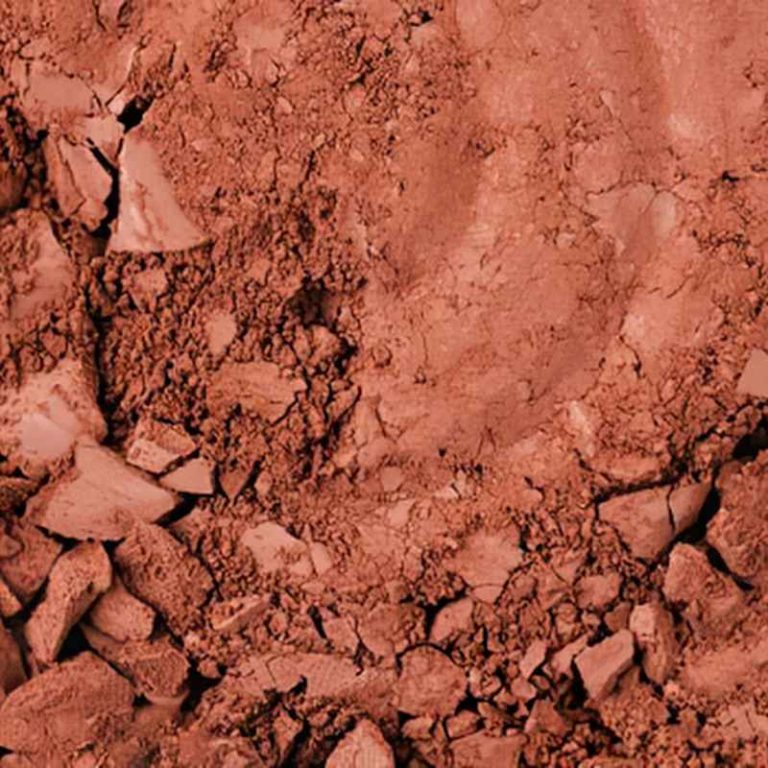
A seed-starting mix should feel light, fine, and uniform, almost like a soft, damp sponge with small particles. It should hold moisture without turning muddy, drain without puddling, and break apart easily in your fingers instead of forming hard clods.
Texture, particle size, and why uniformity matters
Uniform particle size gives even seed depth and even moisture around each cell. That matters because one dry pocket can stop a seed from sprouting while the neighboring cell looks fine. Coarse bark chunks and random debris are a warning sign.
Moisture hold without sogginess
The mix should stay evenly damp after watering, not muddy. Sphagnum peat moss and coconut coir are common bases because they hold water well, while perlite and vermiculite help keep the surface from sealing over.
Drainage and air space for young roots
Perlite improves aeration and helps drainage. Vermiculite holds moisture and improves seed-to-mix contact, which can help tiny seeds settle evenly. Young roots need both water and oxygen; a dense, wet medium starves roots fast.
Low fertility and low salt load
Seed-starting mix is built for germination, not long-term feeding. Low fertility keeps delicate roots from getting burned and lowers the chance that a high-salt mix slows sprouting. Compost belongs in small amounts, if at all, because too much can weaken consistency.
Peat-based, coir-based, pelletized, or compost-amended: which should you buy?
The best choice depends on how much control you want and how your room behaves. Peat-based mixes are the standard for moisture retention. Coir-based mixes are a solid peat alternative. Pellets are simple. Compost-amended mixes can work, but they are the least forgiving for germination.
Peat-based mixes
Sphagnum peat moss is the common base ingredient in many seed-starting blends because it holds water well and has a fine texture. Peat-based mixes often pair peat with perlite and vermiculite, which is why they feel consistent in trays.
Coir-based mixes
Coconut coir is a peat alternative used in some seed-starting blends. It also holds water well, and it is a good choice when the mix dries too fast in a warm room. Burpee 13126 is described as using recycled coconut husks, which fits this category.
Peat pellets and other pellets
Peat pellets are useful when speed and simplicity matter more than fine control. Jiffy peat pellets are a common starter option. They work well for beginners, but the pellet format can dry unevenly if trays sit under strong light without enough humidity.
Compost-amended mixes
Compost adds fertility, and some blends include it for a short feeding window. Purple Cow Organics is described as including sphagnum peat moss, perlite, vermiculite, and compost, with fertility for up to 45 days. That is useful for some starts, but too much compost can reduce germination consistency.
Seed-starting mix comparison table
Use this table to match the mix to your tray behavior, not to a brand name. The right choice depends on moisture hold, drainage, dry-down speed, and how much room you have for correcting mistakes.
| Option | Moisture retention | Drainage | Price per quart | Best-use crops | Troubleshooting |
|---|---|---|---|---|---|
| Peat-based mix | High | Good when blended with perlite | About $0.35 to $0.70 | Tomatoes, peppers, lettuce, most flowers | If crusting appears, mist lightly and cover the tray; if damping-off shows, reduce watering and increase airflow |
| Coir-based mix | Medium to high | Good | About $0.30 to $0.80 | Cukes, basil, beans, mixed vegetable starts | If dry-down is too fast, add a humidity dome early; if seedlings stall, check for overwatering under the surface |
| Peat pellets | Medium | Fair to good | About $0.10 to $0.25 per pellet | Single-crop starts, beginners, small batches | If pellets dry out, bottom-water sooner; if roots circle or bind, transplant before they stay cramped too long |
| Compost-amended mix | High | Fair | About $0.40 to $0.90 | Transplant-tolerant seedlings, short indoor holds | If crusting or uneven sprouting appears, reduce compost-heavy mixes next round; if damping-off rises, move to a leaner mix |
Do seedlings need seed-starting mix or potting soil?
Seedlings usually need seed-starting mix, not potting soil. Potting soil is often too coarse, too rich, or both. That can cause uneven germination, compaction around tiny roots, and a wetter lower layer that invites damping-off.
Why potting soil is often too coarse or too rich
Potting soil is built for container growth after sprouting. It often contains larger particles and more fertility than young seeds can use. In a small cell tray, that extra food and coarser structure can work against steady germination.
When potting mix can work in a pinch
A very light potting mix can be cut with perlite and sifted if nothing else is available. That is a backup, not a first choice. For beginners, a real seed-starting mix is usually the safer buy.
Why garden soil causes compaction and disease risk indoors
Garden soil is heavy, inconsistent, and more likely to hold pathogens or weed seeds. Indoors, it can compact in a tray, crust on top, and hold too much water below. Those conditions are prime territory for damping-off and weak root growth.
How do I choose a mix for my crop and setup?
Match the mix to seed size, crop heat needs, and how quickly your tray dries. Tiny seeds need a finer mix. Warm-season crops need faster germination support. If the room is warm and dry, choose a mix with stronger moisture retention.
Tiny seeds versus larger seeds
Tiny seeds like celery, petunia, and lettuce do better in an extra-fine mix with close seed contact. Larger seeds such as beans or cucumbers can handle a slightly coarser blend because they have more energy to push through the surface.
Tomatoes, peppers, cucumbers, and other warm-season crops
Tomatoes and peppers should be started 6 to 8 weeks before the last frost. Cukes need only 3 to 6 weeks of lead time. Warm-season crops often benefit from a warming mat, and a tray cover helps hold humidity while they sprout.
Using trays, humidity domes, grow lights, and warming mats
A seed-starting tray with cover helps maintain humidity and gives a controlled germination zone. Grow lights are recommended for consistent, even light. A warming mat is recommended to encourage faster germination, especially for warm crops that dislike cold mix.
How to match moisture behavior to your room conditions
If your room runs dry, choose peat or coir with a finer texture and use a cover at first. If your mix stays wet too long, add more perlite next round or switch to a looser blend. The right mix is the one that stays evenly damp between checks, not soggy or crusty.
A simple buying checklist
- Pick a seed-starting mix, not garden soil.
- Look for peat moss or coir as the base.
- Check for perlite and, if needed, vermiculite.
- Avoid heavy compost content for fresh germination.
- Choose pellets only if simplicity matters most.
- Use trays, a cover, grow lights, and a warming mat when crop timing calls for them.
Frequently asked questions
What is the best soil for starting seeds indoors?
The best soil for starting seeds indoors is really a seed-starting mix: fine, low in fertility, and built to hold moisture without packing down. That combination gives better germination and fewer early failures than ordinary garden soil or a dense potting mix.
What soil is best for starting seeds?
A lightweight seed-starting mix is best for starting seeds. Look for peat moss or coir plus perlite, with vermiculite if you want better moisture contact. That structure keeps seedlings from drying out too fast while still leaving room for roots.
What is the best soil to start seeds indoors?
The best soil to start seeds indoors is a sterile, fine-textured seed-starting mix. For most beginners, peat-based or coir-based blends are the most reliable because they balance moisture hold and drainage better than regular potting soil.
What is the best soil to use for starting seeds?
The best soil to use for starting seeds is a mix made for germination, not long-term feeding. It should be light, even in texture, and low in salt. That lowers the risk of crusting, damping-off, and uneven emergence in trays.
What soil to use to start seeds indoors?
Use a seed-starting mix with fine particles and good drainage. If you are starting many cells, choose a loose peat or coir blend for value. If you are starting tiny seeds, choose the finest mix you can find so the seed sits evenly.
Do seedlings need seed starting mix or potting soil?
Seedlings usually need seed-starting mix. Potting soil is often too rich or too coarse for the first stage, which can slow germination and compact around roots. Potting mix can work later, after the seedlings have a stronger root system.
Can I use garden soil to start seeds indoors?
Garden soil is a poor choice for indoor seed starting. It compacts easily in trays, dries unevenly, and can bring in pathogens or weed seeds. Those traits raise the risk of damping-off and weak, uneven seedlings.
What is the best seed starting mix for vegetables?
The best seed starting mix for vegetables is a peat- or coir-based blend with perlite and sometimes vermiculite. Tomatoes and peppers do well in a fine, moisture-holding mix, while cucumbers can handle a slightly coarser version with good drainage.