Compost vs Topsoil: Which Should You Add to a Garden?
Choose compost to improve how soil works, topsoil to build or raise beds, and a compost-plus-topsoil mix when you need both fertility and fill depth. Pick wrong and you waste money, bury roots too deep, or end up with soil that drains badly and grows weak plants. I use this split all the time in in-ground beds, raised beds, and patch repairs.
This guide is part of our Soil science basics series.
| Factor | Compost | topsoil: which should you add to your garden | Winner |
|---|---|---|---|
| Main job | Improves fertility, biology, and organic matter; changes how soil works. | Adds fill, depth, and base structure; changes how much soil you have. | Tie |
| Best problem to solve | Tired soil, poor soil life, tight clay, and fast-draining sand. | Low spots, new beds, raised-bed height, and surface leveling. | Tie |
| Soil fertility | High; adds organic matter, nutrients, bacteria, and fungi. | Varies widely and is not automatically fertile. | Compost |
| Fill and bed-building | Poor as a full-bed substitute and not a whole-bed replacement. | Strong for filling, raising grade, and building beds. | topsoil: which should you add to your garden |
| Biology and organic matter | Strong; improves soil life and organic matter. | Usually lower. | Compost |
| Screening and consistency | Varies by source; finished compost should be mature and stable. | Often screened; screened topsoil is better for grading and patch work. | topsoil: which should you add to your garden |
| Best standalone use | Amendment and topdressing. | Filling and raising grade. | Tie |
| Maintenance use | Regular maintenance material for most in-ground gardens; useful as a thin topdressing. | Used more for physical fill than routine maintenance. | Compost |
| Risk if used alone | Too much can crowd roots and create a shallow, soft surface. | May add volume without enough nutrients or organic matter. | Tie |
| Best-fit use | Improves performance in existing soil, especially clay and sandy soil. | Best when the bed needs depth first, such as new beds or low spots. | Tie |
The trade-off is simple. Compost changes how soil works; topsoil changes how much soil you have. One feeds and loosens the system. The other builds depth and gives roots a place to sit.
What each product does in the soil
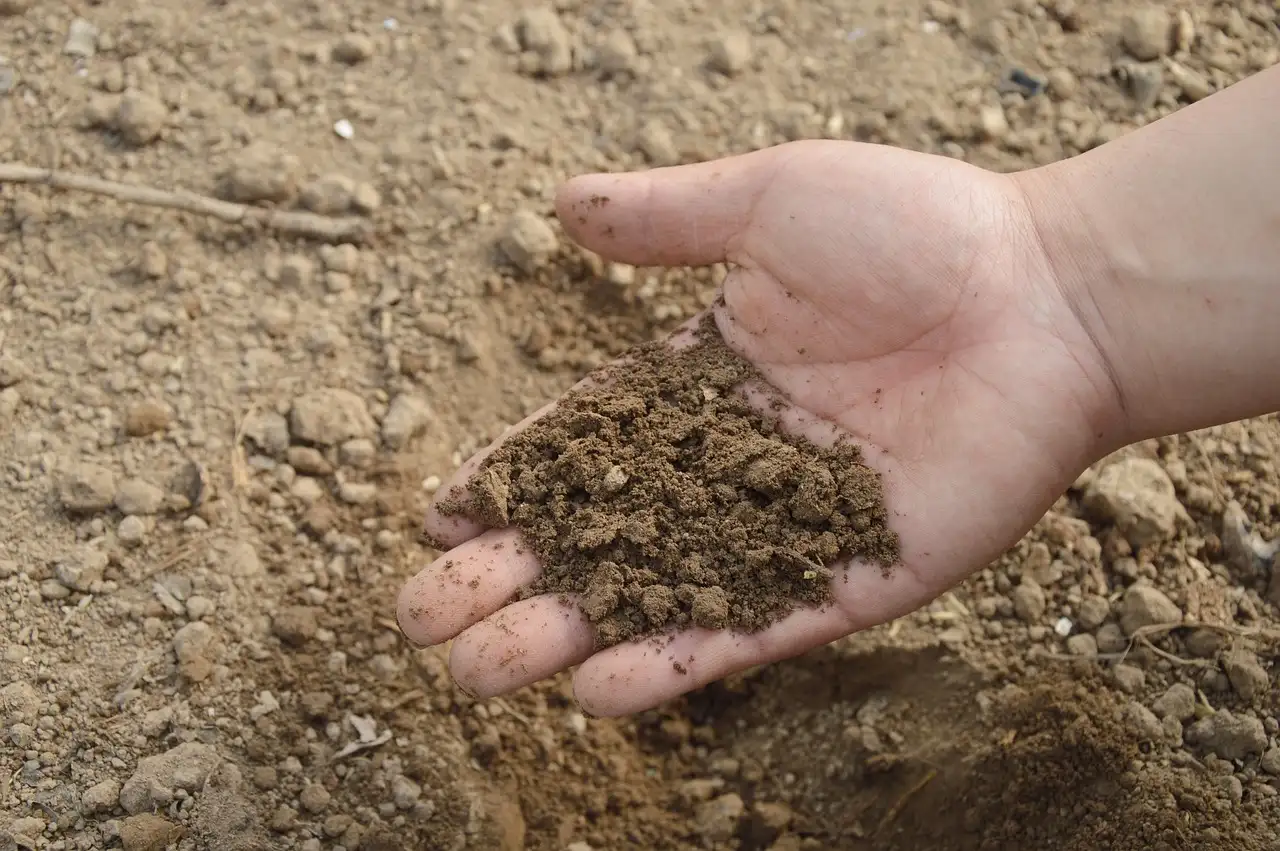


Compost
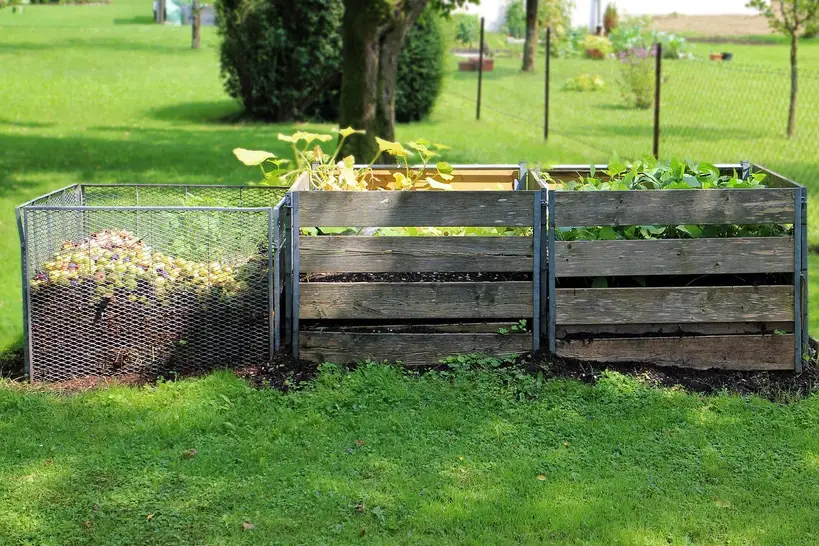
Compost is decomposed organic matter made from greens and browns. EPA defines composting as managed, aerobic biological decomposition of organic materials by microorganisms, and the end product is a biologically stable soil amendment used to build soil health. Finished compost should be mature and stable, not hot, sour, or slimy. (epa.gov)
Good compost improves soil fertility and physical, chemical, and biological properties. It adds organic matter, nutrients, bacteria, and fungi. In many descriptions, compost is treated as lacking the sand, silt, and clay that make up mineral soil, so it is not a full soil by itself.
Topsoil
Topsoil is the upper soil layer used for filling and building. It adds bulk and a place for roots to sit, and quality varies by source. Garden Myths notes it can be a couple of inches thick or even a foot thick, depending on where it came from and how it was stripped, screened, and stored.
Topsoil is useful when you need a base layer or a bed that sits higher than the surrounding grade. It is not automatically fertile, though. Some loads are clean and screened. Others are plain filler with little organic matter.
Garden soil
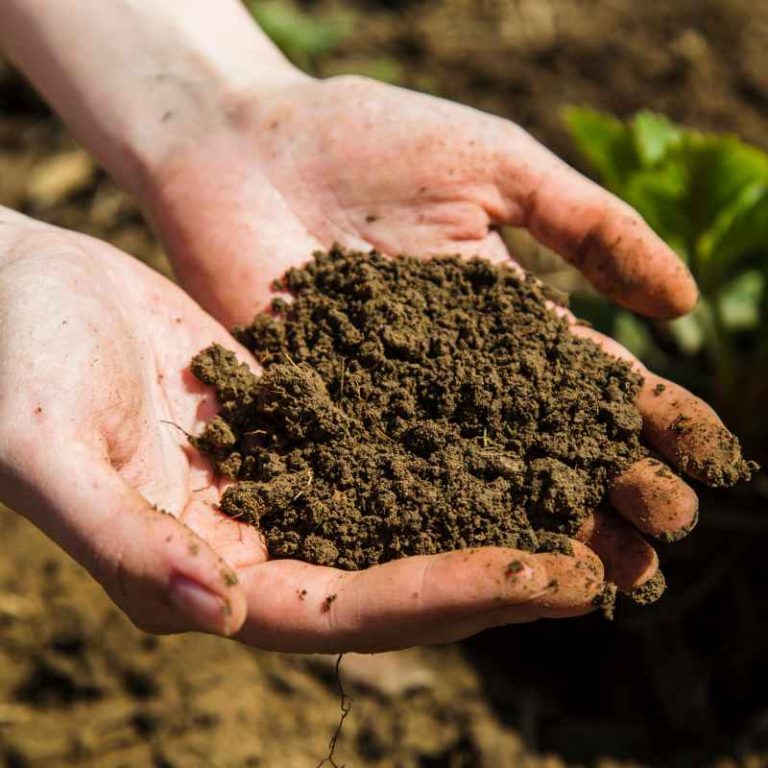
Garden soil is the existing soil already in the ground. In many yards, that means the right move is amendment, not replacement. If the native soil is still in place, compost often does more good than hauling in a thick layer of new soil on top.
That distinction matters. Existing in-ground beds usually need topdressing or mixing into the top layer, while brand-new beds often need actual fill first. Treat the bed you have, not the one you wish you had.
According to How to Compost at Home: A Beginner’s Guide to Making Compost — The Almanac says hot compost can reach about 130°F to 160°F.
Side-by-side comparison: compost vs topsoil
Compost wins when the soil needs better function. Topsoil wins when the bed needs more depth. In many gardens, the right answer is a blend, because roots need both a workable medium and enough volume to spread.
| Factor | Compost | Topsoil | Winner |
|---|---|---|---|
| Soil fertility | High | Varies widely | Compost |
| Fill and bed-building | Poor | Strong | Topsoil |
| Biology and organic matter | Strong | Usually lower | Compost |
| Screening and consistency | Varies by source | Often screened | Topsoil |
| Best standalone use | Amendment and topdressing | Filling and raising grade | Tie |
What it is made from
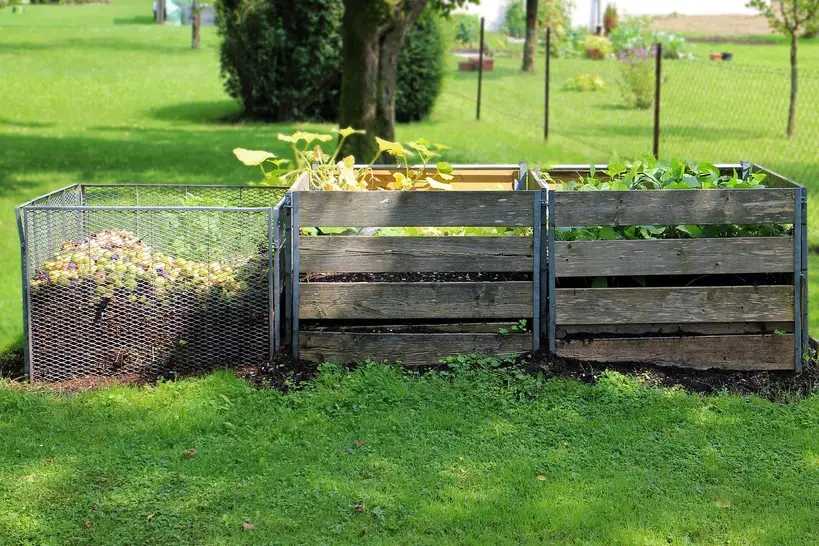
Compost comes from decomposed plant and food waste, manure, and other organic materials. EPA lists four composting ingredients: carbon-rich materials, nitrogen-rich materials, water, and air. The Almanac says hot compost can reach about 130°F to 160°F, and it recommends roughly 2 to 3 parts browns to 1 part greens by volume.
Topsoil is soil, not decomposed kitchen waste. It should contain mineral particles and some organic matter, but the mix depends on the supplier and the source site. That variability is why one load can be useful and another can be disappointing.
What problem it solves
Compost solves performance problems. It can improve soil organic matter, which may help water-holding capacity and support soil life. It can also help soil structure, with better aggregate formation, air and water movement, and root penetration. Clay-heavy soil usually benefits the most because compost helps it loosen and drain better.
Topsoil solves volume problems. It fills low spots, raises beds, and gives roots a base to grow in when there is not enough existing soil. It can also be used to create a new bed before adding compost or fertilizer.
What can go wrong
Too much compost can create a soft, shallow layer that is great for seedlings but poor as a full root zone. It can also be wasteful if the underlying issue is simply lack of depth. Compost is an amendment, not a whole-bed substitute.
Low-quality topsoil can be little more than fill dirt with an earth-colored look. It may have debris, compacted clods, or too little organic matter. In that case, the bed gains height but still grows poorly.
What to inspect before buying
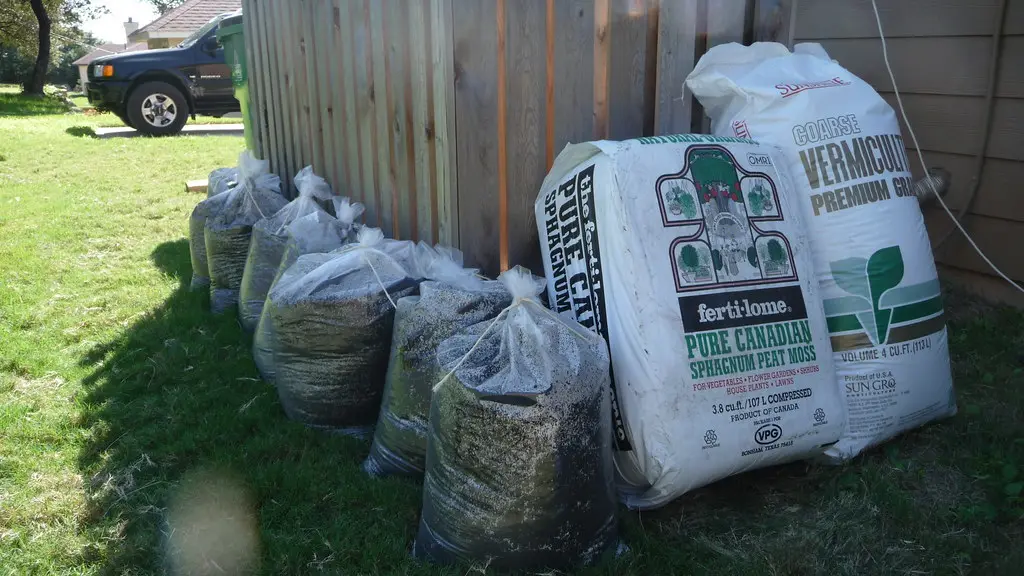
For compost, look for mature, stable material that smells earthy rather than sour or rotten. For topsoil, check whether it is screened and ask what it contains. Bulk material matters more than the label printed on the pile.
Bagged and bulk products both vary. Bags can hide inconsistency behind a familiar package. Bulk can be cheaper, but the source, screening, and texture should be inspected before it lands in a bed.
When should I use compost?
Use compost when the problem is poor soil performance rather than missing soil depth. It is often a better choice for tired beds, low-fertility areas, weak soil biology, clay that stays tight, and sand that drains too fast. Compost is also the regular maintenance material for most in-ground gardens.
Poor fertility or tired beds
If plants look sluggish and the bed has not been amended in a while, compost is usually the first thing to add. It brings organic matter and nutrients while improving the soil environment that roots and microbes rely on. Agri Farming also notes compost tends to have a low but balanced NPK ratio around 1-1-1.
Clay soil that stays tight
Clay soil often benefits more from compost than from extra topsoil. Compost improves structure, which helps aggregates form and opens space for air and water. That makes roots easier to establish and can reduce the hard, crusted feel common in heavy clay.
Sandy soil that drains too fast
Compost helps sandy soil hold water and nutrients longer. The organic matter acts like a buffer, giving roots a better chance between waterings. Topsoil alone may still leave a sandy bed too lean unless it contains meaningful organic matter.
Topdressing and light annual maintenance
A thin compost topdressing is useful when beds only need a surface refresh. It works well around perennials, vegetables, and established shrubs. This is the cleanest use case for compost because it improves the soil below without changing bed height much.
When should I use topsoil?
Topsoil is often the better choice when the main need is physical fill. That includes new beds, raised-bed height, patch repairs, and low spots that need to be brought level. If there is not enough soil volume, compost alone is the wrong tool.
Building new beds or raising bed height
Topsoil is the practical base when a bed needs to be built from scratch or lifted above grade. It creates the bulk that compost cannot provide efficiently or affordably. Once the bed has volume, compost can be added to improve the working layer near roots.
Filling low spots and patch repairs
When a lawn edge sinks or a bed settles unevenly, screened topsoil is the better repair material. It gives a consistent surface and can be leveled cleanly. Compost is too lightweight and biologically active to serve as the main fill in these spots.
Creating a base before adding compost
Topsoil makes sense when a planting area needs structure first and fertility second. A new bed can be built with topsoil, then amended with compost in the upper layer. That order matters because plants need both depth and a better root zone.
What makes screened topsoil worth paying for
Screening removes larger debris and makes the material easier to grade. For bed-building and patch work, that consistency matters. If the topsoil arrives lumpy, stony, or mixed with trash, the bed may settle badly or drain unevenly.
Can I mix compost and topsoil together?
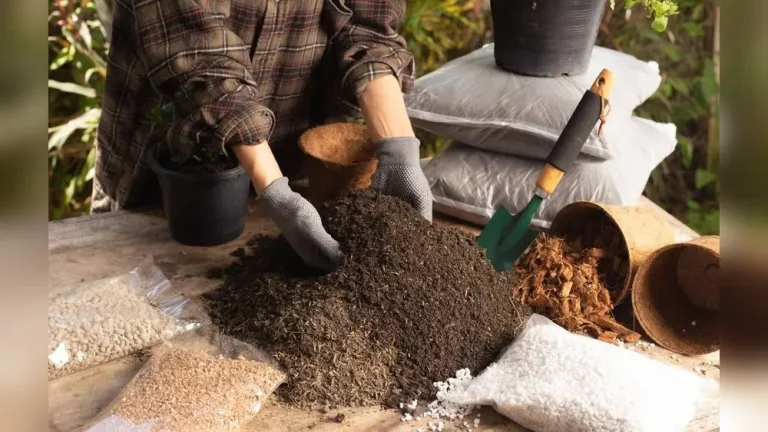
Yes. Mixing compost and topsoil together is often the best choice when a bed needs both volume and better soil function. The blend works especially well for in-ground beds, raised beds, and repairs where the existing soil is too poor to use on its own.
Best uses for a blend in in-ground beds
In-ground beds often benefit from a top layer of topsoil blended with compost. The topsoil adds body, while the compost improves organic matter and microbial activity. This approach is useful when the native soil is weak but not being fully removed.
Raised beds that need both volume and organic matter
Raised beds rarely do well with either material alone. Topsoil gives them bulk. Compost boosts fertility and improves water retention. Depth and drainage matter here, so a blend is more balanced than a single-material fill.
How much of each to use in common scenarios
For a planting layer, start with more topsoil when the bed needs height and more compost when the soil already has depth but poor vitality. For patch work, use topsoil as the base and compost in the upper zone. For maintenance, use compost on top rather than burying it deep.
How much compost should I add to my garden?
Add enough compost to improve the root zone without turning the bed into a fluffy mulch layer. For established in-ground beds, a thin topdressing is usually enough. For clay or tired beds, a thicker amendment layer mixed into the topsoil is more useful than a heavy blanket on top.
Light topdressing
Use compost as a surface dressing when the goal is routine soil improvement. Spread it evenly and keep it in the active root zone rather than piling it against stems or trunks. This is the safest way to feed soil year by year.
Bed amendment
When rebuilding a bed’s performance, mix compost into the upper soil layer instead of leaving it only on the surface. That puts organic matter where roots can use it. Finished compost should be mature and stable before it goes into the garden.
When too much compost is a problem
Too much compost can be bad when it replaces too much native soil or makes the planting surface overly loose. It can also create drainage and water-management issues if the mix becomes too organic-heavy. Compost is powerful in moderation.
How deep should topsoil be for a garden?
Topsoil should be deep enough to support the plants you want and the bed shape you need. Shallow topsoil can work for repairs or light planting, but new beds and raised beds need enough depth for roots, water movement, and long-term stability. Depth is a structure decision first.
Shallow use cases
For patching or leveling, topsoil may only need to cover the problem area. That is a repair task, not a full bed build. In those cases, the main goal is smooth grade and a stable base.
Deeper use cases
For new beds, topsoil should be deep enough to create a functional root zone before compost is added. If the layer is too thin, roots hit poor subsoil too quickly. A thicker base gives the garden room to perform.
Is compost better than topsoil for raised beds?
Compost is better for feeding the biology of a raised bed, but topsoil is better for giving it volume. Raised beds usually need both. A mix is the practical answer because the bed has to hold roots, drain well, and still provide enough organic matter to stay productive.
Why raised beds often need a blend
Raised beds lose moisture faster than in-ground beds, so organic matter matters. At the same time, they need enough body that the planting mix does not sink or collapse. Compost alone may be too light for filling the whole bed. Topsoil alone is often too lifeless.
What to avoid in raised beds
A common mistake is filling a raised bed with pure compost. Another is using cheap topsoil that looks fine but contains little organic matter. The bed may look full either way, yet the root zone still performs poorly.
Can I put compost directly on topsoil?
Yes, compost can go directly on topsoil. That is often the best way to topdress an existing bed. The compost slowly works into the upper layer, improving soil organic matter and helping soil life without needing a full excavation.
Best times to do it
Apply compost directly over topsoil when beds need a surface refresh or a seasonal soil boost. It is also useful before planting if the compost is mature and stable. The goal is to feed the soil, not bury the roots too deeply.
What is the difference between topsoil and compost?
Compost is decomposed organic matter used to improve soil fertility and biology. Topsoil is the upper soil layer used for building and filling. Compost changes how soil functions; topsoil changes how much soil you have. They solve different problems, even though both can appear in the same bed.
Why the difference matters
Gardeners often buy the wrong product because both come in bags and bulk piles. Compost is about amendment. Topsoil is about volume and structure. If the bed is weak, compost is the better first move. If the bed is too shallow, topsoil comes first.
Can too much compost be bad?
Yes. Too much compost can create a planting layer that is too soft, too shallow, or too rich for the site. It can also waste money if the bed needed grade correction instead of more organic matter. Compost helps soil; it does not replace the need for a real soil profile.
Common failure case
Using compost as a full soil replacement is a mistake. It may look dark and fertile, but it lacks the mineral balance of real soil. Garden Myths notes compost contains no sand, silt, or clay, so it cannot stand in for an entire soil system.
Does compost replace fertilizer?
No, not in every case. Compost is a soil amendment, not a complete plant-food solution. It adds nutrients and improves the soil system, but a crop with heavy nutrient demand may still need fertilizer based on what is being grown and what the native soil already contains.
When compost is enough
For many home gardens, compost supplies steady support and helps plants use existing nutrients better. It improves the soil environment that makes feeding more effective. That often reduces fertilizer dependence over time.
When fertilizer still matters
Fast-growing vegetables, container plantings, or beds with known nutrient shortages may still need fertilizer. Compost is the foundation. Fertilizer is the targeted correction.
Choose Compost if… / Choose Topsoil if…
Choose compost when the bed already has enough depth but the soil is tired, compacted, sandy, or low in organic matter. Choose topsoil when the problem is height, fill, leveling, or building a new bed. Choose both when roots need a better growing zone and the bed still lacks volume.
Choose compost if…
- The bed is in the ground and already deep enough.
- The soil is heavy clay, fast-draining sand, or generally low in life.
- You want to topdress or improve fertility without raising grade much.
- You need to build soil organic matter over time.
Choose topsoil if…
- You are creating a new bed or raising an existing one.
- You need to fill a low spot or repair a settled area.
- The bed needs more root-zone depth before planting.
- You need a screened, consistent base material.
The one-page decision matrix
This matrix is the shortest way to choose. Read across from your garden problem, then buy the material that fits the bed type and the job. If the answer points to a blend, start with topsoil for depth and add compost where roots will actually use it.
| Scenario | Bed type | Soil problem | Best product | Why it fits |
|---|---|---|---|---|
| Existing vegetable bed looks tired | In-ground | Low fertility, weak soil life | Compost | Topdressing improves organic matter and biology without changing grade much |
| Clay bed puddles after rain | In-ground | Poor structure, tight soil | Compost | Compost improves aggregation, air flow, and water movement |
| Raised bed needs to be filled | Raised bed | Not enough depth | Blend | Topsoil provides volume; compost improves fertility and organic matter |
| Yard sinkhole or low corner | Patch repair | Grade correction | Topsoil | Screened topsoil levels the area and gives a stable base |
| Sandy bed dries out too fast | In-ground | Low water-holding capacity | Compost | Organic matter helps soil hold moisture and nutrients longer |
| New bed beside a patio | Raised or built bed | Need fill plus planting soil | Blend | Both volume and fertility matter from day one |
Frequently asked questions
Should I use compost or topsoil in my garden?
Use compost if the soil needs better fertility, organic matter, and biology. Use topsoil if the garden needs fill, height, or a new base. If the bed needs both depth and better performance, a blend is usually the most practical answer.
Can I mix compost and topsoil together?
Yes. Mixing them is often the best choice for raised beds, new beds, and repairs. Topsoil supplies structure and volume, while compost improves soil function. The mix is especially useful when the bed needs a planting layer that is both deeper and more active.
How much compost should I add to my garden?
Add enough compost to improve the root zone without replacing the whole bed. Light topdressing suits maintenance, while heavier amendment belongs in tired or compacted soil. The right amount depends on whether the goal is surface feeding or real bed rebuilding.
How deep should topsoil be for a garden?
Topsoil should be deep enough to support roots and water movement for the plants being grown. Shallow coverage may work for repairs, but new beds need enough depth to form a stable growing zone. If the soil layer is too thin, the bed will struggle.
Is compost better than topsoil for raised beds?
Compost is better for fertility, while topsoil is better for fill. Raised beds usually need both because they must hold enough soil volume and still stay productive. A mix gives better results than using only one material.
Does compost replace fertilizer?
Not always. Compost improves the soil and adds nutrients, but it is not a complete fertilizer program for every crop. Many gardens still need targeted feeding, especially when growing heavy feeders or when the existing soil is short on specific nutrients.