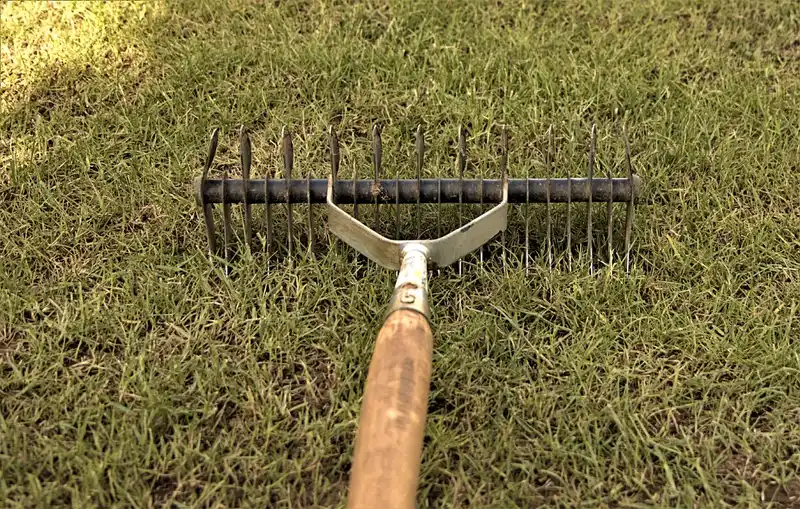
How to Know When Soil Needs Aeration
Soil likely needs aeration when a screwdriver or soil probe meets strong resistance in about the top 3 to 4 inches, water ponds or runs off after a normal watering, and grass thins in traffic areas. Aerating the wrong problem wastes effort and leaves poor drainage, buried thatch, or grading issues untouched. This guide shows quick checks that separate true compaction from drainage, thatch, and slope problems before you cut plugs or punch holes.
What you’ll need
- A screwdriver or soil probe
- A hose or watering can
- A trowel or spade
- A notebook for yes/no checks
How do you spot compacted soil?
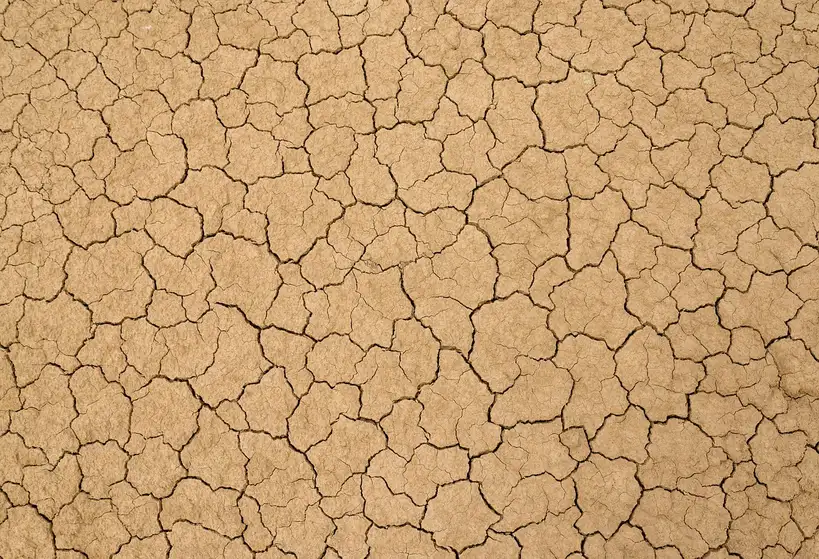
Compacted soil usually shows up where air and water move poorly through the root zone. Look for thin turf, shallow roots, and hard ground in play areas, pathways, pet runs, mower turns, or places that took heavy equipment. University turf programs commonly use these same field signs to distinguish compaction from soil compaction, especially in high-traffic turf.
Look for shallow roots and thin turf
Pull up a small wedge of turf with a trowel. If roots stay near the surface instead of extending downward, oxygen may be limited by reduced pore space. Short, stunted roots lower drought tolerance, so the lawn declines faster during heat or dry spells. This is one of the clearest clues used by university turf programs when diagnosing compacted lawns.
Check for traffic patterns and hard spots
Soil compaction is common in high-traffic areas. Repeated foot traffic, pet paths, mower patterns, and construction disturbance squeeze pore space and limit air and water movement. A hard strip beside a driveway or gate tells you more than a weak patch in an unused corner.
Watch for water that sits or runs off
Puddles after a normal watering are a clue, but not proof. Slow infiltration can mean compaction, grading trouble, or both. If the wet area matches a low spot, slope, or roof drip line, drainage may be the real issue. See also lawn drainage problems for signs that point away from aeration.
How do you test infiltration at home?
A quick home test can separate slow infiltration from general wilt. Use a measured pour, watch how fast water enters, and check whether the probe goes in with steady pressure or stalls in the top layer. Dry soil, saturated soil, and compacted soil all feel different.
Use a simple water soak test
Set a straight-sided ring or a bottomless can on the soil, pour in 1 cup of water, and time how long it takes to disappear. Repeat once in a nearby spot. Slow soak-in across several spots points toward compaction; one slow pocket may just be a low area or buried debris.
Check how fast a screwdriver enters
Push a screwdriver into about the top 3 to 4 inches to test resistance. If it meets firm resistance across a broad area, compaction is likely. If it sinks easily in one place but not another, compare traffic and grade before renting equipment.
Judge whether soil is moist, dry, or saturated
Soil should be slightly moist before aeration. University extensions generally advise working when the soil is moist enough to penetrate cleanly, but not wet enough to smear or form ribbons. A handful should feel cool and crumbly, not dusty and not sticky enough to form a slick ribbon.
How do you rule out drainage or thatch problems?
Drainage failure and thatch can look like compaction, but they need different fixes. If water moves poorly because the yard is graded wrong, aeration may do little. If a thick thatch layer blocks the surface, the lawn may need dethatching before any aeration step. For that, see dethatching.
Tell drainage failure from compaction
Compaction affects many adjacent spots, especially where people, pets, or machines pass. Grading problems usually follow slope lines, downspouts, or a depressed strip after construction. If water always flows to the same low point, fix the grade first. Aeration does not correct runoff patterns.
Check whether thatch is masking the symptoms
Cut a small soil slice. A spongy surface layer of undecomposed organic matter can hold water above the mineral soil and mimic compaction. If that layer is thick, aeration alone may miss the real problem.
Watch for grading issues after rain or construction
Freshly graded beds and lawns can settle unevenly. That settling often causes shallow ponding even when the soil below is not badly compacted. In those cases, adding topsoil, correcting slope, or rebuilding the bed may matter more than punching holes.
Aeration decision checklist
This checklist separates three outcomes: aerate now, fix drainage first, or do not aerate; amend soil instead. Use yes/no answers in order. If a later answer changes the picture, stop and follow the first outcome that fits.
| Symptom/Test | Yes – next step | No – next step | Outcome | Notes |
|---|---|---|---|---|
| Surface water ponds or runs off after normal watering? | Go to the next test | Compaction is less likely | Check the next clue before renting equipment | Clay soil may still drain slowly even without major compaction |
| Screwdriver resists in the top 3 to 4 inches across a broad area? | Go to the next test | Do not aerate yet | Likely compaction signal | High-traffic areas are the best candidates |
| Roots are shallow or stunted in turfgrass? | aerate now | Check drainage and grade | aerate now | University turf guides use shallow roots as a compaction clue |
| Water pools in one low spot or follows a slope line? | fix drainage first | Follow the compaction path | fix drainage first | Do not use aeration to solve a grading fault |
| Soil is loose below a thick thatch layer? | do not aerate; amend soil instead | Aerate turf after thatch is addressed | do not aerate; amend soil instead | Landscape bed soil needs plant-specific caution |
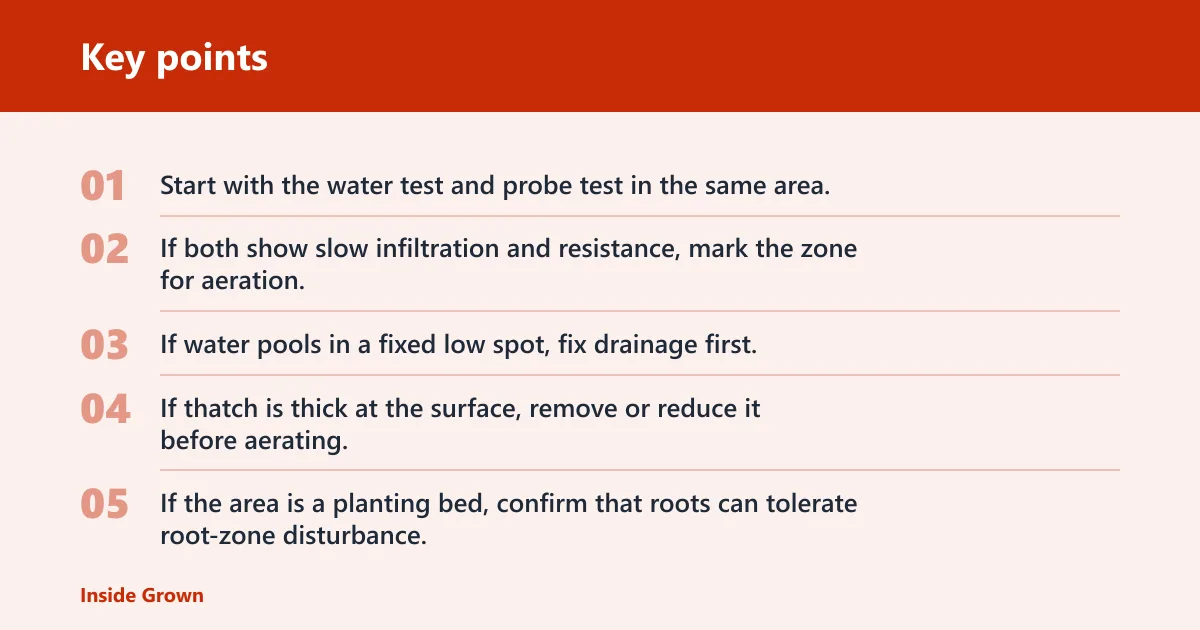
- Start with the water test and probe test in the same area.
- If both show slow infiltration and resistance, mark the zone for aeration.
- If water pools in a fixed low spot, fix drainage first.
- If thatch is thick at the surface, remove or reduce it before aerating.
- If the area is a planting bed, confirm that roots can tolerate root-zone disturbance.
- Top up with organic matter in clay-heavy soil, about 1/2 inch at a time, then recheck infiltration before deciding on more aeration. For clay-focused guidance, see soil amendment for clay.
Say your 600-square-foot front lawn gets heavy foot traffic from a path to the gate, and the screwdriver stops after 2 inches in that strip but not in the side lawn. That points to compaction, so core aeration is the better fit. Suppose the same spot also sits in a shallow dip; then drainage work comes first.
Picture a newly graded planting bed where water lingers after rain, but the probe slides in easily below the mulch. That is not a strong compaction signal. The bed likely needs grade correction or soil amendment, not mechanical aeration.
When should you aerate soil?
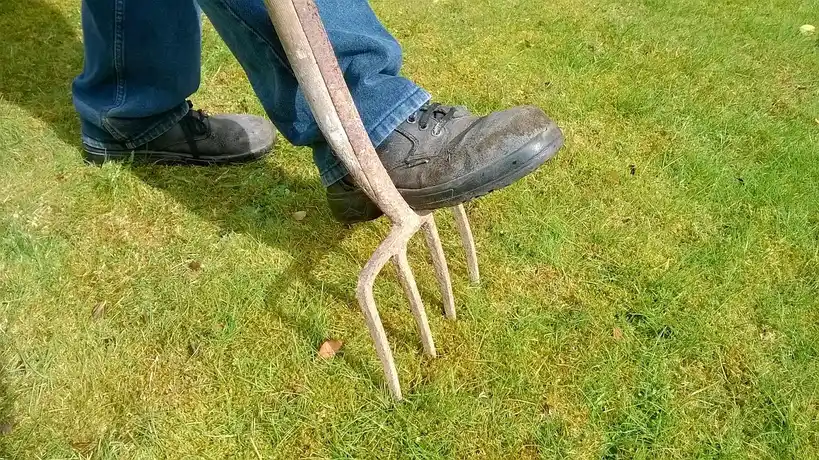
Aerate during active growth when turf can recover, and only when soil is slightly moist. University extension recommendations generally place aeration timing around the grass’s main growth period, because turf closes holes and recovers faster then. If the site is bone-dry, water lightly first and wait until the surface is workable.
Cool-season turf: when to aerate
For cool-season grasses, aerate in early fall, or in spring only if fall timing is not possible. That lines up with peak recovery for Kentucky bluegrass, perennial ryegrass, tall fescue, and similar lawns. These grasses respond best when roots are actively growing and temperatures are moderate.
Warm-season turf: when to aerate
For warm-season grasses, aerate in late spring through early summer, once the grass is fully green and growing fast. Bermudagrass, zoysiagrass, St. Augustinegrass, and centipedegrass typically recover best during that active-growth window. Avoid aerating late in the season if the lawn cannot regrow quickly before stress returns.
Choose core aeration over spike aeration for severe compaction
Core aeration removes plugs and is the better choice for compacted turf or settled soil. Extension turf programs generally prefer core aeration because it relieves compaction more effectively than spike aeration, which can simply create narrow slits or push soil sideways. Use spike aeration only for light surface relief, not as the main fix for a hard layer.
Use moisture, not mud, as the target
If a soil probe comes out coated with sticky paste, the soil is too wet. If it bounces off a dry crust, it is too dry. The right window is slightly moist soil that crumbles after squeezing. Extension guidance often describes this as soil being moist enough to work, but not saturated enough to smear.
How deep does aeration need to be?
For lawn aeration, many home machines work in about the top 2 to 4 inches, which is often enough to break surface compaction and improve infiltration. University turf references commonly describe core aeration depths in this range for residential lawns. Deeper problems call for soil replacement, grading correction, or more extensive renovation. Deep tines are not a cure for a poor slope or a buried hardpan.
For turf, aim to relieve the compacted root zone, not to gouge as deep as possible. For landscape beds, do not assume the same depth or method is safe. Root sensitivity varies by plant type, age, and bed structure.
Can I aerate garden beds or just lawns?
You can aerate some landscape beds, but not all beds should be mechanically aerated. Established shrubs, shallow-rooted ornamentals, and newly planted beds can suffer root-zone disturbance. If the bed is settled and compacted, hand loosening, topdressing, or adding organic matter may be safer than a machine.
Check plant roots before you disturb the bed
If roots are close to the surface or the bed already drains poorly, mechanical aeration may do more harm than good. A trowel test tells you whether the problem is a hard soil layer, a mulch issue, or a plant-root limitation. Landscape beds follow different root-disturbance rules than lawns, so treat them separately from turf.
Common mistakes
People often aerate the wrong problem first. That wastes time and can worsen a wet site. The main fixes here are simple, but they only work when the diagnosis is right.
- Aerating saturated soil: wait until it is slightly moist so tines do not smear the structure.
- Using spike aeration for severe compaction: choose core aeration when the soil is genuinely hard.
- Aerating a bed without checking roots: use plant-safe methods if the area is not turf.
- Skipping grading on a low spot: fix slope problems before you rent equipment.
- Ignoring clay soil: pair aeration with organic matter, because clay is more prone to compaction and slow drainage.
If that did not solve the issue, move to the next likely cause: grading, then thatch, then soil amendment. A compacted lawn can benefit from core aeration, but a low spot, thick surface thatch, or a settled bed needs a different fix. For clay-heavy sites, repeated light organic additions usually work better than one heavy correction.
Prevention is straightforward. Keep heavy traffic off the same route, vary mower patterns, and add organic matter before soil gets hard again. That matters most in clay soil and in play areas, pet runs, and construction-disturbed zones.
Frequently asked questions
How often should soil be aerated?
Most lawns do not need annual aeration unless traffic is heavy or the soil is clay-heavy. Recheck with the screwdriver and soak tests each season. If the same area keeps failing those checks, the site likely needs organic matter or traffic changes too.
Should I water before aeration?
Yes, but only enough to make the soil slightly moist. Water lightly about 12 to 24 hours before aeration if the surface is dry. Stop if the ground is muddy or the probe leaves a slick smear, since that condition can make aeration less effective.
Is aeration worth it for clay soil?
Yes, often. Clay soil compacts more easily and drains more slowly, so core aeration can help water move through the root zone. The best results usually come when aeration is paired with organic matter rather than used as a one-time fix.
Do I need aeration after heavy rain or construction?
After heavy rain, wait until the soil is only slightly moist, not saturated. After construction, check whether the area is compacted everywhere or only in a low spot. If grading changed, repair the slope before aerating, because holes will not correct runoff patterns.
What are the signs of compacted soil?
The most reliable signs are slow infiltration, hard resistance in the upper 3 to 4 inches, and shallow turfgrass roots. Traffic lines from people, pets, or machines make the pattern more convincing. A single yellow patch without those clues may have another cause.
Sources
- University turf and extension guidance on core aeration depth, soil moisture timing, and grass-season timing for cool-season and warm-season lawns
- Extension resources on diagnosing soil compaction through probe resistance, shallow roots, and slow infiltration
- University and extension guidance comparing core aeration and spike aeration effectiveness
- Extension guidance on clay soil compaction risk and the role of organic matter in improving structure
- Extension guidance on separating compaction from drainage, grading, and thatch problems