Why Does Soil Get Hard After Watering?
Soil gets hard after watering when fines crust on the surface, particles pack together from repeated wetting and drying, or water drains slowly and leaves the root zone airless; the fix depends on which problem you are seeing. Leave it alone, and roots get less oxygen, seedlings struggle to emerge, and watering works less well. This guide helps you tell crusting from compaction and poor drainage, then choose the right fix for potting mix, beds, and containers.
What hard soil is telling you

- Instant read for checking soil moisture
- Clear dial is easy to read
- Slim probe is gentler on roots
Hard soil is a symptom, not one problem. The clue is where the hardness shows up: only at the surface, through the whole root zone, or mainly in containers that stay wet after watering.
Surface crusting versus deeper compaction
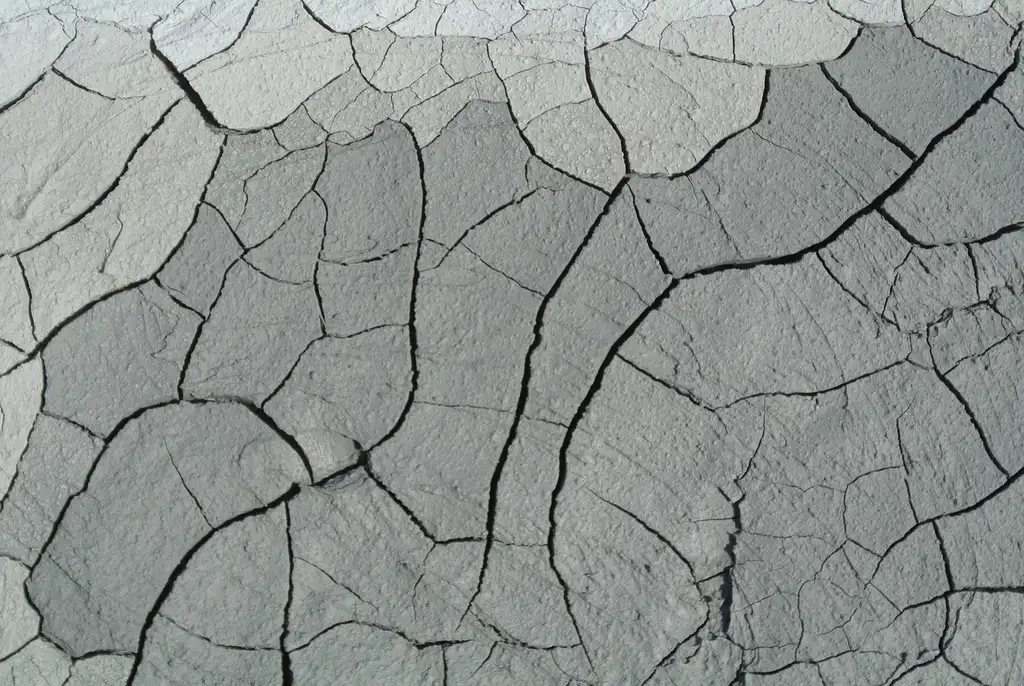
A thin hard layer on top usually points to crusting. The soil below may still be loose enough for roots. Deep hardness is different: it means the pore space inside the soil profile has collapsed enough to block air and roots.
How poor drainage changes the diagnosis
If water sits on top or the soil stays wet for days, drainage belongs in the diagnosis. Slow drainage can make the surface feel firm, but the deeper issue is that water is moving through the root zone too slowly, so oxygen stays low.
Why clay-heavy soil behaves differently
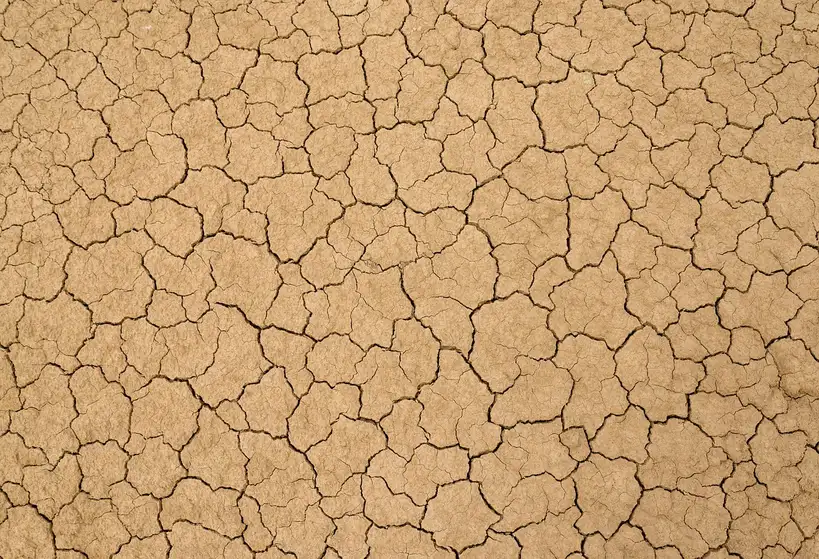
Clay has tiny particles. When it is wet, it can feel sticky; when it dries, it can set hard. Clay-heavy soil also drains more slowly, so the same watering pattern can leave it soggy, then harden as it dries and shrinks.
Why does soil get hard after watering?
Soil gets hard after watering when repeated wetting and drying break down crumb structure, clay particles seal at the surface, or compaction reduces pore space. Each problem changes how water moves and how much air reaches roots. The right fix depends on which pattern shows up first.
Repeated wetting and drying can weaken soil structure
Healthy soil has stable aggregates, or small clumps, with pore space between them. Those spaces hold air and let water move. When soil goes from wet to dry over and over, aggregate stability can drop and the crumb structure can collapse, especially where the surface is left bare.
Clay can seal at the surface
Overhead watering can hit bare soil hard enough to splash fine particles upward. Those fines can fill surface pores and form a seal. That crust reduces infiltration, so later water runs across the top instead of soaking in.
Compacted soil loses pore space
Soil compaction squeezes soil particles closer together, reducing air spaces and limiting root penetration. Foot traffic, watering impact, and machinery are common causes. Clay-heavy soil is the most vulnerable because it starts with smaller pores and can compact more easily.
Picture a raised bed that gets hit with a strong hose spray every afternoon. The top inch dries into a thin shell, but the soil underneath still feels dense. That is a crusting problem first, not a whole-bed compaction problem.
Why does water sit on top of my soil?
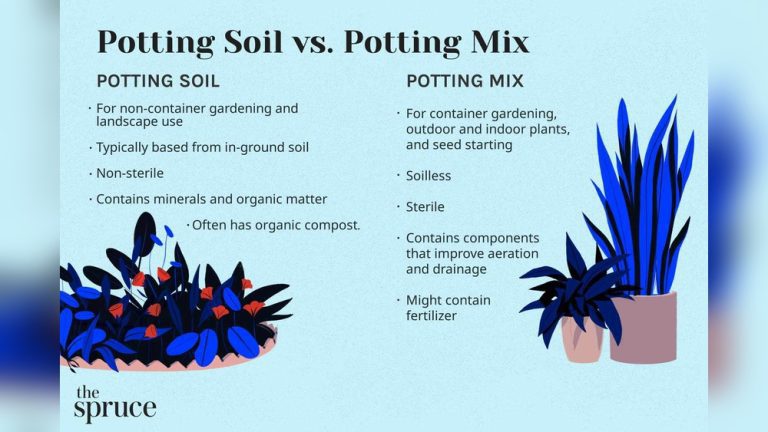
Water sitting on top usually means one of three things: a crusted surface is slowing infiltration, potting mix has become water-repellent, or the root zone is already saturated and cannot take in more. The fix changes a lot depending on which one you are seeing.
Crusted surfaces slow infiltration
When the top layer seals, water pools instead of moving downward. You may also see runoff across the surface after overhead watering. In garden beds, this often follows bare soil exposure and repeated spray irrigation.
Hydrophobic potting mix can repel water
Some dry potting mixes shed water instead of absorbing it. Water beads, channels around the edges, or disappears down a gap while the root ball stays dry. This happens more often in old, peat-heavy mix that has dried out too far.
Poor drainage can leave the root zone saturated
If water drains too slowly, the surface may stay wet because the soil below is already full. That can happen in clay soil, in low spots, or in containers with clogged drainage holes. Standing water is a sign to stop adding more for now.
Soil hardening troubleshooting matrix
Use this table to match the symptom to the likely cause and the first fix. The “do not do” column matters, because the wrong move can make hard soil worse fast.
| Symptom | Likely cause | First fix | Do not do |
|---|---|---|---|
| Potted plant soil is hard on top, but the mix below is still damp | Surface crusting or water-repellent potting mix | Scratch the top 1/2 inch lightly, then water slowly in stages | Do not flood it again right away |
| Water runs off a raised bed and pools in low spots | Crusted surface plus weak infiltration | Break the crust gently and add mulch after the surface dries | Do not till saturated soil |
| Clay garden soil feels hard days after rain and plants wilt despite moisture | Compaction and slow drainage | Check drainage, then aerate with a garden fork or broadfork when moist | Do not work the bed while it is soggy |
A common first-timer mistake is watering a crusted pot twice in a row because the top looks dry. The mix below may already be wet, and the extra water only raises the risk of root rot.
How do you fix hard soil in pots?
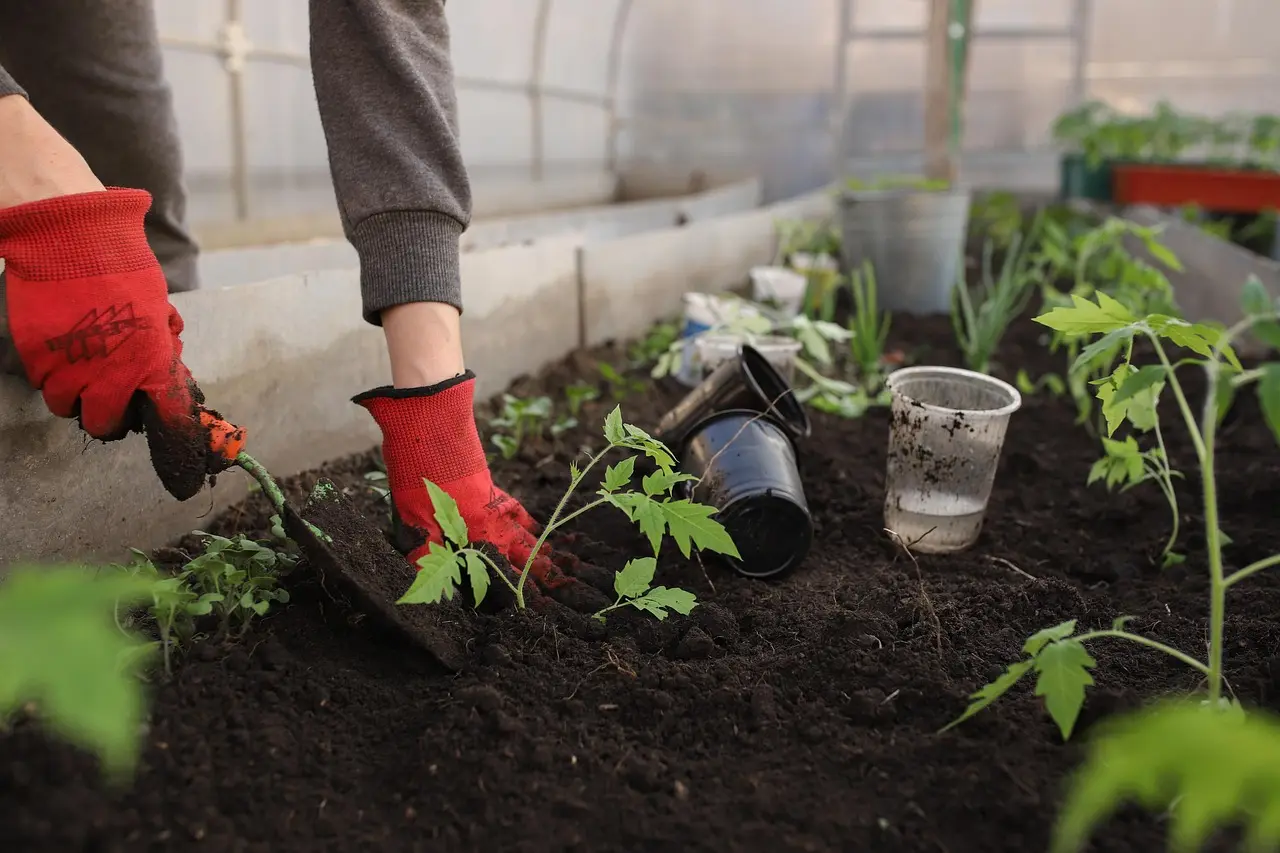
Container soil needs a different diagnosis than bed soil. If the top is crusted but the plant is otherwise healthy, a surface fix may be enough. If the whole pot stays wet or dries unevenly, repotting is often the better first move.
When to repot versus top-dress
Repot if water sits in the container, roots circle the pot, or the mix has broken down into fine, dense particles. Top-dress if the problem is mainly a hard surface and the root ball is still well aerated. In small pots, this choice matters more because there is less buffer against saturation.
What a perched water table looks like
In containers, water can stay held above the drainage hole instead of draining fully. That is called a perched water table. It is more common in small pots and in mixes with very fine texture. Pot depth and mix structure both affect how much water remains after drainage stops.
When to refresh potting mix
Refresh the mix when it no longer drains predictably, smells sour, or stays hard after watering because the structure has collapsed. A fresh mix should hold moisture without turning airless. If the plant is root-bound, loosening the outer roots before repotting helps new roots move into the new mix.
- Check whether water moves through the pot within a few minutes or sits on top.
- Lift the container after watering to judge whether the whole root ball is saturated.
- Inspect drainage holes for blockage.
- Repot into a mix with better structure if drainage stays poor.
How do you fix hard soil in beds?
Garden beds usually need both short-term relief and long-term improvement. If the soil is compacted, a fork can open channels. If the surface is crusting, mulch and gentler watering help. If the bed is clay-heavy, organic matter changes the structure over time.
Use a garden fork or broadfork on moist soil
A garden fork or broadfork can open compacted beds without turning them over. The best time is when the soil is moist, not saturated. You are trying to create air channels, not smear the soil into a denser layer.
Add compost or leaf mold over time
Organic matter helps soil particles form better aggregates. Compost and leaf mold improve aggregation, increase infiltration, and buffer moisture swings. That does not fix every problem overnight, but it steadily improves pore space and root movement in most garden soils.
Protect the surface with mulch
Mulch reduces evaporation and limits raindrop and hose impact, which helps prevent crust formation. A common mulch layer is about 2 to 3 inches. Keep it off stems and crowns, and replace it when it breaks down enough that bare soil starts to show.
How do I stop garden soil from crusting after watering?
To stop crusting, protect the surface, slow the water, and reduce the force hitting bare soil. Overhead watering on exposed ground is a common trigger because it breaks down fine particles and pushes them into a seal. Mulch and gentler irrigation work better than repeated blasting.
Switch watering method
Drip irrigation and soaker hose systems deliver water at a lower rate than overhead spray. That lower impact helps keep fines from washing upward and lets water soak in more evenly. If you must use a hose, keep the flow low and water in shorter passes.
Change watering rate and frequency
Water more deeply and less often once the soil is established. Frequent light watering keeps the surface wet, which can promote crusting while leaving deeper roots shallow. A slower, deeper soak encourages roots to move downward and reduces repeated surface sealing.
Keep the surface covered
Mulch is the simplest protection against crusting in bare beds. It reduces direct impact from rain and hoses, and it slows drying between waterings. That makes the surface less likely to seal and less likely to swing from soggy to hard.
How to keep soil from hardening again
Long-term prevention is about keeping structure intact. That means less surface impact, better organic matter, and watering that matches the soil type. Clay-heavy soil needs extra attention because it hardens faster when squeezed, flooded, or left bare.
Build organic matter and avoid surface impact
Regular additions of compost or leaf mold support aggregate stability and help the soil hold water without sealing. Avoid walking in beds, driving equipment across them, or hammering them with a strong sprinkler stream. Those pressures reduce pore space and can create compaction fast.
Watch for root health problems
Hard soil can starve roots of oxygen. Signs include stunted growth, wilting despite wet soil, yellowing, and weak new growth. If those symptoms show up with slow drainage or a sour smell, the root zone may already be under stress from low air availability and root rot risk.
If a 12-inch pot dries at the edges but stays soggy in the middle after watering, that can point to a perched water table and root-zone saturation. That pattern points more toward a perched water table and root-zone saturation than a simple need for more water. The fix starts with drainage, not a second watering.
Frequently asked questions
Why does my soil get hard after watering?
Soil gets hard after watering when water breaks down surface crumbs, compaction squeezes out air spaces, or clay particles seal the top layer as it dries. If the hardness is only at the surface, think crusting. If it extends deeper, think compaction or slow drainage.
How long should soil stay wet after watering?
There is no single safe threshold for every soil, but it should not stay puddled or airless for long. Containers should drain promptly after watering, and beds should become damp rather than saturated. If soil stays wet for days, drainage is probably part of the problem.
What to do if plant soil is too wet?
Stop watering, empty saucers, and improve airflow around the container or bed. If the soil is in a pot, check drainage holes and root crowding. If it is in a bed, avoid digging it while saturated, because that can make compaction worse.
Is my soil hard because of compaction or clay?
Clay soil feels sticky when wet and hard when dry, even when it is not badly compacted. Compaction is more likely if roots struggle to penetrate, water moves slowly, and the soil hardens in places where people walk or machinery passes. Clay and compaction often occur together.
Can overwatering make soil hard?
Yes. Overwatering can break down soil structure, keep pore spaces full of water, and encourage surface sealing when fine particles move upward. In containers, it can also create a root zone that stays airless and dense. That is one reason hard soil and wet soil often appear together.