Why Garden Soil Loses Nutrients Over Time
Garden soil loses nutrients over time because harvests remove them, rain and irrigation push soluble minerals below the root zone, erosion strips topsoil, and damaged soil structure slows the biology that returns nutrients to plants. Leave that cycle alone and growth weakens, leaves pale, flowers shrink, and harvests drop. This guide explains what changes in the soil, which nutrients disappear fastest, and how to fix the system without guessing.
Does garden soil lose nutrients over time?
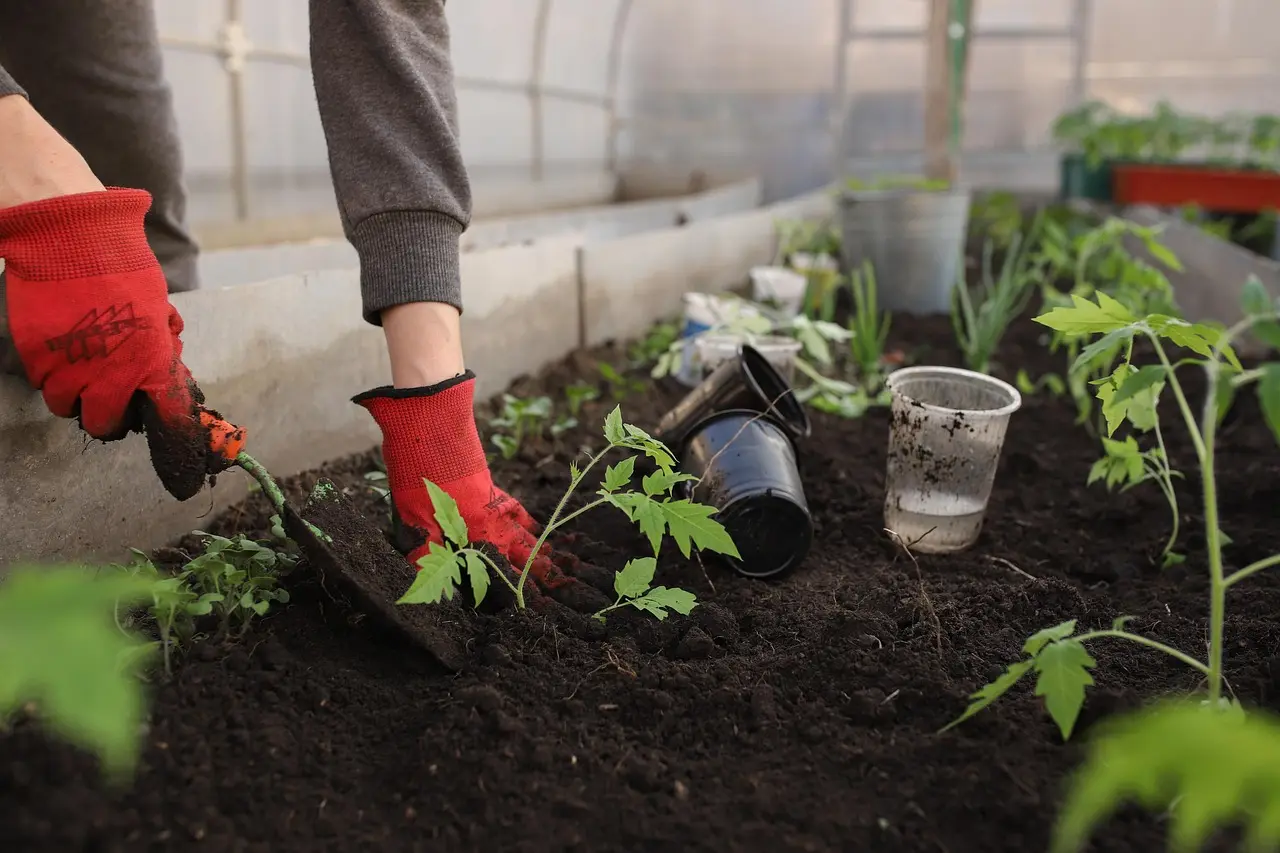


Yes. Soil can lose nutrients over time, but the pattern is usually mixed rather than simple. Plants take nutrients out, water moves some of them deeper, erosion removes nutrient-rich particles, and repeated planting lowers organic matter. Slow growth is often one of the first signs of that decline.
What changes first in a tired bed
The first clues are often slower growth, paler foliage, and weaker flowering rather than total collapse. A bed can still look dark and crumbly while the root zone is running short on available nutrients. Some weeds may keep growing well in that same soil while crops stall.
That mismatch matters. Soil can be depleted, but it can also be out of balance, too wet, too compacted, or too acidic or alkaline for roots to take up what is already there.
Why decline is usually gradual
Most gardens do not lose fertility in one season. The decline builds as harvests remove nutrients, rainfall leaches soluble ions, and compost is not replaced often enough. The soil usually looks “fine” for a while because the problem begins in the root zone, not on the surface.
Say your raised bed grew tomatoes well for two summers and then started producing smaller fruit and paler new leaves. That pattern can come from repeated nutrient removal plus a drop in organic matter, not just from one missing fertilizer application.
When low fertility is not the main problem
Do not treat every weak plant as simple depletion. Wet soil, compacted soil, and the wrong pH can block roots from using nutrients even when those nutrients are present. In those cases, more fertilizer can add salt stress without fixing the real issue.
What drains nutrients from soil?
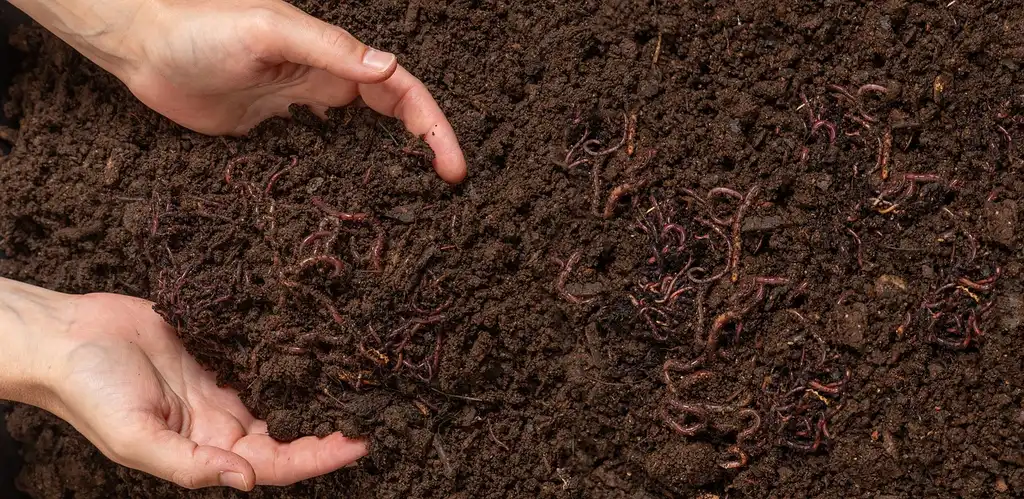
Plants remove nutrients each time you harvest crops, and water can move soluble nutrients downward beyond the root zone. Erosion strips away the most fertile surface layer, especially where runoff, slope, or bare soil is common. Heavy feeders pull the system down faster because they demand more from the same bed.
Plant uptake and repeated harvests
Every harvest takes nutrients out of the garden. Fruits, leaves, stems, and roots all contain nitrogen, phosphorus, potassium, and other elements that were once in the soil. Repeating the same crop in the same spot can mine the same nutrients over and over.
Heavy feeders such as tomatoes, peppers, corn, squash, cucumbers, and cabbage family crops often show stress first when fertility drops. Declining harvests can happen when those crops are planted repeatedly and compost is not added regularly.
Leaching after rain or over-watering
Leaching happens when water carries soluble nutrients downward through the soil profile. The risk rises in over-watered beds, sandy soil, heavy rain, and bare ground. In a soaked bed, nitrogen is often the first nutrient to move out of reach because it is so mobile.
When nutrients are washed down through soil, they do not disappear. They move below the main root zone, where shallow-rooted crops cannot use them well. Some may stay deeper in the soil, but for a home garden that can still function like loss.
Erosion, runoff, and bare soil
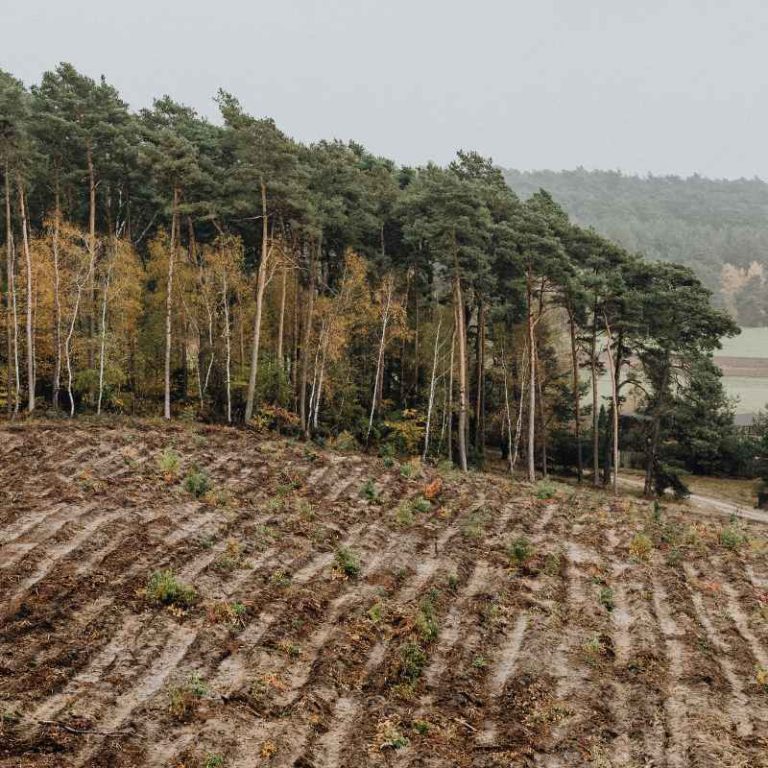
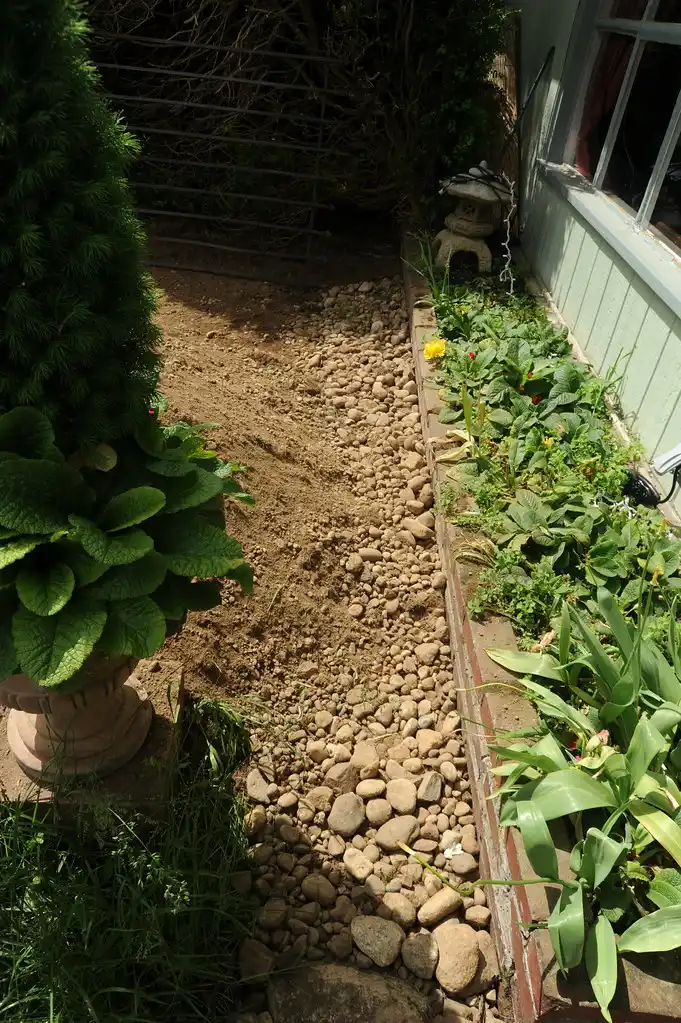
Erosion removes topsoil and the nutrient-rich particles attached to it. Runoff can carry that material off a slope or out of a bed entirely, especially after heavy rain. Bare soil loses more because raindrops hit directly instead of being slowed by mulch or plant cover.
Why heavy feeders empty beds faster
Heavy feeders need a steady supply of available nutrients. If the bed is planted back-to-back with crops like corn, cabbage family crops, or squash, the soil can be drained faster than a lighter mix of crops would drain it. Rotation slows that repeated drain.
Why do some soils lose fertility faster?
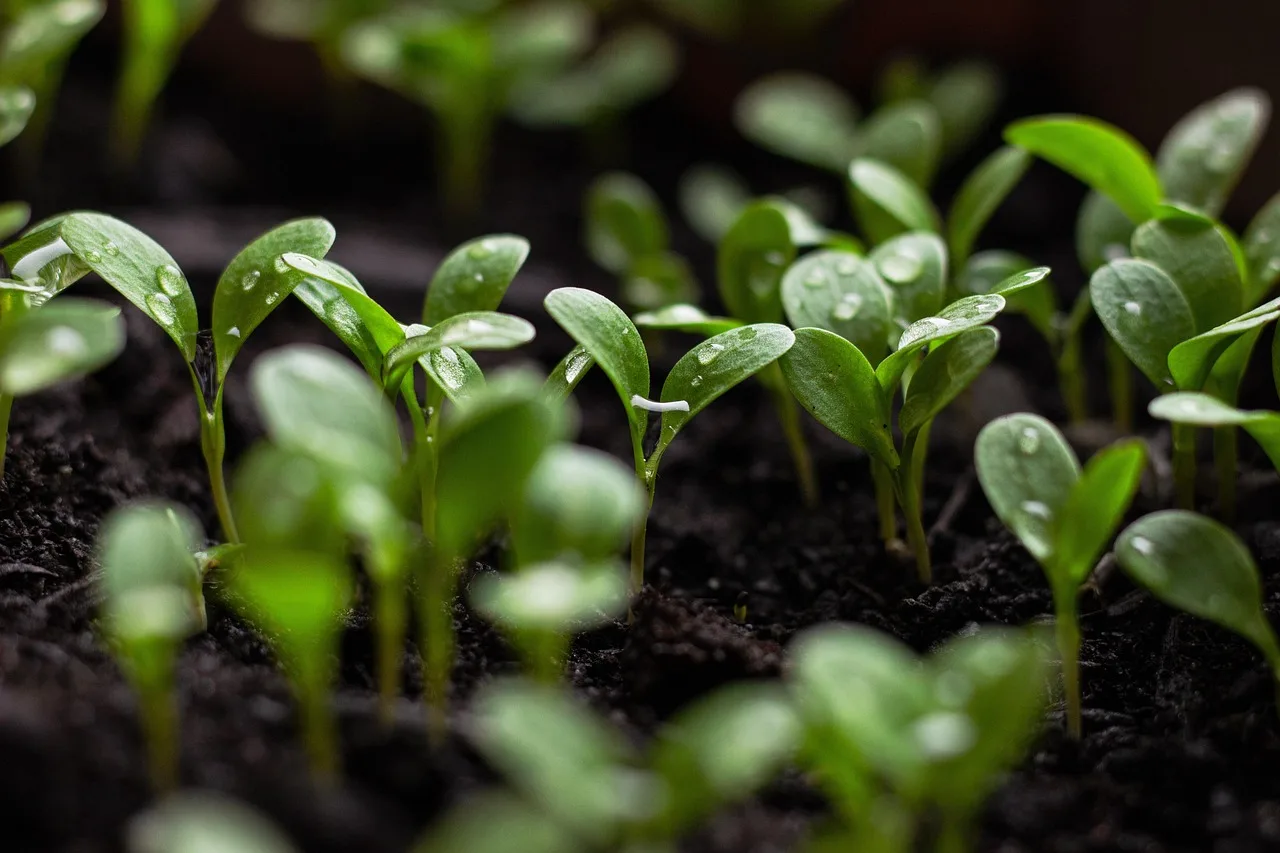
Soil texture, drainage, bed age, and organic matter all change how quickly nutrients move or stay put. Sandy soil usually loses nutrients faster because water passes through quickly. Heavier soil can hold water too long, which may damage roots and make a deficiency look worse than it is.
How soil texture changes nutrient holding
Texture affects how much water and nutrient solution the soil can retain around roots. Coarse, sandy soil drains fast and often needs more frequent feeding. Clay-rich soil holds more water and nutrients, but it can compact and restrict roots if worked when wet.
Why raised beds and containers decline sooner
Raised beds and containers usually lose fertility differently from in-ground soil. They hold a smaller volume of soil, so repeated watering and repeated harvests can drain nutrients faster. Containers are especially prone to leaching because excess water exits through drainage holes and carries soluble nutrients with it.
Suppose a roughly 2-foot-deep raised bed grows cucumbers all summer and gets watered often during hot weather. That bed can run short on nutrients sooner than a nearby in-ground bed simply because the root zone is smaller and water moves through it more often.
How organic matter affects nutrient storage
Organic matter helps rebuild nutrient holding capacity. It acts like a reserve that supports soil structure, water retention, and microbial activity. When compost is not added regularly, organic matter declines and fertility can fall even if the bed still looks workable on top.
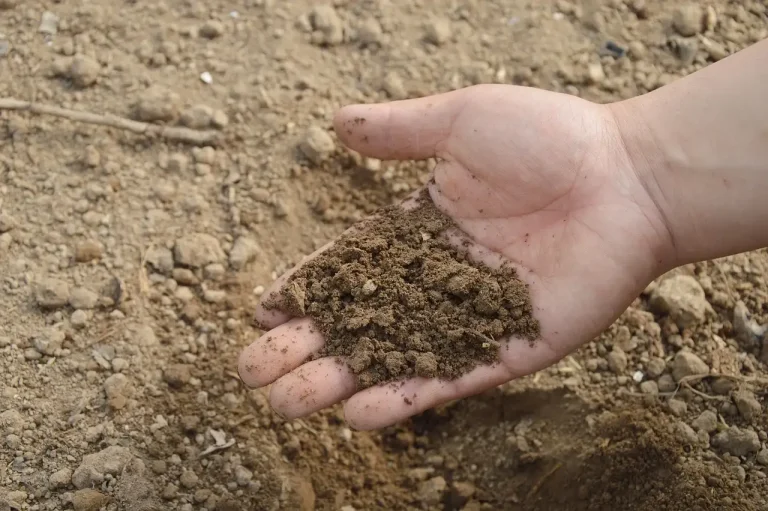
Soil that looks dusty, pale, compacted, or lifeless often has low organic matter and low nutrient reserves. Soil can also become out of balance from fertilizer use, irrigation water, and organic matter decomposition.
Nutrient loss or root stress?
Garden symptoms often overlap. Pale leaves can mean missing nitrogen, but they can also point to magnesium or iron problems. Poor flowering can reflect phosphorus shortage, weak roots, or bad drainage. Start with the root zone before assuming the soil is simply empty.
How pH causes nutrient lockout
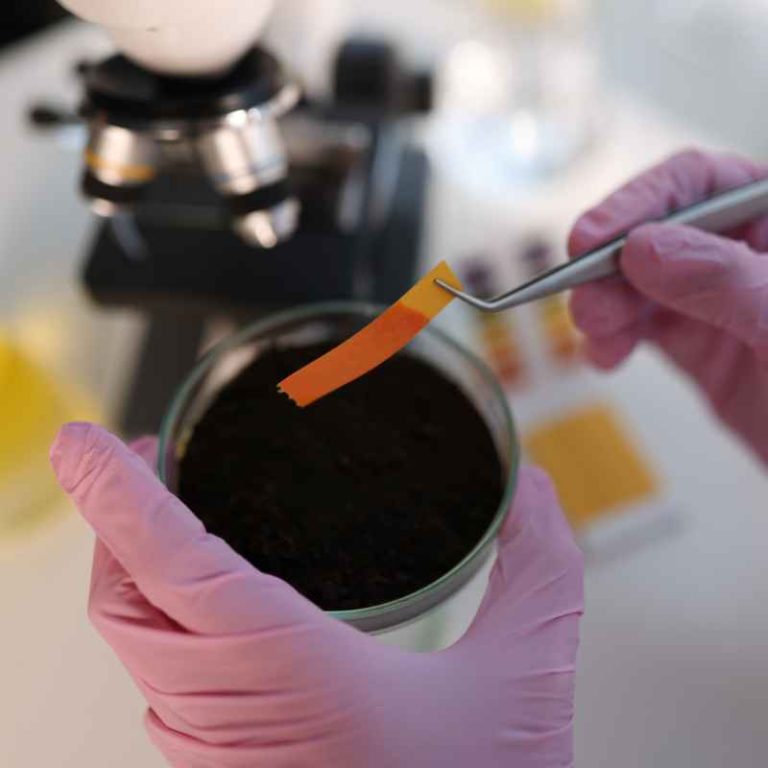
Soil pH controls nutrient availability. In acidic or alkaline soil, roots may not be able to absorb nutrients that are already present, which creates nutrient lockout. That is why adding fertilizer without checking pH can miss the real problem.
How compaction limits roots and water flow
Hard soil restricts root growth, air exchange, and water movement. Roots stay shallow when soil is dense or crusted, and that makes plants more sensitive to drought, heat, and nutrient shortage. Compaction can also slow the soil biology that breaks down organic matter.
How wet soil can mimic deficiency
Plants can wilt even when watered if roots are weak or soil health is poor. Saturated soil reduces oxygen around roots, which limits nutrient uptake and can make a plant look hungry when the real issue is root stress. A fertilizer top-up will not fix drowned roots.
A common first-timer mistake is feeding a wilted pepper plant in a bed that still feels wet two inches down. If the roots are already stressed by saturation, the faster fix is drainage and pause, not another dose of fertilizer.
When to suspect a mixed problem
If symptoms are uneven, the problem may be mixed. For example, a bed may have low nitrogen and compacted soil at the same time, or a container may have pH imbalance plus leaching. Mixed problems are common in older beds and repeated-use containers.
Is it nutrient loss, lockout, or root stress?
Use the table below to separate true depletion from look-alikes. Check watering, drainage, pH, and root health before you fertilize. If the symptom keeps returning after those checks, soil testing is the next step.
| Visible symptom | Likely cause | Quick home check | Next step |
|---|---|---|---|
| Pale leaves | Often nitrogen shortage; can also be magnesium or iron shortage, or pH lockout | Check whether new growth is paling first; test pH if leaves stay pale after watering is corrected | If soil is not wet or compacted, use soil testing before adding more fertilizer |
| Stunting | Nitrogen loss, poor roots, compaction, or repeated nutrient drain | Scratch the surface for hardpan or crusting; compare growth with nearby beds | Loosen compacted areas carefully, improve organic matter, and test if growth stays weak |
| Poor flowering | Too little phosphorus, potassium, or overall nutrient availability | Check whether foliage is healthy but buds are sparse or late | Confirm pH and fertility before feeding, since lockout can look like shortage |
| Wilting in wet soil | Root stress, saturation, or poor drainage rather than simple drought | Probe below the surface; if soil is still wet, stop watering and inspect roots | Improve drainage and reduce saturation before any fertilizer is added |
| Weak recovery after fertilizing | Wrong pH, poor roots, or a deeper soil balance problem | Watch whether older leaves stay the same while new growth remains weak | Use soil testing to check missing nutrients and pH issues |
How to rebuild soil fertility
Start with the soil surface and the root zone, then confirm the chemistry. Add compost on a schedule, protect the surface with mulch, rotate crops, and test soil when symptoms persist. That sequence works better than guessing at one fertilizer after another.
Add compost on a schedule
Compost helps replace organic matter that declines when nothing is added regularly. It improves nutrient holding capacity and supports the soil biology that recycles nutrients. It is useful, but it is not a cure-all for wet roots, bad pH, or severe compaction.
Use mulch to protect the surface
Mulch limits bare-soil erosion, slows runoff, and reduces the splash that moves fine particles away from the bed. It also helps steady moisture, which lowers the leaching risk caused by fast wet-dry swings. Mulch is especially helpful on slopes and in heavy rain areas.
Rotate crops to avoid repeat depletion
Crop rotation prevents the same nutrients from being mined repeatedly. A bed that held tomatoes one season should not automatically hold another heavy feeder the next. Swapping plant families helps spread demand across the garden instead of draining one bed in the same way every year.
- Check watering and drainage first.
- Inspect the root zone for compaction, saturation, or poor root growth.
- Look at pH-related issues if symptoms do not match simple depletion.
- Add compost and mulch if the surface is bare or organic matter seems low.
- Use soil testing when symptoms persist or return after normal care.
Use soil testing before guessing
Soil testing is needed when symptoms persist. It helps identify missing nutrients and pH issues so you do not keep correcting the wrong problem. That matters in old beds, repeated-use containers, and gardens where heavy feeders have been planted often.
Frequently asked questions
Does soil lose nutrients over time?
Yes. Plants remove nutrients, water can leach them downward, erosion can remove topsoil, and repeated planting lowers organic matter. The loss is often gradual, so the bed may look acceptable long after fertility has started to fall.
What causes nutrient depletion in soil?
The main causes are plant uptake, repeated harvest, leaching, erosion, poor soil structure, and planting heavy feeders in the same place again and again. Soil can also shift out of balance from fertilizer use, irrigation water, and organic matter decomposition.
How are nutrients depleted from the soil?
Nutrients leave the root zone when crops absorb them, when water carries them deeper, and when runoff or erosion removes surface soil. Sandy soil and bare ground raise that risk because water moves quickly and exposed particles are easier to wash away.
When nutrients are washed down through soil, where do they go?
They move below the main root zone, where shallow roots cannot reach them well. Some may stay in deeper soil layers, but for most garden crops that still acts like loss. Heavy rain and over-watering make this more likely.
Why is my garden soil so hard?
Hard soil usually means compaction, low organic matter, or both. Dense soil blocks root growth and water movement, which can mimic nutrient deficiency. If the soil stays hard after watering, focus on structure and drainage before feeding more fertilizer.
What causes nutrient deficiency in soils?
Actual deficiency can come from nutrient removal, leaching, erosion, and repeated planting. But the same symptoms can appear when pH locks nutrients away, when roots are damaged by wet soil, or when compaction prevents roots from reaching the available nutrients.
Does garden soil go bad?
Soil does not suddenly “go bad,” but it can lose fertility, structure, and balance over time. That usually happens when compost is not replenished, heavy feeders are planted repeatedly, and water moves too much soil nutrient out of reach. Testing shows which part has changed.
Does soil change over time?
Yes. Soil changes as plants remove nutrients, microbes break down organic matter, irrigation water moves minerals, and roots alter structure. Bed age matters too, especially in raised beds and containers where the soil volume is limited and repeated use has a faster effect.
How does soil texture affect nutrient levels?
Texture controls how well soil holds water and nutrients. Sandy soil tends to lose nutrients faster because water drains quickly. Heavier soil can hold nutrients better, but if it stays wet or compacted it can stress roots and make the garden look deficient.
Is our soil depleted of nutrients?
It might be, but symptoms alone cannot prove that. Pale leaves, stunting, and poor flowering can come from depletion, pH lockout, compaction, or wet roots. If the problem persists after you check drainage and root health, soil testing is the clearest next step.