What Causes Soil Compaction and How to Fix It Fast
Soil compaction can come from pressure from foot traffic, machines, wet clay, and repeated tilling; a practical fix is to match the method to the depth: surface crusts may respond to light loosening, shallow compaction of a few inches can call for core aeration, and deeper hardpan may need broadforking or subsoiling. If I leave it alone, roots stay near the top, water sits on the surface, and plants stop pushing new growth. This guide explains how to identify compaction by cause, depth, and soil texture, then choose the right repair for beds and lawns.
What soil compaction is and why roots struggle


Soil compaction is soil particles being pressed together so pore space shrinks. Healthy soil should be half soil and half pore space. When pore space is minimal, air and water move less freely, roots meet more resistance, and beds can hold water on the surface instead of feeding the root zone.
That shift changes how the whole bed behaves. Compacted soil can pool water instead of absorbing it, and that runoff can carry soil away. In gardens, the practical signs are hard digging, weak root spread, and plants that sit still after irrigation or rain.
Pore space, air, water, and root growth
Roots need channels to push through. In loose soil, those channels carry oxygen, drain excess water, and leave room for new root tips. In dense soil, roots often turn sideways, stop early, or bunch near the surface where moisture comes and goes fast.
How compaction leads to runoff and erosion
When water cannot enter fast enough, it runs off. That runoff strips fine particles from bare soil and leaves a tighter surface behind. Over time, the bed seals more easily, drains worse, and gets harder after each rain.
📊 Healthy sandy soil is under 1.60 g/cc. Source: Soil Compaction: Causes, Signs, and How to Fix It.
What causes soil compaction in a garden?
Most garden compaction comes from pressure applied again and again, especially on wet soil. Foot traffic can compact garden soil, and working soil when wet causes compaction. Heavy equipment, repeated tilling at the wrong time, bare soil, and traffic on paths or lawn edges all add to the load.
Foot traffic and repeated pressure
Backyard beds often compact first along edges, stepping stones, and the shortest path between the hose and the door. Lawns compact where mowers turn, kids run, pets patrol, and chairs sit in the same spots. The damage is local at first, then spreads deeper with repeated use.
Working wet soil and tilling at the wrong time
Wet soil deforms easily under a shovel, boot, tire, or tiller. Instead of opening pore space, the pressure collapses it. Tilling wet clay is one of the fastest ways to make a bed denser than it started.
Equipment, bare soil, and high-use paths
Wheelbarrows, small tractors, delivery carts, and stored materials all compress soil where they sit. Bare soil is easier to compact because rain hits it directly and there is no living root network or mulch layer to soften impact. High-use paths do the same work, only more slowly.
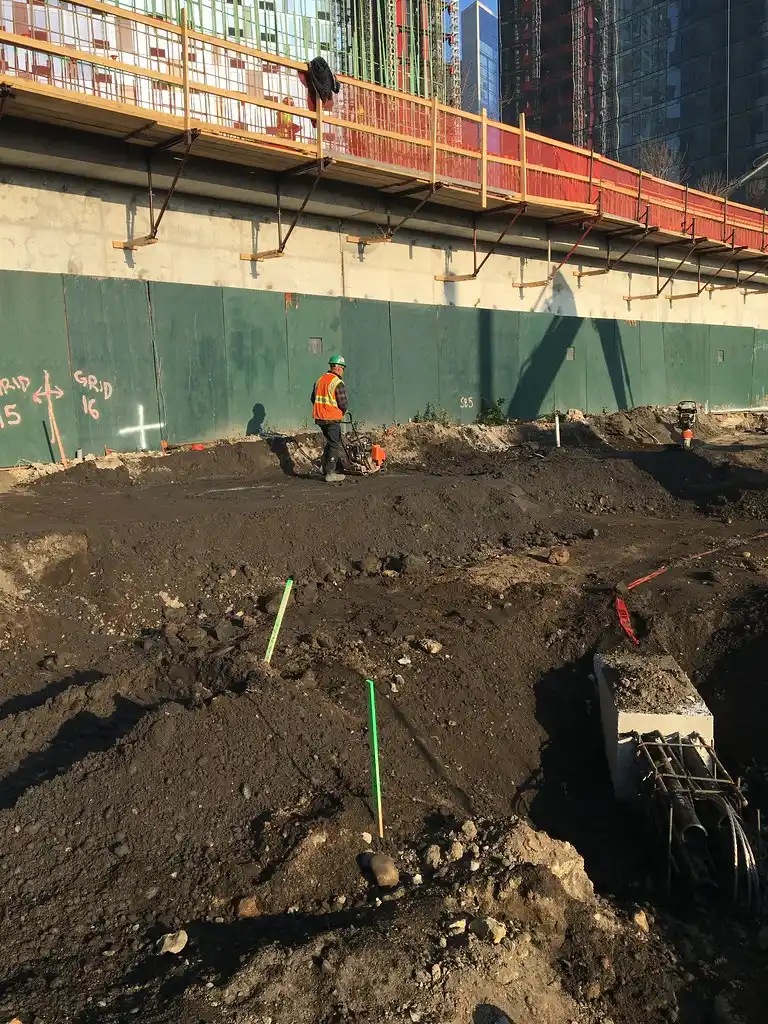
How do I know if my soil is compacted?
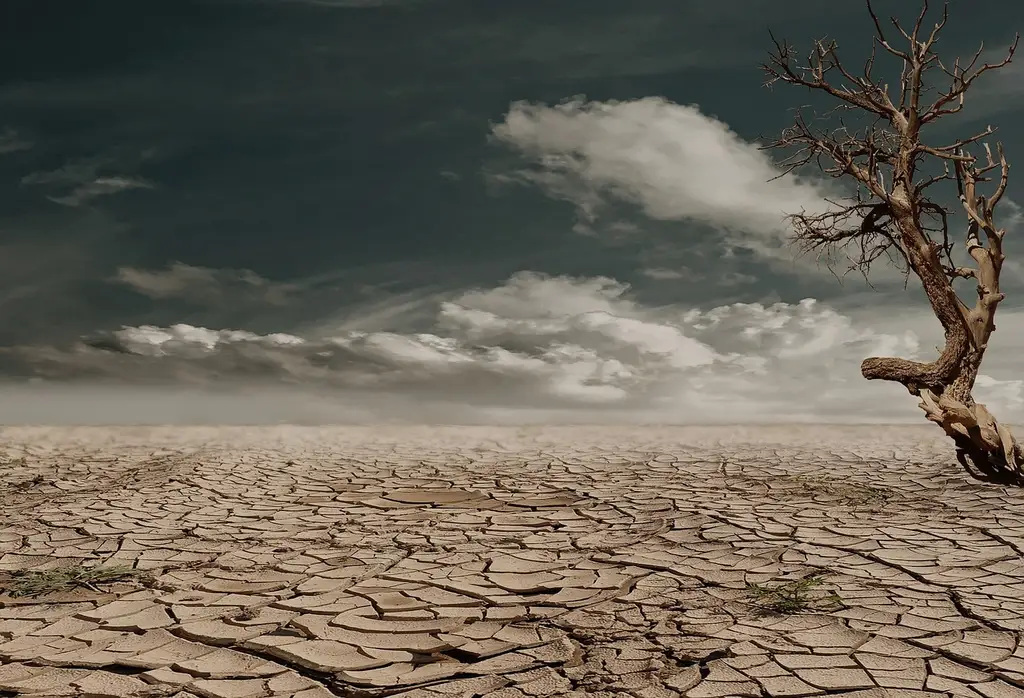
Compaction shows up as slow drainage, hard digging, shallow roots, and patchy growth. A simple coffee can infiltration test gives a useful field check, and bulk density tells you how dense the soil is for its texture. Loam, sand, and clay have different thresholds, so one number cannot diagnose every bed.
Visible signs in beds, lawns, and paths
In beds, look for plants that remain stunted even with water and fertilizer, roots that stay near the surface, and crusted soil after rain. In lawns, compacted zones often turn thin and bright in dry weather, then puddle after storms. On paths, the shovel may bounce or skid instead of biting in.
The coffee can infiltration test
Use a metal coffee can with both ends removed, press it into the soil surface, and pour in 1 inch of water. Healthy soil should drain 1 inch in under 30 minutes. If the water sits much longer, especially after a normal irrigation, compaction is a likely part of the problem.
Bulk density and texture thresholds
Bulk density measures how much dry soil mass fits into a set volume, expressed in g/cc. It is useful because thresholds vary by texture. Healthy loam has ideal bulk density under 1.40 g/cc, and loam roots are restricted above 1.55 g/cc. Healthy sandy soil is under 1.60 g/cc, with roots restricted above 1.80 g/cc. Healthy clay soil is under 1.30 g/cc, with roots restricted above 1.47 g/cc.
| Soil texture | Healthy bulk density | Root restriction starts above | Typical field clue |
|---|---|---|---|
| Loam | Under 1.40 g/cc | Above 1.55 g/cc | Often holds shape, but should still drain well |
| Sandy soil | Under 1.60 g/cc | Above 1.80 g/cc | Drains fast unless it has been pressed hard |
| Clay soil | Under 1.30 g/cc | Above 1.47 g/cc | Seals easily and gets slick when wet |
Why the fix depends on depth and soil type
Surface crusting and deeper subsoil compaction are different problems. A crust may block seedling emergence but leave the root zone below it usable. A deeper compacted layer can stop roots, water, and air at once, so the repair has to reach the right depth and match the texture.
Surface crusting versus deeper subsoil compaction
Surface crusting usually affects the top layer after rain, irrigation, or bare soil exposure. It can sometimes be broken lightly with a rake, hoe, or thin mulch cover. Deeper compaction sits lower in the profile and often needs aeration or broadforking, depending on how deep the dense layer runs.
Loam, sandy soil, and clay behave differently
Loam responds well to organic matter and gentle loosening because it can hold structure once opened. Sandy soil resists deep compaction more than clay, but it still compacts under repeated traffic. Clay is the most likely to smear, seal, and stay dense if worked wet.
What the diagnosis matrix should sort out
The goal is to match symptom pattern, test result, texture, and depth to the right fix. That avoids wasted effort. A bed with a shallow crust needs a different response than a lawn with dense soil 4 inches down, and both differ from a clay bed with a hard layer below the root zone.
What should I do first if my plants are stunted in compacted soil?
Start by locating the dense layer, then match the fix to depth and texture. For shallow crusts, loosen only the surface. For 2–6 inches, use core aeration in lawns or a broadfork in beds. For deeper hardpan, broadforking may help the top profile, but subsoiling or another deep method may be needed.
Choose broadforking, aeration, or in-place repair
A broadfork loosens without inversion, usually with 5 tines plunged 10 to 12 inches deep. It is best in beds where you want to keep layers intact. Core aeration removes plugs and is better for lawns. In-place repair is for shallow crusts where the issue is near the surface and not a deep pan.
When broadforking works and when it fails
Broadforking works best in beds with a traffic layer that is dense but not cemented, and when the soil is moist rather than wet. It is less effective in very heavy clay that has been smeared by repeated wet-season traffic, and it will not fully solve a deep compacted layer below the tine depth.
How compost and cover crops fit into recovery
Compost improves structure, supports worms and microorganisms, and helps the soil rebuild after loosening. It does not instantly fix deep compaction. Cover crops help through biological loosening, especially when sown at season end and left in place long enough to build structure over time.
Compacted-soil diagnosis matrix
Use the pattern below to match the problem to the fix. The best repair depends on what the soil looks like, what the drainage test shows, where the density sits, and what texture you are working with. The wrong fix wastes effort and can make the problem worse.
| Symptom pattern | Test result | Soil texture | Depth | Best fix | Do not do this |
|---|---|---|---|---|---|
| Seedlings crusted over after rain | 1 inch drains in under 30 minutes, but surface is sealed | Any texture | Top 1 inch | Light surface loosening, thin compost, or mulch | Do not till deeply for a crust problem |
| Water pools after irrigation; shovel feels blocked at 2–6 inches | 1 inch drains slowly; roots stop above the hard layer | Loam or clay loam | 2–6 inches | Broadfork beds or core aerate lawns | Do not work the soil when wet |
| Thin lawn, slow recovery, mower ruts | Plug holes hold water or close slowly | Clay or loam | Upper root zone | Core aeration, then topdress lightly with compost | Do not add sand to clay soils |
| Roots stay shallow in a raised bed | Infiltration is poor, but surface is not crusted | Loam or clay | Below the surface layer | Broadfork, add compost, keep traffic out | Do not expect one pass to last without traffic control |
| Hardpan below a new-build yard’s topsoil | Water beads or runs off after rain | Any, often clay subsoil | Deeper than tine depth | Deep loosening where possible, plus long-term organic matter and roots | Do not rely on shallow raking alone |
| Loose-looking sandy bed still has weak roots | Water drains fast, but root growth is restricted by density | Sandy soil | Compacted traffic layer | Reduce traffic, add organic matter, and avoid overworking | Do not assume sand never compacts |
Does adding compost help compacted soil?
Yes, compost helps, but slowly and in the right role. It improves structure, feeds soil biology, and supports worms and microorganisms that open channels over time. It is best used after loosening, or as part of a long recovery plan, not as a fast cure for a deep dense layer.
What compost does well
Compost adds organic matter that binds particles into better aggregates. That improves tilth, water entry, and root movement. It also gives the soil life a better food base, which matters because biological activity helps maintain pores after mechanical loosening.
What compost cannot do alone
Compost cannot punch through a hardpan in one season. If the bed is dense below the surface, compost on top may improve the upper layer while roots remain stuck below. That is why the fix often needs both loosening and ongoing organic inputs.
Should I broadfork or aerate compacted garden soil?
Use broadforking for garden beds and core aeration for lawns. Broadforking loosens without inversion and reaches about 10 to 12 inches deep, which suits beds where you want to keep soil layers intact. Aeration removes plugs from turf and is better for grass that sees foot traffic.
When broadforking is the better choice
Choose a broadfork in raised beds, vegetable plots, and mixed borders where roots need more room but tilling would disturb structure too much. Broadforking a 50 square foot bed takes 10 to 15 minutes, so it is practical for small and medium beds.
When aeration is the better choice
Choose core aeration when the problem is in a lawn, especially where mower traffic and play traffic have compressed the root zone. Aeration is less useful for a planted bed because the plugs disrupt spacing and can damage roots you want to keep.
When neither is enough
If the dense layer is below the reach of a broadfork or has formed through repeated machine traffic, shallow loosening will only treat the top. In that case, improve drainage, stop the pressure source, and build structure over time with roots, compost, and season-end cover crops.
How long does it take to fix compacted soil?
Recovery time depends on severity, traffic level, depth, and soil texture. A shallow crust can improve in one season with better cover and careful loosening. Deeper compaction in clay may take several seasons. Sandy soil may respond faster in the root zone, but repeated traffic can undo progress quickly.
What speeds recovery
Loosening at the right depth, keeping traffic off the bed, and adding compost or cover crops all help. Soil that stays covered and rooted between uses rebuilds faster than soil left bare after each planting cycle.
What slows recovery
Repeated foot traffic, wet-season work, and quick fixes that do not change use patterns slow the process. One-time broadforking helps, but the effect fades if people keep stepping in the same rows or if equipment returns to the same wheel tracks.
Why is my garden soil hard after rain?
Soil often gets hard after rain when fine particles seal the surface, water displaces air in dense soil, or a compacted layer sits below the top inch. Clay soils are especially prone to this, but loam and sandy soil can also harden if they have been pressed enough.
Surface sealing after rain
When raindrops hit bare soil, they break aggregates and pack fines together. The top layer can crust, then harden as it dries. Mulch, plant cover, and light organic matter reduce that impact.
Deep density that shows up after wet weather
Sometimes rain exposes a problem that was already there. Water reaches the dense layer, then lingers because the soil below will not accept it quickly. In that case, the issue is not just the surface. It is a deeper restriction in the profile.
Frequently asked questions
What causes soil compaction in a garden?
Garden compaction is usually caused by pressure from people, tools, vehicles, and repeated use on wet soil. Foot traffic is a major backyard cause, especially in beds, borders, and path edges. Bare soil, tilling at the wrong time, and heavy equipment all add pressure and reduce pore space.
How do I know if my soil is compacted?
Look for pooling water, hard digging, thin roots, and plants that stay small even with normal care. Then run the coffee can infiltration test with 1 inch of water. If drainage is slow, follow up with a bulk density check or a close look at root depth and soil texture.
Can compacted soil be fixed without tilling?
Yes. Many beds improve with broadforking, compost, mulch, and cover crops rather than full tilling. Broadforking loosens without inversion, which helps preserve layers and soil life. Tilling wet soil usually makes things worse, so non-inversion methods are often the better first move for gardens.
Does adding compost help compacted soil?
Compost helps by improving structure, feeding organisms, and supporting worm activity, but it is not an instant cure. It works best after loosening or alongside cover crops and traffic control. On its own, compost rarely fixes a deep compacted layer fast enough to rescue stunted roots.
Should I broadfork or aerate compacted garden soil?
Broadfork garden beds and aerate lawns. A broadfork reaches deeper in planted beds and loosens without inversion, while core aeration suits turf and traffic areas. If the dense layer is deeper than the tool reaches, neither alone is enough, and long-term traffic changes matter most.
How long does it take to fix compacted soil?
Shallow crusting may improve in one season. Deeper compaction can take several seasons, especially in clay or in areas with ongoing traffic. Recovery is faster when the soil stays covered, traffic stays off the bed, and compost or cover crops are used as part of the plan.