What Is Screened Topsoil and When to Use It?
Screened topsoil is topsoil passed through a screen to remove stones, roots, and compacted soil clods; use it for lawns, planting beds, sod, and shallow grading when you need a fine, plantable surface.
What is screened topsoil?
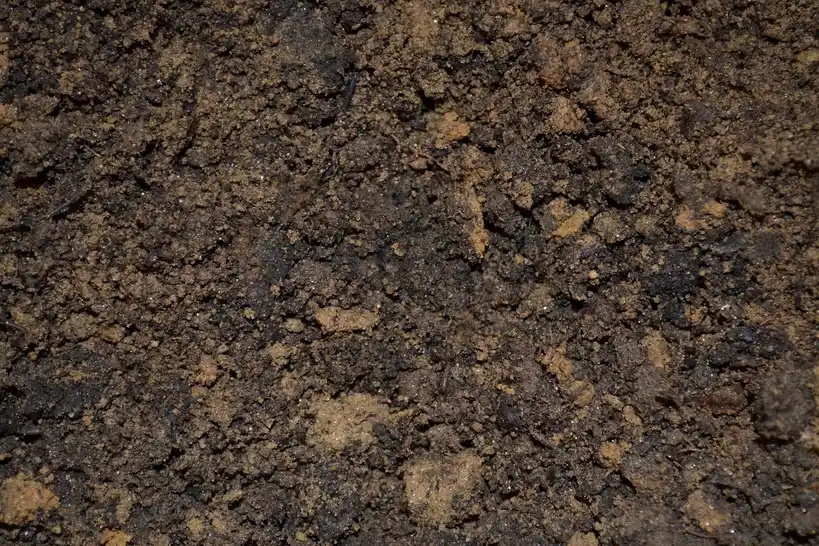
Screened topsoil is topsoil that has been mechanically filtered so larger debris is removed and the remaining soil has a more even texture. It is the right choice when the finished surface needs to support roots, spread easily, or stay smooth enough for seeding, sod, or bed planting.
Topsoil is the upper soil layer, usually the top 5 to 10 inches, where more organic matter, nutrients, and minerals are found than in deeper layers. Screening does not change the job of the soil. It removes the pieces that make spreading, leveling, and planting less consistent.
How screening changes texture and spreadability
Screened topsoil is filtered to a specific particle size, which means rocks, roots, leaves, sticks, clumps, and other materials are separated from the finer soil. That makes it easier to rake, blade, and grade into a uniform finish. It also helps water move more freely and evenly through the top layer, though native soil texture still matters.
Unscreened topsoil is sold “as is.” It may still be useful for low spots, bulk fill, or rough grading, but the mix is less predictable and usually harder to finish cleanly.
When should you use screened topsoil?
Use screened topsoil when the finished layer needs to support plant growth, create a smoother surface, or improve surface drainage. It is a practical choice for flower beds, vegetable gardens, new lawns, sod prep, and shallow leveling where a debris-free top layer matters more than raw volume.
Flower beds and vegetable gardens
Planting beds need a medium that lets roots move through the top layer and lets water and air travel without large obstructions. Screened topsoil is preferred where plants need to grow because it is free of stones, roots, and larger particles that can block root growth and leave the bed uneven.
It can also be mixed with compost, fertilizers, and potting soils when the goal is a more workable planting mix. That said, screened topsoil is not a substitute for solving poor native drainage or compacted subsoil below the bed.
Lawn installation and sod prep
For seeding and sod, screened topsoil helps create a uniform surface and better seed-to-soil contact. It is commonly used as a base soil for grass and sod because it spreads more evenly than unscreened material and is easier to grade to a consistent depth.
Use it for thin topdressing, final leveling, or to fill shallow dips before seeding. Do not use it as a structural base under a lawn that still needs compaction or deeper fill. That layer should be handled with fill dirt or another approved base material first.
Leveling and shallow grading
Screened topsoil works well for small grade corrections where the top few inches need a smoother finish, such as leveling around planting areas or blending a lawn repair into the existing yard. It is less appropriate for major grade changes, retaining wall backfill, or any load-bearing layer.
Suppose a yard has a 2-inch dip near a patio edge and the area will be seeded. Screened topsoil is a sensible top layer there. If the same spot needs to be raised 10 inches and compacted for a walkway, fill dirt belongs below, with topsoil reserved for the upper planting layer.
Screened topsoil vs fill dirt vs unscreened topsoil
These three materials are often confused, but they are meant for different layers. Screened topsoil is for the finish layer where plants grow. Unscreened topsoil is more variable and may fit rough fill or low-cost bulk use. Fill dirt is lower-organic subsoil used for grading, backfill, and compacted base layers, not for feeding plants.
What each material is meant to do
- Screened topsoil: Best for planting beds, lawns, sod, and shallow leveling where a fine surface matters.
- Unscreened topsoil: Better for filling shallow depressions or bulk use when appearance and finish are less important.
- Fill dirt: Better for compacted base work, structural grading, and backfill where plant nutrients are not the goal.
Where each one fails if you use it in the wrong layer
Screened topsoil fails when it is asked to do structural work. It can settle, shift, or compact unevenly if used as the main base for a driveway, patio, walkway, or other load-bearing area. It also can become costly if you use it in deep fill where plant performance is not needed.
Fill dirt fails when you need a growing medium. It usually has lower organic content and is not intended to feed plants. Unscreened topsoil fails when you need a fine finish, because the debris and larger particles can leave lumps, voids, and an uneven surface.
Project decision table
This table gives a practical rule for choosing screened topsoil, fill dirt, or unscreened topsoil. Use the top layer for plant performance. Use the lower layer for support and compaction. The wrong choice usually shows up later as settling, poor growth, or a rough finish.
| Project type | Best choice | Acceptable | Avoid | Is screened topsoil appropriate? | Recommended depth | Need fill dirt below? | Should compost be recommended? | Does screening size matter? | Main risk if used incorrectly |
|---|---|---|---|---|---|---|---|---|---|
| New flower bed | Screened topsoil | Screened topsoil mixed with compost | Fill dirt as the planting layer | Yes | 2 to 6 inches | Sometimes, if the area needs raising or leveling first | Yes, when the goal is a richer planting layer | Yes, a finer screen helps with root-friendly finish | Poor root penetration if debris is left in the planting zone |
| Vegetable garden | Screened topsoil | Screened topsoil with compost and other soil amendments | Unscreened topsoil with lots of debris | Yes | 6 to 12 inches, depending on crop and native soil | Only if the bed needs a raised base | Yes, when the garden needs more workable organic matter | Yes, because consistent texture helps bed preparation | Weak plant growth if the top layer is too shallow or compacted |
| New lawn from seed | Screened topsoil | Screened topsoil over a prepared base | Unscreened topsoil for the finish layer | Yes | About 1 to 3 inches for topdressing and finish grading | Often yes, if the grade has dips or the subgrade is unstable | Usually not required unless the existing soil is weak | Yes, because a smoother finish improves seed-to-soil contact | Uneven seed coverage if the surface is lumpy |
| Sod installation | Screened topsoil | Screened topsoil over a leveled base | Rough, debris-heavy material at the surface | Yes | About 1 to 2 inches for final leveling | Often yes for the base grade | No, the finish layer should stay smooth and stable | Yes, the smoother the screen, the easier the sod lays flat | Poor sod contact and settling if the base is not prepared first |
| Shallow leveling | Screened topsoil | Screened topsoil blended into the existing surface | Fill dirt as the top layer | Yes | Up to a few inches | Usually not, unless the low area is deeper than the planting layer | Sometimes, if the area will be planted | Yes, especially for small lawn repairs and smooth transitions | Waste and settlement if used to fix deep grade problems alone |
| Backfill around a foundation or wall | Fill dirt | Fill dirt compacted in lifts | Screened topsoil as the main backfill | No | Not the right material | Yes | No | No, screening is not the priority here | Settlement and drainage problems if topsoil is used as structural fill |
| Driveway or patio base | Fill dirt | Compacted fill dirt below the finished base | Screened topsoil or unscreened topsoil as the base | No | Not the right material | Yes | No | No, a plant-friendly screen is not the goal | Soft base, shifting, and load-bearing failure |
A practical decision rule
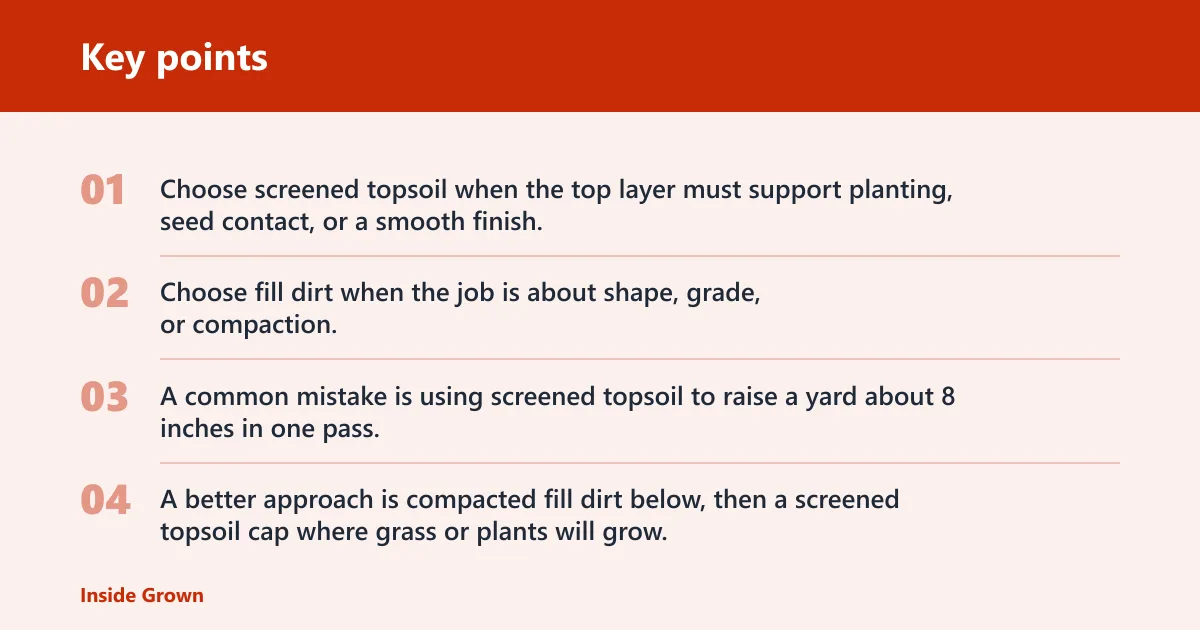
Choose screened topsoil when the top layer must support planting, seed contact, or a smooth finish. Choose fill dirt when the job is about shape, grade, or compaction. Choose unscreened topsoil only when minor debris is acceptable and the surface will not be judged by appearance or plant performance.
A common mistake is using screened topsoil to raise a yard about 8 inches in one pass. That can leave the area soft and uneven after settling. A better approach is compacted fill dirt below, then a screened topsoil cap where grass or plants will grow.
How is topsoil screened?
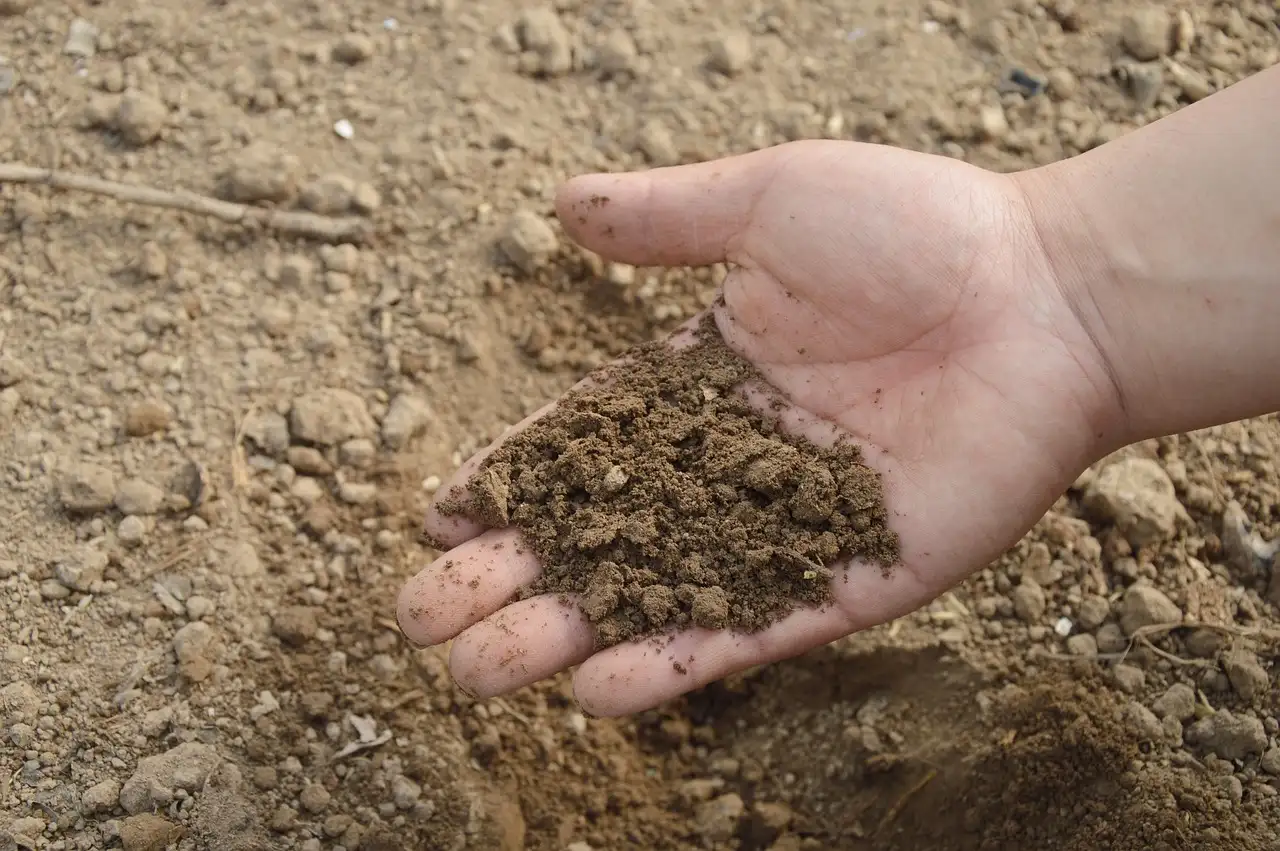
Screening is a mechanical sorting process. Soil is run through specialized equipment or a vibrating topsoil screener so fine particles pass through and larger debris stays out. The result is a more uniform material with fewer rocks, roots, clumps, and other waste.
Mechanical screening and vibrating screeners
Feed the soil in batches. Soil is loaded into the screener or onto the feed area so it can move across the screening surface in a controlled way. This keeps the output more even and reduces clogging.
Separate fine from coarse material. The screen lets smaller particles pass through while larger pieces stay on top. That is how rocks, roots, sticks, and clumps are removed from the finished load.
Collect the screened pile. The finished soil is stockpiled for delivery or loading. The oversized material is set aside as waste, reused separately, or processed again if needed.
Screening eliminates excess waste, clay, and rocks in many loads, but it does not make every batch identical. A supplier can still produce material with different moisture levels, organic content, or particle mixes, so the buyer should ask what the finished load is intended for.
How to screen topsoil at home
You can screen topsoil at home by pushing it through a sturdy screen frame and removing rocks, roots, and clumps as you go. This works best for small batches, patch repairs, or bed prep where a cleaner finish matters more than speed. The goal is consistency, not perfection.
Break up compacted clods first, then feed the soil onto the screen in manageable amounts. Let the finer material fall through naturally and keep oversized debris on top for removal. Home screening is slower than machine screening, but it can improve the final texture for a small planting area.
What a finished screened load should look like
A usable load should be free of obvious roots, sticks, and large particles, with a texture that spreads without constant snagging or clumping. Many suppliers describe screened topsoil as ideal for planting beds, lawns, and landscaping because it is more uniform and easier to place than unscreened material.
If the pile still has lots of woody debris or large stones, it is not finished enough for a planting layer. If the plan is structural fill, that may not matter. If the plan is a lawn or bed, it does.
Where can you buy screened topsoil?
You can usually buy screened topsoil at landscape supply yards, local nurseries, and bulk material yards. Larger jobs often make more sense with delivery, especially when you need several cubic yards or want the soil placed close to the work area instead of hand-carrying bags.
Where to buy screened topsoil near me
The closest reliable source is often a local landscape supply yard or nursery that carries both screened and unscreened stock. Look for suppliers that can tell you whether the load is meant for planting, lawn work, or rough fill, since those uses call for different levels of finish.
For the best match, ask whether the soil is screened to a specific particle size and whether the load is consistent from batch to batch. That helps avoid buying a product that looks fine in the pile but is too coarse for beds or sod.
Landscape supply yards and nurseries
Local suppliers are often the best place to compare screened and unscreened loads in person. Ask whether the topsoil is screened to a specific particle size, whether it is suitable for lawns or beds, and whether the pile is meant for planting or rough fill.
For smaller projects, bagged soil may be easier to handle. For larger beds or lawn repairs, bulk delivery usually saves time and reduces repeated trips.
Delivery options for larger projects
Delivery makes sense when the material needs to cover a wide area or when access is tight. It also helps when you need a clean, consistent load for sod prep, topdressing, or a new bed that will be visible after planting.
Before ordering, ask whether the delivery is loose-dumped, spread, or placed in one pile. That detail affects how much labor is left for grading and moving the material around the site.
What to ask before you order
- Is the soil screened or unscreened?
- Is it meant for planting, lawn work, or bulk fill?
- What debris level should you expect in the load?
- Will delivery be dumped, spread, or stacked in one spot?
- Does the project also need fill dirt below the top layer?
Ask those questions before you buy, because the wrong material often costs more to fix than it would have cost to order correctly the first time.
Frequently asked questions
What is unscreened topsoil?
Unscreened topsoil is raw, unfiltered soil sold “as is.” It can still be useful for rough fill, shallow depressions, or bulk use when appearance is not important. Because it may contain more debris and larger particles, it is usually less predictable and harder to finish neatly.
How do I screen topsoil at home?
Use a sturdy screen frame, break up clods, and push the soil through in small batches. Remove roots, sticks, and rocks as you work. Home screening is practical for patch jobs and small beds, but it is slower than buying screened material for larger lawn or garden projects.
Where should I buy screened topsoil?
Buy from a landscape supply yard, nursery, or bulk material yard that can explain whether the load is intended for planting or rough fill. If the project is larger, delivery can save time and make it easier to place the soil where it is needed.
What is the difference between screened and unscreened topsoil?
Screened topsoil has been mechanically filtered, so it contains fewer rocks, roots, and clumps and spreads more evenly. Unscreened topsoil is raw, unfiltered material sold “as is,” so it is usually cheaper and less predictable. Use screened material where finish and plant growth matter most.
Can screened topsoil be used for flower beds?
Yes. Flower beds benefit from a debris-free growing medium that lets roots move through the upper layer and water move more evenly. Screened topsoil is a strong choice for that use, especially when it is mixed with compost or other soil amendments suited to the plants.
Can screened topsoil be used for lawns and sod?
Yes. Screened topsoil is commonly used for lawn installation, sod prep, and seedbed finishing because it creates a more uniform surface and better seed-to-soil contact. It should still sit on a properly prepared base if the site needs compaction or grade correction.
Should I use screened topsoil or fill dirt for a project?
Use fill dirt for grading, compacted base layers, and backfill. Use screened topsoil for the top layer where plants will grow or where a smooth finish is needed. Many projects need both: fill dirt below for support, then screened topsoil above for planting and appearance.