What Is Soil Profile and What Each Layer Does?
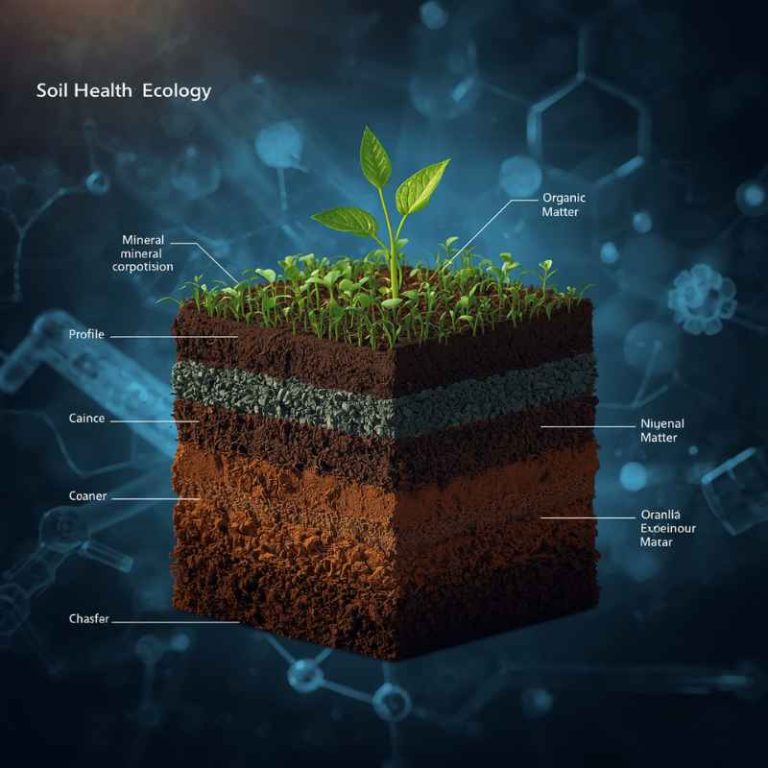
A soil profile is the vertical stack of soil layers from the surface to parent material or bedrock, and it commonly includes O, A, E, B, C, and sometimes R horizons. Each horizon changes how water moves, how much nutrient storage the soil has, and how far roots can go. If you ignore those layers, you can water poorly, hit hardpan while digging, and miss the real cause of weak plants. This guide explains what each horizon does and how the profile changes gardening decisions.
What is a soil profile?
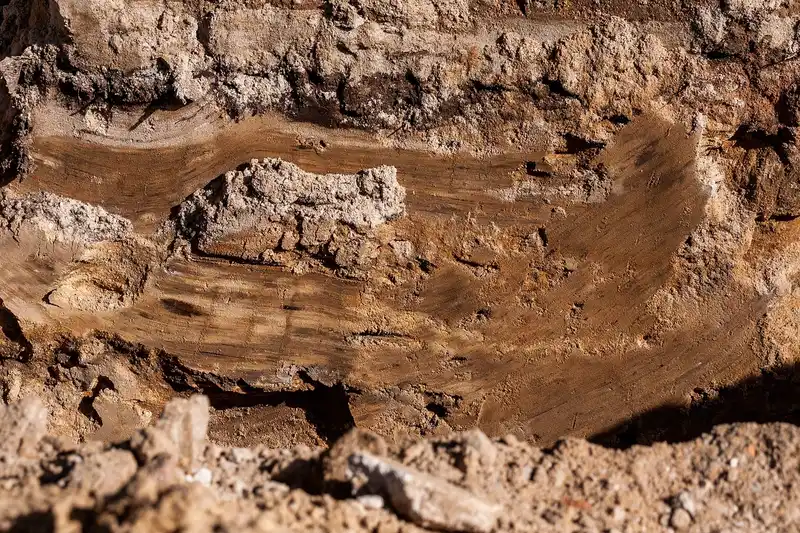


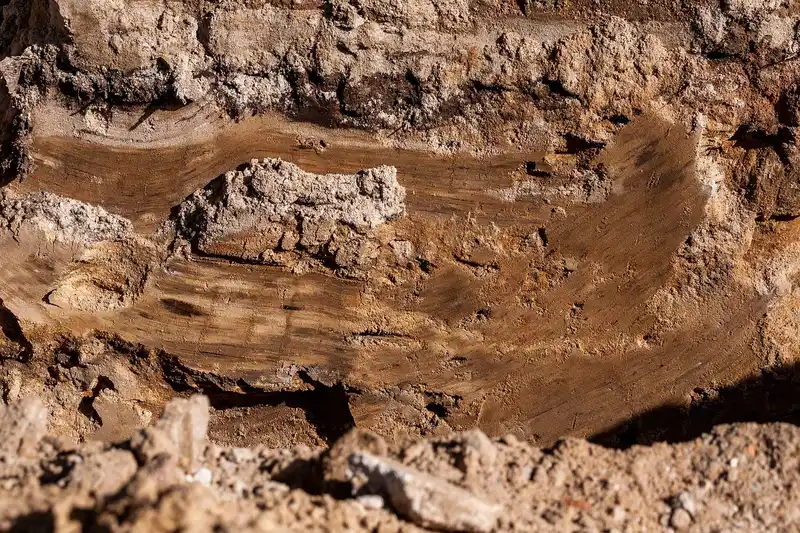
A soil profile is the vertical section of soil from the surface down to bedrock or parent rock. It is made of horizons, the named layers in that section. In the field, the profile tells you more than color alone. It shows where roots can travel, where water slows down, and where compact layers can stop growth.
For gardeners, that matters because plants do not read the label “topsoil.” They respond to structure, thickness, drainage, and chemistry across the full profile. A loose surface layer can sit over a tight subsoil. In that case, water may collect above the tight layer, while roots spread sideways instead of moving deeper.
What a profile shows in the field
A visible soil profile lets you compare color, texture, structure, thickness, and root traces from one layer to the next. Dark, crumbly material near the surface usually points to more organic matter. A dense, pale, or blocky layer below can signal slower drainage or restricted rooting.
Soil profile and soil moisture are related, but they are not the same thing. Moisture is the water content in soil. Horizons are the physical layers. A wet topsoil does not mean the whole profile is wet, and a dry surface does not always mean the root zone is dry.
What are the layers of a soil profile?
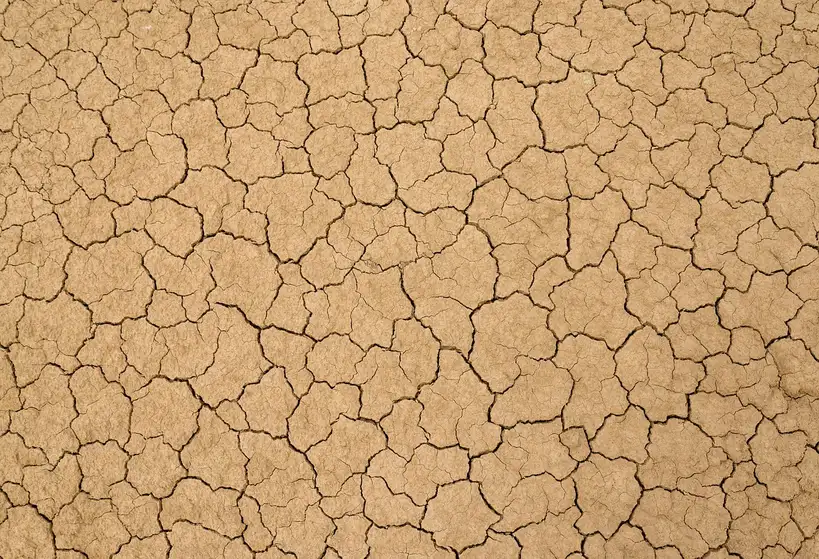
The standard horizons are O, A, E, B, C, and R. Not every site shows all of them clearly, and some garden soils are mixed or disturbed. Even so, the order matters because each layer tends to handle roots and water differently.
O horizon
The O horizon is the organic surface layer. It is mainly leaf litter, grasses, twigs, and decomposed matter, and it is often dark brown to black. This layer feeds the soil food web and breaks down into material that can move into the topsoil below.
A horizon
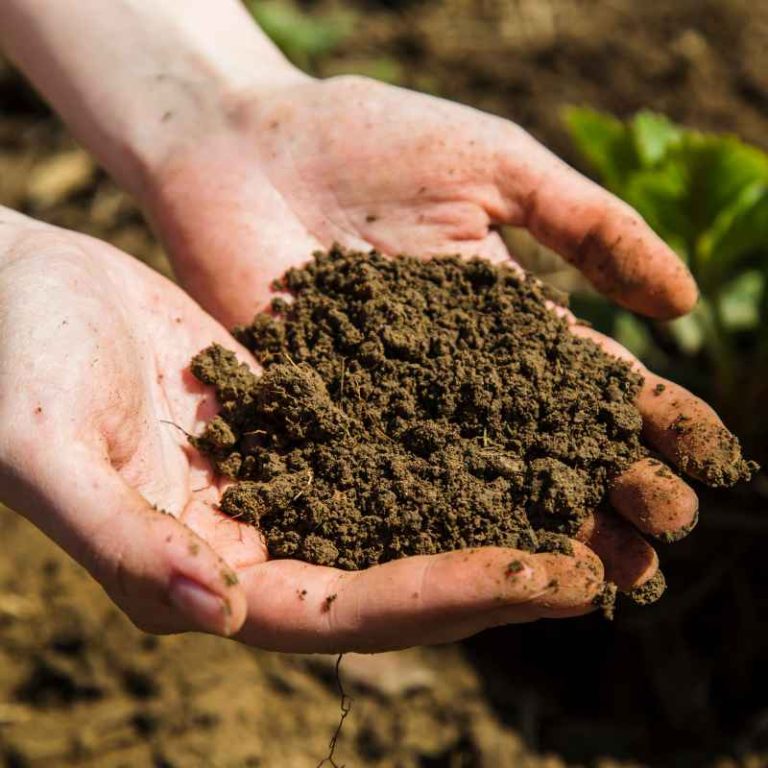
The A horizon is typically the humus-rich topsoil zone. It is soft and porous, and seed germination takes place there. This is where many feeder roots start, because oxygen, water, and available nutrients are usually easier to reach here than in deeper, tighter layers.
E horizon
The E horizon is a leached layer. It is common in forested soils and has lower clay content than the layers around it. Nutrients are leached from upper horizons and moved downward, so this layer can look lighter in color and feel less sticky than adjacent horizons.
B horizon
The B horizon is the subsoil layer below the topsoil. It is usually more compact than topsoil and contains less humus. It also stores minerals and metal salts such as iron oxide. Roots may enter it if they can work through the structure, but dense B horizons often slow water and restrict deep rooting.
C horizon
The C horizon is weathered parent material. It is also known as saprolite and is made of broken bedrock. It has little or no organic matter. Roots may find cracks and pores here, but this layer is usually far less active biologically than the topsoil above.
R horizon
The R horizon is generally solid bedrock. It contains rocks such as granite, basalt, and limestone. Roots do not grow through solid bedrock in normal garden conditions, so this layer sets the true bottom limit of the soil profile where it is present.
What does each soil layer do?
Each layer handles a different part of the root and water system. The O and A horizons store most of the active organic matter and support germination and early root growth. The E and B horizons are more about movement, filtering, and storage. The C and R horizons set the lower limit.
A practical way to think about it is this: the upper horizons feed roots, the middle horizons control movement, and the lower horizons decide how far roots can go. That is why a garden can look healthy at the surface and still struggle below ground.
How the O and A horizons feed roots
The O horizon adds fresh organic matter as it decomposes. The A horizon holds humus and is the main zone for early root growth. Together, they supply much of the structure, air space, and nutrient cycling that young plants need. If these layers are thin, roots hit less hospitable material sooner.
How the E and B horizons move or hold water
The E horizon often loses fine particles and nutrients as water moves through it. The B horizon tends to collect those materials and is denser. That means water can slow down there, especially if the structure is tight. In a garden, that can mean wet feet above the B horizon and drier soil below it.
How the C and R horizons limit rooting depth
The C horizon may still be penetrable in places, but it is mostly weathered mineral material rather than active root zone. The R horizon is solid rock. Once roots reach a dense C layer or bedrock, they stop extending downward and spread sideways if the upper soil still allows it.
Soil profile and plant roots
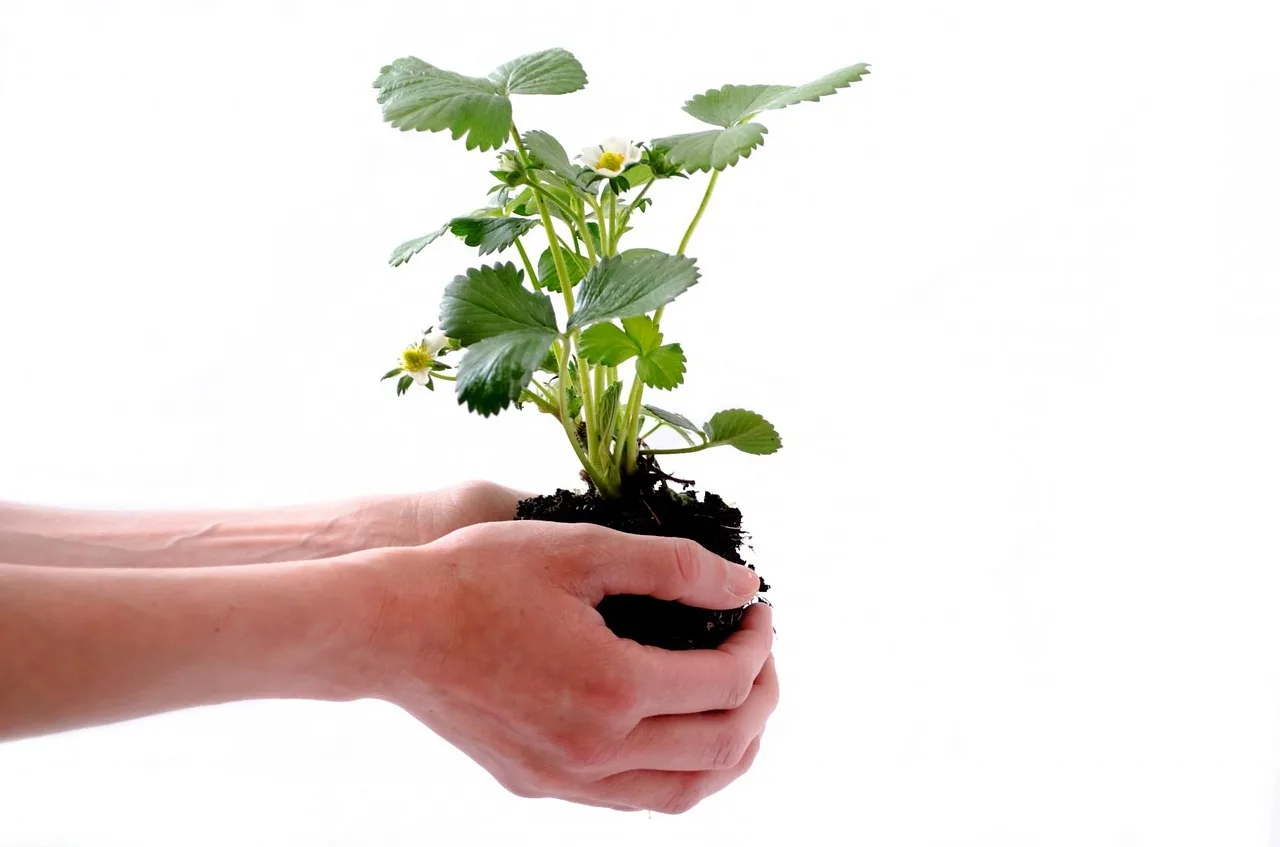
For most garden plants, the best root space is the A horizon and any loose transition into the upper B horizon. That zone usually has the best mix of air, water, and nutrients. Root health drops when a compact layer blocks that path, even if the surface soil looks excellent.
Roots stop at compacted layers because pores are too small, oxygen is limited, or the soil stays saturated too long. Compaction can happen in the B horizon, but it can also happen in a disturbed layer from construction or repeated traffic. The problem is the resistance, not the label.
Which layer is best for roots?
The A horizon is the main answer. It is the topsoil zone, and it is usually the best layer for seed germination and root growth. If the A horizon is shallow, roots may never get much space before they reach a tighter layer. That makes soil depth and structure just as important as fertility.
Why roots stop at compacted layers
Roots need channels for air and water. When a layer is dense, roots cannot easily penetrate it, and water may sit above it after rain or irrigation. That pattern can cause shallow rooting, stressed plants in dry weather, and slow drainage after heavy watering.
Say your raised bed has 20 centimeters of loose soil over a hard, smeared layer left from digging in wet conditions. The lettuce may grow fast at first, then stall during warm spells because roots cannot move through the compacted boundary and moisture stays uneven.
How profile shape affects drainage
A deep, open profile usually drains more freely than a shallow profile with a compact bottom. But a deeper profile is not always better if the lower layer is tight or saturated. Garden decisions should follow the profile shape, not a generic rule that more depth always helps.
Soil profile and soil moisture
Soil moisture is the water content in soil. It is separate from the horizons, although each horizon changes how water moves and where it is stored. A tensiometer for measuring soil moisture, and that tool is used to assess how tightly water is held in the soil.
Two moisture zones matter most to gardeners: surface soil moisture and root zone moisture. Surface soil can dry fast in sun and wind. The root zone may still hold water below the surface, especially if a dense B horizon slows drainage.
Root zone moisture versus surface moisture
Surface moisture tells you what is happening in the top few centimeters. Root zone moisture tells you what the plant can actually use. A dry crust on top does not always mean the plant is dry. A wet surface after irrigation does not always mean the deeper root zone received enough water.
Why drainage problems start below topsoil
Many drainage problems begin in the B horizon or at a compact boundary between layers. Water can move quickly through loose topsoil, then slow sharply when it reaches denser material. That change can create perched water above the tight layer. Plants then show stress even when the surface looks fine.
Suppose a tomato is planted in a yard with dark topsoil over pale, blocky subsoil. After rain, the upper soil drains in hours, but the lower layer stays damp for days. The tomato may develop shallow roots and show yellowing or slow growth because the active root zone keeps running too wet.
Garden soil profile cheat sheet
| Horizon | Appearance | What is happening there | Root access | Water behavior | Gardener action |
|---|---|---|---|---|---|
| O | Dark surface litter, partly decomposed plant matter | Organic material is breaking down | Fine roots may explore edges | Holds moisture near the surface, dries quickly if exposed | Leave or add mulch; do not mix into all planting holes |
| A | Dark, soft, porous topsoil | Humus-rich zone with active biological activity | Main seed and feeder-root zone | Usually the best balance of air and water | Protect it from compaction and erosion |
| E | Lighter colored, lower clay content | Materials and nutrients have been leached out | Roots may pass through if loose | May drain faster than layers below | Do not expect high fertility from this layer alone |
| B | Denser, often blocky subsoil with clay and mineral buildup | Clay and minerals such as iron oxide accumulate | Roots slow down if it is compact | Can hold water and slow drainage | Check for compaction before planting deep-rooted crops |
| C | Broken bedrock, saprolite, or weathered parent material | Little soil development; little or no organic matter | Limited, often along cracks | Varies with fracture and texture | Use as a lower boundary, not a root-building layer |
| R | Solid rock such as granite, basalt, or limestone | Bedrock | None through solid rock | Water moves only through fractures | Measure usable soil depth above this boundary |
How to read a soil profile in a garden pit
A simple field check starts with a small pit or sidewall, where you can look for changes in color, texture, structure, thickness, and visible roots. Dark and crumbly soil often marks the A horizon. A sudden shift to paler, tighter, or blockier soil can mark the next layer.
Do not expect clean textbook lines in every garden. Fill, grading, tillage, and compost additions can blur the horizons. Even so, the break between loose topsoil and tighter subsoil often shows up in how the soil cuts, crumbles, and drains.
- Expose a clean vertical face without smearing the wall.
- Look for the darkest, loosest layer near the surface.
- Check where roots become fewer or thinner.
- Note any pale, dense, or clay-heavy layer below.
- Probe for resistance and watch where water lingers after wetting.
- Match those signs to likely horizons before you dig or amend.
If the profile shows a shallow A horizon over dense B material, place amendments where roots can actually reach them. That usually means improving the active top layer rather than burying compost too deep. If the lower soil is compacted, it may need relief before deep-rooted plants can perform well.
A common mistake is to keep adding compost to the top while ignoring a tight layer about 15 centimeters below. The surface then looks improved, but the water still backs up at the same depth. The real limit is in the profile, not just the top dressing.
Frequently asked questions
What is a soil profile composed of?
A soil profile is composed of horizons, or layers, that extend from the surface to bedrock or parent material. The standard horizons are O, A, E, B, C, and R. Not every soil shows every layer clearly, but the vertical arrangement is what matters most.
What is a soil profile in agriculture?
In agriculture, a soil profile is the full root zone viewed in layers. Farmers use it to judge drainage, rooting depth, nutrient storage, and whether compaction is limiting crop growth. A good surface layer can still perform poorly if the subsoil is tight or saturated.
What is the difference between topsoil and subsoil?
Topsoil is the A horizon, the humus-rich, soft, porous layer where seed germination and most early root growth happen. Subsoil is usually the B horizon, which is denser, holds less humus, and often stores more clay and minerals. Roots usually face more resistance there.
Why is the A horizon important?
The A horizon matters because it is the main zone for germination, feeder roots, and active nutrient cycling. It usually has the best mix of air, water, and organic matter for young plants. If it is thin, compacted, or eroded, plant growth often suffers quickly.
Which soil layer is best for plant roots?
The A horizon is usually best for plant roots because it is soft, porous, and humus-rich. Roots may also enter the upper B horizon if it is loose enough. The worst case is a compact layer that blocks movement and keeps water perched above it.
How deep is a typical soil profile?
There is no single depth that fits every site. Some soils are shallow over bedrock, while others extend far deeper through weathered material. For gardeners, the useful depth is the amount of soil roots can actually enter before they hit compact subsoil, hardpan, or rock.