How to Prepare Soil for a Rain Garden
Prepare rain garden soil so it drains at about 0.5 to 1 inch per hour and, as a common rule of thumb, empties within about 24 to 48 hours. If native soil is too slow, the basin soil may need to be loosened, amended, or replaced before planting. Poor prep leaves standing water, drowned plants, mosquito habitat, and a basin that fails in heavy rain. This guide shows how to test drainage, correct clay, sand, or compacted soil, and build a rain garden soil mix that works.
Rain garden soil prep basics



Rain garden prep starts with drainage, not flowers. The basin has to accept stormwater, hold it briefly, and drain on schedule. Planting into wet, tight soil only hides the problem. Soil work should support infiltration, root growth, and a level basin that does not trap water in low spots.
A finished rain garden should empty within 24 to 48 hours after a storm. If water stays longer, or puddles return between rains, the site may need deeper loosening, a soil replacement layer, an underdrain, relocation, or a different design entirely. More tilling alone will not fix high groundwater or very slow native infiltration.
When soil prep is not enough
Some sites fail because the subsoil is too dense, the groundwater table is too high, or a heavy clay layer sits below the planting zone. In those cases, the basin can perch water above the tight layer instead of draining through it. That is a drainage design problem, not a compost problem.
Picture a yard where the basin still has water the next afternoon after a moderate storm, and the wet area reaches the same edge every time. That pattern points to a site-wide drainage limit, not just poor topsoil. If the test keeps failing after loosening and amendment, stop and fix drainage first.
How do you know if the site will drain?
Use a simple infiltration or percolation check before deciding how much soil to amend. If water drops slowly, stands in place, or leaves a slick, saturated bottom, the site may need more than compost. A jar test or finger-feel check then helps you read the texture behind the drainage result.
Simple infiltration or percolation check
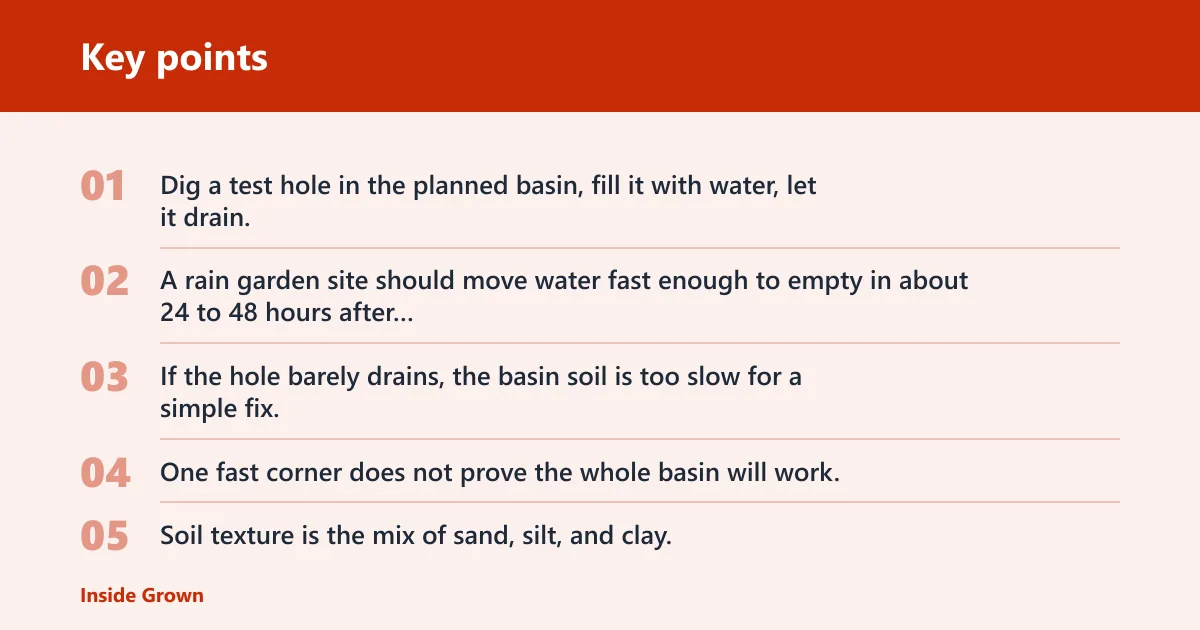
Dig a test hole in the planned basin, fill it with water, let it drain, then refill it and watch how fast the water level falls. A rain garden site should move water fast enough to empty in about 24 to 48 hours after a storm. If the hole barely drains, the basin soil is too slow for a simple fix.
Do the check in more than one spot. One fast corner does not prove the whole basin will work, and one slow patch can ruin the finished bed.
Jar test and finger-feel texture check
Soil texture is the mix of sand, silt, and clay, and it helps predict drainage and water storage. A jar test shows the mix: shake soil and water in a clear jar, let it settle, and you will see layers form. Sand drops first, then silt, then clay. A finger-feel check gives a quick field read on grittiness, stickiness, and how well the soil forms a ribbon.
Clay-heavy soil feels sticky when wet and holds water too well. Sandy soil feels gritty and loose and drains fast. Mixed soil may work well if it has enough organic matter and enough pore space for stormwater to move through.
Signs of high groundwater or perched water
Watch for water that reappears in the test hole after it drains, gray or mottled subsoil, or a wet bottom that never really clears. Those signs can point to perched water above a tight layer or to high groundwater. If the basin cannot drain because the profile is already saturated, fix the site or choose another location.
Do I need a soil test before making a rain garden?
Yes. A soil test should come before any amendment decision because it tells you pH and nutrient levels, and county extension offices often offer this service. In a rain garden, that matters because the goal is not only to grow plants, but to keep the basin draining and the root zone balanced.
What the test measures
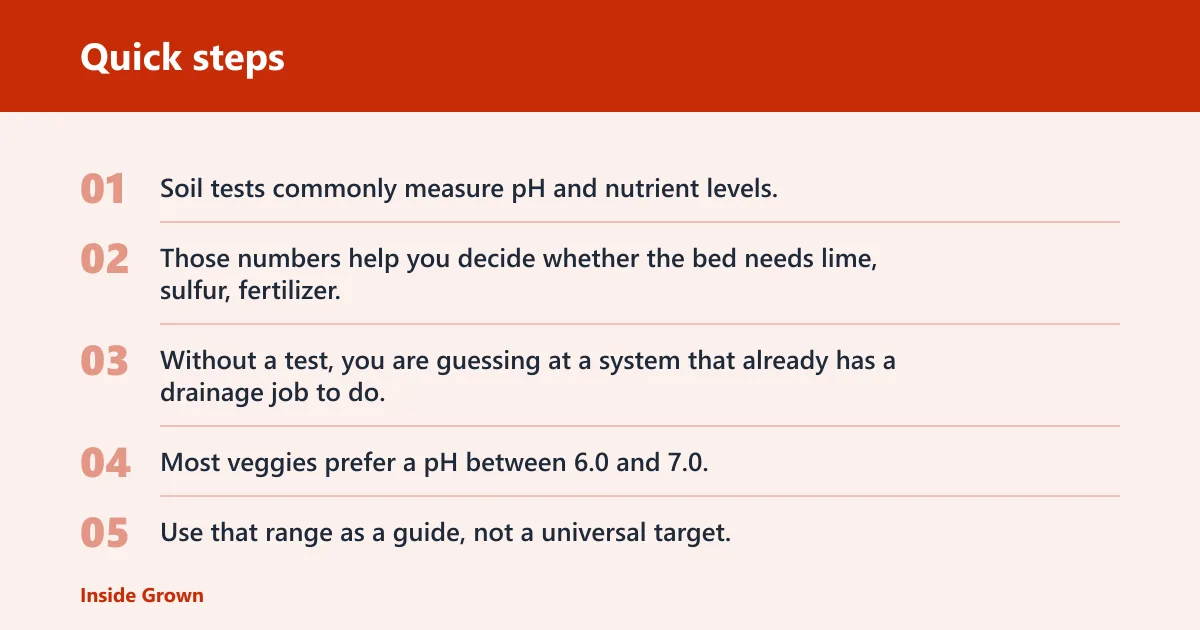
Soil tests commonly measure pH and nutrient levels, and some reports also include phosphorus, potassium, calcium, and magnesium. Those numbers help you decide whether the bed needs lime, sulfur, fertilizer, or no adjustment at all. Without a test, you are guessing at a system that already has a drainage job to do.
Most veggies prefer a pH between 6.0 and 7.0, while many garden nutrients are most available around 6.5 to 6.8. Use that range as a guide, not a universal target. Plant choice and local soil conditions still matter.
How extension offices fit into the process
County extension offices often provide the most practical testing route for homeowners. They can tell you how to sample, what depth to collect from, and how to read the report without turning the answer into a generic garden-bed fix. That matters because rain garden soil needs to support drainage as well as fertility.
Reading pH and nutrient results
If the soil test shows acidity that is too strong for your plant list, lime may be part of the correction. If the soil is too alkaline, sulfur may be needed. Make those changes only after testing, and only in amounts the report supports.
Say your test shows acceptable nutrients but a pH outside the plant range you want. In that case, pH correction makes more sense than adding fertilizer first, because fertilizer will not solve the chemistry problem.
Rain garden soil decision table
| Soil condition | Test result | Recommended action | Red flags |
|---|---|---|---|
| Clay-heavy | Water stands in the test hole; soil feels sticky; basin drains too slowly | Amend in place only if infiltration improves after loosening and organic matter addition; mix in compost, then retest | Do not add sand; do not work wet clay; stop and fix drainage first if the basin stays wet beyond 48 hours |
| Sandy | Water disappears fast; soil feels gritty and loose; nutrients leach quickly | Amend in place with compost or other moisture-retentive organic matter; retest after mixing | Do not leave sand exposed; watch for rapid drying, plant stress, and nutrient loss after rain |
| Compacted | Roots are limited; water ponds on top; soil resists a finger or shovel | Loosen to 8 to 12 inches when soil is workable, then add compost and retest drainage | Do not till wet soil; stop if loosening exposes a hard pan or perched water layer that still will not drain |
| Mixed | Moderate drainage with patchy wet spots; texture varies across the basin | Amend in place where needed, blend compost into the upper profile, and level the basin before planting | Do not layer topsoil on top only; do not ignore low spots that hold water after rain |
How much compost should you add?
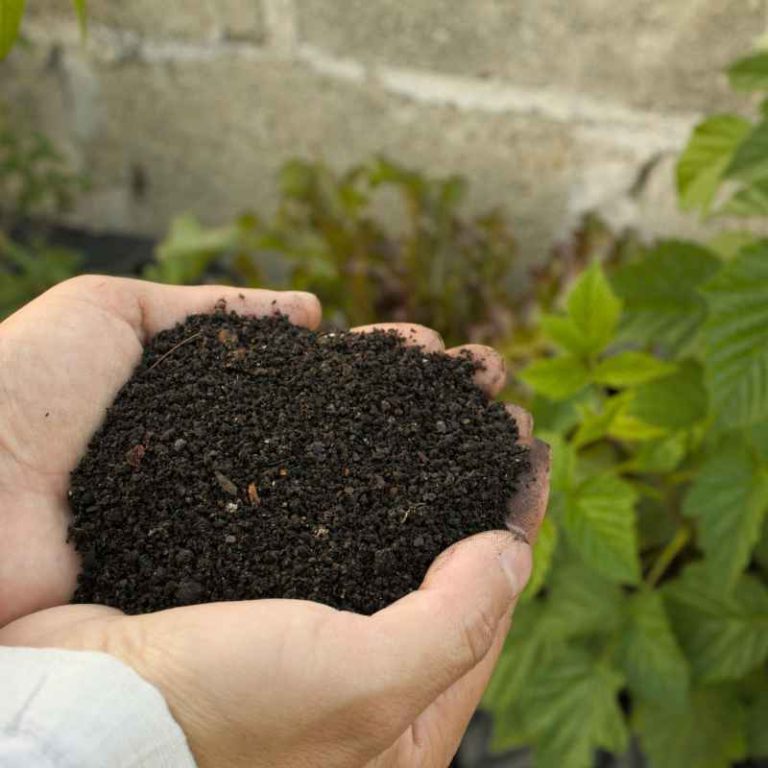
For a new rain garden bed, mix 2 to 3 inches of compost into the top 6 to 8 inches of soil. That depth is enough to improve structure and drainage in many beds without leaving a separate compost layer that can shift, dry out, or behave differently from the soil below.
New-bed compost depth
Spread the compost evenly across the basin, then mix it into the root zone. Do not leave it as a top dressing alone. Rain garden roots need a blended profile, not a layered one.
Mixing compost into the root zone
Topsoil matters because it is the surface rooting layer, and depth shapes root growth. If the topsoil is thin, or if the basin was scraped and left shallow, add enough amended soil to rebuild the upper profile rather than piling material on top. Mixed soil gives roots and stormwater a more useful path than a skin of loose material.
Other organic matter that can help
Organic matter includes compost, manure, leaves, straw, and grass clippings. These materials improve fertility and structure, and they feed microbes and earthworms that help soil stay open. Use only well-decomposed material in the basin so you do not create fresh floatable debris during a storm.
Should you amend clay or stop first?
Clay soil can be improved with organic matter, but only if the site can still drain after the work is done. Clay holds water too well and drains poorly, so the goal is to open the soil structure without turning the basin into a saturated bowl. If the native profile is too tight or too wet, redesign instead of forcing a fix.
When organic matter helps clay
Compost helps clay by improving aggregation, aeration, and drainage. Mix it into the working depth and retest after the soil is loosened. In many beds, that is enough to move from a sticky, slow basin to one that can support a rain garden.
Why sand is the wrong fix for most clay
Do not add sand to clay soil for a rain garden. The guidance says it makes matters worse, because it can create a dense, cement-like structure instead of a better-draining mix. Clay needs organic matter and careful loosening, not a sand patch.
When to redesign instead of amending
If the basin still holds water after 24 to 48 hours, or if the test hole refills from below, the site may need an underdrain, a new location, or a different basin depth. That is especially true where high groundwater or a very slow native layer limits drainage. In those cases, more compost is not the answer.
How do you improve sandy or compacted soil?
Sandy soil and compacted soil need different fixes. Sandy soil drains too fast and loses nutrients quickly, so it needs moisture-retentive organic matter. Compacted soil blocks roots and infiltration, so it needs loosening to the right depth when the soil is dry enough to work without smearing.
Moisture-retentive amendments for sand
Use compost or other organic matter to help sandy soil hold water and nutrients. Sandy soil is gritty, loose, and fast-draining, so the priority is to slow the loss of moisture without sealing the profile. Blend the amendment through the root zone rather than creating a thin top layer.
Loosening compacted soil to 8 to 12 inches
Loosen the soil to about 8 to 12 inches when the soil is workable. That depth gives roots room and improves infiltration. If the soil is hard and shallow, work the whole basin, not just a few planting holes.
Working only when soil is not wet
Do the loosening when the soil is workable, not wet. Wet clay smears, seals, and can make drainage worse. A steel rake or hoe can then finish the surface and remove shallow crusts without packing the bed back down.
Suppose a 6-by-8-foot basin gets a storm and still has water the next morning, while the surrounding lawn is dry. That pattern suggests the basin bottom is too tight or too low. Adding compost alone will not fix it unless you also open the profile and verify that the water can move out.
How do I level soil before planting a rain garden?
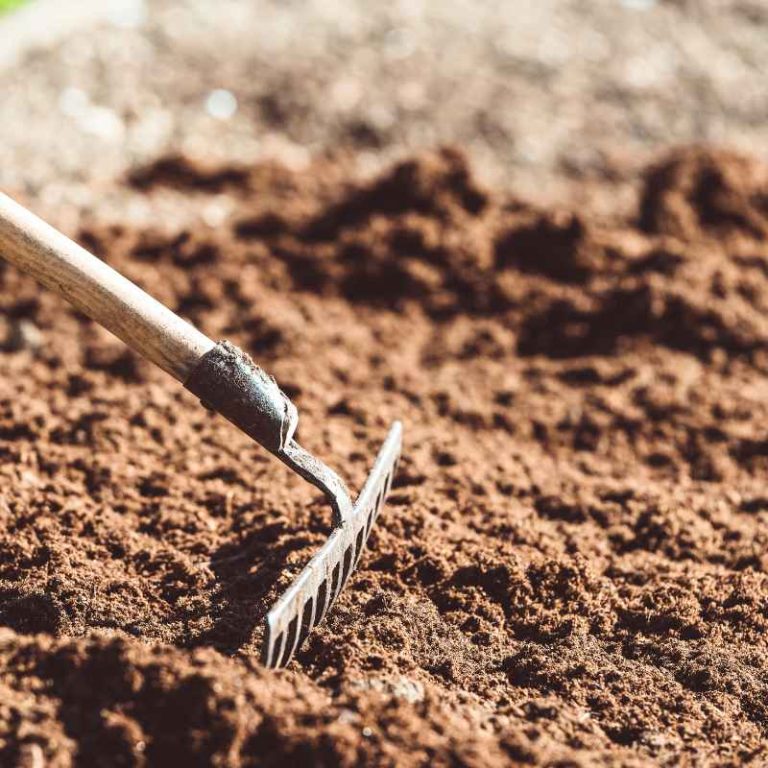
Level the basin with a steel rake or hoe so water spreads evenly instead of collecting in one corner. A flat, even surface also makes planting depth consistent and keeps mulch from drifting to the low side after a storm. Check the surface before you plant, not after the first rain.
Using a steel rake or hoe
Drag the tool lightly across the surface to shave high spots and fill shallow dips. Keep the work gentle enough to preserve the loosened profile below. The goal is a smooth basin floor, not a compacted crust.
Keeping the surface even for planting
An even surface helps seeds, plugs, and transplants sit at the same depth. It also helps water move across the bed in a controlled way. If one edge is low, that edge can stay soggy and stress plants after heavy rain.
Final check before mulch and plants
Before you mulch, water the basin once and watch how the water spreads and drains. If the surface holds puddles in one spot, correct the grade first. A finished rain garden should be ready to accept runoff without creating a permanent wet hole.
Frequently asked questions
How do I prepare soil for a rain garden?
Start with a drainage test, then a soil test, then the right amendment plan. Clear rocks and debris, loosen the soil to at least 8 inches, and mix 2 to 3 inches of compost into the top 6 to 8 inches if the site can support a rain garden. Level the basin before planting.
How do I know if my soil drains too slowly for a rain garden?
If a test hole still holds water after a storm, or the basin takes longer than 24 to 48 hours to empty, the soil is too slow for a simple amend-in-place approach. Persistent puddling, perched water, and a wet bottom that stays saturated are signs you may need redesign or drainage help.
Should I add sand to clay soil for a rain garden?
No. Sand can make clay structure worse instead of better. Clay usually responds better to organic matter, especially compost, combined with loosening in workable soil. If clay still drains too slowly after that, the site may need a different basin design or an underdrain.
What soil pH is best before planting a rain garden?
Use the soil test to match pH to your plant list, rather than aiming for one universal number. Many garden plants do well around 6.0 to 7.0, and nutrient availability is often best around 6.5 to 6.8. Adjust with lime or sulfur only if the test calls for it.
How deep should I loosen the soil for a rain garden bed?
Loosen to at least 8 inches, and 12 inches is better when the site allows it. That depth helps roots spread and gives water a clearer path into the profile. Do the work only when the soil is not wet, or you can smear and seal the basin.
What amendments help sandy soil hold water in a rain garden?
Compost and other organic matter help sandy soil hold water and nutrients. Sandy soil drains fast, so the aim is to slow drying without blocking infiltration. Mix the amendment through the root zone, and check the bed again after the next rain to see whether moisture remains more evenly distributed.