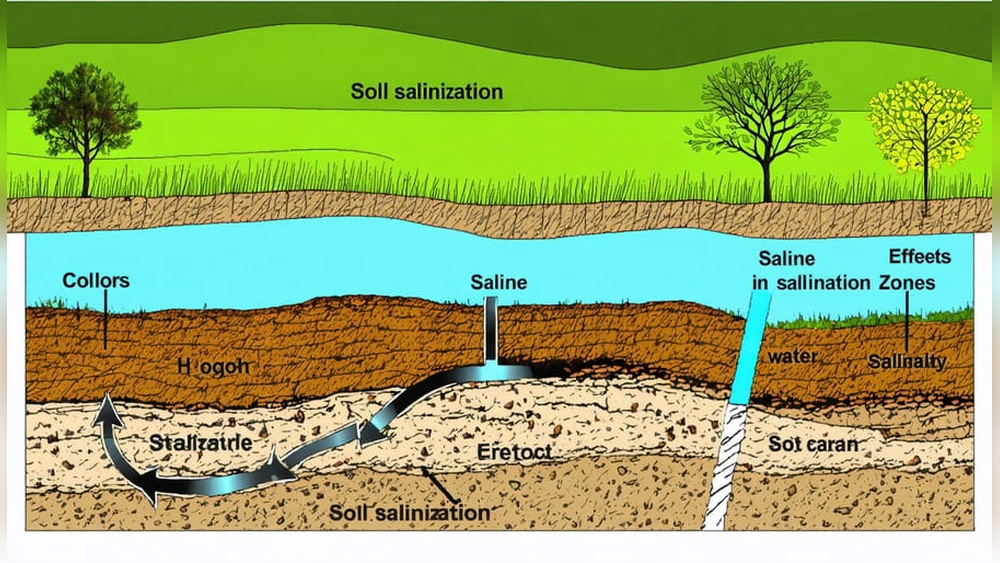

Soil salinization is a pressing global concern threatening the backbone of food production—agriculture. In vast regions from Australia’s Murray-Darling Basin to the arid lands of Central Asia, productive farmland is being lost, not to urban expansion or climate change alone, but to the invisible creep of salts accumulating in the soil.
This process, often set in motion by agricultural activities themselves, puts food security, rural economies, and environmental health at risk. Yet, the connection between agriculture and soil salinization is frequently misunderstood or overlooked, resulting in practices that inadvertently fuel the problem.
Understanding how agriculture leads to salinization is crucial for farmers, policymakers, and consumers alike. By exploring the intricate web of irrigation practices, crop choices, soil management, and water policies, we can identify both the causes and solutions. This article delves deep into the mechanisms, impacts, and remedies surrounding agricultural salinization, backed by data, real-world examples, and actionable insights to empower better decision-making.
Key Takeaways
- Agricultural irrigation is the primary driver of soil salinization, especially in arid and semi-arid regions.
- Salinization reduces crop yields, damages soil structure, and has significant economic and environmental consequences.
- Poor drainage, water quality, and crop selection amplify the risk of salt buildup in agricultural soils.
- Effective management strategies—including improved irrigation, drainage, and crop rotation—can mitigate and even reverse soil salinization.
- Global case studies highlight both the severity of the problem and the potential for successful remediation.
- Scientific research and policy interventions are essential for long-term soil health and sustainable food production.

Credit: saudiarabia.un.org
The Science Of Soil Salinization
Soil salinization is the accumulation of soluble salts in the soil to levels that negatively affect plant growth and soil function. The process is both natural and anthropogenic, but modern agriculture significantly accelerates it.
What Is Soil Salinization?
Soil salinization occurs when the concentration of salts—such as sodium, chloride, sulfate, and carbonate ions—in the soil solution reaches levels that inhibit plant growth. These salts can originate from:
- Parent rock material (natural weathering)
- Irrigation water (especially if sourced from rivers, lakes, or groundwater with dissolved salts)
- Fertilizers and agrochemicals
- Atmospheric deposition (less common)
Over centuries, natural processes may slowly increase salinity, but agricultural interventions can cause rapid and extensive salt accumulation within decades. This is particularly evident in regions undergoing intensive irrigation, where the balance between water input and output is disrupted.
How Salt Accumulates In Soil
Salts are naturally present in most soils, but their concentration is typically low enough for healthy plant growth. Problems arise when:
- Evaporation exceeds precipitation, drawing water upward and leaving salts behind.
- Irrigation water adds more salts than are leached away by rainfall or drainage.
- Poor drainage prevents salt removal from the root zone.
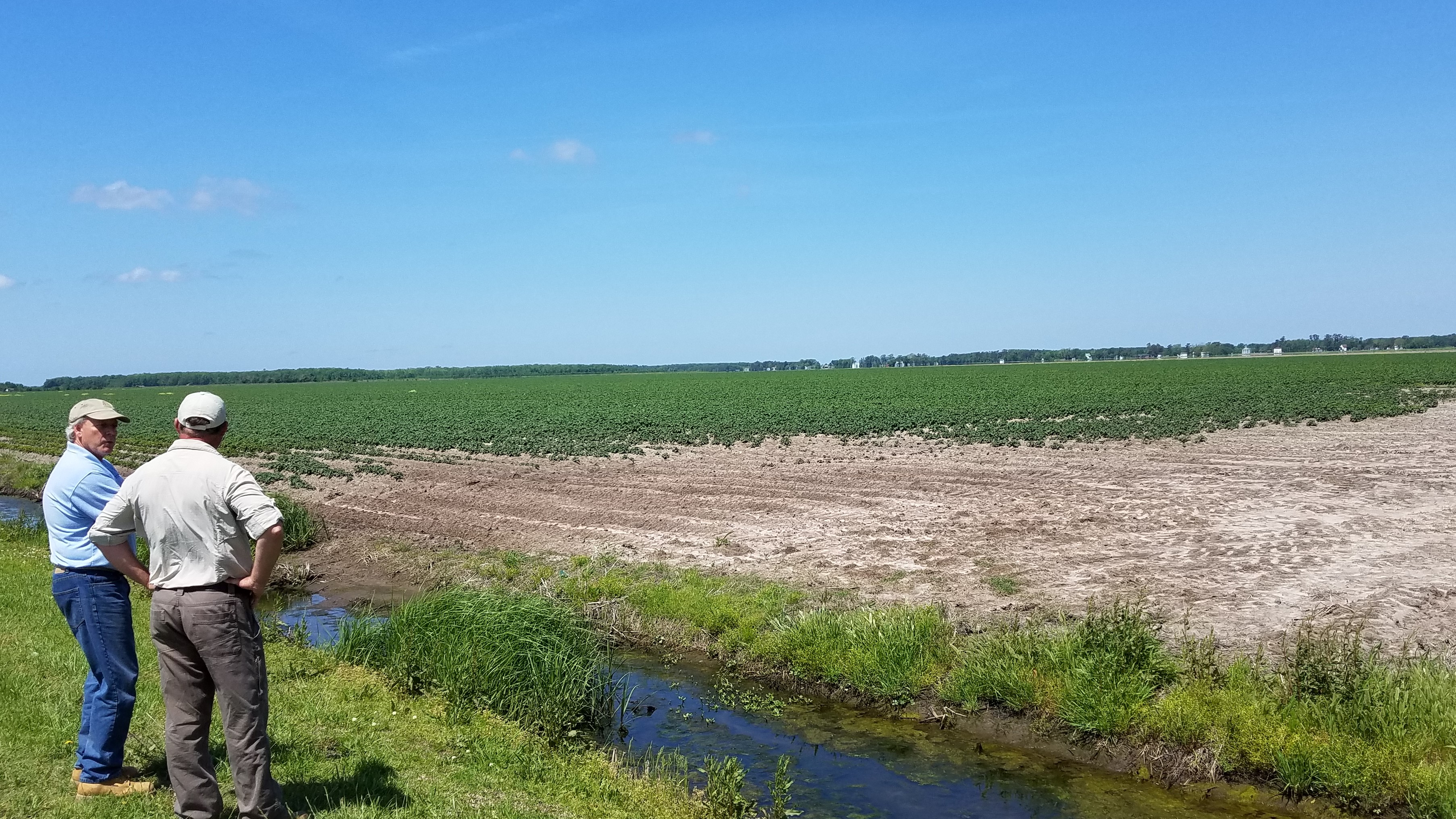
The key mechanism is the capillary rise of water, which brings dissolved salts to the surface. When water evaporates, salts remain and accumulate over time. In dry climates with high evaporation rates and limited rainfall, this effect is even more pronounced, leading to visible salt crusts on the soil surface and making the land less fertile.
The Role Of Soil And Water Chemistry
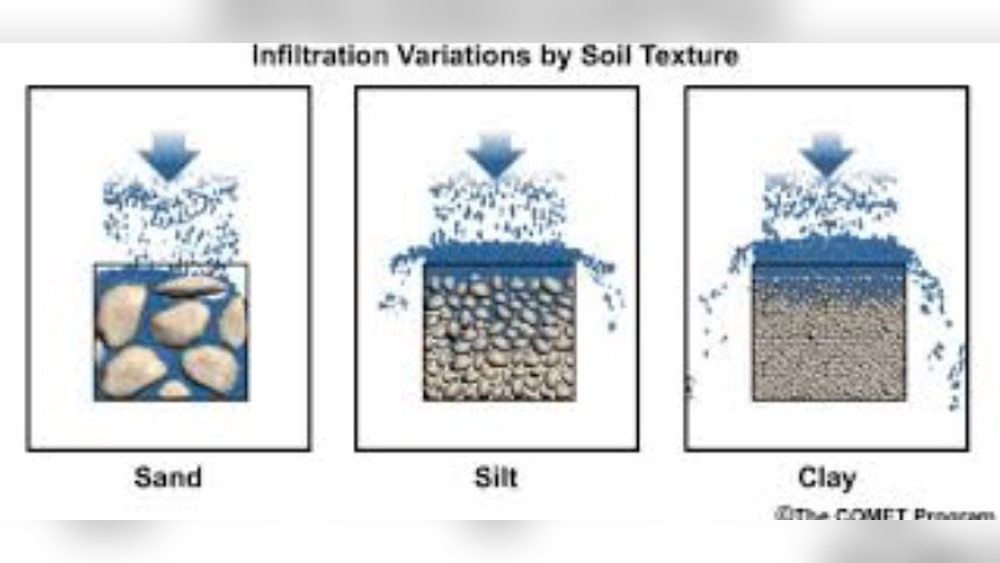
Soil texture, structure, and drainage capacity influence how easily salts accumulate. Sandy soils with good drainage are less prone to salinization than clay-rich soils. The chemical composition of irrigation water is equally critical—water with high electrical conductivity (EC) or sodium adsorption ratio (SAR) increases the risk of soil salinity.
For example, soils with a high proportion of clay or silt can retain water longer but also restrict drainage, resulting in more salt accumulation. Additionally, sodium-dominated salts can degrade soil structure, turning soils hard and compact when dry and sticky when wet, further reducing their productivity.
Salinity Thresholds And Crop Tolerance
Different crops tolerate varying levels of soil salinity. The threshold is usually measured in deciSiemens per meter (dS/m):
- Non-saline:<2 dS/m
- Slightly saline: 2–4 dS/m
- Moderately saline: 4–8 dS/m
- Strongly saline: >8 dS/m
Most staple crops, such as rice, wheat, and maize, experience yield losses above 4 dS/m. Some crops (e.g., barley, cotton) are more salt-tolerant.
The relationship between salinity and crop yield is complex. For instance, wheat may tolerate moderate salinity but suffer significant yield reduction as EC rises above 6 dS/m. The physiological mechanisms of salt tolerance—such as ion exclusion, osmotic adjustment, and compartmentalization—vary among species and varieties, influencing their suitability for saline environments.
Credit: www.climatehubs.usda.gov
Agricultural Practices That Cause Salinization
The connection between agriculture and soil salinization is primarily rooted in irrigation, but other farming practices also play a role.
Irrigation: The Main Culprit
Irrigation is essential in dry regions but is the leading cause of secondary salinization—that is, human-induced salt buildup. This occurs because:
- Most irrigation water contains some dissolved salts.
- When crops use water, salts are left behind.
- Inadequate leaching (washing salts below the root zone) causes accumulation.
The scale of irrigation worldwide is immense, with over 300 million hectares irrigated globally, according to FAO. While irrigation boosts productivity, improper management often leads to unintended salinity problems. Even seemingly minor inefficiencies can, over time, create major issues.
Types Of Irrigation And Their Impact
| Irrigation Method | Salinization Risk | Notes |
|---|---|---|
| Flood Irrigation | High | Low efficiency, high evaporation, poor control |
| Furrow Irrigation | Moderate-High | Evaporation from furrows, uneven distribution |
| Sprinkler Irrigation | Moderate | Better control, but wind increases evaporation |
| Drip Irrigation | Low | Efficient, minimizes evaporation and salt buildup |
Flood irrigation, still widely practiced in developing countries, often results in waterlogging and increased evaporation, making it especially risky. In contrast, drip irrigation targets water directly to plant roots, minimizing evaporation and salt buildup, but requires significant investment and technical know-how.
Poor Drainage Systems
Without effective drainage, salts cannot be washed out of the root zone. Impermeable layers, compacted soils, or high water tables impede drainage, causing salts to concentrate near the surface.
Drainage issues are common in heavy soils or areas with shallow groundwater, where water stagnates and increases salinity. Inadequate drainage infrastructure, such as blocked or poorly designed ditches, exacerbates the problem. Furthermore, seasonal rainfall variability can lead to periods where drainage is insufficient, causing salt accumulation during dry spells.
Use Of Saline Water
In water-scarce regions, farmers may use groundwater with high salt content for irrigation. Over time, this practice dramatically increases soil salinity. According to the Food and Agriculture Organization (FAO), over 20% of the world’s irrigated land is affected by salinity, much of it due to poor water quality.
In regions where fresh water is limited, the use of marginal or saline water is often unavoidable. However, repeated use of such water, especially without adequate leaching, can quickly render soils unproductive. This is particularly problematic in areas experiencing drought, where farmers may have no alternative but to utilize available groundwater, regardless of its quality.
Fertilizer And Agrochemical Mismanagement
Excessive or inappropriate use of fertilizers adds salts directly to the soil. Ammonium, potassium, and nitrate-based fertilizers all contribute to overall salinity, especially when not balanced with sufficient irrigation and drainage.
For example, ammonium sulfate and potassium chloride are commonly used fertilizers that increase soil salinity if applied in excess. Additionally, misuse of herbicides and pesticides can alter soil chemistry, indirectly influencing salinity and sodicity levels. Regular soil testing and balanced fertilization are critical to avoid these risks.
Crop Choices And Rotations
Growing shallow-rooted crops or those with low salt tolerance exacerbates salinization. Continuous monoculture of sensitive crops can lead to rapid declines in yield and soil health.
Diversification and rotation of crops not only improve soil structure and fertility but also help manage salinity. Deep-rooted crops, such as alfalfa, can enhance soil permeability and encourage leaching, thereby reducing salt buildup. Moreover, integrating salt-tolerant crops in rotations can sustain productivity in affected areas.

Credit: www.sciencedirect.com
Global Case Studies: Where Agriculture Meets Salinization
Understanding the real-world impact of agricultural salinization requires examining specific regions and their experiences.
The Indus Basin, Pakistan
The Indus Basin is one of the world’s largest irrigated regions. Decades of canal irrigation, without adequate drainage, have led to severe soil salinization and waterlogging. According to the Lancet Global Health, nearly 2.5 million hectares are now unproductive due to salt buildup.
Local farmers often report declining yields and visible salt crusts on their fields. Efforts to reclaim land include installing tube wells and promoting salt-tolerant crop varieties, but challenges persist due to institutional and infrastructural limitations.
Murray-darling Basin, Australia
In the Murray-Darling Basin, extensive irrigation of crops such as cotton and rice has raised groundwater tables, mobilizing ancient salts stored in the soil profile. As a result, an estimated 1.3 million hectares are at risk, with significant economic losses for farmers and communities. The Murray-Darling Basin Authority provides ongoing data and management strategies to combat this issue.
The basin’s complexity—spanning multiple states and diverse crop systems—means coordinated action is vital. Community-driven management, including the adoption of efficient irrigation and regular monitoring, has shown positive outcomes in reducing salinity in several subregions.
Aral Sea Region, Central Asia
The diversion of rivers for cotton irrigation led to the dramatic shrinking of the Aral Sea and widespread soil salinization. Today, over 50% of irrigated lands in Uzbekistan and Turkmenistan are salt-affected, causing collapsing agricultural output and health problems from windblown salt dust (Wikipedia).
This environmental disaster illustrates the consequences of mismanaged irrigation at a massive scale. The salinization of soils not only reduced crop productivity but also led to a public health crisis, with increased respiratory illnesses and loss of livelihoods.
San Joaquin Valley, California, Usa
Intensive irrigation and fertilizer use in California’s San Joaquin Valley have resulted in rising salinity and toxic trace elements like selenium. The region’s productivity is increasingly threatened, prompting multi-million-dollar investments in drainage and water management (California Department of Water Resources).
The valley’s experience highlights the importance of integrating drainage management and water quality monitoring into agricultural practices. Innovative solutions, such as constructed wetlands and advanced irrigation scheduling, are being deployed to address both salinity and toxicity.
Egypt’s Nile Delta
The construction of the Aswan High Dam enabled year-round irrigation but reduced natural flooding that once flushed salts from the Nile Delta soils. Now, salinity threatens rice and wheat production, affecting food security for millions (ScienceDirect).
Efforts to mitigate salinity in the Nile Delta focus on improving drainage and promoting salt-tolerant crop varieties. However, population growth and urban expansion place additional pressure on available farmland, making effective management crucial for national food security.
Impacts Of Soil Salinization On Agriculture And The Environment
Soil salinization has far-reaching consequences beyond reduced crop yields.
Crop Yields And Quality
Salt stress affects plants in multiple ways:
- Osmotic stress: Reduces water uptake by roots
- Ionic toxicity: Accumulation of sodium and chloride damages plant cells
- Nutrient imbalance: Essential nutrients become less available
On average, yield losses in moderately saline soils (4–8 dS/m) can reach 20–50% for sensitive crops. In strongly saline soils, complete crop failure is common.
Quality of produce is also affected. For example, vegetables grown in saline soils often exhibit smaller size, tougher texture, and reduced nutritional value. In fruit crops, salinity can lead to lower sugar content and impaired flavor, reducing their marketability.
Soil Health And Productivity
Salinization alters soil structure by dispersing clay particles, reducing porosity and permeability. This leads to:
- Poor aeration
- Waterlogging
- Increased erosion risk
Soil biological activity also declines, affecting nutrient cycling and long-term fertility.
Microbial populations, essential for decomposing organic matter and facilitating nutrient uptake, are particularly sensitive to saline conditions. Reduced microbial activity can slow down decomposition rates, further diminishing soil fertility and resilience.
Economic And Social Costs
According to the World Bank, annual global economic losses due to soil salinity exceed US$27 billion. Farmers face:
- Lower incomes from reduced yields
- Increased costs for leaching, drainage, and soil amendments
- Land abandonment in severe cases
Communities dependent on agriculture suffer from food insecurity and loss of livelihoods.
The economic burden extends to governments and society, as resources are diverted to reclamation projects, infrastructure upgrades, and emergency food imports. In extreme cases, salinization can drive rural migration and exacerbate social inequality.
Environmental Consequences
Beyond farms, salinization:
- Degrades natural wetlands and aquatic ecosystems
- Mobilizes toxic elements (e.g., selenium, boron)
- Increases dust storms and air pollution (as in the Aral Sea region)
Wildlife and biodiversity suffer as saline soils encroach on natural habitats, reducing the availability of food and water for native species. Rivers and lakes receiving saline runoff may become inhospitable to fish and aquatic plants, disrupting ecological balance.
Food Security And Policy Implications
With more than 20% of irrigated land worldwide affected by salinity, food production is at risk, especially in regions with growing populations and limited arable land.
Salinization can force nations to rely more heavily on food imports, exposing them to international price volatility and reducing resilience. Policy responses must address both immediate needs and long-term sustainability, integrating salinity management with broader agricultural and environmental strategies.
Mechanisms: How Agricultural Practices Drive Soil Salinization
The process of salinization is not inevitable—it follows specific mechanisms tied to how agriculture is practiced.
The Water Balance Equation
Salinization occurs when the input of salts (mainly via irrigation) exceeds the output (removal by drainage or crop uptake). The water balance equation is:
Salt Added = Salt In (irrigation, fertilizers) – Salt Out (drainage, crop removal)
If “Salt Out” is less than “Salt In,” accumulation is inevitable.
The equation underscores the importance of managing both water and salt flows. Even small imbalances, sustained over years, can transform productive land into saline wastelands. Effective management requires regular monitoring and adaptive practices.
Capillary Rise And Evaporation
In areas with shallow groundwater, capillary action draws saline water upward. As surface water evaporates, salts concentrate at or near the soil surface—a process particularly problematic in hot, arid climates.
This mechanism is especially pronounced in areas with fluctuating water tables. During wet periods, groundwater may rise, bringing salts closer to the surface. Subsequent dry periods increase evaporation and leave behind concentrated salts, leading to visible crusts and reduced soil fertility.
Irrigation Water Quality
The electrical conductivity (EC) and sodium adsorption ratio (SAR) of irrigation water determine its salinization risk. High EC or SAR waters deliver more salts to the soil and can degrade soil structure.
Comparison Of Irrigation Water Quality
| Water Type | EC (dS/m) | SAR | Salinization Risk |
|---|---|---|---|
| Freshwater | <0.7 | <3 | Low |
| Marginal Water | 0.7–3.0 | 3–9 | Moderate |
| Saline Water | >3.0 | >9 | High |
Water quality standards for irrigation are increasingly enforced in many countries, but access to testing and compliance remains uneven, particularly in resource-limited settings.
Leaching Requirement And Irrigation Scheduling
To prevent salinization, a certain amount of water—known as the leaching fraction—must be applied to flush salts below the root zone. Poor scheduling, insufficient quantities, or over-irrigation can worsen the problem.
Calculating the leaching fraction requires knowledge of soil properties, crop requirements, and irrigation water quality. Failure to apply adequate leaching water can result in salt buildup, while excess irrigation may waste water and nutrients.
Drainage And Water Table Management
Effective drainage systems (surface and subsurface) are essential. High water tables bring salts upward, while blocked drains or compacted soils prevent salt removal.
Innovative drainage solutions, such as controlled subsurface drainage, allow farmers to regulate water tables and minimize salt movement. Regular maintenance and monitoring are crucial to ensure these systems function as intended.
Fertilizer And Agrochemical Practices
Overuse or misapplication of fertilizers, particularly those containing chloride or sulfate, directly increases soil salinity. Balanced fertilization and soil testing are critical.
Precision agriculture technologies, including variable rate application and nutrient mapping, help optimize fertilizer use and reduce salinity risks. Adoption of these technologies is growing but remains limited by cost and technical barriers in many regions.
Monitoring, Detection, And Assessment Of Salinization
Early detection and regular monitoring are essential for managing soil salinity in agricultural landscapes.
Field Indicators
Farmers and agronomists can spot salinization through:
- White crusts on the soil surface
- Poor seed germination and patchy crop stands
- Wilting or leaf burn, even with adequate water
- Stunted growth or yellowing (chlorosis) of sensitive crops
Additional signs include hard, compacted soil, reduced infiltration, and visible changes in soil color or texture. These indicators often precede more severe impacts, making early intervention possible.
Laboratory Testing
Soil and water samples are analyzed for:
- Electrical conductivity (EC)
- Sodium adsorption ratio (SAR)
- PH and specific ion concentrations (e.g., chloride, boron)
Regular testing guides management decisions and tracks progress.
Advanced laboratory techniques, such as ion chromatography and atomic absorption spectroscopy, provide detailed profiles of soil and water chemistry, enabling targeted remediation strategies.
Remote Sensing And Mapping
Satellite imagery and aerial surveys enable large-scale monitoring. Techniques include:
- NDVI (Normalized Difference Vegetation Index): Identifies stressed vegetation
- Soil reflectance mapping: Detects salt crusts and bare patches
The NASA Landsat program and similar initiatives provide valuable data for tracking salinization trends.
Integration of remote sensing with ground surveys enables precise mapping of salinity hotspots, guiding resource allocation and intervention efforts.
Salinity Classification Systems
Soils are classified by their salinity and sodicity, guiding crop selection and management. For example:
- Saline soils: EC >4 dS/m, ESP <15%
- Sodic soils: EC <4 dS/m, ESP >15%
- Saline-sodic soils: EC >4 dS/m, ESP >15%
(esp = Exchangeable Sodium Percentage)
These classifications inform recommendations for crop selection, irrigation, and soil amendments, helping farmers adapt to changing conditions.
Strategies To Prevent And Manage Agricultural Salinization
While salinization poses serious challenges, many solutions are available to mitigate or reverse the process.
Improved Irrigation Practices
- Switch to drip or sprinkler irrigation to reduce evaporation and control water application.
- Schedule irrigation based on crop needs and weather patterns.
- Use high-quality, low-salinity water whenever possible.
In addition, technologies such as soil moisture sensors and automated irrigation controllers help optimize water use, ensuring adequate leaching and minimizing salinity risks.
Effective Drainage Systems
- Install subsurface tile drains or open ditches to lower the water table and remove salts.
- Regularly maintain drainage infrastructure to prevent blockages.
Community-level drainage projects, such as coordinated canal systems, can address salinity across large landscapes, benefiting multiple farms and reducing costs.
Leaching And Soil Flushing
- Apply additional water (leaching fraction) to flush salts below the root zone, especially after the growing season.
- Monitor soil EC and adjust leaching accordingly.
Leaching efficiency depends on soil structure and permeability. Practices such as deep ripping or adding organic matter can enhance leaching, making salt removal more effective.
Crop Selection And Rotation
- Grow salt-tolerant crops (e.g., barley, cotton, sugar beet) in affected areas.
- Rotate with deep-rooted crops or halophytes (salt-loving plants) to improve soil structure and reduce salinity.
- Avoid monoculture of sensitive crops.
Mixed cropping systems, including legumes and forage grasses, can further improve soil health and reduce the risk of salinization.
Salt Tolerance Of Common Crops
| Crop | Threshold EC (dS/m) | Relative Tolerance |
|---|---|---|
| Barley | 8.0 | High |
| Cotton | 7.7 | High |
| Wheat | 6.0 | Moderate |
| Maize | 1.7 | Low |
| Rice | 3.0 | Low |
Soil Amendments And Reclamation
- Apply gypsum (calcium sulfate) to sodic soils to displace sodium and improve structure.
- Use organic matter (manure, compost) to enhance soil aggregation and infiltration.
- In severe cases, physical removal or deep ripping may be required.
Other amendments, such as elemental sulfur and acidifying agents, can be used in specific situations to adjust soil pH and facilitate salt removal.
Integrated Water Management
- Blend saline water with fresh water to reduce the average salinity.
- Manage groundwater extraction to prevent water table rise.
- Implement policies for conjunctive use (surface and groundwater together) to balance supply and quality.
Water allocation planning at the regional level is essential to prevent overuse and degradation, ensuring long-term sustainability.
Policy And Extension Support
- Government subsidies for efficient irrigation equipment and drainage.
- Training and extension services for soil and water management.
- Research and development of salt-tolerant crop varieties.
Public-private partnerships can accelerate adoption of best practices and innovation in salinity management.
Case Study: Israel’s Salinity Management
Israel, with its arid climate and scarce freshwater, pioneered drip irrigation and recycling of treated wastewater. Comprehensive monitoring, crop selection, and public investment have enabled sustainable agriculture despite high salinity risks (Wikipedia).
Israeli farmers use advanced water treatment and irrigation scheduling, supported by research institutions and government policy. Their experience demonstrates the potential for high productivity in challenging environments, given the right tools and support.
The Role Of Research, Innovation, And Policy
Long-term solutions require collaboration among scientists, governments, and farmers.
Advances In Salt-tolerant Crops
Genetic research is developing crops that yield well in saline soils. For example, transgenic rice varieties with improved sodium exclusion are under field trials in Asia.
Breeding programs for wheat, barley, and vegetables focus on both yield and quality under saline conditions. Marker-assisted selection and biotechnology accelerate progress, promising new varieties for affected regions.
Precision Agriculture Technologies
- Sensors and automation optimize irrigation and fertilization.
- Drones and satellite data enable targeted management and early warning.
Remote sensing platforms provide real-time information on soil moisture, salinity, and crop health, allowing farmers to respond swiftly to emerging problems.
International Cooperation And Knowledge Sharing
Organizations such as the FAO and the International Center for Biosaline Agriculture (ICBA) facilitate global research and extension networks.
Shared knowledge and coordinated action help build resilience and capacity across borders, addressing salinization as a global challenge.
Policy Initiatives
- National action plans for salinity management (e.g., Australia’s National Salinity Strategy)
- Water pricing and incentives for efficient use
- Land reclamation and restoration projects
Policies promoting sustainable water use and integrated landscape management are crucial for long-term success.
Education And Capacity Building
Farmer education is essential for adoption of best practices. Extension services, demonstration farms, and participatory research build local capacity.
Involving local communities in decision-making ensures solutions are tailored to specific needs and resources, enhancing sustainability.
Frequently Asked Questions
What Is The Main Cause Of Soil Salinization In Agriculture?
The primary cause is irrigation with water containing dissolved salts, especially in arid and semi-arid regions. When water evaporates or is taken up by plants, salts remain in the soil. Without adequate drainage or leaching, these salts accumulate to harmful levels.
How Does Salinization Affect Crop Growth?
Salinization reduces plant growth by making it harder for roots to absorb water (osmotic stress), causing toxic buildup of sodium and chloride in tissues, and disrupting nutrient uptake. Sensitive crops may suffer stunted growth, leaf burn, and even complete failure in highly saline soils.
Can Soil Salinization Be Reversed?
Yes, soil salinization can often be reversed through improved management—especially by installing drainage, applying extra irrigation water to flush salts, using salt-tolerant crops, and adding soil amendments like gypsum. The process can be slow and requires sustained effort and investment.
Which Regions Are Most At Risk From Agricultural Salinization?
Regions with arid or semi-arid climates and large-scale irrigation are most at risk. Major hotspots include the Indus Basin (Pakistan/India), Murray-Darling Basin (Australia), Central Asia (Aral Sea region), California’s San Joaquin Valley, and Egypt’s Nile Delta.
How Can Farmers Prevent Soil Salinization?
Farmers can prevent salinization by:
- Using efficient irrigation methods (e.g., drip irrigation)
- Ensuring proper drainage
- Monitoring soil and water salinity
- Selecting salt-tolerant crops
- Balancing fertilizer use and applying organic amendments
References
- Food and Agriculture Organization (FAO)
- Lancet Global Health
- Murray-Darling Basin Authority
- Wikipedia: Aral Sea
- California Department of Water Resources
- ScienceDirect: Salinity in Egypt
- Wikipedia: Agriculture in Israel
- NASA
Soil salinization, driven by agricultural practices, represents a formidable challenge for global food security and environmental sustainability. By understanding the mechanisms, impacts, and management strategies outlined here, stakeholders can take meaningful action to safeguard our soils. Through innovation, smart policy, and farmer engagement, agriculture can continue to thrive—without sacrificing the health of the land on which we all depend.