How to Prepare Soil for a New Flower Bed the Right Way
Prepare soil for a new flower bed by matching the method to what is already there: loosen and amend bare, workable soil, strip or smother turf first, and avoid double-digging hard clay unless drainage is poor. Skipping that step leaves roots pushing through compacted ground, weeds, and poor drainage. This guide shows how to choose the right prep for lawn, weeds, clay, or already bare soil.
What you’ll need before you start



- Garden hose for marking the flower bed outline before digging.
- Spade or shovel for cutting into hard new ground.
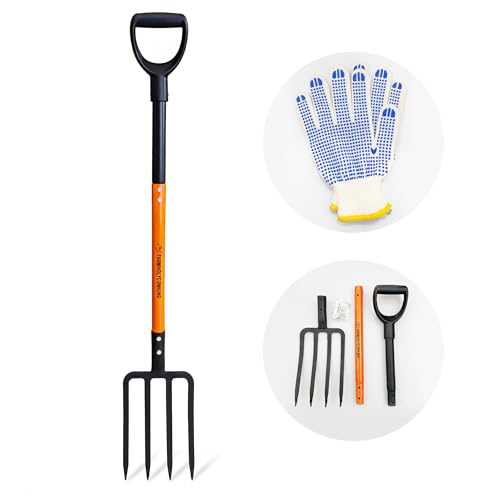
- Garden fork for loosening compacted or stubborn soil.
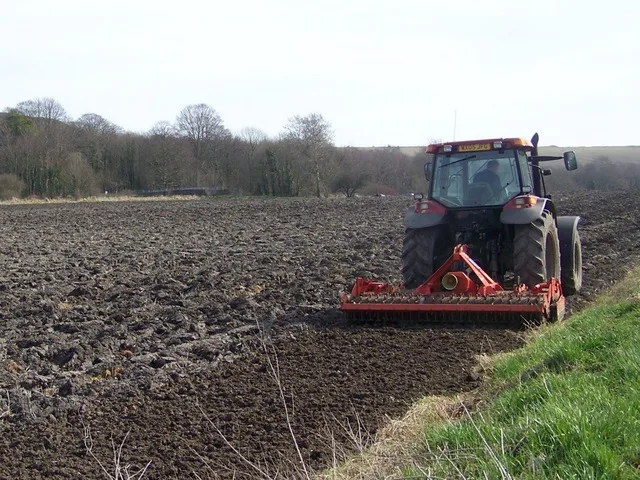
- Tiller for workable ground when the machine can actually reach the bed; it often turns soil 6 to 8 inches deep.
- Pruners or a saw for woody roots, shrubs, or stems that need cutting first.
- Plain newspaper, about 5 to 6 sheets, for smothering vegetation.
- Compost, enough for a 2 to 3 inches layer over newspaper or to mix into bare soil.
- Mulch for finishing a suppressed bed after the first layer breaks down.
- Optional herbicide only if spring planting is urgent and the label allows soil use or residual timing for your plan.
How do you decide the prep method?

Start with what is already in the ground. Bare soil needs loosening and compost; lawn sod needs removal or suppression; weeds need to be killed or fully removed before planting; compacted ground needs deep loosening; an empty existing bed may only need cleaning, amendment, and a depth check. That choice keeps you from overworking soil and planting too soon.
| Starting condition | What to do now | What to wait for | What not to do |
|---|---|---|---|
| Bare soil or subsoil | Mark the bed, loosen to at least 12 inches where possible, then mix in compost. | Plant after the soil is moist, not wet, and amended. | Do not leave hard clods or plant into dry, dusty ground. |
| Lawn sod | Remove it, or smother it with plain newspaper and compost. | Wait for turf to die back or decompose before planting through the layer. | Do not bury live sod and assume it is gone. |
| Weeds or patchy growth | Pull, cut, or smother existing vegetation; use herbicide only when timing is tight. | Wait until regrowth stops or the label’s waiting period passes. | Do not plant into active weeds or leave roots in place. |
| Compacted ground | Use a fork, spade, or shovel to loosen the bed. | Wait for the soil to dry to damp, crumbly condition. | Do not till wet soil or turn it into paste. |
| Empty existing bed | Remove debris, refresh compost, and check root depth against the plants you want. | Plant after the top layer is workable and settled. | Do not over-till a bed that already has structure. |
How to prepare soil for a new flower bed
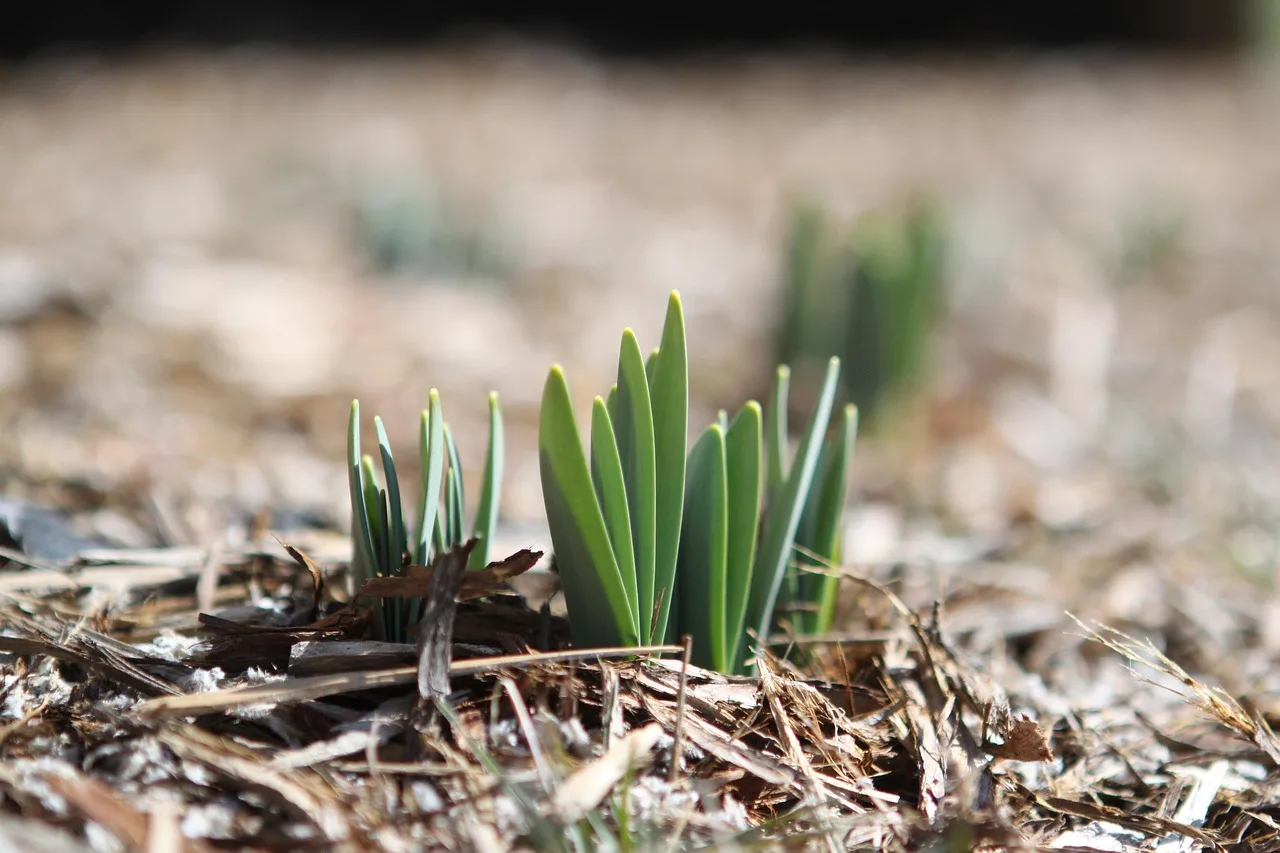
For a new bed, the safest plan is to clear the surface, loosen the soil to planting depth, and add organic matter before you set plants. Flower bed soil should be moist, not wet, and worked to at least 12 inches when possible. The final root zone should match the plants you intend to grow.
Step 1: Mark the bed and check utilities
Shape the outline with a garden hose before you dig. Then check for buried public utility lines and irrigation lines. That avoids cutting into power, gas, water, or sprinkler lines while you are defining the edge.
Step 2: Remove or suppress what is already growing
Pull or cut back visible growth first. If you are dealing with sod or weeds, lay plain newspaper over the vegetation and cover it with compost. A several-sheet layer can block light, and a few inches of compost on top can help hold it down and begin suppressing the growth underneath.
Step 3: Loosen the soil to planting depth
Use a spade or shovel for hard new ground. Use a garden fork for compacted or stubborn soil. A tiller can work where the soil is already workable, but it often only turns 6 to 8 inches deep, so it is not enough on its own for many new beds.
Step 4: Mix in compost and match the root zone
Work compost into the top layer so the soil can hold moisture and drain without packing down. Good soil has air pockets, stable crumbs, and enough organic matter for roots to move through. For in-ground flower beds, aim for at least 12 inches of loosened, amended soil when possible.
How to prepare soil for a raised bed
Raised beds are prepared differently from in-ground flower beds. You usually build the soil mix inside the frame rather than digging deeply into the existing ground. If the raised bed sits on lawn or weeds, suppress that vegetation first so it does not grow up through the bottom.
What changes from an in-ground bed
Do not copy a shovel-and-tiller routine from an in-ground bed and assume it applies. Raised-bed vegetables and flowers still need the right root-zone depth, but the soil volume comes from the fill mix, not from digging deeper into native ground. Check the frame depth, then fill with a blend suited to the plants.
How can you plan a fast spring turnaround?
If spring planting is urgent, suppression or herbicide may be the faster route than full removal. Use suppression when you can wait for the layer to work; use herbicide only when the label allows it and the timing fits your planting window. Do not plant before the old growth is fully dead or the product’s residual limits have passed.
Fast-turnaround choices
- Lay plain newspaper over the existing vegetation.
- Add 2 to 3 inches of compost on top.
- Wait until the layer has broken down enough for planting, or plant only where the label and timing allow.
Suppose a small strip is covered with thin turf in spring. Newspaper and compost can buy time while the grass dies back. A common first-timer mistake is planting annuals into that layer the same week and wondering why roots stall.
Prevention: if you know the bed will be planted next season, suppress the vegetation in fall and let the material decompose over winter.
Common mistakes
These are the failures that waste the most effort. They are easy to avoid once you know what causes them.
- Over-tilling: repeated passes can break soil structure and leave the bed too loose at the top and hard below. One pass is often enough when the ground is already workable.
- Working wet soil: damp is fine; wet is not. Wet soil clumps when turned over and can smear into dense layers.
- Leaving roots in place: buried grass, rhizomes, and woody pieces can regrow. Remove them or smother them fully before planting.
- Planting too soon after suppression: a newspaper-and-compost layer needs time, and herbicide needs label-based timing. Rushing it leaves live growth under new plants.
- Using the wrong prep for the bed type: raised-bed fill is not the same as in-ground soil prep. The depth and structure are different.
Say your bed edge is already marked, but the center still has crabgrass and old perennial roots. Pull what you can, then choose suppression or removal before you turn the soil. That keeps weeds from reappearing after the first watering.
If that didn’t work, slow down and recheck the starting condition. The usual fix is not more tilling; it is removing what is still alive, then loosening only when the soil is moist and crumbly.
Decision checklist: choose the right prep path
This one-page checklist routes you to the right method based on what is already there. Use it before you buy plants or start digging. The wrong path usually means extra labor and poor root growth later.
- Bare soil: mark the bed, check utilities, loosen to at least 12 inches if possible, then mix in compost.
- Lawn sod: cut it out or smother it with 5 to 6 sheets of plain newspaper and 2 to 3 inches of compost.
- Weeds: remove, smother, or treat with herbicide only if the timing is urgent and the label allows it.
- Compacted ground: use a spade, shovel, or fork when the soil is damp, not wet.
- Empty existing bed: remove debris, refresh compost, and check whether the root zone fits the plants you want.
What to do now: define the outline, check buried lines, and choose the method that matches the starting condition. What to wait for: soil that is damp but not wet, suppressed vegetation that has broken down, or herbicide timing that satisfies the label. What not to do: bury live grass, till paste-like soil, or plant before the bed is ready.
Frequently asked questions
How to prepare soil for a new garden bed
Start by checking buried utilities, then shape the outline with a garden hose. Remove or smother existing vegetation, loosen the soil to planting depth, and mix in compost. The bed should be moist, not wet, and worked deeply enough that roots can move through the amended zone.
How to prepare soil for a flower bed
Match the prep method to what is already there. Bare soil needs loosening and compost; turf and weeds need removal or suppression first. Aim for at least 12 inches of workable depth where possible, because shallow, compacted soil restricts root growth and water movement.
How to prepare soil for a raised bed
Fill the bed with a soil mix suited to the plants, rather than digging the native ground the same way you would for an in-ground bed. If grass or weeds sit underneath, suppress them first so they do not grow through. The soil depth still needs to fit root-zone needs.
How to prep soil for flower bed
Define the bed edge first, then clear or suppress anything growing there. Use a spade, shovel, fork, or tiller only when the soil is moist and workable. Finish by mixing in compost so the bed holds water well without staying soggy.
How to prepare a new flower bed for planting
Check buried lines, mark the outline, remove existing vegetation, and loosen the ground to at least 12 inches if possible. Add compost to improve structure. If you are using newspaper and compost to suppress growth, wait until the layer breaks down before planting through it.
How to make soil for flower bed
Build the bed around structure, moisture, and organic matter. Start with loosened ground or a fill mix, then work in compost so roots can spread and water can drain. Avoid making the soil so loose that it settles unevenly or so wet that it compacts again.