What Is Loam Soil and Why Gardeners Want It in Beds
Loam soil is a balanced mix of sand, silt, and clay, often near 40/40/20, that feels crumbly, holds some water, and still drains instead of turning slick or hard. Bad “loam” can waste plants, time, and money when beds stay soggy or dry out too fast. I use this guide to spot loam in a backyard, explain why gardeners want it, and show where a soil called loam still gives trouble.
What is loam soil?
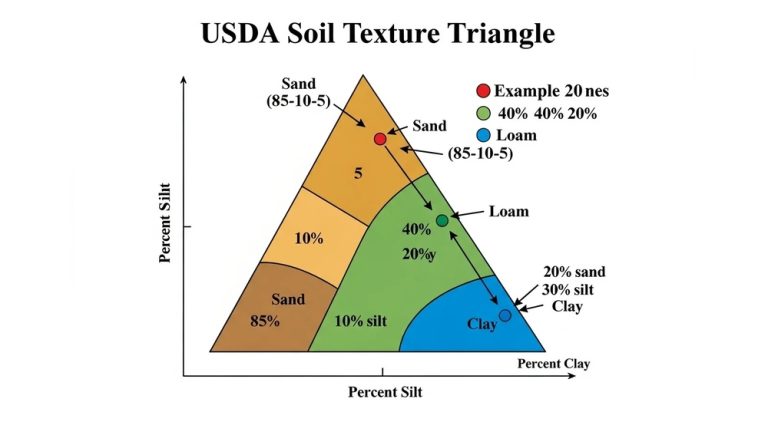
Loam soil is soil made mostly of sand, silt, and a smaller amount of clay. In soil science, it is defined by texture, not by color, fertility, or how it was sold in a bag. A common garden shorthand is about 40-40-20 by weight, but that shortcut does not tell the whole story.
Sand, silt, and clay: the basic mix
Sand has the larger particles, so it tends to leave bigger pores and move water quickly. Silt is a fine fraction, and it can help soil hold water and nutrients. Clay, with very fine particles, can hold more water but may slow drainage when it dominates.
How the USDA texture triangle defines loam
The USDA textural classification triangle is a common framework soil scientists use to name texture classes. In that system, loam is the soil that is not mostly sand, silt, or clay. That matters because two beds can both be called “loam” in casual talk while behaving very differently in the yard. (en.wikipedia.org)
Why the common 40-40-20 shortcut helps, but does not tell the whole story
The 40-40-20 idea is useful because it explains the balance gardeners want: enough sand for drainage, enough silt for water and nutrient holding, and enough clay for structure. But structure matters too. A soil with the right particle mix can still be dense, crusted, or low in organic matter.
📊 Wikipedia states a common loam mix is about 40-40-20 percent sand, silt, and clay by weight. Source: Loam.
What does loam soil feel like in your hands?
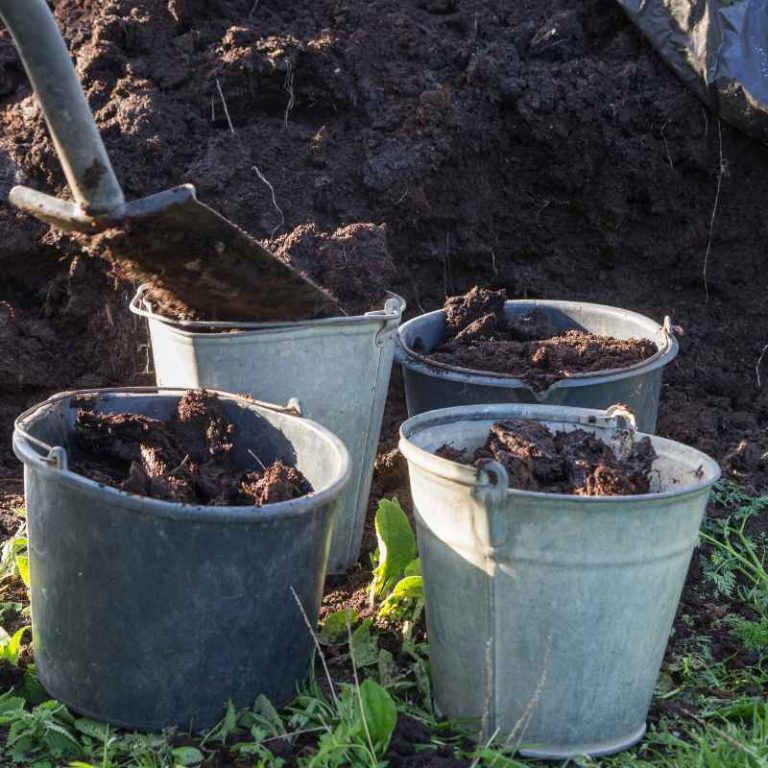
Good loam feels crumbly, slightly damp, and easy to break apart. It should hold a shape briefly when squeezed, then fall into soft crumbs rather than forming a sticky ribbon or a loose pile of grains. If it feels slick, greasy, or like packed mud, it is probably not working like healthy loam.
The squeeze test for a backyard check
Take a moist handful and squeeze it once. True loam usually forms a loose ball that breaks apart with light pressure. Sandy soil falls apart fast. Clay loam holds together more firmly. Compacted loam may hold shape too well and feel dense, almost cement-like when the soil is wet.
What crumbles, what sticks, and what holds shape
Crumb structure is the sign gardeners want. It means there are pores for air and pathways for water and roots. Slight stickiness when damp is normal, especially in a soil with some clay. Trouble starts when the soil stays plaster-like when wet or turns hard after drying.
How loam behaves when it is too wet or too dry
Wet loam should feel workable, not soupy. Dry loam should break apart rather than turn into a hard brick. If a bed goes from sticky mud to hard crust, the texture class may still be loam, but the structure is failing. That distinction matters when diagnosing garden problems.
Why do gardeners want loam soil?
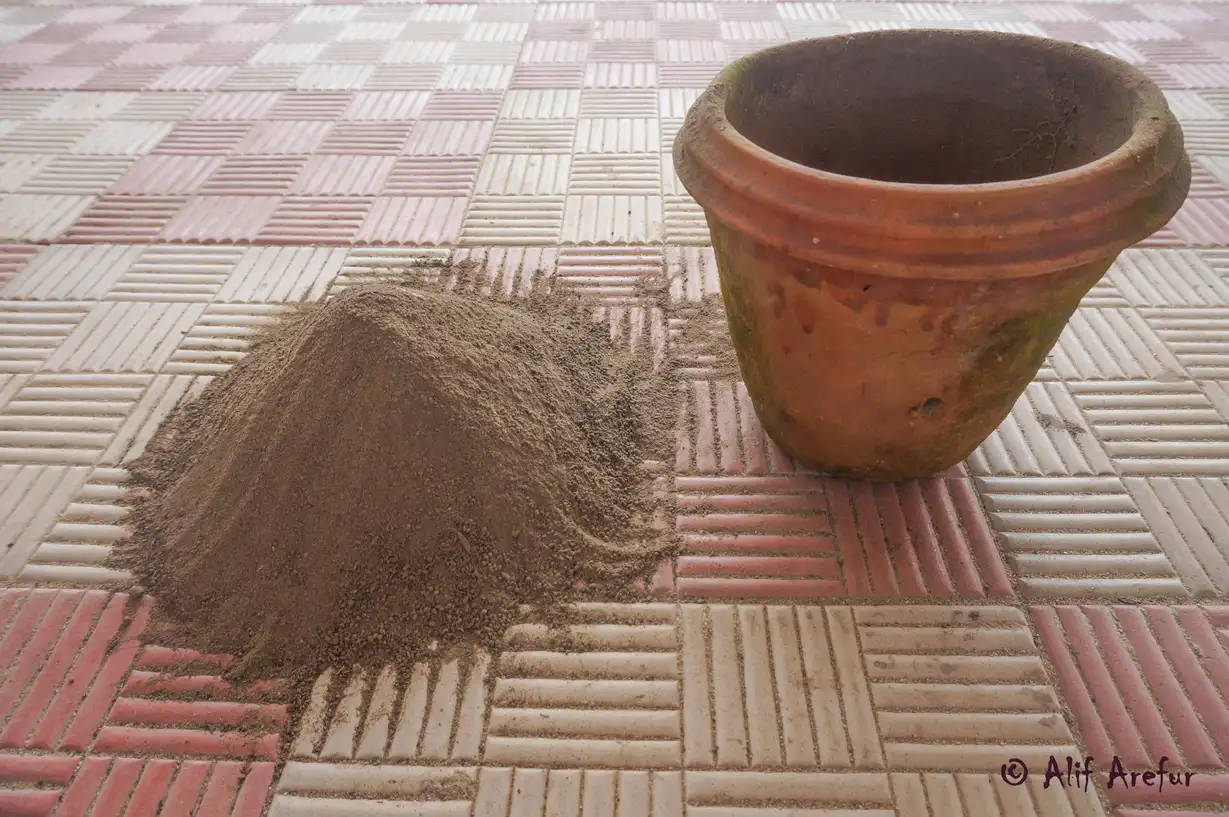
Gardeners want loam because it usually holds enough moisture and nutrients for roots while still letting excess water move away. I can till it more easily than clay soils, and it fits most plant varieties in a practical garden bed. That makes it a steady starting point for beds, borders, and containers filled with the right blend.
Water retention without waterlogging
Loam keeps plant roots from drying out too quickly, but it does not stay saturated the way heavy clay can. That balance is why loam is prized for beds that need steady moisture without stagnant water. Sandy loam drains faster; clay loam holds more water.
Nutrient holding and root access
Loam generally contains more nutrients, moisture, and humus than sandy soils. The finer particles and organic material help keep nutrients from washing away, while the pore space leaves room for roots and air. Plants feed better when roots can spread through a loose, responsive bed.
Why loam suits most vegetables, flowers, and shrubs
Most vegetables and many flowers do best when water is available but drainage remains steady. Shrubs also benefit from soil that can be worked, watered, and mulched without sealing over. Loam is not perfect for every crop, but it is forgiving in a way heavy clay and bare sand are not.
How loam compares with sandy soil, clay loam, and compacted loam
| Soil type | Texture | Squeeze test result | Drainage speed | Stickiness | Crumbliness | Likely fix |
|---|---|---|---|---|---|---|
| Sandy soil | Mostly coarse grains; largest fraction is sand | Will not hold a ball for long | Fast | Low | Loose, weak structure | Add compost and other organic matter in repeated light applications |
| True loam | Balanced sand, silt, and clay | Forms a soft ball that breaks apart easily | Moderate to good | Light when damp | Granular and friable | Maintain with mulch and organic matter |
| Clay loam | More clay than sandy loam, still a loam subtype | Holds shape more firmly | Slower | Noticeable when wet | Can be good if well aggregated | Add organic matter carefully; avoid working when wet |
| Compacted loam | Texturally loam, structurally dense | Forms a tight, hard mass | Poor to slow | Often slick when wet | Weak, closed, or crusted | Relieve compaction, topdress, and rebuild structure over time |
Can soil act like loam even if it is not technically loam?

Yes. A soil can behave like loam even if its texture is not technically loam, as long as it has strong granular structure. High organic matter helps build that structure by binding particles into crumbs and creating pore space. That is why a soil blend can feel loam-like without being a true loam.
Loam-like structure versus true textural loam
Textural loam comes from the particle-size mix itself. Loam-like structure comes from aggregation, humus, roots, fungi, and good handling. A garden bed can be sandy at base but behave better than its texture suggests if organic matter is high and the particles are held in stable crumbs.
How humus and organic matter build crumbs and pore space
Humus is the stable organic content in soil, and gardeners often treat it as part of the loam story because it improves structure and nutrient retention. Organic matter promotes granular structure, which lets water move through the bed while still holding enough moisture for roots. That is why compost changes performance so noticeably.
When compost helps and when it does not
Compost helps most when a soil is open enough to mix and drain, or when it is used as a topdress to support biology and aggregation. It does not fix a bed that is sealed by compaction, nor does it turn deep clay into perfect loam overnight. Overamending can also create an odd, unstable mix.
What happens when loam soil gets compacted?
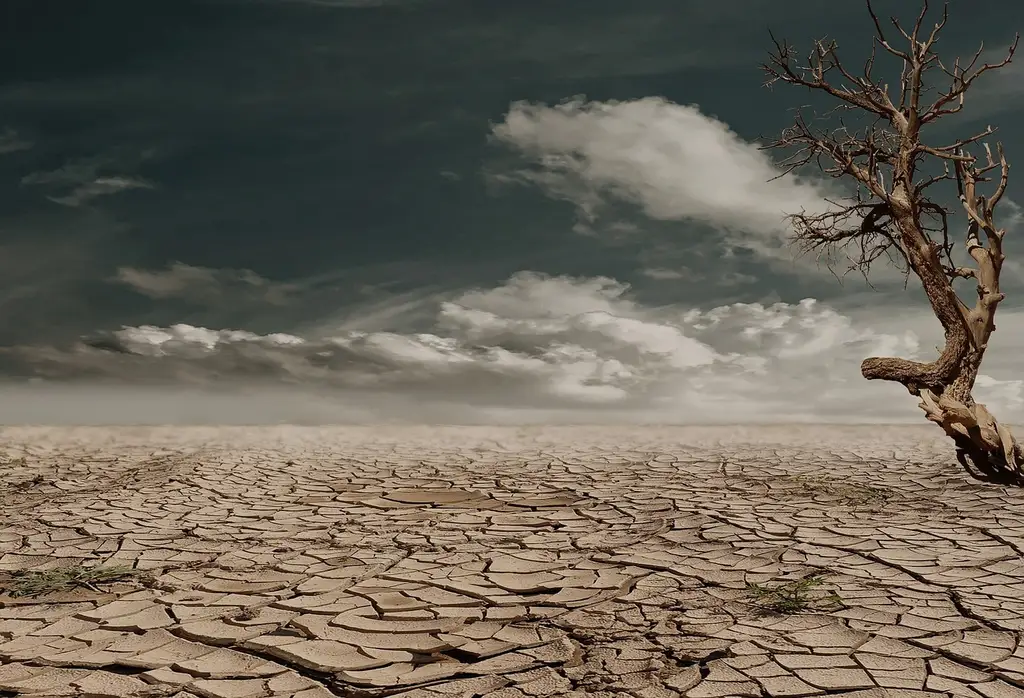
A soil meeting the textural definition of loam can lose its desirable qualities when compacted. Air spaces collapse, infiltration slows, and roots have to push through dense material. The bed may still be called loam, but it can behave as if it is tired, wet, and tight. That is a performance failure, not a naming issue.
How compaction cuts air and water movement
Compaction tends to reduce aeration and drainage. Water sits longer after rain or irrigation, and roots get less oxygen. That combination can slow growth, invite rot, and make beds harder to water correctly. The surface may crust while the layer below stays dense.
Why roots struggle in dense beds
Roots need air pockets as well as moisture. In compacted soil, they branch less, explore less, and often stay shallow. That leaves plants more sensitive to drought and heat. Even a soil that began as a decent loam can become a poor root zone after repeated traffic or bad timing with heavy equipment.
Simple ways to test whether a bed is collapsing
- Push a trowel or fork into the bed after watering has drained.
- Notice whether the tool meets a hard, uniform layer a few inches down.
- Look for puddling, crusting, or roots circling near the surface.
- Break a clod apart and check whether it opens into crumbs or stays dense.
- Watch how long the bed stays wet after rain.
What should gardeners buy if they need loam?
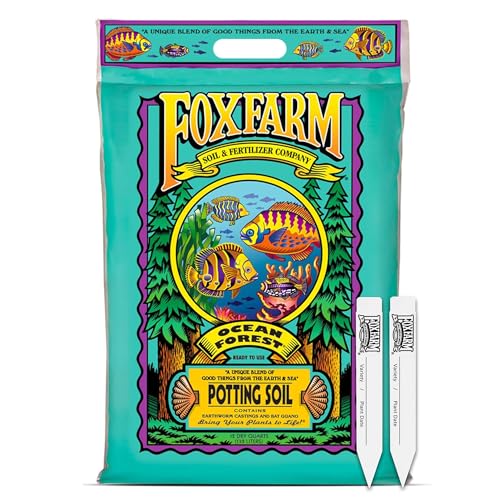
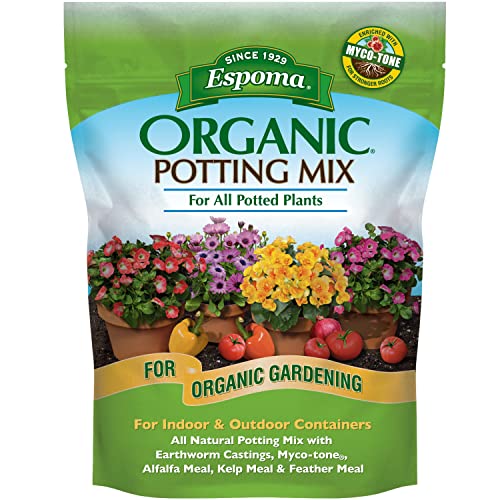
Gardeners should buy based on the job, not the label. Screened loam, topsoil, compost, and soil blends are not the same thing. Screened loam is usually finer and more consistent, while topsoil can vary widely. Compost adds organic matter but is not a complete soil on its own.
Screened loam, topsoil, compost, and soil blends
Screened loam is often sold as fine, consistent material for lawns and gardens. One supplier describes screened loam as decomposed organic material mixed with compost and says it is 1/2 inch screened. Topsoil may be suitable for filling, but it can be too variable for planting unless the supplier explains the mix clearly.
What to ask a supplier before you order
Ask whether the material is a true loam, a blend, or a screened topsoil. Ask if it has compost added, whether it drains freely, and whether it has been screened for stones and sticks. If the bed needs structure, confirm whether you are buying a planting medium or just fill.
Where loam fits in raised beds and new beds
Raised beds often do well with a soil blend that includes loam plus organic matter, because the box drains faster than native ground. New beds on poor ground may need more than a truckload of material; they may need drainage correction, compost, and less traffic. Heavy clay sites especially need structure work, not just more dirt.
Frequently asked questions
What is loam soil?
Loam soil is a texture class made of sand, silt, and clay in a balanced mix. Soil scientists define it with the USDA texture triangle, while gardeners usually mean soil that feels crumbly, drains well, and still holds enough moisture and nutrients for steady plant growth.
What makes loam different from sand, silt, and clay?
Sand is coarse and drains fast, silt is finer and helps hold water and nutrients, and clay is the smallest fraction and holds even more water but can slow drainage. Loam sits between those extremes, so it is usually easier to work and more forgiving in the garden.
Why do gardeners want loam soil?
Gardeners want loam because it usually offers the best tradeoff between drainage, moisture retention, and nutrient holding. It is suitable for growing most plant varieties, and it is easier to till than clay soils. That makes planting, watering, and root development far less difficult.
What does loam soil look and feel like?
Loam usually looks dark enough to suggest organic matter and feels soft, crumbly, and slightly sticky when damp. A squeezed handful should form a weak ball that breaks apart easily. If it feels slimy, crusty, or hard as it dries, the soil is not functioning like healthy loam.
Can soil act like loam even if it is not technically loam?
Yes. A soil that is not texturally loam can still act loam-like if it has strong granular structure, good aggregation, and enough organic matter. That is why compost and humus matter so much. Structure can make a soil feel and perform better than its particle mix alone suggests.
What happens when loam soil gets compacted?
Compaction removes pore space, so air and water move more slowly through the bed. Roots struggle to spread, drainage drops, and the surface may crust after rain. A soil can still meet the textural definition of loam and yet behave poorly if it is packed down or handled wet.