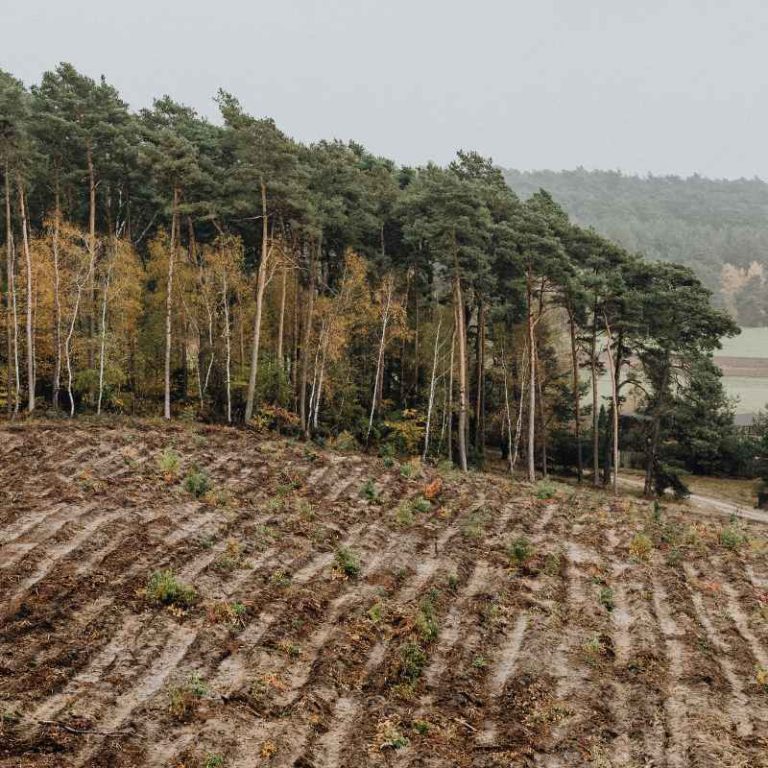
Soil and Landscape Basics for Gardeners Building Beds
Start with texture and drainage: soil that drains at a moderate pace and holds a squeezed crumb is often suitable for many bed plantings; amend only after that test. Get it wrong and beds stay waterlogged or turn droughty, roots stall, mulch floats, and money gets burned on plants and soil products. This guide shows how I read existing soil, predict water movement, choose amendments or imported soil, and avoid bed-building mistakes before planting.
What soil means in a bed planting


The root-zone view
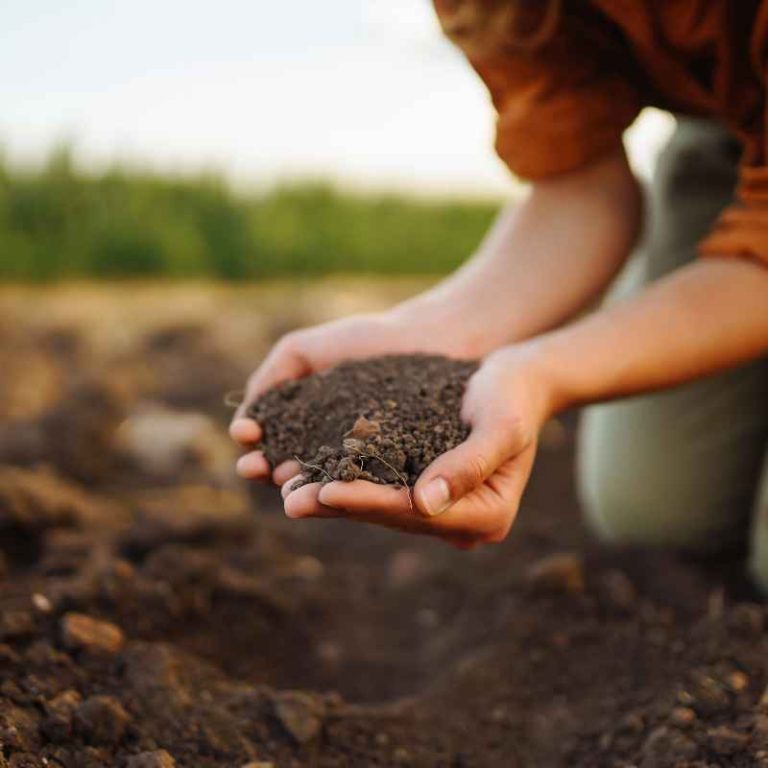
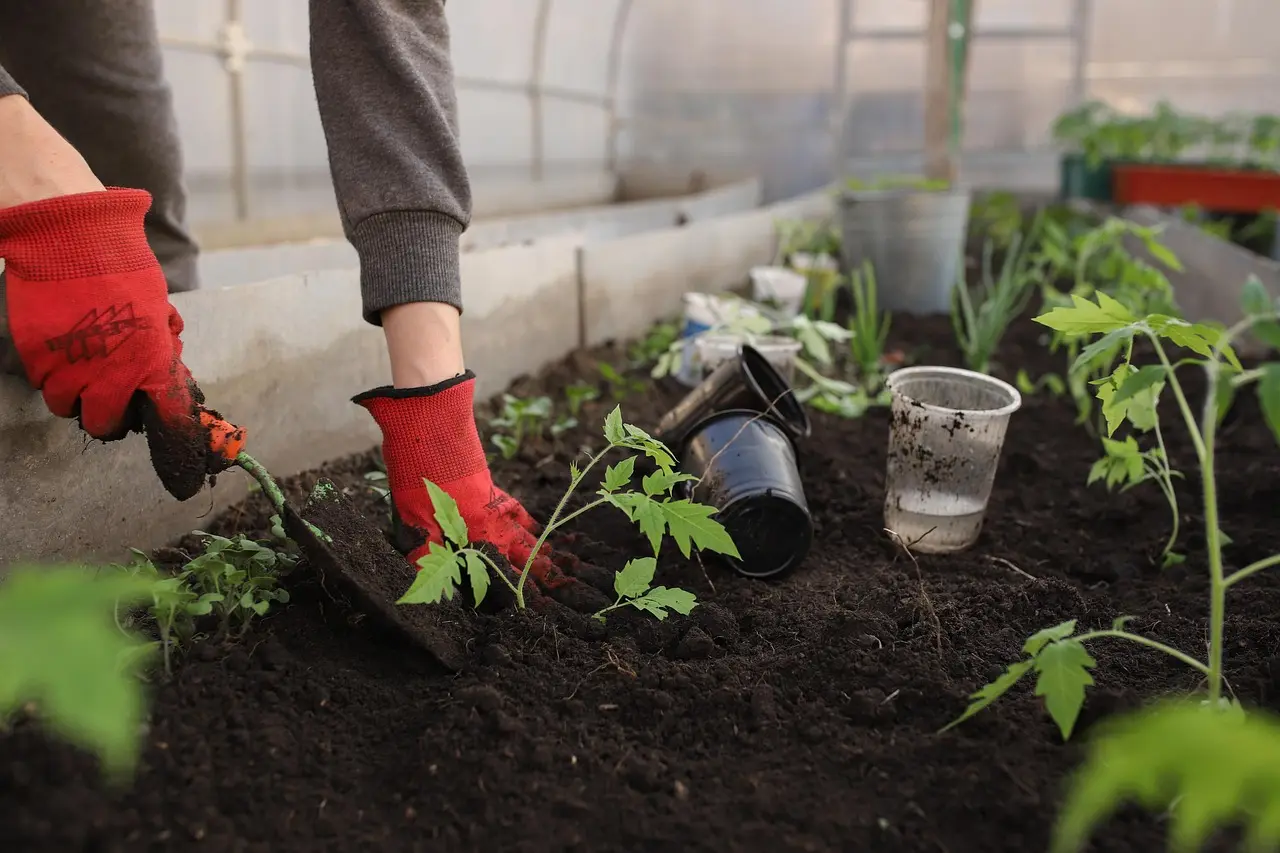
For bed building, soil is the stuff roots live in and the material water moves through. It contains mineral grains from weathered rock, decayed organic material, water, air in pore spaces, and living organisms from fungi to earthworms. It works as the rooting medium, a short-term water reserve, and a habitat for the organisms that cycle nutrients.
That matters because a bed is doing two jobs at once. It has to hold plants upright, and it has to move water away or hold it long enough for roots to use it. A bed that fails at either job gets expensive fast.
Why bed plantings behave differently
Beds near homes are rarely worked like vegetable plots. They sit near foundations, sidewalks, downspouts, and compacted subsoil. They may have been scraped during construction, topped with imported material, or filled with debris before any planting began.
That is why textbook soil definitions only get you started. In beds, I ask simpler questions: does water move, do roots spread, and will the product being added make that better or worse?
Soil as a water-management material
NRCS describes soil as central to land management and conservation. In a home bed, that becomes very practical. The soil controls whether rain soaks in, runs off, ponds near a shrub crown, or moves sideways against a foundation.
Good bed soil does not need to be perfect. It needs enough pore space for air and water, enough fine material to hold moisture, and enough structure to avoid sealing shut after every storm. That matches basic NRCS soil-health guidance on pore space, aggregation, and infiltration.
What’s the difference between sand, silt, and clay?
Sand, silt, and clay are the main mineral particle sizes, and they shape how a bed feels, drains, and holds nutrients. Sand is the largest fraction and feels gritty, silt is mid-sized and feels smooth like dry flour, and clay is the finest fraction and feels sticky when wet. Most garden soils are mixes, so the goal is to read the mix rather than label the site too quickly.
Particle size and feel
Sand particles are coarse and range from 0.05 mm to 2 mm in diameter. Silt particles measure between 0.002 mm and 0.05 mm. Clay particles are smaller than 0.002 mm.
Those sizes show up clearly in hand feel. Sand feels gritty between the fingers. Silt feels smooth, almost flour-like when dry. Clay feels sticky when wet and can smear into a ribbon when pressed; that basic particle-size framework is consistent across extension soil-texture guides.
How each changes drainage and water holding
Sand has high permeability and excellent drainage. In sand-heavy soil, water slips through fast, nutrients wash past roots sooner, and the root zone can dry out a day or two before the surface gives it away.
Clay has high cation exchange capacity, which helps it retain nutrients and water. Clay soil holds water but becomes hard when dry. That means clay can feed plants well, yet still create root problems if the structure is poor or water cannot leave the bed.
Silt sits between the two. It usually holds more water than sand and works more easily than clay, but it can crust at the surface and compact under traffic.
Why most beds are mixtures
Pure sand or pure clay is less common than gardeners think. Most beds are combinations, often with one fraction dominating. A sandy clay loam and a silty clay can both be called “heavy” by a homeowner, but they behave differently after rain and need different fixes.
This is why the hand-feel test and the drainage test belong together. Feel tells what the soil is made of. Water movement shows how that mix performs on the site.
Why texture and structure are not the same thing
Texture is inherited; structure is built or damaged
Texture is the proportion of sand, silt, and clay. Structure is how those particles clump into aggregates and how much pore space sits between them. Healthy soils usually have more pores between and within soil aggregates, and soil porosity affects movement of air and water within soil.
Texture changes slowly. Structure can change in a season. I have seen a decent loam ruined by repeated foot traffic or wet-season machine work. I have also seen a clay-heavy bed become workable once aggregation improved and roots could move through it, which is in line with extension and NRCS descriptions of aggregation and compaction.
Aggregation, pore space, and root movement
Roots need both water and oxygen. Structure decides how much of each is present around the root zone. Crumbly aggregates leave connected pores for air exchange, drainage, and root exploration.
When those pores collapse, the bed starts acting smaller than it is. Water lingers near the surface, roots circle in shallow layers, and plants react as though they are in a container.
How compaction turns workable soil into a problem
Compaction is often the hidden issue in failed beds. Texture may be fine at the surface, but a compacted layer a few inches down can block water and roots. New shrubs then sit in a wet saucer over hard subsoil.
Common causes include construction traffic, repeated walking along bed edges, and digging when the soil is too wet. Even good compost cannot fix a compressed layer if it is simply spread on top and left there.
Field signs of poor structure
- Water pools after a modest rain and stays longer than nearby lawn or undisturbed ground.
- A shovel meets a hard layer below the mulch line.
- Soil breaks into plates or hard clods instead of crumbs.
- Roots concentrate in the upper few inches.
- The surface crusts, sheds water, or cracks wide in dry weather.
How does soil texture affect water retention and drainage?
Texture controls the size and balance of pore spaces, so it largely decides whether water moves through a bed quickly or lingers around roots. Sand-leaning soils drain fast and lose nutrients sooner, while clay-heavy soils hold more water but can trap it if structure is poor. Surface appearance alone is a poor guide.
Fast-draining sandy beds
Coarse soils let water pass quickly. That helps near foundations and in rainy areas, but the tradeoff is short moisture hold and lower nutrient retention. Shrubs in sand often need a wider mulched root zone and more attention during establishment.
In sandy beds, compost usually helps most when mixed across the whole bed rather than packed into planting holes. A pocket of rich material dries differently from the surrounding soil and can create uneven rooting.
Slow-draining clay-heavy beds
Fine-textured soils hold water longer. That can be useful in hot, dry places, yet it creates risk when the bed sits in a low spot or over compacted subsoil. Water may perch above a dense layer even if the top few inches look loose.
This is where gardeners often make a bad move. They dig a large hole, fill it with soft amended soil, and plant into it. The hole then acts like a basin, collecting water instead of sending roots outward.
Surface moisture versus root-zone moisture
The top inch can be misleading. A dry crust can sit over usable moisture, and a wet-looking surface can hide a dry root zone below if water is running sideways or evaporating from a fine mulch layer.
Check below the surface. A trowel slice, a soil probe, or a hand-dug inspection after irrigation says more than surface color. This matters most in summer, when plants may wilt in the afternoon even in soils that are still moist below.
Reading water after rain or irrigation
Watch where water collects, where it runs, and how quickly it disappears. Water that vanishes fast in one part of the bed and lingers in another usually points to uneven structure, buried debris, or a grade issue rather than a simple “bad soil” label.
How do I know if my soil drains well enough for plants?
A simple hole-and-fill test gives a usable answer before planting. If the soil drains 1 inch of water in 30 to 60 minutes and the excavated soil still forms a loose crumb when squeezed, most bed plantings are workable. Slower sites need plant matching or grade changes before more compost is added.
A practical drainage test
- Pick the actual planting area, not the driest or nicest-looking spot nearby.
- Dig a test hole in the future root zone and break up any smeared sides.
- Fill it with water once and let that first fill wet the surrounding soil.
- Fill it again to a marked 1-inch depth.
- Time how long that 1 inch takes to disappear.
- Check the removed soil by hand for grit, smoothness, stickiness, and crumb formation.
How to read the result
| Existing soil feel | Drainage speed for 1 inch of water | Likely bed behavior | Best path before planting |
|---|---|---|---|
| Mostly gritty | Less than 30 minutes | Dries quickly; low nutrient hold | Keep native soil, add compost across the whole bed, mulch well, choose drought-tolerant plants unless irrigation is planned |
| Mostly gritty or mixed | 30 to 60 minutes | Good general drainage | Use native soil as the main bed material; add compost only if structure is weak or organic matter is clearly low |
| Smooth or slightly sticky | 30 to 60 minutes | Usable with moderate water hold | Plant directly into existing soil; topdress with compost and mulch rather than replacing soil |
| Sticky, dense, cloddy | More than 60 minutes | Slow drainage; perched water risk | Avoid heavy hole amendment; improve grade, widen bed, topdress with compost, reduce traffic, choose plants that accept slower drainage |
| Any texture over a hard layer | More than 60 minutes | Compacted subsoil or buried obstruction | Break compaction with low-disturbance loosening where possible, remove debris, or build a raised bed profile above the problem layer |
Planting targets by bed use
Shrubs dislike standing water around the root crown. Perennials vary widely, but most standard border plants prefer the middle range. Rain-garden or moisture-loving plantings can accept slower movement if the species fit and the bed is designed for overflow.
Site red flags
- Downspouts aimed into the bed
- Low spots at walk or patio edges
- Soil piled against foundations
- Construction fill, rubble, or buried plastic
- Repeated puddling in the same footprint
What is loamy soil and is it best for gardens?
Loamy soil is considered ideal because it balances sand, silt, and clay, giving useful drainage along with moisture and nutrient retention. It is the benchmark, not a cure-all product. Many beds grow well in native soils that are less balanced if drainage, structure, and plant choice are handled well.
Why loam is useful
Loam is a good reference because it avoids the extremes. It is easier to work than heavy clay and holds water better than pure sand. For general bed planting, it is the texture most gardeners are trying to approximate in performance.
Why imported loam is not always the answer
Buying “loam” can solve the wrong problem. A bed may need grade correction, compaction relief, or better species selection more than a truckload of new soil. Imported material also creates a layered interface if it is spread over dense subsoil without blending or transition.
When native soil drains in the target range and roots can move through it, keeping it in place is usually the safer path. Disturb less. Match plants better.
Matching plants to less-than-loamy sites
Dry, sandy beds can support many shrubs and perennials if irrigation and mulch are planned during establishment. Clay-heavy beds can carry demanding plants too, provided crowns stay out of standing water and the soil is not compacted shut.
Should I use topsoil, garden soil, or compost in a new bed?
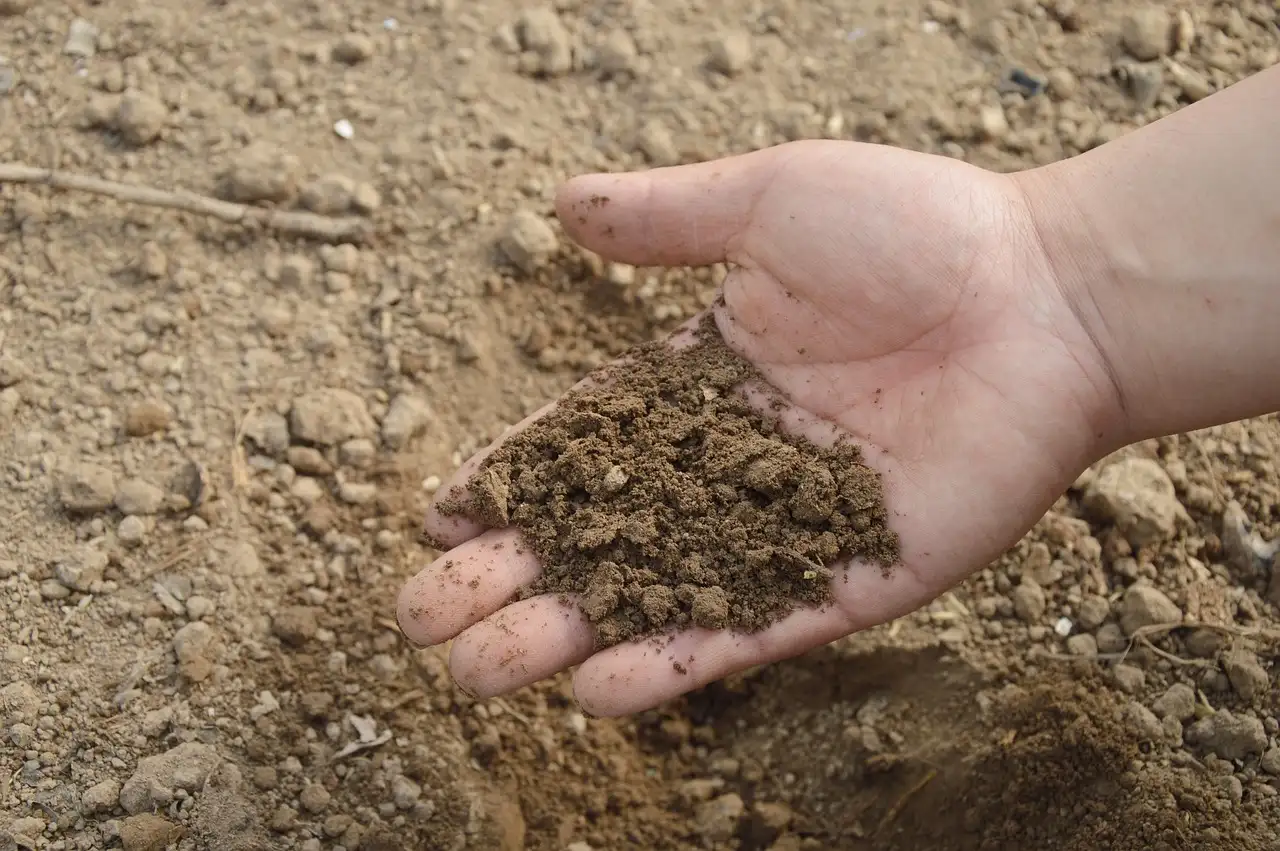
Use native soil as the base unless it is missing, contaminated, or physically unusable. Topsoil is fill or surface soil of variable quality, garden soil is usually a bagged planting blend, and compost is an amendment. They are different tools, and mixing them up causes many bed failures.
What topsoil is
Topsoil is the upper soil layer used for bed work, but the label alone says little about quality. One source may be crumbly mineral soil with some organic matter. Another may be stripped subsoil, fine fill, or a screened blend that seals after rain.
Buy topsoil when grade needs to change across a bed or when the site lacks enough soil depth. Ask how it behaves when wet, whether it contains fines that crust, and whether it was blended for bed use or sold as general fill.
What bagged garden soil is for
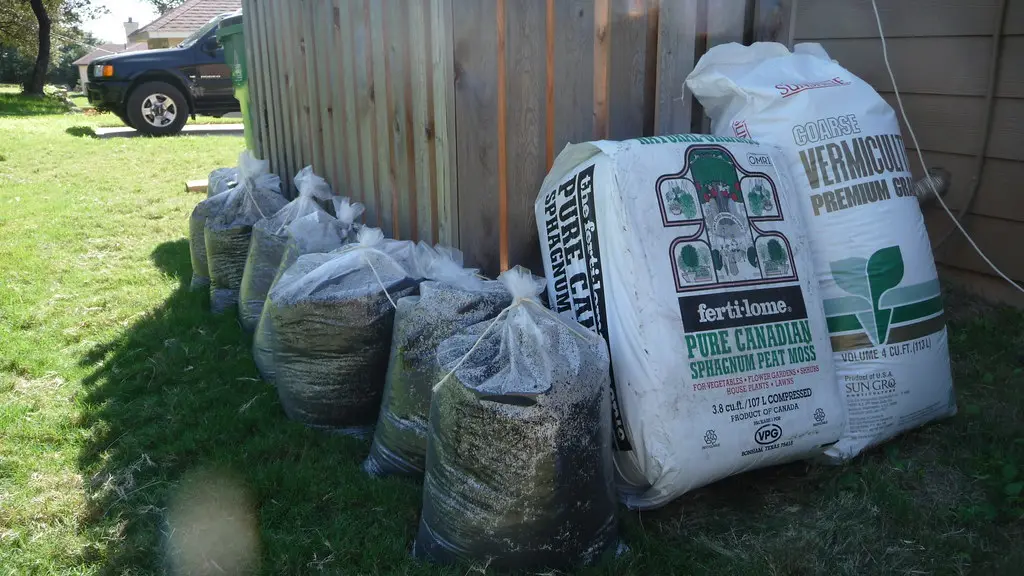
Garden soil is often formulated for adding to in-ground beds in small amounts. It often contains forest products, compost, and mineral fines. It is useful for patching small beds or dressing edges, but it is expensive and inconsistent as the sole material for a large bed.
Where compost fits
Compost is plant and animal material that has broken down into a more stable amendment. In beds, its main job is to improve structure, moisture handling, and nutrient cycling when mixed into existing soil or laid on top as a topdressing.
Compost is often not the best stand-alone soil for a bed. It shrinks, settles, and can stay too wet or too dry depending on the feedstock and depth used. If you need a primer, see our compost guide.
Common buying mistakes
- Using compost as the entire planting medium in an in-ground bed
- Buying “topsoil” without checking texture or drainage behavior
- Adding a rich pocket of bagged soil only inside each planting hole
- Assuming any dark soil product is automatically good bed soil
How to combine imported material with existing soil
If imported soil is needed, use it to adjust the whole bed profile, not isolated holes. Compost is best mixed across the bed or applied on top. Topsoil works best when it raises or rebuilds a broad area so roots are not forced through abrupt layers. Where the problem layer cannot be corrected, a raised bed profile is often safer than a deep amended pit.
How much organic matter should I add to bed soil?
Add organic matter only when the bed shows a reason for it: weak crumb structure, low moisture hold in sand, surface sealing, or visibly low biological activity. For most in-ground beds, a modest whole-bed addition of compost works better than deep, rich planting pockets. More is not always better.
What organic matter actually does
Organic matter supports aggregation, moisture retention, and microbial activity. In sandy beds, it slows water loss and helps nutrient cycling. In finer soils, it can improve crumb formation and reduce surface sealing.
But it does not excuse poor drainage. If water cannot leave the bed because of compaction or grade, extra organic matter can create a softer, wetter layer that roots hesitate to leave, which is why extension guidance usually recommends modest whole-bed use rather than hole-by-hole overamendment.
When amendment helps
Amend broadly when the whole bed is thin, low in organic content, and structurally weak. Mix compost into existing soil where disturbance is acceptable and the bed is being built from scratch. In established beds, topdress and let worms, roots, and weather move it down.
When amendment causes more problems than it solves
Heavy amendment in individual holes creates the bathtub effect. Water moves from coarse or firm native soil into the loose amended hole, then stalls at the interface. The plant roots stay in the soft pocket, and the surrounding soil remains unused.
Overamending can also leave beds fluffy at first, then sunken later as organic material decomposes. That is especially troublesome near trunks, shrub crowns, and hardscape edges.
How do I tell whether my soil is compacted or poorly structured?
Look for resistance, pooling, and shallow roots rather than blaming texture first. Compacted or poorly structured soil often feels hard below the surface, breaks into slabs or clods, and drains slowly even when the top looks loose. The fix is usually reducing pressure and rebuilding pore space, not importing random soil products.
Quick checks in the bed
- Push a spade in after rain has passed. Sudden resistance suggests a dense layer.
- Dig a small profile and look for flattened roots or a sharp root stop.
- Break a moist clump by hand. Crumbly is better than smeared or brick-like.
- Watch whether mulch floats or shifts during irrigation, a sign water is not entering evenly.
Common causes in residential sites
Foot traffic is a common cause. So is equipment traffic during home construction or renovation. Buried rubble, old sod layers, geotextile scraps, and a thin spread of imported topsoil over hard subsoil also create poor structure behavior.
How do I improve poor soil without overworking it?
Improve bed soil by changing the whole root zone gently and steadily: test drainage, reduce traffic, add compost across the surface or through shallow mixing, mulch, and plant species that fit the site. Deep tilling and heavy hole amendment often create layered soils, sinking grades, and weak root spread.
Low-disturbance improvement options
Where soil is merely tired, topdress with compost and keep it mulched. Where there is a compacted layer but no buried debris, careful loosening across the bed is better than turning the entire profile to powder. In established beds, roots and soil life do more useful work than repeated digging.
When broad forking or shallow loosening helps
A broad, whole-bed loosening pass can help where compaction is shallow and the bed is not yet planted densely. The goal is to reopen pore space without inverting the horizons or chopping every root channel already present.
When to leave native soil in place
Leave native soil alone when it drains in the target range, forms a loose crumb when moist, and supports root spread. In that case, compost is optional and often best used as surface dressing rather than mixed aggressively into the bed.
When replacement is justified
Full replacement is for failure cases: contaminated fill, rubble-heavy material, soil stripped so shallow that roots hit hardpan almost at once, or grading work that requires a rebuilt bed profile. Even then, replacement works best when the new soil transitions into the old rather than sitting on it like a layer cake.
Bed soil decision checklist
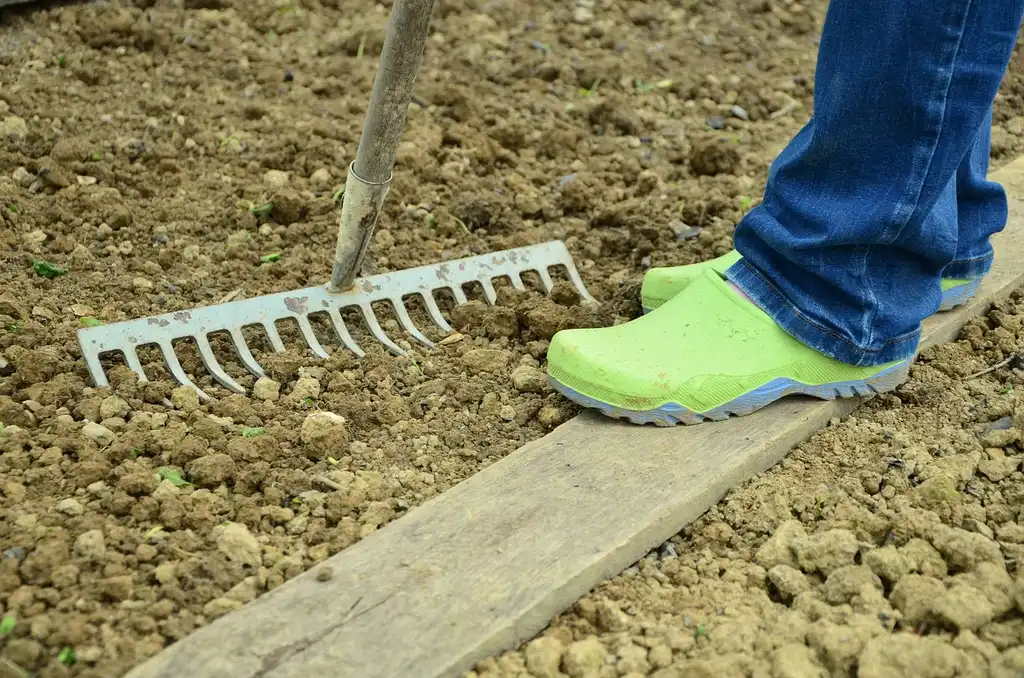
Use this three-question flow before buying soil products
- Question 1: What is the existing soil type?
- Gritty = sand-leaning
- Smooth = silt-leaning
- Sticky and ribboning = clay-leaning
- Crumbly mix = closer to loam
- Question 2: How fast does it drain?
- Less than 30 minutes for 1 inch = very fast
- 30 to 60 minutes for 1 inch = generally suitable for most bed plantings
- More than 60 minutes for 1 inch = slow or restricted
- Question 3: What are you planting there?
- Shrubs and small trees need outward root spread and dislike standing water at the crown.
- General perennials fit the middle range best.
- Moisture-loving plants can use slower sites if the whole bed is planned for that use.
Recommended amendment path by outcome
| Soil type | Drainage result | Planting type | Recommended path |
|---|---|---|---|
| Sand-leaning | Less than 30 minutes | Shrubs or perennials | Keep native soil, mix compost across the full bed, mulch, irrigate during establishment, avoid replacing with heavy topsoil that creates layering |
| Sand-leaning | 30 to 60 minutes | Dry-site planting | Little amendment needed; native soil is likely the best base |
| Silt-leaning or loamy | 30 to 60 minutes | Most bed plantings | Plant into native soil, topdress with compost if organic matter seems low, test pH before acid-sensitive or alkaline-sensitive plant choices |
| Clay-leaning | 30 to 60 minutes | Shrubs and perennials | Use native soil, avoid deep hole amendment, topdress with compost, mulch, and protect the bed from traffic |
| Clay-leaning | More than 60 minutes | Shrubs | Do not plant into a heavily amended pit; correct grade, widen bed, loosen compacted layers if possible, or build up the bed profile with compatible mineral soil |
| Any texture | More than 60 minutes near foundation or downspout | Any planting | Fix runoff first, then reassess soil. Water source and grade are likely as important as texture. |
Do not skip pH testing
Soil pH affects nutrient availability. Test it before planting when the site is aimed at species known to prefer acidic or alkaline conditions, or when a bed looks chlorotic despite decent drainage and reasonable structure. pH matters, but it should come after drainage, texture, and compaction are checked. If you are unsure how to do that, start with soil pH testing.
Printable one-page checklist
- ☐ Check runoff sources first: downspouts, slopes, patio edges, and foundation flow.
- ☐ Dig a small test hole in the actual planting zone, not nearby lawn.
- ☐ Wet the hole once, then time how long 1 inch of water takes to drain.
- ☐ Rub the removed soil: gritty, smooth, sticky, or crumbly mix.
- ☐ Look for a dense layer, rubble, plastic, or sudden shovel resistance.
- ☐ Match plants to the drainage result before buying soil products.
- ☐ Use native soil if drainage is workable and roots can spread.
- ☐ Add compost broadly, not as a rich pocket in each hole.
- ☐ Apply mulch over the bed after planting to moderate moisture swings.
- ☐ Test pH before choosing acid- or alkaline-sensitive plants.
- ☐ Choose a raised bed profile if a hard layer or wet site cannot be corrected.
What soil problems are common in bed plantings?
Failure cases seen most often
- Compaction from foot traffic or construction
- Buried brick, gravel, wood, or plastic under a thin soil cap
- Layered interfaces between imported soil and dense native subsoil
- Downspout discharge into planting areas
- Overamended planting holes that trap water
- Soil piled against stems, trunks, or foundations
Most of these are design and installation problems, not fertility problems. More fertilizer will not fix them. More compost often will not either.
Frequently asked questions
Quick FAQ for markup and skimming
- What is soil in a bed planting?
- The root-zone material that holds plants, air, water, minerals, organic matter, and soil life.
- What drainage rate is usually workable?
- About 1 inch of water disappearing in 30 to 60 minutes in the actual planting area.
- Is loam always required?
- No. Loam is a useful benchmark, but many native soils work if drainage and structure are acceptable.
- Should I add compost automatically?
- No. Add it when the whole bed needs better structure, moisture handling, or organic matter.
- Should I use topsoil or garden soil in every new bed?
- No. Native soil is usually the base; imported material is for rebuilding grade or replacing failed soil.
- When should I test pH?
- Before planting species with strong pH preferences or when plants show unexplained chlorosis.
What is soil and why does it matter in bed plantings?
Soil is a mix of mineral grains, decayed organic matter, water, air, and living organisms, and in a bed it acts as both root habitat and water-routing material. It matters because bed success depends on how that mix supports roots, stores moisture, drains excess water, and maintains pore space over time.
How do I know if my soil drains well enough for plants?
Run a simple hole-and-fill test in the actual bed. If 1 inch of water drains in 30 to 60 minutes and the dug soil still forms a loose crumb, the site is usually workable for most beds. Slower results point to compaction, grade issues, or a planting mismatch.
What is loamy soil and is it best for gardens?
Loamy soil is considered ideal because it balances sand, silt, and clay, giving useful drainage and good moisture retention. It is best treated as a performance target rather than a product every bed needs. Native soil can work very well if structure, drainage, and plant choice line up.
How much organic matter should I add to bed soil?
Add organic matter when the whole bed needs better crumb structure or moisture handling, not by default. Compost is usually best spread or mixed across the full bed in a modest amount. Heavy amendment in individual holes often traps water, slows root spread, and settles unevenly later.
Should I use topsoil, garden soil, or compost in a new bed?
Use native soil as the main material when it drains and supports roots adequately. Topsoil is for rebuilding grade or replacing missing soil, compost is an amendment, and bagged garden soil is for small in-ground additions. Treating them as interchangeable is a common and costly mistake.
How do I improve poor soil without overworking it?
Start with drainage and compaction, then use low-disturbance fixes: reduce traffic, topdress with compost, mulch, and loosen the bed broadly only where needed. Avoid deep tilling and rich planting pockets. Broad, steady improvement across the whole root zone gives better long-term results than dramatic one-day fixes.
Sources
- USDA NRCS. Soil Health and soil structure guidance: aggregation, pore space, infiltration, and compaction basics.
- USDA NRCS. Soil Quality/Soil Health indicators and interpretation for infiltration, porosity, and rooting conditions.
- University of California Agriculture and Natural Resources. Soil texture by feel and basic particle-size classes for sand, silt, and clay.
- University of Minnesota Extension. Soil texture, structure, and compaction basics for home landscapes and gardens.
- Clemson Cooperative Extension. Soil testing and pH fundamentals for plant nutrient availability in landscape beds.
- Penn State Extension. Soil pH explained for gardens and landscapes, including nutrient-availability effects.
- NC State Extension. Compost use in landscape beds, including why compost is an amendment rather than a stand-alone in-ground soil.
- University of Massachusetts Extension. Compost incorporation and topdressing guidance for improving soil structure without overamending planting holes.