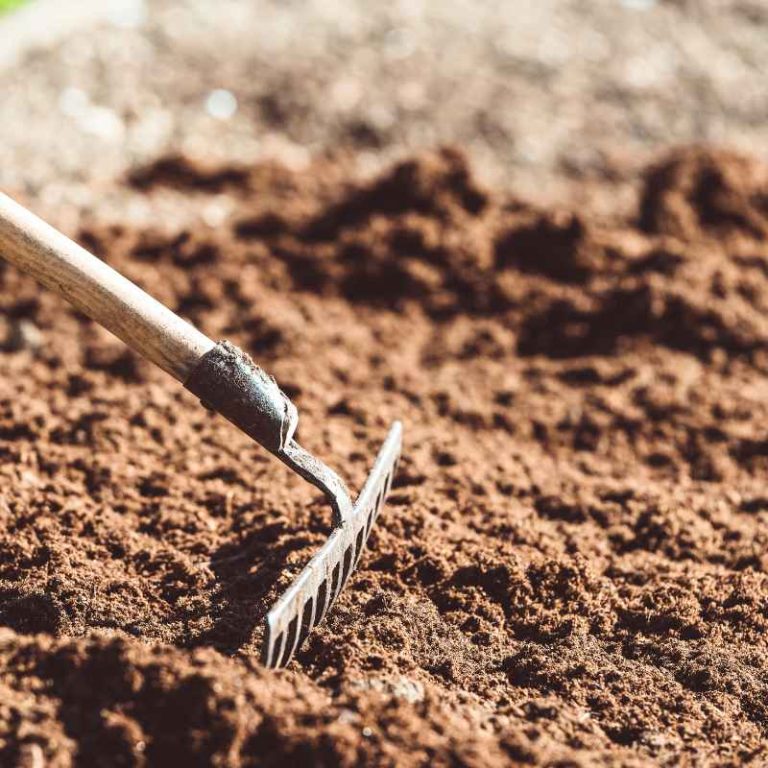
How to Make Soil Hold Moisture in Hot Climates
To help soil hold moisture in hot climates, add about 2 to 4 inches of compost to the top 6 inches of soil, then keep about 2 to 4 inches of mulch on top and water deeply at the root zone. Skip those steps, and bare soil loses water fast under full sun, moving air, and light sprinkling that never reaches the roots. This guide shows how to read your soil, choose the right amendment, set mulch depth, and water for better retention.
Why soil dries fast in hot weather
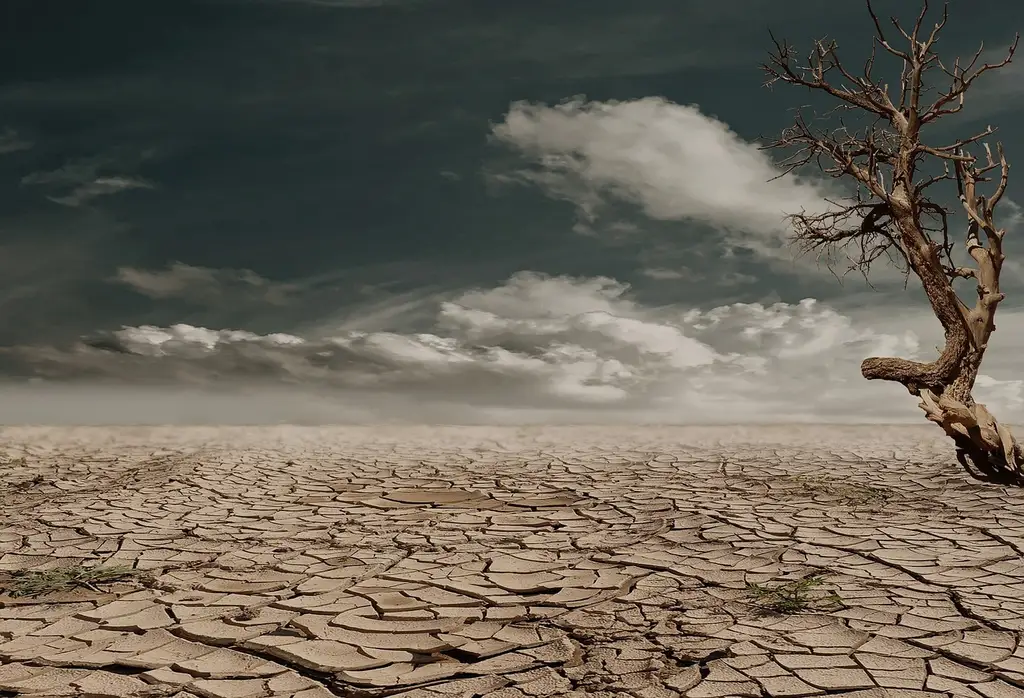


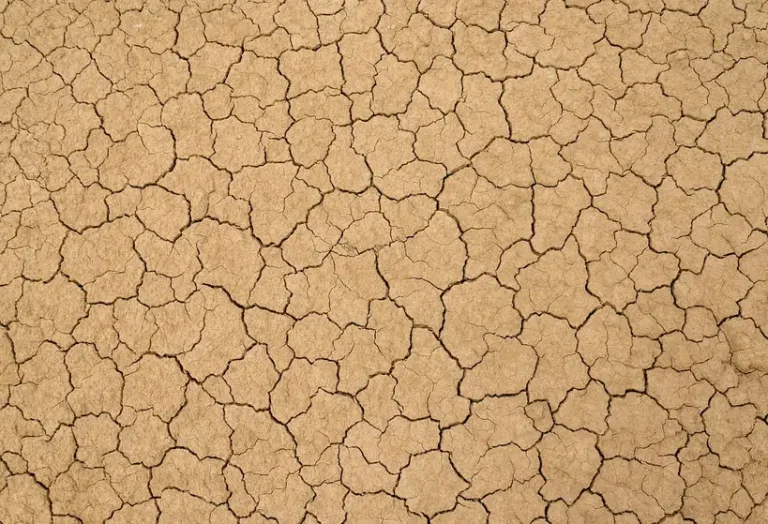
Hot weather speeds evaporation from bare soil, and full sun drives that loss even faster. Dry wind pulls moisture off the surface too. The main goal is to keep water where roots can reach it, because a dry top crust can hide wetter soil below.
Why the root zone matters more than the surface
Soil moisture means the water stored in soil pores, especially where roots feed. The surface can dry within hours while the root zone still holds usable water. That is why checking only the top crust gives a false read in heat.
Deep and less frequent watering is more beneficial than frequent shallow watering. Water that soaks down into the soil reaches the root zone, where it supports deeper roots and better drought tolerance. Shallow sprinkles often wet only the top inch or two, which dries first.
Which soils lose water fastest in heat?
Sandy soil loses water fastest because it drains quickly and holds less water between particles. Clay holds more water overall, but it can crust, seal, and drain slowly after it dries hard. Loam sits between those extremes. Raised beds dry faster than in-ground soil because they warm and drain more quickly.
Check your soil moisture first
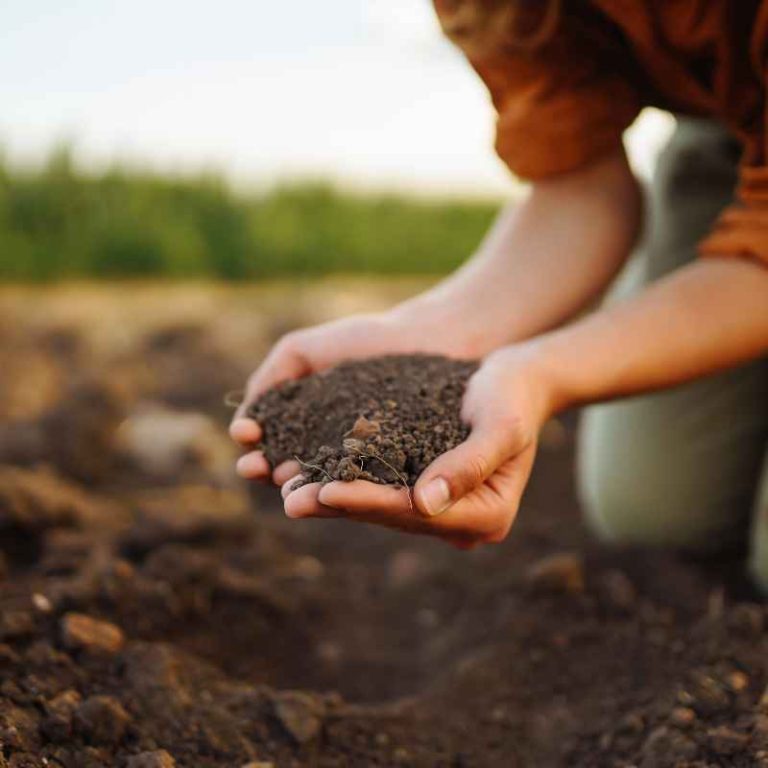
Check moisture a few inches below the soil surface before you water. If soil feels damp, watering is not needed. If soil is dry, give the plants a thorough water. A soil moisture meter can provide instant results when finger-testing is unclear.
Finger test versus soil moisture meter
Push a finger or narrow hand trowel a few inches down. If the soil feels cool and damp at that depth, wait. If it feels dry or powdery, water thoroughly. A meter helps in mulched beds, where the surface can look dry even when the root zone still has water.
Picture a raised bed in full sun that has a dry mulch surface by noon. A quick probe a few inches down may still show damp soil, which means watering can wait. That prevents overwatering the top layer while roots still have enough moisture.
Best moisture-retention fixes by soil type
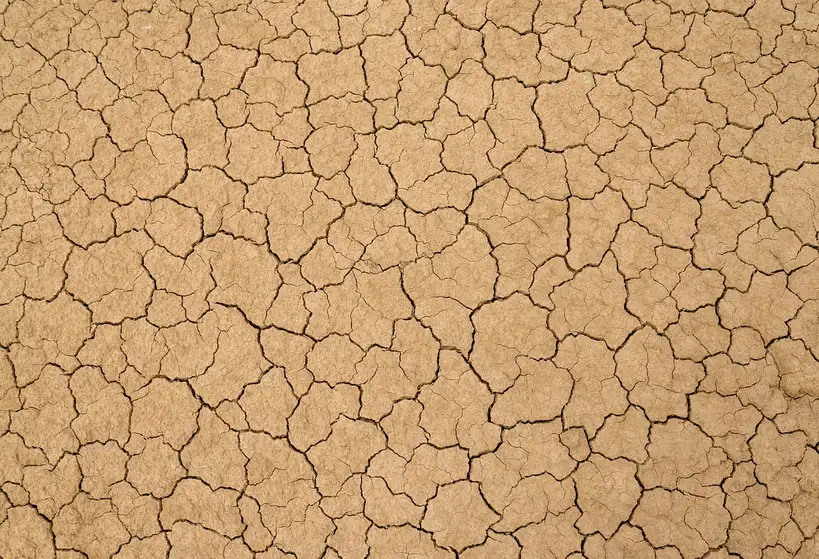
The fastest improvement comes from matching the fix to the soil. Sandy beds need more organic matter and steadier deep watering. Clay needs better structure and careful watering so it does not stay soggy. Raised beds usually need both compost and thicker mulch because they dry faster.
| Soil type | Exposure | Mulch depth | Amendment priority | Watering method | Common failure signs |
|---|---|---|---|---|---|
| Sandy | Full sun and wind | 3 to 4 inches | Compost mixed into the top 6 inches of the root zone | Deep watering with slow soak or drip | Water runs through fast, plants wilt by afternoon, soil dries at the surface quickly |
| Clay | Full sun, moderate wind | 2 to 3 inches | Compost mixed into the top 6 inches, with care not to overwork wet clay | Slow deep watering, then pause until the root zone is no longer dry | Crusting, puddling, soggy patches, slow water entry |
| Loam | Partial shade | 2 to 3 inches | Top-dress with compost and keep it mixed into the upper root zone over time | Morning deep watering or drip | Surface dries first, plants need more water than expected in heat |
| Raised bed | Full sun and wind | 3 to 4 inches | Compost plus regular top-up to maintain organic matter | Drip or slow soak irrigation | Rapid drying, hot bed edges, frequent wilt between waterings |
Short-term fixes and season-long fixes
- Short term: add mulch, water deeply, and shade the hottest side of the bed.
- Short term: check moisture below the surface before each watering.
- Over a season: mix compost into the root zone so the soil holds more water.
- Over a season: improve wind protection and adjust drip lines or emitters to the root zone.
Add organic matter to hold more water
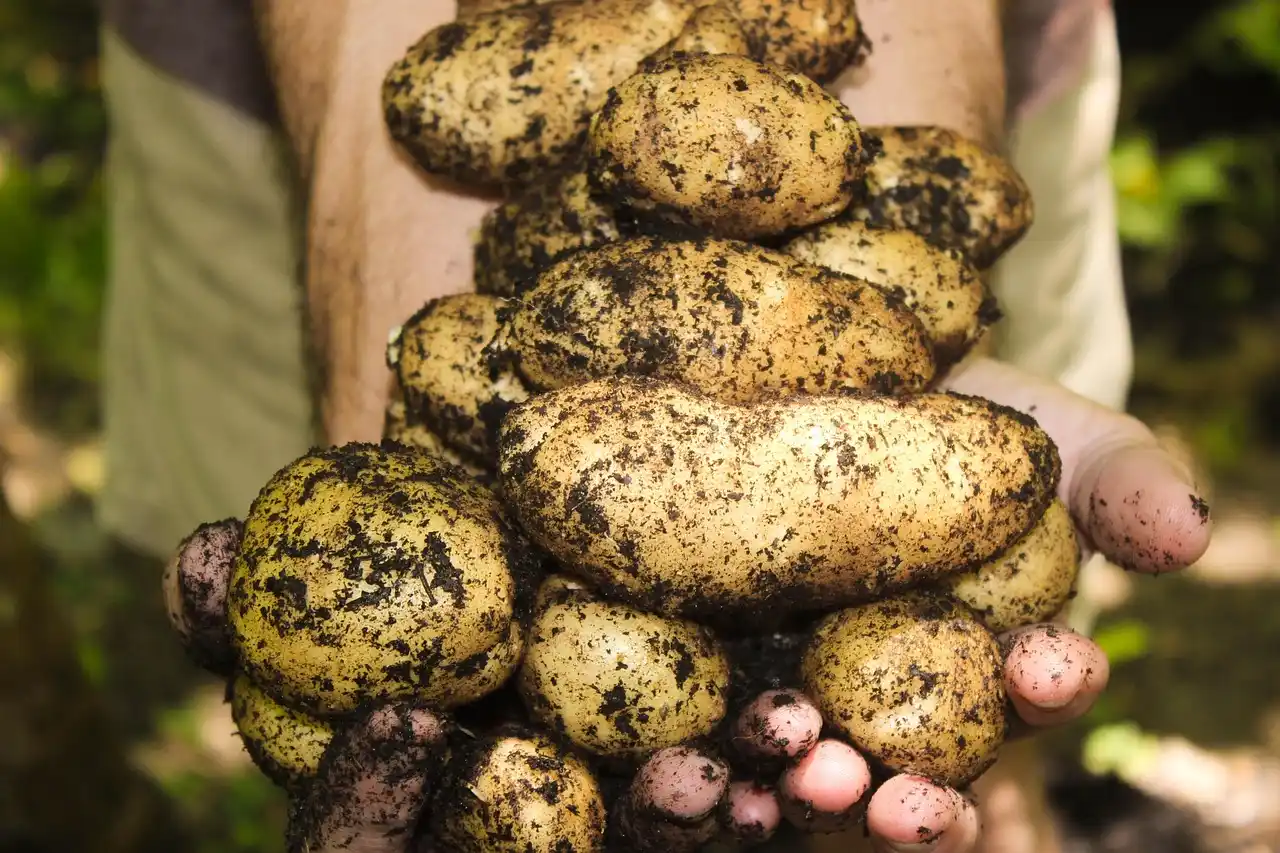
Organic matter improves water-holding capacity, and compost is the common way to add it. Mixed into the root zone, it helps sandy soil hold more moisture and helps clay become looser and easier to wet. Surface-only mixing does less for roots because water still has to move down.
How much to add to the root zone
A practical target is about 2 to 4 inches of compost added to the top 6 inches of soil. That puts organic matter where roots can use it. Use it as a soil improvement step, not as a mulch substitute.
Suppose a new vegetable bed dries out by late afternoon even after watering. Adding compost to the top layer and then covering it with mulch improves water retention far more than leaving the soil bare. The compost changes the soil structure. The mulch slows loss from the surface.
When to avoid shallow surface-only mixing
Shallow mixing leaves the deeper root zone unchanged, so moisture still disappears quickly below the top layer. In clay, it can also create a slick upper band that sheds water. Work compost into the rooting depth of the crop, then water deeply so moisture reaches below the crust.
Does mulch really keep soil moist longer?
Yes. Mulch lowers evaporation and shields soil from direct sun and wind. It also keeps the soil cooler at the surface, which slows drying. For hot climates, mulch is one of the most effective short-term ways to hold moisture longer.
Choosing mulch depth for hot climates
Keep 2 to 4 inches of mulch on top of the soil. Use the thicker end in full sun, windy beds, and raised beds. Keep mulch a little back from stems and trunks so it does not trap moisture against them.
Common mulch mistakes that block water
Too little mulch exposes the soil to heat. Too much can slow water entry if it mats down or stays packed tight. Fine mulch can crust on top if it gets dry, and that crust can shed water instead of letting it soak in. Fluff compacted mulch and water slowly if that happens.
Water deeply and less often
Deep watering beats frequent shallow watering in hot weather because it reaches the root zone. That supports deeper roots, which handle drought better. The point is to wet the soil well below the surface, then wait until the root zone is dry enough to need water again.
Morning watering for hot days
The best time to water is in the morning before peak heat. Morning watering gives water time to move into the soil before strong sun and wind pull it back out. Late-day watering can still help, but the morning window is the safer default in heat.
Drip irrigation for targeted root-zone watering
Drip irrigation delivers water slowly and targets the root zone. It reduces surface evaporation compared with overhead watering because less water lands on the open soil between plants. That makes it a strong fit for beds that dry quickly in full sun.
A common first-timer mistake is to run sprinklers for a short burst and assume the bed is watered. In hot weather, that often wets leaves and the top soil, then dries fast. A slower soak aimed at the root zone gives a far better result.
Use shade and wind protection to slow drying
Providing extra shade can help keep moisture in the soil. Shade slows evaporation compared with full sun, and wind protection cuts the drying effect of moving air. These two fixes matter most in exposed beds, new plantings, and containers.
Temporary shade for new beds and containers
Young plants and containers dry fast because their root zones are small. Temporary shade cloth, a light screen, or a nearby structure can cut the stress while roots spread. Use it during the hottest part of the day when possible.
Permanent shade from companion planting or structures
Companion planting can create light shade over the soil, and small structures can block direct sun from the hottest side of the bed. The goal is to protect the soil surface, not to starve plants of light. Partial shade often helps the bed hold moisture longer in summer.
Windbreaks that reduce summer moisture loss
Winds contribute to drying out the soil surface. Low fences, hedges, lattice panels, or even a well-placed row of taller plants can slow that drying. Wind protection matters most in open yards, on patios, and along exposed edges of raised beds.
Frequently asked questions
How do I keep moisture in soil during hot weather?
Use three steps together: add compost to improve water-holding capacity, keep 2 to 4 inches of mulch on top, and water deeply in the morning. Then check below the surface before watering again. That combination slows evaporation and keeps water in the root zone longer.
How can I get soil to retain moisture better?
Add organic matter, especially compost, into the top 6 inches of soil. Then mulch the surface and use slow irrigation that reaches the root zone. If the bed is sandy or raised, expect faster drying and plan for thicker mulch and more careful watering.
Which soil holds moisture best in hot climates?
Loam usually holds moisture better than sandy soil and drains better than heavy clay. In hot climates, though, the best practical choice is often the soil you improve with compost, mulch, and deep watering. A well-kept raised bed can still outperform poor in-ground soil.
Why is soil moisture important for plants?
Plants need moisture in the root zone to move nutrients and keep tissues from drying out. When soil dries too much, roots cannot take up water fast enough, and plants wilt or stall. Stable moisture also helps new roots spread deeper, which improves drought tolerance.
What is soil moisture and how do I check it?
Soil moisture is the water stored in the soil around plant roots. Check a few inches below the soil surface with your finger or a small tool. If it feels damp, watering is not needed. If it feels dry, water thoroughly and let it soak in.
How often should I water when temperatures are high?
Do not rely on a fixed schedule. Check the soil first, because heat, wind, shade, and soil type all change drying speed. Deep and less frequent watering is more beneficial than frequent shallow watering, so water only when the root zone has dried enough to need it.
Does mulching really help soil stay moist longer?
Yes. Mulch slows evaporation, protects soil from direct sun and wind, and keeps the surface cooler. For hot climates, 2 to 4 inches is a practical target. Thin mulch does less, and packed mulch can shed water, so keep it loose and even.