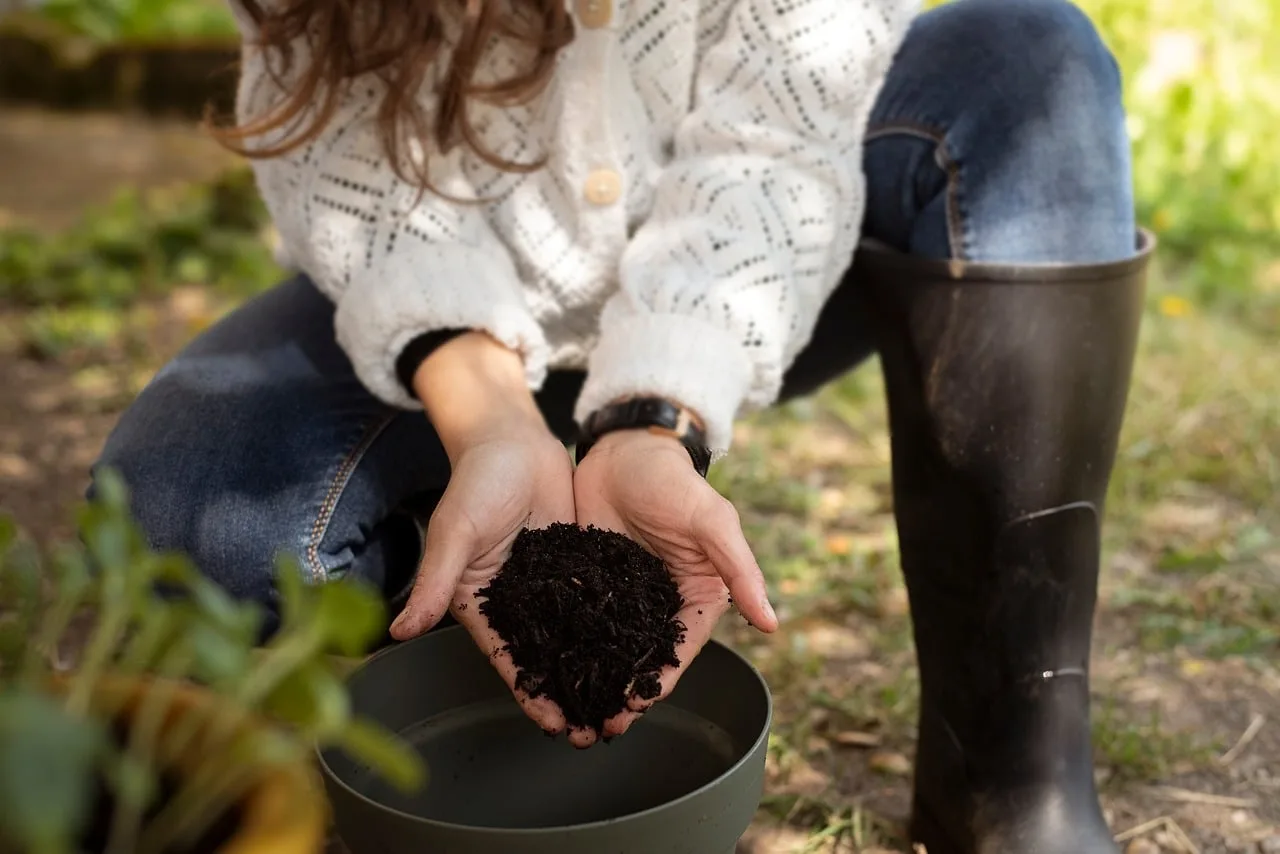
How to Add Organic Matter to Poor Yard Soil
For poor yard soil, add 1 to 3 inches of finished compost on beds, ¼ to ½ inch on lawns, and avoid mixing deep layers into compacted clay; match the amendment to the problem, not the habit. Wrong materials or depth can smother roots, slow drainage, and waste time and money. This guide shows how to diagnose weak, compacted, droughty, or slow-draining soil and choose the safest organic amendment, method, and depth for beds, lawns, and mixed planting areas.
What organic matter changes in soil


Organic matter changes how soil stores water, moves air, and holds nutrients in place. It also alters soil structure by helping particles form stable aggregates with pore space between them. Those pores control aeration, drainage, and water movement through the root zone.
In sandy soil, organic additions help the soil hold more water and keep nutrients from washing away too fast. In clay soil, they open tight structure and improve drainage and aeration. The same amendment can solve both problems, but for different reasons.
Water holding and nutrient holding
Organic matter helps soil keep water available longer and hold nutrients where roots can reach them. That matters most in droughty soil and in sandy areas where water drains fast and fertilizer can move below the root zone. Finished compost, well-rotted manure, and some wood by-products can all help, but the amount and placement should match the condition you are fixing.
Aggregates, pore space, and aeration
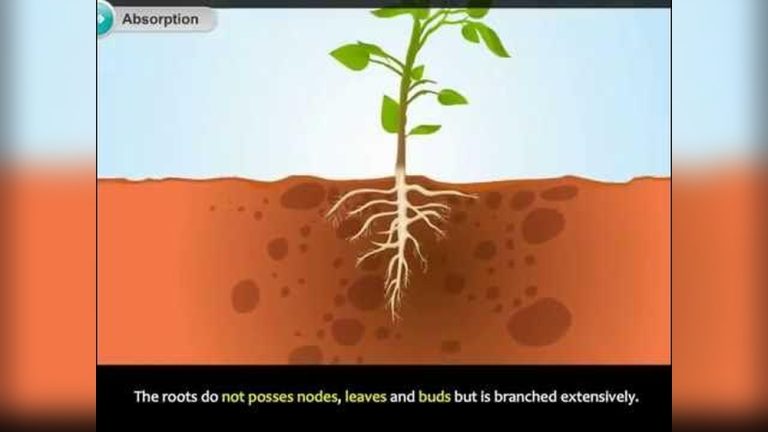
Healthy soil has aggregates and pore space, not a dense slab. In compacted ground, roots struggle to push through, water moves slowly or runs off, and air cannot reach roots well. Organic additions help loosen the structure over time, especially when worked into the upper soil rather than dumped as a deep layer.
Why soil biology matters
Earthworms are a useful sign of healthy soil biology. They help break down organic matter, create channels that improve porosity, and support nutrient cycling. A biologically active soil still needs the right amendment, though; biology does not fix poor drainage, compaction, or low fertility by itself.
How do you tell what your soil needs?

Start with the failure mode. Clay that forms hard clods, sand that dries out quickly, and soil that stays wet after rain all need different organic materials and different application depths. A soil test should come first when you are deciding on fertilizer or nutrient supplements, because it helps separate fertility needs from physical soil problems.
Clay, sand, and poor drainage clues
Clay soil often feels sticky when wet and hard when dry. Sandy soil falls apart easily, dries quickly, and may need frequent watering. Poor drainage shows up as puddling, sour smells, mossy patches, or roots that stay shallow because the soil stays wet too long.
Hard digging, crusting, and runoff signs
When a shovel stops abruptly, the issue is often compaction. Surface crusting after rain means water is not entering well. Runoff from slopes or beds is another clue that the surface is too tight or bare, and that organic matter should be added in a way that protects the surface while improving the upper soil.
Say your front-yard bed has cracked clay and water sits in shallow pools after a storm. That points to poor structure and drainage, so the answer is not a thin sprinkle of mulch alone. You need amendment in the upper soil, plus surface cover after planting.
When a soil test should come first
Use a soil test before adding supplements, especially if plants are pale, stunted, or showing leaf burn that could come from fertilizer misuse rather than low organic matter. The test will guide fertilizer use, but it will not replace a physical fix for compaction or poor structure.
Organic matter decision table
| Yard symptom | Best organic material | Application method/depth | Common mistake to avoid |
|---|---|---|---|
| Compacted clay | Finished compost | Spread 1 to 3 inches over the bed, then work it into the top 6 to 8 inches with a tiller, shovel, or digging fork | Deep tilling that turns the lower soil into a tighter layer later |
| Sandy soil | Finished compost or wood by-products such as bark mulch or aged sawdust | Incorporate into the upper soil before planting, then mulch the surface to slow evaporation | Using sand-only fixes or skipping surface mulch |
| Poor drainage | Finished compost | Work lightly into the upper soil in one or two passes, then keep the surface covered with mulch | Adding a thick, buried layer that traps water under the root zone |
| Existing lawn | Fine, screened compost | Topdress lightly on the turf surface in a thin layer, then water it in so it settles between grass blades | Thick applications that smother turf or bury the crowns |
A general recommendation is 3 cubic yards per 1,000 square feet, which is the equivalent of a 1-inch layer over 1,000 square feet. That figure fits bed renovation work better than lawn topdressing, where the layer should be much thinner.
What organic material should you add?
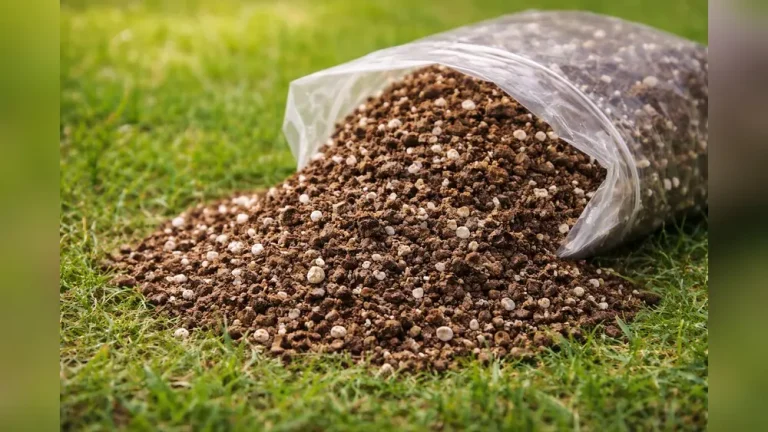
Finished compost is the default choice for many beds because it is decomposed organic material with few or no recognizable source materials. But not every symptom calls for the same product. Well-rotted manure, wood by-products, straw, and mulch all have jobs of their own.
Compost for most beds
Compost is the safest all-purpose amendment for new beds and renovation work. Spread 1 to 3 inches over the bed and work it into the top 6 to 8 inches before planting. In an empty planting bed, a layer 2 to 3 inches thick is a practical starting point.
Use compost before planting or as mulch. If the material still looks like leaves, stems, or twigs, it is not finished enough for the top of a planting bed. Aim for few or no recognizable source materials so roots are not competing with unfinished breakdown.
Well-rotted manure only after composting
Well-rotted manure can add organic matter and nutrients, but it should be composted first. Fresh manure can burn roots and should not be applied directly to established beds. For existing plantings, stick with finished materials that will not shock the root zone.
Suppose a gardener spreads fresh manure around a shrub border in early spring. New growth may turn stressed or scorched instead of greener, because the roots are exposed to a strong, immature material. Composting first prevents that problem.
Wood by-products, straw, and mulch
Wood by-products such as sawdust and bark mulch can help sandy or depleted soil when used correctly. They are organic amendment options, but they are not a universal fix for tight clay. Straw can also be used as a temporary cover, especially where you want to protect bare soil while building it over time.
Mulch sits on the soil surface. It reduces evaporation compared with bare soil and helps maintain moisture. It also keeps adding value over time by protecting the surface from crusting and erosion, though it is not a substitute for incorporated amendment in a new bed.
How do you add it to a new bed?
For a new bed, add the amendment before planting, then mix it into the upper soil. That gives roots a consistent root zone instead of a layered profile. The goal is to improve structure without turning the whole bed into loose fluff that later settles hard.
Spread and mix compost before planting
Spread the compost evenly, then incorporate it into the top 6 to 8 inches of soil. One or two passes are usually enough. A tiller can do the job on larger areas, while a shovel or digging fork works better where you want control around shrubs or narrow planting strips. (Oregonstate)
Organic matter should be incorporated at least three weeks before planting. That gives the bed time to settle and lets the material begin tying into the existing soil instead of sitting as a loose layer under the roots. (UFL)
How to avoid over-tilling
Over-tilling breaks structure and can create compaction layers below the worked zone. Keep passes to a minimum and work only the upper soil. If the ground is wet enough to smear or stick to tools, wait until it is drier so you do not seal the soil instead of loosening it.
Where this matters most
Front-yard beds and shrub borders usually benefit from careful incorporation plus surface mulch. Mixed ornamental plantings often need the same approach because established roots may already be in place. Vegetable beds can usually handle deeper incorporation before planting, but they still benefit from a restrained approach rather than repeated deep tilling.
How to add organic matter to an existing lawn
For an established lawn, topdress lightly instead of tearing up the turf. The goal is to improve the soil under the grass without damaging the crowns and shallow roots. Keep the layer thin enough that the blades can still emerge.
Topdressing without tearing up turf
Use fine, screened compost and spread it in a thin layer across the grass. For lawns, about ¼ to ½ inch is a practical range. Brush or rake it lightly so it settles down between the blades, then water as needed to move it toward the soil surface.
Working around established roots
Do not dig through the lawn unless you are renovating a patch. Turf roots are already spread through the upper layer, so heavy disturbance can leave bare spots and encourage weeds. If the lawn is compacted, a series of light topdressings is safer than one aggressive mechanical overhaul.
How to add organic matter to a lawn comes down to restraint. Thin topdressing, repeated when needed, will usually do more good than a thick application that buries the turf.
When to repeat the process
Repeat topdressing as part of regular maintenance, especially in high-traffic areas or places that dry quickly. A layer of mulch cannot be used over turf in the same way it is used in beds, so the lawn needs thin surface applications that preserve grass growth while slowly building the root zone.
Can cover crops help build soil?
Yes. Cover crops, sometimes called green manure, can build soil organically over time. They are especially useful in empty beds or areas you plan to rest between plantings. Crimson clover is commonly used as a winter cover crop because it covers the soil and can add organic material when it is later turned under.
When to till or disk it under
Cover crops are usually tilled or disked under later, before they go to seed and before planting the next crop or bed. That puts the fresh plant material into the soil where it can break down and add organic matter instead of leaving it to dry out on the surface.
Where cover crops fit best
Cover crops fit best in vegetable beds, larger renovation areas, and places that will sit empty for a season. They are less practical in tight ornamental spaces or lawn areas, where topdressing and mulch are better tools. A well-designed perennial garden can provide many years of beauty and enjoyment, but it still benefits from soil building during establishment.
Frequently asked questions
What organic matter should I add to soil?
Start with finished compost unless a soil test or clear symptom points elsewhere. Use well-rotted manure only after composting, never fresh. For sandy or depleted areas, wood by-products can help, and straw or mulch can protect the surface while the soil improves.
How does organic matter improve soil?
It helps soil hold water and nutrients, builds aggregates, and increases pore space for air and drainage. Those changes make soil less prone to compaction and runoff. In clay, it opens tight structure and improves drainage; in sand, it helps the soil hold water and nutrients longer.