Best Soil Mix for Raised Landscape Beds: Ratios That Work
For many raised garden beds, a 50/30/20 mix of screened topsoil, finished compost, and a mineral aggregate such as expanded shale or pumice is a practical starting point; on wetter sites, a leaner, better-draining mix may work better. A poor mix can leave shrubs waterlogged, perennials stunted, and the bed sinking after the first season. This guide shows how to tune that mix for drainage, plant type, site conditions, and budget.
What makes a raised garden bed soil mix different?

Raised garden beds need a mix that holds shape, drains at a predictable rate, and suits ornamentals that stay in place for years. That is different from a vegetable-only bed, where growers often push more compost for quick feeding. In a garden bed, drainage balance matters as much as fertility.
How ornamental beds differ from vegetable beds
Shrubs, perennials, and foundation plantings dislike both extremes: soggy roots and a mix that dries to dust. Vegetable beds can tolerate a shorter cycle and more frequent reworking. Garden beds have to stay stable, resist settling, and support plants that may not be replanted every season.
What topsoil, compost, and drainage material each do
Topsoil provides structure and minerals. Compost adds organic matter and nutrients, but mix quality matters because unfinished compost can shrink, sour, or hold too much water. Coarse sand or perlite improves drainage and airflow. Potting soil is lighter and fluffier, which is useful in containers but usually too airy for beds.
Why drainage balance matters more than a fixed recipe
A fixed recipe fails when the yard already sheds water poorly or the bed sits over clay. A fast-draining hill site may need more moisture-holding material. The goal is a mix that matches the bed, not a one-size blend that looks fine on paper and fails after rain.
According to almanac.com — The calculator includes compost as 40% of the mix.
What is the best soil mix for raised garden beds?
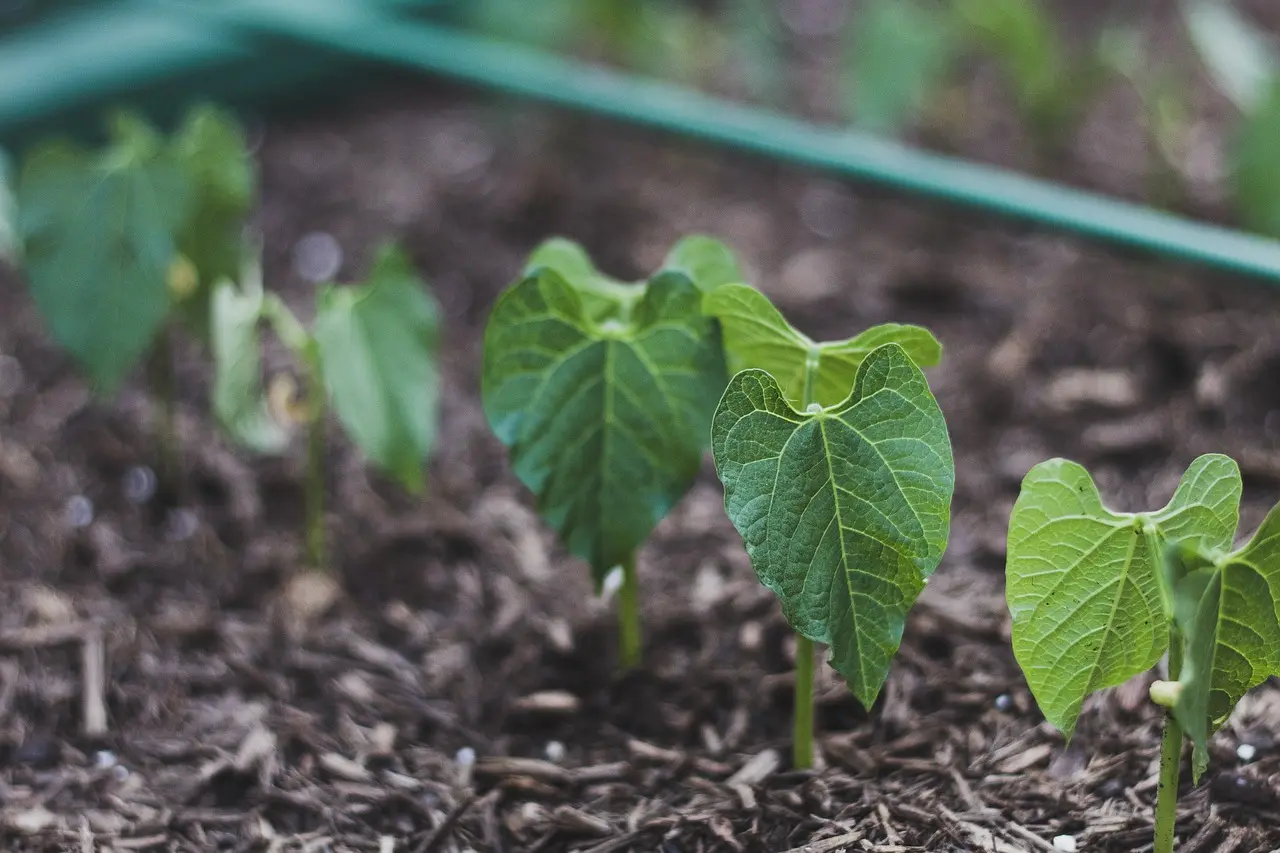
The best soil mix for raised garden beds is the one that matches drainage, planting depth, and budget. A balanced mix works for average yards, a leaner mineral-heavy mix fits wet sites, and a slightly heavier mix helps dry beds hold moisture longer without turning sticky.
A balanced mix for average drainage
The simplest starting point is the common raised bed blend: 40% topsoil, 40% compost, and 20% coarse sand or perlite. That mix gives structure, organic matter, and drainage in one pass. It is a reasonable baseline for mixed borders and many ornamental beds with ordinary soil beneath them.
A leaner mix for fast-draining sites
On sandy soils, sloped lots, or beds that dry fast, more compost and less mineral aggregate can help the bed hold moisture longer. A 50/30/20 blend often works well in those situations. If the site is hot, windy, or shallow, too much drainage material can make the bed thirsty and hard to manage.
A heavier mix for moisture-holding beds
If the bed sits in a dry zone or supports shrubs that prefer steadier moisture, the mix can carry a bit more topsoil and compost, with less aggregate. That said, “heavier” should not mean dense enough to stay wet for days. The mix still needs air space around roots.

How should the mix change for shrubs, perennials, and shallow-rooted plants?
Shrubs and perennials need a mix that stays open over time, while shallow-rooted plants tolerate less depth and faster drying. The main adjustment is not just fertility. It is how much water the bed must store without becoming a slow-draining basin around the root zone.
Mix choices for shrubs and foundation plantings
Shrubs need more stability than annual flowers. A garden bed mix with screened topsoil, finished compost, and a drainage ingredient keeps the root zone from settling too hard after planting. In a poor-draining yard, it is better to raise the bed slightly higher than to fill it with dense native soil.
Mix choices for perennials and mixed borders
Perennials in mixed borders usually do well in a balanced mix with good air movement around roots. That means a mix that drains after rain but does not go bone dry by afternoon. Perlite is a clean option when the site needs lighter weight and more pore space than coarse sand can provide.
When a lighter mix helps and when it backfires
A lighter mix helps on compacted fill, rooftops, and wet clay edges because roots get oxygen sooner after rain. It backfires in exposed beds that dry fast or support plants that dislike drought stress. Too much mineral aggregate can leave the bed lean, weak, and short on moisture.
How do you test your site before filling the bed?
Before ordering soil, check how the site behaves in real weather. A squeeze test tells whether subsoil is clay-heavy. A simple percolation check shows how fast water leaves the bed area. Those two checks are often enough to decide whether to bias the mix toward drainage or moisture retention.
Squeeze test for clay-heavy soil
Take a handful of damp native soil and squeeze it. If it forms a tight ribbon or sticky lump that holds shape, the subsoil is likely dense enough to slow drainage. That does not forbid a raised bed, but it does argue against a heavy, closed-in fill.
Percolation check for drainage speed
Dig a hole, fill it with water, and see how fast the water drops. If it lingers, the site has poor drainage and the bed mix should lean more open. If water disappears quickly, the bed may need more compost and less aggregate to avoid a dry root zone.
What poor drainage means for your mix choice
Slow-draining sites over clay or compacted fill need more attention to structure, not just more compost. Raised beds built into grade can still sit on wet soil below. In that case, a faster-draining blend and a slightly taller bed are safer than stuffing the frame with fine material.
Use this soil mix selector before you order
This selector helps match mix type, plant use, and delivery method. It is not a rigid formula. It is a practical way to choose between a balanced blend, a wetter-site blend, and a moisture-holding blend before paying for bulk bags or a truckload.
| Drainage level | Plant type | Recommended blend | Budget fit | Volume guidance |
|---|---|---|---|---|
| Average drainage | Shrubs, perennials, mixed borders | 40% topsoil, 40% compost, 20% coarse sand or perlite | Mid-range | Bulk bags can be a good option for one small bed; truckload delivery can make more sense for several beds or a full border run |
| Poor drainage | Foundation beds on clay or flat sites | 40% topsoil, 30% compost, 30% coarse sand or perlite | Higher upfront cost, lower failure risk | Truckload delivery is usually better once the fill exceeds a few cubic yards |
| Fast drainage | Dry slopes, heat-exposed ornamentals | 50% topsoil, 30% compost, 20% coarse sand or perlite | Moderate | Bulk bags work for one bed; truckload makes sense for multiple deep beds |
- Test drainage before ordering soil.
- Pick the mix that matches the site, not the cheapest bag.
- Estimate total volume for the full bed, then compare bulk bags and truck delivery.
- Order slightly more than the calculation if the bed has irregular sides or settling risk.
How deep should soil be in a raised bed?
Many vegetables do well with roughly 12 to 18 inches of soil depth, and ornamental plantings often benefit from a similar depth. Shallow-rooted crops can grow in 6 inches, but deeper-rooted crops need more depth than shallow crops. For shrubs and perennials, extra depth often pays off in stability and moisture buffering.
12 inches for many shallow-rooted plantings
A 12-inch fill is enough for many bedding plants, herbs, and shallower ornamentals. It also fits common raised bed dimensions, including the 4 feet by 8 feet by 12 inches deep format. That size equals 32 square feet of growing space and is easy to estimate for material ordering.
12 to 18 inches for most beds
For mixed garden beds, 12 to 18 inches is a practical target because it gives roots enough room without turning the project into a massive fill job. Deeper beds also buffer temperature and moisture swings better than shallow ones, especially where the native ground underneath is poor.
When deeper fill is worth the cost
Deeper fill makes sense for larger shrubs, dry sites, and beds built over compacted subsoil. It also helps when the finished grade needs to be raised for drainage. If the bed is only shallowly filled, roots may hit dense native soil too soon and stall.
What should you put at the bottom of a raised bed?
At the bottom of a raised bed, use cardboard, newspaper, leaves, or sticks only when they serve a clear purpose such as weed suppression or coarse fill. Keep those layers thin. The real root zone should still be mostly quality soil, not a buried pile of junk that settles and rots unevenly.
Cardboard and newspaper for weed suppression
Cardboard or newspaper can block weeds at the base of a bed, especially when the bed is set over lawn or weedy ground. Use plain layers without glossy coatings. They should stay as a suppression layer, not a thick packing layer that steals root depth from the bed.
Leaves and sticks as thin bottom layers
For deep beds, sticks, leaves, or other coarse organic material can go in the bottom to occupy space and reduce the amount of purchased fill. That layer should stay thin and coarse. Dense organic packing can collapse, create air pockets, and leave the upper soil uneven.
When bottom fill hurts more than it helps
Bottom fill becomes a problem when it takes up too much of the bed or holds water against the root zone. In slow-draining sites, a buried layer of fine organic matter can act like a sponge. If drainage is poor, spend the budget on better fill rather than more debris.
how to make the best soil for raised beds
The best soil for raised beds starts with screened topsoil, finished compost, and a drainage ingredient sized for the site. Keep the blend open enough for roots, but not so light that it dries too fast. For most ornamental beds, a balanced mix is safer than a pure compost-heavy fill.
how to mix soil for raised beds
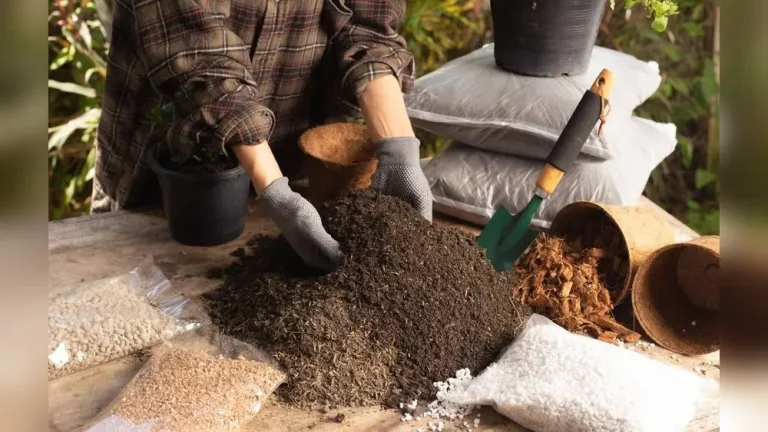
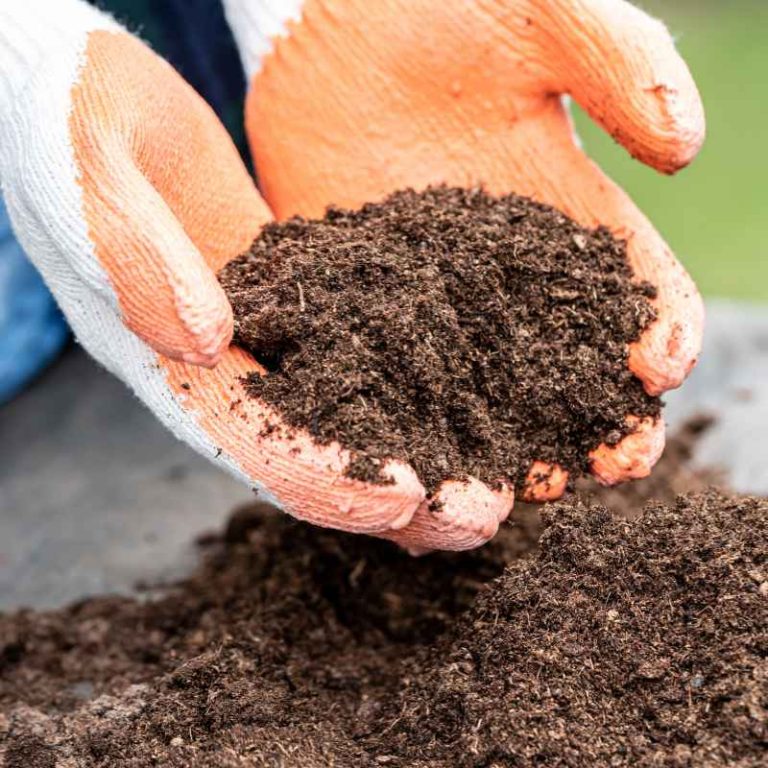
Mix soil by volume, not by shovel guesswork, so the bed stays consistent from corner to corner. Combine the ingredients on a tarp or have them delivered preblended. Check the texture as you go; it should feel loose, slightly springy, and free of hard clods or soggy pockets.
what is the difference between raised bed soil and potting soil
Raised bed soil is heavier than potting soil and is built for larger root zones in the ground or in framed beds. Potting soil is lighter and fluffier, designed for containers with limited space and fast drying. Used alone, potting soil is usually not ideal for raised beds.
can i use native soil in a raised bed
Native soil is not recommended for raised beds when it is dense, poorly draining, or low in organic matter. It can be part of the mix only if it is reasonably friable and not prone to compaction. In clay-heavy or poor-draining sites, keep native soil out of the main fill.
Frequently asked questions
How to make the best soil for raised beds
Use a mix that matches the site and the plants. For many beds, screened topsoil, finished compost, and a drainage ingredient such as coarse sand or perlite work well. Aim for enough structure to hold shape, enough organic matter for fertility, and enough air space for healthy roots.
How to mix soil for garden bed
Measure by volume and blend until the texture is uniform. A common starting point is 40% topsoil, 40% compost, and 20% coarse sand or perlite. If the bed sits in clay or stays wet after rain, shift the mix toward more drainage and less fine material.
What is the best soil mix for raised garden beds
For most raised garden beds, a balanced mix is the safest default. A common mix of about 40% topsoil, 40% compost, and 20% coarse sand or perlite can work for many sites. On wet ground, a drier-draining blend is better. On hot, fast-draining sites, add more moisture-holding material.
What is the difference between raised bed soil and potting soil
Raised bed soil is built for larger beds and is usually heavier than potting soil. Potting soil is lighter and fluffier, which makes it better for containers. In a raised bed, potting soil alone can dry too fast, settle unevenly, and give plants less long-term stability.
Can I use native soil in a raised bed
Native soil can be used only if it drains well and does not compact tightly. The page’s guidance is clear that native soil is not recommended when it is dense or poor draining. In those cases, topsoil and compost make a much better base for long-term plant health.
How deep should soil be in a raised bed
Most vegetables should have 12 to 18 inches of soil depth, and many ornamental plantings do well in that range too. Shallow-rooted crops can grow in 6 inches, but deeper-rooted crops need more depth. If roots will live there for years, extra depth is usually worth the cost.