
Don’t worry, you’re not alone in this. Many gardeners get stuck on this exact question. Let’s break down what really matters when choosing dimensions for your raised vegetable garden. We’ll cover everything you need to know so you can build beds that work perfectly for you and your plants.

LEETOLLA
LEETOLLA Elevate 32" Raised Garden Bed with…
- MOBILE GARDEN ON WHEELS — Two all-terrain wheels and an ergonomic handle let you roll a 200+ lb planted bed wherever sunlight goes…
- DRAINAGE FOR CONTAINER GROWING — Built-in drainage openings and bottom channels help excess water leave the planting area.
- 32" STANDING HEIGHT — Garden without kneeling or back strain. Five drainage holes and dual cross-channels prevent waterlogging, ke…
As an Amazon Associate I earn from qualifying purchases.
The best raised bed dimensions for vegetable gardening offer enough width for easy planting and harvesting, depth for root growth, and length that fits your space and needs, typically ranging from 4-8 feet wide and 1-2 feet deep.
Understanding Raised Bed Basics
Raised beds are basically garden boxes. They sit above the ground. This helps soil warm up faster in spring. It also means better drainage. You can control the soil quality inside them. This is a big win for vegetable growing.
The size of these beds matters a lot. It affects how you plant. It also impacts how you walk around them. And it changes how you harvest your food. Think of them like a tailor-made suit for your garden.
Why Size Matters More Than You Think
Choosing the right size for your raised garden bed is key. A bed that’s too wide can be hard to reach across. You might not be able to plant or weed in the middle. This can lead to plants getting crowded or ignored.
On the flip side, a bed that’s too narrow might not give you enough planting space. You want to make the most of your garden area. Getting the dimensions right means better plant health. It also means easier gardening for you.
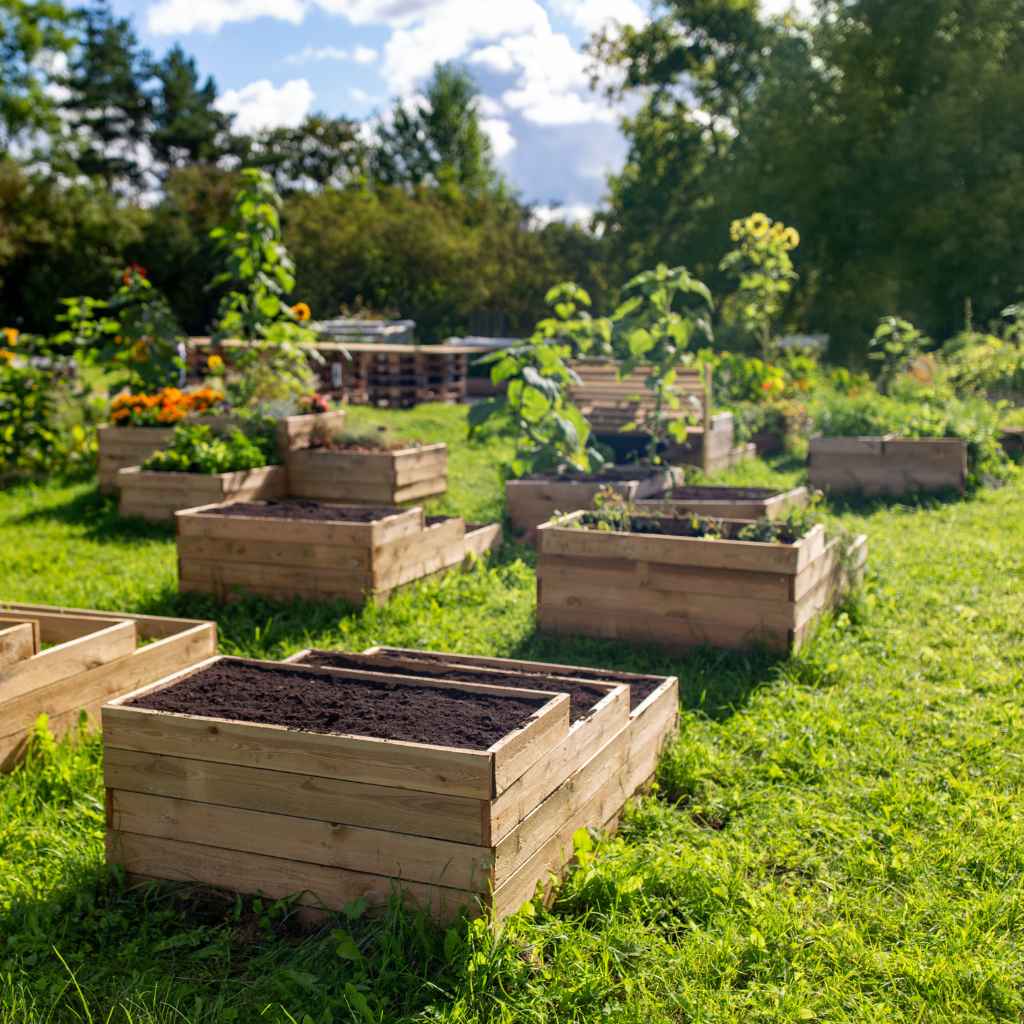
The Ideal Width for Raised Beds
Let’s talk about width first. This is often the most important measurement. You need to be able to reach the center of the bed easily. Imagine standing on one side. You should be able to reach all the way across without stepping into the bed.
Most people find that a width of 4 feet is perfect. This allows you to work from either side. You can plant, weed, and harvest without any trouble. It’s the sweet spot for many gardeners.
Width: Key Considerations
Reach: Can you touch the middle from the edge?
Access: Can you walk around it without problems?
Planting Density: How many rows fit comfortably?
What if you have a narrow space? Or maybe you’re a gardener who likes to reach from only one side? Then 3 feet wide could work. It’s still manageable. But 4 feet gives you more flexibility.
Going wider than 4 feet, say 5 or 6 feet, can be tricky. Unless you plan to put a path right through the middle, you’ll struggle to reach the center. This leads to wasted space or difficult gardening.
The Best Depth for Raised Beds
Depth is the next thing to think about. This is how deep the soil will be. It’s super important for your plants’ roots.
Most common vegetables need at least 6 to 8 inches of good soil to grow well. This includes things like carrots, potatoes, and tomatoes. Their roots need space to spread out and get nutrients.
Depth Guide
Root Veggies (carrots, beets): 8-12 inches needed.
Leafy Greens (lettuce, spinach): 6-8 inches is fine.
Fruiting Veggies (tomatoes, peppers): 8-10 inches good.
For most situations, a depth of 10 to 12 inches is a great target. This gives you plenty of room. It works for almost all common vegetables. It’s deep enough for strong root systems.
You can go deeper, too. Beds that are 18 or 24 inches deep are fantastic. They offer excellent drainage. They also mean less bending over for you. This is a real benefit for older gardeners or those with back issues. Plus, they look really impressive!
However, deeper beds mean more soil. This can be expensive and heavy to fill. You’ll need to calculate how much soil you need. For most home gardeners, 10-12 inches is a solid, cost-effective choice. It provides great results.
Length: Fitting Your Space
Length is usually the most flexible dimension. It really depends on the space you have. And what you want to grow.
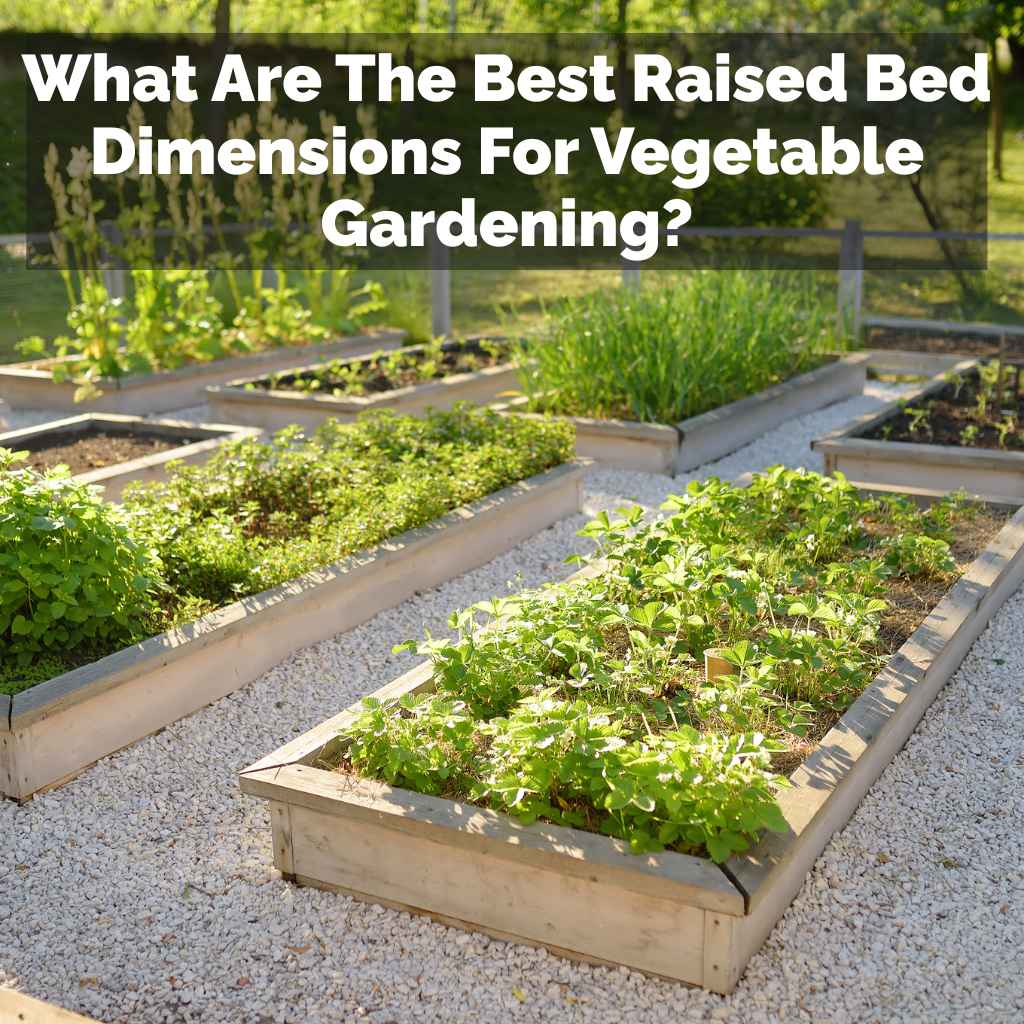
Many popular raised bed kits come in standard lengths like 4×4 feet or 4×8 feet. The 4×8 size is very common. It offers a good balance of planting area and manageability.
Common Raised Bed Lengths
4×4 feet: Great for small spaces or corner gardens. Easy to manage.
4×8 feet: A popular choice. Offers ample growing space. Still easy to reach across.
4×12 feet: Good for longer garden areas. Be mindful of reaching the middle if it gets too deep.
I once built a 4×16 foot bed. It looked amazing! But I quickly learned it was too long. Trying to get to the far end was a trek. I had to remember to plant things I used often closer to the ends. So, consider how you’ll move around your garden.
If you have a very large area, you might want to think about multiple beds. Instead of one super long bed, maybe two 4×8 beds with a path between them. This makes access easier. It also breaks up the visual space.
Putting It All Together: The Sweet Spot
So, when you combine width, depth, and length, what’s the best overall size? For most home vegetable gardeners, a 4 feet wide, 8 to 10 feet long, and 10 to 12 inches deep raised bed is ideal.
This size is manageable for almost everyone. It lets you reach everything easily. It gives roots enough space to grow strong. And it fits a good amount of plants. You can grow a lot of popular vegetables in a bed this size.
The “Goldilocks” Bed Size
Width: 4 feet (2 feet reach from each side)
Length: 8 feet (A common, versatile size)
Depth: 10-12 inches (Ample room for most roots)
If your space is smaller, a 4×4 foot bed is a great start. If you have more room and want more yield, you can go longer. Or add more beds. The key is making sure you can still work comfortably.
Personal Experience: The First Raised Bed Oops
I remember my very first raised bed project. I was so excited. I’d seen pictures of lush gardens. I decided to build one myself. I picked a spot in my yard that got lots of sun. I bought lumber and screws.
My mistake was not thinking enough about the width. I made it 6 feet wide. “More space for more plants!” I thought. It looked grand when it was built. I filled it with soil and planted rows of beans, cucumbers, and peppers. It was beautiful.
Then came the weeding. And the harvesting. I had to stretch so far to reach the middle plants. My arms got tired. Some plants in the very center didn’t get as much attention. The beans at the edge did great. But the ones in the middle struggled a bit.
That’s when I realized. Width is king in raised beds. I learned that day that you don’t need to overdo it. A comfortable reach is more important than cramming in extra inches. My next beds were all 4 feet wide. And gardening became much easier.
Beyond the Standard: Creative Dimensions
While 4×8 feet is common, don’t feel limited. Your garden is unique. Your needs are unique.
For example, if you have a very narrow side yard, a long, narrow bed might be perfect. Think 2 or 3 feet wide and 10 or 12 feet long. This uses the space well.
Uncommon But Useful Shapes
Corner Beds: L-shaped beds fit awkward corners. Keep sections under 4 feet wide.
Tiered Beds: Create steps with different levels. Great for slopes.
Round Beds: Can be charming. 4-6 feet diameter works well for access.
Another idea is to use modular raised bed kits. These often allow you to customize sizes. You can buy extra panels. You can create almost any shape you want. This is super helpful for odd garden layouts.
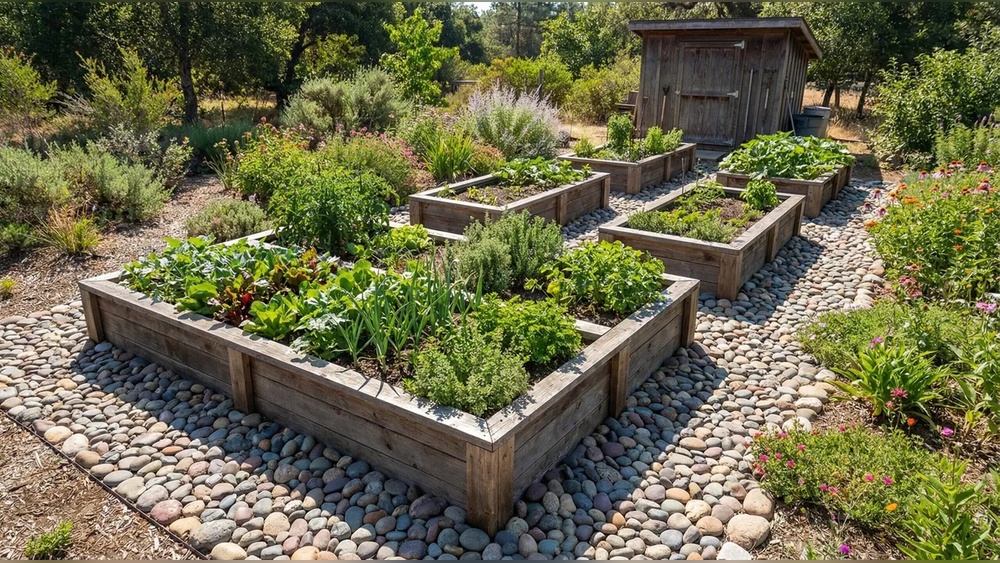
Always remember to consider the paths between beds too. You need at least 18 inches for comfortable walking. More if you use a wheelbarrow. This planning ensures your garden is functional, not just pretty.
What This Means for Your Vegetable Garden
Choosing the right dimensions directly impacts your gardening success. It’s not just about aesthetics. It’s about practicality.
With beds that are 4 feet wide, you maximize your harvest. You can plant more in rows. You can stagger plants for better light. You can plant succession crops more easily.
Impact of Dimensions
Better Yield: Proper spacing means healthier plants that produce more.
Easier Care: Reach all plants for watering, feeding, and pest control.
Healthier Roots: Enough depth allows roots to grow deep and find water.
Less Soil Waste: Optimal dimensions mean you buy just the right amount of soil.
When beds are deep enough, your vegetables thrive. Roots can go down without hitting compacted soil. This makes them more resilient to dry spells. They can find more nutrients too.
The right dimensions also mean less physical strain. You won’t be reaching or stretching awkwardly. This makes gardening enjoyable. It encourages you to keep going season after season.
Quick Tips for Building Your Beds
Once you decide on your dimensions, building is the next step. Here are a few tips to make it smoother.
Plan Your Layout: Before buying materials, map out your garden. Where will the beds go? How much space is between them? Consider sunlight patterns.
Measure Twice, Cut Once: This old saying is very true. Double-check all your measurements before cutting wood or assembling kits.
Building Basics
Materials: Choose rot-resistant wood like cedar or redwood. Or consider metal or composite options.
Level Ground: Make sure your site is as level as possible. This helps the bed sit right and drain evenly.
Secure Corners: Use strong screws or brackets to make corners sturdy. This is especially important for deeper beds.
Soil Calculation: Figure out how much soil you need. Multiply length x width x depth. Use online calculators if needed. Buying the right amount saves money and hassle.
Consider Drainage: If your soil drains poorly, you might want to add a layer of gravel at the very bottom. But for most raised beds, good soil mix is enough.
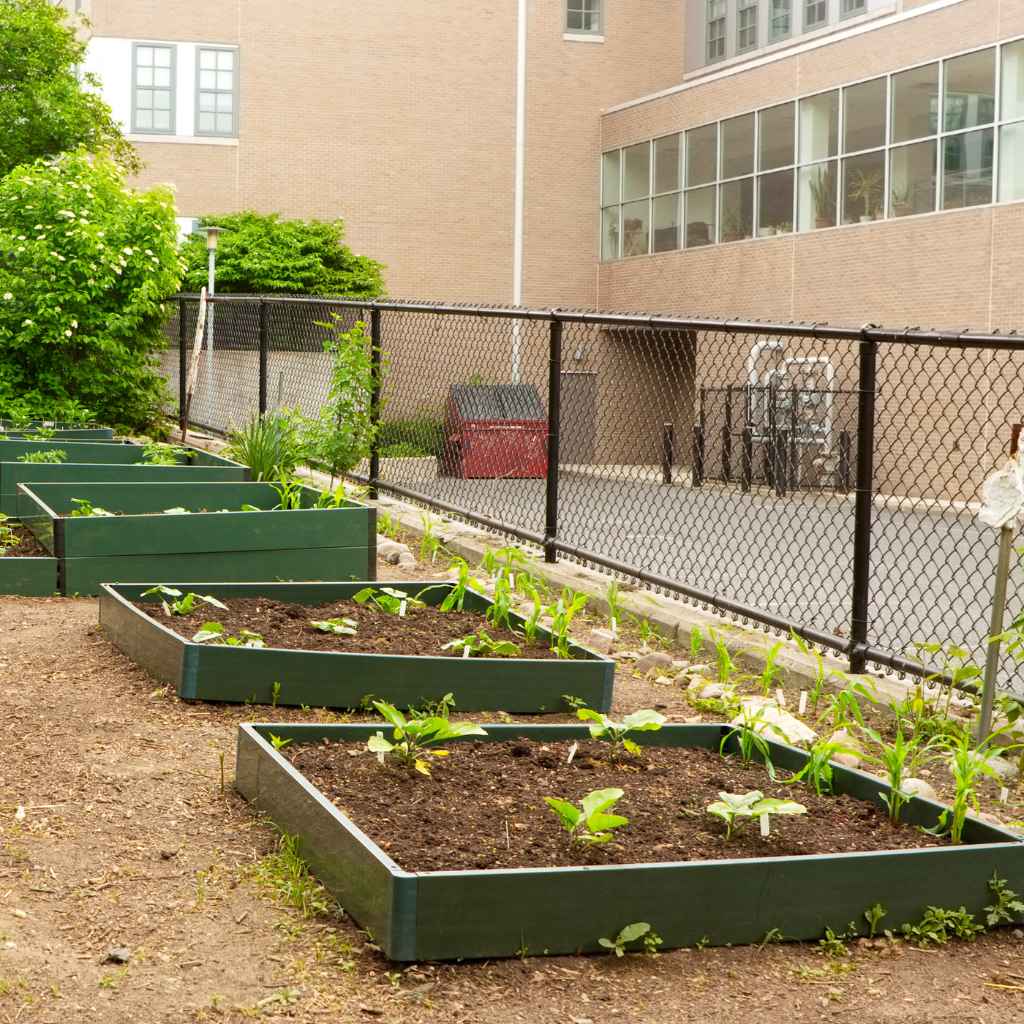
Frequent Questions About Raised Bed Sizes
What is the most popular raised bed size?
The 4×8 foot raised bed is very popular. It’s a great size for most yards. It allows easy access from both sides. And it offers plenty of space for a good amount of vegetables.
Can I make a raised bed longer than 8 feet?
Yes, you can. However, be mindful of reaching the middle. For beds longer than 8 feet, consider adding a path down the center. Or make sure you can easily reach all parts from the sides. A 4×12 or 4×16 bed is manageable for some.
Is a 4-foot wide bed always best?
For most people, yes. A 4-foot width allows you to reach the center from either side without stepping in the bed. If you have limited mobility or can only access one side, a 3-foot width might be better. Wider beds become hard to manage.
How deep should a raised bed be for vegetables?
For most vegetables, a depth of 10 to 12 inches is ideal. This provides enough room for root growth. Root vegetables like carrots might need 12 inches or more. Leafy greens can do well with 6-8 inches, but deeper is generally better for overall plant health.
What if I have very poor soil in my yard?
Raised beds are perfect for this! You fill them with new, high-quality soil. So, the native soil quality matters less. You can build your beds as deep as you can afford. This ensures your vegetables have an excellent growing medium from day one.
Can I make a raised bed out of a 4×4 size?
Absolutely. A 4×4 foot raised bed is a fantastic option. It’s great for smaller gardens, balconies, or just for trying out a few favorite plants. It’s easy to build and manage. It provides enough depth and width for many common vegetables.
Final Thoughts on Garden Bed Sizes
Building raised beds is an investment. You want them to serve you well. Thinking about dimensions is a small step that pays off big. It leads to easier gardening and more harvests.
Remember that comfort and reach are key. Always aim for beds you can easily work with. Happy gardening!
Related pick: Check today's price on Amazon