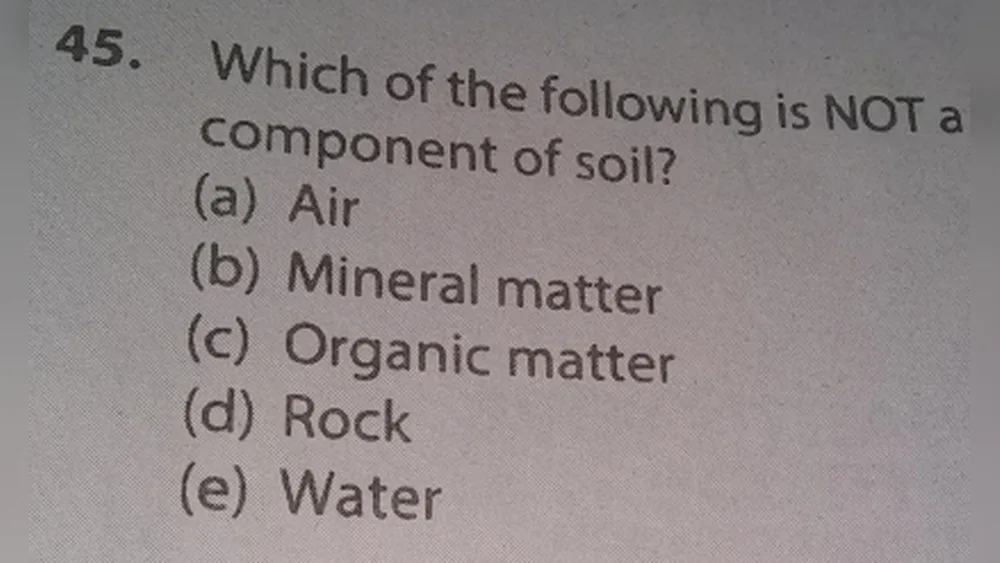
Which of the Following Is Not a Component of Soil?
The health of our planet’s ecosystems, agriculture, and even urban environments hinges on a resource most of us rarely consider: soil . Often under our feet and out of sight, soil is a dynamic and complex system, teeming with life and critical to food production, water filtration, and carbon storage. But what exactly makes up soil, and just as importantly, what does not? If you’ve ever been quizzed with the question, “Which of the following is not a component of soil?” you know it’s not as straightforward as it seems. Understanding the answer requires digging into the fascinating world beneath the surface—where minerals, organisms, water, and air interact in an elaborate dance.
Misconceptions about soil composition can lead to poor agricultural practices, environmental mismanagement, and even flawed scientific research. Is plastic a soil component? What about roots, or soil amendments like fertilizers? This article will clarify what truly constitutes soil, what does not, and why these distinctions matter for sustainability, farming, gardening, and land management.
Get ready for a comprehensive exploration of soil’s essential ingredients, common misconceptions, real-world implications, and data-driven insights to empower your decisions and deepen your understanding.
Key Takeaways
- Soil is composed of four main components: Mineral matter, organic matter, water, and air.
- Common misconceptions often include non-soil materials like plastic, glass, and synthetic chemicals as soil components, but they do not form part of natural soil.
- Understanding what is and isn’t a component of soil is crucial for agriculture, environmental science, and land management.
- Soil health directly impacts global food security, biodiversity, and climate change mitigation.
- Regular soil testing and management practices help maintain the balance of true soil components.
- Real-world examples highlight the consequences of confusing soil components in agriculture and urban development.

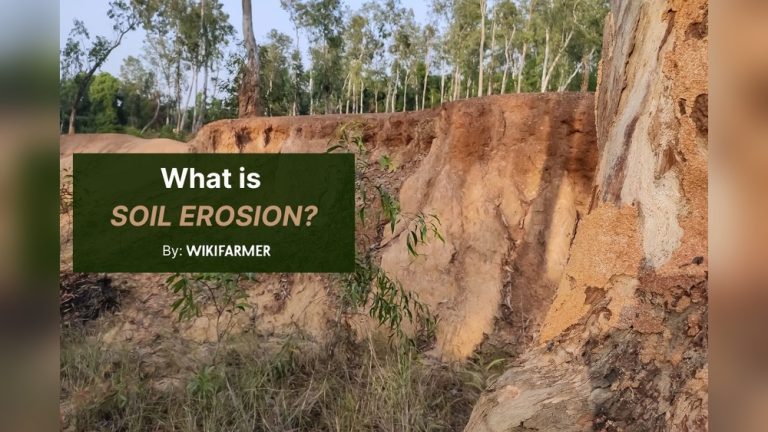
Credit: jecologyblog.com
Understanding Soil: The Four Essential Components
Soil is much more than just “dirt. ” It is a living, breathing ecosystem comprised of a delicate balance of four primary components. Recognizing these components is the key to answering which materials do not belong to soil.
Mineral Matter: The Framework Of Soil
The largest portion of soil , making up about 45% by volume, is mineral matter. This includes:
- Sand (largest particles, improves drainage)
- Silt (medium particles, retains moisture)
- Clay (smallest particles, high nutrient retention)
These mineral particles originate from the weathering of rocks and determine soil texture, structure, and fertility. The balance among sand, silt, and clay defines soil types such as loam, sandy, or clay soils. For example, sandy soils are typically found in arid regions and are valued for their drainage properties, making them ideal for crops like carrots and potatoes that dislike waterlogged conditions.
In contrast, clay soils are prevalent in temperate climates and are known for their ability to hold nutrients, benefiting crops such as rice and wheat that require a steady supply of nutrients and moisture.
The mineral composition of soil is also crucial for environmental functions such as water filtration. As water percolates through sand, silt, and clay, impurities are trapped and filtered out, contributing to groundwater purity. This means that the mineral matter not only supports plant life but also plays a role in safeguarding drinking water supplies.
Organic Matter: The Life Force
Comprising roughly 5% of soil volume, organic matter is made up of decomposed plant and animal residues, living microorganisms, and humus. This component is essential for:
- Nutrient cycling
- Soil structure and porosity
- Water retention
Organic matter also enhances the soil’s ability to support plant life and fosters a habitat for beneficial organisms. For instance, humus, the stable fraction of organic matter, acts like a sponge, holding water and nutrients in the soil and making them available to plants during dry periods.
The presence of organic matter is directly linked to soil fertility and is a key indicator of soil health. Farms and gardens that regularly incorporate compost or cover crops into their soils often see improved yields and healthier plants due to increased organic matter.
Additionally, organic matter supports a diverse community of soil microorganisms, including bacteria, fungi, and protozoa. These organisms break down organic residues, release nutrients, and help suppress soil-borne diseases. The interplay between organic matter and soil life is so significant that many sustainable agriculture practices focus on increasing organic content as a primary strategy for building resilient soils.
Water: The Liquid Matrix
Soil holds about 25% water in its pore spaces. Water is critical for:
- Transporting nutrients to plant roots
- Supporting chemical reactions
- Sustaining soil organisms
The amount of water in soil varies with rainfall, soil texture, and drainage conditions. Sandy soils, for example, drain quickly and may require more frequent irrigation, while clay soils retain water but can become prone to waterlogging. Water availability is a limiting factor in plant growth, and the ability of soil to retain or release water is essential for both agriculture and ecosystem stability.
In dryland farming systems, managing soil water through mulching and organic matter addition can be the difference between crop success and failure.
Water also acts as a medium for microbial activity and chemical reactions within the soil. Without adequate moisture, essential processes such as decomposition, nutrient mineralization, and root respiration slow down or halt, affecting the entire soil ecosystem.
Air: The Breath Of Soil
The remaining 25% of soil volume is air, occupying the spaces not filled by water. Air in soil provides:
- Oxygen for root and microorganism respiration
- Carbon dioxide exchange
Proper aeration is crucial—soil that is too compacted or waterlogged can suffocate roots and soil life. For example, over-tilling or heavy machinery can compact soil and reduce air spaces, leading to poor root growth and decreased crop yields. Air is also necessary for aerobic microbes that play a pivotal role in breaking down organic matter and cycling nutrients.
A well-aerated soil enables roots to penetrate deeply, access water and nutrients efficiently, and resist disease. Conversely, inadequate air supply can lead to anaerobic conditions, which produce toxic substances and hinder plant growth.
Soil Composition Summary Table
| Component | Typical % by Volume | Main Function |
|---|---|---|
| Mineral Matter | 45% | Structure, nutrient supply |
| Organic Matter | 5% | Nutrient cycling, soil health |
| Water | 25% | Transport, chemical reactions |
| Air | 25% | Respiration, gas exchange |

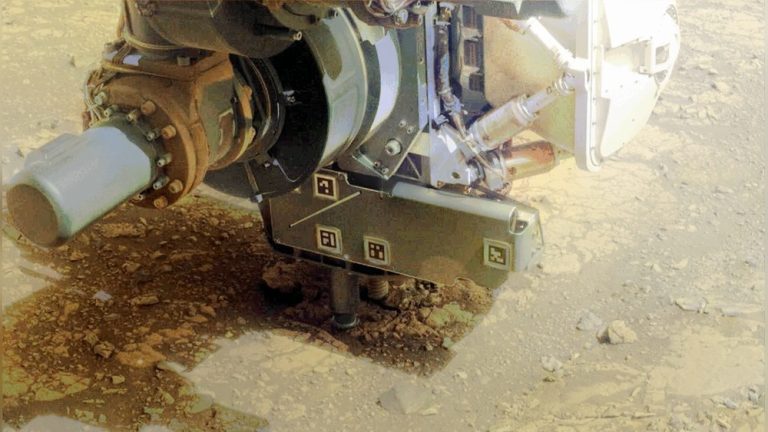
Credit: www.youtube.com
What Is Not A Component Of Soil?
While soil is a complex mixture, it does not include everything found in or on the ground. Distinguishing non-soil components is vital for science, land management, and education.
Non-soil Materials: Common Misconceptions
Some materials are often mistakenly considered soil components. The most notable examples include:
- Plastic: Ubiquitous due to pollution, but entirely synthetic and not a natural soil constituent.
- Glass: While it may be present in soil as litter or debris, glass is not a functional component.
- Metal fragments: Occasionally found in contaminated soils, but not part of soil’s natural makeup.
- Synthetic chemicals: Fertilizers, pesticides, and herbicides alter soil chemistry but are not considered components of soil itself.
These materials may be present in soils because of human activity, but they do not fulfill any of the key functions that true soil components perform. For example, plastic fragments in soil can block water flow, inhibit root growth, and introduce toxins, as demonstrated by numerous studies on microplastic pollution.
Glass shards or metal debris pose safety hazards and can interfere with soil structure but do not contribute to fertility or soil health.
Synthetic chemicals, although useful for managing pests or improving yields, can accumulate and cause long-term harm to soil life. Persistent pesticides may kill beneficial microorganisms, disrupt nutrient cycling, and reduce soil biodiversity. Thus, while these substances can alter soil properties, their presence is indicative of contamination, not natural composition.
Living Roots And Large Organisms: Soil Inhabitants, Not Components
Roots and large soil fauna (like earthworms or insects) are essential to soil health, but they are classified as soil inhabitants, not soil components. They interact with soil but are not part of its fundamental composition.
For example, the roots of a corn plant penetrate the soil, absorbing water and nutrients, but as soon as the plant dies and decomposes, its remains become part of the soil’s organic matter. Similarly, earthworms aerate soil and facilitate nutrient cycling, but they are living organisms, not a static component of the soil matrix.
This distinction is important for soil science, as it helps researchers and land managers focus on the physical and chemical properties of soil, rather than its living inhabitants, when assessing soil quality and composition.
Rocks And Gravel: Parent Material, Not Soil
While rocks and gravel can be found mixed with soil, especially in shallow or young soils, they are considered the parent material from which soil forms—not a true component of soil itself.
Parent material provides the mineral foundation for soil formation, but the soil itself is defined by particles less than 2 millimeters in diameter. Gravel and larger rocks do not participate in soil processes such as nutrient cycling, water retention, or aeration, and therefore are excluded from the definition of soil components.
Case Study: Microplastics In Agricultural Soils
A 2026 study published in Nature Communications found microplastics in over 90% of sampled agricultural soils in Europe. While these particles are now widespread due to pollution, they are not natural soil components—they disrupt soil structure, harm organisms, and impair fertility.
Microplastics can affect soil microbial communities and reduce the efficiency of nutrient cycling, leading to poorer crop yields and increased risk of environmental contamination. Their presence is a stark reminder of the importance of distinguishing between true soil components and pollutants.
Data Table: Soil Components Vs. Non-soil Materials
| Material | Soil Component? | Notes |
|---|---|---|
| Mineral Matter | Yes | Sand, silt, clay |
| Organic Matter | Yes | Decomposed plants/animals |
| Water | Yes | Occupies pore spaces |
| Air | Yes | Essential for respiration |
| Plastic | No | Pollutant, not natural |
| Glass | No | Litter, not functional |
| Large Roots | No | Soil inhabitants |
| Rocks & Gravel | No | Parent material |
| Earthworms | No | Soil fauna, not component |
Real-world Example: Urban Soil Contamination
In cities, soils are often contaminated with glass, metal debris, and synthetic chemicals. These materials degrade soil quality and present risks but do not qualify as soil components. Urban land managers must distinguish between soil constituents and contaminants to remediate sites effectively.
For example, in urban redevelopment projects, removing contaminated topsoil and replacing it with healthy soil is often necessary to restore vegetation and ensure safe public spaces. Failure to distinguish contaminants from true soil components can lead to persistent health risks and environmental degradation.
The Role Of Each Soil Component
Appreciating each soil component’s unique role helps clarify why certain materials are excluded from this definition.
Mineral Matter: Texture, Structure, And Fertility
- Texture: The proportion of sand, silt, and clay affects aeration, drainage, and nutrient retention.
- Structure: Aggregation of mineral particles influences root penetration and water movement.
- Fertility: Provides essential nutrients like phosphorus, potassium, and calcium.
For instance, loam soils—often considered ideal for gardening—contain roughly equal proportions of sand, silt, and clay, resulting in optimal texture and structure for plant growth. The mineral composition also determines how much fertilizer is needed, how quickly water drains, and how easily plants can root.
Organic Matter: Nutrient Cycling And Soil Life
- Decomposition: Organic matter breaks down, releasing nutrients for plants and microbes.
- Soil Structure: Humus binds mineral particles, improving tilth and moisture retention.
- Biodiversity: Supports a vast array of organisms, from bacteria to earthworms.
The presence of organic matter is particularly important in sustainable farming systems, where crop residues and manure are regularly incorporated to maintain soil health. Organic matter also acts as a buffer against drought and nutrient depletion , making soils more resilient to environmental stress.
Water: Nutrient Transport And Soil Chemistry
- Solvent: Dissolves nutrients, making them accessible to roots.
- Buffer: Moderates temperature and chemical fluctuations.
- Habitat: Essential for microorganisms and plant roots.
Water availability determines the productivity of agricultural systems and the health of natural ecosystems. Adequate soil moisture enables robust microbial activity, efficient nutrient uptake, and strong plant growth. Conversely, waterlogged soils can lead to root rot and anaerobic conditions, highlighting the need for balanced water management.
Air: Gas Exchange And Root Health
- Oxygen: Needed for aerobic respiration by roots and soil organisms.
- Carbon Dioxide: Produced by respiration, vital for plant photosynthesis.
- Aeration: Prevents anaerobic conditions that can harm plants.
Soil aeration is especially critical in compacted or heavily irrigated soils. Practices such as deep tillage, cover cropping, and organic amendment can improve aeration and reduce risks associated with poor gas exchange.
Why Non-components Matter
Materials like plastic or glass do not contribute to these functions. They may, in fact, disrupt them—blocking water flow, introducing toxins, or impeding root growth. Recognizing the difference between soil components and contaminants is essential for maintaining soil health.
For example, the presence of glass shards can pose physical hazards to gardeners and limit root development, while plastic residues can interfere with soil microbial activity and reduce crop quality. Identifying and removing these materials is a key step in maintaining productive soils.

Credit: www.researchgate.net
Soil Formation: How True Soil Components Develop
Soil forms through a complex process called pedogenesis, involving the breakdown of rocks and the accumulation of organic matter. The distinction between soil components and non-soil materials becomes clearer when considering how soil evolves.
Weathering Of Parent Material
- Physical weathering: Wind, water, and temperature changes break rocks into smaller particles (sand, silt, clay).
- Chemical weathering: Water and atmospheric gases alter minerals, releasing nutrients and forming clay minerals.
Soil formation is a slow, ongoing process, with mineral matter gradually accumulating from the parent material. The weathering process is influenced by climate, landscape, and biological activity. For example, in mountainous regions, physical weathering dominates, while in humid tropical zones, chemical weathering is more prevalent.
Addition Of Organic Matter
- Decomposition: Leaves, dead organisms, and manure decompose, enriching soil with organic matter.
- Humification: Microbes transform organic material into humus, a stable, nutrient-rich substance.
Organic matter enters the soil through biological activity and decomposition. Forests and grasslands have rich organic layers, while arid regions may have much less. The cycling of organic matter is central to nutrient availability and soil fertility.
Incorporation Of Water And Air
- Infiltration: Rainwater enters soil, dissolving minerals and facilitating chemical reactions.
- Aeration: Pore spaces allow for oxygen and carbon dioxide exchange.
The balance of water and air in the soil is governed by rainfall, irrigation, and soil texture. Good management practices, such as mulching and cover cropping, help maintain optimal moisture and aeration for healthy soil processes.
Exclusion Of Artificial Materials
Materials like plastic, glass, and synthetic chemicals do not arise from natural soil formation. Their presence is a result of pollution, not a component of pedogenesis.
Even though these materials may be found in soils, they do not participate in or support the processes that create or sustain healthy soil. Their accumulation can hinder soil development and lead to long-term ecological problems.
Soil Health And Sustainability: The Importance Of Knowing What’s Not A Component
Understanding soil composition is not just academic; it’s foundational to sustainable land management, agriculture, and ecological restoration.
Impact On Agriculture
- Fertility management: Knowing true soil components informs fertilization, irrigation, and crop selection.
- Pollutant exclusion: Avoiding contaminants like plastics and metals is essential for safe food production.
- Erosion control: Healthy soil components promote structure and reduce erosion risk.
For example, farmers who are aware of soil composition can tailor their management practices to improve fertility and prevent erosion. In organic farming , maintaining high levels of organic matter and avoiding synthetic contaminants is central to achieving sustainability and high yields.
Environmental Protection
- Water filtration: Soil’s natural components filter pollutants, while non-soil materials can impair this function.
- Carbon sequestration: Organic matter in soil locks away carbon, mitigating climate change.
- Biodiversity: Soil’s natural makeup supports vast microbial and faunal diversity.
Healthy soils function as natural filters, removing impurities from water and air. When soils are contaminated with plastics or metals, their filtering capacity is diminished, leading to greater environmental risks and higher remediation costs.
Case Study: Soil Remediation In Brownfield Sites
A 2019 project in New Jersey, USA, involved reclaiming former industrial land contaminated with glass, metals, and plastics. By removing these non-soil materials and restoring natural soil components, the site was transformed into a productive urban farm, demonstrating the practical importance of distinguishing soil components from pollutants (US EPA Brownfields Program).
This transformation highlights how restoring the balance of mineral matter, organic matter, water, and air can revive degraded land and support new community initiatives. Removing contaminants and rebuilding soil health is a cornerstone of environmental restoration worldwide.
Soil Health Indicators Table
| Indicator | Healthy Soil (True Components) | Contaminated Soil (Non-Components) |
|---|---|---|
| Plant Growth | Robust, vigorous | Stunted, poor yield |
| Water Infiltration | Rapid, even | Blocked, pooling |
| Soil Structure | Crumbly, porous | Compacted, clumpy |
| Biodiversity | High microbial and faunal diversity | Reduced, imbalanced |
| Contaminant Levels | Low | High (plastics, metals) |
Comparing Soil Components: Natural Vs. Artificial Additions
Soil amendments and contaminants are often confused with soil components. Clear differentiation is vital for proper management.
Natural Soil Amendments
- Compost: Adds organic matter, improves fertility.
- Gypsum: Enhances soil structure in certain conditions.
- Lime: Adjusts pH levels for optimal plant growth.
These amendments become part of the soil system by integrating with organic matter and minerals. For example, compost improves soil structure and boosts microbial activity, while lime modifies soil pH to make nutrients more available.
Artificial Additions
- Chemical fertilizers: Supply nutrients but do not become a stable part of the soil matrix.
- Pesticides/Herbicides: Used to control pests or weeds; can persist as residues but are not components.
- Plastic mulch: Used for weed control, but should not enter the soil system.
Artificial additions are often temporary and can have unintended consequences, such as nutrient leaching, soil acidification, or pollution. While they may support short-term productivity, they do not enhance soil health in the long term.
Risks Of Artificial Additions
Overuse or improper application of chemicals and plastics can lead to pollution, disrupt soil microbial life, and harm the environment. They do not contribute positively to soil structure, fertility, or ecosystem health.
For instance, persistent pesticide use can reduce beneficial soil organisms, while microplastics from mulch can accumulate and interfere with soil processes. Sustainable soil management seeks to minimize artificial inputs and focus on building soil health through natural amendments.
Example: Plastic Film In Agriculture
A 2020 report by the Food and Agriculture Organization (FAO) highlighted that plastic film mulching, widely used in China, has led to significant microplastic accumulation in agricultural soils. These plastics are not soil components and pose long-term risks to crop production and soil health.
This example underscores the importance of using biodegradable alternatives and proper disposal methods to prevent contamination and maintain healthy soils.
Soil Components In Different Climates And Ecosystems
Soil composition varies globally, but the core components remain the same. Understanding regional differences can help clarify what is—and is not—a component of soil.
Tropical Soils
- High weathering rates lead to iron and aluminum oxides dominating mineral matter.
- Rapid organic matter turnover due to warm, moist conditions.
- Soils may be low in nutrients but still follow the basic four-component model.
Tropical soils are often acidic and have limited nutrient reserves, requiring careful management to sustain agriculture. Nevertheless, their fundamental structure remains rooted in mineral matter, organic matter, water, and air.
Temperate Soils
- Balanced proportions of sand, silt, and clay.
- Accumulate thick layers of organic matter in forests and grasslands.
- Well-developed structure and fertility.
Temperate soils are often considered the most productive due to their moderate climate and rich organic layers. They support diverse ecosystems and intensive agriculture, demonstrating the importance of maintaining true soil components for sustainability.
Arid Soils
- Low organic matter due to limited vegetation.
- High mineral content, often with salts or gypsum.
- Water is a limiting factor.
Desert soils require innovative strategies to boost organic matter and manage water efficiently. Despite their unique challenges, their structure and function are defined by the same four components.
Polar Soils
- Slow organic matter decomposition.
- Permafrost restricts water and air movement.
- Thin, poorly developed profiles but still composed of the four main components.
Polar soils often support only mosses and lichens, but even in extreme environments, the basic components underpin soil formation and function.
Case Study: Soil In The Amazon Rainforest
The Amazon’s nutrient-poor, highly weathered soils are sustained by rapid cycling of organic matter. Despite their unique chemistry, the soil’s composition is still defined by mineral matter, organic matter, water, and air—never by plastics, glass, or synthetic chemicals (Wikipedia: Terra Preta).
Terra preta, or “dark earth,” is a unique Amazonian soil enriched with organic matter and charcoal, illustrating how modifications to soil components can enhance fertility without introducing contaminants.
How To Test And Maintain Soil Composition
Proper soil management starts with understanding and maintaining the balance of true soil components. Here’s how to assess and protect your soil.
Soil Testing Methods
- Texture analysis: Determines sand, silt, and clay proportions.
- Organic matter testing: Measures carbon content.
- Soil moisture meters: Gauge water content.
- Aeration assessment: Evaluates pore space and compaction.
Soil testing labs offer comprehensive services to evaluate soil health, including nutrient availability, pH, and contaminant levels. Regular testing enables early identification of problems and supports informed decision-making.
Identifying Non-soil Materials
- Visual inspection: Detects litter, plastic, glass, or metal debris.
- Laboratory analysis: Identifies microplastics, heavy metals, and chemical residues.
Advanced soil analysis can detect pollutants at trace levels, aiding in remediation and restoration efforts. Community science initiatives increasingly use soil testing to identify contamination and advocate for environmental justice.
Maintaining Healthy Soil
- Add organic matter: Compost and cover crops enrich soil.
- Avoid contamination: Prevent plastic, chemical, and metal pollution.
- Practice crop rotation: Maintains nutrient balance and reduces disease.
- Limit tillage: Reduces disruption of soil structure and organisms.
- Manage water wisely: Prevents erosion and compaction.
Additional strategies include planting deep-rooted species to improve aeration, mulching to regulate soil moisture, and using natural amendments such as biochar to enhance soil structure and fertility.
Example: Community Garden Restoration
A community garden in Detroit removed old debris, plastics, and glass from their plot, then rebuilt soil structure with compost and cover crops. Within two years, they saw a 50% increase in vegetable yields, improved water retention, and healthier plants—proving the value of focusing on true soil components (Gardening Know How).
This example demonstrates how targeted interventions can restore soil health and productivity, benefiting both people and the environment.
Frequently Asked Questions
What Are The Four Main Components Of Soil?
The four main components of soil are mineral matter (sand, silt, clay), organic matter (decomposed plant and animal material), water, and air. Together, these create the structure, fertility, and life-supporting functions of soil.
Is Plastic Ever Considered A Soil Component?
No, plastic is not a natural component of soil. While it may be present due to pollution, it does not contribute to the soil’s formation, fertility, or ecological functions and is considered a contaminant.
Are Rocks And Gravel Part Of Soil?
Rocks and gravel are classified as parent material or debris, not as components of soil. Soil forms from the weathering of rocks, but the soil itself is defined by mineral particles smaller than 2 mm in diameter.
Can Fertilizers And Pesticides Become Soil Components?
Fertilizers and pesticides do not become stable, integral parts of soil. They can alter soil chemistry temporarily or persist as pollutants, but they are not recognized as true components of soil.
Why Does It Matter To Distinguish Soil Components From Non-components?
Distinguishing soil components from non-components is essential for soil health, safe food production, and environmental protection. Contaminants like plastics and metals disrupt soil functions, harm organisms, and reduce productivity, whereas true components maintain soil’s ecological balance.
Soil is the silent foundation supporting life on Earth, but it’s more than just what’s beneath our feet—it’s a carefully balanced mixture of minerals, organic matter, water, and air. By understanding what is, and what is not, a component of soil, we empower ourselves to steward this vital resource wisely.
Clear distinctions prevent pollution, improve agriculture, and safeguard the environment for future generations. Whether you’re a farmer, gardener, student, or policymaker, knowing the true makeup of soil is the first step toward sustainability and resilience.
For further reading and scientific resources, visit Soil Science Society of America and FAO Soils Portal.