Should You Water Seeds Right After Planting? Here’s the Truth
Watering seeds right after planting is one of those small gardening tasks that sparks surprisingly intense debate. Some gardeners insist on a thorough soaking, while others warn against displacing tiny seeds with a heavy stream. The truth is that action you take in the first five minutes after sowing can determine whether you get a full tray of vigorous seedlings or a patchy, disappointing result.

Sow Right Seeds
Sow Right Seeds - Watercress Seed for…
- Beautiful - Full color packet of Watercress (Nasturtium officinale). This peppery perennial grows naturally along the banks of slo…
- Productive - Watercress germinates in 8-15 days when soil temps are 60-70°F. Plant 1/4” deep and space 8” apart in an area with fu…
- Fresh Watercress on Hand - This carefully selected variety brings a bit of hot and spicy to stir-fries. A great way to take your f…
As an Amazon Associate I earn from qualifying purchases.
This guide cuts through the confusion and gives you a clear, science-backed method for that critical first watering.
Simply put, yes, you should water seeds immediately after planting. This initial watering is essential to trigger germination, settle the soil around the seed for good contact, and dissolve the stored food the embryo needs to grow. The key is using a gentle method like a mist sprayer to avoid washing seeds away or compacting the soil surface.
Key Takeaways
- Watering seeds right after planting starts the germination process by softening the seed coat and activating the embryo.
- Always use a gentle mist or a watering can with a fine rose to avoid displacing seeds or creating a crust on the soil.
- Consistent moisture during the germination phase is critical — the top layer of soil must never dry out completely.
- Overwatering is just as dangerous as underwatering; saturated soil deprives seeds of oxygen and invites fungal diseases.
- The tool you choose (spray bottle, squeeze bottle, or bottom-watering tray) makes a significant difference in your success rate.

1. Why Watering Seeds Right After Planting Matters
A seed is a survival pod. It sits in a state of suspended animation until it receives the right environmental signals to break dormancy. The most powerful signal is moisture.
When you water seeds right after planting, you accomplish three essential tasks that no other action can replace.
- Imbibition: Water penetrates the seed coat, causing the embryo to swell and activate its metabolic engines. Without this, the seed simply waits.
- Soil-to-Seed Contact: Dry soil contains air pockets that insulate the seed. Water collapses those pockets, locking the seed into moist soil for consistent hydration.
- Nutrient Mobilization: The seed contains stored starches and proteins. Water dissolves these resources so the growing embryo can access them for energy.
According to research from the University of California Division of Agriculture and Natural Resources, seeds that receive consistent moisture within the first 24 hours of planting show germination rates up to 40% higher than those exposed to a delay or drying cycle. The initial watering is not optional — it is the trigger that tells the seed it is safe to grow.
2. How to Water Seeds Immediately After Sowing
The method you use for that first watering matters as much as the act itself. A heavy pour from a standard jug can wash seeds into a corner of the tray or bury them too deep. Here is a reliable step-by-step process to ensure success.
- Room-Temperature Water: Cold water straight from the tap can shock the seed. Let it sit for an hour to reach ambient temperature.
- Choose the Right Tool: A spray bottle set to a fine mist is ideal for most seeds. A watering can with a rose attachment works for larger outdoor beds.
- Apply Gently and Evenly: Mist the surface until the soil is uniformly dark and damp. Avoid creating puddles or streams that cut channels through the soil.
- Verify Depth Penetration: Check that moisture reaches the planting depth. Surface-sown seeds need only a light mist, while seeds planted half an inch deep require a bit more water.
- Drain Excess: If you are using a tray, ensure drainage holes are open. Soggy soil leads to rot and fungal issues.
Tip: For tiny seeds like petunias or lettuce that are sown on the surface, bottom-watering is the safest method. Place the tray in a shallow pan of water for 20-30 minutes. The soil absorbs moisture through the drainage holes without disturbing the seeds at all.
| Seed Type | Watering Method | Depth Check |
|---|---|---|
| Tiny Seeds (Lettuce, Petunia, Basil) | Fine mist spray bottle only | Top 1/4 inch |
| Medium Seeds (Tomato, Pepper, Marigold) | Watering can with fine rose | Top 1/2 inch |
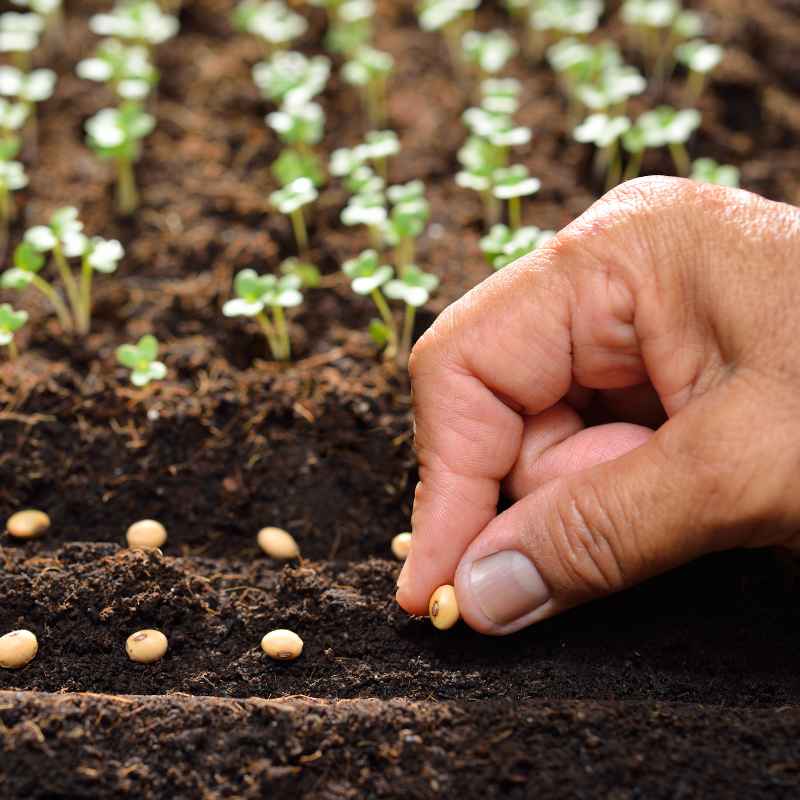
| Large Seeds (Peas, Squash, Bean) | Gentle stream from watering can | Top 1-2 inches |
Table: Matching your watering technique to seed size prevents displacement and ensures proper moisture penetration.
3. What Happens If You Delay or Forget to Water
Time is critical when seeds meet soil. A delay of even a few hours can start a cascade of problems that reduce your germination rate significantly.
- Desiccation: The seed coat begins to absorb moisture from the surrounding soil. If no water is available, the seed dries out further, killing the embryo inside.
- Predator Access: Dry soil is loose and easy for birds, ants, and other insects to dig through. Moist soil compacts slightly and provides a protective barrier.
- Uneven Germination: Some seeds may get just enough moisture from air humidity to partially activate, leading to a staggered, weak stand of seedlings that never catch up.
- Surface Crusting: If you finally water after a delay, the impact of the water can create a hard crust on dry soil that emerging seedlings cannot push through.
Warning: Do not flood the soil to compensate for a delay. This will waterlog the soil, rot viable seeds, and promote damping-off disease. Instead, mist gently and gradually rehydrate the medium over several hours.
Research from Cornell University’s horticulture department indicates that a 12-hour delay in initial watering for bean seeds can reduce germination rates by nearly 50%. The first hour after planting is the most critical window for success.
4. The Right Way to Water: Misting vs. Drenching
One of the most common points of confusion for new gardeners is whether to mist or drench. Each method has a specific time and place, and choosing correctly depends on your seed size and growing environment.
| Feature | Misting | Drenching |
|---|---|---|
| Best For | Tiny surface-sown seeds, indoor trays | Large seeds, outdoor raised beds |
| Displacement Risk | Very low | High |
| Frequency Needed | Higher (surface dries faster) | Lower (deep moisture lasts longer) |
| Risk of Overwatering | Very low | Moderate to high |
For most home gardeners starting seeds indoors or in a greenhouse, misting is the superior method. It offers maximum control and eliminates the risk of mechanical damage. Drenching is more appropriate for large seeds like peas or beans planted directly in the ground where the soil drains freely.
5. Common Mistakes When Watering Seeds After Planting
Even experienced gardeners slip up sometimes. Here are the most common errors to watch out for when watering seeds right after planting.
- Using a Heavy, Direct Stream: This washes seeds into a clump at the lowest point of the tray, creating overcrowded competition. It also buries tiny seeds too deep for them to reach the surface.
- Watering with Ice-Cold Water: Straight from the hose or outdoor tap can be shockingly cold. Room-temperature water is absorbed faster and more gently.
- Assuming One Watering Is Enough: Seeds need consistent moisture, not a single drench. Check the surface daily and mist as needed to keep it damp.
- Creating a Soggy, Airless Environment: Seeds require oxygen to germinate. Saturated soil prevents gas exchange. Ensure your seed-starting mix is light and well-draining.
- Watering from Above Once Seedlings Emerge: Wet leaves on young seedlings are a primary cause of damping-off disease. Switch to bottom watering once sprouts appear.
- Watering at Night: Evening watering leaves the soil cool and damp through the night, creating ideal conditions for fungal growth. Morning watering is best.
- Using Hard Water or Softened Water: High mineral content or sodium can inhibit germination. Rainwater or distilled water is superior for delicate seeds.
Important: Always label your trays before watering! A gentle stream can easily wash a delicate label into the soil, leaving you with a tray of mystery seedlings.
6. How Long Should You Keep the Soil Moist After Planting?
Consistency is the defining factor between a great germination rate and a disappointing one. The goal is to keep the soil evenly damp — think of a wrung-out sponge — until the first true leaves appear.
For most common vegetables and flowers, this period lasts between 7 and 21 days. A humidity dome or a simple piece of plastic wrap placed over the tray can create a closed loop of evaporation and condensation, dramatically reducing the need for frequent watering. This mini-greenhouse effect keeps the surface moist without constant attention.
Once you see the first green shoots, gradually increase ventilation over two to three days. Remove the cover completely when about 50% of the seeds have germinated. At this point, switch to a schedule that allows the top quarter-inch of soil to dry slightly between waterings, encouraging roots to grow downward in search of moisture.
Pro Tip: If you are using a heat mat under your seed trays, check moisture levels twice daily. Heat accelerates evaporation, and the soil can dry out in a matter of hours.
7. Exceptions: Seeds That Don’t Follow the Rule
The golden rule of immediate watering applies to about 95% of common garden seeds, but nature always has a few outliers. Understanding these exceptions can save you from frustration with specific plant types.
- Native Wildflowers and Prairie Grasses: Many of these species require cold stratification (a freeze-thaw cycle) or specific temperature triggers. Excessive moisture before the natural signal can cause rot. These are best planted in the fall and left to natural weather patterns.
- Large, Hard-Shelled Seeds: Seeds like morning glories, sweet peas, and certain beans benefit from scarification (nicking the shell) before planting. While they still need water, they are less sensitive to a slight delay and more sensitive to overwatering.
- Seeds Planted in Very Wet Soil: If you are direct sowing after a heavy rain, the ground may already be saturated. In this case, only a light surface mist is needed to settle the seed, if any water at all.
For the vast majority of vegetable and flower seeds sold in standard packets, however, immediate and thorough gentle watering remains the non-negotiable first step.
8. What Type of Water Is Best for Seeds?
Not all water sources are equal. The minerals, chemicals, and pH of your water can have a direct effect on how successfully your seeds germinate.
| Water Type | Effect on Germination | Best Use |
|---|---|---|
| Rainwater | Excellent — natural, soft, neutral pH | Ideal for all seeds |
| Distilled / RO | Very good — pure, consistent | Good for sensitive or rare seeds |
| Tap Water (Chlorinated) | Fair — chlorine can slow germination | Let sit out for 24 hours to off-gas chlorine |
| Softened Water | Poor — high sodium levels damage seeds | Avoid entirely for seed starting |
If your tap water is heavily chlorinated or your local water supply has high dissolved solids, switching to distilled or collected rainwater can visibly improve your germination outcomes, especially for delicate flower and herb seeds.
9. Tools of the Trade: Best Watering Tools for Seed Starting
Having the right equipment on hand makes the job easier and safer for your developing seeds. Each tool serves a specific purpose in the seed-starting process.
- Spray Bottle (Mister): The go-to tool for tiny seeds and surface sowing. It provides an ultra-fine mist that settles on the soil without disturbing anything.
- Watering Can with Fine Rose: Ideal for larger trays and outdoor beds. The rose attachment breaks the water stream into gentle droplets that mimic rain.
- Squeeze Bottle or Pipette: Excellent for targeted watering. You can water the base of a seedling directly without wetting the leaves, which helps prevent disease.
- Self-Watering Propagation Trays: These use capillary action to draw water up from a reservoir. They provide perfectly consistent moisture with almost zero effort.
- Humidity Dome or Plastic Wrap: Not a watering tool per se, but it traps moisture to maintain consistent humidity, reducing how often you need to water.
Important: Clean all your watering tools regularly. A dirty spray bottle or watering can can harbor fungal spores from previous seasons that cause damping-off in your new seedlings.

Frequently Asked Questions
Should I water seeds before or after planting?
It is generally best to lightly pre-moisten the soil if it is extremely dry, but the most critical watering happens immediately after planting. Pre-moistening prevents the seeds from floating when you add water, while post-planting watering settles the soil around the seed and triggers germination.
Can I use a spray bottle to water seeds?
Yes, a spray bottle is one of the best tools for the job, especially for small seeds. It delivers a gentle, even mist that will not displace the seeds or compact the soil surface, making it ideal for indoor seed starting.
How do I know if I am overwatering my seeds?
Signs of overwatering include a sour or musty smell from the soil, visible mold or algae on the surface, and seeds that turn mushy or rot before they sprout. If the soil is constantly soggy or water pools on top, you are watering too much.
Do seeds need light to germinate?
It depends on the species. Some seeds, like lettuce, petunia, and snapdragon, require light to germinate and should be surface-sown. Others, like tomato, pepper, and marigold, prefer darkness.
Always check the seed packet for specific instructions.
Should I cover my seed trays with plastic wrap?
Covering trays with plastic wrap or a humidity dome helps maintain consistent warmth and moisture, which speeds up germination significantly. Just be sure to remove the cover as soon as you see the first sprouts to prevent fungal diseases and allow air circulation.
Final Thoughts
Watering seeds right after planting is a small, deliberate action that has an outsized impact on your garden’s success. A gentle, thorough initial watering triggers the biological machinery of germination, establishes vital soil contact, and sets the stage for strong, even growth. By using the right tool, maintaining consistent moisture, and avoiding common mistakes like over-saturation or cold water shock, you give every seed the best possible start.
Pay close attention to your seeds in those first critical days, and they will reward you with a healthy, vigorous stand of seedlings ready for the garden.
Related pick: Check today's price on Amazon