Why Topsoil Depth Matters for Vegetables and Lawns
Topsoil depth matters because roots need room to spread: use about 4 to 6 inches for new lawns, 6 to 8 inches for garden beds, and only enough topdress to correct thin or damaged spots over poor soil. Too little depth leaves roots cramped, dries beds fast, and makes patchy turf or weak harvests more likely. This guide explains practical depth targets for lawns, vegetables, and repair jobs, plus how to judge fill and topdressing needs.
What topsoil depth really means
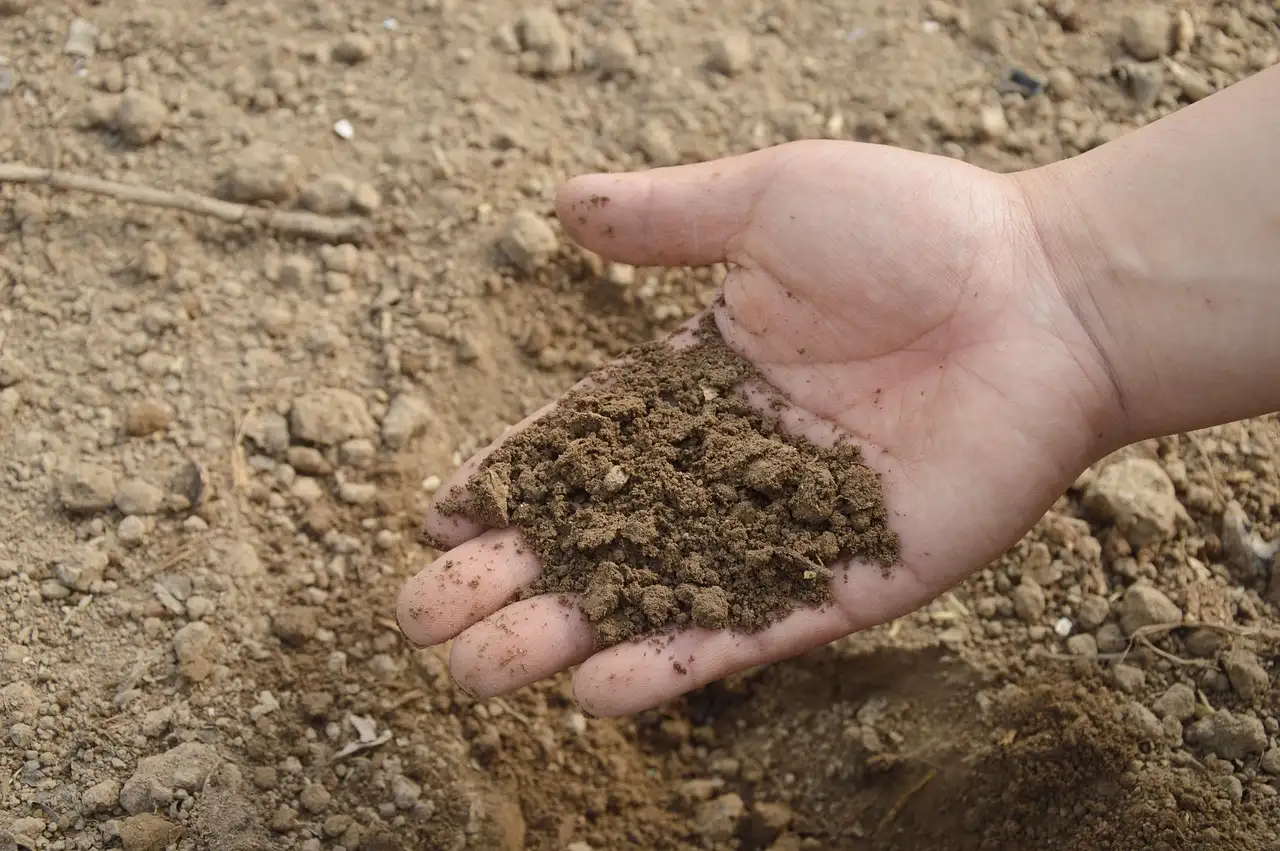


Topsoil is the upper 2-12 inches of natural soil, but placed depth is not the same as usable depth. Roots need a loose root zone for air, water, and expansion. If the subsoil is compacted or drains poorly, the planted inches do less work than they should.
Screened topsoil has rocks and clumps removed, so it spreads more evenly and gives better seed contact. Unscreened material may include chunks that leave voids or make leveling uneven. Topsoil can also be loamy, sandy, or clay-heavy, and those differences change drainage and rooting.
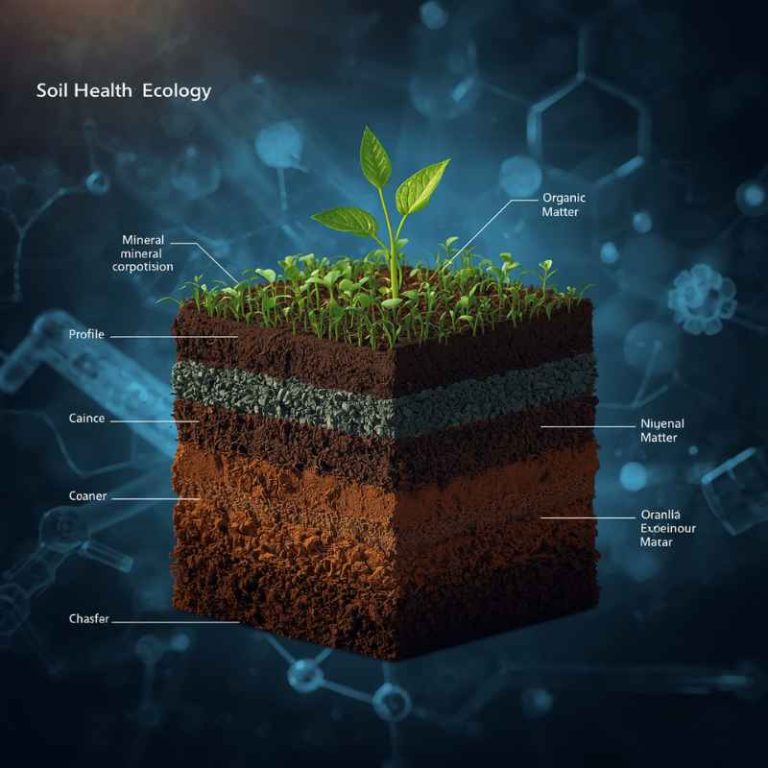
Effective depth is the part of the profile roots can actually use. Compaction squeezes that space down, and poor drainage can turn a deeper layer into a shallow one during wet weather. A few added inches on paper do not help much if roots stop at a hard pan or water sits in the profile.
How texture, screening, and compaction change performance
Screened topsoil spreads more consistently, which matters for low spots, seedbeds, and surface repair. For lawns, a blended lawn soil is often a better top layer than plain topsoil because it usually mixes topsoil, compost, and sand for a more uniform surface. Plain topsoil is more variable by source.
Compaction changes the picture fast. A compacted base can shrink the effective root zone enough that a bed looks deep on day one but behaves shallow during dry spells. Drainage problems do the same thing by limiting oxygen and slowing root growth even when the soil looks thick enough.
Why added inches do not always equal usable depth
Think in terms of rooting space, not fill alone. A 6-inch layer over hard, wet subsoil may perform more like a shallow planting strip than a full bed. That is why many jobs need a base fix before more soil goes on top.
Picture a front yard where water pools along the driveway after rain. Adding more topsoil to that low line may improve the surface briefly, but the real issue is grade and drainage. If water stays there, roots stay shallow, and turf declines again.
How deep should topsoil be for vegetables?
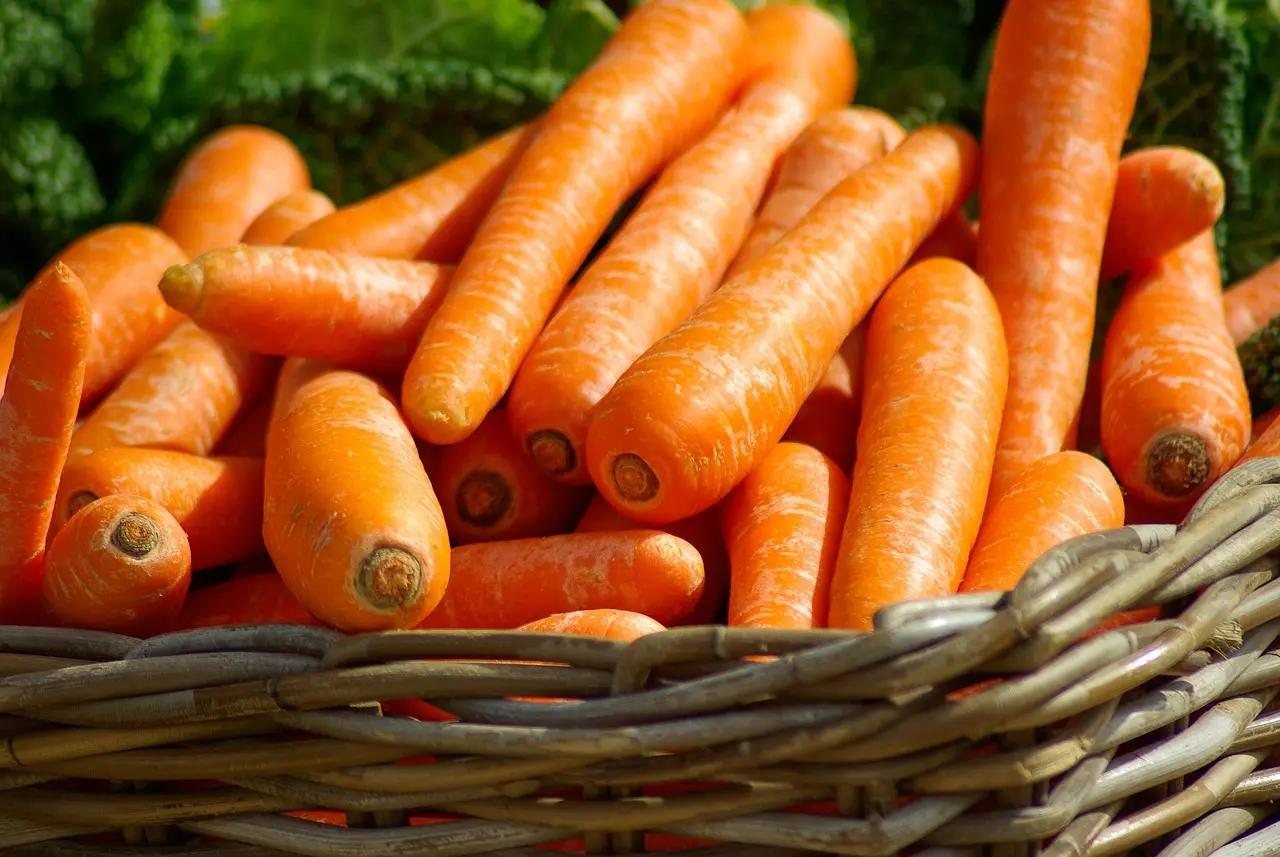
Vegetables need more usable depth than many home gardeners expect. For many beds, a practical target is about 6 to 8 inches of topsoil, and deeper is often better when the soil below is compacted or poor. Shallow-rooted greens can work in less, but fruiting crops and root crops need a deeper, looser root zone.
Minimum usable depth for shallow-rooted greens
Leafy crops such as lettuce, spinach, and many salad greens can perform in a shallower bed than tomatoes or carrots, but they still need a loose root zone that holds moisture between waterings. If the soil is thin, they dry out quickly and need more frequent irrigation.
For these crops, the real limit is often not the surface inches but what lies beneath them. If the subsoil is dense, a shallow bed can work for a short harvest window, but it will need closer watering and more attention to drainage than a deeper, amended bed.
More depth for fruiting and root crops
Tomatoes, peppers, squash, beans, carrots, beets, and similar crops use more rooting space. They benefit from deeper soil because they send roots farther for water and nutrients. Thin beds can still grow them, but the plants usually need more frequent watering and more careful feeding.
Where the subsoil is poor, a deeper bed or raised bed is the better fix. If you only add a thin surface layer, roots hit the compacted layer too soon. That limits plant size, makes moisture swings sharper, and can reduce yield.
When a raised bed or amended subsoil is better than a thin fill layer
If the ground under the bed is compacted clay, rubble, or a construction scar, a shallow fill layer is not enough. A raised bed gives you control over the full profile. So does deep amendment of the existing soil, if the base can be loosened and drained well.
For vegetable beds, one guide recommends 6-8 inches of topsoil. That can work for some crops if the soil below is also usable. If not, add compost and other amendments through the planting depth, not only on top.
How deep should topsoil be for a new lawn?
A new lawn needs enough soil for grass roots to establish and hold moisture. For new lawns, one source recommends 4-6 inches of topsoil. That is different from maintenance topdressing on an existing lawn, which is much thinner and should not bury the grass.
New lawn fill versus topdressing on existing turf
New lawn fill can be several inches deep because you are building the seedbed from the ground up. Existing turf is different. A standard lawn topdressing depth is 1/4 to 1/2 inch annually, just enough to smooth minor irregularities and improve the surface without smothering blades.
For leveling, low spots may be built up in 1-2 inch layers, but those layers are for repair or staged rebuilds, not routine maintenance over living grass. If the dip is deeper, the area usually needs more than a cosmetic dusting.
Why seed-to-soil contact matters
Grass seed needs firm contact with the surface layer to germinate evenly. That is one reason screened topsoil is useful in lawn work: it spreads more evenly and leaves fewer rocks and clumps in the seedbed. Uneven material can create air pockets or patchy germination.
For the surface layer of a new lawn, lawn soil is often a better choice than plain topsoil. A common lawn establishment layer is the top 1-2 inches, and a blended mix gives a more consistent finish for seed contact than a coarse or variable topsoil alone.
When screened topsoil or lawn soil is the better surface layer
Use screened topsoil when you need bulk fill, grading, or a smoother seedbed. Use lawn soil when the top layer needs to support turf establishment and finer leveling. Plain topsoil can work, but source quality varies significantly, so texture and debris content matter.
For existing turf, keep repair layers thin enough that grass remains exposed. Thick soil over turf blocks light and air, and the lawn can thin out instead of recovering.
Topsoil depth guide
This table gives a practical starting point. The key is not only how many inches you place, but whether the soil below can support roots, drainage, and moisture movement.
| Use | Minimum practical topsoil depth | Effective root-zone depth | If shallower than target |
|---|---|---|---|
| New lawn | 4-6 inches | About 4-6 inches or more if subsoil is loose | Add screened topsoil, then fine-grade; fix compaction before seeding if the base is hard |
| Overseeding | Only a thin surface dressing, about 1/4 to 1/2 inch | Existing turf root zone plus the thin surface layer | Use a light topdressing only; if the lawn is bare or uneven, repair the base instead of building thick layers |
| Vegetable beds | 6-8 inches | At least 8 inches is better for many crops | Amend below the planting layer, or move to a raised bed if roots will meet compacted soil too soon |
| Raised beds | 6-8 inches of topsoil, often more usable depth if the bed is deeper | Depth depends on the full bed profile and what is beneath it | Fill with a blend suited to the crop, and avoid leaving a hard, sealed layer under the bed |
| Shallow repair over compacted subsoil | Enough to correct the surface, often 1-2 inches in stages | Less than the placed depth if the subsoil is still tight | Loosen the base, improve drainage, and add soil in stages instead of burying the problem |
A common first-timer mistake is ordering soil for a low spot and only measuring the edge. Suppose a 10-by-10-foot bare area needs about 4 inches of fill to reach grade. The math is 100 square feet times 4 inches, which comes to about 33 cubic feet of soil, or a little more than 1 cubic yard.
Can you plant vegetables in shallow topsoil?
You can plant some vegetables in shallow topsoil, but the result depends on what sits below it. If the base is loose and drains well, shallow soil can work for quick greens or short-season crops. If the base is compacted, shallow soil dries out fast and roots stop early.
Once roots hit a hard layer, the plant has less access to water and nutrients. That usually means more watering, more stress during warm weather, and smaller harvests. The surface may look fine, but the plant is working in a smaller effective root zone than it needs.
Watering frequency and drought risk in shallow beds
Shallow beds dry out faster because there is less stored moisture. Greens may wilt sooner, and deeper-rooted crops may stall during dry spells. In practical terms, the smaller the usable depth, the more often you need to water and the more sensitive the bed becomes to heat.
If the soil is shallow over compacted subsoil, watering can also move sideways instead of downward. That leaves some roots wet and others dry, which makes plant growth uneven.
When to amend below the planting layer
Amend below the planting layer when the soil underneath is dense, sticky, or prone to standing water. Add compost into the root zone where you can, and break up the base if you are able to do so without causing drainage problems. A thin top layer alone will not solve a poor profile.
When should you add more topsoil, and when should you fix the base?
Add more topsoil when you need a healthier planting layer or a smoother finish over soil that already drains well enough. Fix the base when the problem is compaction, pooling water, or a grade issue near structures. Extra inches cannot make a bad profile behave like a good one.
Compaction and drainage checks before adding fill
Dig a small test hole and look at the layers. If the soil is tight, shiny, or difficult to penetrate, compaction is limiting root growth. If water lingers after rain, drainage is part of the problem. Both issues reduce effective depth even after new soil is added.
Topsoil is often better for bulk fill below the planting zone, but it should not be used to hide a drainage fault. If water sits there now, it will likely sit there after the fill goes in.
Low spots, pooling, and grading near structures
Near a house, patio, or walkway, grading targets matter. The surface should direct water away from structures, not back toward them. Topsoil can help refine a grade, but it is not a cure for a drainage design that already sends water the wrong way.
If the low spot is shallow and the base is sound, topsoil or lawn soil can handle the repair. If the hollow is deep or the soil beneath it is poor, a staged rebuild is safer than one thick dump of material.
How much topsoil do you need?
Order soil by volume, not by guesswork. Measure the area in square feet, choose a target depth in inches, then convert that to cubic feet or cubic yards. That keeps you from buying too little for a bed or too much for a small repair.
- Measure the length and width of the area in feet.
- Multiply to get square feet.
- Multiply square feet by the target depth in inches.
- Divide by 12 to get cubic feet.
- Divide cubic feet by 27 to get cubic yards.
Use screened topsoil for leveling and new lawn work where even spread matters. Use lawn soil for the top layer of turf establishment or light repair. Use amended garden soil when vegetables need a finer planting mix than plain topsoil can provide.
Choosing the right mix for the job
Loamy mixes generally perform better than heavy clay or pure sand for most planting projects, because they balance drainage and moisture retention better. That said, the right choice still depends on the task. A lawn surface and a vegetable bed do not need the same blend.
If you are working over poor subsoil, think in layers. Improve the base if needed, then add the planting layer, then finish the surface. Layered soil approaches are common because they let each part of the profile do a different job.
Frequently asked questions
What happens if topsoil is too shallow?
Roots run out of room, moisture disappears faster, and plants become more sensitive to heat and dry spells. In lawns, that means patchy growth and weak establishment. In vegetable beds, it usually means smaller harvests, more watering, and a greater chance that roots hit a hard layer too soon.
How much topsoil do I need for a garden bed?
Use the bed area and target depth to calculate volume. For many garden beds, 6-8 inches is the practical target, but the exact amount depends on the size of the space and the condition of the soil below. Convert square feet and inches into cubic feet or cubic yards before ordering.
Should I use topsoil or garden soil for lawns?
For a new lawn surface, a lawn soil blend is often better than plain topsoil because it is usually more consistent in the top 1-2 inches. Use screened topsoil for bulk fill or grading. For existing grass, keep repair layers thin so the turf stays exposed and healthy.