How to Reuse Old Soil in New Landscape Beds
Old soil may be reused in new beds if it drains well, smells earthy, and shows no active pests, disease, or noticeable salt buildup; otherwise, replace it or blend in no more than about half old soil with fresh material. Bad fill can compact, starve roots, spread disease, and make new beds waste water and fertilizer. This guide shows how to test old soil, spot failure risks, amend what still works, and decide when replacement is safer.
What you’ll need

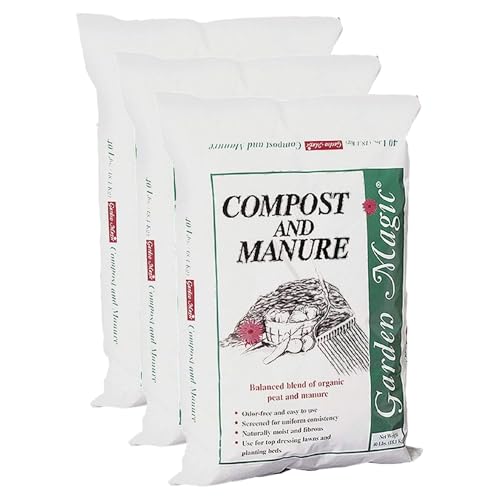

Use simple tools to clear, screen, and rebuild the bed before anything is planted. Fresh compost and topsoil do the heavy lifting when old soil has lost structure or depth. For in-ground beds, many extension guides recommend adding compost in the top few inches rather than treating it like a deep fill material.1
- Shovel or spade
- Rake
- Gloves
- Soil screen or 1/2-inch hardware cloth
- Compost
- Topsoil
- Mulch
- Rough gravel for the house-side strip
- Hose or watering can for settling the soil
Can you reuse old soil?

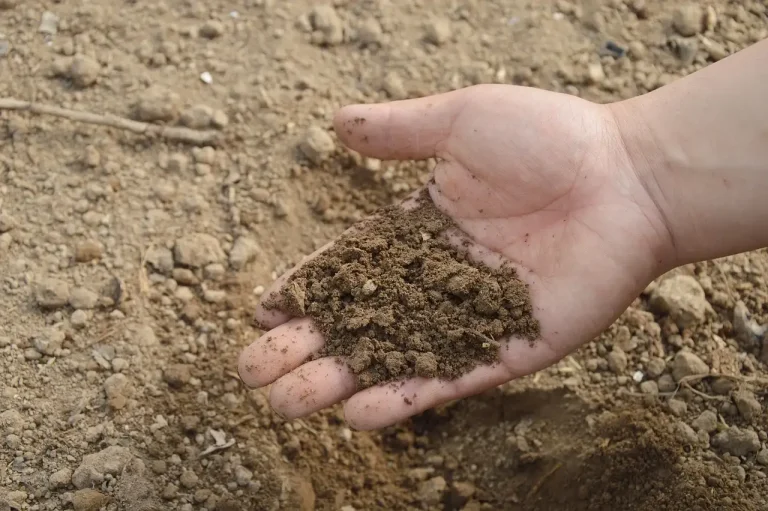
Yes, if the soil still drains, breaks apart with light pressure, and shows no signs of pests, disease, or chemical residue. No, if it stays waterlogged, repels water, smells sour, feels packed solid, or came from a bed with disease, invasive weeds, or herbicide injury.
Old soil often loses air space, organic matter, and nutrients over time. That is why a bed may look full but still fail to support roots. Healthy soil is living material with minerals, fungi, bacteria, mycorrhizae, insects, and microorganisms. If that structure is gone, amendment or replacement is the safer move.
Use this yes/no rule
- Dig a handful of soil and squeeze it.
- Drop the clump from waist height.
- If it crumbles and drains, keep going; if it stays brick-hard or greasy, plan to replace or heavily amend.
- Check for roots, grubs, fungal growth, odor, salt crust, and weed seeds.
- If any contamination is present, do not reuse it without removal or isolation.
Check drainage, pests, and contamination
Drainage matters first because beds must move water away from the house. Soil that holds water too long can drown roots and keep foundations wet. A practical drainage trigger is standing water that remains after 12 to 24 hours; if water is still there, the bed usually needs regrading, loosening, or a different planting plan.2
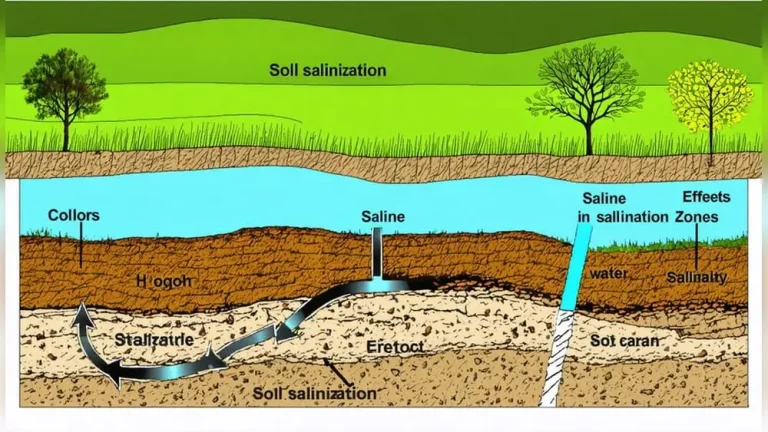
Look for root fragments, white salt crust, fungal mats, soft black areas, and weeds that already set seed. If the old bed had a disease problem, reuse only after removing all roots and debris and blending in fresh material. If the bed had invasive weeds, treat the soil as suspect until screened.
How do you prepare old soil?
Clear the bed down to workable soil, then screen out debris before you amend it. The goal is to restore structure, not to bury problems under a fresh surface. A clean base lets how compost should contact existing landscape soil evenly.
Remove weeds, roots, and debris
- Pull visible weeds by the crown.
- Lift out old roots, sticks, stones, and mulch clumps.
- Remove any soil that smells sour, looks moldy, or holds standing water.
- Sort out trash, fabric scraps, and dense clay clods.
Break up clods and screen the soil
- Spread the soil in a shallow layer.
- Break clods with a spade or rake.
- Run the soil through a screen if it is lumpy, root-filled, or weed-seeded.
- Keep only loose soil that passes through cleanly.
Test structure, moisture, and drainage
A simple drainage check helps before planting. Fill a hole with water and see whether it clears in a reasonable amount of time. If the hole still holds water after 12 to 24 hours, the bed likely needs regrading, more topsoil, or a different planting plan.2
Say your 8-by-4-foot bed still looks usable, but a shovel turns up tight clay and old roots. That soil can often be reused after screening and amendment. If the same bed also smells sour after rain, replacement becomes the better choice.
How do you amend it for planting?
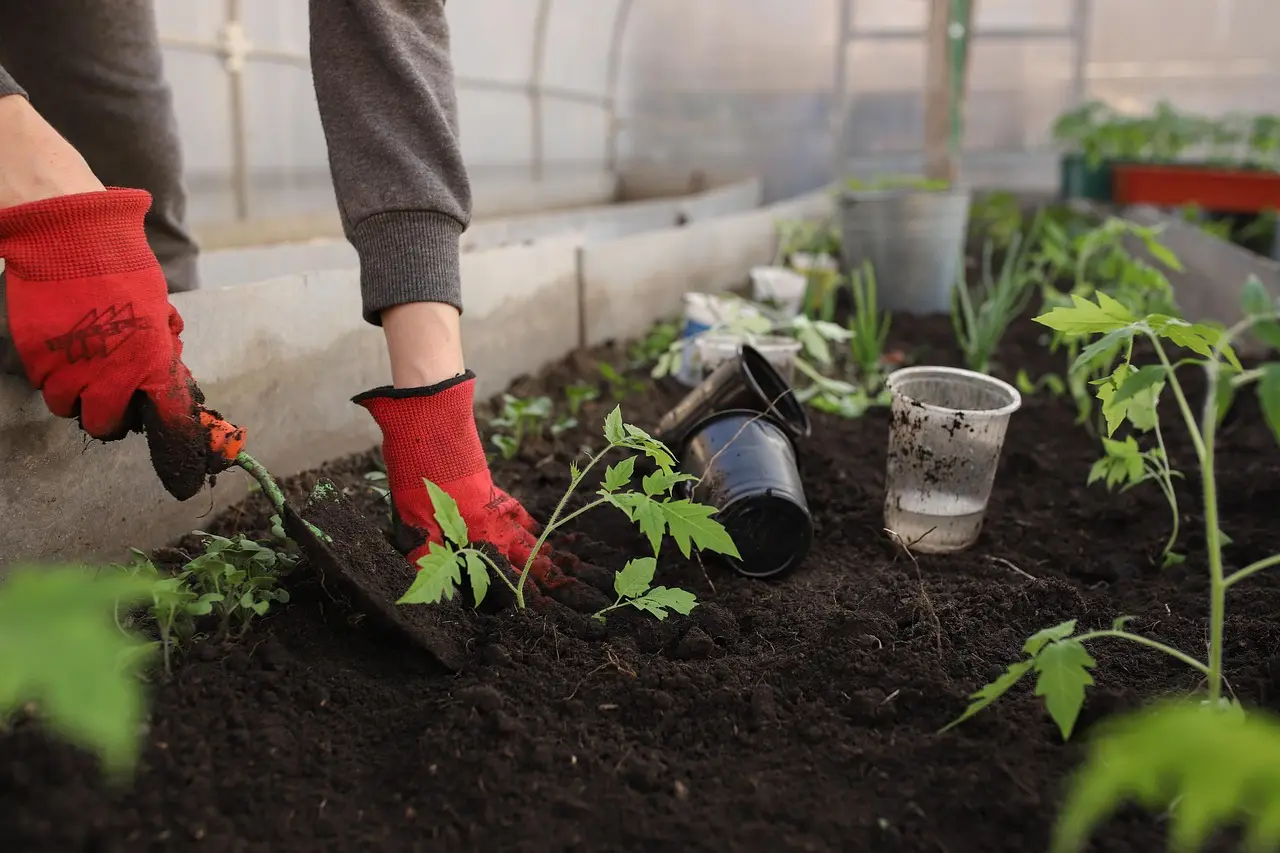
Blend compost into tired soil, add topsoil where the grade is low, and shape the bed so water moves away from the home. Starting a new bed is the time to improve the soil before planting, not after plants are already stressed. As a rule of thumb, many extension sources recommend incorporating about 1 to 2 inches of compost into the top 6 to 8 inches of soil rather than layering thickly on top.
Blend compost into tired soil
- Mix compost through the top layer of workable soil.
- Use compost to rebuild organic matter and support healthy soil biology.
- Turn the mix evenly so roots will not hit a sharp boundary between old and new material.
Add topsoil where grade or depth is low
- Add topsoil as needed to create depth for roots and to shape drainage away from the home.
- Use it to fill low spots before planting.
- Rake the surface so water sheds away from walls and toward the bed edge.
Leave clearance around weep holes
- Keep soil below weep holes and do not bury siding or foundation vents.
- Leave a 12-inch space of rough gravel next to the house for drainage and maintenance in foundation beds.
- Use rough gravel only in that house-side strip; do not mix it through planting soil.
Set plants by mature size
Plant shrubs no closer to a wall than their mature height. That spacing keeps foliage from trapping moisture against the house and gives the plant room to reach full size without constant pruning. Choose native plants when the site suits them, since they fit the region, usually live longer, and often need less water.
Old soil reuse table
This table gives a practical reuse, blend, or replace decision for common soil conditions. Use the measurable triggers to decide quickly: standing water after 12 to 24 hours, visible salt crust, heavy weed pressure, or root-filled container mix. If the condition is borderline, blend with fresh material; if contamination or chronic drainage failure is present, replace the worst soil first.
| Soil condition | Action | Amendment rate |
|---|---|---|
| Healthy leftover soil | Reuse after screening debris and breaking clods | Blend in about 1 to 2 inches of compost over the top 6 to 8 inches of soil; use this as a rule of thumb, not a fixed prescription. |
| Compacted soil | Blend if it loosens after screening; replace if it stays dense or stays wet after 12 to 24 hours | Mix about 1 part compost to 2 parts old soil, then add 1 to 2 inches of topsoil where needed to restore grade. |
| Weed-seed-heavy soil | Blend only if manageable; replace the worst section if weeds are emerging across much of the bed | Reuse only the screened fraction if weed pressure is light to moderate; if roughly a third or more of the soil is seed-heavy, discard or isolate that portion and cap with 2 inches of fresh topsoil. |
| Disease-prone soil | Replace if the same crop failed there or if symptoms returned after cleanup | Remove the top 6 to 12 inches in the affected zone, or blend in no more than about half old soil with fresh material only if the disease issue was minor and isolated. |
| Nutrient-poor soil | Reuse after rebuilding organic matter | Add 2 inches of compost and mix it into the top layer; top off with 1 inch of topsoil if the bed is shallow or uneven. |
| Foundation-bed soil | Reuse only if drainage is corrected first | Keep the 12-inch gravel strip next to the house clear, keep soil below weep holes, and use topsoil only to grade away from the foundation. |
How much topsoil do you need for a new bed? Use enough to create a level planting depth and a gentle slope away from the house. A simple way to estimate is to calculate bed length by width by desired depth, then subtract the soil already on site. Add only what is needed to correct grade and root depth, not a full layer everywhere.
Common mistakes
These errors cause most failures after reuse. Avoid them before you plant, because fixing them later means disturbing roots and reworking the bed.
- Using contaminated soil — if the bed had disease, herbicide residue, or invasive weed seeds, do not reuse it without screening and removal.
- Skipping drainage and grading — soil must move water away from the home, not toward the wall or under the foundation line.
- Skipping mulch after planting — spread mulch in a 3-inch layer to protect exposed soil and slow surface drying.
- Planting too close to a wall — match plant placement to mature size, especially for shrubs near foundations.
- Using container soil as if it were in-ground soil — potting mix breaks down differently and should be treated as a separate case.
Picture a front bed that slopes toward the house after rain. Even good soil will fail there if you skip regrading. Add topsoil to build the bed surface away from the wall, then keep the gravel strip clear and finish with mulch.
Frequently asked questions
How do you reuse old garden soil in a new bed?
Screen out roots and debris, then mix compost into the upper layer and top up low spots with topsoil. Shape the bed so water drains away from the house. Finish with mulch and plant according to mature size and site conditions.
How do you revitalize old garden soil before planting?
Break up clods, remove debris, and add compost to restore organic matter. If the bed is shallow or uneven, add topsoil before planting. Water the bed after shaping it so the soil settles before roots go in.
What should you do with old soil before reusing it?
Inspect it for pests, disease, salt crust, and sour odor, then screen out roots and weeds. Test drainage in a hole before you plant. If the bed is near a foundation, keep soil away from weep holes and maintain the 12-inch gravel strip.
Can I reuse soil from last year in a bed?
Yes, if nothing failed in that bed and the soil still drains well. Reuse gets less safe when the bed had insects, fungal problems, or aggressive weeds. Add compost or topsoil only after you clear the old material and correct the grade.
How do you reuse soil in container gardens?
Do not treat potting mix like in-ground soil. Remove roots, refresh the mix with new potting medium, and replace any soil that feels dense, sour, or crusted. Container soil usually needs a stronger reset because it loses structure faster than bed soil.
How much topsoil do I need for a new bed?
Use enough to meet root depth needs and build drainage away from the home. A new bed often needs added topsoil where the existing grade is low, especially near structures. After planting, water to settle the mix and then cover it with mulch.
How do you replenish soil in a raised bed?
Remove spent roots and debris, then top up the bed with compost and fresh soil until the surface is back at the needed depth. Raised beds often lose volume each season, so replenishment is usually a blend-and-top-off job rather than a full replacement. If the mix stays wet after 12 to 24 hours, improve drainage or replace the worst section first.
How do you rejuvenate raised bed soil?
Break apart compacted material, remove roots, and mix in compost to restore organic matter and texture. If the bed is low, add fresh soil to restore depth; if it is salty, sour, or root-bound, replace the worst layer instead of endlessly amending it. A 1 to 2 inch compost refresh is a common rule of thumb for garden beds.