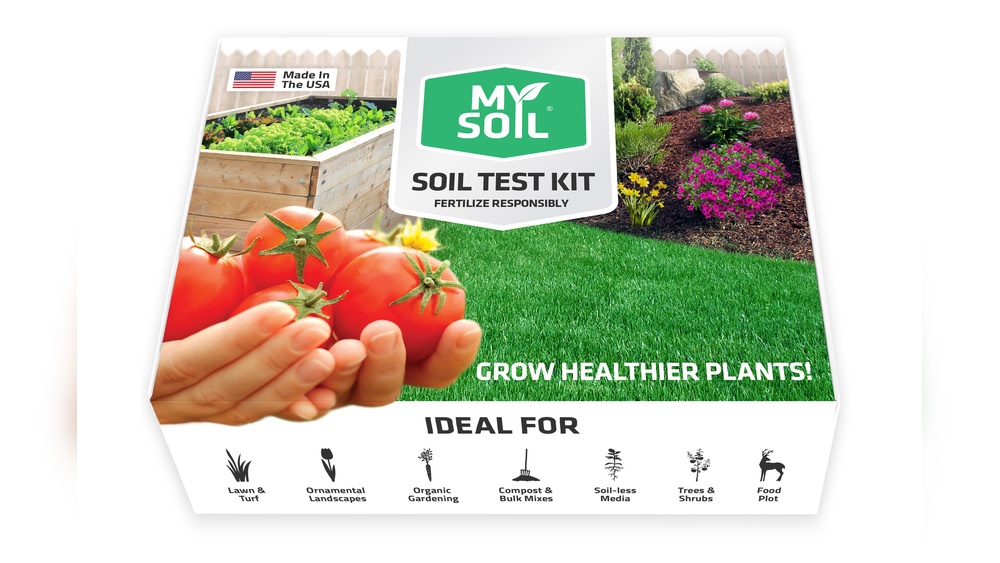
Why Do Lawn Care Services Offer Free Soil Test Kits?
For homeowners and property managers, a lush, green lawn is more than just a patch of grass—it’s a point of pride, a place for recreation, and often a significant investment. Yet, achieving and maintaining that perfect turf requires more than regular mowing or watering. The secret often lies beneath the surface, in the very soil that nourishes every blade of grass. In recent years, many professional lawn care services have begun offering free soil test kits to their clients and prospects. This trend may seem like a generous gesture or even a marketing gimmick at first glance, but the reasons behind it are deeply rooted in both science and business.
Soil health is the foundation of a vibrant lawn, and understanding the unique properties of each client’s soil enables lawn care providers to tailor their services for maximum impact. By providing free soil test kits, these companies not only empower homeowners with valuable insights but also set themselves apart in a competitive market.
But what motivates lawn care services to invest in these kits, and what benefits do both the provider and the consumer gain? This article explores the multi-layered rationale behind the practice, supported by data, real-world examples, and expert insights.
Key Takeaways
- Free soil test kits help lawn care services deliver customized, effective treatments tailored to each lawn’s unique needs.
- Offering complimentary testing builds trust and establishes a consultative relationship with clients, improving customer retention.
- Accurate soil analysis reduces waste and environmental impact by preventing the overuse of fertilizers and chemicals.
- This strategy serves as a powerful marketing tool, setting companies apart from competitors and generating qualified leads.
- Homeowners benefit from better lawn outcomes and cost savings by addressing soil issues early.
- Free soil tests are grounded in agronomic science and reflect industry best practices.
The Science Behind Soil Testing
What Is A Soil Test And Why Does It Matter?
A soil test is a scientific analysis of a soil sample that determines its composition, including pH, nutrient levels (such as nitrogen, phosphorus, and potassium), organic matter, and sometimes contaminants or texture. The primary goal is to provide an accurate assessment of the soil’s health and fertility, which directly influences grass growth and overall lawn vitality.
Key elements measured in most soil tests include:
- Soil pH: Indicates acidity or alkalinity, which affects nutrient availability.
- Macronutrients: Nitrogen (N), phosphorus (P), and potassium (K) are crucial for healthy plant growth.
- Micronutrients: Elements like iron, zinc, and copper, needed in smaller quantities.
- Organic Matter Content: Impacts soil structure and moisture retention.
Without this baseline data, even the most experienced lawn care provider is effectively “working blind,” risking over-fertilization, under-treatment, or misdiagnosis of common lawn problems. The absence of soil testing can also result in wasted resources, as well as potential damage to the lawn from incorrect chemical applications.
Additionally, soil testing can reveal the presence of contaminants or excessive salt levels that may inhibit plant growth. For instance, in regions with heavy road salt use during winter, lawns can accumulate high salt concentrations, leading to poor grass health unless properly addressed.
Soil tests are also critical when establishing new lawns, as they help inform initial fertilization and amendment strategies that set the stage for years of healthy growth.
How Soil Test Results Influence Lawn Care Strategies
The results from a soil test allow professionals to create customized treatment plans. For example, a lawn with low nitrogen but high phosphorus and potassium would require a different fertilizer blend than one with balanced macronutrients. Similarly, a lawn suffering from acidic soil (low pH) may benefit from lime application, while alkaline soils might need sulfur-based amendments.
Soil test results can also influence other aspects of care, such as irrigation schedules. Soils high in clay may retain water and require less frequent irrigation, while sandy soils may need more frequent watering. By understanding the composition and nutrient profile, lawn care professionals can tailor not just fertilization, but also aeration, overseeding, and pest management strategies to suit the lawn’s unique conditions.
Case Example:
A 2026 study by the University of Minnesota Extension found that lawns receiving fertilization based on soil test results exhibited 30% higher turf density and 20% fewer weed infestations compared to those treated with generic fertilizer schedules (University of Minnesota Extension). This demonstrates the tangible benefits of a science-backed, data-driven approach.
The Link Between Soil Health And Lawn Appearance
Healthy soil supports robust root development, disease resistance, and efficient water use. Poor soil, on the other hand, can lead to:
- Thinning or patchy grass
- Increased susceptibility to pests and diseases
- Poor drainage or compacted areas
- Excessive weed growth
Healthy soil serves as the backbone for all above-ground growth. For example, lawns with high organic matter can better withstand droughts and recover from heavy foot traffic, while those with nutrient imbalances may exhibit yellowing, stunted growth, or bare patches.
In extreme cases, poor soil can even lead to the complete failure of new turf installations, costing homeowners significant time and money in replanting and repairs.
Lawn care services know that addressing soil deficiencies is the most reliable path to long-term lawn success. They also recognize that even visually healthy lawns can hide sub-surface problems that, left unchecked, may result in future decline.
Environmental Implications Of Informed Lawn Care
Fertilizer runoff is a leading cause of waterway pollution in the United States. When fertilizer is applied without regard to soil nutrient levels, the excess can wash into local streams and rivers, causing algae blooms and harming aquatic ecosystems. By using soil tests to tailor applications, lawn care companies can:
- Minimize chemical use
- Protect local environments
- Comply with municipal and state regulations
This science-driven approach is not only better for the lawn but also for the planet. Soil testing also supports pollinator health by reducing unnecessary pesticide use, helping to preserve bees, butterflies, and other beneficial insects. Many municipalities are increasing their scrutiny of residential fertilizer use, making informed, responsible application a necessity for both compliance and environmental stewardship.
Why Lawn Care Services Invest In Free Soil Test Kits
Building Trust And Establishing Authority
Offering a free soil test kit signals to homeowners that a company values transparency and expertise. Instead of pushing generic products or services, the lawn care provider demonstrates a willingness to diagnose before prescribing. This consultative approach enhances the company’s reputation as an expert and a trusted advisor, rather than just a vendor.
By involving homeowners in the diagnostic process, providers build a collaborative relationship. Clients are more likely to follow recommendations when they understand the reasoning behind them and feel included in the solution. This trust translates into higher satisfaction and a stronger likelihood of repeat business and referrals.
Differentiating In A Competitive Market
The lawn care industry is crowded, with both national chains and local providers competing for business. Free soil test kits serve as a unique selling proposition (USP), setting forward-thinking companies apart. By advertising this service, businesses attract attention from discerning customers who value science-based solutions.
Moreover, companies that offer free soil testing are often viewed as more credible, as they demonstrate an investment in customer success rather than just making a sale. This differentiation is especially important in markets where “one-size-fits-all” competitors dominate, and where consumers are increasingly skeptical of aggressive sales tactics.
Comparison Table: Value Propositions of Lawn Care Services
| Service Feature | Traditional Lawn Care | Lawn Care with Free Soil Test |
|---|---|---|
| Customization | Generic treatment plans | Personalized based on soil data |
| Customer Trust | Moderate | High (consultative) |
| Environmental Impact | Potential overuse of chemicals | Reduced fertilizer runoff |
| Market Differentiation | Low | Strong USP |
| Lead Generation | Standard | Enhanced by free offer |
Generating Qualified Leads
From a marketing perspective, free soil test kits are highly effective for generating qualified leads. Homeowners who request a kit are already invested in lawn improvement and are more likely to purchase additional services. The act of collecting a soil sample also creates a natural follow-up opportunity for the provider.
This lead generation strategy is more targeted and valuable than broad-based advertising. Because only motivated homeowners will request and use a soil test, the resulting list of prospects is highly qualified. Companies can leverage this data to recommend relevant services, upsell premium packages, and time future marketing campaigns around seasonal lawn needs.
Enhancing Customer Retention
When homeowners see visible improvement in their lawns due to data-driven recommendations, their satisfaction and loyalty increase. Companies that invest in soil testing often report higher customer retention rates and more positive online reviews.
Example:
A major lawn care franchise, after introducing complimentary soil testing, saw a 15% increase in first-year customer renewals and a 10% rise in positive feedback on review platforms. Additionally, customers reported a greater sense of partnership with their provider, noting that they felt their unique situation was understood and addressed.
By establishing a baseline with soil testing, lawn care companies can track progress over time, reinforcing the value of their services and further solidifying long-term relationships.
How Free Soil Test Kits Work
Step-by-step Process For Homeowners
- Requesting a Kit: Homeowners fill out a form online or call the company.
- Receiving the Kit: The kit usually contains a soil collection bag, instructions, and a prepaid return envelope.
- Collecting a Sample: The homeowner follows simple instructions to collect soil from several lawn areas.
- Mailing the Sample: The sample is sent to a certified lab for analysis.
- Receiving Results: Both the homeowner and the lawn care provider receive a detailed report, typically within 1-2 weeks.
This straightforward process demystifies soil testing for the average homeowner, making it easy to participate and increasing engagement with the provider. Some companies even offer video guides or customer support hotlines to ensure accurate sample collection.
Types Of Soil Tests Offered
Most free kits focus on the basics: pH and major nutrients. Some advanced kits may also include:
- Soil texture analysis
- Organic matter measurement
- Soluble salts detection
Advanced kits may also assess soil compaction levels or the presence of heavy metals, which can be important in urban environments or areas with industrial history. Some providers even offer digital dashboards where homeowners can track their soil health over time and receive reminders for retesting.
Comparison Table: Types of Soil Tests in Lawn Care Kits
| Test Parameter | Standard Kit | Advanced Kit |
|---|---|---|
| pH Level | ✔️ | ✔️ |
| Nitrogen (N) | ✔️ | ✔️ |
| Phosphorus (P) | ✔️ | ✔️ |
| Potassium (K) | ✔️ | ✔️ |
| Micronutrients | ❌ | ✔️ |
| Soil Texture | ❌ | ✔️ |
| Organic Matter | ❌ | ✔️ |
How Providers Use The Data
After receiving the lab results, the lawn care expert will:
- Interpret the findings for the homeowner
- Recommend specific treatments (fertilizer blends, lime, aeration, etc.)
- Provide a schedule for future soil testing (usually every 2-3 years)
Providers may also use aggregated data to identify trends across neighborhoods or regions, helping them anticipate common problems and proactively update their service offerings.
Common Findings And Their Solutions
Soil test results often reveal issues such as:
- Low pH: Recommend lime application
- High pH: Apply sulfur or iron sulfate
- Nitrogen deficiency: Use a nitrogen-rich fertilizer
- Phosphorus excess: Reduce phosphorus inputs, apply only nitrogen and potassium fertilizers
In some cases, tests uncover more unusual issues, such as heavy clay soils requiring aeration or sandy soils needing organic matter to improve water retention. Providers can also identify compaction problems that may require mechanical aeration—a service often overlooked without soil testing data.
By addressing these issues, companies ensure healthier, greener lawns and can demonstrate measurable improvements to clients, reinforcing their value proposition.
The Business Value For Lawn Care Providers
Increased Upselling And Cross-selling Opportunities
When a provider has hard data about a client’s soil, they can offer targeted services with confidence. For example, if the test shows poor drainage, they might recommend core aeration. If there’s a micronutrient deficiency, they can offer specialty treatments or organic amendments.
This approach also opens the door for add-on services such as overseeding, soil conditioning, or even pest and disease management, all backed by science. As a result, companies can increase their average revenue per customer while also improving satisfaction.
Lower Operational Costs And Higher Efficiency
By applying only what is needed, companies reduce waste and lower their product costs. Fewer callbacks and repeat treatments are needed, improving technician productivity.
Data Point:
A survey by the National Association of Landscape Professionals found that companies utilizing soil test data reduced their average fertilizer use by 25%, saving thousands of dollars annually (National Association of Landscape Professionals).
Over time, these savings can be reinvested in training, equipment, or expanding service offerings, further strengthening the provider’s market position. Reduced waste also aligns with growing consumer demand for environmentally responsible business practices.
Improved Customer Satisfaction Metrics
Customers are more likely to refer friends and leave positive reviews when they see visible, lasting improvement. This boosts a company’s Net Promoter Score (NPS) and can drive organic growth.
Case Study:
A regional lawn care provider in Ohio reported a 35% increase in referral business after adding complimentary soil testing to their new customer onboarding process.
The ability to show before-and-after results based on scientific data also enhances credibility and makes it easier to communicate value during sales presentations or renewal discussions.
Compliance With Local And State Regulations
Many states are tightening restrictions on fertilizer applications to combat water pollution. By using soil tests, providers can show compliance and avoid fines or negative publicity.
Example:
In Florida, state law requires soil testing before phosphorus applications on lawns. Lawn care companies offering free kits can ensure both compliance and customer education (University of Florida IFAS Extension).
This proactive stance on regulation positions companies as responsible stewards of the environment and can be a differentiator in competitive bids for commercial or municipal contracts.
Environmental And Community Benefits
Reducing Chemical Runoff And Protecting Waterways
When lawn treatments are based on soil needs, fewer excess nutrients enter the environment. This is critical for protecting local lakes, rivers, and drinking water supplies.
Data Point:
According to the U.S. Environmental Protection Agency, nutrient pollution from residential lawns is a significant contributor to harmful algal blooms, which cost the economy millions annually (EPA).
Soil testing helps homeowners and providers act as good environmental stewards, contributing to cleaner communities and healthier local ecosystems.
Promoting Biodiversity And Soil Health
Healthy, well-balanced soils support beneficial organisms such as earthworms and microbes, leading to more resilient lawns and less reliance on chemical pesticides.
Rich soil biodiversity fosters natural pest control and improves nutrient cycling, reducing the need for synthetic interventions. This, in turn, benefits pollinators and wildlife, creating a more vibrant landscape.
Educating Homeowners And Raising Awareness
By involving homeowners in the soil testing process, companies foster greater awareness about sustainable lawn care. Many providers include educational materials with the test results, empowering clients to make environmentally responsible decisions.
This educational component builds community knowledge, encouraging practices such as composting, mulching, and responsible watering that further enhance lawn and soil health.
Supporting Local Community Initiatives
Some companies partner with local environmental groups or water authorities, using aggregated soil test data to identify broader trends and recommend best practices for the community.
Example:
A California lawn service collaborated with a regional water district to offer free soil testing during a drought, helping homeowners reduce water use and select drought-tolerant grass species (California Water Service).
Such partnerships create positive public relations, build trust with local stakeholders, and support larger conservation goals that benefit the entire community.
Homeowner Benefits: Why A Free Soil Test Is A Win
Cost Savings Over Time
A free soil test can prevent unnecessary spending on fertilizers, soil amendments, or pesticides that aren’t needed. By addressing only the actual deficiencies, homeowners see more effective results for less money.
Over the years, these savings can add up, reducing the cost of lawn care and minimizing the risk of expensive repairs caused by avoidable soil problems.
Improved Lawn Outcomes
A lawn treated according to its unique soil profile is more likely to be green, dense, and weed-free. These improvements are visible and long-lasting, increasing property value and curb appeal.
A healthy lawn also requires less water and fewer interventions, making it easier and less expensive to maintain year-round.
Early Detection Of Problems
Soil tests can reveal underlying problems—such as soil compaction, salinity, or contamination—before they become visible issues. Early intervention prevents costly repairs down the line.
For example, identifying a pH imbalance early can prevent years of poor turf performance, while detecting compaction can prompt timely aeration that saves the lawn from long-term decline.
Increased Confidence In Lawn Care Decisions
Armed with scientific data, homeowners can make informed choices about:
- Fertilizer types and schedules
- Irrigation practices
- Grass seed selection
- Pest and disease management
This confidence leads to greater satisfaction and a more proactive approach to lawn care, empowering homeowners to take control of their outdoor spaces.
Personalized Service And Ongoing Support
Lawn care companies that provide free soil tests often follow up with personalized recommendations and ongoing check-ins, creating a positive customer experience.
Testimonial Example:
“After using the free soil test kit from our lawn service, we finally understood why our grass was struggling. Their recommendations made a real difference, and we’ve never been happier with our lawn. ” — Sarah T. , Maryland
This ongoing support fosters a sense of partnership and ensures that the lawn remains healthy season after season.
Case Studies: Real-world Impact Of Free Soil Test Programs
Case Study 1: Suburban Homeowner Turns Lawn Around
John, a homeowner in Illinois, had struggled with patchy grass and persistent weeds despite regular fertilization. After receiving a free soil test kit from his provider, the results showed severely acidic soil (pH 5. 2). With targeted lime applications and a revised fertilizer plan, his lawn transformed within one season, becoming thicker and greener.
John’s experience underscores how a simple soil test can end years of frustration and wasted money. By following science-based recommendations, he achieved visible, lasting improvements.
Case Study 2: Hoa Reduces Maintenance Costs
A homeowners’ association (HOA) managing 50 properties opted for a bulk soil test program with their contracted lawn service. The data revealed widespread potassium deficiencies. By addressing this issue, the HOA cut its annual lawn care spending by 18% and received fewer complaints from residents about lawn quality.
This example illustrates how soil testing can deliver cost savings and improve satisfaction at scale, benefiting entire communities.
Case Study 3: Commercial Property Achieves Leed Certification
A commercial property management company in Texas needed to meet sustainability criteria for LEED certification. Free soil tests from their lawn care partner allowed them to reduce fertilizer use by 40%, document environmental stewardship, and earn additional points toward certification (U.S. Green Building Council).
This case demonstrates how soil testing supports broader sustainability goals and compliance with industry standards, adding value far beyond aesthetic improvements.
The Future Of Lawn Care: Data-driven And Sustainable
Emerging Technologies In Soil Testing
New soil testing technologies, such as smartphone-enabled kits and real-time sensors, are making it even easier for providers to gather accurate data. These advancements promise faster turnaround times and even more precise recommendations.
For example, digital soil sensors can now transmit moisture, pH, and nutrient data directly to service providers, enabling real-time adjustments and truly proactive lawn care. Such innovations are expected to drive even greater adoption of soil testing as a standard part of professional lawn management.
Integration With Smart Lawn Systems
As smart irrigation and lawn monitoring devices become more popular, integrating soil test data will further optimize resource use. For example, irrigation systems could adjust based on soil moisture and nutrient levels, maximizing efficiency.
This level of integration helps conserve water, reduce costs, and ensure that every application—fertilizer, water, or amendment—is precisely timed and dosed for optimal results.
Industry Trends Toward Personalization
Consumers increasingly expect personalized service. Free soil test kits are just one part of a broader shift toward customized, science-based lawn care.
Data Point:
A 2026 survey by the National Association of Realtors found that 65% of homeowners prefer lawn care services that use soil testing and data analytics over those that don’t (National Association of Realtors).
Providers who embrace this trend will be better positioned to meet evolving customer expectations and differentiate themselves in a crowded market.
Regulatory Pressures And Environmental Stewardship
With growing attention to environmental impacts, companies that proactively use soil testing position themselves ahead of regulatory changes and public expectations. This will be crucial for long-term business sustainability.
As regulations continue to evolve, companies already leveraging soil testing will adapt more easily and avoid costly penalties, while also building goodwill with environmentally conscious consumers and local authorities.
Frequently Asked Questions
Why Do Lawn Care Services Offer Free Soil Test Kits Instead Of Charging For Them?
Offering a free soil test kit is a strategic decision for most lawn care providers. It helps them attract new customers, build trust, and demonstrate their expertise. The cost of the kit is often offset by increased customer acquisition, higher retention rates, and additional service sales resulting from the test findings.
Over time, the investment in free testing pays dividends by generating more loyal, satisfied clients.
How Accurate Are The Results From Free Soil Test Kits?
Most reputable lawn care services partner with certified laboratories or use validated testing methods, ensuring a high degree of accuracy. However, accuracy also depends on proper sample collection by the homeowner. Detailed instructions are included to minimize errors. If questions arise, many providers offer support to guide clients through the collection process and help interpret results.
What Should I Do After Receiving My Soil Test Results?
After receiving your results, consult with your lawn care provider or an agronomy expert. They can help you interpret the data and recommend specific treatments, such as fertilizer blends, lime or sulfur applications, or organic amendments tailored to your soil’s needs.
Following these recommendations will help ensure your lawn receives precisely what it needs to thrive.
How Often Should I Test My Lawn’s Soil?
For most lawns, soil testing every 2-3 years is sufficient. However, if you’re establishing a new lawn, making significant landscaping changes, or experiencing persistent lawn problems, more frequent testing may be recommended. Regular testing helps track changes over time and ensures ongoing lawn health.
Are There Any Environmental Benefits To Using Free Soil Test Kits?
Yes. By tailoring fertilizer and amendment applications to actual soil needs, you reduce the risk of nutrient runoff, protect local waterways, and promote healthier, more resilient lawns. This approach aligns with best practices for sustainable lawn care and environmental stewardship.
A healthy, vibrant lawn begins with understanding the soil beneath it. By offering free soil test kits, lawn care services empower homeowners with actionable insights while building trust and growing their business. This simple yet powerful tool bridges the gap between science and service, leading to more beautiful lawns, happier customers, and a healthier environment for all.