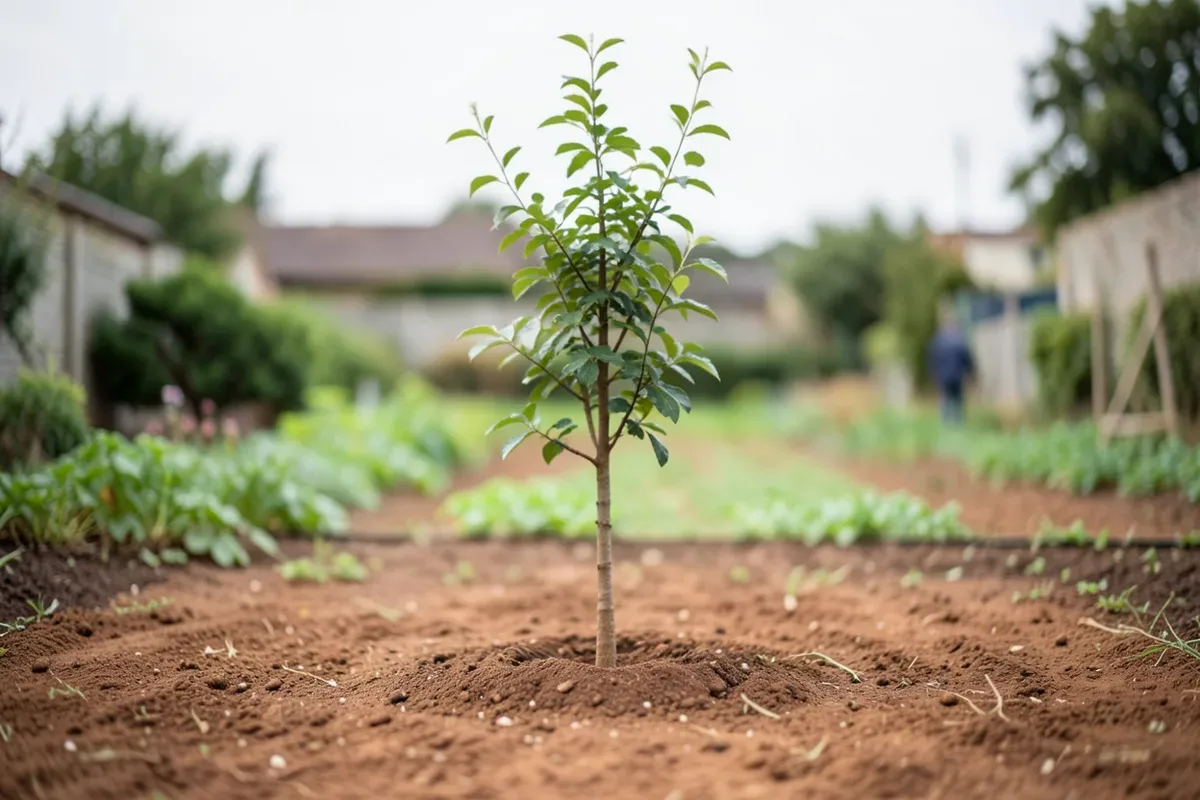
How Often to Water Newly Planted Trees in Clay Soil
Planting a tree is an investment in the environment, property value, and local ecosystem. However, the success of a newly planted tree depends heavily on proper watering practices, especially in challenging soil conditions like clay. Clay soil is infamous for its poor drainage and compaction, making watering schedules for new trees a balancing act between sufficiency and excess. If you’ve just planted a tree and discovered your yard’s soil is clay, you’re likely concerned about the right watering frequency to ensure robust growth without risking root rot.

baumbad
1 Premium Watering Bag 20 Gallons PVC…
- A SYSTEM FOR WATERING: The baumbad tree bag is an ideal watering system for trees. The water sack is placed like a jacket around t…
As an Amazon Associate I earn from qualifying purchases.
Clay soil’s unique properties mean it retains water much longer than sandy or loamy soils. This can benefit young trees by keeping roots moist but can also suffocate roots if overwatering occurs. Understanding how often to water newly planted trees in clay soil—along with how to adjust for weather, tree species, and soil amendments—can be the difference between thriving greenery and a struggling sapling.
This article delivers a complete, data-driven guide for homeowners, landscapers, and tree enthusiasts who want to get watering right from the start.
Key Takeaways
- Clay soil retains moisture longer, requiring less frequent watering than sandy or loamy soils.
- Overwatering is a common problem in clay; always check soil moisture before watering.
- Newly planted trees need deep, infrequent watering—about once every 5–7 days initially.
- Adjust watering frequency based on rainfall, temperature, and tree species.
- Using mulch and soil amendments can improve water distribution and tree health.
- Monitoring soil moisture and tree condition is essential for adapting your watering schedule.

Credit: greatplainsnursery.com
Understanding Clay Soil Characteristics
Clay soil presents both opportunities and challenges for newly planted trees. Its composition and physical properties significantly influence watering needs.
What Makes Clay Soil Unique?
Clay soil contains a high percentage of fine mineral particles—much smaller than those found in sandy or loamy soils. These particles pack tightly together, resulting in:
- High water retention
- Poor drainage
- Compaction risk
- Limited aeration
Because clay holds onto moisture, it can become waterlogged easily, particularly after heavy rains or frequent irrigation. At the same time, its compacted nature can make it difficult for water to penetrate deeply, sometimes causing shallow roots.
Clay’s tendency to clump together and form dense layers means that air and water struggle to move freely. This can limit oxygen availability to roots, which is essential for healthy tree growth. In addition, clay soil often becomes sticky when wet and hard as concrete when dry, further complicating watering efforts.
Water Movement In Clay Soil
In clay, water moves slowly both vertically and horizontally. This means that:
- Water tends to stay near the surface unless applied slowly.
- Roots may suffocate if the soil is oversaturated.
- During dry periods, clay can harden and crack, making it challenging for water to re-enter.
Because of the slow movement, it’s important to water gradually to ensure moisture reaches the deeper root zone without causing runoff or pooling. When water pools on the surface, it can create anaerobic conditions, promoting disease and discouraging root growth.
Effects On Tree Root Development
Newly planted trees in clay soil often struggle to establish roots due to limited oxygen and poor drainage. Proper watering can help:
- Encourage deep root growth
- Prevent root rot
- Support nutrient uptake
When the soil is too wet, roots may rot or fail to expand. When it’s too dry, roots may remain near the surface and not penetrate deeply, leaving the tree vulnerable to drought stress. Balancing soil moisture is critical for encouraging roots to grow deep enough to support the tree’s long-term health and stability.
Data Table: Water Retention Comparison
| Soil Type | Water Retention | Drainage Speed | Recommended Watering Frequency (New Trees) |
|---|---|---|---|
| Clay | High | Slow | Every 5–7 days |
| Loam | Moderate | Medium | Every 3–5 days |
| Sandy | Low | Fast | Every 2–3 days |
In addition to water retention, clay soil often has higher cation exchange capacity, meaning it can hold onto nutrients more effectively than sand. However, these nutrients may not be accessible to roots if the soil is too dense or waterlogged, so proper watering and soil management are key.
Watering Newly Planted Trees In Clay Soil: Best Practices
Getting watering right for new trees in clay soil means understanding both the tree’s needs and the soil’s limitations.
Initial Watering After Planting
Immediately after planting, water deeply to settle the soil around the roots and eliminate air pockets. The goal is to moisten the root ball and the surrounding soil to a depth of 12–18 inches.
- Use 5–10 gallons of water for a small sapling (1–2 inches trunk diameter).
- For larger trees, increase volume proportionally.
It’s important to water slowly, allowing water to soak in rather than run off. For example, watering in intervals—applying half the volume, waiting 15–20 minutes, then applying the rest—can help prevent runoff and ensure thorough soaking. This initial watering helps anchor the tree and gives roots access to moisture as they begin to expand into the native clay soil.
Weekly Watering Schedule
During the first few weeks, newly planted trees require consistent moisture. In clay soil, the recommended frequency is once every 5–7 days.
- Allow soil to dry slightly between waterings.
- Avoid shallow, frequent watering—this encourages weak surface roots.
Deep watering encourages roots to grow downward, making the tree more resilient during periods of drought. If you’re unsure about moisture levels, use a soil probe or dig down 4–6 inches to check. The soil should feel damp but not soggy.
Signs Of Overwatering And Underwatering
Monitor the tree and soil for signs of improper watering:
- Overwatering: Wilting leaves, yellowing, soggy soil, root rot.
- Underwatering: Dry, cracked soil, drooping leaves, slow growth.
If leaves are wilting but the soil is wet, it is likely an overwatering issue. If leaves are drooping and the soil is dry, underwatering is the culprit. Some trees may show subtle signs, such as leaf edges browning or new growth stalling.
Regularly checking soil moisture and observing tree health will help you catch problems early.
Use a soil moisture meter or dig a small hole near the root ball to check moisture before watering.
Watering Technique
To avoid runoff and ensure deep penetration:
- Water slowly at the base of the tree.
- Use a soaker hose or drip irrigation for best results.
- Avoid spraying leaves—focus on the root zone.
- Mulch around the tree to reduce evaporation and moderate soil temperature.
Soaker hoses are particularly effective for clay soils, as they deliver water slowly and evenly. Drip irrigation systems can be set on timers to ensure consistency and prevent overwatering. By focusing water on the root zone, you minimize evaporation and maximize uptake.
Real-world Example: Homeowner Success Story
A homeowner in Missouri planted a red maple in heavy clay soil. By watering with a soaker hose every 6 days and checking soil moisture before each session, the tree showed healthy leaf growth and established deep roots within the first year.
Mulching with 2 inches of wood chips further stabilized moisture levels.
This example illustrates how combining proper watering frequency, technique, and mulch can help overcome the challenges of clay soil. The homeowner also avoided watering after heavy rain, preventing waterlogged conditions and supporting healthy root development.

Credit: richmondtree.com
Factors Influencing Watering Frequency
Watering schedules must be adaptable. Several variables impact how often you should water newly planted trees in clay soil.
Tree Species And Age
- Drought-tolerant species (e.g., oaks, junipers) may need less frequent watering.
- Water-loving species (e.g., willows, birches) require more careful monitoring.
- Younger trees have smaller root systems and need more attention.
Tree species have evolved different strategies for coping with moisture. For instance, oaks and pines are adapted to dry conditions and can tolerate longer periods between watering, while birches and maples need consistent moisture. Age also matters: younger trees are more vulnerable and require more attentive watering, while mature trees can draw moisture from deeper soil layers.
Weather Conditions
- Rainfall: Reduce watering after significant rain. Clay soil holds water longer.
- Temperature: Hot, dry weather may require more frequent checks, but only water if soil is dry.
- Wind: Increases evaporation, but clay soil’s retention minimizes impact.
During periods of high heat or drought, check soil moisture more frequently, but don’t automatically increase watering unless the soil is dry. Conversely, after a heavy rain, clay soil may remain saturated for days, so skipping scheduled watering is often necessary.
Wind can increase evaporation from leaf surfaces, but mulch helps reduce soil evaporation.
Soil Amendments
Adding organic matter or sand can improve clay’s drainage and aeration. Amendments like compost, peat moss, or gypsum can:
- Enhance root penetration
- Reduce compaction
- Moderate water retention
Applying amendments not only improves initial drainage but also creates a more hospitable environment for roots in the long term. For example, mixing compost into clay soil during planting increases the number of soil pores, allowing water and air to move more freely.
Gypsum helps break up clay without altering pH, making it a safe option for most soils.
Table: Impact Of Weather And Amendments On Watering Frequency
| Factor | Effect on Watering Frequency | Adjustment Recommendation |
|---|---|---|
| Heavy Rain | Decreases need | Skip next scheduled watering |
| High Heat | May increase need | Check soil moisture, water only if dry |
| Added Compost | Improves drainage | Monitor soil; may require slightly more frequent watering |
| Mulch | Reduces evaporation | May allow longer intervals between watering |
Real-world Example: Urban Landscaping Project
In Atlanta, an urban landscaping crew planted a row of dogwoods in clay-heavy soil. By amending the planting holes with compost and monitoring rainfall, they reduced watering to every 8 days, saving water and improving tree survival rates. The project was featured in the City of Atlanta sustainability report.
This example demonstrates how soil amendments and careful monitoring can optimize watering schedules and contribute to successful tree establishment even in difficult soil conditions.
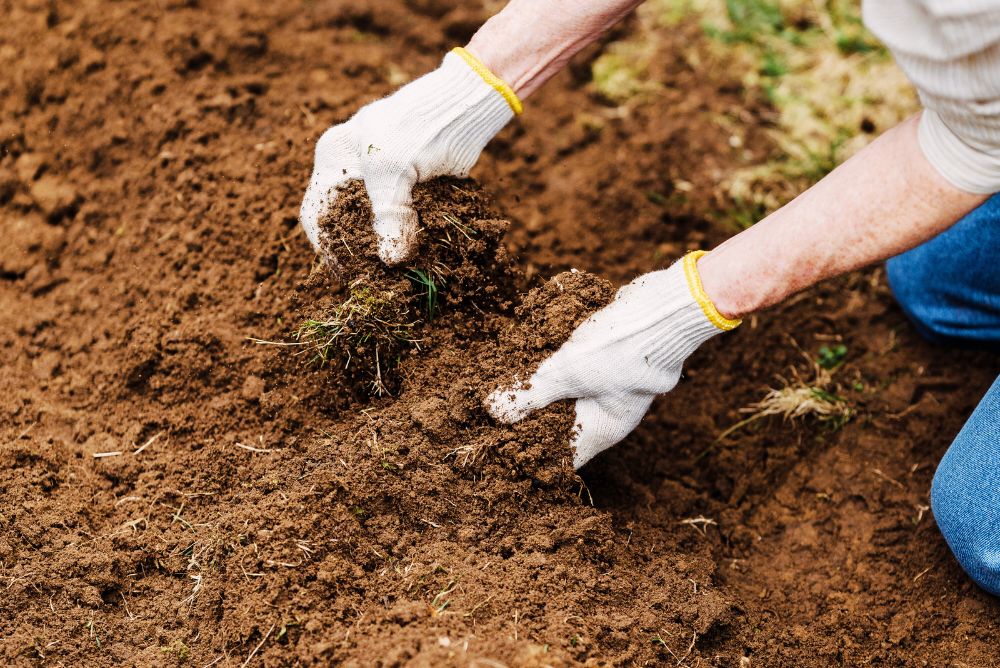
Credit: www.provenwinners.com
Monitoring Soil Moisture And Tree Health
Successful watering in clay soil is less about sticking to a strict schedule and more about responsive monitoring.
Tools For Measuring Soil Moisture
- Soil moisture meters: Provide precise readings at root depth.
- Hand test: Dig 4–6 inches down; soil should be cool and slightly moist, not wet or dry.
- Visual indicators: Cracking or pooling water signals improper watering.
Moisture meters are inexpensive and widely available at garden centers. They remove guesswork and help prevent overwatering, which is critical in clay soil. The hand test is also effective, especially for those who prefer a tactile approach.
Assessing Tree Vitality
Look for signs of healthy establishment:
- Vibrant leaf color
- Steady growth
- No wilting or yellowing
Healthy trees will produce new growth each season, and leaves will be free of spots or discoloration. If you notice abnormal leaf color, stunted growth, or dieback, revisit your watering practices and soil management.
Real-world Example: Schoolyard Tree Planting
A school in Illinois used soil moisture meters for weekly checks on newly planted elms in clay soil. By letting the soil dry to a moderate level before watering again, they achieved a 95% tree survival rate—well above the district average. The project was highlighted in a TreePeople case study.
This case shows that regular monitoring and adaptive watering are key to overcoming the challenges of clay soil.
The Role Of Mulch And Soil Amendments
Mulch and amendments can dramatically improve watering outcomes in clay soil.
Benefits Of Mulch
- Reduces evaporation
- Regulates soil temperature
- Suppresses weeds
- Improves soil structure over time
Mulch creates a buffer between the soil and the elements, conserving moisture and preventing rapid drying. It also prevents soil compaction from rainfall and foot traffic. Over time, as mulch decomposes, it adds organic material to the clay, enhancing its structure and drainage.
Apply 2–3 inches of organic mulch, keeping it 2 inches away from the trunk.
Choosing Soil Amendments
- Compost: Increases organic content and drainage.
- Gypsum: Helps break up heavy clay, enhancing root access.
- Sand: May improve drainage, but only in moderate amounts.
It’s important to avoid adding too much sand, as it can create a concrete-like texture if not properly blended. Compost and gypsum are generally safer, providing long-term benefits without drastically altering soil structure.
How To Apply Amendments
- Mix amendments with native clay during planting.
- Top-dress with compost annually.
- Monitor soil structure and adjust as needed.
For established trees, applying compost as a top-dressing and gently incorporating it into the surface with a rake can improve soil health over time. Periodic soil testing will help you determine if more amendments are needed.
Table: Mulch Vs. No Mulch For Water Retention
| Condition | Soil Moisture Retention (After 7 Days) | Tree Health Outcome |
|---|---|---|
| With Mulch | High | Healthy, vigorous growth |
| No Mulch | Moderate | Risk of water stress, slower growth |
Mulch is particularly important in clay soils, where evaporation can be rapid during hot, dry weather. The buffer provided by mulch can mean the difference between success and failure for newly planted trees.
External Resource
For more details on mulch benefits, see Arbor Day Foundation.
Adjusting Watering For Seasonal Changes
Seasonal shifts dramatically affect watering needs in clay soil.
Spring And Early Summer
- Trees actively grow, requiring consistent moisture.
- Rainfall may be frequent—reduce watering if soil is moist.
In spring, monitor rainfall and soil moisture closely. If the soil remains wet from spring showers, skip scheduled watering. As temperatures rise, evaporation increases, so check soil more often.
Late Summer And Fall
- Growth slows; less water needed.
- Watch for heatwaves, but avoid overwatering as roots prepare for dormancy.
During late summer, trees begin to slow their growth and prepare for winter. Reduce watering unless conditions are exceptionally hot and dry. In fall, roots are still active, so occasional deep watering may be beneficial, especially if rainfall is sparse.
Winter Considerations
- Most trees are dormant; watering is rarely needed unless conditions are extremely dry and unfrozen.
- Water only if soil is dry and temperatures are above freezing.
In winter, clay soil can retain moisture for weeks. Only water if there has been no precipitation for several weeks and soil is not frozen. Dormant trees require minimal water, so err on the side of caution.
Table: Recommended Watering By Season
| Season | Recommended Frequency | Notes |
|---|---|---|
| Spring | Every 5–7 days | Monitor rain, adjust as needed |
| Summer | Every 5–7 days | Check soil moisture during heat |
| Fall | Every 7–10 days | Reduce as growth slows |
| Winter | Rarely, only if dry | Water on warm days if needed |
External Resource
For seasonal watering tips, visit University of Minnesota Extension.
Troubleshooting Common Watering Problems In Clay Soil
Even with careful planning, problems can arise when watering trees in clay soil.
Overwatering Issues
- Roots can suffocate from lack of oxygen.
- Fungal diseases and root rot may develop.
- Solutions: Allow soil to dry out, aerate around the root zone, reduce watering frequency.
Aeration can be achieved by gently poking holes around the root zone with a garden fork, allowing air to penetrate and water to drain more freely. If fungal diseases are present, remove affected plant material and consult an arborist for treatment.
Underwatering Problems
- Roots may not penetrate deeply if soil is too hard or dry.
- Trees may wilt or fail to thrive.
- Solutions: Water slowly and deeply, use mulch, monitor soil moisture consistently.
If the soil is hard and cracked, soak it slowly over several hours to allow water to penetrate. Mulch helps retain moisture and prevents rapid drying.
Water Runoff And Pooling
- Clay soil can cause water to pool or run off instead of penetrating.
- Solutions: Use slow watering methods (drip irrigation, soaker hose), break up compacted soil, add amendments.
If runoff is persistent, consider creating a small berm around the tree to keep water in place, or break up compacted soil with a fork before watering.
Real-world Example: Municipal Park Recovery
A municipal park in Texas faced widespread tree decline due to overwatering in clay soil. By switching to deep, infrequent watering and aerating compacted areas, park staff restored tree health within one season. The results were documented in a Texas Department of Agriculture report.
This example highlights the importance of adapting watering practices and monitoring soil conditions, even in large-scale settings.
External Resource
For troubleshooting guides, see US Forest Service.
Long-term Watering Strategies For Established Trees
As trees mature, their watering needs change. In clay soil, long-term strategies ensure sustained health.
Reduced Watering Frequency
- Established trees require less frequent watering—typically every 10–14 days during dry periods.
- Roots extend deeper, accessing more moisture.
Mature trees benefit from deep roots capable of extracting moisture from lower soil layers. Over time, reduce watering to foster independence and resilience.
Encouraging Deep Root Growth
- Deep, infrequent watering encourages roots to grow beyond the compacted topsoil.
- Avoid shallow watering at all stages.
Shallow roots are vulnerable to drought and wind. Deep watering helps anchor the tree and provides access to more nutrients.
Annual Soil Assessment
- Test soil structure and moisture annually.
- Adjust watering practices if clay becomes too compacted or shows signs of drainage improvement.
Periodic soil testing ensures that amendments and watering strategies remain effective. As organic matter builds up, you may find drainage improves and watering frequency can be reduced.
Table: Watering Needs By Tree Age
| Tree Age | Watering Frequency | Root Development |
|---|---|---|
| 0–1 years | Every 5–7 days | Establishing |
| 1–3 years | Every 7–10 days | Expanding |
| 3+ years | Every 10–14 days (if dry) | Established |
External Resource
For long-term tree care, consult Morton Arboretum.
Frequently Asked Questions
How Can I Tell If Clay Soil Is Dry Enough To Water My Tree?
Check soil moisture by digging 4–6 inches near the root zone. If the soil feels cool and slightly moist, wait. If it’s dry and crumbly, it’s time to water. A soil moisture meter provides accurate readings and is recommended for clay soils.
What Is The Best Way To Water A Newly Planted Tree In Clay Soil?
Use a soaker hose or drip irrigation to deliver water slowly and deeply. Water at the base of the tree, aiming for the root zone. Avoid spraying leaves and ensure mulch is used to regulate moisture.
Can I Use Amendments To Improve Clay Soil For My New Tree?
Yes. Incorporate compost, gypsum, or peat moss during planting to enhance drainage and aeration. Top-dress with compost annually and use mulch to further improve soil structure and reduce evaporation.
How Does Rainfall Affect Watering Frequency In Clay Soil?
Rainfall can saturate clay soil quickly. Always check soil moisture before watering after rain. You may need to skip scheduled watering if the soil remains moist for several days.
What Should I Do If My Tree Shows Signs Of Overwatering?
If leaves wilt or yellow and soil is consistently wet, stop watering and allow the soil to dry. Aerate around the root zone if possible, and review watering frequency. Consult a local arborist if symptoms persist.
Establishing newly planted trees in clay soil demands careful attention and adaptive watering strategies. By understanding clay’s unique properties, monitoring soil moisture, and using mulch and amendments, you can create an environment where young trees thrive. Deep, infrequent watering—guided by weather, tree type, and soil condition—is the foundation for long-term tree health.
Whether you’re a homeowner or landscaper, following these best practices ensures your investment in trees yields lasting benefits for years to come.
To further enhance your approach, consider ongoing education on tree care through reputable sources such as local extension offices, certified arborists, and national organizations like the Arbor Day Foundation or the Morton Arboretum. Regularly reviewing and refining your watering techniques, soil management, and monitoring practices will ensure your trees not only survive but flourish, contributing beauty, shade, and ecological benefits to your property and community for generations.
Related pick: Check today's price on Amazon