Is Dark Highly Decomposed Organic Matter Found in Soil?
Dark highly decomposed organic matter found in soil is known as humus, the stable, nutrient-rich fraction that gives fertile earth its characteristic dark color. This post explains what humus is, how it forms, and why it is critical for healthy soil and thriving plants.
Simply put, dark highly decomposed organic matter found in soil is humus—a stable compound formed from decomposed plant and animal residues. It improves soil structure, water retention, and nutrient availability, making it essential for sustainable gardening and agriculture.
Key Takeaways
- Dark highly decomposed organic matter is called humus, the final product of organic material breakdown.
- Humus boosts soil fertility by increasing nutrient-holding capacity and improving tilth.
- It forms over months to years through microbial activity and chemical processes.
- Humus differs from compost in its stability and long-term benefits.
- Adding humus-rich matter enhances soil health, reducing erosion and boosting plant yields.
What Is Dark Highly Decomposed Organic Matter in Soil?
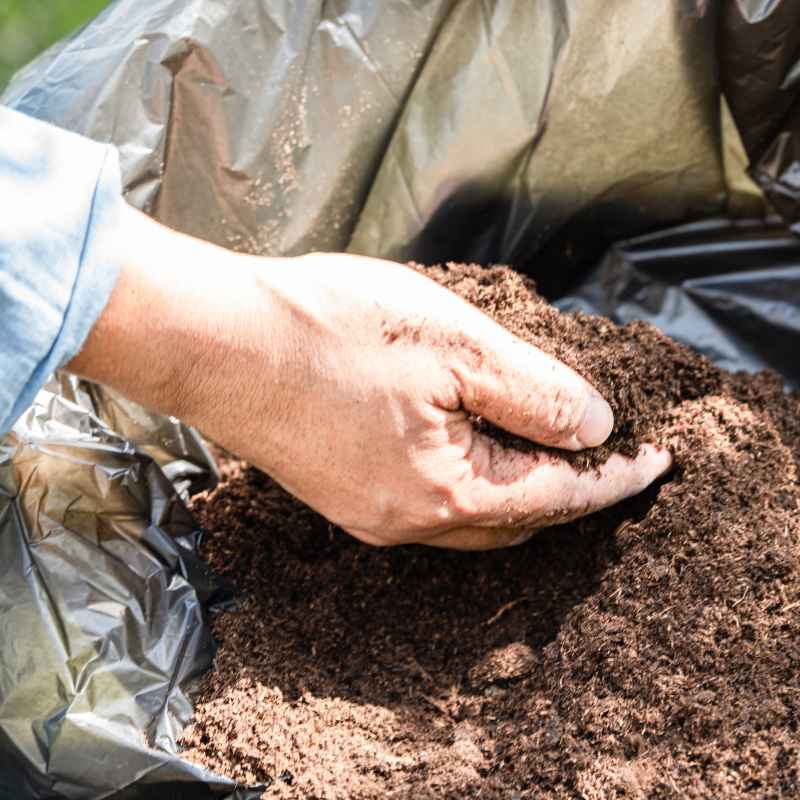
Dark highly decomposed organic matter found in soil is humus, a complex, colloidal substance that resists further decomposition. Unlike fresh organic material, humus has a stable structure that persists for decades. It is dark brown or black because of its high carbon content and the presence of decomposed lignin.
Humus makes up only 5–10% of most soils by volume, yet it has a huge impact on fertility. It acts like a sponge, holding up to 90% of its weight in water, and binds essential nutrients like nitrogen, phosphorus, and potassium. This prevents leaching and makes them available to plants over time.
- Humus is formed from plant residues, animal manure, and dead organisms.
- It has a high cation exchange capacity (CEC), meaning it holds positive ions like calcium and magnesium.
- Humus improves soil aeration by creating aggregates between soil particles.
- It buffers soil pH, helping maintain optimal conditions for plant growth.
- Humus supports beneficial soil organisms, including earthworms and microbes.
| Component | Role in Soil | Decomposition Stage |
|---|---|---|
| Fresh organic matter (e.g., leaves) | Provides food for decomposers | Early |
| Partially decomposed matter (e.g., compost) | Improves structure temporarily | Middle |
| Humus | Stable, long-term fertility | Final |
According to the Soil Science Society of America, humus can persist in soil for over 100 years in optimal conditions. This stability makes it a cornerstone of sustainable soil management.
How Does Dark Highly Decomposed Organic Matter Form?
Humus forms through a process called humification, driven by microorganisms such as bacteria and fungi. These decomposers break down complex organic compounds like cellulose and lignin into simpler substances. Over time, these substances recombine into stable humic acids, fulvic acids, and humin.
The rate of humus formation depends on climate, soil type, and organic input. In tropical areas, decomposition happens quickly, so humus may not accumulate. In cooler regions, slower decay allows humus to build up.
A study from the USDA found that agricultural soils lose 30–50% of their original humus after decades of cultivation.
- Organic material (crop residues, manure) is added to soil.
- Macroorganisms like earthworms physically break it down.
- Microorganisms chemically decompose it into simpler compounds.
- Microbial activity creates humic substances through polymerization.
- Humus becomes integrated into soil aggregates, resisting further decay.
Tip: To speed up humus formation, maintain a balanced carbon-to-nitrogen ratio (25:1 to 30:1) by mixing green and brown organic matter.
Why Is Dark Highly Decomposed Organic Matter Important for Soil Health?
Humus is the backbone of fertile soil. It physically binds soil particles into aggregates, preventing compaction and erosion. This improves root penetration and water infiltration.
Chemically, it stores nutrients that would otherwise wash away, releasing them slowly as plants need them.
Biologically, humus feeds a vast network of soil life. Earthworms, nematodes, and beneficial bacteria thrive on its complex compounds. A single teaspoon of humus-rich soil can contain billions of microorganisms.
This biodiversity suppresses plant diseases and cycles nutrients efficiently.
- Humus increases water-holding capacity by up to 20% in sandy soils.
- It reduces the need for synthetic fertilizers by improving nutrient retention.
- Humus helps sequester carbon, mitigating climate change—soils store 2–3 times more carbon than the atmosphere.
- It enhances root growth by creating a loose, well-aerated structure.
- Humus buffers against pH swings, keeping soil in a plant-friendly range (6.0–7.0).
| Soil Property | Without Humus | With Humus |
|---|---|---|
| Water retention | Low (sandy soils) or poor drainage (clay) | Optimal, balanced |
| Nutrient availability | Leaching of fertilizers | Slow release, reduced loss |
| Erosion resistance | High risk | Low risk due to aggregation |
The Rodale Institute reports that organic farming practices can increase soil humus content by 15–20% over a decade, boosting yields and resilience.
How to Identify Dark Highly Decomposed Organic Matter in Your Soil
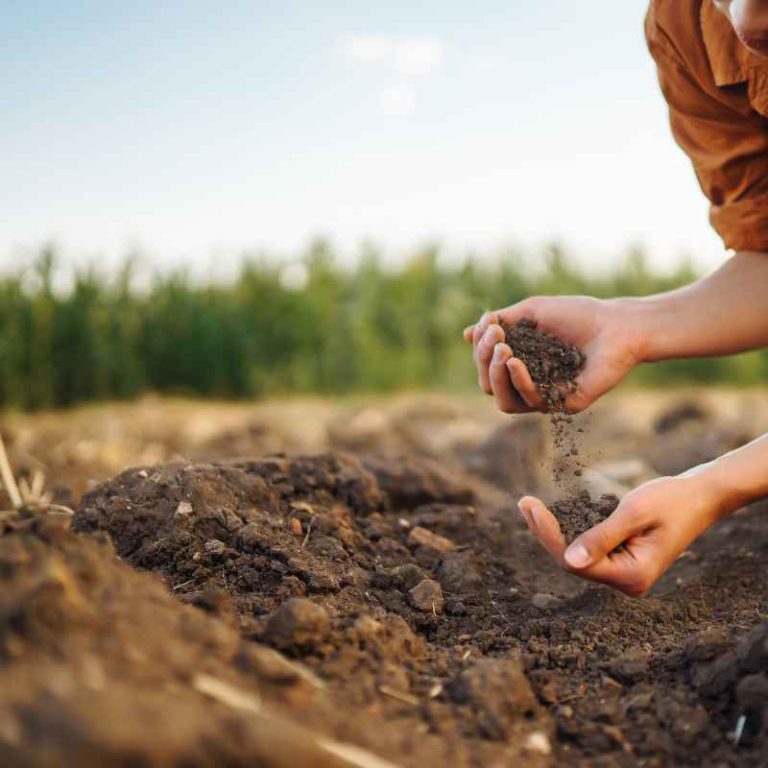
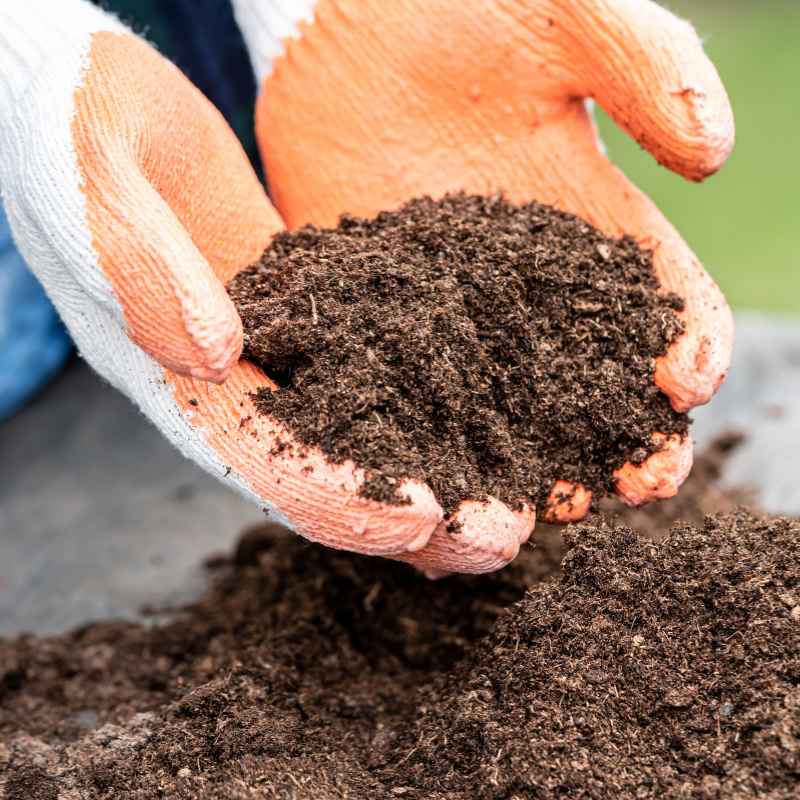
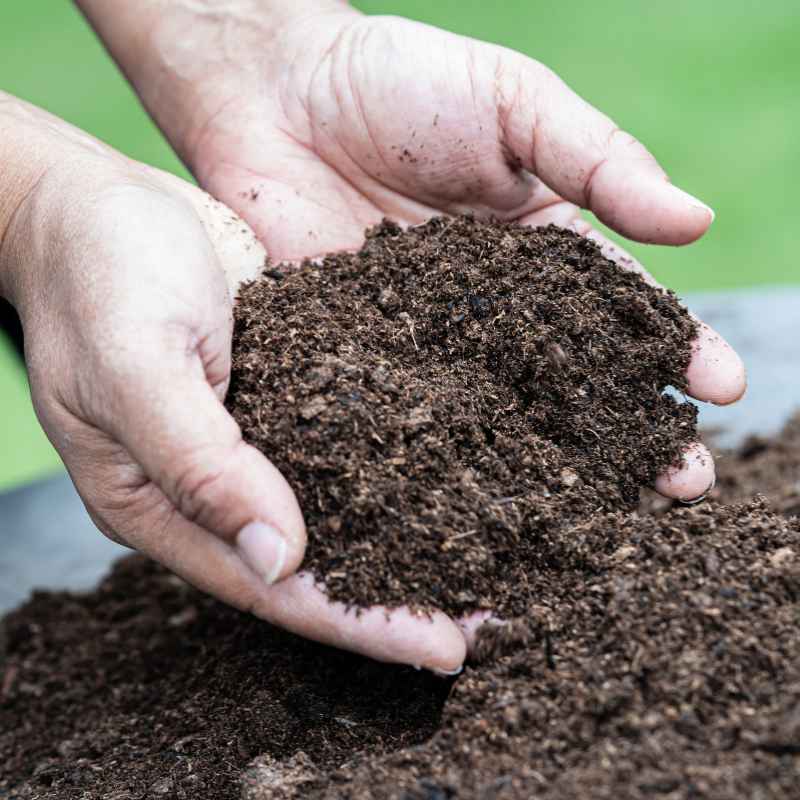
You can identify humus by its physical appearance and texture. It looks like dark, crumbly, almost sponge-like material that feels moist but not sticky. Humus-rich soil has a sweet, earthy smell—a sign of healthy microbial activity.
You may also see earthworm castings, which are rich in humus.
Simple tests can confirm humus presence. The “ribbon test” involves squeezing a moist soil sample; a crumbly texture that holds shape briefly indicates good humus. A jar test separates soil layers; humus floats or settles as a dark organic layer.
Professional lab analysis measures organic matter content, typically 3–8% for humus-rich soils.
- Check Soil Color: Darker soils generally have higher humus content.
- Smell Test: Healthy humus has a pleasant, earthy odor; sour smell indicates anaerobic conditions.
- Feel Test: Humus makes soil feel light and springy, not compacted.
- Observation: Look for macroorganisms like worms and beetles—they thrive on humus.
- Lab Analysis: Send samples to a soil testing lab for precise organic matter percentage.
Important: Humus is not the same as topsoil or mulch. Topsoil is a mixture of minerals and organic matter, while humus specifically refers to the stable organic fraction.
What Are the Benefits of Humus for Plants?
Plants thrive in humus-rich soil because it provides a steady supply of nutrients without burning roots. Humus releases nitrogen, phosphorus, and potassium slowly, matching plant growth cycles. It also contains micronutrients like iron, zinc, and manganese that are critical for photosynthesis and enzyme function.
Beyond nutrition, humus improves root environments. Its porous structure allows oxygen to reach root zones, preventing rot and encouraging deep growth. Humus also stimulates root exudates, which attract beneficial microbes that protect plants from pathogens.
A study by the International Society for Horticultural Science found that plants grown in humus-amended soil had 25% higher yields on average.
- Nutrient Supply: Humus holds nutrients in plant-available forms.
- Water Availability: It stores water for roots during dry periods.
- Disease Suppression: Humus supports beneficial microbes that compete with pathogens.
- Root Growth: Loose soil allows roots to spread freely.
- Stress Tolerance: Humus-rich soils moderate temperature swings, reducing plant stress.
| Plant Type | Benefit from Humus |
|---|---|
| Vegetables (e.g., tomatoes) | Higher yields, improved fruit size |
| Ornamentals (e.g., roses) | Stronger stems, vibrant blooms |
| Lawn grasses | Denser turf, deep green color |
What Are Common Misconceptions About Dark Highly Decomposed Organic Matter?
Many gardeners confuse humus with compost or mulch. While compost is partially decomposed organic matter, humus is the fully stabilized end product. Compost still breaks down, while humus is resistant to further decay.
Another myth is that humus is a fertilizer—it is not, but it makes fertilizers more effective by reducing leaching.
Some believe that adding more organic matter always increases humus. But excess material can lead to nitrogen immobilization, where microbes tie up nitrogen for their own growth, depriving plants. Balance is key.
Also, humus is not alive; it is a chemical complex, though it supports living organisms. According to the European Soil Data Centre, humus content above 10% in mineral soils is rare and often indicates peat or other special conditions.
- Myth: Humus is the same as organic matter. Fact: It is only the stable fraction of decomposed matter.
- Myth: Humus disappears quickly. Fact: It can last for decades in soil.
- Myth: You can buy humus in bags. Fact: Most products labeled “humus” are actually compost or peat moss.
- Myth: Humus makes soil acidic. Fact: It usually neutralizes pH toward 6.5–7.0.
- Myth: All soils need more humus. Fact: Some soils, like those in deserts, naturally have low humus and are adapted to it.
Warning: Avoid applying fresh manure directly to soil; it can burn plants and lacks humus. Use well-composted materials that are closer to humus.
How to Increase Dark Highly Decomposed Organic Matter in Your Soil
Boosting humus levels takes patience and consistent practice. Start by adding organic materials like compost, leaf mold, or aged manure. These provide the raw ingredients for humus formation.
No-till or reduced-till gardening also helps, as tillage exposes organic matter to oxygen, causing it to decompose too quickly.
Cover crops like clover, rye, or vetch add biomass that eventually becomes humus. After they die, their roots and shoots decompose right into the soil. A study from the University of California found that cover cropping increased humus content by 0.5–1% per year.
Adding biochar—charcoal-like material—can also boost humus because it adsorbs organic compounds and protects them from decay.
- Add 1–2 inches of compost annually to garden beds.
- Use mulch to protect soil surface and reduce organic matter loss.
- Plant perennial grasses with deep root systems for continuous organic input.
- Avoid over-fertilization with synthetic chemicals that reduce microbial activity.
- Test soil pH and adjust if needed—microbes work best at pH 6.0–7.5.
| Method | Effect on Humus | Timeframe |
|---|---|---|
| Compost application | Steady increase | 1–3 years |
| Cover crops | Moderate increase | 2–5 years |
| No-till practices | Preserves existing humus | Ongoing |
| Biochar addition | Long-term stabilization | Decades |
Remember that humus builds slowly. Focus on continuous small additions rather than large, infrequent applications. Over time, your soil will become darker, crumblier, and more productive.
Frequently Asked Questions
Is dark highly decomposed organic matter found in soil the same as humus?
Yes, the term “dark highly decomposed organic matter” is the scientific description of humus, which is the stable, dark-colored fraction of soil organic matter.
How long does it take for organic matter to become humus?
Under ideal conditions, fresh organic matter takes several months to a few years to fully humify into stable humus. This process can be slower in cold or dry climates.
Can I buy humus for my garden?
Most products labeled “humus” are actually compost, peat moss, or other organic amendments. True humus is rarely sold because it forms slowly and is best created naturally in soil.
Does humus help with water retention in sandy soil?
Yes, humus can increase the water-holding capacity of sandy soils by up to 20%, reducing the need for frequent irrigation and preventing nutrient leaching.
What is the difference between humus and compost?
Compost is partially decomposed organic matter that still breaks down in soil, while humus is the fully decomposed, stable end product that resists further decay and provides long-term benefits.
Final Thoughts
Dark highly decomposed organic matter, or humus, is a vital component of healthy soil, enhancing fertility, structure, and biodiversity. By understanding how it forms and how to increase it, you can improve your garden or farm soil over time. Focus on consistent organic additions and minimal disturbance to build lasting humus for years to come.