Why Does the Top of My Plant Soil Look Moldy? Causes & Fixes
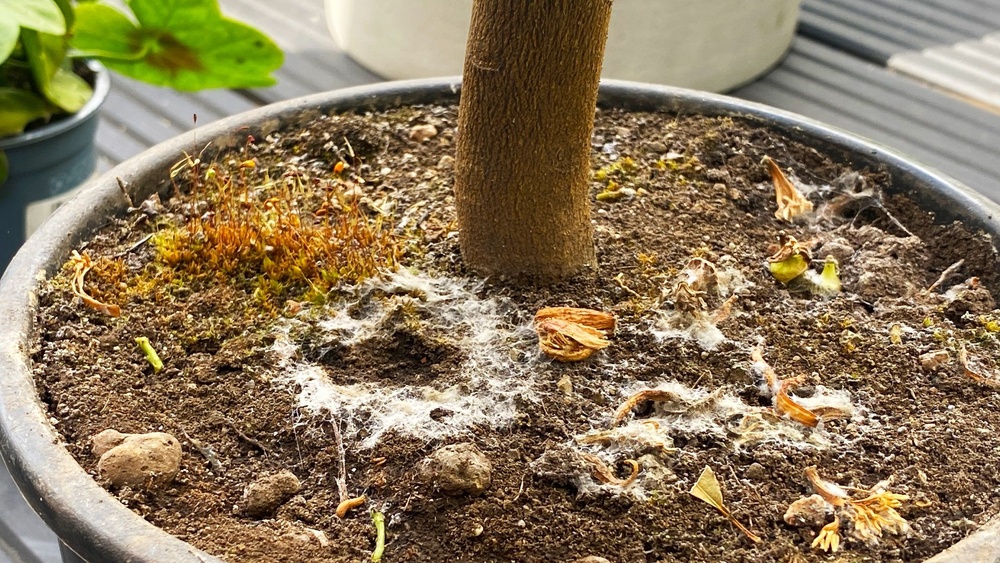
Few things are as alarming to plant owners as discovering a moldy layer on the top of their plant soil . Is your prized pothos suddenly sprouting fuzzy patches? Has your windowsill succulent’s soil developed a white film? Soil mold is a common yet misunderstood issue, causing confusion and concern among both novice and experienced gardeners. While mold on soil is not always a death sentence for your plant, it can signal underlying problems that need addressing.
This comprehensive guide unpacks the causes of moldy soil, the science behind its growth, and practical strategies to fix and prevent it. Leveraging the latest research and expert horticultural advice, we’ll explore real-world examples, actionable solutions, and answer the most pressing questions about this pesky problem.
Whether you’re nurturing a single houseplant or managing a full indoor garden, understanding soil mold is key to maintaining a healthy, vibrant growing environment.
Key Takeaways
- Moldy soil is a symptom of excess moisture, poor airflow, and sometimes organic matter buildup.
- Most molds are harmless but can indicate conditions that threaten plant health.
- Proper watering, improved ventilation, and soil amendments are effective fixes.
- Prevention involves regular monitoring, good hygiene, and choosing appropriate soils.
- Moldy soil can impact aesthetics, plant growth, and even trigger allergies.
- Addressing mold quickly reduces risk and preserves your plant’s longevity.
Understanding Soil Mold: What Is It And Why Does It Occur?
Soil mold is typically identified by a fuzzy, powdery, or slimy growth on the soil surface. Its color ranges from white and gray to green, yellow, or even black. But what exactly is this mold, and why does it appear on your plant soil?
What Is Mold?
Mold is a type of fungus that thrives in moist, nutrient-rich environments. Unlike bacteria, mold forms visible colonies and reproduces via spores, which can quickly spread in favorable conditions. The most common molds found on houseplant soil are saprophytic fungi, including genera like Aspergillus, Penicillium, and Fusarium.
These fungi play an important role in the natural decomposition process, breaking down dead organic material and recycling nutrients back into the ecosystem. However, when their presence becomes excessive in plant pots, it’s a sign that conditions are skewed toward excessive moisture and organic matter—essentially rolling out the red carpet for mold colonization.
The Science Behind Mold Growth
Mold spores are virtually everywhere—indoors and outdoors. They land on soil and wait for the right conditions to germinate:
- Moisture: Mold needs water to grow. Overwatering or high humidity provides the necessary moisture.
- Organic Matter: Mold feeds on decaying plant material, peat, compost, and other organic substances in soil.
- Poor Ventilation: Lack of airflow keeps the soil damp and allows mold spores to settle.
- Temperature: Most soil molds thrive between 60°F and 80°F (16°C–27°C).
It’s important to note that mold doesn’t just appear overnight. Often, it’s the result of several days or weeks of suboptimal conditions. For example, a plant sitting in a dimly lit, humid corner might go weeks without visible mold, but as soon as one or two factors (like a sudden increase in humidity or a missed watering adjustment) align, spores germinate rapidly and the mold becomes apparent within hours.
Mold Vs. Other Soil Issues
Not all white or fuzzy growths are mold. Sometimes, you may see mineral salts, algae, or even harmless mushrooms. Here’s how they compare:
| Appearance | Common Cause | Risk Level | Removable? |
|---|---|---|---|
| White, fuzzy mold | Excess moisture, poor airflow | Low to Moderate | Yes |
| Crusty white layer (salts) | Fertilizer buildup | Low | Yes |
| Greenish film (algae) | Constant moisture, light | Low | Yes |
| Mushrooms | Rich organic soil | Low | Yes |
Correct identification matters because each issue has a different cause and solution. For instance, mineral salts indicate overfertilization, not mold, and are resolved by flushing the soil with water.
Why Is Mold More Common Indoors?
Indoor plants often experience less air movement and more consistent moisture, especially in homes with humidifiers or lacking ventilation. Unlike outdoor soil, which dries out and gets aerated naturally, indoor soil can stay damp for days, creating ideal conditions for mold.
Additionally, the controlled climate indoors often means that natural predators of mold, such as soil-dwelling insects, are absent. Sunlight exposure is also reduced indoors, which can further slow the soil’s drying process. Over time, this creates a microclimate that’s highly favorable to fungal growth, especially during the colder months when windows remain closed and heating systems increase humidity.

Credit: planthouseandgarden.com
Common Causes Of Moldy Plant Soil
Understanding the root causes of soil mold is crucial for effective prevention and treatment. Here are the top factors contributing to mold growth:
Overwatering
Excessive watering is the number one cause. When soil stays wet for extended periods, it creates an environment where mold can thrive. Many houseplant owners inadvertently overwater due to inconsistent schedules or misunderstanding their plant’s needs.
- Plants like succulents and cacti need less water.
- Some tropical plants require frequent moisture but still benefit from drying out between watering.
A good rule of thumb is to check the soil’s moisture by sticking your finger an inch deep—if it feels dry, it’s time to water. For more accuracy, a soil moisture meter can help avoid the guesswork. Remember, it’s often better to underwater than overwater most common houseplants.
Poor Soil Drainage
Soil that retains too much water or lacks proper drainage can foster mold. Potting mixes with high peat content or insufficient perlite/sand are particularly prone to this issue.
- Drainage holes in pots are essential.
- Use well-aerated potting mixes suited for your plant species.
If water pools at the bottom of the pot or takes hours to drain, it’s time to repot using a lighter mix. Adding amendments like perlite, coarse sand, or bark chips can dramatically improve soil structure, encouraging quicker drying and oxygen flow to the roots.
High Humidity
Indoor environments with humidity above 60% increase the likelihood of soil mold. Bathrooms, kitchens, and rooms with humidifiers are common hotspots.
- Mold thrives in humid, stagnant air.
- Grouping plants closely together can also raise humidity around the soil.
Monitoring room humidity with a hygrometer can help you identify problem areas. If you notice condensation on windows or walls, it’s likely that humidity is contributing to mold growth.
Lack Of Air Circulation
Stagnant air keeps soil wet and allows mold spores to settle. Closed windows, tightly packed plants, or placement in corners can exacerbate this.
- Use fans or open windows to improve airflow.
- Avoid clustering plants too closely.
Even a small desktop fan set on a timer can make a significant difference, especially for plant shelves or window gardens. Rotating plant positions every few weeks can also help ensure all areas get adequate airflow.
Organic Matter Buildup
Potting mixes rich in compost, bark, or other organic materials can feed mold. As these components break down, they create nutrients that fungi love.
- Some organic amendments, like worm castings, are less prone to mold than others.
- Remove dead leaves and debris from soil surface.
Regularly raking the topsoil or gently stirring it with a fork can also prevent organic matter from compacting and creating a mold-friendly crust.
Using Contaminated Soil
Soil that’s been stored improperly or is already infested with mold spores can introduce mold to your plants.
- Always use sterilized potting mix.
- Avoid reusing old soil without treating it.
To sterilize soil at home, bake damp soil in an oven at 180°F (82°C) for 30 minutes or microwave small batches until steaming. This kills most pathogens and spores, giving your plants a fresh start.
Real-world Example: Mold Outbreak In An Office Plant Collection
A San Francisco tech office noticed moldy soil on their communal plants after installing a humidifier in winter. The combination of high humidity, overwatering, and lack of air movement led to widespread mold growth, requiring intervention and soil replacement across multiple pots.
This scenario is all too common in workplaces, where plants are cared for by multiple people and environmental controls like air conditioning or humidifiers alter the air quality. The lesson: consistent care routines and environmental monitoring are crucial in shared or public spaces.

Credit: www.thespruce.com
Is Moldy Soil Dangerous? Risks And Impacts
Before panic sets in, it’s important to understand the actual risks posed by soil mold. While it’s mostly a cosmetic issue, there are situations where mold can harm plants or people.
Impact On Plant Health
Most soil molds are saprophytic, meaning they feed on dead organic matter and not living plants. However, mold can indicate stressful conditions for your plant:
- Root rot: Prolonged wetness can lead to fungal infections that damage roots.
- Stunted growth: Mold signals poor soil aeration and nutrient cycling.
- Seedling death: Young plants are more susceptible to mold-related diseases.
In more severe cases, the presence of mold can coincide with pathogenic fungi, which actively attack plant tissues. For example, species like Fusarium can cause wilt and root rot, especially in seedlings and sensitive tropical plants.
Human Health Concerns
For most people, soil mold is not dangerous. However, it can aggravate allergies or asthma in sensitive individuals.
- Mold spores may trigger respiratory symptoms.
- People with compromised immune systems should avoid handling moldy soil.
Even if you’re not allergic, it’s best practice to handle moldy soil with gloves and wash hands thoroughly after contact. Children and pets should also be kept away from affected plants to minimize exposure.
Aesthetic And Environmental Impacts
Mold detracts from the visual appeal of houseplants and may produce an unpleasant odor. It also indicates underlying environmental issues that need correction.
Mold can also attract pests like fungus gnats, which lay eggs in damp, moldy soil. Gnats are not only a nuisance but can damage delicate plant roots in their larval stage, compounding plant stress.
Types Of Mold And Their Effects
Different molds have varying risks:
| Type of Mold | Color | Impact on Plants | Impact on Humans |
|---|---|---|---|
| Aspergillus | White, gray | Low (saprophytic) | Can trigger allergies |
| Penicillium | Blue, green | Low (saprophytic) | Rarely problematic |
| Fusarium | Pink, white | Moderate (can cause root rot) | Rarely problematic |
| Cladosporium | Black, green | Low (saprophytic) | Can trigger allergies |
Case Study: Mold Allergy Triggered By Houseplant
A 2026 report in the Journal of Allergy and Clinical Immunology documented a patient experiencing worsened symptoms after exposure to moldy houseplant soil. Removing the mold and improving ventilation resolved the issue, highlighting the importance of rapid intervention.
This case highlights the importance of not underestimating mold, especially for households with individuals who have respiratory conditions. Taking simple steps to remediate and prevent mold can significantly improve indoor air quality.

Credit: planthouseandgarden.com
How To Fix Moldy Plant Soil: Step-by-step Solutions
If you notice mold, don’t despair—there are proven, practical solutions to restore your plant’s health and prevent recurrence.
Remove Mold Safely
- Wear gloves and mask (especially if you have allergies).
- Scoop out the top 1–2 inches of moldy soil with a spoon.
- Dispose of soil in a sealed bag outside the home.
Be sure not to shake or brush mold indoors, as this can release spores into the air and spread the problem to other plants. For large outbreaks, consider removing the entire top layer and replacing it with fresh, dry soil.
Dry Out The Soil
- Reduce watering frequency.
- Place the plant in a well-lit area to speed drying.
- Improve airflow with a fan or by opening windows.
If possible, gently tilt the pot to drain excess water. Sometimes, placing the pot on a rack instead of a solid tray helps air circulate underneath, aiding in faster drying.
Repot Or Refresh Soil
If mold persists or the soil smells musty:
- Repot the plant with fresh, sterile soil.
- Clean the pot thoroughly before reuse.
When repotting, inspect roots for signs of rot (brown, mushy, or foul-smelling roots) and trim away any damaged portions with sterilized scissors.
Treat With Natural Remedies
- Sprinkle cinnamon powder on the soil (antifungal properties).
- Apply diluted hydrogen peroxide solution (1 part 3% H2O2 to 4 parts water) to kill mold spores.
- Avoid harsh chemicals, as these may damage plant roots.
Other natural antifungals include baking soda or neem oil, though these should be used sparingly to avoid altering soil chemistry.
Adjust Watering Practices
- Water only when the top inch of soil is dry.
- Use pots with drainage holes.
- For large pots, water evenly and avoid pooling.
Consider bottom watering for sensitive plants—placing the pot in a tray of water and allowing the soil to absorb moisture from below—which reduces the risk of surface mold.
Improve Ventilation And Light
- Move plants away from corners and walls.
- Rotate pots to ensure all sides get airflow.
- Increase light exposure (but avoid direct sun for shade-loving plants).
LED grow lights can supplement natural sunlight during winter months, helping soil dry faster and discouraging mold.
Real-world Example: Mold Removal In A Home Garden
A Los Angeles homeowner tackled mold on their indoor ferns by removing the top soil, increasing light and airflow, and switching to a lighter watering schedule. Within weeks, mold disappeared and plant health improved.
This example highlights the effectiveness of simple, non-chemical interventions and attentive care routines.
Preventing Mold: Best Practices For Healthy Plant Soil
Prevention is always better than cure. By adopting a few simple habits, you can keep mold at bay and ensure your plants thrive.
Choose The Right Potting Mix
- Opt for well-draining soils with perlite, sand, or bark.
- Avoid mixes with excessive peat or compost unless suited for specific plant types.
For high-humidity environments, consider adding charcoal or horticultural grit, which can help absorb excess moisture and suppress fungal growth.
Water Wisely
- Establish a watering schedule tailored to each plant’s needs.
- Use moisture meters or the finger test to gauge dryness.
Record your watering dates and observations in a notebook or plant care app to track patterns and adjust as needed.
Maintain Cleanliness
- Remove dead leaves and debris regularly.
- Clean pots before repotting or adding new soil.
Wipe down windowsills, trays, and plant stands to minimize dust and spores. Sanitize tools between uses to prevent cross-contamination.
Control Humidity
- Use dehumidifiers if necessary, especially in humid climates.
- Space plants apart to reduce microclimate humidity.
If your home’s humidity is consistently high, invest in a hygrometer to monitor and adjust accordingly. Grouping plants on humidity trays filled with pebbles and water can help increase local humidity for tropical plants without soaking the soil.
Enhance Airflow
- Employ small fans for larger collections.
- Rotate plants periodically.
Opening windows for even a few minutes daily can refresh air and reduce mold risk. For windowless rooms, oscillating fans are effective for keeping air moving.
Sterilize Tools And Soil
- Clean gardening tools after each use.
- Use sterilized soil for new plants.
Sterilize reused pots with a diluted bleach solution (1:9 bleach to water ratio), rinse well, and allow to air dry before planting.
Monitor And Act Quickly
- Inspect soil weekly for signs of mold.
- Address issues promptly to prevent escalation.
Quick removal of mold patches prevents them from spreading and allows you to adjust care before more serious problems arise.
Real-world Example: Mold Prevention In A Plant Shop
A New York City plant store reduced mold outbreaks by switching to sterilized potting mixes, training staff on watering protocols, and using fans. Mold incidents dropped by over 80% in six months.
This demonstrates that even in high-traffic, high-turnover environments, mold can be managed effectively through standardized best practices.
Comparing Mold Management Strategies
Different mold management strategies offer varying effectiveness, costs, and ease of implementation. Here’s a data-driven comparison to help you choose the best approach:
| Strategy | Effectiveness | Ease of Use | Cost | Best For |
|---|---|---|---|---|
| Removing topsoil | High | Easy | Low | Small mold spots |
| Repotting | Very High | Moderate | Medium | Severe mold |
| Cinnamon treatment | Moderate | Easy | Low | Minor mold |
| Hydrogen peroxide | High | Moderate | Low | Persistent mold |
| Improved ventilation | High | Easy | Low | Multiple plants |
| Soil amendments | Moderate | Moderate | Medium | Long-term prevention |
When selecting a strategy, consider the severity of mold, your plant type, and your environment. For instance, combining topsoil removal with improved ventilation and a natural antifungal treatment is effective for most home growers.
Soil Mold In Different Plant Types
Mold does not affect all plants equally. Some species and setups are more prone to soil mold than others.
Succulents And Cacti
- Prefer dry, fast-draining soils.
- Mold is rare but can occur with excessive watering.
Because these plants are adapted to arid environments, they are especially sensitive to overwatering. Mold on succulent soil is a clear warning sign of too much moisture or poor drainage.
Tropical Houseplants
- Thrive in moist, organic-rich soils.
- Mold is more common, especially in low light.
Plants like ferns, calatheas, and peace lilies often require more frequent watering, making them susceptible to mold if care routines are not carefully managed.
Seedlings And Propagation Trays
- Vulnerable to mold due to high humidity and dense planting.
- Use sterile seed-starting mixes and monitor closely.
Damping-off, a disease caused by mold-like organisms, can wipe out seedlings in days. Sterilizing trays and using fans can improve survival rates.
Outdoor Vs. Indoor Plants
- Outdoor soil dries out and receives natural airflow.
- Indoor plants are more susceptible to mold due to controlled environments.
Outdoor plants benefit from UV exposure, rain, and wind, which naturally suppress mold. Indoors, replicate these conditions with airflow and appropriate lighting.
Example: Mold In Seedling Propagation
A community garden in Chicago found mold in their seedling trays. Switching to sterile mixes and reducing humidity solved the issue and improved seedling survival rates.
This illustrates the importance of prevention and early intervention, especially for young, vulnerable plants.
When To Seek Professional Help
While most soil mold issues are easily managed at home, certain situations call for expert intervention.
Persistent Mold After Treatment
If mold returns repeatedly despite your efforts, consult a local horticulturist or extension service. There may be underlying issues such as contaminated soil or environmental factors you’re overlooking.
Suspected Pathogenic Fungi
Some molds, like Fusarium or Pythium, can cause serious plant diseases. If you notice wilting, blackened stems, or root rot, seek professional advice.
Plant pathologists can conduct tests to identify pathogens and recommend targeted treatments.
Allergies Or Health Concerns
If mold exposure triggers symptoms or you have a compromised immune system, avoid handling soil and consult a healthcare provider.
Professional cleaning or remediation services can safely remove large outbreaks in sensitive environments.
Large Collections Or Commercial Settings
For plant shops, offices, or large gardens, professional mold management may be more efficient and safer.
Regular inspections and maintenance by horticulture professionals can save time and reduce risk.
Example: Professional Mold Remediation
A botanical conservatory in Florida battled persistent mold outbreaks. Experts identified a contaminated soil batch and recommended a full soil replacement and HVAC system adjustment, resolving the issue.
This demonstrates the value of expert assessment and environmental controls in large-scale or high-value plant collections.
Additional Resources And Further Reading
Expanding your knowledge about soil mold and plant care can help you prevent future issues. Here are authoritative resources for further exploration:
- Wikipedia: Mold
- Royal Horticultural Society: Growing Healthy Plants
- Purdue Extension: Soil-Borne Plant Pathogens
- EPA: Mold Resources
- NIH: Mold and Human Health
- Gardening Know How: White Mold on Houseplants
Frequently Asked Questions
What Causes Mold To Grow On Plant Soil?
Mold growth on plant soil is triggered by a combination of excess moisture, poor ventilation, high humidity, and the presence of organic matter. Overwatering is the most frequent culprit, but using soil with high compost content or placing plants in poorly ventilated areas can also contribute.
Is Mold On Plant Soil Dangerous To My Plants?
Most soil molds are saprophytic and feed on dead organic material, not living plants. However, persistent mold signals stressful conditions like excess moisture, which can lead to root rot or other fungal diseases. In rare cases, pathogenic molds can directly harm plants.
Can Soil Mold Affect My Health?
While soil mold is generally harmless to healthy individuals, it can trigger allergies or respiratory symptoms in sensitive people. Mold spores may aggravate asthma or immune issues, so it’s wise to handle moldy soil with gloves and a mask, especially if you’re prone to allergies.
How Do I Get Rid Of Mold On My Plant Soil?
To remove mold, scoop out the affected top soil, dry out the remaining soil, and adjust watering habits. Improved ventilation, light exposure, and natural remedies like cinnamon or hydrogen peroxide can help. For persistent issues, consider repotting with sterile soil.
How Can I Prevent Mold From Returning?
Prevent soil mold by using well-draining soil, watering only when necessary, maintaining good airflow, and cleaning pots and soil regularly. Monitor humidity levels and avoid clustering plants too closely. Quick action when mold appears is key to preventing recurrence.
Caring for your plants involves more than just watering and sunlight—it’s about maintaining a balanced environment free from unwanted pests and pathogens. Moldy soil is a sign that something needs adjusting, but with the right knowledge and practices, you can restore your plants to health and prevent future outbreaks.
By understanding the causes, risks, and fixes for soil mold, you’ll create a thriving indoor garden that’s both beautiful and resilient.