How to Reduce Soil Runoff in Vegetable Gardens
Stop vegetable-garden runoff by keeping soil covered, slowing water at the surface, and adding contour control on slopes above roughly 5%; use mulch for flat beds and terraces, edging, or swales for steeper ones. When runoff is ignored, fine soil washes away and fertilizer moves with it, leaving beds crusted, dry, and less productive. This guide shows how to match fixes to bed type, slope, soil texture, and rainfall.
What causes runoff in vegetable beds?


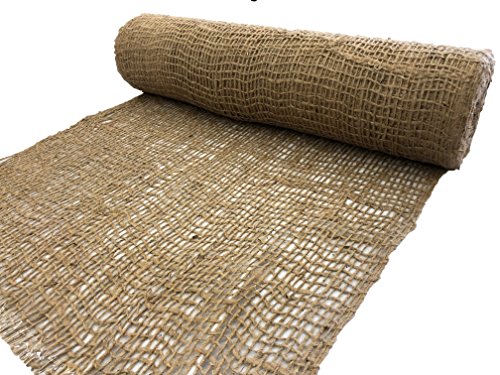
Runoff usually starts when water hits bare, compacted, or crusted soil faster than the bed can absorb it. Heavy rain, overhead irrigation, and slope all push water downhill, while sandy soil lets water move through too fast and carry nutrients with it. The fix depends on whether you have surface wash, leaching, or both.
What you’ll need
- Garden compost, leaf mold, leaves, straw, or finished compost for mulch
- A hoe, hand fork, or broadfork for light loosening only where needed
- Compost or manure for rebuilding organic matter
- Cover crop seed for open beds
- A shovel or rake for reshaping beds and shallow contour lines
- Edging boards, stones, or berm material for sloped beds
- A hose with a gentle nozzle or drip irrigation parts
- A straight board or level for checking slope and bed shape
Fix runoff in your vegetable garden
-
Clear the runoff path.
After a storm, look for rills, exposed roots, bare patches, and places where water pooled and then rushed off. Those spots show where the bed is losing soil or where irrigation is too concentrated. -
Cover bare soil now.
Put down a two to three inch layer of mulch, and keep it a little away from stems. Garden compost, leaf mold, leaves, straw, or finished compost all work, and they cut raindrop impact while reducing evaporation and helping soil hold together as they break down. -
Rebuild the top layer.
Add compost or manure, then work it lightly into the surface. Do not mix it deep through the bed. Organic matter helps soil hold nutrients and lowers leaching during rainfall or irrigation. -
Fix the water path.
On slopes, use edging, a shallow swale, or contour bed shaping to slow and spread water before it gains speed. On flat beds, flatten low spots and avoid letting irrigation run long enough to puddle. -
Change the watering pattern.
Use shorter watering cycles and pause between them so water has time to soak in. Sandy soil often needs more frequent watering, but that does not mean longer runs; longer runs can move nitrogen, phosphorus, and potassium out of the root zone. -
Seed living cover.
If a bed will sit empty, sow a cover crop instead of leaving bare dirt. Cover crops keep living roots in the ground, help prevent erosion, and some mixes add nitrogen.
Say your 4-by-8-foot bed crusts after a summer downpour. If the surface seals, put compost mulch on first, then sow a cover crop on open sections once the soil can be worked without smearing. That one-two step protects the bed while the soil structure recovers.
When is mulch enough?
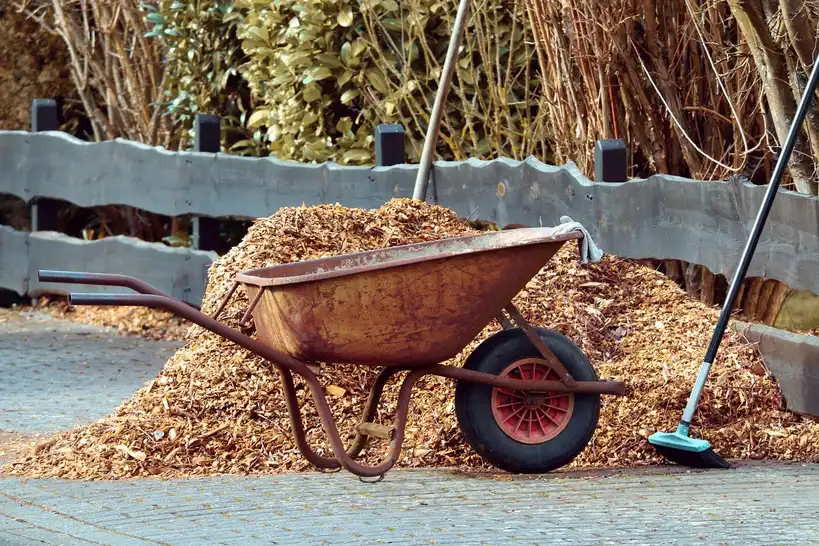
Mulch is enough when the bed is flat or gently sloped, the main problem is surface splash, and water already drains without forming channels. It is less effective on steep slopes, in crusted beds, or where overwatering is moving soil and fertilizer past the root zone. In those cases, mulch is part of the fix, not the whole fix.
What mulch helps reduce runoff in garden beds?
Use a two to three inch layer of garden compost, leaf mold, leaves, straw, or finished compost. Keep it off stems, because mulch touching plant stems can cause rotting. This layer softens rain impact, reduces evaporation, and helps the soil hold together as it breaks down.
A common first-timer mistake is piling mulch thickly against tomato or pepper stems after a storm. That can trap moisture at the base and still leave the bed vulnerable if the soil underneath stays compacted. Pull the mulch back a few inches from each stem, then recheck after the next rain.
If that didn’t work, try this next
-
Top-dress with compost.
Add about 1 to 2 inches of compost across the bed, then water it in gently. This helps the surface bind better and gives fine particles something to stick to. -
Reduce tillage depth.
Use reduced tillage or no-till methods so you do not break apart stable soil structure. Loose soil washes and blows away more easily after you disturb it. -
Switch to living cover.
If the bed will rest for more than a few weeks, sow a cover crop rather than exposing the surface again.
How do rain gardens reduce runoff?
Rain gardens reduce runoff by catching water, slowing it, and letting it spread into the soil instead of racing offsite. They are useful near the downslope edge of vegetable beds or where roof or path water enters the garden. They also cut erosion because moving water loses speed before it can carry soil away. (Phila)
How do rain gardens reduce runoff?
They intercept excess water, hold it briefly, and release it into the ground at a slower pace. Rain gardens can prevent runoff and minimize erosion, especially where a bed sits below a hard surface or a roof edge. A shallow basin, mulch, and moisture-loving plants do the work together.
-
Place the basin downslope.
Put the rain garden where water naturally collects, not where you will flood vegetable roots. The goal is to intercept runoff before it reaches the bed edge. -
Shape a shallow basin.
Make a depression that spreads water out rather than channeling it. Even a modest dip can slow flow enough to keep soil in place. -
Mulch the basin surface.
Use the same two to three inch mulch layer so raindrops do not seal the soil.
Picture a sloped backyard bed that sheds water toward a path. A small rain garden at the bottom can catch that flow, while the bed itself gets a contour edge. The result is slower water above and a safer exit point below.
Vegetable bed runoff triage table
| Symptom | Likely cause | Best fix | What to avoid |
|---|---|---|---|
| Crusted surface after rain | Bare soil and raindrop impact compact the top layer | Add compost mulch two to three inches deep and seed a cover crop where beds are open | Leaving the bed bare or raking it hard after every storm |
| Water rushing off a sloped bed | Gravity is moving water faster than the soil can absorb it | Use contour beds, edging, or a shallow swale to slow and spread water | Long straight rows that run downhill without a break |
| Soil disappears from a sandy bed | Fast drainage and high leaching risk | Add organic matter often, mulch more consistently, and water in shorter cycles | Heavy, infrequent irrigation that flushes nutrients below the root zone |
| Raised bed stays soggy or loses nutrients | Overwatering or poor soil mix inside the frame | Check drainage, mix in compost, and switch to drip or shorter watering runs | Flooding the bed because it looks dry on top |
Common mistakes
Most runoff failures come from treating surface symptoms while ignoring the water path. A mulch layer cannot fix a steep bed that sheds water in sheets, and compost alone will not stop leaching if irrigation is too heavy for the soil texture. Match the fix to the problem.
- Too much mulch at the stem. Pull it back a few inches so stems do not stay wet.
- Over-tilling. Deep disturbance breaks structure and leaves loosened soil open to washout.
- Leaving beds bare. Bare soil is the highest-risk condition for erosion and nutrient loss, especially during heavy rain.
- Overwatering raised beds. Raised beds still need drainage, mulch, and careful irrigation.
- Using long irrigation cycles on sandy soil. Sandy soil drains fast and leaches faster, so water in smaller doses more often.
How to replenish soil in vegetable garden beds starts with organic matter, not a full re-dig. Add compost, manure, mulch, or cover crops in rotation so the surface stays protected and the soil keeps holding nutrients. That approach also supports soil structure over time.
Frequently asked questions
How do I stop soil runoff in my vegetable garden?
Cover the soil, slow the water, and correct the bed shape. Start with a two to three inch mulch layer, then add compost and use contour shaping or a swale on slopes. If water still races off, reduce irrigation time and seed a cover crop on open beds.
How do I reduce fertilizer runoff from vegetable beds?
Keep nutrients in the root zone by adding organic matter and watering in shorter cycles. Leaching happens when water flushes fertilizer nutrients out of soil, so avoid long soakings on sandy ground and keep beds covered with mulch or living roots.
What causes soil leaching in garden soil?
Excess water is the main trigger. Rainfall and irrigation can move nitrogen, phosphorus, and potassium out of the root zone, and sandy soils in high-rainfall areas have the greatest leaching risk. Frequent, smaller waterings reduce that loss.
Should I use raised beds to reduce runoff?
Raised beds help when you need better control over structure and drainage, especially on difficult sites. They are built as soil on top of the ground, but they still need good soil mix, mulch, and careful watering. A common example uses a four feet by eight feet bed with around six inches of soil mix.
How can I improve vegetable garden soil so it stays in place?
Add compost, manure, mulch, and cover crops so the soil has more organic matter and better structure. Keep the bed covered with living roots or mulch, and avoid deep tillage that loosens soil enough to wash away in the next storm.