How to Protect Soil on a Newly Landscaped Slope
Protect a newly landscaped slope with mulch, erosion-control blanket, and water bars or terracing on grades over 20%; use mulch on gentle slopes. If you skip stabilization, rain can move topsoil, expose roots, and leave gullies that are expensive to repair. This guide covers which materials to use, how steepness changes the fix, and how long to keep each layer in place.
Why slope grade changes your first move
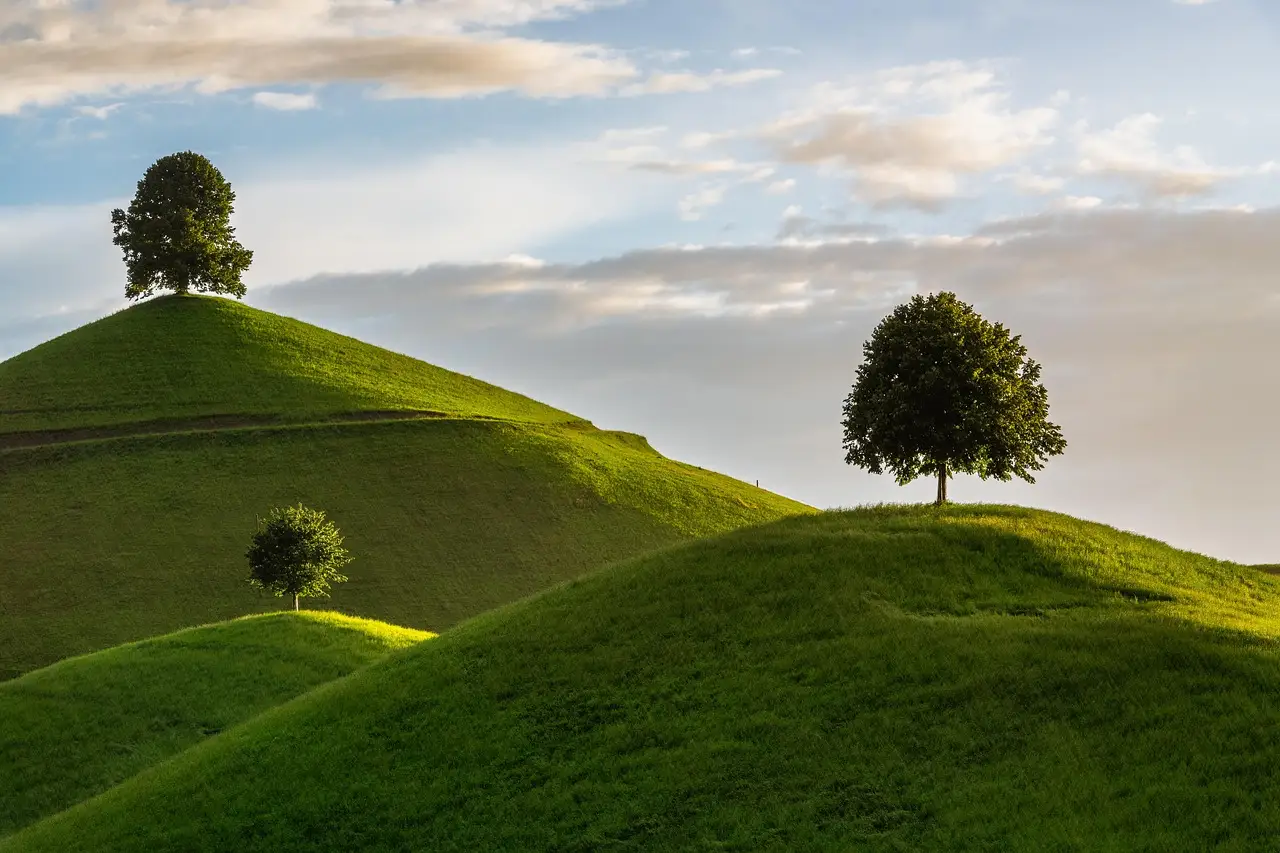
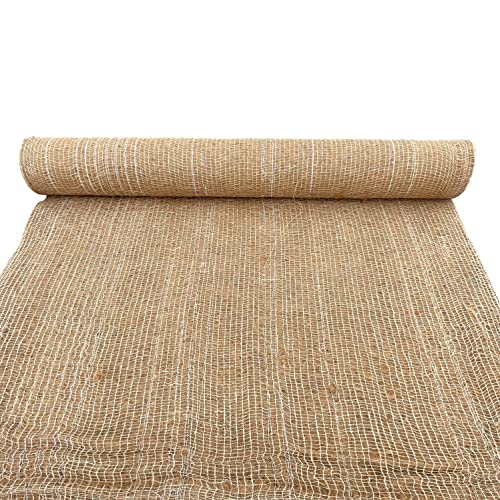

Slope grade tells you how fast water moves and how much help the soil needs before roots take hold. A 1:20 slope equals a 5% gradient, and a 1:5 slope equals 20%. As a general rule in this guide, gentle slopes can often use plants and mulch alone, while steeper slopes need temporary stabilization before vegetation can take over.
That means the first move should match the steepness and the runoff pattern, not the planting plan alone. Slopes around 8-16% need special planting considerations, and slopes of 20% or more are considered steep. About 30% is too steep to mow, which is another sign that temporary stabilization or a structural change may be needed.
When plants alone may hold the slope
Plants can do the job when the grade is modest, the soil is not badly compacted, and water spreads across the surface instead of racing in one line. Deep-rooted ground covers fit this role best. Pick plants for the site’s sun, soil, and moisture, and choose native or well-adapted nonnative plants that cover ground fast without constant watering.
Suppose a back slope is only about 8% and gets slow, even runoff from the lawn above. A planted cover with mulch may be enough, because the soil can take in water and roots can bind the top layer before storms start cutting channels.
When temporary stabilization comes first
Temporary protection matters when the slope is bare, newly graded, or steeper than plants can hold on their own. If soil is loose, if a storm can hit before roots establish, or if water already has a clear path downhill, start with mulch, blankets, or mats. On slopes between 33% and 50%, a blanket or fiber mat is often the safer first layer while plants fill in.
How water is stripping your soil
Runoff usually enters a slope from the top edge, from a roof downspout, or from a yard that sheds water toward the hillside. It then follows the easiest path, which may be a shallow sheet flow or a narrow channel. Concentrated water cuts faster because it gains speed, carries more soil, and digs deeper each time it repeats the same route.
Pooling at the toe of the slope is another warning sign. It often means water is arriving faster than the soil can absorb it, or that the grade changes and traps flow at the bottom. If water is still present after two or more days, poor drainage, compaction, clay, or a perched water table may be part of the problem.
Warning signs that need attention
- Channels that start at one point and run straight downhill.
- Mulch pushed into piles or washed into low spots.
- Bare patches where rain has stripped the surface.
- Pooling at the bottom edge after a storm.
- Roots showing after a single hard rain.
A common first-timer mistake is treating mulch loss as a cosmetic issue. If mulch keeps moving, the slope is telling you that water is flowing too fast or entering from the wrong place.
Slope soil protection selector
Use this table to match the first protection move to the site condition. It separates bare-soil washout, mulch migration, roof runoff, and steep slopes, so you can choose the lightest fix that still holds the ground in place.
| Common situation | Best immediate protection | What to avoid | First maintenance check after rain |
|---|---|---|---|
| Gentle planted slope | Mulch plus dense ground cover | Thin mulch over bare patches with no watering plan | Look for bare spots and shallow runoff lines |
| Bare newly graded slope | Erosion-control blanket with seed or starter plants | Leaving loose soil exposed to the first storm | Check for lifted edges, exposed soil, and seed displacement |
| Slope with roof runoff | Redirect water first, then add blanket or mulch | Letting a downspout discharge onto the face of the slope | Confirm the outlet sends water to a safe discharge area |
| Steep slope over 33% | Blanket or fiber mat, then planting and possibly terracing | Relying on mulch alone | Check for slippage, exposed seams, and new channels |
| Slope with recurring mulch washout | Upgrade drainage path and switch to heavier cover or blanket | Replacing the same light mulch without changing runoff flow | Inspect the entry point for concentrated water and the toe for deposits |
How do you protect bare soil right after landscaping?

Cover bare soil right away with the lightest material that can stay put under the expected runoff. On gentle slopes, mulch may be enough. On steeper or freshly graded slopes, use an erosion-control blanket or mat, and add geotextile fabric only where it fits a drainage or trench plan. The goal is to stop the first rain from loosening the surface before roots can bind it.
Mulch choices that stay put better on slopes
Mulch reduces erosion, holds moisture, and suppresses weeds, but not every mulch behaves the same on a slope. Coarser, interlocking material generally stays put better than fine, slippery mulch. Apply it in a layer deep enough to cover the soil without burying stems; for slopes, about 2 to 3 inches is a practical starting point, with less where runoff is strongest.
-
Rake the surface smooth.
Remove clods, rocks, and debris so the mulch contacts the soil evenly. Smooth soil sheds water more predictably and leaves fewer voids for runoff to cut into. -
Apply a uniform layer.
Spread mulch so the ground is covered but not buried under a deep mat. Keep the layer even, since thick piles slide more easily when water moves downslope. -
Anchor the weak spots.
Press mulch into the soil near the top and along any flow path. If a spot keeps moving, that area needs drainage correction or a blanket, not just more mulch.
Erosion-control blankets for exposed ground
Erosion-control blanket is a temporary soil cover used during establishment. It makes sense when the slope is too steep for mulch alone, when the soil is bare for more than one storm cycle, or when seedlings need time to root before the surface can hold itself. On slopes between 33% and 50%, this is often the better first layer.
Blankets are meant to stay until vegetation is established, not to act as a permanent finish. They are most useful where rain can detach soil before roots gain purchase, and they work best when the surface is graded so water does not race under the mat. Install the top edge in a shallow trench, overlap adjoining rolls so water cannot run between them, and staple them tightly enough to hold the fabric against the soil.
Geotextile fabric with drainage features
Geotextile fabric is a stabilization layer that fits best where the slope needs both soil separation and water control. Use it with drainage systems or with gravel-filled trenches when water needs a stable path that will not scour the soil face. It is a structural aid, not a surface dressing, and it is not the right choice where the fabric would be left exposed as the only cover on the soil surface.
-
Map the water path.
Find where runoff enters, where it gathers, and where it should leave the slope. Fabric works best when it supports a planned drainage route instead of blocking random flow. -
Place the drainage layer.
Install the trench, gravel, or other drainage feature first, then fit the fabric where it separates soil from stone. This keeps fine soil from clogging the drainage path. -
Cover and secure.
Overlap edges and anchor the fabric so water cannot lift it. Finish with soil or planting material that matches the rest of the slope treatment.
What plants and sod hold a slope best?
The best plants for a slope are the ones that root deeply, cover ground quickly, and match the site’s light and moisture. Native plants often fit local conditions well, but some nonnative choices also work if they are suited to the soil and climate. Plants alone can hold a moderate slope, but they need time to knit the top layer together.
Ground covers with deep roots and fast coverage
Deep roots help stabilize the root zone and improve soil structure over time. Fast coverage matters because bare soil erodes before a slow plant closes the gaps. Pick a mix that grows laterally as well as downward, and avoid plants that stay sparse for long periods unless the slope is already well protected.
Sod on slopes
Sod can give you immediate cover, but it still needs the soil beneath it to stay in place while roots grow through. When planting sod on slopes steeper than 10%, lay strips from the bottom upward. Secure each strip with stakes or sod staples sized and spaced to match the slope, sod type, soil, and weather, and remove them once the sod is firmly rooted.
-
Start at the bottom.
Lay the first strip low on the slope and work upward. Overlapping from bottom to top helps keep water from getting under the edges. -
Pin each strip firmly.
Use stakes or staples to hold the sod in place while it roots. -
Watch the rooting period.
Keep the sod moist enough to root, then check for firm attachment before removing the stakes.
When should you add drainage or terracing?
Add drainage changes when water is entering the slope from a known source, when runoff is carving the same line again and again, or when pooling shows that the slope has no safe exit path. Add terracing when the slope is long enough that one runoff path can keep accelerating before it reaches the bottom. Terracing breaks the slope into shorter levels and can support retaining structures where needed.
Redirecting downspouts and surface water
Downspouts should discharge to a safe area, not onto vulnerable soil. Surface water can be diverted with shallow grading, water bars, or a trench that moves water away from the face of the slope. The point is to keep concentrated water off the bare ground long enough for plants or blankets to do their job.
-
Find the source.
Identify every place water enters, including roof runoff and lawn flow from higher ground. If the source stays, the erosion problem stays. -
Choose a safe outlet.
Send water to an area that can absorb or carry it without scouring soil. Avoid discharging into the same spot that has already washed out. -
Check the first storm.
After rain, look for fresh channels, splash marks, or new pooling. Adjust the path before the next storm deepens the cut.
Terraces and retaining support
Terracing is useful when a long slope keeps concentrating runoff or when planting space needs to be broken into shorter levels. For small hillside planting terraces, make each terrace 2 to 3 times wider than the plant’s root ball. That gives the roots enough room to establish and helps interrupt downhill water movement.
Retaining structures may be part of the solution on steeper areas, but they are usually the later step after drainage and temporary cover are addressed. A wall without runoff control can still fail if water collects behind it or keeps cutting around it.
How do you protect soil from erosion on a newly landscaped hill?
Start by stopping the water that is hitting the hill, then cover the soil that remains exposed. Use mulch on gentle grades, blankets or mats on steeper ones, and terraces or drainage changes when runoff is concentrated. The best result comes from matching the fix to the slope, not from using the heaviest option everywhere.
During the first 30-90 days, inspect the slope after each meaningful rain. Replace displaced cover, close small channels, and clear pooled water before it becomes a deeper cut.
How do you prevent erosion on a slope after planting?
Keep the soil covered until roots have had time to hold the surface together. That means watching for bare patches, replacing mulch that moves, and checking whether water is entering from above. A planted slope can still erode if the runoff path is wrong or if the topsoil stays loose and compacted.
Soil structure and infiltration
Compaction lowers infiltration and water-holding capacity, which pushes more water downhill instead of into the root zone. Looser but stable soil lets roots penetrate and reduces the chance that a storm will skim over the surface. If water stands on the slope or runs off too quickly, the soil likely needs both a drainage fix and a better surface cover.
Frequently asked questions
How do you retain soil on a slope after landscaping?
Use the lightest protection that matches the grade: mulch for gentle slopes, blanket or mat for steeper exposed ground, and drainage changes if water is concentrated. Plants help, but they need time to root. If the slope is over 20%, do not rely on planting alone.
How do you keep mulch on a slope?
Use coarser mulch, apply it in an even layer, and correct the water path if it keeps shifting. Mulch that moves after rain is usually pointing to runoff entering from above or moving in a narrow channel. On steeper grades, a blanket under or instead of mulch is more dependable.
How do you landscape on a slope without losing topsoil?
Cover bare soil first, then plant. On moderate slopes, mulch and deep-rooted ground covers may be enough; on slopes between 33% and 50%, use blankets or fiber mats while plants establish. Direct roof runoff and yard flow away from the slope before the first storm hits.
What is the best way to landscape a backyard slope?
The best method depends on grade, runoff, and establishment time. Gentle slopes can often use plants and mulch, while steeper slopes need temporary stabilization and better drainage. Long slopes may need terracing so water does not build speed before it reaches the bottom.
How do you protect bare soil on a slope until plants establish?
Use an erosion-control blanket or mat on exposed slopes, especially if the grade is steep or rainfall is expected soon. Mulch can work on gentle areas, but it is more likely to move if runoff is strong. Keep the soil covered until roots begin to knit the surface.
Should you use mulch, blankets, or plants on a steep slope?
Use blankets first when the slope is steep and the soil is still loose, then add plants that can root through the cover. Mulch alone is often too light on steep grades. Once vegetation is established, follow the product guidance for the blanket; some are designed to biodegrade in place, and others should remain until they have done their job without disturbing new roots or the slope.