What Is Silt Soil and How Does It Behave in the Garden?
Silt soil is a fine-textured soil with particles smaller than sand but larger than clay. It feels smooth, floury, and slippery when wet. Treat it like sand, and it can crust after rain, compact under foot traffic, and slump in dry spells. This guide shows how to identify silty soil, predict its behavior through the season, and manage beds without making drainage or compaction problems worse.
What silt soil

Silt particles measure from 0.002 to 0.05 mm, so they sit between clay and sand in size. That size matters because soil texture affects drainage, water retention, and workability. In garden terms, silt often behaves like a middle ground: finer than sand, less sticky than clay, and quick to change under rain or pressure. (Buffalo)
Sand, silt, and clay are the three core mineral particle sizes. A soil with a lot of silt may feel soft and fertile, but that same fineness can make it easier to seal at the surface and pack down below. Loam is a mixture of sand, silt, and clay, and it is often considered best for most garden plants because it balances drainage, moisture, and rooting space.
Why particle size changes garden behavior
Fine particles leave smaller pore spaces between grains. In silty soil, those pores hold water better than sandy soil but drain more readily than clay. That helps explain why the same bed can feel pleasantly damp after rain and then crust on top after a hot, windy stretch.
How can you tell if your garden soil is silty?
Silty soil usually feels smooth or floury when dry, and it turns slippery or soapy when wet. A small handful may briefly mold when wet, but it will not behave like sticky clay for long. If the bed leaves a powdery feel on your fingers and a slick feel after watering, silt may be a large part of the mix.
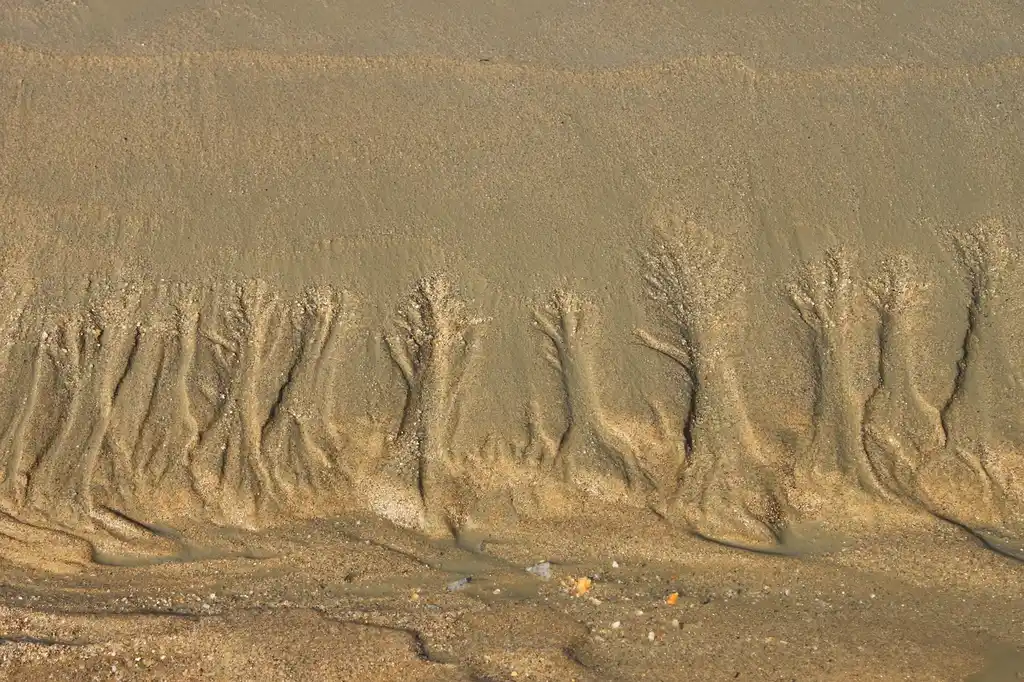
Look at more than touch. After rain, silty ground often shows a thin crust, puddles that linger in shallow spots, or a film of fine particles on the surface. A jar test can help when the mix is unclear: silt settling can take 15 to 60 minutes, which often places it between the quicker sand layer and the slower clay layer.
Practical clues from a garden bed
- Dry soil breaks into soft, flour-like crumbs rather than hard clods.
- Wet soil feels slick, not gritty.
- The surface may crust after a heavy shower.
- Footprints remain shallow but persistent after rain.
Say your bed feels smooth in the hand, then seals over with a thin crust after a hard rain. That pattern points toward a silty mix, especially if water hangs on the surface for a while but the lower layer is not sticky like clay.
How silty soil behaves through the season
Silty soil changes character quickly with weather. It drains better than clay but retains more moisture than sand. It is also higher in nutrients than sandy soil, yet that benefit can be offset by easy compaction, surface sealing, and runoff on sloped ground.
After heavy rain
After a storm, silty soil can puddle, seal at the surface, and slow infiltration. Fine particles can wash into a thin crust that blocks air and water movement. Roots suffer when that crust sits on top of already wet soil, because oxygen moves more slowly through saturated pores.
During dry spells
In dry weather, the surface often crusts and can crack in shallow patterns. The upper inch may harden before the subsoil dries out, which can make seedling emergence uneven. Short dry spells are less of a problem than repeated wet-dry swings, which can tighten the surface and leave roots struggling to push through.
Under foot traffic
Compaction tends to happen easily in fine-textured silty soils, and foot traffic can make it worse. Repeated stepping squeezes pore spaces closed, which slows drainage and limits root growth. Garden beds that stay wet and then get walked on are the most vulnerable, especially near paths, hose bibs, and harvest rows.
A common first-timer mistake is watering a silty bed, then stepping across it the same day to weed or harvest. The bed may look firm enough, but that timing turns a damp surface into a dense layer that roots and water both struggle to cross.
What plants do well in silty beds
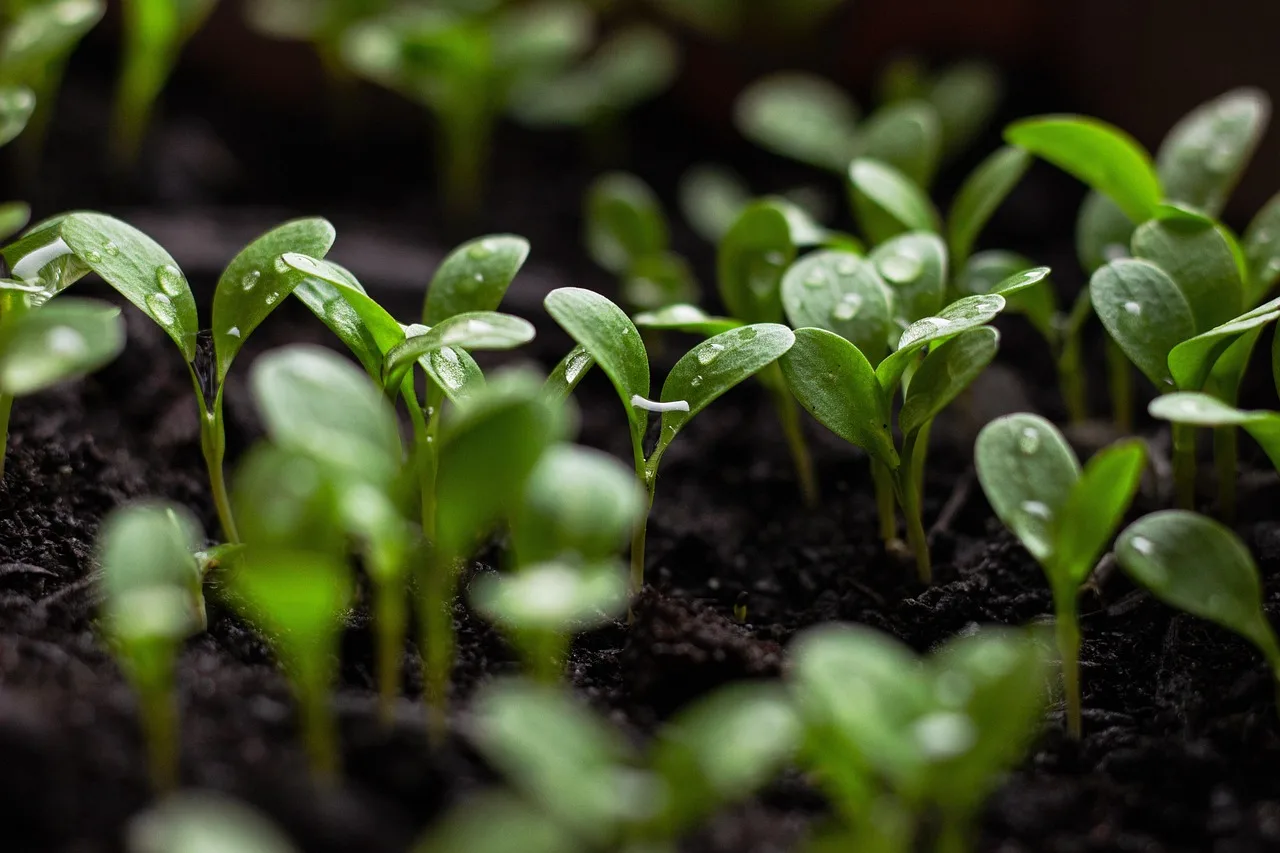
Silty soil can be good for vegetables, especially where moisture retention and nutrient availability help steady growth. It often suits leafy crops, fast-turnover vegetables, and plants that appreciate even moisture. The main limit is not fertility. It is the soil’s tendency to seal, compact, or stay too wet after heavy rain.
Best fits for moist, fertile ground
- Lettuce, spinach, and other leafy greens.
- Beets, carrots, and radishes where the bed is loose enough for root expansion.
- Short-season crops that finish before midsummer drying becomes severe.
- Moisture-loving herbs and greens in beds that drain well.
When drainage matters most
Deep-rooted crops need the lower profile of the bed to stay open. If the soil compacts easily, roots can fork, stall, or stay shallow. In that case, raised beds or an amended in-ground bed often work better than an unworked flat bed, especially where rain lingers or foot traffic is heavy.
Picture a tomato bed on a slight slope with fine soil and a bare surface. The plants may grow well early, then the bed can lose topsoil after one hard rain and pack tight after the next one. A mulched, raised version of the same bed usually holds shape better.
Silty soil behavior cheat sheet
| Condition | What you’ll observe | Likely cause | First fix | Raised beds? | Slopes? | In-ground beds? |
|---|---|---|---|---|---|---|
| Heavy rain puddling | Water sits on top, then drains slowly | Fine particles seal the surface and slow infiltration | Add mulch and avoid stepping on wet soil | Yes | Yes | Yes |
| Surface crusting | Top layer hardens and seedlings struggle | Impact from rain and drying on fine particles | Cover bare soil and add organic matter | Yes | Yes | Yes |
| Easy compaction | Footprints remain, roots slow, water lingers | Fine texture collapses under pressure | Reduce traffic and avoid frequent tilling | Yes | Yes | Yes |
| Midsummer drying | Surface dries fast, then cracks or seals | Top layer loses moisture quickly | Mulch deeply and water less often but more thoroughly | Yes | Yes | Yes |
| Storm runoff on a slope | Fine soil moves downhill | Weak surface cover and fast water flow | Use terracing, mulch, and cover crops | Yes | Yes | Limited |
How to improve silty soil
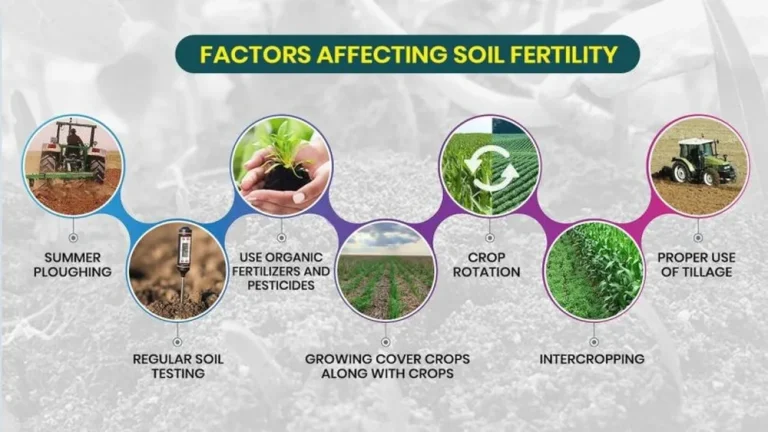
A common first step is adding organic matter. It improves aggregation and stability, which helps the soil resist crusting, erosion, and compaction. It also supports a looser structure that lets water move through without sitting on the surface as long.
-
Add organic matter.
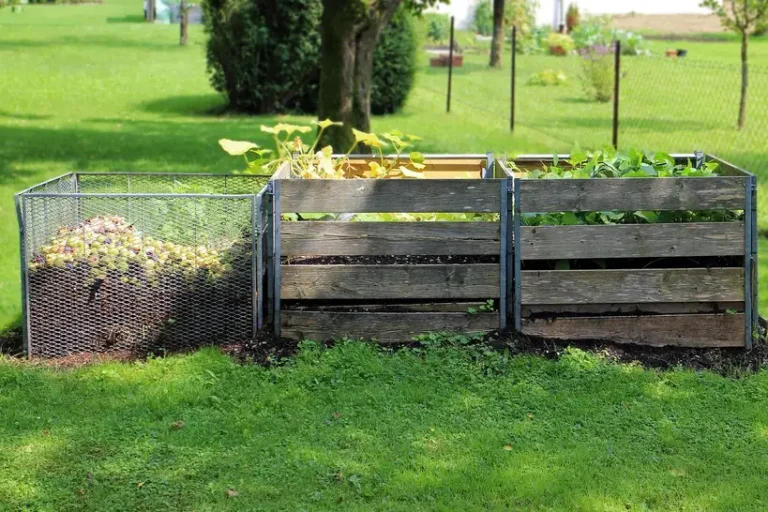
Work compost into the top layer of the bed, or top-dress and let worms and rain pull it down over time. The goal is steadier aggregation, not constant digging. -
Cover bare soil.
Use mulch or a living cover so rain does not strike the soil directly. That reduces crusting and slows the loss of fine particles. -
Cut back on tilling.
Frequent tilling can break structure and leave silty soil more likely to seal and erode. Use shallow disturbance only when needed for planting or amendment. -
Limit traffic.
Keep feet, carts, and tools off wet beds. Use stepping stones, narrow access points, or fixed paths so roots stay in looser soil.
What to do first
If the bed puddles after rain, start with mulch and traffic control. If it crusts, add organic matter and keep it covered. If it compacts under normal use, reduce disturbance and move planting to a raised bed or a better-drained section until the soil structure improves.
How do you stop silty soil from eroding after heavy rain?
Keeping the surface covered with mulch or living cover can help reduce raindrop impact and slow runoff. Mulch and living cover reduce the impact of raindrops and slow runoff, while terracing on slopes helps hold water in place long enough for it to soak in. On bare, exposed ground, silty soil can move fast during a storm.
Use cover crops where a bed sits empty for part of the year. On slopes, break long runs with terraces, low borders, or contour planting so water does not race downhill. Avoid frequent tilling, because loose, bare soil is easier to wash away than covered soil.
-
Mulch bare areas.
Spread a protective layer over open soil before storm season or after harvest. Keep the surface covered rather than leaving it exposed between crops. -
Seed a cover crop.
Use a cover crop on beds that will sit idle for weeks or months. A living root system holds the soil together and reduces runoff. -
Slow downhill water.
On slopes, add terraces or similar breaks that reduce water speed. The goal is to keep topsoil in place long enough for infiltration.
Frequently asked questions
What is silt soil?
Silt soil is soil with a large share of particles between 0.002 and 0.05 mm. It sits between clay and sand in size, so it often feels smooth and floury when dry and slippery when wet. In a garden, that size range influences drainage, moisture storage, and how easily the bed compacts.
Does silty soil drain well or hold water?
Silty soil does both, but not as extremely as sand or clay. It drains better than clay and retains more moisture than sand. That middle behavior can help vegetables during normal weather, but it also means the bed can puddle after heavy rain or seal at the surface.
Is silty soil good for growing vegetables?
Yes, silty soil can be very good for vegetables if you manage its weak points. It often holds moisture and nutrients well, which supports steady growth. The main risks are compaction, crusting, and poor infiltration after storms, so mulch and organic matter matter a lot.
Why does silty soil compact so easily?
Silty soil compacts easily because its fine particles pack tightly under pressure, especially when the ground is wet. That closes pore spaces, slows drainage, and limits root growth. Foot traffic, wheelbarrows, and repeated tilling can all make the problem worse in a single season.
How do you improve silty soil in a garden bed?
Start with organic matter, then protect the surface. Compost improves aggregation and stability, while mulch and cover crops reduce crusting and erosion. Limit tilling and keep off the bed when it is wet. Those steps usually help more than repeated digging or frequent cultivation.
What plants grow best in silty soil?
Leafy greens, short-season vegetables, and many crops that like even moisture do well in silty beds. Beets, lettuce, spinach, and similar vegetables often fit the soil’s moisture-holding pattern. Deep-rooted crops can work too, but only if the bed stays loose enough for roots to move downward.