What Is Soil Tilth and Why Does It Matter?
Soil tilth is soil in workable shape, how easily it breaks into crumbs, drains, and supports roots; good tilth means a friable surface and no hard crust or smear when damp. Poor tilth slows germination, limits roots, and makes watering and weeding harder. This guide explains how to tell good from bad tilth, how it differs from texture and structure, and how to improve it without overworking your beds.
What soil tilth means



Soil tilth is the practical condition that tells you whether a bed will form a seedbed, move water, hold some moisture, and let roots travel. It is not fixed. It shifts with organic matter, pore space, traffic, moisture, and how often the soil gets worked.
Good tilth and poor tilth
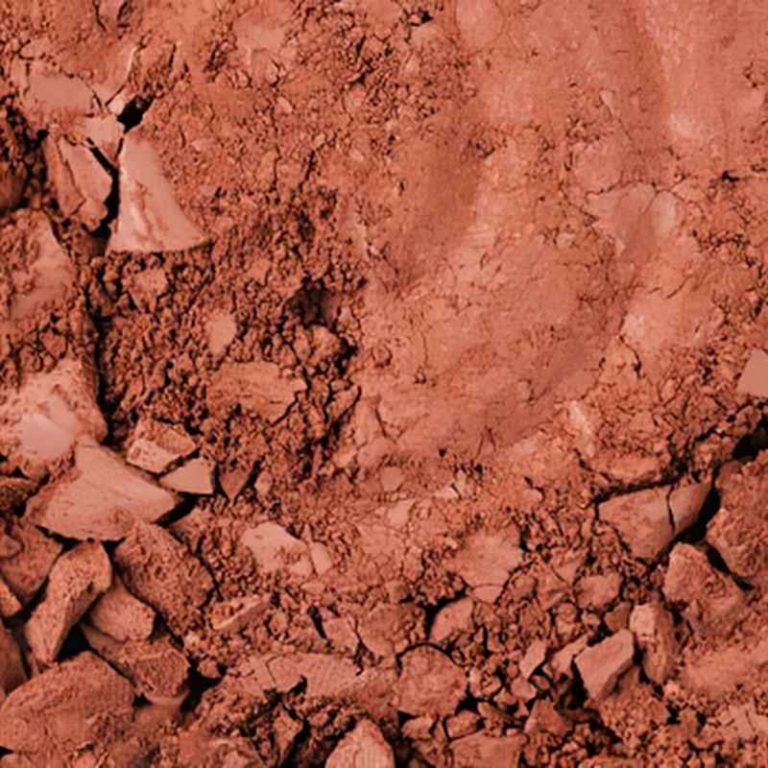
Good tilth feels crumbly, slightly moist, and firm enough to hold shape without turning dense. Water moves through it at a reasonable pace, and roots can push downward and branch outward. Poor tilth feels sticky, slick, crusted, hard, or cloddy, and roots slow when they hit it.
Tilth, texture, and structure are different
Texture is the mix of sand, silt, and clay. It comes from the parent material and changes very slowly. Structure is how those particles group into crumbs, clods, and aggregates. Tilth is the usable result you get from structure, pore space, moisture handling, and biology.
That difference matters. A clay bed can have decent tilth if it is well aggregated and full of pore space. A sandy bed can still have poor tilth if it drains too fast, lacks organic matter, and cannot hold a stable crumb. Texture sets the starting point. Management shapes the result.
Why tilth matters for roots and water
Tilth matters because roots need air, water, and space at the same time. Soil pores are the gaps between particles and aggregates. They store air and water, and they let each move through the bed. When pores shrink from compaction or weak structure, drainage slows and rooting depth drops.
Pore space, drainage, and aeration
Soils with enough pore space drain after rain but do not turn brick hard. That balance helps roots and microbes function. If a bed stays puddled, the pores are too limited or disconnected. If it sheds water too fast, the pores may be large but poorly buffered by organic matter.
Seedbed quality and germination
A seedbed needs a fine, firm, moist, crumbly surface. Fine enough for seed contact. Firm enough that seeds do not fall into hollows. Moist enough for germination. Crumbly enough that emerging shoots can break through without a crust stopping them at the surface.
Root penetration and compaction
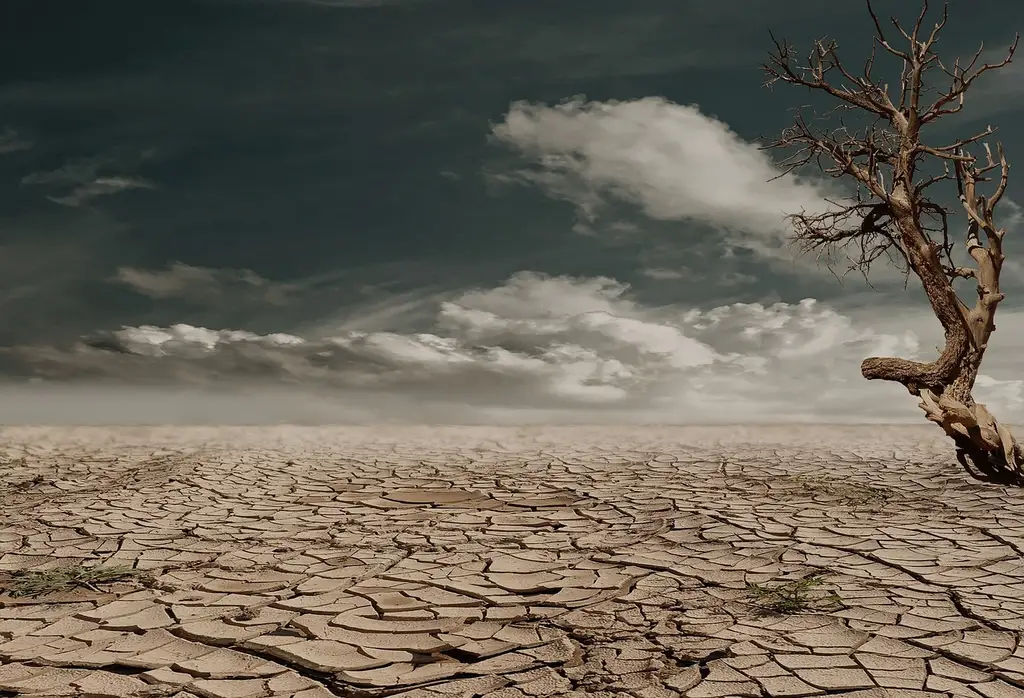
Compaction is one of the main causes of poor tilth. It reduces pore space, limits oxygen, and makes root penetration harder. Working soil when it is wet is a common way to compact it. Foot traffic, wheelbarrows, and repeated passes over the same bed can also squeeze pores shut.
Say your vegetable bed looks loose after a fresh tilling, but two weeks later the top half-inch sets into a crust after rain. That is a sign that the short-term loosening did not build lasting structure. The soil may need more organic matter and less disturbance, not another pass with the tiller.
What changes tilth over time

Tilth changes as soil organisms, organic matter, and disturbance work on the same bed. Soil is a living, dynamic mix of mineral particles, organic matter, water, air, and living organisms. It forms slowly through weathering and decomposition, so the condition you see today reflects many seasons of management.
Organic matter and aggregation
Organic matter helps soil particles bind into stable crumbs, hold water between rains, feed microbes, and keep nutrients in forms plants can use. It also gives soil a better working feel. In practical terms, regular compost, roots, and residue usually mean better crumb formation over time.
Soil microbes and earthworms
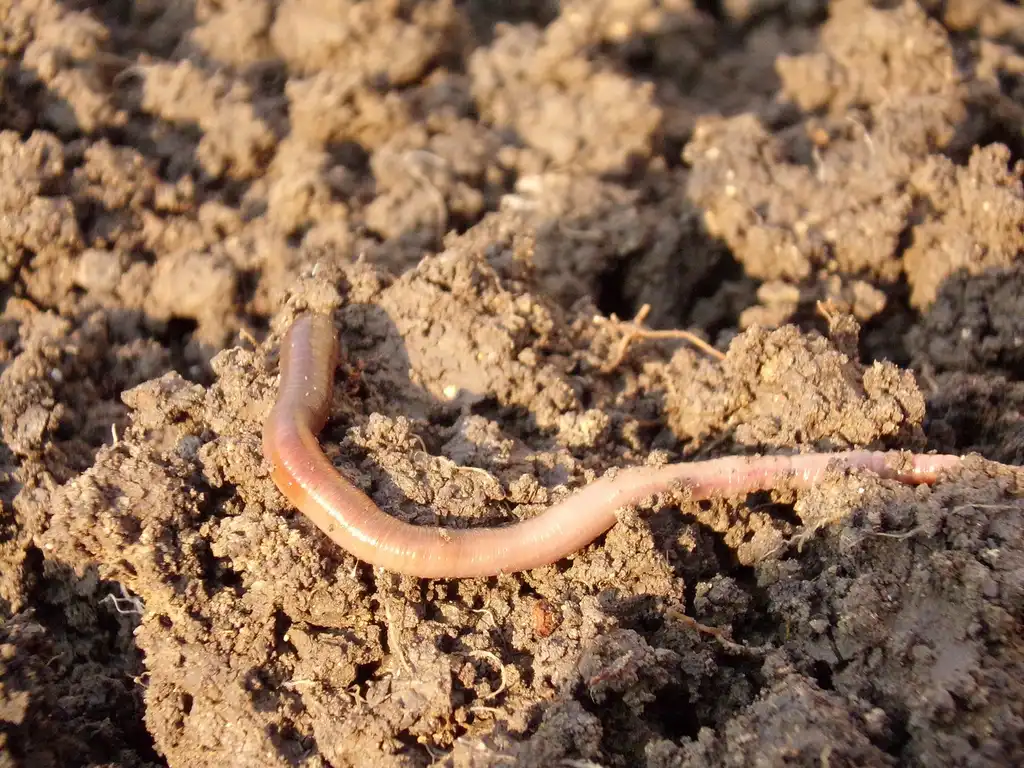
Soil microbes break down plant residue, make binding compounds, and help form stable aggregates. Earthworms pull residue into the soil and leave channels behind. Those channels help air and water move. Both respond to disturbance. Heavy tillage can reduce their habitat, while residue and compost can support them.
Tillage, traffic, and wet-soil damage
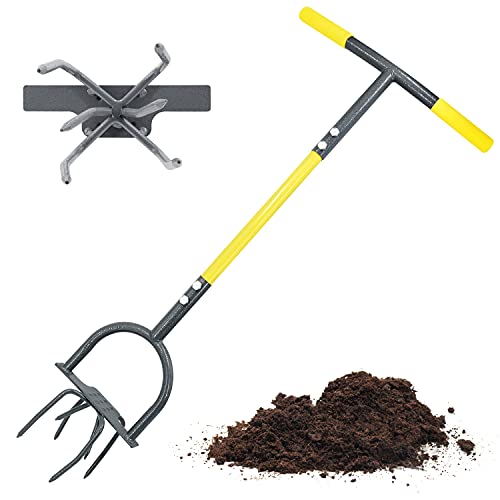
Tillage can loosen soil in the short term, which is why it sometimes seems helpful right away. But repeated tillage can damage structure, speed organic matter loss, and leave soil more prone to crusting. If you till wet soil, the particles smear and compress instead of breaking cleanly.
A common first-timer mistake is to rake or till a bed right after rain because the surface looks almost ready. If the soil balls up in your hand or leaves a shiny smear on a tool, wait. That pause can prevent a season of clods and a hard surface crust.
How to read your soil in hand
You can judge tilth with a few simple checks in the bed and in your hand. Good tilth shows up as crumbs, moderate firmness, limited stickiness, and visible pore space. Poor tilth shows up as smearing, dense clods, water that sits on the surface, and roots that stop or bend sideways.
Crumb size and soil feel
Break a handful of soil gently. Good tilth often breaks into small crumbs rather than large slabs. A garden bed in fair condition may still have some clods, but it should not behave like wet clay plaster. The best sample feels friable, not powdery and not slick.
Stickiness, firmness, and infiltration
Pinch a damp sample between thumb and forefinger. If it smears easily or sticks hard to the skin, the soil may be too wet, too fine-textured, or too compacted for good tilth. Pour a cup of water into a small hole and watch it. Slow entry suggests limited pore space.
Root penetration clues
Pull up a plant at the end of the season and look at the root shape. Roots that run deep and branch normally suggest workable soil. Roots that twist sideways, stop at a hard layer, or form a shallow mat point to compaction, a crust, or a dense pan below the surface.
Tilth diagnosis checklist
Use this checklist on moist, not wet, soil. Score each item from 1 to 5. A higher score generally means better tilth. Add the five scores for a total of about 25. If your total stays low, change management before adding more tillage.
| Check | 1 point | 3 points | 5 points |
|---|---|---|---|
| Crumb size | Hard clods or smeared slabs | Mixed clods and crumbs | Loose, stable crumbs |
| Stickiness | Strong smear or heavy adhesion | Some tackiness when damp | Little to no smear |
| Firmness | Either crusted hard or soupy | Moderately firm, uneven | Firm but not compacted |
| Infiltration | Water sits or runs off | Water enters slowly | Water enters at a steady pace |
| Root penetration | Roots shallow, bent, or stunted | Some depth limit | Roots move down and branch well |
Score guide: A score of about 21-25 generally suggests good tilth. A score of about 14-20 generally suggests workable but improvable tilth. A score of about 5-13 generally suggests poor tilth and a possible compaction or structure problem.
- Test the soil when it is moist, not wet.
- Break apart a handful and note crumb size.
- Pinch for stickiness and smear.
- Check how fast a small amount of water enters.
- Look for root depth and branching.
- Choose one change: organic matter, less traffic, or less tillage.
How to improve poor tilth
Improve poor tilth by correcting the cause, not by adding more disturbance. Organic matter often helps because it supports aggregation and biology. But the right move depends on texture, drainage, and how the bed is used. Clay, sand, and raised beds usually need different fixes.
Clay soil actions
Clay soil often has fine particles that pack tightly, so the main goal is to build stable crumbs and protect pores. Add compost or other well-decomposed organic matter in modest layers. Avoid working clay when it is wet. Reduce traffic and keep the bed covered with mulch when possible.
Do not expect compost to fix a compacted clay pan by itself. If the bed already has a dense layer below the surface, a single deep loosening may help, but only when the soil is suitably dry. After that, protect the bed from repeated pressure and heavy disturbance.
Sandy soil actions
Sandy soil usually drains quickly because the pores are larger and the particles do not bind as strongly. Organic matter matters here too, because it helps the soil hold moisture and nutrients while improving crumb stability. Regular additions of compost and mulch often help most.
Because sand already drains fast, over-tilling can make the surface lose what little structure it has. Keep cultivation shallow when possible. Focus on adding cover, keeping roots in the bed longer, and reducing bare exposure to heat and wind.
Raised-bed actions
Raised beds can develop good tilth fast, but they can also lose it fast if they are stepped on or overworked. Keep traffic out of the bed. Rebuild organic matter with compost, shredded leaves, or other residue. If the surface crusts, loosen only the top layer lightly and avoid deep disturbance unless there is a real problem below.
Raised beds also dry faster, so timing matters. If the bed is dusty at the top and sticky below, water first and wait for a workable moisture level before any cultivation. That helps protect structure and keeps the surface from turning to paste.
Frequently asked questions
What is the tilth of the soil?
Tilth is the soil’s usable physical condition for planting and root growth. It describes how crumbly, porous, moist, and firm the soil is in practice. A bed with good tilth drains, holds enough water, and lets roots move. Poor tilth feels sticky, crusted, dense, or hard.
What does it mean to till soil?
To till soil means to disturb and loosen it with a tool or machine for planting, weed control, or bed preparation. Tilling can break crusts and mix in amendments, but it also disrupts structure. If done too often or when the soil is wet, it can damage tilth.
What is soil texture vs tilth?
Texture is the proportion of sand, silt, and clay in soil. Tilth is the working condition that results from structure, pore space, moisture, and biology. Texture changes slowly and sets the starting point. Tilth can improve or worsen within a season, depending on management.
How do you know if your soil has good tilth?
Good tilth shows up as stable crumbs, limited stickiness, steady water entry, and roots that grow down rather than sideways. The surface feels firm but not packed, and it does not form a crust after every rain. The checklist in this article gives a simple 5-point way to judge it.
Does tilling always improve soil?
No. Tilling can give short-term looseness, but it does not always improve long-term tilth. If the soil is wet, tilling can smear particles and compact the bed. Repeated tilling can also weaken aggregates and reduce organic matter, which makes the soil less stable over time.
What is the difference between tilth and compaction?
Tilth is the overall workable condition of the soil. Compaction is one specific problem that lowers it by squeezing out pore space. Compacted soil resists roots, drains poorly, and often crusts. Good tilth usually means compaction is low enough that roots, air, and water can move.