How to Prepare Soil for Seasonal Color Beds
For seasonal color beds, test drainage, clear debris, loosen the top about 6 to 8 inches, and add only about 1 to 2 inches of compost before planting annuals. Skip that prep and roots stay shallow, bloom is uneven, and water use climbs. This guide covers soil testing, bed cleanup, amendment depth, and final raking for quick, even establishment.
What you’ll need


- Shovel
- Garden fork
- Rake
- Hoe
- Well-finished compost
- Topsoil for grade correction
- Soil test kit or lab sample
- Mulch for after planting
How do you read the bed first?
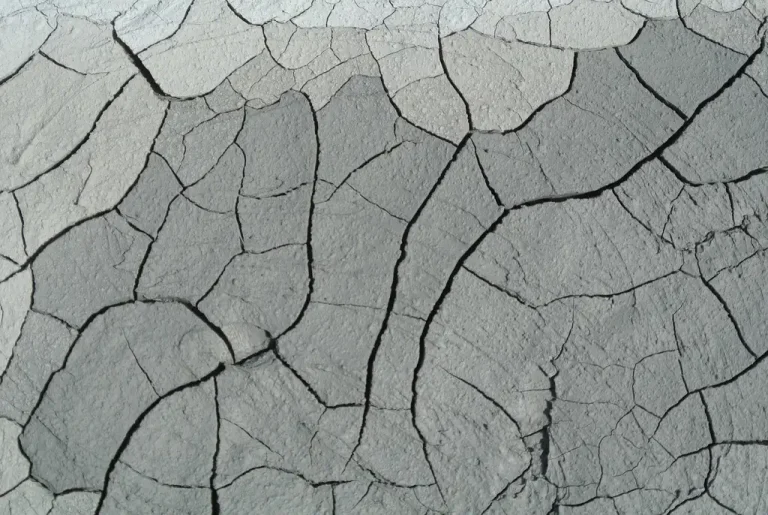
Start at the surface, then decide how deep to work. Pull weeds, remove old stems and leaves, pick out rocks, and clear loose debris. After that, check whether the bed drains evenly, crusts after rain, or sits low in spots. Seasonal color beds need fast, even rooting, so the prep should match the problem, not a full rebuild by habit.
Seasonal color soil checklist
| Input | What you see | Prep path | Risk note |
|---|---|---|---|
| Drainage speed | Water clears in under a day | Loosen only | Watch for crusting if the surface seals after irrigation. |
| Drainage speed | Water lingers or puddles | Full reset | Poor drainage can drown roots unless grading or soil texture changes are made. |
| Compaction level | Fork hits resistance in the top layer | Compost only | Do not keep turning hardpan; that can make a layered bed worse. |
| Compaction level | Spade sinks unevenly or stops fast | Topsoil lift | Uneven settlement can return after rain if grade is not rebuilt. |
| Surface evenness | Small dips, no standing water | Topsoil lift | Leveling the surface matters for even rooting and clean irrigation flow. |
| Planting timeline | Same-day planting | Loosen only | Deep amendment may slow planting and dry out the bed edge. |
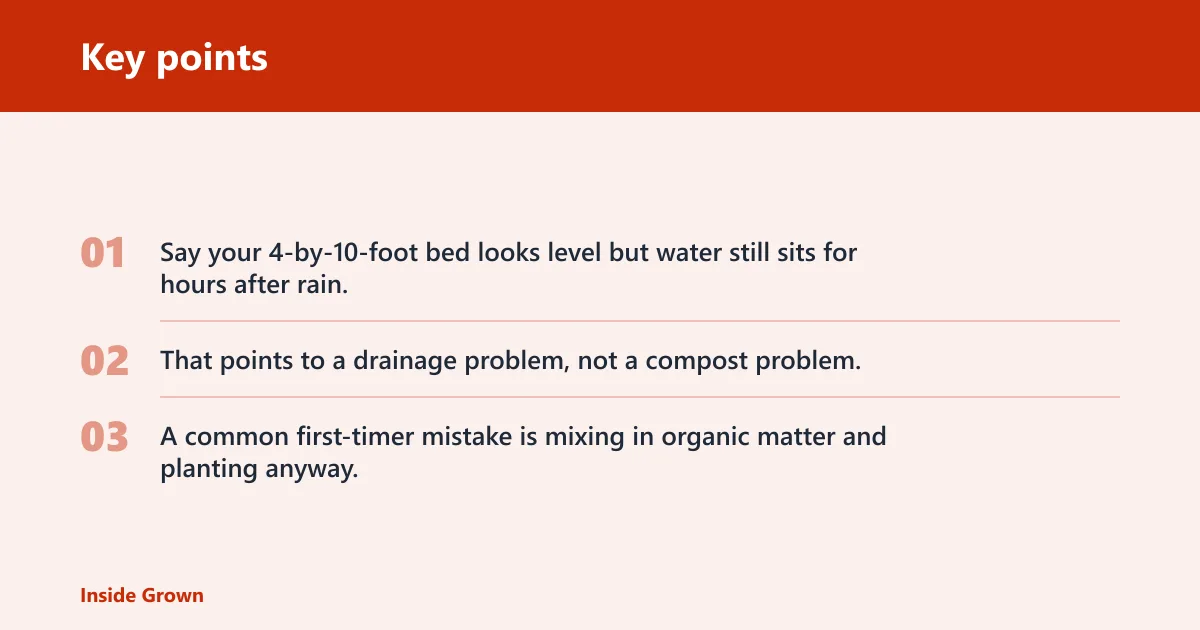
Say your 4-by-10-foot bed looks level but water still sits for hours after rain. That points to a drainage problem, not a compost problem. A common first-timer mistake is mixing in organic matter and planting anyway; the water path stays slow, and annual color plants root poorly.
Which soil fix does this bed need?
| Drainage speed | Compaction level | Surface evenness | Planting timeline | Prep path | Risk note |
|---|---|---|---|---|---|
| Fast | Low | Even | Today | Loosen only | Too much amendment can dry faster than roots can spread. |
| Moderate | Low to moderate | Even | Within a week | Compost only | Use finished compost, not raw organic debris. |
| Moderate | Moderate | Uneven | Within a week | Topsoil lift | Thin lifts reduce settling compared with one deep dump. |
| Slow or standing water | High | Uneven | Flexible | Full reset | Drainage fixes may need grading, texture change, or different plants. |
How do you test drainage and texture?
Test drainage before you amend anything, then identify the soil texture so you know whether the bed is mostly sand, silt, or clay. Seasonal color plants need soil that wets and drains evenly. A soil test kit or lab soil test should come before major amendments, because pH and nutrient status guide any later correction.
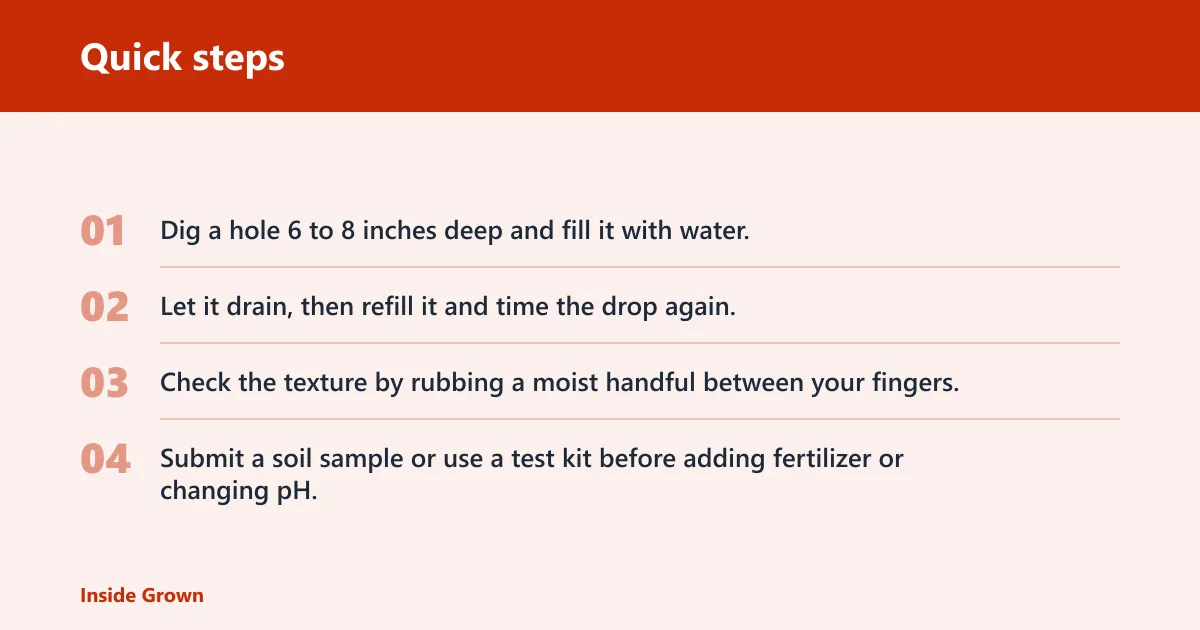
- Dig a hole 6 to 8 inches deep and fill it with water.
- Let it drain, then refill it and time the drop again.
- Check the texture by rubbing a moist handful between your fingers; sandy soil feels gritty, silty soil feels smooth, and clay feels sticky.
- Submit a soil sample or use a test kit before adding fertilizer or changing pH.
Adjust soil pH only after testing and only to suit the flower species you plan to plant. Fertilizer does not fix a poor drainage rate, and it does not loosen compacted ground. Those are separate problems.
Suppose a bed drains well on one side but stays wet near a downspout. That points to water movement, not a universal soil problem. In that case, a grade correction or plant choice change may matter more than any amendment.
How should you fix the bed?
Use the lightest fix that matches the problem. Loosen only if the structure is sound and the bed just needs surface relief. Add compost when the bed needs better structure or more moisture holding. Use topsoil when the grade is low or uneven. A full reset is for beds with poor drainage, repeated settling, or severe compaction.
Loosen only when the structure is sound
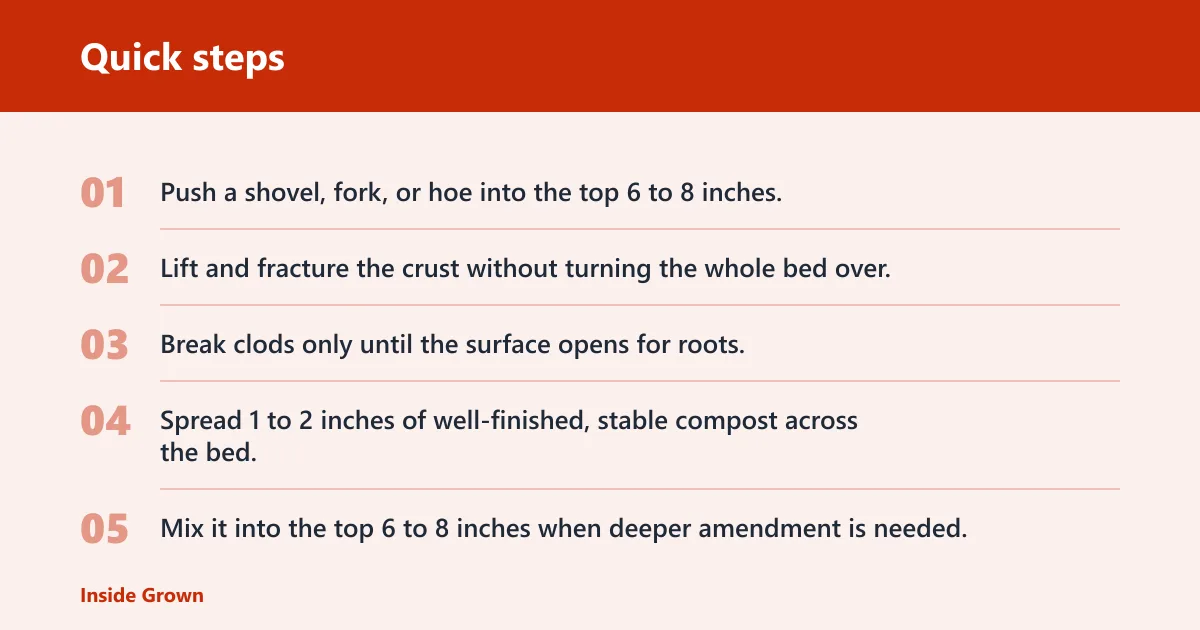
- Push a shovel, fork, or hoe into the top 6 to 8 inches.
- Lift and fracture the crust without turning the whole bed over.
- Break clods only until the surface opens for roots.
Do not overwork a bed that only needs surface prep. Seasonal color plants are often shallow-rooted compared with shrubs, so they need loose topsoil more than deep disturbance.
Add compost when the bed needs structure
- Spread 1 to 2 inches of well-finished, stable compost across the bed.
- Mix it into the top 6 to 8 inches when deeper amendment is needed.
- Stop there and recheck the surface before adding more.
Compost improves structure, water retention, and biological activity. It is not interchangeable with topsoil. Use it when the bed needs better body, not when the grade needs rebuilding.
Use topsoil to build or reset grade
- Add topsoil in thin lifts, about 1 inch at a time.
- Match the existing soil texture when possible.
- Rake and water lightly after each lift so the surface settles before the next addition.
Topsoil is the right choice when the bed has sunk, slumped, or formed low pockets after rain. A thin-lift approach helps prevent a soft cap over firmer soil below. That matters in seasonal beds, where even height and even moisture movement affect bloom.
How do you plant and mulch seasonal color?
Set annual color plants at the same depth they grew in their containers, then water to settle the soil around the roots. A common rule of thumb is to finish with about 2 to 3 inches of organic mulch after planting, and keep it away from stems and crowns. The goal is steady moisture, not burial.
- Rake the bed level before planting so the surface drains consistently.
- Set each plant at the correct depth and firm the soil gently around it.
- Water enough to settle air pockets around the roots.
- Apply mulch 2 to 3 inches deep, leaving a gap around stems and crowns.
Common first-timer mistake: planting into a bed that still slopes toward one corner. The low end stays wetter, the high end dries faster, and bloom timing becomes uneven across the bed. Level first, then plant.
What common mistakes should you avoid?
The biggest errors are over-amending, skipping drainage checks, and treating compost and topsoil as the same material. Another common failure is creating layers that look finished on top but hold water below. Seasonal color beds need fast rooting, so every fix should support that result.
- Do not add compost by default if the grade is the real problem.
- Do not bury stems or crowns under mulch.
- Do not till deeply unless the bed truly needs full disturbance.
- Do not mix topsoil and compost in one vague pile and hope it evens out.
Common first-timer mistake: a 3-inch dip is filled with loose compost alone, then watered hard. The bed settles again because compost is not a grade-building material. Use topsoil for the lift, then topdress with compost only where the soil also needs structure.
Prevention matters here: test drainage before each seasonal refresh, especially after heavy rain or repeated foot traffic. That keeps small problems from turning into soggy pockets or crusted patches.
Frequently asked questions
How do I prepare soil for a flower bed?
Clear debris, test drainage, and loosen the top 6 to 8 inches only as needed. Then add 1 to 2 inches of compost if the bed needs more structure or water holding. Finish by raking the surface level before planting and watering to settle roots.
How do I prepare flower beds for spring?
Start with cleanup, then check whether winter left crust, compaction, or dips in the surface. Use a soil test kit or lab sample before changing pH or adding fertilizer. For spring color, keep the prep shallow and even so annuals establish quickly.
Do I need compost before planting annuals?
Only if the bed needs better structure, moisture retention, or a light organic boost. Finished compost usually goes into the top 6 to 8 inches. If the real issue is poor grade or standing water, use topsoil or drainage correction instead.
How deep should I loosen soil in a flower bed?
For seasonal color beds, 6 to 8 inches is usually enough. That depth supports shallow-rooted annuals without overworking the subsoil. If a shovel meets hard resistance below that layer, stop and reassess drainage or compaction before digging deeper.
Should I test drainage before planting seasonal flowers?
Yes. Drainage rate determines whether the bed needs only loosening, a compost topdress, a topsoil lift, or a full reset. A simple hole-and-refill check shows whether water moves through the bed at a useful pace before plants go in.
What soil do I use for seasonal color beds?
Use existing soil as the base when it drains and holds shape well, then amend only what the test shows is missing. Topsoil belongs in thin lifts for grade changes. Compost belongs in the top layer when the bed needs improved structure, not a rebuild.