What Is Soil Biodiversity and Why It Matters?
By [Expert Gardener/Soil Specialist]
Scope note: Gardeners can assess earthworms, crumb structure, residue breakdown, root depth, smell, surface cover, and obvious compaction in the field. pH, nutrient levels, and most biological metrics such as respiration or microbial biomass require lab testing or a formal soil health test.
Soil biodiversity is the variety of bacteria, fungi, protozoa, nematodes, insects, earthworms, and other soil life that drives nutrient cycling, soil structure, and disease control in gardens. If you want the short answer: active soil life helps form aggregates, improves infiltration, supports root growth, and reduces how much water and fertilizer plants need. This guide explains the soil food web, how to spot healthy soil, and how to bring weak soil back.
What soil biodiversity means
Soil biodiversity is the living variety below the surface, from tiny microbes to visible earthworms. It matters because those organisms break down residues, release nutrients, build stable crumbs, and help keep some pests and diseases in check. Standard soil tests do not measure that living system directly.
The living parts of soil
In practical garden terms, soil biodiversity includes bacteria, fungi, protozoa, nematodes, insects, mites, and earthworms. These groups work on dead roots, fallen leaves, grass clippings, and compost. As they feed and move through the soil, they change how water enters, how roots spread, and how nutrients become available.
How soil biodiversity differs from soil health
Soil health is broader. It includes chemistry, structure, water movement, and biology. Soil biodiversity is one part of that larger picture, focused on the variety of life in soil and the activity of that life. A garden can have decent pH and fertility but still have weak biological activity.
The USDA Natural Resources Conservation Service (NRCS) describes soil as a living system and emphasizes that biology helps form stable soil structure and aggregation. That matters in gardens because aggregation is what keeps soil from sealing, crusting, or collapsing into a dense layer after rain or irrigation. NRCS also treats soil as a resource that must be managed to protect ecosystem function, not just to supply nutrients.
Who lives in healthy soil?
Healthy soil holds a working food web. Microbes and fungi break down residues first. Protozoa and nematodes feed on smaller organisms. Earthworms and insects shred and mix material, and predators help regulate pests and pathogens. The point is active life in soil, with nutrients and carbon moving through the system.
Microbes, fungi, protozoa, and nematodes
Bacteria and fungi are the main decomposers. They turn residues into simpler compounds that other organisms can use. Protozoa and nematodes then feed on microbes and release nutrients in plant-available forms. That recycling affects nutrient cycling, which changes how efficiently fertilizer works.
Fungal threads matter because they help bind particles into aggregates and can move through tiny pores that roots cannot. Protozoa and nematodes are not visible to the eye in a casual garden inspection, but they are part of the engine that keeps nutrients moving. If you want to verify biological activity beyond field signs, a lab-based soil health test or biological assay is the way to do it.
Earthworms, insects, and other visible soil life
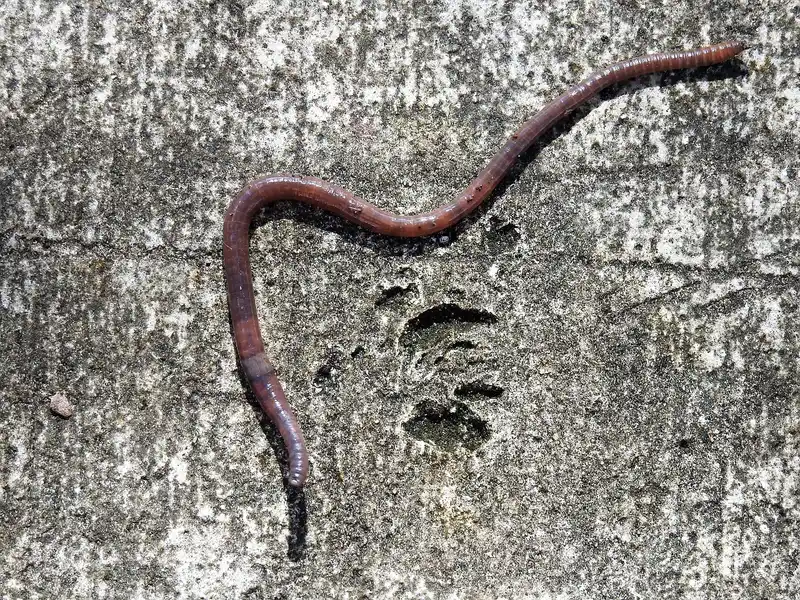
Earthworms are one of the easiest field signs of biological activity. They create channels, mix residues into the soil, and leave casts that help build structure. Insects and other soil arthropods shred material into smaller pieces, which speeds decomposition and feeds the rest of the food web.
Say your tomato bed is full of last fall’s mulch, and by late spring the mulch has largely disappeared into a dark, crumbly surface layer. That does not prove perfect soil, but it does suggest active residue breakdown and a functioning surface community. Extension educators commonly use earthworm counts and residue breakdown as practical indicators because they are simple enough for gardeners to observe without special equipment.
What each group does in the soil food web
The soil food web works because each group feeds another. Plants feed microbes through root exudates. Microbes feed protozoa and nematodes. Larger soil animals fragment residues and move organic material around. Predators help regulate populations that would otherwise get out of balance. That chain matters because plant nutrition depends on the chain moving, not on fertilizer being present alone.
Why gardeners should care
Soil biodiversity matters because it changes how fast nutrients are released, how well soil holds together, how easily water moves, and how much disease pressure a plant faces. The same garden can need less fertilizer and less water when the soil food web is active and organic matter is being processed well.
Nutrient cycling and fertilizer efficiency
When decomposers are active, organic residues are turned into plant-available nitrogen, phosphorus, and other nutrients. That is nutrient cycling in action. It can improve fertilizer efficiency because fewer nutrients sit unused or wash away before roots can reach them.
NRCS notes that nutrient management can reduce input costs and maximize yields. In garden terms, that means better timing and better matching of nutrient supply to plant demand, not just adding more product. NRCS also notes that conservation and organics work together.
Structure, pores, and water movement
Biological activity helps form aggregation, the clumping of soil particles into stable crumbs. Good aggregation creates pore space. Those pores let water infiltrate instead of running off and give roots room to grow. Without that structure, soil tends to seal, crust, and compact more easily.
Organic matter is food for soil life and often rises when you add compost, mulch, or cover crops. It also helps with water-holding and aggregation. That is why the same compost that feeds organisms can also make soil easier to work and better at taking in rain.
USDA NRCS educational materials on aggregation and biological activity align with what extension resources say about infiltration: soils with more stable structure generally absorb water better than compacted or crusted soils. For gardeners, that means fewer puddles, less runoff, and less stress on roots during heavy rain.
Disease suppression and root growth
A biologically active soil can make it harder for some pathogens to dominate. Diverse soil communities compete for space and food, and some predators help regulate organisms that can harm roots. Roots also grow deeper when the soil has better structure, fewer hard zones, and more air and water moving through it.
Picture a raised bed where lettuce roots stop at 4 inches because the next layer is dense and gray. The issue is not only a lack of fertilizer. Compaction and weak biological activity can block roots from using water and nutrients already in the soil.
Soil biodiversity quick-check
This quick-check does not replace a lab test. It helps you judge whether soil life seems active, weak, or in between. Score each indicator from 0 to 2, then total the points. Use the score as a guide for what to change first.
| Indicator | 0 | 1 | 2 |
|---|---|---|---|
| Earthworms | None seen in a small dig | 1 to 2 found | 3 or more found, with casts |
| Crumb structure | Hard clods or single-grain dust | Some crumbs, mixed with clods | Stable crumbs that break easily |
| Residue breakdown | Leaves or mulch still intact after months | Partial decay | Most residue is breaking down well |
| Root depth | Roots stop shallowly or bend sideways | Moderate penetration | Roots move down through the profile |
| Infiltration | Water ponds or runs off | Water enters slowly | Water soaks in at a steady pace |
| Smell | Sour, rotten, or stagnant | Neutral, faintly earthy | Clean, earthy smell |
| Fungal threads | None visible on residue or soil | Few threads visible | Clear white threads on residue or soil |
| Surface mulch | None | Thin or patchy cover | Even cover protecting the surface |
| Compaction signs | Dense layer, hard digging, or crusting | Some resistance | Loose enough for easy root and water movement |
| Pest and disease recycling | Diseased residues linger, pest pressure repeats | Mixed pattern | Residues break down and pressure is lower |
Total score interpretation: 0 to 7 means low biological activity; 8 to 14 means moderate activity with limits; 15 to 20 means strong activity and good soil function.
- Low score: Within the next 2 to 4 weeks, stop adding more fertilizer “just in case,” because excess fertilizer does not fix compaction or poor drainage. Test the soil for pH and nutrients, then take action on structure: loosen only the most compacted zones, add 1 to 2 inches of compost on the surface, and cover bare soil with mulch. Keep traffic off the bed for the rest of the season. If water ponds, correct drainage before you plant heavily again.
- Medium score: Over the next 1 to 3 months, maintain current fertility but feed the biology: keep roots in the ground with a cover crop or living mulch where possible, top-dress with compost, and reduce deep digging. Recheck the same indicators after one full season. Do not over-till, do not strip the surface bare, and do not assume more nitrogen will solve shallow roots or poor aggregation.
- High score: Over the next season, protect what is already working: keep mulch on the surface, minimize disturbance, and maintain a rotation or cover-crop plan so the soil is not left idle. Use standard soil tests only to confirm nutrients and pH before making adjustments. Do not turn the bed repeatedly, remove all residue, or replace a functioning system with frequent inputs that could upset the food web.
What low soil biodiversity looks like
Low soil biodiversity usually shows up as slow residue breakdown, weak aggregation, poor infiltration, shallow roots, and more visible compaction. It can also mean more disease pressure because the food web is not doing much to check harmful organisms. Plants then depend more on added fertilizer and irrigation.
Slow decomposition and weak aggregation
When decomposers are scarce or inactive, mulch and residues persist longer on the surface without turning into stable soil crumbs. The soil may look dusty when dry and slick when wet. That is a sign the structure is not being rebuilt by biological activity.
Poor drainage and shallow roots
If water sits after rain or irrigation, pores are limited. Roots then grow sideways, stay shallow, or avoid dense layers. That makes plants more sensitive to dry spells because they cannot reach deeper moisture.
Higher pest and disease pressure
A weak food web can let some pests and pathogens recur more easily. That does not mean biodiversity alone prevents disease. It means a diverse, active soil is less likely to leave roots exposed and stressed, which is often when problems become worse.
How to rebuild soil life
Start with the surface and the root zone. Add organic inputs, keep living roots in the ground when possible, and reduce the disturbance that breaks apart aggregates and dries out habitat. Compost helps, but it is not a substitute for fixing compaction, drainage, or pH problems.
Use compost as an amendment or mulch
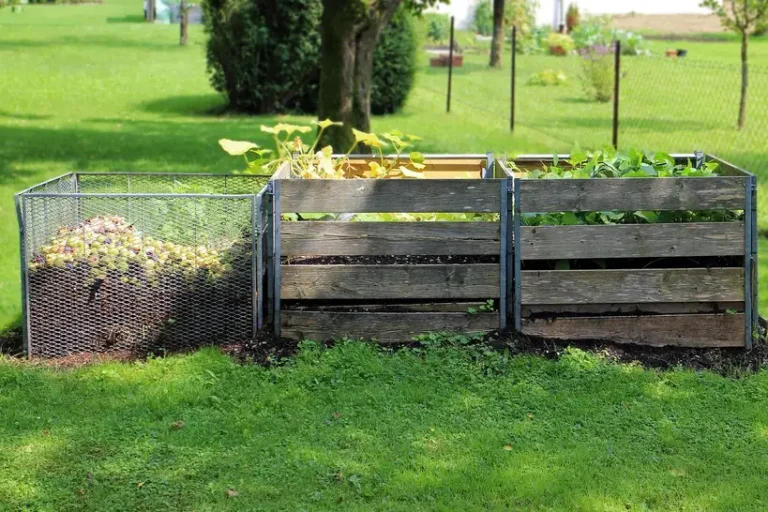
Compost can add organic inputs and microbes. Use it mixed into the top layer as an amendment when you need to feed planting beds, or spread it on the surface as a mulch to protect soil and feed surface organisms. Do not use compost as a guess at a cure for poor drainage or tight soil.
NRCS offers conservation assistance for urban farmers, including composting. That fits a garden setting too: compost is useful, but it works best as part of a broader plan for soil management.
Keep living roots in the ground with cover crops
Cover crops feed soil life because living roots keep supplying carbon belowground. They also protect the surface from pounding rain and heat. In a home garden, they are most useful in empty beds, between main crops, or during off-seasons when the soil would otherwise sit bare.
Reduce disturbance and protect the surface with mulch
Frequent digging can break fungal threads and disturb soil habitats. Use mulch to cushion the surface, keep moisture more even, and feed decomposition at the top of the profile. A light touch with cultivation is usually better than repeated deep turning.
Suppose a 4-by-8-foot vegetable bed has crusted soil, no mulch, and water that pools after irrigation. Compost alone will not solve that. A better order is to loosen compaction where possible, add surface mulch, and correct drainage or pH if tests point that way.
Soil tests and biology
Standard soil tests tell you about chemistry, not biodiversity. They are still useful for pH, nutrient levels, and other basic decisions, but they should be paired with observation of roots, aggregates, and earthworms. Some advanced programs also measure respiration or other biological metrics.
What standard soil tests do and do not show
A standard test can usually tell you whether phosphorus, potassium, or pH is out of range. It generally does not tell you whether microbes are active, whether fungal networks are present, or whether earthworms are making channels. That is why a lab report and a shovel inspection should be read together.
When respiration or other lab metrics help
Advanced lab programs may include respiration, which is one indirect measure of soil food web activity. That can be useful when you want a more technical look at biological function. It still does not replace field signs like smell, crumb structure, and root depth. Because respiration is a biological metric, it should be interpreted with context and not as a stand-alone verdict on soil quality.
How to pair test results with field observation
Use chemistry to answer “what is missing?” and field observation to answer “is the soil system working?” If a test says nutrients are adequate but roots stay shallow and water ponds, the main problem may be structure or compaction. If nutrients are low and decomposition is slow, you may need both fertility and biological support.
Frequently asked questions
What is soil biodiversity?
Soil biodiversity is the variety of living organisms in soil, including bacteria, fungi, protozoa, nematodes, insects, and earthworms. Gardeners care because these organisms drive nutrient cycling, help build structure, and can limit some disease pressure. It is measured indirectly through signs like organic matter, respiration, and soil food web activity.
Why does soil biodiversity matter for plants?
Plants depend on soil life to help release nutrients, form stable aggregates, and keep pores open for water and air. When biodiversity is active, fertilizer can work more efficiently and roots can explore deeper. When it is weak, soil tends to compact, drain poorly, and feed plants less effectively.
What lives in healthy soil?
Healthy soil holds microbes, fungi, protozoa, nematodes, earthworms, insects, and other small organisms working together. Microbes and fungi break down residues. Earthworms move and mix material. Predators help regulate pests and pathogens. A healthy system is active, not sterile, and it keeps the food web moving.
How do gardeners improve soil biodiversity?
Feed the soil with compost, mulch, and cover crops, and avoid unnecessary disturbance. Compost works best as an amendment or surface layer, not as a cure-all. Cover crops keep living roots in place. Mulch protects the surface and supports decomposition. If soil is compacted or poorly drained, diagnose those issues directly too.
Can compost increase soil biodiversity?
Yes. Compost adds organic inputs and often introduces microbes, so it can support more soil life. It also helps with aggregation and water-holding when used well. But compost will not fix every problem. Tight layers, drainage problems, and poor pH still need separate attention after testing and observation.
How can I tell if my soil is biologically active?
Look for earthworms, crumbly structure, residue breaking down at a steady pace, deeper root penetration, a clean earthy smell, and visible fungal threads on residue or soil. None of those signs alone proves perfect soil. Together, they give a practical picture of whether the food web is working.
What happens when soil biodiversity is low?
Low biodiversity usually means slower decomposition, weaker aggregation, poorer infiltration, more compaction, and higher disease pressure. Plants may need more water and fertilizer because the soil is doing less of the work. That is why a garden can look “fed” on paper and still perform poorly in the ground.