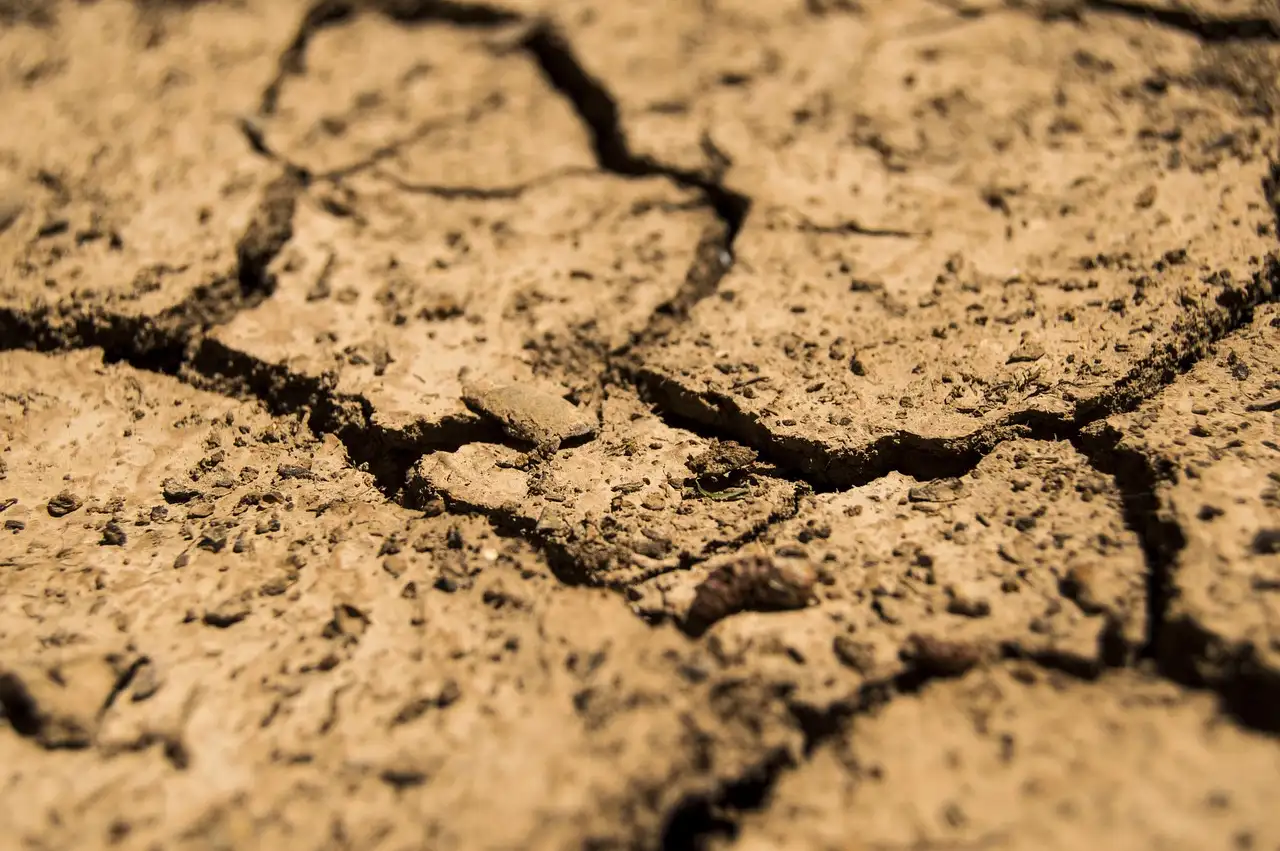
How to Prevent Runoff on Newly Graded Soil
To help reduce runoff on newly graded soil, cover exposed ground within about 72 hours with erosion blanket, mulch, or seeded straw, keep soil edges contained with wattles or silt fence, and route water away from the grade before the first storm. Without that, rain can carve channels, wash seed and topsoil away, and leave you regrading the site. This guide gives the fastest temporary covers, edge controls, and drainage steps for fresh grades.
Why newly graded soil runs off so easily


Newly graded soil has a loose, exposed surface that sheds water before plants can anchor it. Construction grading can increase stormwater runoff and cause erosion, and the first damage usually starts where water accelerates downhill or collects at low points.
That is why fresh grades need temporary stabilization right away. Exposed soil does not absorb intense rain well when the surface is open and fine particles are free to move. The result is sediment leaving the site instead of staying in place.
How bare soil turns rain into sediment flow
Stormwater runoff is water moving over exposed soil instead of soaking in. On a graded yard, that flow can strip soil in layers, then cut small tracks, then deepen into channels if the flow keeps concentrating.
Water erosion usually shows up as sheet erosion, rill erosion, and gully erosion. Sheet erosion removes a thin layer across large areas. Rill erosion forms small channels as water runs off disturbed soil. Gully erosion creates deep channels from concentrated water flow.
A common first-timer mistake is leaving a fresh slope uncovered because the grade looks smooth. The surface can look finished and still lose soil in the first hard storm, especially where water has a direct path downhill.
How long the vulnerable window usually lasts before roots help
Fresh grading stays vulnerable until temporary cover and root growth start doing the work. Seed alone is not enough in the first storm window, because roots need time to bind the surface and planted cover needs moisture, contact, and protection from washout.
Plan as if the first few days matter most for fresh grades. If heavy rain is in the forecast, temporary cover and edge control should go in before permanent planting takes over. That is the period when runoff control is most urgent.
Which control should go first?
Start with the control that matches slope, flow path, and storm risk. Flat yards need surface cover and edge control first. Moderate slopes usually need cover plus a sediment barrier. Steep runoff paths need something that slows water before it cuts channels.

Flat yards: focus on cover and edge control
On a mostly flat grade, a common quick win is surface protection. Mulch or seeded straw softens raindrop impact, and a downslope barrier helps trap loose sediment at the boundary before it leaves the site.
If the yard has a shallow swale or a low corner, keep water moving to a safe outlet. A flat area can still erode when runoff gathers at one point and exits there repeatedly.
Moderate slopes: pair cover with a sediment barrier
On moderate slopes, use a temporary surface cover and a downslope barrier together. An erosion control blanket or thick mulch protects exposed soil, while silt fence slows runoff velocity and keeps heavier particles on site.
This pairing works because the surface cover handles raindrop impact and the barrier catches material that still moves. If one of those pieces is missing, the other has to do too much work.
Steep runoff paths: slow flow before it cuts channels
Steep areas need stronger control because runoff gains speed and starts concentrating fast. Use erosion control blankets on the slope and check dams in drainage paths where water already wants to run in a narrow line.
Where a swale or ditch carries water, shape the route so it does not attack exposed soil. That may mean temporary diversion, a check dam sequence, or checking a culvert for backup before the next rain.
Soil runoff checklist
Use this checklist as a first-storm protection plan. It compares the slope, the rain risk, the first control to install, and the failure to inspect after rain. Keep the order simple: cover first, edge control next, flow control where water concentrates.
| slope/rain risk condition | best temporary control to install first | common failure to inspect after rain |
|---|---|---|
| Flat yard; light to moderate rain risk | Mulch or seeded straw, then a small downslope sediment barrier | Mulch displacement and sediment slipping under the edge |
| Flat yard with a low point or outlet | Mulch plus a silt fence at the downslope edge | Water ponding at the low point and bypass around the fence end |
| Moderate slope; exposed soil after grading | Erosion control blanket with silt fence below the slope | Blanket lifting, undercutting, and fence overtopping |
| Steep slope; runoff starts to gather in a line | Blanket plus check dams in the flow path | Rilling, gully start points, and water cutting around dams |
| Drainage path feeding a culvert or swale | Check dams and a cleaned, open drainage route | Blockage, backup, and erosion where the flow narrows |
- Walk the grade and mark where water will exit first.
- Cover exposed soil with mulch or blanket before the storm.
- Install a downslope sediment barrier where loose soil can leave the site.
- Break up concentrated flow with check dams or a diversion route.
- Inspect the first storm damage, then repair washout before the next rain.
How do you stop dirt runoff on a yard?
Stop dirt runoff by covering exposed soil fast, trapping loose edges, and keeping water from concentrating in one path. Mulch helps immediately on flat or gently sloped areas, erosion control blankets work better on slopes, and temporary vegetation helps once the surface is protected enough to hold seed.
Apply mulch at the right depth so it stays put
Mulching and vegetative cover reduce runoff and stabilize exposed soil. Mulch should be thick enough to block raindrop impact without blowing or washing away. If it is too thin, soil still seals over and sheds water. If it is too loose on a steep face, it can move downslope.
For small residential grades, the goal is simple: cover exposed soil before the first heavy rain and anchor it so it does not raft away. On active flow paths, mulch alone is not enough.
Use erosion control blankets on exposed slopes
Erosion control blanket is the right choice when the grade is steep enough that mulch will not stay in place. Erosion control blankets or mats are commonly used on slopes and newly graded surfaces, and biodegradable versions are available for temporary stabilization.
Install them tight to the soil so water cannot flow underneath. If the blanket bridges the surface or leaves exposed seams, runoff can lift it and start an undercut washout.
Seed or plant temporary vegetation after the surface is protected
Temporary vegetation is useful when permanent planting is not ready yet. Fast-establishing groundcover or cover crop helps stabilize exposed soil during the vulnerable window, but it works best after the surface already has mulch, blanket, or another protective layer.
Suppose a side yard was graded for drainage and left exposed for a month. If a hard rain arrives before roots take hold, the soil can rill even if seed is present. Protection has to come first.
Where should silt fence and check dams go?
Put silt fence downslope where it can catch sediment before it leaves the site, and place check dams in drainage paths where runoff concentrates. Use them for different jobs: one slows and traps sediment at the edge, the other breaks speed inside the channel.
Place silt fence downslope, not across a flow channel
Silt fences are made of geotextile fabric stretched between wooden posts. Installed correctly, they slow runoff velocity and keep heavier particles on site. They are not meant to handle a stream of water cutting straight through a ditch.
If a fence is set across an active channel, water may overtop or bypass it. The fence can fail at the ends, under the fabric, or where posts lean after the soil softens.
Use check dams in drainage paths where water concentrates
Check dams and diversion ditches help slow water flow and reduce sediment transport. They belong where runoff channels form, especially in shallow swales, trench-like flow paths, or temporary drainage lines created by grading.
They are not a substitute for surface cover. They are a flow-control tool for places where water already has enough force to cut a channel.
Check swales and culverts for blockages and backup
Proper drainage systems can include retention ponds, swales, and culverts. Those features reduce erosion by controlling water movement, but they only work when water can pass through them freely and away from vulnerable soil.
Inspect them for leaf buildup, mud plugs, or backup after a storm. If water cannot leave the area cleanly, it will find the easiest exit, which is often the exposed grade you were trying to protect.
What should you inspect after the first storm?
After the first storm, inspect the low points, edges, and any place water turned from sheet flow into a line. Look for washout, mulch movement, fence bypass, and undercutting. Those are the warnings that the next storm will do more damage unless you repair the path now.
Look for washout at low points and edges
Low points collect water, so they often reveal the first failure. If soil has been scoured there, the grade may be pulling runoff toward the same spot again. Edges near driveways, patios, and lot lines also show where runoff escapes.
Repair the shape before adding more cover. If the slope still directs water to the same point, a fresh layer of mulch will only hide the problem for a short time.
Find mulch displacement, fence bypass, and undercutting
Mulch that has drifted downslope means the layer was too light or not anchored well enough. Fence bypass usually shows up at the ends, where water sneaks around the barrier. Undercutting means flow has gotten under the control and started lifting it from below.
These failures are not cosmetic. They tell you where runoff found the easiest route, and that route needs to be blocked before the next rain.
Repair concentrated flow before the next rain
Once a trickle becomes a channel, it can turn into rill erosion and then gully erosion if it is left alone. Fix the path early with cover, small flow breaks, or a better outlet. Waiting usually means more soil loss and a larger repair.
Frequently asked questions
What is runoff in soil?
Runoff is water moving over soil instead of soaking in. On newly graded soil, that water can remove a thin layer across large areas, then form small channels, then carve deeper cuts where flow concentrates. The steeper and more exposed the grade, the greater the risk.
How to prevent fertilizer runoff
Keep fertilizer off exposed soil just before rain, and apply it only after temporary stabilization is in place. On a fresh grade, fertilizer can move with the same water that carries sediment. Mulch, cover crop, and drainage control reduce that movement by keeping soil in place.