Why Soil Color Can Tell You About Drainage and Organic Matter
Soil color is a clue, not a diagnosis. Gray, blue, or mottled soil often points to poor drainage, while dark brown to black is commonly associated with more organic matter. Still, you should verify with a simple hole about 12 inches deep and a squeeze test before changing anything. Guessing wrong can mean planting into waterlogged soil or wasting amendments that do little for root growth. This guide shows how to read color, run a fast drainage check, and separate organic matter from moisture effects.
What soil color can tell you
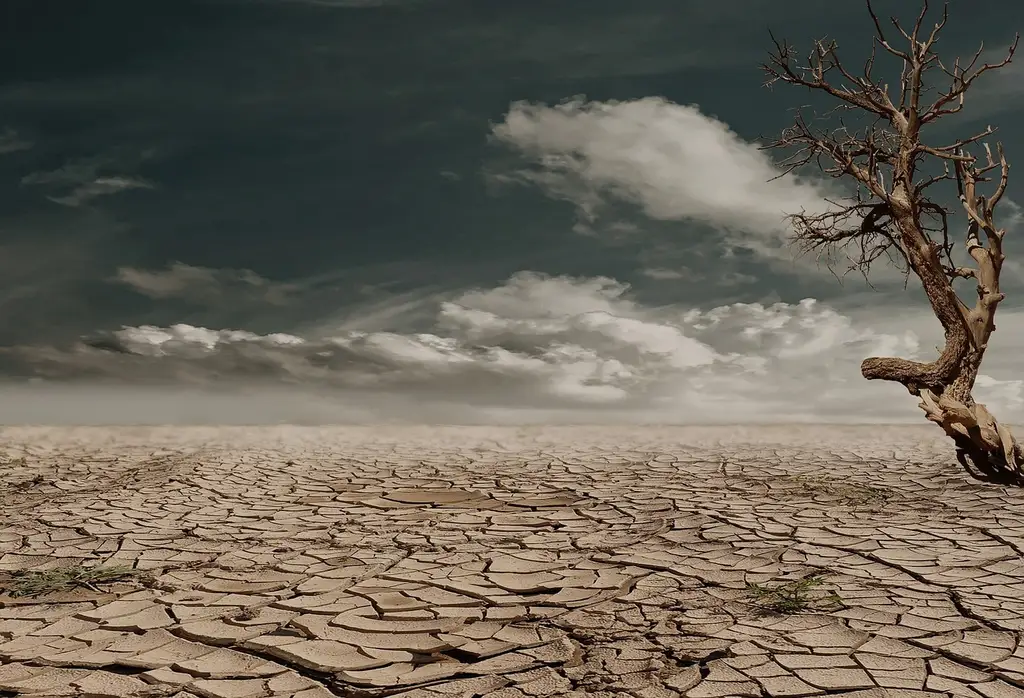
Color is an observable field indicator, but mineral content, organic matter, and wetness all affect it. Read it with texture and smell. The same shade can mean very different things in sandy, clay-heavy, or recently disturbed soil.
Dark soil often points to more organic matter and a better-structured top layer. Pale, red, yellow, gray, and mottled soils can signal different conditions, from iron minerals to low oxygen. None of those colors settles the question by itself.
Soil color decision table
| Observed color | Likely cause | Quick confirmation check | Best next step |
|---|---|---|---|
| Black or dark brown | High organic matter; humus-rich topsoil; can support a wide range of plants | Check for a crumbly feel, earthy smell, and whether the soil holds together lightly without smearing | Use it as a good sign, then still test drainage before planting |
| Light brown or tan | Moderate organic matter and soil structure; low to moderate iron, phosphorus, and available water | Rub a pinch between your fingers and compare it with nearby darker soil | Add compost or similar organic matter if the soil also feels weak or loose |
| White or pale | High sand content or leached minerals such as iron and manganese | Look for fast drying, a gritty feel, and poor moisture retention after watering | Improve water holding with organic matter; do not assume it is only a fertility issue |
| Red | Iron oxide, especially hematite; often acidic, low in calcium, and high in clay | Check whether the soil is sticky when wet and firm when dry | Assess drainage and compaction before deciding on amendments |
| Yellow | Iron oxide, especially goethite; often tied to drainage and oxidation conditions | See whether the soil stays damp longer than nearby areas | Test drainage first, then decide whether compaction or low organic matter is part of the problem |
| Gray | Waterlogging and poor drainage; low oxygen soil | Dig a small hole and check for a sour smell, wet sheen, or standing water | Delay planting, correct drainage, or move to raised beds if the site stays wet |
| Green | Waterlogging and poor drainage; anaerobic bacteria can thrive in the low-oxygen soil | Smell the soil and check whether roots are sparse, blackened, or weak | Fix the drainage problem before adding fertility amendments |
| Mottled | Alternating wet and dry zones; fluctuating oxygen levels in the root zone | Look for patches of gray next to brown or orange flecks in the same shovel slice | Confirm drainage patterns across the bed, not just one spot |
Do not misread this table as a full diagnosis. A dark surface can sit over a compacted layer, and a pale surface can still drain well if it is sandy. Color points you toward a check; it does not replace one.
Does dark soil mean better drainage?
Dark soil usually means more organic matter, not better drainage by itself. Black or dark brown soil can hold more moisture and still drain well if the structure is open, but it can also stay wet too long if the soil below it is compacted or dense.
When dark color points to organic matter
Humus darkens soil and is part of fertile topsoil with better structure. That structure helps water move through the root zone while still holding enough moisture for plants, which is why dark soil often feels easier to work and supports a wide range of plants.
Dark brown to black soil can also mean more stable crumbs and more biological activity. Earthworms are a good sign, but they do not prove the site drains well. They only suggest the surface layer has conditions they like.
When dark color still hides slow drainage
Dark color can hide a deeper problem if water sits above a compacted layer or clay pan. In that case, the topsoil may look promising while the root zone stays oxygen-poor after rain or irrigation.
Say your raised bed is dark and crumbly at the top, but water stays in the lower half of the bed for a day after a heavy watering. That color tells you the bed has organic matter, yet the drainage layer still needs attention.
Why is my soil red or yellow?
Red and yellow tones usually come from iron oxide, not from high fertility. Hematite is tied to red soil, while goethite gives yellow or yellow-brown soil. Those colors often reflect oxidation conditions and drainage history more than plant food status.
Iron oxide and color
Red soil often contains hematite. Bright red soil can indicate excellent drainage, because oxygen stays available in the soil long enough for iron to oxidize strongly. That does not automatically mean the soil is fertile or loose enough for roots.
Yellow or yellow-brown soil often contains goethite. It may be better drained than gray soil, but it can still be dense, compacted, or low in organic matter. Color alone does not tell you which one.
What red and yellow can say about oxidation
Red and yellow shades are clues about how long oxygen has been available in the soil. Where drainage is steady, iron stays in oxidized forms and the soil keeps its color. Where drainage swings from wet to dry, those colors can shift or mix with gray patches.
A common first-timer mistake is to see red soil and assume the bed is perfect. Red soil can be clay-heavy and acidic, so it may still need structure work, pH checking, or better root space even if drainage is acceptable.
Is gray or green soil waterlogged?
Gray or green soil commonly means waterlogging and poor drainage. In low-oxygen soil, anaerobic bacteria thrive, roots struggle to respire, and new growth can stall. That color is a warning sign, especially if the soil smells sour or stays wet after rain.
Low oxygen, bacteria, and root risk
Roots need oxygen as much as they need water. When pores stay full of water, air movement drops and anaerobic bacteria become more active. The result can be slow rooting, weak top growth, and rot-prone conditions near the surface and below it.
Gray or green soil does not always mean the entire bed is flooded. It can show up in the lowest layer, in a patchy strip, or around a perched water zone where water sits above denser soil.
What poor drainage looks like in different soil types
In clay soil, poor drainage often shows up as slick, sticky material that stays wet too long and turns hard when dry. In sandy soil, gray color is less common, but water can still perch above a buried dense layer or in a low spot. In containers, the problem often comes from clogged drainage holes or a mix that stays too tight after watering.
Native ground soil, raised beds, and containers do not fail for the same reasons. Native ground may need grading, tile, or a diversion path for water. Raised beds often need better fill and bed height. Containers depend on the potting mix and drainage openings, not on the surrounding yard soil.
How do I tell if soil color is caused by drainage or minerals?
Use a fast field check in layers: look at color, feel the texture, and then test whether water moves through the soil. Mineral-driven red or yellow usually stays fairly even and dry-looking, while drainage problems often bring gray, green, mottled, or sour-smelling zones.
Fast drainage check
- Dig a test hole. Make a hole about 12 inches deep in the planting area. Keep the sides fairly vertical so the soil profile is easy to read.
- Fill it with water. Pour in enough water to wet the profile fully, then let it drain and refill once if the soil is dry. This gives you a clearer picture than a quick splash on top.
- Watch the drop. Check how long standing water remains and whether the lower soil stays glossy or saturated after the surface looks dry. Slow movement points to drainage trouble, not just color.
For containers, the same idea applies in smaller form: water the pot, then check whether excess drains freely from the bottom holes. For raised beds, compare several spots, because one compacted patch can create a local wet zone.
Quick organic matter check
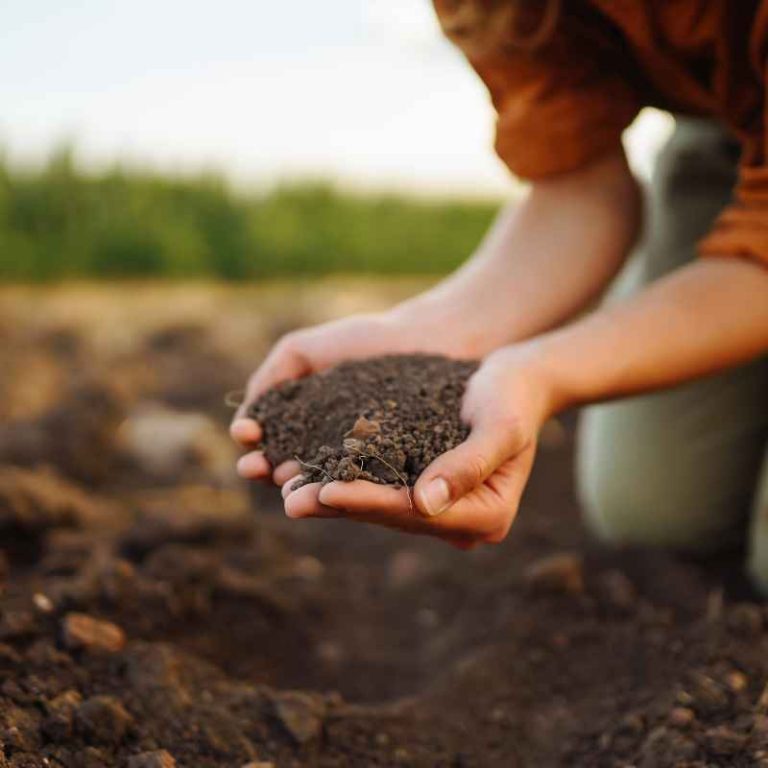
- Take a small pinch. Grab a handful of loose soil and rub it between your fingers. Dark, crumbly soil with an earthy smell suggests more humus.
- Compare texture closely. If the soil feels gritty and slips through your fingers fast, it may be sandy and pale for that reason rather than because it lacks all fertility.
- Look for structure. Crumb-like clods and visible bits of decomposed plant material point to more organic matter. Hard clumps that smear when wet suggest a separate structure problem.
When compaction is the real problem
Compaction reduces air and water movement, and it can look like poor drainage even when the color itself is not especially gray. A compacted layer may sit under a dark topsoil, which is why adding compost to the surface does not always fix the issue.
If a shovel meets a hard layer at the same depth across the bed, compaction is a likely cause. In that case, breaking the layer, loosening the soil carefully, or changing traffic patterns often matters more than adding more organic matter on top.
What should I add or change next?
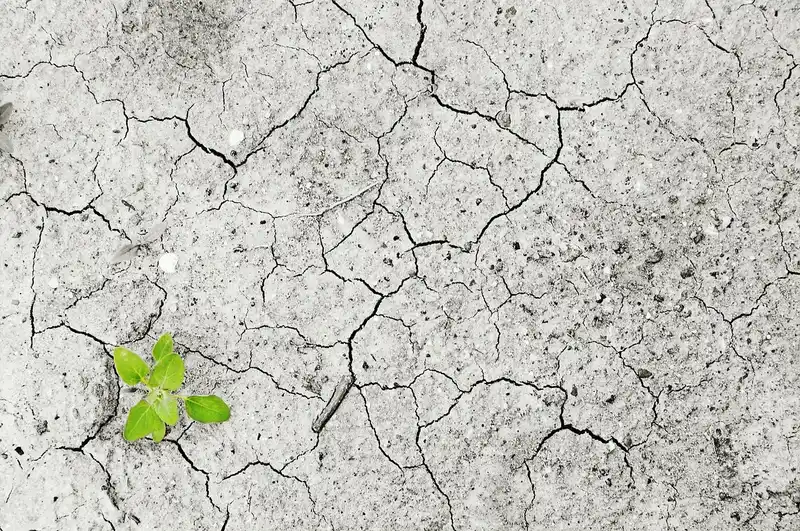
Start by matching the fix to the problem. Compost, humus-building amendments, and worm castings help organic matter and fertility. Raised beds, grading, and drainage changes solve wetness and oxygen problems. Those are different jobs, and one will not replace the other.
Compost, humus, and worm castings
Compost helps build humus, which darkens soil and improves structure. Worm castings are also used as an amendment for fertile soil, and they fit alongside compost and peat as organic inputs that support water handling and plant nutrition.
Use these amendments when the issue is low organic matter, weak structure, or a pale, loose top layer. They are useful for improving fertility and moisture balance, but they do not remove perched water from a heavy subsoil.
Raised beds, drainage fixes, and timing
If drainage is the problem, fix the path of water first. In native ground, that can mean reshaping grade, diverting runoff, or planting only after the soil has dried enough to avoid smearing and compaction. In raised beds, adding height or replacing tight fill can help. In containers, choose a freer-draining mix and clear the drainage holes.
Do not plant into gray or green soil just because a dark layer sits above it. Roots placed into low-oxygen soil often fail before top growth shows obvious trouble.
When amendments will not solve the problem
Compost will not fix perched water above a dense layer. Worm castings will not correct a hardpan. Peat can hold moisture, so it may help structure in a mix but still will not repair a drainage bottleneck below the root zone.
Suppose a garden bed is tan on top, gray below 6 inches, and still wet two days after rain. Adding more organic matter on the surface may improve the top layer, but the deeper wet zone still needs a drainage fix before roots can breathe well.
Frequently asked questions
What does dark soil color mean for drainage?
Dark soil usually points to more organic matter, not automatically to better drainage. It can drain well if the structure is open, but it can also sit over a compacted or clay layer that slows water movement. Check the hole test before assuming the root zone has enough oxygen.
Does gray soil mean my garden is waterlogged?
Gray soil often means the soil has stayed low in oxygen long enough for drainage problems to show up. It is a strong warning sign, especially with a sour smell or standing water in a test hole. Still, confirm whether the whole bed is wet or just one low patch.
Why is my soil red or yellow instead of brown?
Red and yellow soils usually contain iron oxide. Hematite gives red tones, and goethite gives yellow or yellow-brown tones. Those colors often reflect oxidation and drainage conditions rather than soil fertility alone, so you still need to check texture, compaction, and root-zone moisture.
Can soil color tell me if my soil has enough organic matter?
Color can hint at organic matter, but it cannot prove the amount. Black or dark brown soil often has more humus, while light brown or tan soil may have moderate organic matter. Sandy, freshly disturbed, or mineral-heavy soil can also look pale without being the same kind of problem.
What other signs besides color show bad drainage?
Slow water drop in a test hole, a sour or swampy smell, sticky soil that smears when wet, weak roots, and blackened root tips all point to drainage trouble. Earthworms can be a good sign at the surface, but they do not cancel out a wet, low-oxygen layer below.