Which Soil Horizon Contains the Most Organic Matter?
Soil is the foundation of terrestrial ecosystems, supporting agriculture, forests, and countless organisms. Yet beneath the surface, soil is a complex, layered system—each horizon playing a unique role in supporting life. Among these horizons, one stands out for its richness in organic matter, acting as the lifeblood for plants and microorganisms alike. Understanding which soil horizon contains the most organic matter is essential for farmers, gardeners, ecologists, and anyone invested in sustainable land management or environmental health.
The answer is not just a matter of curiosity—it’s central to food security, climate regulation, and even carbon sequestration efforts. Farmers rely on fertile soil horizons for bountiful crops, conservationists monitor organic content to gauge ecosystem health, and climate scientists analyze organic-rich layers to understand the global carbon cycle.
This article explores the intricacies of soil horizons, focusing on the layer richest in organic matter, examining the science, implications, and practical takeaways for professionals and enthusiasts.
Key Takeaways
- The O horizon is the soil layer with the highest concentration of organic matter.
- Organic matter fuels plant growth, enhances soil structure, and drives nutrient cycling.
- Managing the O horizon is crucial for sustainable agriculture and ecosystem health.
- Disturbances like deforestation or intensive tillage can deplete organic matter rapidly.
- Regional climate, vegetation type, and land management practices significantly influence organic matter levels.
- Understanding soil horizons aids in land restoration, carbon sequestration, and conservation efforts.
Understanding Soil Horizons: An Overview
Soil is not a uniform substance but rather a system composed of distinct horizontal layers known as soil horizons. Each horizon forms through a combination of biological, chemical, and physical processes influenced by climate, organisms, topography, parent material, and time—a concept collectively known as the soil-forming factors.
The Main Soil Horizons
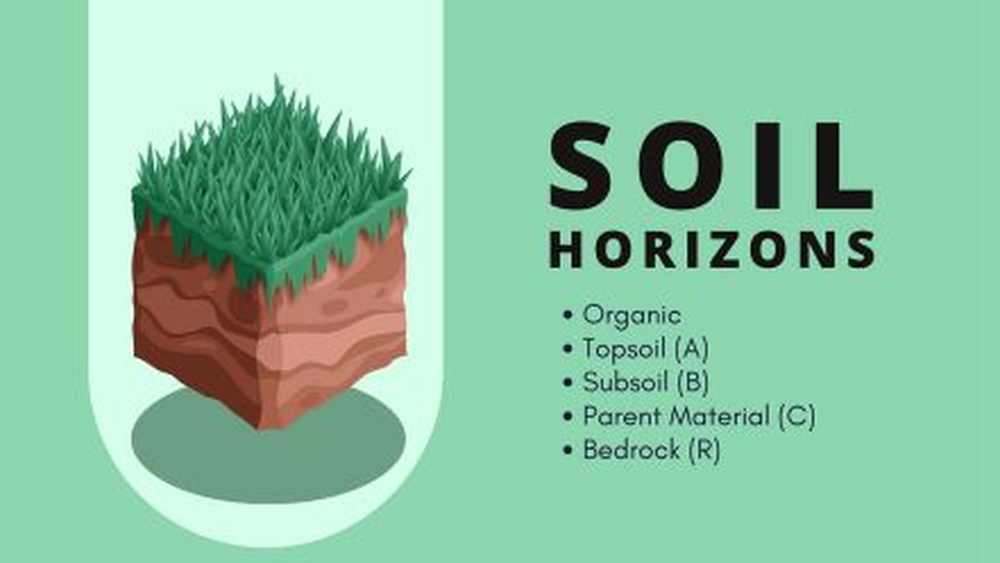
Soil scientists typically recognize five primary horizons:
- O horizon: Organic-rich surface layer
- A horizon: Topsoil with a mix of minerals and organic matter
- E horizon: Leached, mineral layer with few organics (not always present)
- B horizon: Subsoil, zone of accumulation (minerals, clays)
- C horizon: Unconsolidated parent material
- R horizon: Bedrock (not always included in soil)
Each horizon varies in color, texture, structure, and especially organic matter content. The thickness and characteristics of these layers depend on location, climate, vegetation, and human activity. For example, a forest soil may have a thick, dark O horizon, while an arid soil might show little organic matter and a dominant mineral profile.
The presence or absence of certain horizons is a direct reflection of environmental conditions and the influence of soil-forming factors. In some soils, especially those developed over long periods without disturbance, horizons are sharply defined, while in others, such as newly formed or heavily managed soils, the boundaries may be blurred or missing altogether.
Soil Profile Development
A soil profile is a vertical section showing all horizons. Over time, organic debris accumulates on the surface, decomposing into humus that blends with mineral soil below. Rainfall, temperature, and biological activity drive the movement of materials downward, creating distinct horizons.
The development of a soil profile is a dynamic process. Organic inputs from plants and animals accumulate and undergo decomposition, aided by soil organisms such as bacteria, fungi, and invertebrates. As these materials break down, they contribute to the formation of humus, which is the stable fraction of organic matter.
Simultaneously, minerals and nutrients are transported vertically through processes like leaching and eluviation, further differentiating the horizons.
This ongoing interplay between organic and inorganic materials gives rise to soil profiles that are unique to each landscape. Soil scientists often use soil profiles to assess land capability, fertility, and even historical land use, providing invaluable information for agriculture, forestry, and environmental conservation.
Why Horizons Matter
- Plant Growth: Roots depend on horizons rich in nutrients and organic matter.
- Water Movement: Each layer has unique porosity and water-holding capacity.
- Soil Fertility: The distribution of organic and mineral matter determines productivity.
- Environmental Assessment: Soil profiles reveal land history and suitability for use.
- Ecosystem Services: Horizons regulate water filtration, carbon storage, and habitat provision.
Understanding soil horizons is crucial not only for agricultural productivity but also for predicting how soils respond to disturbances, climate change, and restoration efforts. For an in-depth scientific overview, see Soil horizon – Wikipedia.
The O Horizon: Nature’s Organic Powerhouse
The O horizon, sometimes called the “organic horizon,” is the uppermost layer in many forest and grassland soils. This layer is dominated by organic matter—dead plant material, leaf litter, twigs, moss, animal remains, and microbial biomass.
Composition Of The O Horizon
The O horizon is typically subdivided into:
- Oi (Litter layer): Fresh, recognizable organic material (leaves, needles).
- Oe (Fermentation layer): Partially decomposed material with some structure.
- Oa (Humus layer): Well-decomposed, dark, amorphous organic matter (humus).
The thickness and distinctness of each sublayer depend on the local ecosystem and climate. For instance, in temperate deciduous forests, the Oi layer may be prominent during autumn due to leaf fall, while in tropical rainforests, the Oa layer may dominate due to rapid decomposition.
In peatlands, the O horizon can be exceptionally thick, with decomposition slowed by waterlogging, preserving organic material over millennia.
These sublayers provide insights into the decomposition process, nutrient cycling, and even the health of the ecosystem. Soil scientists often examine the composition and structure of the O horizon to assess the rate of organic matter turnover and the presence of key decomposers.
Organic Matter Content
No other horizon matches the O horizon for organic matter concentration. In some forest soils, the O horizon can be over 90% organic material by weight, compared to 1-6% in the mineral-rich A horizon. This high content is due to:
- Continuous input of plant debris and animal residues.
- Slower decomposition in cool or wet climates, allowing organic matter to accumulate.
- Limited mixing with mineral soil, preserving pure organic layers.
In environments where decomposition is rapid, such as tropical forests, the O horizon may be thin but still rich in organic matter. Conversely, in cold or waterlogged climates, organic matter accumulates faster than it decomposes, resulting in thick, carbon-rich layers.
The organic matter in the O horizon is not just a static deposit—it is actively cycled by soil organisms, contributing to soil fertility and ecosystem resilience.
Functions And Benefits
The O horizon is vital for:
- Nutrient cycling: Organic matter decomposes into essential nutrients (nitrogen, phosphorus, potassium).
- Soil structure: Humus acts as a “glue,” improving aggregation and water retention.
- Microbial habitat: Teeming with fungi, bacteria, and invertebrates.
- Erosion prevention: Protects underlying mineral soil from rainfall impact.
- Carbon storage: Acts as a major carbon sink, influencing global climate.
Additional benefits include improved buffering capacity against pH changes and enhanced resilience to soil compaction. The O horizon also provides a crucial habitat for ground-nesting birds, small mammals, and insects, supporting a diverse food web. Its role in protecting the underlying soil from physical and chemical degradation is indispensable, especially in regions prone to heavy rainfall or wind.
O Horizon In Different Ecosystems
- Forests: Thick, well-developed O horizon due to continuous litter fall; often hosts a rich community of decomposers and mycorrhizal fungi.
- Grasslands: Thinner but still significant organic layer, especially in prairies where root turnover contributes organic matter.
- Wetlands: Can develop into peat, with up to several meters of organic matter; these layers are critical for global carbon storage.
- Deserts: O horizon is often absent due to limited plant cover and harsh conditions that inhibit organic accumulation.
The variability of the O horizon across ecosystems highlights its sensitivity to environmental conditions and management practices. For a comprehensive guide, visit Soil Horizons – USDA NRCS.
A Horizon Vs. O Horizon: A Data-driven Comparison
While the O horizon contains the most organic matter, the A horizon (topsoil) is also rich in organics but differs in composition and function. Many agricultural soils lack a distinct O horizon due to tillage, but their A horizon remains crucial for crop growth.
Key Differences
| Characteristic | O Horizon | A Horizon |
|---|---|---|
| Location in Profile | Surface (above mineral soil) | Immediately below O (or at surface if O is absent) |
| Organic Matter Content | 30-100% (can be >90% in some forests) | 1-6% (up to 10% in rich soils) |
| Primary Material | Plant/animal debris, humus | Mineral soil mixed with organic matter |
| Color | Very dark brown to black | Dark brown to gray |
| Biological Activity | High (especially fungi, invertebrates) | Very high (roots, bacteria, earthworms) |
| Thickness | Few millimeters to several centimeters | 5-30 centimeters or more |
| Main Functions | Nutrient cycling, carbon storage | Plant growth, water retention |
When Is The O Horizon Absent?
- Plowed fields: Mixing destroys the distinct O horizon, blending it into the A horizon.
- Urban soils: Construction and landscaping often remove surface organics.
- Arid regions: Sparse vegetation means little organic accumulation.
Additionally, intensive grazing, mining, or other land disturbances can result in the loss or fragmentation of the O horizon. Even in undisturbed grasslands, the O horizon may be minimal, with organic matter distributed deeper in the soil profile.
Case Example: Forest Vs. Farmland
A study in the Midwest US found:
- Undisturbed forest: O horizon contained 70% of surface organic matter, A horizon 25%.
- Cultivated field: O horizon nearly absent, A horizon had 3% organic matter (vs. 6% in forest A horizon).
This demonstrates how land use changes alter the distribution of organic matter across horizons. The effects of such changes can persist for decades, impacting soil fertility, water retention, and ecosystem health. For more, see Scientific Reports: Soil organic matter distribution.

Credit: wormwatch.d.umn.edu
Factors Influencing Organic Matter Content In Soil Horizons
Not all O horizons are created equal. The amount of organic matter in any soil horizon depends on a complex interplay of environmental and human factors.
Climate
- Temperature: Cold slows decomposition, allowing organic matter to accumulate (e.g., boreal forests, peatlands).
- Precipitation: High rainfall supports lush vegetation and litter fall, but can also leach organics downward.
- Dry climates: Low production and rapid decay limit organic horizon development.
In regions with seasonal climates, the rate of organic input and decomposition fluctuates throughout the year. For example, temperate forests experience a surge of litter fall in autumn, followed by slower decomposition in winter.
Vegetation Type
- Deciduous forests: Thick, nutrient-rich O horizons due to seasonal leaf drop.
- Coniferous forests: Slower decomposition, thicker O horizon with acidic litter.
- Grasslands: Massive root systems deposit organic matter deeper, less at surface.
- Wetlands: Waterlogging preserves plant material, creating organic soils (Histosols).
The type of vegetation influences not only the quantity but also the quality of organic matter. Leaf litter from broadleaf trees decomposes faster than needles from conifers, affecting the rate of nutrient cycling and soil formation.
Soil Organisms
- Microbes and fungi: Decompose organic material, cycling nutrients.
- Earthworms and insects: Mix organic and mineral soil, influencing horizon boundaries.
- Large mammals: Trampling, burrowing, and feces add to surface organics.
The diversity and abundance of soil organisms regulate the speed of decomposition and the stability of organic matter within the O horizon. Healthy soils support a wide array of decomposers that facilitate nutrient release and aggregation.
Topography And Drainage
- Slopes: Erosion removes O horizon, depositing it downslope.
- Lowlands: Accumulate thicker organic layers due to slower water movement.
Sites with poor drainage or depressions tend to accumulate organic matter, sometimes forming peat or muck soils. Conversely, areas prone to erosion may lose their O horizon rapidly, exposing mineral soil and reducing fertility.
Human Activity
- Agriculture: Tillage, harvesting, and burning reduce or mix the O horizon.
- Deforestation: Removes litter input, exposing soil to erosion.
- Urbanization: Soil sealing and removal destroy organic horizons.
Human management practices can either support the accumulation of organic matter or accelerate its loss. Sustainable land use strategies are critical for maintaining healthy soil horizons and the ecosystem services they provide.
For further reading, visit Soil Science Society of America.
The Role Of Organic Matter In Soil Health And Ecosystems
The high concentration of organic matter in the O horizon is not just a chemical curiosity—it underpins the productivity and resilience of entire ecosystems. Understanding why this matters is essential for anyone managing or restoring land.
Nutrient Reservoir
Organic matter is the primary source of:
- Nitrogen: Released through microbial breakdown, fueling plant protein synthesis.
- Phosphorus and sulfur: Made available as organics decompose.
- Micronutrients: Including iron, zinc, and copper.
Without a rich O horizon, these nutrients would be less available for plant uptake. The O horizon acts as a buffer, supplying nutrients even during periods of stress or low input, thus supporting sustained plant growth.
Enhancing Soil Structure
Humus in the O horizon acts as a binding agent, creating stable soil aggregates. This improves:
- Water infiltration and retention: Reduces runoff and drought stress.
- Aeration: Promotes healthy root and microbial activity.
- Erosion resistance: Well-aggregated soil withstands heavy rains.
The presence of organic matter also facilitates the formation of macropores, which are essential for drainage, gas exchange, and root penetration. Soils rich in organic matter are less prone to crusting and compaction, supporting higher productivity and biodiversity.
Supporting Biodiversity
The O horizon is a habitat for:
- Microorganisms: Bacteria, fungi, actinomycetes.
- Invertebrates: Earthworms, beetles, nematodes.
- Seedlings and saplings: Benefit from soft, nutrient-rich substrate.
The abundance and diversity of life in the O horizon make it a cornerstone of terrestrial food webs. Many species depend on this layer for food, shelter, and reproduction, making its preservation critical for ecosystem health.
Climate Regulation
Soil organic matter is a critical carbon sink. The O horizon can store substantial quantities of carbon, mitigating greenhouse gas emissions. For instance, peatlands (with massive O horizons) hold up to 30% of global soil carbon.
By sequestering carbon, the O horizon plays a direct role in regulating atmospheric CO2 concentrations. Protecting and restoring organic-rich soils is a key strategy in climate mitigation efforts.
Pollution Buffer
Organic-rich layers can bind heavy metals and pesticides, reducing their mobility and bioavailability, thus protecting groundwater and food chains. This capacity to immobilize pollutants is particularly important in urban and agricultural landscapes where contamination risks are high.
For a scientific review, see Frontiers in Environmental Science.
Real-world Examples And Case Studies
Examining real landscapes helps illustrate the diversity and importance of the O horizon.
Case Study 1: Boreal Forests Of Canada
Scenario: Boreal forests cover vast areas with cold climates and coniferous trees.
- O horizon thickness: Often 10-30 cm deep.
- Organic matter content: Up to 95% in the Oi and Oe layers.
- Impact: These layers act as massive carbon reservoirs, but are vulnerable to wildfire and logging. After disturbance, organic matter can take centuries to recover.
The O horizon in boreal forests is particularly susceptible to climate change, as rising temperatures can accelerate decomposition and increase fire frequency, releasing stored carbon and altering nutrient dynamics.
Case Study 2: Temperate Prairie Grasslands
Scenario: Prairies of the American Midwest, dominated by grasses.
- O horizon: Thin or patchy, but A horizon is rich in organic matter due to deep root systems.
- Agricultural conversion: Plowing removes or incorporates the O horizon, reducing surface organics but leaving deeper reserves.
- Result: Crop yields remain high if organic matter is maintained in the A horizon, but erosion risk rises with O horizon loss.
Grassland restoration projects often focus on reestablishing deep-rooted native species to rebuild organic reserves and improve soil structure.
Case Study 3: Tropical Rainforests
Scenario: Equatorial forests with rapid growth and decay.
- O horizon: Thin, because high temperature and moisture promote fast decomposition.
- Nutrient cycling: Most nutrients are recycled within days to weeks, with little long-term storage in the O horizon.
- Deforestation risk: Once cleared, soils quickly lose fertility, emphasizing the O horizon’s role in ecosystem stability.
The fragile O horizon in tropical soils highlights the importance of sustainable forest management and agroforestry practices.
Comparison Table: O Horizon Across Biomes
| Biome | O Horizon Thickness | Organic Matter (%) | Recovery After Disturbance |
|---|---|---|---|
| Boreal Forest | 10-30 cm | 70-95% | Slow (decades to centuries) |
| Temperate Grassland | 1-5 cm | 10-30% | Moderate (years to decades) |
| Tropical Rainforest | 0.5-2 cm | 20-60% | Fast (months to years) |
| Peatland (Wetland) | 50-400 cm | >90% | Very slow (centuries or more) |
Case Study 4: Managed Agricultural Fields
Scenario: Long-term cropping in the US Corn Belt.
- O horizon: Typically absent due to tillage.
- A horizon: Contains 2-4% organic matter if well-managed.
- Best practices: No-till farming, cover crops, and residue return can help rebuild surface organic matter, mimicking O horizon functions.
Farmers adopting these practices report improved soil structure, reduced erosion, and higher yields over time, demonstrating the value of organic matter management.
For more case studies, see FAO: Soils and Organic Matter.
Impacts Of Land Management On Organic Matter In The O Horizon
Human activities can rapidly alter the amount and distribution of organic matter in the O horizon, with profound consequences for productivity, erosion, and climate.
Agricultural Practices
- Tillage: Mixing destroys O horizon, exposes organics to rapid decomposition.
- Monocropping: Reduces plant diversity and organic inputs.
- Conservation tillage/no-till: Preserves surface organic matter, enhances O horizon thickness.
Long-term studies show that conservation tillage increases soil organic carbon, improves water retention, and supports beneficial soil organisms, making it a cornerstone of sustainable agriculture.
Forestry
- Clearcutting: Removes litter source, increases erosion risk.
- Sustainable harvest: Retains organic inputs, supports recovery.
- Controlled burns: Can reduce disease but volatilize organic matter.
Forestry practices that maintain a continuous supply of organic inputs and minimize soil disturbance help preserve the O horizon and its associated ecosystem services.
Urbanization
- Soil sealing: Asphalt, concrete prevent organic accumulation.
- Landscaping: Imported mulch can create artificial O horizons but lacks biodiversity.
Urban planners increasingly recognize the importance of green infrastructure—such as parks and green roofs—in maintaining some semblance of organic horizons within cities.
Restoration And Conservation
- Reforestation: Gradually rebuilds O horizon over decades.
- Grassland restoration: Enhances surface and subsurface organic pools.
- Wetland creation: Accumulates thick organic layers, stores carbon.
Restoration efforts often involve planting native species, minimizing disturbance, and adding organic amendments to accelerate O horizon recovery.
Table: Effects Of Management On O Horizon Organic Matter
| Management Action | Impact on O Horizon | Long-Term Outcome |
|---|---|---|
| Intensive Tillage | Destroys O horizon, accelerates organic loss | Reduced fertility, increased erosion |
| No-Till/Conservation Tillage | Preserves or rebuilds O horizon | Improved soil health, increased carbon storage |
| Clearcut Forestry | Removes organic inputs, exposes soil | Slow recovery, higher erosion risk |
| Reforestation/Restoration | Gradual accumulation of organic layer | Enhanced ecosystem function |
For guidelines on sustainable management, refer to USDA Forest Service.
Soil Horizons And Global Carbon Cycling
The O horizon’s role extends far beyond local soil fertility—it is a linchpin in the global carbon cycle. As terrestrial ecosystems sequester carbon, the fate of organic-rich horizons impacts atmospheric CO2 levels and climate change.
Carbon Storage In The O Horizon
- Peatlands: Store 500-600 gigatons of carbon globally—more than all the world’s forests combined.
- Boreal forests: O horizons lock away 30-40% of ecosystem carbon.
- Grasslands: Surface organic matter is more dynamic but still significant.
The potential for carbon storage in the O horizon is enormous, and its preservation is a critical component of climate change mitigation. The slow decomposition rates in peatlands and boreal forests allow these ecosystems to accumulate carbon over thousands of years.
Carbon Losses
- Wildfire: Destroys O horizon, releases decades or centuries of carbon in days.
- Land conversion: Plowing, drainage, and development can oxidize organic matter, emitting CO2.
- Climate warming: Thaws permafrost, accelerating decomposition and carbon release.
The vulnerability of the O horizon to disturbance highlights the need for careful management and protection, especially in areas with high carbon stocks.
Policy And Practice
- Protecting organic soils: International agreements aim to conserve peatlands and forests for carbon storage.
- Carbon farming: Incentivizes practices that rebuild or preserve the O horizon.
- Carbon offsets: Restoring organic-rich soils is a key strategy for meeting climate targets.
The integration of soil carbon management into climate policy is gaining momentum globally, with governments, NGOs, and private sector actors collaborating to protect and restore organic-rich soils.
For more on carbon and soils, see IPCC Special Report on Climate Change and Land.
Frequently Asked Questions
Which Soil Horizon Contains The Most Organic Matter?
The O horizon contains the highest concentration of organic matter, often exceeding 90% in undisturbed forests and peatlands. This layer consists primarily of plant debris, decomposing leaves, and humus.
How Does Organic Matter Benefit Soil Health?
Organic matter improves soil structure, enhances nutrient availability, increases water retention, supports beneficial microbes, and helps resist erosion. It is essential for productive and resilient soils.
Can Agricultural Soils Have A Distinct O Horizon?
Most agricultural soils lack a distinct O horizon due to plowing and residue removal. However, conservation tillage and cover cropping can rebuild surface organic layers, mimicking the O horizon’s functions.
How Can Land Managers Protect Or Restore The O Horizon?
- Minimize soil disturbance (use no-till or reduced tillage)
- Maintain plant cover year-round
- Add organic amendments (compost, mulch)
- Restore native vegetation after disturbance
- Prevent erosion with buffers and groundcover
- Support biodiversity by planting diverse species and encouraging habitat complexity
These actions help preserve and regenerate the O horizon, ensuring long-term soil health and ecosystem productivity.
What Happens If The O Horizon Is Lost?
Loss of the O horizon leads to decreased soil fertility, higher erosion risk, lower water-holding capacity, and reduced carbon sequestration. Ecosystem productivity and resilience are typically diminished. Restoration can be a slow process, often requiring years to decades for recovery, emphasizing the importance of proactive management.
Soil horizons are more than just layers—they are the archives and engines of ecosystems, agriculture, and the global climate. The O horizon, with its unparalleled organic matter content, is both a treasure and a responsibility to protect. By understanding and managing this vital layer, we lay the groundwork for sustainable land use, food security, and a stable climate for generations to come.