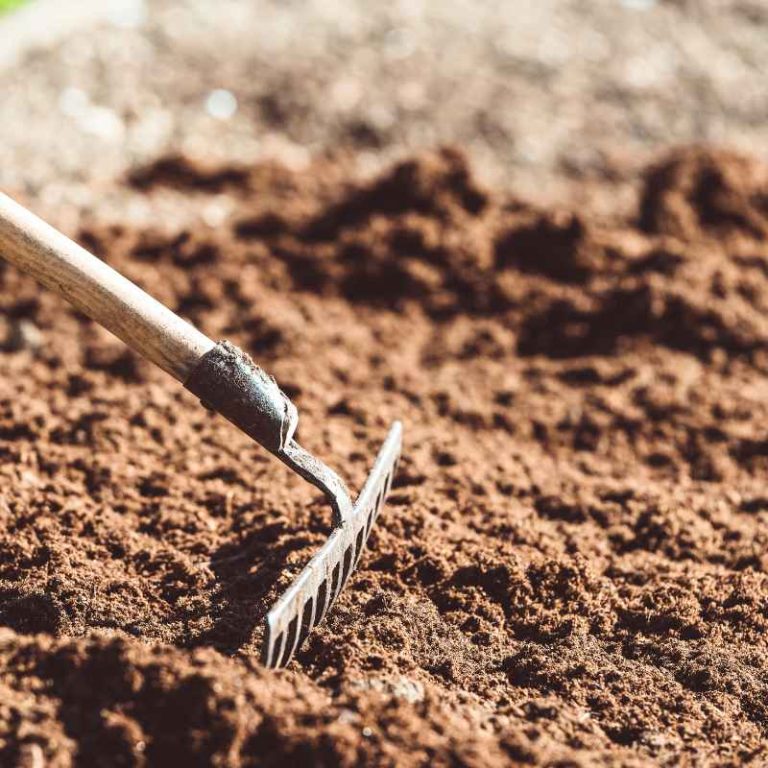
How to Remove Stones From Garden Soil
Remove stones larger than about 1/2 inch for seedbeds and root crops; for smaller amounts, hand-pick them, screen heavily rocky soil, and leave scattered gravel in beds that only need general improvement. Left in place, rocks can throw off planting depth, push roots sideways, and leave rows uneven and hard to water. This guide shows when to hand-pick, when to screen, and when to cover and rebuild a bed instead.
Why rocky soil needs triage


Surface stones and buried stones need different treatment. Surface gravel can often be raked or picked off quickly, while buried rubble usually sits below compacted soil and needs loosening first. If the bed only needs general improvement, scattered stones may be harmless. If you need fine tilth for seeds or root vegetables, the standard has to be higher.
Stone size, soil condition, and crop type decide the job. Use a stricter approach where seeds need even depth, drainage needs to move water through the bed, or roots need a straight run. That does not mean every rocky bed should be stripped bare.
Surface stones vs buried stones
Surface stones are visible after raking or light cultivation. Those are the easiest to collect. Buried stones sit under a crust or compacted layer and usually resist hand-picking until the soil is loosened. Treating both the same wastes effort and can make the job harder than it needs to be.
When stones matter for planting
Stones matter most in seedbeds, carrot beds, parsnip rows, and other plantings that need even depth and straight root run. They matter less in borders, established shrub beds, and rough drainage areas. If the bed only needs a healthier top layer, you may be better off improving the soil instead of chasing every last stone.
What you’ll need
- Garden fork to loosen compacted soil before removal; the tines should reach the compacted layer.
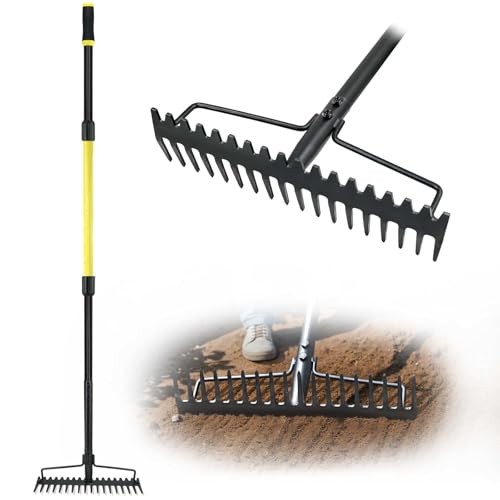
- Stone rake with wider, sturdier tines than a standard garden rake for gathering small stones from the surface.
- Soil riddle or mesh screen for screening planting areas and removing missed stones.
- Gloves for hand sorting and raking.
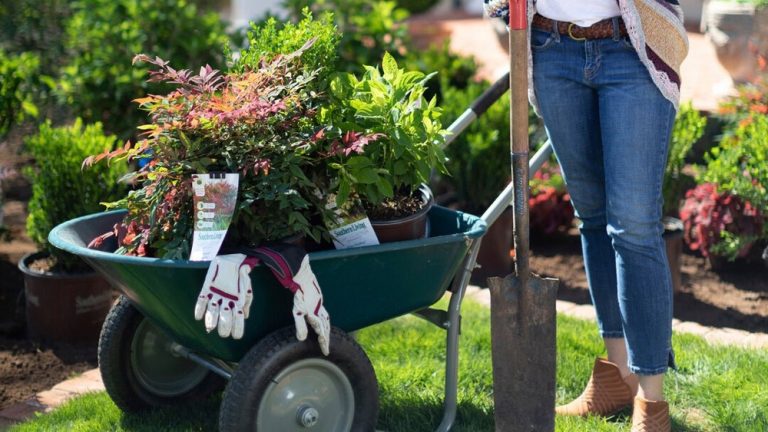
- Wheelbarrow to collect and move removed stones off the bed.
- Compost or well-rotted manure to add after clearing stones.
Stone removal decision table
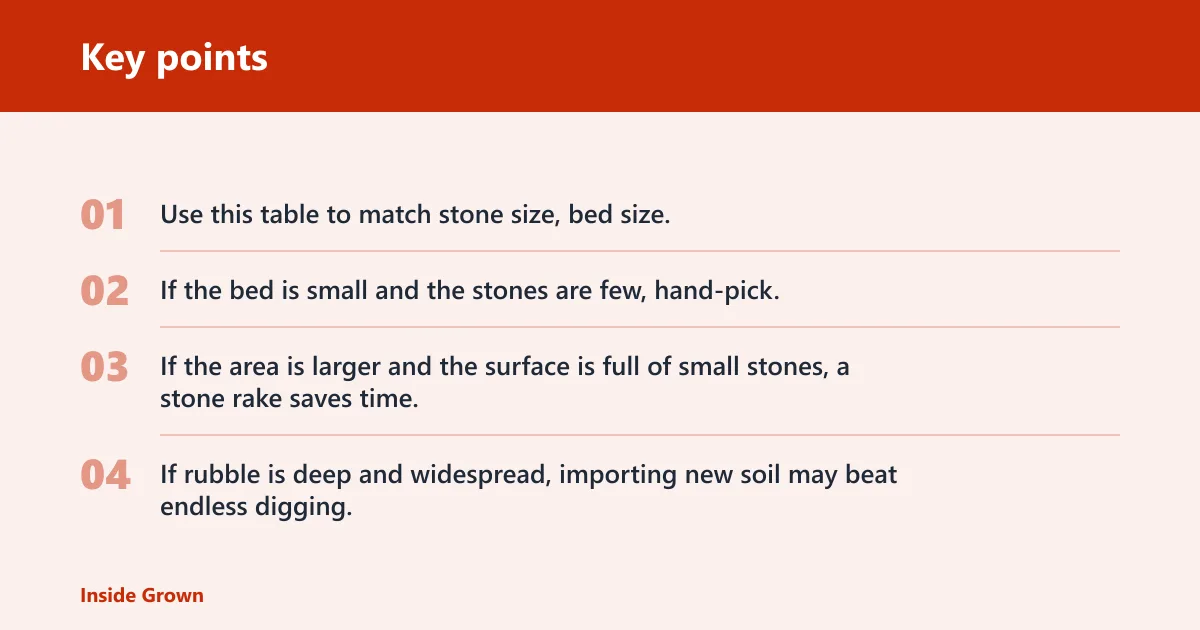
Use this table to match stone size, bed size, and planting goal to the least wasteful method. If the job needs fine tilth, screen. If the bed is small and the stones are few, hand-pick. If the area is larger and the surface is full of small stones, a stone rake saves time. If rubble is deep and widespread, importing new soil may beat endless digging.
| Stone size | Area size | Planting goal | Best method | Effort level | Do not bother |
|---|---|---|---|---|---|
| Larger than 1/2 inch | Small bed | Seedbed or root vegetables | Loosen with a garden fork, hand-pick, then screen | High | No |
| Smaller surface stones | Medium-sized area | General planting | Stone rake, then hand-sort missed stones | Medium | Yes, if the bed only needs general improvement |
| Mixed stones and rubble | Large area | New vegetable bed | Screen in sections; consider imported topsoil for the worst patches | Very high | Yes, if rubble is deep and widespread |
| Scattered gravel | Flower border | Ornamental planting | Hand-pick only the obvious pieces | Low | Yes, if drainage is good and planting is not shallow-rooted |
| Builder’s rubble | Any bed | Fine tilth needed | Remove what you can, then replace the soil layer | Very high | Yes, if the debris keeps returning or includes broken brick and mortar |
How do you remove stones from garden soil?
Start by loosening compacted soil, then remove the largest stones by hand, rake the smaller ones from the surface, and screen the bed if you need fine tilth. Divide the bed into sections so you can track progress and catch buried pieces before they disappear into loosened soil. Move the stones into a wheelbarrow as you work.
- Mark off a workable section of the bed.
- Loosen the soil with a garden fork until the tines reach the compacted layer.
- Put on gloves and hand-pick the largest stones first.
- Rake the surface with a stone rake to gather smaller stones.
- Screen the loosened soil if the bed is for seeds or root crops.
- Move removed stones into a wheelbarrow and clear them off the bed surface.
If that didn’t work, try this next
If stones keep appearing after raking, the bed probably has more buried rubble than the surface suggests. Go back with a fork, loosen a deeper layer, and screen that section again. If you are still pulling up brick fragments, mortar, or repeated stone clusters, stop trying to improve the whole bed in place and switch to imported topsoil in the planting zone.
How do you remove rocks from soil without digging everything up?
Work the surface in passes instead of turning the whole bed at once. Keep each pass controlled, so you do not disturb soil you have already cleared. Use the right tool for each layer: hand-pick obvious stones, rake the top layer, and only dig deeper where the soil is compacted or packed with rubble. Full excavation usually makes sense only for small beds or especially severe debris.
- Rake off loose debris from the top layer.
- Hand-pick the visible stones that remain.
- Use a fork to lift and loosen only the compacted spots.
- Screen that loosened section if you still find missed stones.
- Repeat section by section until the planting area is acceptable.
Say a 2 m by 3 m vegetable bed has mostly small stones near the surface. A rake and screen can clear the planting rows without stripping the whole bed. Suppose the same bed hides broken brick about 20 cm down. At that point, removing every piece in place may cost more time than replacing the top layer.
How do you remove stones from a flower bed?
Clear flower beds in sections, sort stones by size as you go, and stop once the bed is good enough for the plants you want. Most flower beds do not need a perfect seedbed, so you can be less strict than you would be for carrots or parsnips. Finish by adding organic matter to improve the top layer.
- Cut back spent growth so the surface is visible.
- Loosen the soil where it has compacted around roots.
- Pick out the largest stones by hand.
- Rake the bed to collect smaller surface stones.
- Screen only the planting pockets that need finer tilth.
- Work compost or well-rotted manure into the top 20–30cm after clearing stones.
A common first-timer mistake is trying to make an entire border as fine as a seed tray. That is usually unnecessary and exhausting. Better to clear the planting holes thoroughly and leave harmless gravel in the rest of the bed.
What to do with removed stones
Reuse stones first, then treat the leftovers as waste if they have no practical use. Clean, stable stone can go into paths, borders, edging, drainage trenches, or a rock garden. Keep removed material in a wheelbarrow while you decide where it belongs so it does not end up back in the bed.
Reuse options
- Build a rock garden or dry border edge.
- Line a path where drainage matters.
- Use larger stones at the base of drainage areas.
- Place stable stone around borders to hold mulch in place.
Disposal options
If the stones are mixed with brick, mortar, or other builder’s rubble, separate what can be reused and dispose of the rest through appropriate garden waste or skip handling. Do not scatter rubble into beds you plan to plant in later. If local rules limit hard waste in green waste, keep it out of the compost pile.
What about clay soil, lawns, and rubble?
Clay soil is sticky, hard to work, and easily compacted, so timing and soil condition matter more than enthusiasm. Only walk on or work clay when dry. In lawns, remove only the stones that interfere with mowing or create obvious bumps. In a bed full of builder’s rubble, imported topsoil is often the better answer.
When the rocky layer is too deep, too mixed, or too large to screen profitably, stop and rebuild the planting zone instead. That is especially true where you need a fine finish for vegetables or new lawn repair. A better top layer can save more labor than trying to rescue poor subsoil.
When to do the work and how to finish it
Spring is a practical time to tackle stone removal in a UK garden, before the growing season begins. The soil is usually easier to judge then, and you can see the planting layout before crops go in. Whatever method you choose, finish by adding compost or well-rotted manure to improve structure and nutrient supply.
Gardeners’ World recommends adding at least a 5cm layer of organic matter before digging it in. Work it into the top 20–30cm after the stones are out. That gives the bed a better surface condition for planting and helps the soil recover from the disturbance.
Common mistakes
Do not skip loosening compacted soil first. Tight soil makes stones harder to extract and slows the whole job. A standard garden rake is generally less suitable for heavy stone work than a stone rake; wider, sturdier tines are the point of a stone rake. Do not screen every bed by default. Screening is the most thorough method, but it is also the most labor-intensive.
Do not keep digging after the bed has reached the level your plants need. If the soil is full of rubble, move to imported topsoil rather than chasing every fragment. Do not dump stones back onto bare soil while you work. Keep them in a wheelbarrow so the bed stays clear and easy to read.
Frequently asked questions
What is the best way to remove rocks from soil?
The best method depends on the stone size and the planting goal. Hand-picking is best for a small bed with larger stones, a stone rake helps in medium-sized areas with small surface stones, and a soil riddle is best when the bed must be fine for seeds or root vegetables.
Do I need to screen soil before planting?
Screening is often worth it when planting seeds, carrots, parsnips, or any crop that needs a fine, even seedbed. It is not necessary for every flower border or shrub bed. If the bed only needs general improvement, hand-picking and raking may be enough.
Can I use a garden rake to get rid of stones?
A standard garden rake can move loose debris, but a stone rake is better because it has wider, sturdier tines. Use it for medium-sized areas with small surface stones. For buried rubble or compacted soil, start with a fork first, then rake after the layer is loosened.
How do you dispose of garden stones?
Reuse them first in paths, borders, drainage, or a rock garden. If the stones are mixed with rubble or have no useful place, move them in a wheelbarrow and handle them as hard garden waste according to local disposal rules. Keep them out of beds you plan to plant later.